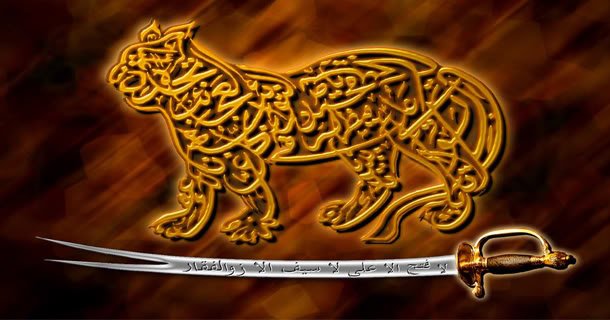
THESE 3 GROUPS WILL HAVE PAINFUL CHAISTISEMENT ON THE DAY OF JUDGEMENT

بِسْمِ ٱللَّهِ ٱلرَّحْمٰنِ ٱلرَّحِيم

THESE 3 GROUPS WILL HAVE PAINFUL CHAISTISEMENT ON THE DAY OF JUDGEMENT

Imam Jafer Sadiq (as)
3 giroh aaise hai jinse Allah (swt) Qayamat me na baat karega na onhe paak karega aur inke liye shadeed azaab hoga.

  1. Jo Allah(swt) ki taraf se Imām hone ka dawa karta hai jabke vo Imam na ho
  2. Jo ek hakiki Imām ka inkaar karta hai jo Allah (swt) ka mukarrar kiya huwa Imām ho.
  3. Jo ye samje ke ye dono (LA) Islam ka koi hissa hai. Imam Jafer Sadiq (as)
    There are three groups with whom Allah(swt) will not talk on the day of judgment nor He will purify them & for them is a painful chastisement
  4. One who claims to be an Imam from the side of Allah (swt) while he is not the one.
  5. One who denies a real Imam (a.s.) who is (appointed) from the side of Allah (swt)
  6. One who thinks that they two (L.A.) have any portion of Islam

Celebration of Prophet Muhammad ﷺ Birth is Mandatory act.

How beautiful is today’s dawn. It’s the dawn when Beloved of Allah and Most high in the entire creation Prophet Muhammadﷺ was born.

Prophet Isa (May Allah’s blessings be upon him) said regarding his own birth that:
“And peace be upon me on the day of my birth, the day of my demise and the day I shall be raised up alive!’” [Qur’an, 19:33]

If Sayyiduna Isa (May Allah’s blessings be upon him) sensed so much blessings from the day of his own birth then what do you think about the tranquility, peace, beauty and illumination that he would sense from the birth of his leader and the leader of the entire creation?

Sayyidi Habeeb ‘Umar bin Hafidh (May Allah protect him and benefit us from him) said:
“The Day of Resurrection is the celebration of Prophet Muhammadﷺ. So rejoice as long as you are in this life, for if you were to enter Paradise, you must celebrate Himﷺ everywhere, for Hisﷺ name is written above every door. So what are the celebrations in this life compared to those? The celebration is yet to come!” This month isn’t just for the Pious and Saints, it’s for each and everyone may who he is good or bad, pious or sinner and great or small as Heﷺ doesn’t mind what you ever done and how huge it was. Heﷺ is still waiting for you with Hisﷺ heart open wide saying, “Ummati (My People/My nation)! I ﷺ miss you, return quickly!”
Forever shall Hisﷺ indestructible excellence be publicised. While the jealous will burn in their jealousy to ashes.

💖Ya Rasool Allahﷺ Salaam Alayka💖

🌹🌹🌹Mawlid-un-Nabiﷺ Mubarak🌹🌹🌹

MUA’AWIYA’S IN HADITH

img_20210531_1637581616445426528374992.jpg

His father was the infamous Abu Sufyan who joined the ranks of the Muslims after the conquest of Macca. If the prophet was born in year 570 and started preaching publicly at the age of 40 (year 610), and the conquest of Macca happened in year 630, this means Abu Sufyan spent about 20 years fighting against the prophet and his followers. He was a staunch enemy of the Islam. But in the end, he had no choice but to become a Muslim. All of those became Muslims during the conquest of Macca are called al-Tulaqa’. In my humble opinion and based on the big picture that I see, Abu Sufyan, his son Mua’awiya and his likes joined the ranks of the Muslims in order to destroy Islam from within, and not because of belief or conviction. This will become clear once you understand what this man has done to Islam and its followers, how he managed the affairs of the people, who his governors were and what they did.

His mother was the infamous Hind, who ordered one of her slaves to kill Hamzah, the uncle of the prophet, and to rip his liver off his dead body and bring it to her! Abu Sufyan’s hatred and enmity towards the prophet never ceased. His son Mua’awiyah, who is the product of Abu Sufyan, carried on his mission by opposing Ali during his legitimate caliphate and waging a war against him. Yazid, the son of Mua’awiyah and also his product, carried on the wicked mission by killing Imam Hussein and his followers in the battle of Karbala.

Yes! The enmity of Abu Sufyan never died, and how could it when their hatred for the prophet, his message and for Ali never stopped! These are the murderers of the progeny of the prophet that many Muslims dare to sympathize with and justify their satanic actions!

Mua’awiya ruled for about 19 years and died in 60 Hijra, then he forecefully secured the caliphate for his son Yazid through threats, bribery and coercion.

I could conclude this topic of Mua’awiya in few lines with clear evidence, in the following way: the first fact is that Mua’awiya established the practice of insulting Imam Ali on the pulpits of Bani Ummayya during every sermon, a practice that lasted 90 years and was abolished by Umar ibn Abdul Azziz. The second fact is that Mua’awiya and his governors turned the people of Damascus into hateful enemies of Imam Ali and his followers, enemies that reviled Imam Ali and wished his death. The third fact is that Mua’awiya fought the Imam of his time and the legitimate caliph of the Ummah. The fourth fact is that Mua’awiya continually persecuted the followers of Imam through his governors. The fifth fact is that Mua’awiya and his army are the rebellious and aggressive army that killed Ammar ibn Yassir:

Narrated ‘Ikrima: that Ibn ‘Abbas told him and ‘Ali bin ‘Abdullah to go to Abu Said and listen to some of his narrations; So they both went (and saw) Abu Said and his brother irrigating a garden belonging to them. When he saw them, he came up to them and sat down with his legs drawn up and wrapped in his garment and said, “(During the construction of the mosque of the Prophet) we carried the adobe of the mosque, one brick at a time while ‘Ammar used to carry two at a time. The Prophet passed by ‘Ammar and removed the dust off his head and said, “May Allah be merciful to ‘Ammar. He will be killed by a rebellious aggressive group. ‘Ammar will invite them to (obey) Allah and they will invite him to the (Hell) fire.”
حَدَّثَنَا إِبْرَاهِيمُ بْنُ مُوسَى، أَخْبَرَنَا عَبْدُ الْوَهَّابِ، حَدَّثَنَا خَالِدٌ، عَنْ عِكْرِمَةَ، أَنَّ ابْنَ عَبَّاسٍ، قَالَ لَهُ وَلِعَلِيِّ بْنِ عَبْدِ اللَّهِ ائْتِيَا أَبَا سَعِيدٍ فَاسْمَعَا مِنْ حَدِيثِهِ‏.‏ فَأَتَيْنَاهُ وَهُوَ وَأَخُوهُ فِي حَائِطٍ لَهُمَا يَسْقِيَانِهِ، فَلَمَّا رَآنَا جَاءَ فَاحْتَبَى وَجَلَسَ فَقَالَ كُنَّا نَنْقُلُ لَبِنَ الْمَسْجِدِ لَبِنَةً لَبِنَةً، وَكَانَ عَمَّارٌ يَنْقُلُ لَبِنَتَيْنِ لَبِنَتَيْنِ، فَمَرَّ بِهِ النَّبِيُّ صلى الله عليه وسلم وَمَسَحَ عَنْ رَأْسِهِ الْغُبَارَ وَقَالَ ‏ “‏ وَيْحَ عَمَّارٍ، تَقْتُلُهُ الْفِئَةُ الْبَاغِيَةُ، عَمَّارٌ يَدْعُوهُمْ إِلَى اللَّهِ وَيَدْعُونَهُ إِلَى النَّارِ ‏”‏‏.

The sixth fact is that Mua’awiya and his followers invited Imam Ali and his followers to Hell while the latter group invited the former one to Heaven. To the clear mind, these facts prove that Mua’awiya hated Imam Ali and his followers. And about that, the prophet said:

Um Salama narrated that she heard the prophet say to Ali: “None will love you but a believer and none will hate you but a hypocrite.”
عن مساور الحميري عن أمه عن أم سلمة قالت: سمعت رسول الله صلى الله عليه وسلم يقول لعلي: لا يحبك إلا مؤمن، ولا يبغضك إلا منافق

The prophet also said:

Umm Salamat asked Shabeeb: “does the prophet get insulted in your gatherings?” He responded in the negative. Umm Salamat asked: “Ali ibn Abi Talib? I heard the messenger of Allah say: ‘He who insults Ali, insults me and he who insults me insults Allah.”
أبو جعفر احمد بن عبيد الحافظ بهمدان ثنا احمد بن موسى بن اسحاق التميمي ثنا جندل بن والق ثنا بكير بنعثمان البجلى قال سمعت ابا اسحاق التميمي يقول سمعت ابا عبد الله الجدلي يقول حججت وانا غلام فمررت بالمدينة وإذا الناس عنق واحد فاتبعتهم فدخلوا على ام سلمة زوج النبي صلى الله عليه وآله فسمعتها تقول: يا شبيب بن ربعىز فأجابها رجل: جلف جاف لبيكيا امتاه . قالت يسب رسول الله صلى الله عليه وآله في ناديكم؟ قال: وانى ذلك؟ قالت فعلي بن ابي طالب قال: انا لنقول اشياء نريد عرض الدنيا. قالت فاني سمعت رسول الله صلى الله عليه وآله يقول: من سب عليا فقد سبنى ومن سبنى فقدسب الله تعالى

Another Hadith that is mutawatir is that of Ghadeer Khum:

al-Barra’ ibn A’azib narrated they were travelling with the prophet and stopped at Ghadeer Khum. We prayed in congregation the prayer of Noon time. He took the hand of Ali and said: “Do I not have more authority over you than you have over yourselves?” The people agreed. Then the prophet asked: “Do I not have more authority over every believer than he has over himself?” Then he took Ali by the hand and said: “Whomever I am his master, then this Ali is also his master. Oh Allah befriend who befriends him, be the enemy of his enemy.” Then Umar came and told him: “Congratulations to you O ibn Abi Talib. You have become the Mawla of every believer.”…
حدّثنا عفّان، حدّثنا حمّاد بن سلمة، أخبرنا عليّ بن زيد، عن عديّ بن ثابت، عن البّراء بن عازب قال: كنّا مع رسول الله(صلى الله عليه وآله) في سفر، فنزلنا بغدير خمّ، فنودي فينا الصلاة جامعة، وكُسح لرسول الله(صلى الله عليه وآله) تحت شجرتين، فصلّى الظهر وأخذ بيد علي(عليه السلام) فقال: ((أَلَسْتُمْ تَعْلَمون أَنِّي أَوْلَى بِالُمُؤْمِنِينَ مِنْ أَنْفُسِهِمْ))؟ قالوا: بلى. قال: ((أَلَسْتُمْ تَعْلَمون أَنِّي أَوْلَى بِكُلِّ ُمُؤْمِنٍ مِنْ نَفْسِهِ))؟ قالوا: بلى قال: فأخذ بيد عليّ فقال: ((مَنْ كُنْتُ مَوْلاَهُ فَعَلِيٌّ مَوْلاَهُ اللَّهُمَّ وَالِ مَـنْ وَالاَهُ وَعَادِ مَنْ عَادَاهُ))، قال: فلقيه عمر بعد ذلك فقال: هنيئاً يَا ابن أبي طالب، أصبحت وأمسيت مولى كلّ مؤمن ومؤمنة. قال أبو عبد الرحمن: حدّثنا هدبة بن خالد، حدّثنا حمّاد بن سلمة، عن عليّ بن زيد، عن عديّ بن ثابت، عن البرّاء بن عازب، عن النبيّ(صلى الله عليه وآله) نحوه

Lastly, just to cut this short, there is Hadith al-Thaqalayn, which is also mutawatir:

The messenger of Allah said: “I am leaving for you two precious and weighty Symbols that if you adhere to BOTH of them you shall not go astray after me. They are, the Book of Allah, and my progeny, my Ahlul-Bayt. The Merciful has informed me that These two shall not separate from each other till they come to me by the Pool (of Paradise). Watch out how you treat them after me.”
al-Tirmidhi said the hadith is hasan Ghareeb and al-Albani said the hadith is sahih.
حدثنا علي بن المنذر كوفي حدثنا محمد بن فضيل قال حدثنا الأعمش عن عطية عن أبي سعيد والأعمش عن حبيب بن أبي ثابت عن زيد بن أرقم رضي الله عنهما قالا قال رسول الله صلى الله عليه وسلم : إني تارك فيكم ما إن تمسكتم به لن تضلوا بعدي أحدهما أعظم من الآخر كتاب الله حبل ممدود من السماء إلى الأرض وعترتي أهل بيتي ولن يتفرقا حتى يردا علي الحوض فانظروا كيف تخلفوني فيهما قال هذا حديث حسن غريب قال الترمذي : حسن غريب قال الشيخ الألباني : صحيح

A man who hates Imam Ali is nothing but a hypocrite and this makes Mua’awiya a hypocrite. A man who insults Imam Ali also insults the prophet and Allah. Therefore, Mua’awiya has insulted the prophet and Allah, a practice that lasted 90 years! Muawiya was the enemy of the Imam Ali which makes him the enemy of Allah. Muaawiya did not hold fast to Ahlul Bayt but fiercely fought them until his last breath and persecuted their followers, which means he strayed a great stray. Every direction you look at, Mua’awiya has been despicable. Therefore, the verdict is clear and the abode of such people is surely clear.

Allah said:

Quran 4:93
If a man kills a believer intentionally, his recompense is Hell, to abide therein (For ever): And the wrath and the curse of Allah are upon him, and a dreadful penalty is prepared for him.
وَمَنْ يَقْتُلْ مُؤْمِنًا مُتَعَمِّدًا فَجَزَاؤُهُ جَهَنَّمُ خَالِدًا فِيهَا وَغَضِبَ اللَّهُ عَلَيْهِ وَلَعَنَهُ وَأَعَدَّ لَهُ عَذَابًا عَظِيمًا

That is all there is to it. However, I am not satisfied with this because I want everyone in the world to know what this disgraceful and despicable man has done to the family of the prophet, to his companions and to Islam. I want everyone to know and understand why this individual deserves nothing but the wrath of Allah.

In Sahih Muslim (Book of Virtue, In-book reference: Book 45, Hadith 125):

Ibn Abbas reported: I was playing with children that Allah’s Messenger happened to pass by (us). I hid myself behind the door. He (the Prophet) came and patted my shoulders and said: Go and call Mu’awiya. I returned and said: He is busy in taking food. He again asked me to go and call Mu’awiya to him. I went (and came back) and said that he was busy in taking food, whereupon he said: May Allah not fill his belly! Ibn Muthanna, said: I asked Umm Umayya what he meant by the word Hatani. He said: It means “he patted my shoulders.”
حَدَّثَنَا مُحَمَّدُ بْنُ الْمُثَنَّى الْعَنَزِيُّ، ح وَحَدَّثَنَا ابْنُ بَشَّارٍ، – وَاللَّفْظُ لاِبْنِ الْمُثَنَّى – قَالاَ حَدَّثَنَا أُمَيَّةُ بْنُ خَالِدٍ، حَدَّثَنَا شُعْبَةُ، عَنْ أَبِي حَمْزَةَ الْقَصَّابِ، عَنِ ابْنِ عَبَّاسٍ، قَالَ كُنْتُ أَلْعَبُ مَعَ الصِّبْيَانِ فَجَاءَ رَسُولُ اللَّهِ صلى الله عليه وسلم فَتَوَارَيْتُ خَلْفَ بَابٍ – قَالَ – فَجَاءَ فَحَطَأَنِي حَطْأَةً وَقَالَ ‏”‏ اذْهَبْ وَادْعُ لِي مُعَاوِيَةَ ‏”‏ ‏.‏ قَالَ فَجِئْتُ فَقُلْتُ هُوَ يَأْكُلُ – قَالَ – ثُمَّ قَالَ لِيَ ‏”‏ اذْهَبْ وَادْعُ لِي مُعَاوِيَةَ ‏”‏ ‏.‏ قَالَ فَجِئْتُ فَقُلْتُ هُوَ يَأْكُلُ فَقَالَ ‏”‏ لاَ أَشْبَعَ اللَّهُ بَطْنَهُ ‏”‏ ‏.‏ قَالَ ابْنُ الْمُثَنَّى قُلْتُ لأُمَيَّةَ مَا حَطَأَنِي قَالَ قَفَدَنِي قَفْدَةً ‏.‏

In this narration, ibn Abbas does not specify whether he informed Mua’awiya that the prophet needed him. Is it possible that each time, ibn Abbas found Mua’awiya eating, so he did not bother to ask and headed back to the prophet instead to tell him that Mua’wiya was eating? If this is the case, why would the prophet curse him?? Has the prophet been unjust?? Most likely, what happened is that ibn Abbas asked Mua’awiya to answer the prophet’s call, but the latter wanted to finish his meal.

Kill Mua’awiya if you see him on my pulpit
إذا رأيتم معاوية على منبري فاقتلوه ‏

In Musnad Ahmad ibn Hanbal:

Abdullah ibn Amru ibn al-Aass who said: “we were sitting with the messenger of Allah when he said: ‘A man will appear on this mountain pass who will die on a path different from mine.’ I said (Abdullah ibn Amru): my father was dressing up inside so he can come out and I was afraid that he comes out, but someone else did.
عبدالله بن عمرو بن العاص قال : كنا جلوسا مع رسول الله صلى الله عليه وسلم فقال : ( يطلع عليكم من هذا الفج رجل يموت يوم يموت على غير ملتي ) قال : وكنت تركت أبي يلبس ليخرج ، فخفت أن يطلع ، فطلع فـلان

al-Baladhari recorded the same exact hadith in his al-Tarikh al-Kabeer, which dates before Musnad ibn Hanbal, but the name of the person who appeared:

Abdullah ibn Amru ibn al-Aass who said: “we were sitting with the messenger of Allah when he said: ‘A man will appear on this mountain pass who will die on a path different from mine.’ I said (Abdullah ibn Amru): my father was dressing up inside so he can come out and I was afraid that he comes out, but Mua’awiya appeared.
قال: حدثني إسحاق ، حدثنا عبد الرزاق ، أنبأنا معمر ، عن ابن طاووس ، عن أبيه ، عن عبدالله بن عمرو بن العاص قال: كنت جالساً عند النبي(ص)فقال: يطلع عليكم من هذا الفج رجل يموت يوم يموت على غير ملتي ! قال: وتركت أبي يلبس ثيابه فخشيت أن يطلع فطلع معاوية

al-Hafedh Ahmad ibn al-Siddiq al-Ghumari commented on this Hadith in his book Ju’nat al-A’attar (جؤنة العطار) saying:

This hadith is authentic based on the criteria of Muslim, and it removes any distress from the believer that is confused about the matter of this tyrant, may Allah disgrace him, and it obliterates every beautiful image attributed to him.
وهذا حديث صحيح على شرط مسلم ، وهو يرفع كل غمة عن المؤمن ، المتحير في شأن هذا الطاغية قبحه الله ، ويقضي على كل ما يموِّه به المموهون في حقه !

Hadith :Translation of Sahih Bukhari, Book 33: Retiring to a Mosque for Remembrance of Allah (I’tikaf)

Translation of Sahih Bukhari, Book 33:
Retiring to a Mosque for Remembrance of Allah (I’tikaf)
Volume 3, Book 33, Number 242:

Narrated Abdullah bin Umar:

Allah’s Apostle used to practise Itikaf in the last ten days of the month of Ramadan.

Volume 3, Book 33, Number 243:
Narrated ‘Aisha:

(the wife of the Prophet) The Prophet used to practice Itikaf in the last ten days of Ramadan till he died and then his wives used to practice Itikaf after him.

Volume 3, Book 33, Number 244:
Narrated Abu Said Al-Khudri:

Allah’s Apostle used to practice Itikaf in the middle ten days of Ramadan and once he stayed in Itikaf till the night of the twenty-first and it was the night in the morning of which he used to come out of his Itikaf. The Prophet said, “Whoever was in Itikaf with me should stay in Itikaf for the last ten days, for I was informed (of the date) of the Night (of Qadr) but I have been caused to forget it. (In the dream) I saw myself prostrating in mud and water in the morning of that night. So, look for it in the last ten nights and in the odd ones of them.” It rained that night and the roof of the mosque dribbled as it was made of leaf stalks of date-palms. I saw with my own eyes the mark of mud and water on the forehead of the Prophet (i.e. in the morning of the twenty-first).

Volume 3, Book 33, Number 245:
Narrated ‘Aisha:

The Prophet used to (put) bend his head (out) to me while he was in Itikaf in the mosque during my monthly periods and I would comb and oil his hair.

Volume 3, Book 33, Number 246:
Narrated ‘Aisha:

(the wife of the Prophet) Allah’s Apostle used to let his head in (the house) while he was in the mosque and I would comb and oil his hair. When in Itikaf he used not to enter the house except for a need.

Volume 3, Book 33, Number 247:
Narrated ‘Aisha:

The Prophet used to embrace me during my menses. He also used to put his head out of the mosque while he was in Itikaf, and I would wash it during my menses.

Volume 3, Book 33, Number 248:
Narrated Ibn ‘Umar:

Umar asked the Prophet “I vowed in the Pre-lslamic period of ignorance to stay in Itikaf for one night in Al-Masjid al-Haram.” The Prophet said to him, “Fulfill your vow.”

Volume 3, Book 33, Number 249:
Narrated ‘Amra:

Aisha said, “the Prophet used to practice Itikaf in the last ten days of Ramadan and I used to pitch a tent for him, and after offering the morning prayer, he used to enter the tent.” Hafsa asked the permission of ‘Aisha to pitch a tent for her and she allowed her and she pitched her tent. When Zainab bint Jahsh saw it, she pitched another tent. In the morning the Prophet noticed the tents. He said, ‘What is this?” He was told of the whole situation. Then the Prophet said, “Do you think that they intended to do righteousness by doing this?” He therefore abandoned the Itikaf in that month and practiced Itikaf for ten days in the month of Shawwal.”

Volume 3, Book 33, Number 250:
Narrated ‘Aisha:

The Prophet intended to practice Itikaf and when he reached the place where he intended to perform Itikaf, he saw some tents, the tents of ‘Aisha, Hafsa and Zainab. So, he said, “Do you consider that they intended to do righteousness by doing this?” And then he went away and did not perform Itikaf (in Ramadan) but performed it in the month of Shawwal for ten days.

Volume 3, Book 33, Number 251:
Narrated Ali bin Al-Husain:

Safiya, the wife of the Prophet told me that she went to Allah’s Apostle to visit him in the mosque while he was in Itikaf in the last ten days of Ramadan. She had a talk with him for a while, then she got up in order to return home. The Prophet accompanied her. When they reached the gate of the mosque, opposite the door of Um-Salama, two Ansari men were passing by and they greeted Allah’s Apostle . He told them: Do not run away! And said, “She is (my wife) Safiya bint Huyai.” Both of them said, “Subhan Allah, (How dare we think of any evil) O Allah’s Apostle!” And they felt it. The Prophet said (to them), “Satan reaches everywhere in the human body as blood reaches in it, (everywhere in one’s body). I was afraid lest Satan might insert an evil thought in your minds.”

Volume 3, Book 33, Number 252:
Narrated Abu Salama bin ‘Abdur-Rahman:

I asked Abu Said Al-Khudri, “Did you hear Allah’s Apostle talking about the Night of Qadr?” He replied in the affirmative and said, “Once we were in Itikaf with Allah’s Apostle in the middle ten days of (Ramadan) and we came out of it in the morning of the twentieth, and Allah’s Apostle- delivered a sermon on the 20th (of Ramadan) and said, ‘I was informed (of the date) of the Night of Qadr (in my dream) but had forgotten it. So, look for it in the odd nights of the last ten nights of the month of Ramadan. I saw myself prostrating in mud and water on that night (as a sign of the Night of Qadr). So, whoever had been in Itikaf with Allah’s Apostle should return for it.’ The people returned to the mosque (for Itikaf). There was no trace of clouds in the sky. But all of a sudden a cloud came and it rained. Then the prayer was established (they stood for the prayer) and Allah’s Apostle prostrated in mud and water and I saw mud over the forehead and the nose of the Prophet.

Volume 3, Book 33, Number 253:
Narrated ‘Aisha:

One of the wives of Allah’s Apostle practiced Itikaf with him while she ad bleeding in between her periods and she would see red (blood) or yellowish traces, and sometimes we put a tray beneath her when she offered the prayer.

Volume 3, Book 33, Number 254:
Narrated ‘Ali bin Al-Husain (from Safiya, the Prophet’s wife):

The wives of the Prophet were with him in the mosque (while he was in Itikaf) and then they departed and the Prophet said to Safiya bint Huyai, “Don’t hurry up, for I shall accompany you,” (and her dwelling was in the house of Usama). The Prophet went out and in the meantime two Ansari men met him and they looked at the Prophet and passed by. The Prophet said to them, “Come here. She is (my wife) Safiya bint Huyai.” They replied, “Subhan Allah, (How dare we think of evil) O Allah’s Apostle! (we never expect anything bad from you).” The Prophet replied, “Satan circulates in the human being as blood circulates in the body, and I was afraid lest Satan might insert an evil thought in your minds.”

Volume 3, Book 33, Number 255:
Narrated ‘Ali bin Al-Husain from Safiya:

Safiya went to the Prophet while he was in Itikaf. When she returned, the Prophet accompanied her walking. An Ansari man saw him. When the Prophet noticed him, he called him and said, “Come here. She is Safiya. (Sufyan a sub-narrator perhaps said that the Prophet had said, “This is Safiya”). And Satan circulates in the body of Adam’s offspring as his blood circulates in it.”

(A sub-narrator asked Sufyan, “Did Safiya visit him at night?” He said, “Of course, at night.”)

Volume 3, Book 33, Number 256:
Narrated Abu Said:

We practiced Itikaf with Allah’s Apostle in the middle ten days (of Ramadan). In the morning of the twentieth (of Ramadan) we shifted our baggage, but Allah’s Apostle came to us and said, “Whoever was m Itikaf should return to his place of Itikaf, for I saw (i.e. was informed about the date of) this Night (of Qadr) and saw myself prostrating in mud and water.” When I returned to my place the sky was overcast with clouds and it rained. By Him Who sent Muhammad with the Truth, the sky was covered with clouds from the end of that day, and the mosque which was roofed with leaf-stalks of date palm trees (leaked with rain) and I saw the trace of mud and water over the nose of the Prophet and its tip.

Volume 3, Book 33, Number 257:
Narrated ‘Amra bint ‘Abdur-Rahman from ‘Aisha:

Allah’s Apostle used to practice Itikaf every year in the month of Ramadan. And after offering the morning prayer, he used to enter the place of his Itikaf. ‘Aisha asked his permission to let her practice Itikaf and he allowed her, and so she pitched a tent in the mosque. When Hafsa heard of that, she also pitched a tent (for herself), and when Zainab heard of that, she too pitched another tent. When, in the morning, Allah’s Apostle had finished the morning prayer, he saw four tents and asked, “What is this?” He was informed about it. He then said, “What made them do this? Is it righteousness? Remove the tents, for I do not want to see them.” So, the tents were removed. The Prophet did not perform Itikaf that year in the month of Ramadan, but did it in the last ten days of Shawwal.

Volume 3, Book 33, Number 258:
Narrated Abdullah bin Umar:

‘Umar bin Al-Khattab said, “O Allah’s Apostle! I vowed in the Pre-lslamic period to perform Itikaf in Al-Masjid-al-Haram for one night.” The Prophet said, “Fulfill your vow.” So, he performed Itikaf for one night.

Volume 3, Book 33, Number 259:
Narrated Ibn ‘Umar:

that ‘Umar had vowed in the Pre-lslamic period to perform Itikaf in Al-Masjid-al-Haram. (A sub-narrator thinks that ‘Umar vowed to perform Itikaf for one night.) Allah’s Apostle said to ‘Umar, “Fulfill your vow.”

Volume 3, Book 33, Number 260:
Narrated Abu Huraira:

The Prophet used to perform Itikaf every year in the month of Ramadan for ten days, and when it was the year of his death, he stayed in Itikaf for twenty days.

Volume 3, Book 33, Number 261:
Narrated ‘Amra bint ‘AbdurRahman from ‘Aisha: Allah’s Apostle mentioned that he would practice Itikaf in the last ten days of Ramadan. ‘Aisha asked his permission to perform Itikaf and he permitted her. Hafsa asked ‘Aisha to take his permission for

Volume 3, Book 33, Number 262:
Narrated ‘Urwa:

Aisha during her menses used to comb and oil the hair of the Prophet while he used to be in Itikaf in the mosque. He would stretch out his head towards her while she was in her chamber.