Hazrat_Bibi_Pak_Daman_Rehmat_Ullah_Alaiha

Life
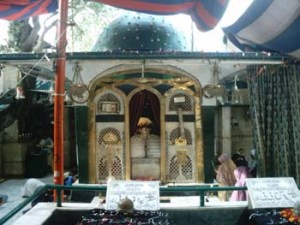
After the events at Karbala five Muslim women, led by Ruqayyah bint Ali left Mecca to settle and proselytize in Lahore, as a result of which a sizable portion of the Hindu community entered Islam.[5]

According to one school of thought among historians such as S.M. Latif, Molvi Noor Ahmad Chishti and Mufti Ghulam Server the daughters of Ali were instructed by their father to go to Sind and Hind to preach the Islamic faith. It was prophesied that their mission would achieve success. The events of the massacre at Karbala caused many relatives of Muhammad including Ruqayyah to migrate to Makran where she preached Islam for several years. The Hindu Raja of Jaisalmer felt threatened by her missionary work. Umayyad rulers were also displeased and a number of Umayyad spies were dispatched to assassinate her. Among such potential assassins had been Muhammad Bin Qasim who later switched allegiances and became a supporter of Ruqayyah after learning of the sufferings experienced by the family of Muhammad.[5]

However, continued threats to Ruqayyah’s life caused her to cross the Indus River to settle in Lahore. The local Hindu ruler there attempted to arrest her but this failed when his son, the prince Bakrama Sahi, accepted Islam and became impressed with Ruqayyah’s work. This enabled Ruqayyah to continue her missionary activities in peace for some more time. Eventually, fearing disgrace at the hands of the Hindu Raja’s army when they were again dispatched to arrest her and the other five ladies, she gathered her female kin and made a collective prayer for rescue. As a fulfillment of their wishes, the ground split and their camp went underground. A shawl remained to mark the spot of that event.[5]

Another school of thought among historians, including Kanhya Lal, Muhammad Aslam and Tanveer Anjum, argue that there was no reason for these Muslim women to settle in the Hindu-ruled Lahore.[5]

Names in history
Seven ladies and four men are traceable from history,[6] as it is found that she introduced herself stating that “ I am widow of Martyr Muslim bin Aqeel, daughter of Ali and sister of commander-in-chief Abbas of Imam Hussain’s Army and other five ladies were my sisters in law, whereas the sixth one was our maid “Halima” but she was equal to us in status. She introduced further telling the names of men that they were our guards and belonged to our tribes namely (i) Abb-ul-Fatah (ii) Abb-ul-Fazal (iii) Abb-ul-Mukaram, and (iv) Abdullah.

The name of first Mujawir (one who looks after the grave and cares for visitors) was Baba Khaki. Besides two names “ Ruqaya and Halima” Dr. Masood Raza Khaki, the then Deputy Director General in the Education Department (1977), Government of Punjab, traces the five names from historical records as:

(1)Umm-e-Hani (2)Umm-e-Luqman (3) Asma (4)Ramla (5)Zainab
Historically, the first proper Khanqah was constructed by Malik Ayaz in the period of 11th Century and reconstructed in the regime of Akbar the great.

Historical Misconceptions
There is a very famous misconception in indian subcontinent regarding Syeda Ruqayyah bint Ali which states that This Holy lady is the Daughter of Umm ul-Banin and full sister of Abbas ibn Ali. Which in reality is a misconception as Umm ul-Banin (Meaning Mother of several sons) had no daughter.

Urs Sharif/Death Anniversary
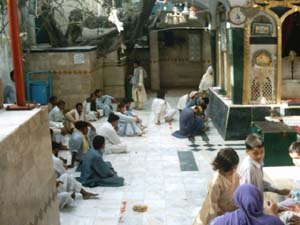
The shrine is visited by both Shias and Sunnis. In the Islamic month of Jumada al-Thani three days urs of Bibi Pak Daman from 7 to 9 is celebrated. The urs proceedings are mostly a Sunni affair while Shias visit the shrine most commonly during Muharram and Safar. Many Shias also visit during the urs. The street and shrine area remain filled with devotees all the day from all over Pakistan. On the eve of Urs, the shrine is even more crowded. People from across the subcontinent, mainly from Provinces of Punjab and Sindh, come to the shrine to pay their homage and make a wish which they believe more likely would come true. A narrow lane that leads to the shrine has shops on both sides containing Muharram-related items. Imam Ali, Imam Hassan, Imam Hussain and literature on the history of Karbala, Khak-e-Shifa (soil of Karbla) and CDs of Nohas (elegies) are available at the shops.[7][8] A reverence event of urs includes a ritual in which women devotees bring water for ablution of the graves at the shrine of Bibi.[9] The Tourism Development Corporation of Punjab Limited (TDCP), Government of Punjab has placed this shrine in the list of some popular shrines for the tourists.

 

General Social Boycott She’eb Abi Talib

General Social Boycott She’eb Abi Talib

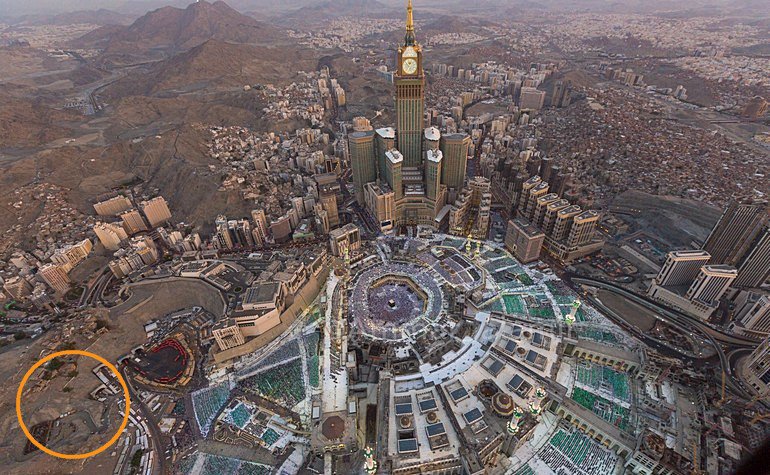
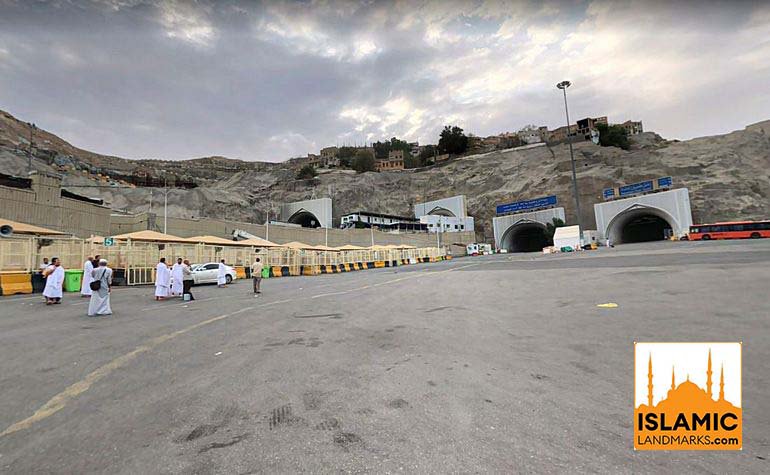
A Pact of Injustice and Aggression After exhausting their plots, and with the commitment of Banu Hashim and Banu Al-Muttalib to protect Allâh’s Prophet ﷺ the pagans grew even more desperate to get the tribes to abandon their plan to protect him – at what ever the cost. So they held a meeting at Khaif Banu Kinanah in a place called Wadi AlMuhassab, and formed a confederation hostile to both Bani Hashim and Bani Al-Muttalib. They all took an oath not to have any business dealings with them nor any sort of inter-marriage, social relations, visits and even verbal contacts until the Prophet ﷺ was given up to them to be killed. This they wrote down, drawing up a pact and a covenant. Ibn Al-Qaiyim said, *They say that this was written down by Mansur bin ‘Ikrimah bin ‘Amir bin Hashim, or Nadr bin Al-Harith. What is correct is that it was Bagheed bin ‘Amir bin Hashim. The Prophetﷺ invoked Allâh’s curse upon Bagheed, whose hand was later paralyzed. “I This treaty was attached to the wall of the Ka’bah, all of Banu Hashim and Banu Al-Muttalib were boycotted, whether they were believers or disbelievers, except for Abu Lahab. Hazrat Abu Talib Radiallahu anhoo wisely and quietly took stock of the situation and decided to withdraw to a valley on the eastern outskirts of Makkah. Banu Hashim and Banu Al-Muttalib, who followed suit. were thus confined within a narrow pass (Shi’b of Abu Talib). from the beginning of Muharram, or later as some say, the seventh year

of Hazrat Muhammad’sﷺ mission till the tenth year, viz., a period of three years. It was a horrible and deadly siege. The supply of food was almost stopped and the people in confinement faced great hardships. The idolaters used to buy whatever food commodities entered Makkah lest they should leak to the people in Ash-Shib, who were so overstrained that they had to eat leaves

of trees and skins of animals. Cries of little children suffering from hunger used to be heard clearly. Nothing eatable reached them except. on few occasions, some small quantities of foot were smuggled by some compassionate Makkans. During the prohibited months’ – when hostilities traditionally ceased, the would leave their confinement and buy food coming from outside Makkah. Even then, the food stuff was unjustly overpriced so that their financial situation would fall short of finding access to it Hakim bin Hizam was once on his way to smuggle some wheat te his aunt Khadijah is when Abu Jahl intercepted him at tried to prevent him. Only when Al-Bukhtari intervened, did Hakim manage to reach his destination. Hazrat Abu Talib Radiallahu anhoo was so concerned about the personal safety of his nephew that whenever people retired to sleep, he would ask the Prophetﷺ to lie in his place. but when all the others fell asleep, he would order him to change his place and take another, all in attempt to trick a potentia assassin. Despite all the odds Hazrat Muhammad ﷺ persisted, and his determination and courage never weakened. He continued to Al-Ka’bah and to pray publicly. He used every opportunity to preach to outsiders who visited Makkah for business or or pilgrimage during the sacred months and Hajj season.

Dissolution of the Pact

This situation ultimately created disagreement among the various Makkan factions, who were tied with the besieged people by blood relations. After three years of blockade, in the month a Muharram,”11 the tenth year of Hazrat Muhammad’sﷺ mission, the party was broken. Hisham bin ‘Amr, who used to smuggle some food to Bani Hashim secretly at night, went to see Zuhair bin Abi Umaiyah Al-Makhzumi and condemned him for agreeing to that intolerable

treatment meted out to his uncles in exile. The latter expressed weakness, but agreed to work with Hisham and form a pressure group that would secure the liberation of the exiles. On the ground of motivation by ties of kinship, there emerged a group of five people who set out to abolish the pact and declare all relevant clauses null and void. They were Hisham bin ‘Amr, Zuhair bin Abi Umaiyah, Al-Mut’im bin ‘Adi, Abul-Bukhtari and Zam’ah bin AlAswad. They decided to meet in their assembly place and start their self-charged mission from the very precinct of the Sacred House. Zuhair, after circumambulating seven times, along with his colleagues approached the hosts of people there and criticized them for indulging in the amenities of life whereas their kith and kin of Bani Hashim were perishing on account of starvation and economic boycott. They swore they would never give up until the parchment of boycott was torn to piece and the pact broken at once. Abu Jahl, standing nearby, replied in a sharp tone that it would never be torn. Zam’ah became angry and accused Abu Jahl of telling lies, adding that the pact was established and the parchment was written without seeking their approval. AbulBukhtari interfered and backed Zam’ah. Al-Mut’im bin ‘Adi and Hisham bin ‘Amr attested to the truthfulness of their two companions. Abu Jahl, with a cunning attempt to settle the hot argument that was running counter to his evil plans, answered that the issue had already been resolved sometime and somewhere before.Hazrat Abu Talib Radiallahu anhoo meanwhile was sitting in a corner of the Mosque. He came to communicate to them that a Revelation had been sent to his nephew, the Prophet ﷺ in to the effect that ants had eaten away all their declaration that had points of injustice and aggression except those parts that bore the Name of Allâh. He proposed that he would be ready to give Hazrat Muhammad ﷺup to them if his words proved untrue, otherwise, they would have to withdraw and cancel their boycott. The Makkans agreed to the soundness of his proposition. Al-Mut’im went to see the parchment and there he did discover that it was eaten away by ants and nothing was left except the part bearing the Name of Allâh.

The declaration was thus cancelled, and Hazrat Muhammad ﷺ and the other people were permitted to leave Ash-Sh’ib and return home In the context of this trial to which the Muslims were subjected the polytheists had a golden opportunity to experience a striking sign of Hazrat Muhammad’sﷺ Prophethood (the ants eating away the parchment) but to their miserable lot they persisted and increased in disbelief:

“But if they see a Sign, they turn away, and say ‘This is continuous magic.” [54:2]

Hadith Bukhari 2457

💚 ﷽-الصــلوة والسلام‎ عليك‎ ‎يارسول‎ الله ﷺ💚

حضرت عائشہ رضی اللہ عنھمانے بيان کيانبی کریم صلی اللہ علیہ وسلم نے فرمایا، اللہ تعالیٰ کے یہاں سب سے زیادہ ناپسند وہ آدمی ہے جو سخت جھگڑالو ہو۔

हज़रत आयशा(رضي الله عنهما)ने बयान किया नबी ए करीम(صلى الله عليه واله وسلم)ने फरमाया,अल्लाह ताला के यहां सब से ज़्यादा ना पसंद वो आदमी है जो सख्त झगड़ालू हो

📚 सहिह बुखारी 2457📚

Hadith Muslim 350

रसूलल्लाह फ़रमाते हैं यक़ीनन लोग तुमसे हर चीज़ के बारे में सवाल करेंगे यहां तक कि कहेंगे अल्लाह ने हर चीज़ को पैदा किया फिर अल्लाह को किसने पैदा किया

सही मुस्लिम 350