40-… or is like the darkness in a deep sea. It is covered by waves, above which are waves, above which clouds. Darkness, one above another. If a man stretches out his hand, he can hardly see it. For any to whom God gives not light, there is no light. 24-The Light, 40
The construction of submarines dates back to the 17th century. A vessel that navigated under water was first contrived in 1620 by C. Drebber. Submarines developed rapidly, and in 1954, nuclear submarines were made. The development of submarines made possible the study of submarine geology and topography, and life in the depths of oceans. Collection of data had been possible thanks to the means developed in recent centuries without which a man could not dive to a depth more than 50 meters. At a depth of 200 meters from the surface of the sea, darkness reigns. At this depth, then, “If a man stretches out his hand, he can hardly see it,” as described in the verse. The bottom of seas and oceans are pitch dark. While broad daylight reigns on the surface, 200 meters below it is again completely dark. At the time of the descent of the Quran, there were neither scientific data nor knowledge based on observation about the darkness reigning in the depth of seas. Just as it told about many aspects of heavenly phenomena comprehensible by man without the help of satellites, the Quran also provided information about submarine life in the depth of seas and oceans hardly accessible to man without submarines and instruments. The Quran – whose range of information is vast enough to cover everything, from the space high above down to the depth of the seas – itself proves its divine origin by the very fact that it is flawless.
WAVES ABOVE WAVES
In general, we have the impression that the wave only breaks on the surface and that the water underneath is calm and still. That is why the expression in the Quran, “by waves, above which are waves,” may seem puzzling. These waves were discovered in 1900 and are as described in the Quran. The dark depth of the sea contains these waves topped by the waves on the surface. In the verse, we also observe the motion of light. The sun’s rays are refracted as they strike the clouds and lose some of their luminescence. The rays that reach the surface of the seas diffract as they continue their journey in the spectrum, the first layer holding onto the yellow, while the second holds onto the green; in the last layer, the seventh in fact, the blue disappears. Thus, as the journey goes further downward, light vanishes. The sunlight refracted in the clouds, the light that vanishes in the levels of oceans, completely disappears in the depths of oceans and cannot light the bottom. Not even fish can see their way unless they themselves generate some form of light.
6- Say: “The Quran was sent down by Him, who knows the mystery that is in the heavens and the earth: verily He is Forgiving, Merciful.” 25-The Distinguisher, 6
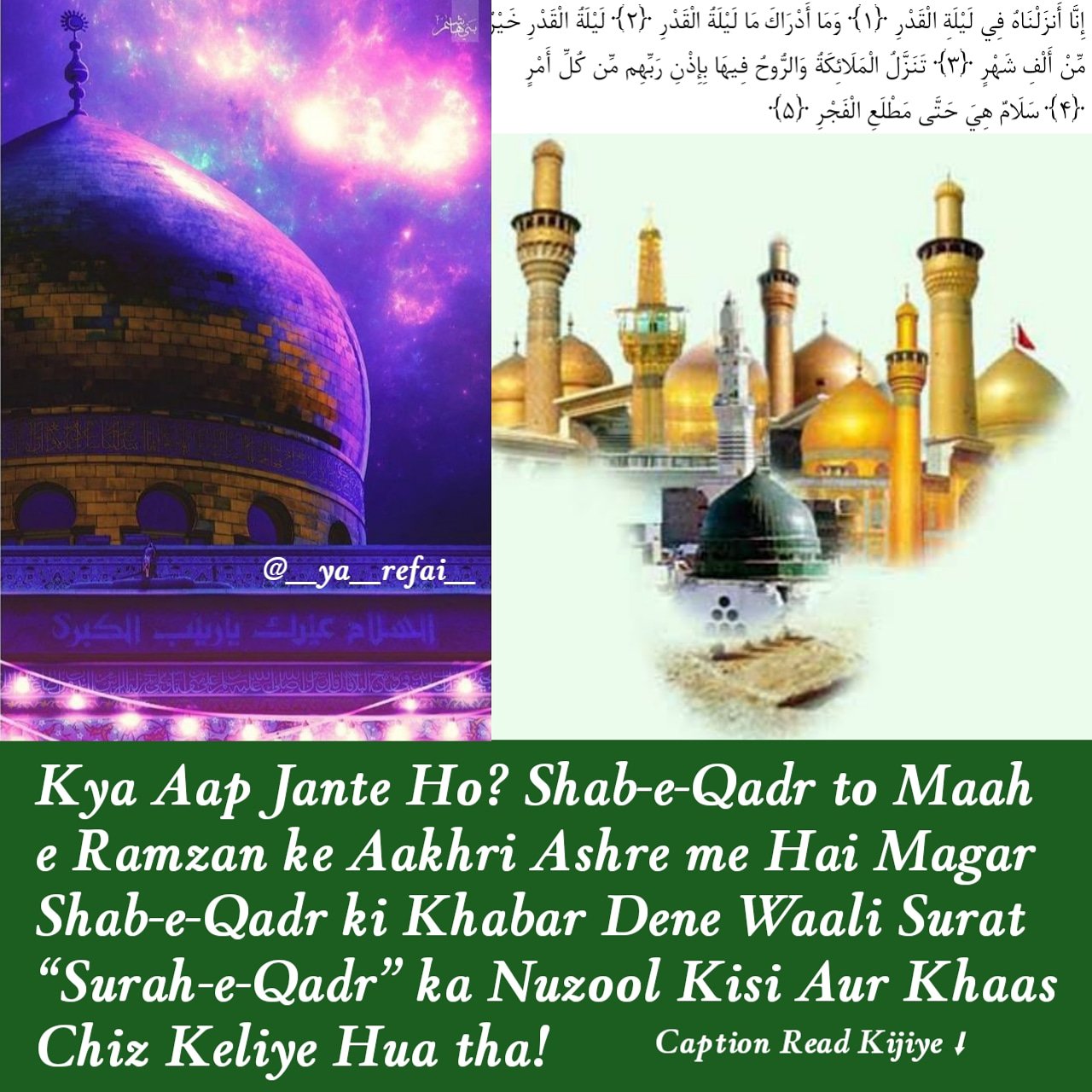
Kya Aap Jante Ho? Shab-e-Qadr to Maah e Ramzan ke Aakhri Ashre me Hai Magar Shab-e-Qadr ki Khabar Dene Waali Surat “Surah-e-Qadr” ka Nuzool Kisi Aur Khaas Chiz Keliye Hua tha! . “Jaame Tirmizi ki Abwab ut Tafseer me hai ke Imam Hasan-e-Mujtaba ibne Maula Ali al Murtaza (عليهم الصلاة والسلام) Farmate Hain Mere Baba Tajdar-e-Kainat (صلی الله عليه وآله وسلم) ne Khwab Dekha aur Subh Pareshan Bedaar Hue. Aapne Farmaya ke Meri Pareshani ka Sabab ye ke Maine Khwab Dekha ke Banu Umaiyya ke Hukmarano ko Apna Mimbar Paamal karte Dekha Hai. Aaqa (صلی الله عليه وآله وسلم) Farmate Hain Iske Baad Digar Mere Mimbar Pe Baithe, Mimbar-e-Rasool Paamal Horaha Hai. . Subh Pareshan Uthe, Tabiyat-e-Muqaddasa pe Malal tha, Us Malal ko Dur Karne Keliye, Imam Hasan-e-Mujtaba (عليه السلام) farmate hain Allah Pak ne Ye Surat Naazil Farmayi “Inna Anzalna Hu Fee Laylatil Qadr” Shab-e-Qadr ki Surat Utri. Aur Surat me Hai ke (Wama Adraka ma Laylatul Qadr) , “Kya Aap Jante Hain Ye Laylatul Qadr Kya hai?” Jawab Diya: (“Laylatul Qadri Khairum min Alfi Shahra”). Shab e Qadr ek Hazaar Mahino se Afzal hai! . Hadees ke Raawi Jinhone Imam Hasan-e-Mujtaba (عليه السلام) se Ye Suna wo Kehte Hain Mai Tabse Sochne Lag Gaya ke Hazar Mahine Kaunse? To Tirmizi Shareef me Hai Farmate ke Jab Waqt Guzra aur Giney to Banu Umaiyya ki Hukumat ka Daur Pure Hazar Mahine Bane! . Allah ne Huzoor ka Ranj o Malal Dur Karne keliye Surat Utaari, Farmaya Mehboob jinko Apne Mimbar ko Pamaal Karte Dekha Hai, ek Hazar Mahine is Mimbar Pe Hukumat Pe Baithenge, Inke Hazar Mahino se Mehboob Teri Ahle Bayt ki Ek Raat Behtar hai!! . Ye Hazar Mahine Banu Umaiyya ke. Hadees to Waha Khatm Hogayi ke Hazar Mahine Banu Umaiyya ke Hazaar Maah Hain. Hadees Khatam Hogayi Ab is Se Aage Apna ijtehadi itlaaq Karraha Hun. Apni Zimmedari Par itaalq Karraha Hun, Apni Ilmi Zimmedari Par itlaaq Karraha Hun ke Jab Hazaar Maah Banu Umaiyya ke Takht-e-Damishq ke Hue to Unse Behtar Hai Ek Raat. . To Mera Wijdaan Ye Kehta Hai Jab ek Taraf Takht e Damishq ke Hazar Mahine Ho’n Aur ek Raat jo Takht e Damishq ke Hazar Mahino se Behtar Hai Wo Sayyeda Zainab (سلام الله علیها) ki Shab-e-Aashur hai! Wo Imam Hussain (عليه السلام) ki Shab-e-Aashur hai Wo Sayyeda Sakina (سلام الله علیها) ki Shab-e-Aashur hai Wo Sayyeda Zainab (سلام الله علیها) ki Shab-e-Aashur hai! . Ke Wo Takht Par Baithne Walo ke ek Hazar Maah aur Mustafa Tere Shehzado Shehzadiyo ki Khaak-e-Karbala Par Wo Aakhri Ek Raat.” 😓 . Allahu Akbar 😣 . Reference : (Tirmizi, Hakim, Imam Razi Tafseer) . Allahumma Salle Ala Sayyedatina Zainab wa Ala Ummiha wa Jaddiha wa Abeeha wa Akhwaniha wa Ahle Baytiha wa Baarik wa Sallim.
Hazar mahino se Afzal wo EK Qadr waali Raat Kiski hai?
“Jaame Tirmizi ki Abwab ut Tafseer me hai ke Imam Hasan-e-Mujtaba Farmate Hain Mere Baba Tajdar-e-Kainat SallAllahu Alaihi wa Aalihi wa Sallam ne Khwab dekha aur subh pareshan bedaar hue. Aapne farmaya ke Meri pareshani ka sabab ye ke Maine Khwab dekha ke Banu umaiyya ke hukmarano ko Apna Mimbar paamal karte dekha hai. Aaqa farmate hain yake baad digare Mere Mimbar pe baithe, Mimbar-e-Rasool paamal horaha hai.
Subh pareshan uthe, Tabiyat-e-Muqaddasa pe malal tha, us malal ko dur karne keliye, Imam Hasan-e-Mujtaba farmate hain Allah Pak ne Ye Surat naazil farmayi “Inna Anzalna Hu Fee Laylatil Qadr” Shab-e-Qadr ki Surat utri. Aur Surat me hai ke Wama Adraka ma Laylatul Qadr, “kya aap jante hain ye Laylatul Qadr kya hai?” Jawab diya: “Laylatul Qadri Khairum min Alfi Shahra”. Shab e Qadr ek hazaar mahino se Afzal hai!
Hadees ke raawi jinhone Imam Hasan-e-Mujtaba se Ye suna wo kehte hain mai tabse sochne lag gaya ke hazar mahine kaunse? To Tirmizi Shareef me hai farmate ke jab waqt guzra aur giney to banu umaiyya ki hukumat ka daur pure hazar mahine bane!
Allah ne Huzoor ka ranj o malal dur karne keliye Surat utaari, Farmaya Mehboob jinko Apne Mimbar ko pamaal karte dekha hai, ek hazar mahine is Mimbar pe hukumat pe baithenge, inke hazar mahino se Mehboob Teri Ahle Bayt ki Ek Raat behtar hai!!
Ye hazar mahine banu umaiyya ke. Hadees to waha khatm hogayi ke hazar mahine banu umaiyya ke hazaar maah hain. Hadees khatam hogayi ab is se aage apna ijtehadi itlaaq karraha hun. Apni Zimmedari par itaalq karraha hun, apni Ilmi zimmedari par itlaaq karraha hun ke jab hazaar maah banu umaiyya ke takht-e-damishq ke hue to unse behtar hai Ek Raat.
To mera wijdaan ye kehta hai jab ek taraf takht e damishq ke hazar mahine hon aur ek raat jo takht e damishq ke hazar mahino se behtar hai Wo Sayyeda Zainab ki Shab-e-Aashur hai! Wo Hussain ki Shab-e-Aashur hai Wo Sakina ki Shab-e-Aashur hai Wo Sayyeda Zainab ki Shab-e-Aashur hai!
Ke wo takht par baithne walo ke ek hazar maah aur Mustafa Tere Shehzado Shehzadiyo ki Khaak-e-Karbala par Wo aakhri Ek Raat.”
Alaihim Afdalus Salawatu was Salaam
(Tirmizi, Hakim, Imam Razi Tafseer)
-Shaykh ul Islam Dr. Tahir-ul-Qadri
Allahumma Salle Ala Sayyedatina Zainab wa Ala Ummiha wa Jaddiha wa Abeeha wa Akhwaniha wa Ahle Baytiha wa Baarik wa Sallim
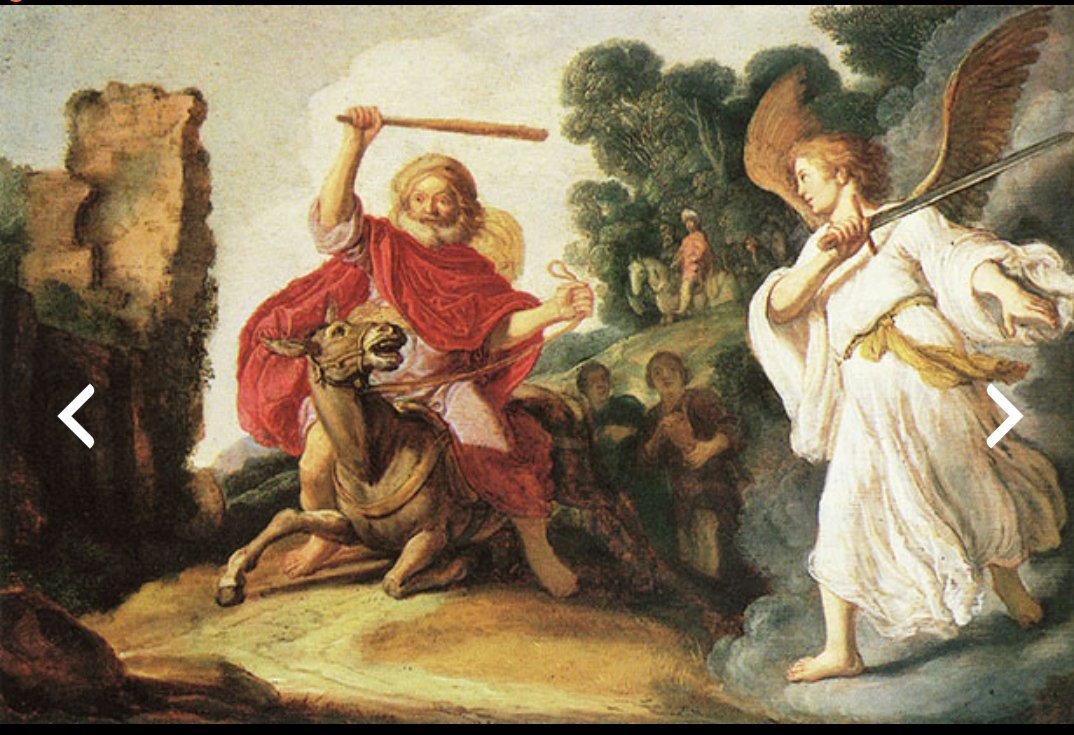
Ibn Abbas has said that Bal’am bin Ba’ura had known Al-Ism Al-A’zam. If a . supplication is made on reference to it, it is granted. His people compelled him to curse the Banu Isra’il by invoking Al-Ism Al A’zam. So, he mounted his donkey and set towards the camps of the Banu Isra’il. As he approached them, his donkey refused to walk any further. No amount of beating could move it and the donkey spoke when Balam beat it severely, “Do you want to curse the Prophet of Allah? Do you not see the angels turning me back?” This did not soften him and he forced the donkey to the top of the mountain. Hisban from where he could overlook the camps of Banu Isra’il . Now, his tongue refused to say what he tried to say. Instead of ir voking the curse on the Banu Isra’il, his tongue cursed his own people and called for mercy on Musa este and his people. He explained to his people that he had lost control over his tongue which hung down upto his chest. He lamented that with it he had messed up his life of the world as well as of the Hereafter.
But he did not give up mischief and conspiracy. So, he contrived to get the Banu Isra’il to commit adultery. He advised his people to send their women as sales women, to Banu Isra’il. He advised them to adorn themselves with intention to attract the men of Banu Isra’il and cause them to commit adultery. He told them that even if one of the Banu Isra’il
committed adultery that would be enough to destroy all of them. He succeeded in tempting one of their chiefs to be immoral with a sales-woman. When he did that, the Banu Isra’il were afflicted with plague. When Fanhas bin Al-‘Ayzar bin Harun learnt of it he killed both the adulterers with his spear and prayed to Allah that they dealt with the transgressors in that manner. The plague was removed from them.
There was a man by the name al Bal’am ibn Ba’ur in the time of prophet Musa As. He was one whose prayers were answered very often. Because he knew the great name of Allah (ism a’zam). At one juncture. Prophet Musa AS advanced with a large army to fight the jabbarun and encamped at a place of Banu kiran in shaam.
The tribe of Bal’ am came to him and request him, “Musa has come here with a huge army to kill us and drive us out of this place. So, do curse him so that he goes away from here.” Bal’ am said,”You do not know what I know. How may I curse a Prophet of Allah and his followers. If I do that, I will be mined in. both the worlds.” But, they persisted and pleaded with him unceasingly to curse prophet Musa AS.
Finally Bal’ am conceded, ‘I shall seek Allah’s guidance in this regard and wait for his command. Then I shall decide.”
Bal’ am never did anything without making istikharah (which is to seek Allah’s guidance). So,when he did that, he dreamt that he should never pray against the Prophet and the believers with him. So, Bal’ am informed his tribe that he was not prepared to oblige them. But, they,did not give in. They brought to him precious gifts, pleaded with him and wept bitterly and in the end, managed to compel him .. He was trapped. He mounted his donkey and set out to the mount Jistan to curse Prophet Musa AS whose army was pitched near to it.
His donkey stumbled many times on the way but he beat it to resume the journey. This things prolonged and Bal’ am too was exhausted picking up the donkey every time it fell. down.Then Allah enable the donkey to speak. It said, “0 Bal’ am, silly man! Do you not see where you are going? You push me forward but the angels drive me back!” Bal’ am heard. the donkey but instead of paying heed, he alighted from it and leaving it there walked aheadon foot. He climbed the mountain and began to curse. However, whenever he intended to name Prophet Musa As and his tribe, his tongue uttered the name of his own tribe instead of Banu Isra’il.
His people protested and he convinced them that he called the name of Banu Isra’il but his tongue took their name. In spite of that Bal’ am did not desist. He tried to curse till he faced punishment and his tongue emerged to rest on his chest. Then he was nonplussed and lamented that he was ruined in both the worlds, yet he persisted, “We must now think of some way to eliminate the Banu ‘Isra’il.”
Then he suggested to his people. “Adorn your women superbly. Let them carry some things in their hands and pretend to sell them. They should go to the army of Banu Isra’il as saleswomen.Advise them to lure the Banu Isra’il and submit to anyone who invites them. Even if one of them commit fornication,· then you will gain success.They did that, when the women went to the Banu Isra’il, one of them captivated one of their chiefs zamzam ibn Shalum. He took her by her hands to prophet Musa AS and asked, “Do you say that she is forbidden to me?” He said, “Yes!” But, zamzam said, “I shall not obey you concerning her” and he took her concerning her” and he took her to his tent here he committed the evil deed.
That did it! Allah wrath descended on them. In no time, seventy thousand of their men died. Fahas the grandson of Prophet Harun AS and a giant of a man who was also the guard of Prophet Musa AS took his weapon and rushed to the tent of zamzam and, in the twinkling of an eye, he consigned both zamzam and his mistress to death, saying,”Allah has destroyed us because of this man!”As soon as they were killed, the punishment was withdrawn from them.
Some ulema say that the following verse of Quran has come in reference to him.But there is difference in opinion among the scholars on who actually this verse of Quran is about.
And recite to them the story of him to whom We gave Our Ayat, but he threw them away; so Shaytan followed him up, and he became of those who went astray.And had We willed, We would surely have elevated him therewith, but he clung to the earth and followed his own vain desires. So his parable is the parable of a dog: if you drive him away, he pants, or if you leave him alone, he (still) pants. Such is the parable of the people who reject Our Ayat. So relate the stories, perhaps they may reflect.Evil is the parable of the people who rejected Our Ayat, and used to wrong themselves. (Qur’an Al-A’raf 07, Verses 175-177)
Abdur-Razzaq recorded that `Abdullah bin Mas`ud said that Allah’s statement,(And recite to them the story of him to whom We gave Our Ayat, but he threw them away) “Is about Bal`am bin Ba`ura’ a man from the Children of Israel.”
Shu`bah and several other narrators narrated this statement from Mansur who got it from Ibn Mas`ud. Sa`id bin Abi `Arubah narrated that Qatadah said that Ibn `Abbas said, “He is Sayfi, son of Ar-Rahib.”
Qatadah commented that Ka`b said, “He was a man from Al-Balqla’ (a province of Jordan) who knew Allah’s Greatest Name. He used to live in Bayt Al-Maqdis with the tyrants.”
Al-`Awfi reported that Ibn `Abbas said, “He is Bal`am bin Ba`ura’, a man from Yemen whom Allah had given the knowledge of His Ayat, but he abandoned them.”
Reference:Riyadh as Saliheen Hadith 70 , Mishkat Shareef-3086,Mazahir al Haq vol3, pg 223




 Aal-e-Qutub Aal-e-Syed Abdullah Shah Ghazi