
How to Counter Extremist Groups in Muslims & Khariji Ideology? Mufti Fazal Hamdard


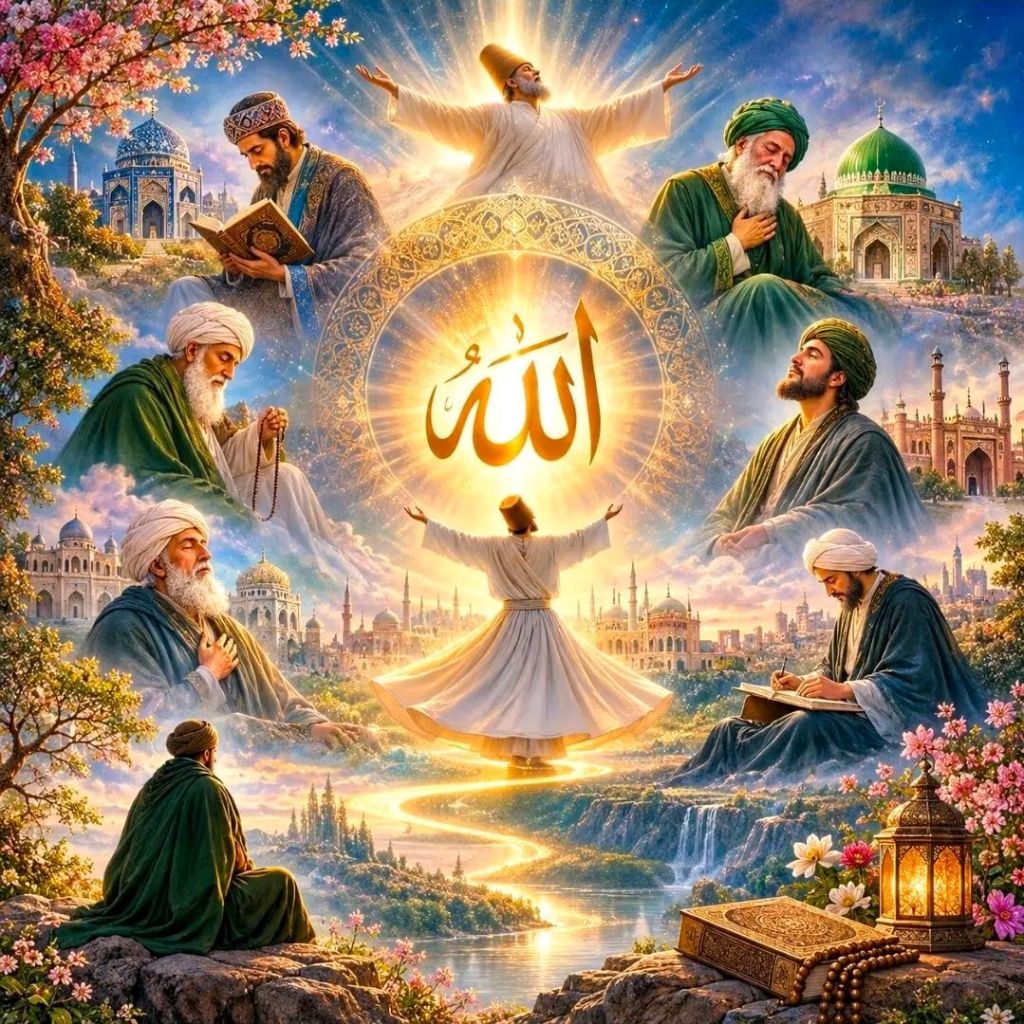
■ Fanāʾ and Baqāʾ — The Effacement of the Self and the Perfection of Servanthood.
In the vast landscape of Islamic spirituality,
few subjects invite deeper contemplation than Fanāʾ, the effacement or annihilation of the lower self, and Baqāʾ, the continued subsistence of the servant through Almighty Allāh’s grace.
These expressions do not describe the destruction of the human being, nor do they suggest that the servant becomes the Creator.
They concern the transformation of the heart: the diminishing of pride, selfishness, possessiveness and the illusion of independent existence. The seeker gradually recognises that his knowledge, strength, abilities and accomplishments are not independent possessions.
Everything is received, everything is sustained, and everything ultimately belongs to Almighty Allāh.
This understanding appears throughout the writings of the great Sufi masters, from the Persian poetry of Niẓāmī Ganjavī to the teachings of the Awliyāʾ of the Indian subcontinent.
■ Shaykh Niẓāmī Ganjavī: The Disappearance of the Ego
Shaykh Niẓāmī Ganjavī, may Almighty Allāh have mercy upon him, offers some particularly moving expressions of self-effacement in the opening supplications of his Sharafnāma, the first part of the Iskandarnāma.
His poetry explores the relationship between the servant and the Divine, the limitations of human understanding and the recognition that all existence depends upon its Creator.
▪︎ One of the central expressions attributed to his opening supplication is:
“برون افتم از خود به پرکندگی
نیفتم برون با تو از بندگی”
▪︎ English rendering:
“I may fall away from myself, scattered and dispersed, but I shall never fall away from servanthood to You.”
This expresses an essential distinction within Sufi understanding. The servant seeks to become free from the domination of the ego, but never free from his obligation to Almighty Allāh.
The lower self may be humbled, its pretensions diminished and its attachments gradually removed. Yet the relationship between Creator and creation remains unchanged.
Shaykh Niẓāmī’s contemplation is particularly important because it places servanthood at the centre of spiritual annihilation. The objective is not to transcend one’s identity as a servant, but to become increasingly conscious of it.
▪︎ Another expression from the same spiritual theme is:
“ندارم روا با تو از خویشتن
که گویم تو و باز گویم که من”
▪︎ English rendering:
“I consider it improper, in Your presence, to speak of myself: to say You, and then again to say I.”
This is the language of a heart becoming increasingly conscious of its dependence upon Almighty Allāh. The seeker begins to recognise how easily the ego claims ownership over what has only been entrusted to it.
Knowledge becomes a cause of humility rather than pride, worship becomes a cause of gratitude rather than self-admiration, and spiritual experiences become occasions for recognising Divine generosity rather than establishing personal superiority.
This is the beginning of understanding Fanāʾ al-Nafs, the effacement of the lower self.
■ The Transience of Creation and the Permanence of Almighty Allāh
▪︎ The Qur’ānic foundation of this contemplation is unmistakable:
“Everyone upon it will perish, and there will remain the Face of your Lord, Owner of Majesty and Honour.” (Sūrah al-Raḥmān 55:26–27).
Everything within creation is subject to change. Strength diminishes, beauty fades, possessions pass from one hand to another, and worldly achievements eventually become memories. Almighty Allāh alone is Eternal.
The seeker who understands this begins to loosen his attachment to the temporary and directs his heart towards the One who never perishes.
This does not mean abandoning the responsibilities of worldly life. Rather, it means fulfilling them without allowing the world to become the object of one’s ultimate devotion.
3. Dātā Ganj Bakhsh: The Sufi who is Dead to the Self
Shaykh ʿAlī ibn ʿUthmān al-Hujwīrī, known as Dātā Ganj Bakhsh, may Almighty Allāh sanctify his secret, provides one of the most important early explanations of Sufi self-effacement in his celebrated work Kashf al-Maḥjūb.
▪︎ He writes:
“The Sufi is he that is dead to self and living by the Truth.”
This definition is particularly concise..To be dead to the self does not mean physical death or the disappearance of human responsibility. It means freedom from the domination of selfish desires and the claims of the ego.
Shaykh Al-Hujwīrī also explains that the true Sufi is not someone who merely adopts the outward appearance of spiritual people.
The distinction between genuine spiritual transformation and outward imitation is essential. The seeker must work upon his character, intentions and conduct.
▪︎ He further records the saying:
“The Sufi is he that has nothing in his possession nor is himself possessed by anything.”
This is the language of Faqr, spiritual poverty.
The person who possesses worldly things is not necessarily spiritually impoverished.
The danger arises when possessions take possession of the heart.
The person who has little may still be consumed by greed, while the person who has much may remain inwardly detached and grateful.
▪︎ Reference: ʿAlī ibn ʿUthmān al-Hujwīrī, Kashf al-Maḥjūb
■ Khwāja Muʿīn al-Dīn Chishtī — The Annihilation of Selfishness Through Service
Khwāja Muʿīn al-Dīn Chishtī of Ajmer, may Almighty Allāh sanctify his secret, represents another important dimension of spiritual purification.
The Chishtī tradition places considerable emphasis upon compassion, generosity, humility and service to creation. A well-known saying traditionally attributed to him teaches:
“Develop river-like generosity, sun-like affection and earth-like hospitality.”
The river gives water without asking who is worthy of receiving it. The sun spreads its light without discriminating between those upon whom it shines. The earth carries everyone, whether rich or poor, famous or unknown.
These images offer a profound lesson concerning the purification of the ego.
The person who is still dominated by selfishness constantly asks what he will receive in return.
The person whose heart is being purified increasingly asks what benefit he can bring to others. The same Chishtī tradition preserves the teaching that the highest form of devotion includes relieving the suffering of those in distress, helping the helpless and feeding the hungry.
This is important because spiritual annihilation must not become an excuse for withdrawing from the responsibilities of humanity.
The signs of inward purification should become visible through outward goodness.
Reference: K. A. Nizami, The Life and Times of Shaykh Nizam-u’d-din Auliya, discussion of Chishtī teachings
■ Khwāja Niẓām al-Dīn Awliyāʾ: The Discipline of the Lower Self
Khwāja Niẓām al-Dīn Awliyāʾ of Delhi, may Almighty Allāh sanctify his secret, is among
the most important representatives of the Indian Chishtī tradition.
His teachings are preserved by Amīr Ḥasan ʿAlāʾ Sanjarī in Fawāʾid al-Fuʾād, a collection of the master’s conversations and spiritual instructions.
One particularly important concept associated with the Chishtī discipline is Kulāh-i Chahār Tarkī, the abandonment of four attachments:
1. Attachment to the world.
2. Attachment to the Hereafter as an independent object of desire, so that Almighty Allāh remains the ultimate goal.
3. Excessive eating and sleeping beyond what is necessary.
4. The desires of the lower self, particularly those that oppose spiritual discipline.
The fourth is especially relevant to fanāʾ.
The ego does not always appear through arrogance or outward pride.
Sometimes it appears through subtle desires for recognition, spiritual distinction, praise and authority. A person may abandon material possessions while remaining deeply attached to the admiration of others.
He may speak about humility while secretly desiring to be regarded as spiritually superior.
The discipline of the Chishtī masters therefore requires the seeker to examine the hidden motives of the heart.
In Fawāʾid al-Fuʾād, the emphasis upon restraint in eating, sleeping, speaking and unnecessary socialising also reflects the importance of spiritual discipline. The purpose is not hardship for its own sake, but the cultivation of an obedient and attentive heart.
▪︎ Reference: Amīr Ḥasan ʿAlāʾ Sanjarī, Fawāʾid al-Fuʾād. For the explanation of Kulāh-i Chahār Tarkī,
6. Sulṭān Bāhū: The Mystery of Divine Oneness
Sulṭān Bāhū, may Almighty Allāh sanctify his secret, expresses the inward language of fanāʾ through the poetic tradition of Punjabi Sufism.
His poetry frequently explores the relationship between the self, Divine love and the witnessing of Divine Oneness.
One famous verse attributed to his Abyāt is transmitted in the following form:
“احدّ جد دتی وکھالی از خود ہویا فانی ھُو”
▪︎ English rendering:
“When the mystery of Divine Oneness was revealed, the self became annihilated.”
The language is that of overwhelming spiritual witnessing.
When the seeker becomes absorbed in the remembrance and contemplation of Divine greatness, his ordinary preoccupation with himself recedes.
He no longer regards his own accomplishments as the centre of existence.
The language of fanāʾ here must be understood with the distinction between Creator and creation firmly preserved.
The servant does not become the Divine Essence. Rather, the awareness of his own independent claims is effaced before the recognition that Almighty Allāh alone possesses absolute perfection and self-sufficiency.
Sulṭān Bāhū’s poetry is particularly valuable because it conveys the intensity of spiritual experience through the language of love and inward witnessing.
▪︎ Reference: Sulṭān Bāhū, Abyāt-e Bāhū.
■ Fanāʾ and Baqāʾ: Two inseparable realities
The teachings of these masters can be brought together through two central Sufi concepts.
▪︎ Fanāʾ— Effacement
The diminishing of the ego, its selfish claims, its attachment to recognition and its illusion
of independence.
▪︎ Baqāʾ — Subsistence
The servant’s continued life in obedience, remembrance, humility and reliance upon Almighty Allāh.
These are not two contradictory destinations.
Fanāʾ concerns the removal of what obstructs sincere servanthood, while baqāʾ concerns the continued establishment of the servant in that servanthood.
The seeker does not abandon the Sharīʿah in pursuit of a spiritual state. Prayer remains obligatory. The lawful remains lawful, and the prohibited remains prohibited. Good character, sincerity and responsibility remain essential.
Indeed, the more deeply a person understands his dependence upon Almighty Allāh, the more carefully he should fulfil his obligations.
▪︎ The Qur’ān declares:
“And I did not create jinn and mankind except to worship Me.” (Sūrah al-Dhāriyāt 51:56).
The ultimate purpose of the human journey
is therefore not the acquisition of an extraordinary spiritual identity, but the fulfilment of servanthood.
■ The Qur’ānic Foundation of Spiritual Poverty
▪︎ Almighty Allāh declares:
“O mankind, you are those in need of Allah, while Allah is the Self-Sufficient, the Praiseworthy.” (Sūrah Fāṭir 35:15).
This verse expresses the foundation of Faqr.
The servant is in need of Almighty Allāh at every moment. His existence, strength, knowledge, provision and ability to worship
are all dependent upon Divine generosity.
When this reality becomes firmly established within the heart, pride begins to lose its foundation. The seeker no longer looks upon his worship as something through which he has earned superiority over others.
He recognises that even the ability to remember Almighty Allāh is itself a blessing.
■ The Perfection of Self-Effacement
The teachings of Niẓāmī, al-Hujwīrī, the Chishtī masters and Sulṭān Bāhū point towards a common spiritual understanding.
▪︎ The seeker must become increasingly free from:
▪︎ Pride in his knowledge.
▪︎ Attachment to worldly recognition.
▪︎ The desire to be regarded as spiritually elevated.
▪︎ Possessiveness over material and spiritual accomplishments.
▪︎ The belief that his abilities are independent of Almighty Allāh.
▪︎ The hidden desire to receive praise for his worship and service.
▪︎ Yet the removal of these qualities must be accompanied by the cultivation of their opposites:
▪︎ Humility.
▪︎ Gratitude.
▪︎ Sincerity.
▪︎ Compassion.
▪︎ Patience.
▪︎ Remembrance.
▪︎ Obedience.
▪︎ Service to creation.
The outward conduct of the seeker should reflect the inward transformation of the heart.
And only with Almighty Allāh is true success.


Nahjul Balagha ke mashhoor nuskhe mein Sermon 2 ka unwan “After the Return from Siffin” diya jata hai. Is sermon mein Imam Ali (a) Allah ki hamd, Rasoolullah ﷺ ki risalat, Ahl-e-Bayt ke maqam aur Islam ke ibtidai daur ke halaat bayan farmate hain.
Neeche sermon ka Roman English transliteration aur Roman Urdu mafhoom diya ja raha hai.
Roman English:
Ahmaduhu istitmaman li-ni’matihi, wastislaman li-‘izzatihi, wasti’saman min ma’siyatihi, wa asta’inuhu faqatan ila kifayatihi.
Roman Urdu mafhoom:
Main Allah ki hamd karta hoon, uski nematon ki takmeel aur shukr ke liye, uski azmat ke saamne sar-e-tasleem kham karte hue, uski na-farmani se bachne ke liye uski panah talab karte hue. Aur main usse madad chahta hoon, kyunki main uski madad aur kifayat ka mohtaj hoon.
Roman English:
Wa ashhadu an la ilaha illallah wahdahu la sharika lah, shahadatan mumtahanan ikhlasuha, mu’taqadan masasuha.
Roman Urdu mafhoom:
Main gawahi deta hoon ke Allah ke siwa koi mabood nahi. Woh akela hai aur uska koi shareek nahi. Yeh aisi gawahi hai jiska ikhlas aazmaya hua aur jiski haqeeqat dil mein mazbooti se yaqeen ki gayi hai.
Roman English:
Wa ashhadu anna Muhammadan ‘abduhu wa rasuluh. Arsalahu bid-dinil mashhur, wal-‘alam al-ma’thur, wal-kitabil mastur, wan-nuris-sati’, wad-diya’il-lami’.
Roman Urdu mafhoom:
Aur main gawahi deta hoon ke Muhammad ﷺ Allah ke bande aur uske Rasool hain. Allah ne aapko ek wazeh deen, ek yaadgar nishani, likhi hui kitab, chamakta hua noor aur roshan ujale ke saath bheja.
Roman English:
Wan-nasu fi fitanin injadhama fiha hablud-din, wa tazalza’at sawaril-yaqin, wakhtalafan-najru, wa tashattatal-amru, wa daqal-makhraj, wa ‘amiyal-masdar.
Roman Urdu mafhoom:
Log fitnon mein mubtala the. Deen ki rassi toot chuki thi, yaqeen ke sutun laraz gaye the, logon ke nazariyat aur raayein mukhtalif ho gayi thin, maamlaat bikhar gaye the, nikalne ka raasta tang ho gaya tha aur hidayat ka sarchashma posheeda ho gaya tha.
Roman English:
Fal-huda khamilun, wal-‘ama shamilun, ‘usiyar-Rahmanu, wa nusirash-shaytanu, wa khudhila al-iman.
Roman Urdu mafhoom:
Hidayat dab gayi thi aur gumrahi aam ho gayi thi. Rahman ki na-farmani ki ja rahi thi, Shaitan ki madad ki ja rahi thi aur imaan ko be-yar-o-madadgar chhor diya gaya tha.
Is sermon ke ibtidai hisse se hamein yeh sabaq milta hai:
Allah ki nematon ka shukr ada karna chahiye.
Tauheed par mazboot yaqeen rakhna chahiye.
Rasoolullah ﷺ ki risalat aur Qur’an ki hidayat ko apni zindagi mein apnana chahiye.
Deen aur imaan ko muashre mein mazboot rakhna chahiye.
Zulm, taassub aur gumrahi se bachna chahiye.
Imam Ali ibn Abi Talib (a)
Ahmaduhu istitmāman li-ni‘matihi, wastislāman li-‘izzatihi, wasti‘sāman min ma‘siyatihi. Wa asta‘īnuhu fāqatan ilā kifāyatihi. Innahu lā yaḍillu man hadāhu, wa lā ya’īlu man ‘ādāhu, wa lā yaftaqiru man kafāhu. Fa-innahu arjaḥu mā wuzina, wa afḍalu mā khuzina.
Wa ashhadu an lā ilāha illallāhu waḥdahu lā sharīka lah. Shahādatan mumtaḥanan ikhlāṣuhā, mu‘taqadan muṣāṣuhā. Natamassaku bihā abadan mā abqānā, wa naddakhiruhā li-ahāwīli mā yalqānā. Fa-innahā ‘azīmatu al-īmān, wa fātiḥatu al-iḥsān, wa marḍātu ar-Raḥmān, wa madḥaratu ash-shayṭān.
Wa ashhadu anna Muḥammadan ‘abduhu wa rasūluh. Arsalahu bid-dīni al-mashhūr, wal-‘alami al-ma’thūr, wal-kitābi al-masṭūr, wan-nūri as-sāṭi‘, waḍ-ḍiyā’i al-lāmi‘, wal-amri aṣ-ṣādi‘; izāḥatan lish-shubuhāt, wa iḥtijājān bil-bayyināt, wa taḥdhīran bil-āyāt, wa takhwīfan bil-mathulāt.
Wan-nāsu fī fitanin injadhama fīhā ḥablu ad-dīn, wa tazalzalat sawāriyyu al-yaqīn, wakhtalafa an-najru, wa tashattata al-amru, wa ḍāqa al-makhraju, wa ‘amiya al-maṣdaru. Fal-hudā khāmilun, wal-‘amā shāmilun.
‘Uṣiya ar-Raḥmān, wa nuṣira ash-shayṭān, wa khudhila al-īmān. Fan-hārat da‘ā’imuhu, wa tanakkarat ma‘ālimuhu, wa darasat subuluhu, wa ‘afat shurukuhu.
Aṭā‘ū ash-shayṭāna fasalakū masālikahu, wa waradū manāhilahu. Bihim sārat a‘lāmuhu, wa qāma liwā’uhu, fī fitanin dāsathum bi-akḥāfihā, wa waṭi’athum bi-aẓlāfihā, wa qāmat ‘alā sanābikihā. Fahum fīhā tā’ihūna ḥā’irūna jāhilūna maftūnūn.
Fī khayri dārin, wa sharri jīrān. Naw’muhum suhūdun, wa kuḥluhum dumū‘un, bi-arḍin ‘ālimuhā muljamun, wa jāhiluhā mukramun.
Hum mawḍi‘u sirrihi, wa laj’u amrihi, wa ‘aybatu ‘ilmihi, wa maw’ilu ḥukmihi, wa kuhūfu kutubihi, wa jibālu dīnihi. Bihim aqāma inḥinā’a ẓahrihi, wa adh-haba irti‘āda farā’iṣihi.
Zara‘ū al-fujūra, wa saqawhu al-ghurūra, wa ḥaṣadū ath-thubūra.
Lā yuqāsu bi-Āli Muḥammadin (a) min hādhihi al-ummah aḥadun, wa lā yusawwā bihim man jarat ni‘matuhum ‘alayhi abadan.
Hum asāsu ad-dīn, wa ‘imādu al-yaqīn. Ilayhim yafī’u al-ghālī, wa bihim yalḥaqu at-tālī. Wa lahum khaṣā’iṣu ḥaqqi al-wilāyah, wa fīhim al-waṣiyyatu wal-wirāthah. Al-āna idh raja‘a al-ḥaqqu ilā ahlihi, wa nuqila ilā muntaqalihi.
1. Allah ki hamd: Imam Ali (a) Allah ki nematon ki takmeel, uski azmat ke saamne tasleem aur gunahon se bachne ke liye Allah ki panah talab karte hain.
2. Tauheed: Allah ki wahdaniyat par sachchi gawahi imaan ki bunyaad aur shaitan se doori ka zariya hai.
3. Risalat: Allah ne Muhammad Rasoolullah ﷺ ko roshan deen, Kitab aur wazeh daleelon ke saath bheja, taake logon ke shubuhat door hon aur unhein hidayat mile.
4. Ba‘that se pehle ka muashra: Deeni rishte kamzor ho gaye the, yaqeen ki bunyaadein hil chuki thin, gumrahi aam thi aur ilm rakhne walon ko khamosh rehna padta tha.
5. Ahl al-Bayt (a): Imam unhein Allah ke raaz ka markaz, ilm ka khazana, hikmat ka sarchashma aur deen ke mazboot sutoon qarar dete hain.
6. Doosre giroh ka zikr: Unke a‘maal ko fujur, dhoke aur tabahi ke alfaaz mein bayan kiya gaya hai.
7. Aal-e-Muhammad ﷺ ka maqam: Imam ke mutabiq Aal-e-Muhammad ﷺ ka martaba ummat mein kisi ke barabar nahin; woh deen ki bunyaad aur yaqeen ka sahara hain.
Delivered on return from Siffin
ومن خطبة له ) عليه السلام (بعد انصرافه من صفين
وفيها حال الناس قبل البعثة وصفة آل النبي ثمّ صفة قوم آخرين:
I praise Allah seeking completion of His Blessing, submitting to His Glory and expecting safety from committing His sins. I invoke His help being in need of His Sufficiency (of protection). He whom He guides does not go astray, He with whom He is hostile gets no protection. He whom He supports does not remain needy. Praise is most weighty of all that is weighed and the most valuable of all that is treasured.
أحْمَدُهُ اسْتِتْماماً لِنِعْمَتِهِ، وَاسْتِسْلاَماً لِعِزَّتِهِ، واسْتِعْصَاماً مِنْ مَعْصِيَتِهِ، وَأَسْتَعِينُهُ فَاقَةً إِلى كِفَايَتِهِ، إِنَّهُ لاَ يَضِلُّ مَنْ هَدَاهُ، وَلا يَئِلُ مَنْ عَادَاهُ، وَلا يَفْتَقِرُ مَنْ كَفَاهُ; فَإِنَّهُ أَرْجَحُ ما وُزِنَ، وَأَفْضَلُ مَا خُزِنَ.
I stand witness that there is no god but Allah the One. He has no like. My testimony has been tested in its frankness, and its essence is our belief. We shall cling to it for ever till we live and shall store it for facing the tribulations that overtake us because it is the foundation stone of Belief (iman) and the first step towards good actions and Divine pleasure. It is the means to keep Satan away.
وَأَشْهَدُ أَنْ لاَ إِلهَ إِلاَّ اللهُ، شَهَادَةً مُمْتَحَناً إِخْلاَصُهَا، مُعْتَقَداً مُصَاصُهَا، نَتَمَسَّكُ بها أَبَداً ما أَبْقانَا، وَنَدَّخِرُهَا لاِهَاوِيلِ مَا يَلْقَانَا، فَإِنَّها عَزيمَةُ الاْيمَانِ، وَفَاتِحَةُ الاْحْسَانِ، وَمَرْضَاةُ الرَّحْمنِ، وَمَدْحَرَةُ الشَّيْطَانِ.
I also stand witness that Muhammad (S) is His slave and His Prophet. Allah sent him with the illustrious religion, effective emblem, written Book,1 effulgent light, sparkling gleam and decisive injunction in order to dispel doubts, present clear proofs, administer warning through signs and to warn of punishments. At that time people had fallen in vices whereby the rope of religion had been broken, the pillars of belief had been shaken, principles had been sacrileged, system had become topsy turvy, openings were narrow, passage was dark, guidance was unknown and darkness prevailed.
وَأَشْهَدُ أَنَّ مُحَمَّداً عَبْدُهُ وَرَسُولُهُ، أرْسَلَهُ بِالدِّينِ المشْهُورِ، وَالعَلَمِ المأْثُورِ، وَالكِتَابِ المسْطُورِ، وَالنُّورِ السَّاطِعِ، وَالضِّيَاءِ اللاَّمِعِ، وَالاَمْرِ الصَّادِعِ، إزَاحَةً لِلشُّبُهَاتِ، وَاحْتِجَاجاً بِالبَيِّنَاتِ، وَتَحْذِيراً بِالايَاتِ، وَتَخْويفاً بِالمَثُلاَتِ، وَالنَّاسُ في فِتَن انْجَذَمَ فِيها حَبْلُ الدِّينِ، وَتَزَعْزَعَتْ سَوَارِي اليَقِينِ، وَاخْتَلَفَ النَّجْرُ، وَتَشَتَّتَ الاْمْرُ، وَضَاقَ الْـمَخْرَجُ، وَعَمِيَ المَصْدَرُ، فَالهُدَى خَامِلٌ، واَلعَمَى شَامِلٌ.
Allah was being disobeyed, Satan was given support and Belief had been forsaken. As a result the pillars of religion fell down, its traces could not be discerned, its passages had been destroyed and its streets had fallen into decay. People obeyed Satan and treaded his paths. They sought water from his watering places. Through them Satan’s emblems got flying and his standard was raised in vices which trampled the people under their hoofs, and treaded upon them with their feet. The vices stood on their toes (in full stature) and the people immersed in them were strayed, perplexed, ignorant and seduced as though in a good house2 with bad neighbours. Instead of sleep they had wakefulness and for antimony they had tears in the eyes. They were in a land where the learned were in bridle (keeping their mouths shut) while the ignorant were honoured.
عُصِيَ الرَّحْمنُ، وَنُصِرَ الشَّيْطَانُ، وَخُذِلَ الاِْيمَانُ، فَانْهَارَتْ دَعَائِمُهُ، وَتَنكَّرَتْ مَعَالِمُهُ، وَدَرَسَتْ سُبُلُهُ، وَعَفَتْ شُرُكُهُ.
أَطَاعُوا الشَّيْطَانَ فَسَلَكُوا مَسَالِكَهُ، وَوَرَدُوا مَنَاهِلَهُ، بِهِمْ سَارَتْ أَعْلامُهُ، وَقَامَ لِوَاؤُهُ، في فِتَن دَاسَتْهُمْ بِأَخْفَافِهَا، وَوَطِئَتْهُمْ بأَظْلاَفِهَا وَقَامَتْ عَلَى سَنَابِكِهَا، فَهُمْ فِيهَا تَائِهُونَ حَائِرونَ جَاهِلُونَ مَفْتُونُونَ، في خَيْرِ دَار، وَشَرِّ جِيرَان، نَوْمُهُمْ سُهُودٌ، وَكُحْلُهُمْ دُمُوعٌ، بأَرْض عَالِمُها مُلْجَمٌ، وَجَاهِلُها مُكْرَمٌ.
ومنها: ويعني آل النبي ( صلى الله عليه وآله وسلم)
They are the trustees of His secrets, shelter for His affairs, source of knowledge about Him, centre of His wisdom, valleys for His books and mountains of His religion. With them Allah straightened the bend of religion’s back and removed the trembling of its limbs.
هُمْ مَوْضِعُ سِرِّهِ، وَلَجَأُ أَمْرِهِ، وَعَيْبَةُ عِلْمِهِ، وَمَوْئِلُ حُكْمِهِ، وَكُهُوفُ كُتُبِهِ، وَجِبَالُ دِينِه، بِهِمْ أَقَامَ انْحِناءَ ظَهْرِهِ، وَأذْهَبَ ارْتِعَادَ فَرَائِصِهِ.
منها: يعني بها قوماً آخرين
They sowed vices, watered them with deception and harvested destruction.
زَرَعُوا الفُجُورَ، وَسَقَوْهُ الغُرُورَ، وَحَصَدُوا الثُّبُورَ ،
آل محمد (عليه السلام)
None in the Islamic community can be taken at par with the Progeny3 of the Prophet (Ali Muhammad). One who was under their obligation cannot be matched with them. They are the foundation of religion and pillar of Belief. The forward runner has to turn back to them while the follower has to overtake them. They possess the chief characteristics for vicegerency. In their favour exists the will and succession (of the Prophet). This is the time when right has returned to its owner and diverted to its centre of return.
لا يُقَاسُ بِآلِ مُحَمَّد (عليهم السلام) مِنْ هذِهِ الاُمَّةِ أَحَدٌ، وَلا يُسَوَّى بِهِمْ مَنْ جَرَتْ نِعْمَتُهُمْ عَلَيْهِ أبَداً.
هُمْ أَسَاسُ الدِّينِ، وَعِمَادُ اليَقِينِ، إِلَيْهمْ يَفِيءُ الغَالي، وَبِهِمْ يَلْحَقُ التَّالي، وَلَهُمْ خَصَائِصُ حَقِّ الوِلايَةِ، وَفِيهِمُ الوَصِيَّةُ وَالوِرَاثَةُ، الاْنَ إِذْ رَجَعَ الحَقُّ إِلَى أَهْلِهِ، وَنُقِلَ إِلَى مُنْتَقَلِهِ.
Is dars mein hum Allah Ta‘ala ki ma‘rifat, uski sifat, tauheed aur ibadat ke asal maqsad ko samjhenge. Imam Ali (a) ki Khutbah 1 ka ibtidaai hissa Allah ki hamd-o-sana aur uski wahdaniyat ke bayan se shuru hota hai.
Bunyadi sawal: Kya Allah ki ma‘rifat ka matlab sirf yeh jaanna hai ke Allah maujood hai, ya uski azmat, sifat aur bandagi ko samajhna bhi ismein shamil hai?
Jawab yeh hai ke ma‘rifat sirf zubani iqraar nahin. Ismein Allah ko uski wahdaniyat aur kamal ki sifat ke saath pehchanna, uske ahkaam ko tasleem karna aur apni zindagi ko uski raza ke mutabiq dhalna shamil hai.
Khutbah 1 ke aaghaz mein Imam Ali (a) farmate hain:
الْحَمْدُ لِلَّهِ الَّذِي لَا يَبْلُغُ مِدْحَتَهُ الْقَائِلُونَ، وَلَا يُحْصِي نَعْمَاءَهُ الْعَادُّونَ، وَلَا يُؤَدِّي حَقَّهُ الْمُجْتَهِدُونَ
Roman Urdu:
Alhamdu lillaahil-lazee laa yablughu mid-hatahul-qaa’iloon, wa laa yuhsee na’maa’ahul-‘aaddoon, wa laa yu’adee haqqahul-mujtahidoon.
Tarjuma:
“Tamam tareef Allah ke liye hai, jiski poori tareef bayan karne se bolne wale aajiz hain, jiski nematon ko ginne wale gin nahin sakte aur koshish karne wale bhi uska haq poori tarah ada nahin kar sakte.”
Tashreeh:
Imam Ali (a) teen haqeeqaton ki taraf tawajjuh dilate hain:
Allah ki azmat be-hadd hai: Insani alfaaz aur ilm mehdood hain, jabke Allah ki azmat la-mehdood hai.
Allah ki nematein be-shumar hain: Insaan apni zindagi ki tamam nematon ka poora hisaab nahin kar sakta.
Ibadat ke bawajood Allah ka haq azeem hai: Insaan jitni bhi ibadat kare, Allah ki nematon ke muqable mein uski bandagi hamesha mohtaji aur shukr ka izhar rahegi.
Iska matlab yeh nahin ke Allah ne bandon par unki taqat se zyada zimmedari rakhi hai. Balkeh yeh Allah ki azmat aur insaan ki bandagi ka farq samjhata hai.
Allah Ta‘ala farmata hai:
وَإِن تَعُدُّوا نِعْمَتَ اللَّهِ لَا تُحْصُوهَا
Roman Urdu:
Wa in ta’uddoo ni’matallaahi laa tuhsoohaa.
Tarjuma:
“Aur agar tum Allah ki nematon ko ginne lago to unhein shumaar nahin kar sakoge.”
(Surah Ibrahim 14:34)
Insaan ko apni zindagi mein kuch nematein aam nazar aati hain, jaise:
Zindagi aur saans.
Sehat aur quwwat.
Aql aur samajhne ki salahiyat.
Ilm hasil karne ka mauqa.
Rizq aur ghar walon ki muhabbat.
Imaan aur hidayat.
Sabaq: Shukr sirf “Alhamdulillah” kehne ka naam nahin; Allah ki nematon ko uski raza ke mutabiq istemal karna bhi shukr hai.
Ab Khutbah 1 ka nihayat aham jumla aata hai. Imam Ali (a) farmate hain:
أَوَّلُ الدِّينِ مَعْرِفَتُهُ، وَكَمَالُ مَعْرِفَتِهِ التَّصْدِيقُ بِهِ، وَكَمَالُ التَّصْدِيقِ بِهِ تَوْحِيدُهُ، وَكَمَالُ تَوْحِيدِهِ الْإِخْلَاصُ لَهُ
Roman Urdu:
Awwalud-deeni ma’rifatuhu, wa kamaalu ma’rifatihi at-tasdeequ bihi, wa kamaalu at-tasdeequi bihi tawheedu, wa kamaalu tawheedihil-ikhlaasu lahu.
Tarjuma:
“Deen ki ibtida Allah ki ma‘rifat hai; uski ma‘rifat ka kamal uski tasdeeq karna hai; uski tasdeeq ka kamal uski wahdaniyat ko maanna hai; aur uski wahdaniyat ka kamal uske liye khalis hona hai.”
Yeh jumla ma‘rifat-e-Ilahi ke chaar marahil samjhata hai:
Ma‘rifat – Allah ko pehchanna
Insaan daleel, fikr aur Allah ki nishaniyon ke zariye apne Rab ko pehchane.
Tasdeeq – Dil se maan lena
Sirf zubaan se Allah ka iqraar nahin, balkeh dil se uski haqeeqat ko tasleem karna.
Tauheed – Allah ko yakta maanna
Allah ko zaat, ibadat aur uski rububiyyat mein be-misaal aur be-shareek maanna.
Ikhlas – Ibadat sirf Allah ke liye
Namaz, dua, qurbani aur tamam ibadat mein Allah ki raza ko asal maqsad banana.
Tashreeh: Is tartib mein ek gehra paigham hai: insaan pehle Allah ko pehchanta hai, phir uski tasdeeq karta hai, phir uski wahdaniyat ko samajhta hai aur aakhir mein apni bandagi ko usi ke liye khalis karta hai.
Imam Ali (a) farmate hain:
وَكَمَالُ الْإِخْلَاصِ لَهُ نَفْيُ الصِّفَاتِ عَنْهُ، لِشَهَادَةِ كُلِّ صِفَةٍ أَنَّهَا غَيْرُ الْمَوْصُوفِ، وَشَهَادَةِ كُلِّ مَوْصُوفٍ أَنَّهُ غَيْرُ الصِّفَةِ
Roman Urdu:
Wa kamaalul-ikhlaasi lahu nafyus-sifaati ‘anhu, li-shahaadati kulli sifatin annahaa ghayrul-mawsoof, wa shahaadati kulli mawsoofin annahu ghayrus-sifah.
Tarjuma:
“Allah ke liye ikhlas ka kamal yeh hai ke usse aisi sifat ki nafi ki jaye jo uski zaat se alag samjhi jaye; kyunke har sifat apne mawsoof se alag hoti hai aur har mawsoof apni sifat se alag hota hai.”
Iska matlab kya hai?
Imam Ali (a) Allah ko makhlooq ki tarah samajhne se mana kar rahe hain. Insaan mein ilm, qudrat, zindagi aur doosri sifat hoti hain. Insaan pehle ilm se khaali ho sakta hai aur baad mein ilm hasil kar sakta hai. Lekin Allah ka ilm aur qudrat kisi baad mein milne wali cheez ka naam nahin.
Allah ka ilm uski azali sifat hai; woh kisi se seekhta nahin. Allah ki qudrat bhi kisi doosri quwwat ki mohtaj nahin.
Aham wazahat: Is jumle ka matlab yeh nahin ke Allah ke Qur’an mein bayan kiye gaye Asma-ul-Husna aur sifat ka inkar kar diya jaye. Allah ko Aleem, Qadeer, Hayy aur Samee‘ kehna Qur’an se sabit hai. Imam Ali (a) ka maqsad Allah ki sifat ko makhlooq ki zaat se alag, mustaqil ya uske barabar doosri haqeeqat samajhne ki nafi karna hai.
Sunni aur Shia kalam mein Allah ki zaat aur sifat ke ta‘alluq par mukhtalif falsafi aur kalami tashreehat milti hain. Lekin dono riwayaton mein Allah ko makhlooq jaisa samajhne se parhez kiya jata hai.
Imam Ali (a) aage farmate hain:
فَمَنْ وَصَفَ اللَّهَ سُبْحَانَهُ فَقَدْ قَرَنَهُ، وَمَنْ قَرَنَهُ فَقَدْ ثَنَّاهُ، وَمَنْ ثَنَّاهُ فَقَدْ جَزَّأَهُ، وَمَنْ جَزَّأَهُ فَقَدْ جَهِلَهُ
Roman Urdu:
Faman wasafallaaha subhaanahu faqad qaranahu, wa man qaranahu faqad thannaahu, wa man thannaahu faqad jazza’ahu, wa man jazza’ahu faqad jahilah.
Tarjuma:
“Jo Allah ko (makhlooq jaisi alag sifat ke saath) bayan karta hai, woh goya uske saath kisi doosri cheez ko mila deta hai; aur jo use kisi doosri cheez ke saath mila de, woh uske liye doosra qarar deta hai; aur jo use juzon mein taqseem kare, woh uski haqeeqat se nawaqif hai.”
Tashreeh:
Imam Ali (a) yahan Allah ki wahdaniyat ko samjhate hain. Allah na kisi ka hissa hai aur na uski zaat mukhtalif ajza se milkar bani hai.
Makhlooq ko hum hisson mein taqseem kar sakte hain. Insaan ka jism, haath, paon aur doosre aaza hain. Lekin Allah jism nahin aur na uski zaat kisi hisse ya tarkeeb ki mohtaj hai.
Qur’an mein irshad hai:
لَيْسَ كَمِثْلِهِ شَيْءٌ وَهُوَ السَّمِيعُ الْبَصِيرُ
Roman Urdu:
Laysa kamithlihi shay’un wa huwas-samee’ul-baseer.
Tarjuma:
“Us jaisi koi cheez nahin, aur woh sab kuch sunne wala, dekhne wala hai.”
(Surah Ash-Shura 42:11)
Is ayat mein do bunyadi baatein hain:
Allah ki koi misaal nahin; woh makhlooq jaisa nahin.
Allah ki sifat-e-sam‘ aur basar haqeeqi hain; woh sab kuch sunta aur dekhta hai.
Imam Ali (a) farmate hain:
وَمَنْ قَالَ فِيمَ فَقَدْ ضَمَّنَهُ، وَمَنْ قَالَ عَلَامَ فَقَدْ أَخْلَى مِنْهُ
Roman Urdu:
Wa man qaala feema faqad dammanahu, wa man qaala ‘alaama faqad akhlaa minhu.
Tarjuma:
“Jo kahe ke Allah kis jagah mein hai, usne use kisi jagah mein mahdood kar diya; aur jo pooche ke Allah kis cheez ke upar hai, usne doosri jagahon ko usse khaali samajh liya.”
Tashreeh:
Jagah, simt aur waqt makhlooq ki zaruriyat hain. Allah Ta‘ala in sab ka Khaliq hai, is liye woh apni makhlooq ki tarah kisi jagah ya simt ka mohtaj nahin.
Iska matlab yeh bhi hai ke Allah ka ilm aur qudrat har cheez ko muheet hai. Koi cheez uske ilm se bahar nahin.
Qur’an mein farmaya:
وَهُوَ مَعَكُمْ أَيْنَ مَا كُنْتُمْ
Roman Urdu:
Wa huwa ma’akum aina maa kuntum.
Tarjuma:
“Aur tum jahan kahin bhi ho, woh tumhare saath hai.”
(Surah Al-Hadid 57:4)
Yahan Allah ke saath hone ka matlab uska ilm, nigraani aur ihata hai; isko makhlooq ke jismani saath hone par qiyas nahin karna chahiye.
Imam Ali (a) farmate hain:
كَائِنٌ لَا عَنْ حَدَثٍ، مَوْجُودٌ لَا عَنْ عَدَمٍ
Roman Urdu:
Kaa’inun laa ‘an hadath, mawjudun laa ‘an ‘adam.
Tarjuma:
“Woh hamesha se maujood hai, kisi naye paida hone ke baad nahin; woh maujood hai, kisi adam (na hone) ke baad nahin.”
Tashreeh:
Har makhlooq ka ek aaghaz hai. Insaan paida hota hai, darakht ugta hai, sitare aur sayyare bhi Allah ki makhlooq hain. Lekin Allah ka koi aaghaz nahin.
Allah Ta‘ala farmata hai:
هُوَ الْأَوَّلُ وَالْآخِرُ وَالظَّاهِرُ وَالْبَاطِنُ
Roman Urdu:
Huwal-awwalu wal-aakhiru waz-zaahiru wal-baatin.
Tarjuma:
“Wohi Awwal hai aur Wohi Aakhir, Wohi Zahir hai aur Wohi Batin.”
(Surah Al-Hadid 57:3)
Allah na kisi se paida hua aur na uska koi khatma hai.
Imam Ali (a) ka nihayat gehra jumla hai:
مَعَ كُلِّ شَيْءٍ لَا بِمُقَارَنَةٍ، وَغَيْرُ كُلِّ شَيْءٍ لَا بِمُزَايَلَةٍ
Roman Urdu:
Ma’a kulli shay’in laa bimuqaaranah, wa ghayru kulli shay’in laa bimuzayalah.
Tarjuma:
“Woh har cheez ke saath hai, magar jismani taur par mila hua nahin; aur har cheez se alag hai, magar door ho kar juda nahin.”
Is jumle ka mafhoom:
Allah har makhlooq ke haal se waqif hai.
Har cheez uski qudrat aur hukm ke zair-e-asar hai.
Allah makhlooq ke andar kisi jismani hissa ki tarah maujood nahin.
Allah makhlooq se doori ya fasle ka mohtaj bhi nahin.
Yani Allah ki ma‘iyyat ko jismani qurb ya doori ke zariye samajhna durust nahin.
Ab tak humne ma‘rifat, tasdeeq, tauheed aur ikhlas ko samjha. Ab sawal hai ke jab insaan Allah ko pehchan leta hai to uski ibadat ka asal maqsad kya hona chahiye?
Allah Ta‘ala farmata hai:
وَمَا خَلَقْتُ الْجِنَّ وَالْإِنْسَ إِلَّا لِيَعْبُدُونِ
Roman Urdu:
Wa maa khalaqtul-jinna wal-insa illa liya’budoon.
Tarjuma:
“Maine jinn aur insaan ko sirf isliye paida kiya ke woh meri ibadat karein.”
(Surah Adh-Dhariyat 51:56)
Ibadat ka maqsad Allah ko kisi cheez ki zarurat poori karna nahin. Allah be-niyaz hai. Ibadat ka faida insaan ko hota hai:
Allah se ta’alluq mazboot hota hai.
Nafs aur takabbur par qaboo paida hota hai.
Gunahon se bachne ka jazba mazboot hota hai.
Insaf, reham aur sachchai ki aadat paida hoti hai.
Insaan apni zindagi ka maqsad samajhta hai.
Allah farmata hai:
يَا أَيُّهَا النَّاسُ أَنْتُمُ الْفُقَرَاءُ إِلَى اللَّهِ وَاللَّهُ هُوَ الْغَنِيُّ الْحَمِيدُ
Roman Urdu:
Yaa ayyuhan-naasu antumul-fuqaraa’u ilallaah, wallaahu huwal-ghaniyyul-hameed.
Tarjuma:
“Ae logo! Tum Allah ke mohtaj ho aur Allah hi be-niyaz, tareef ke laiq hai.”
(Surah Fatir 35:15)
Sunni aur Shia dono ke nazdeek Allah ki ma‘rifat, tauheed aur ikhlas deen ki bunyadi taleemat hain.
Sunni kalam: Allah ki zaat aur sifat ko Qur’an-o-Sunnat ke mutabiq maana jata hai, baghair Allah ko makhlooq jaisa samjhe.
Shia kalam: Tauheed-e-zaati aur sifat-e-Ilahi par khaas zor diya jata hai; Allah ki sifat ko uski zaat se alag mustaqil haqeeqat samajhne ki nafi ki jati hai.
Dono riwayaton ka mushtarka usool hai:
لَيْسَ كَمِثْلِهِ شَيْءٌ
“Us jaisi koi cheez nahin.” (42:11)
Is Khutbah ki tafseeli falsafi tashreeh mein ulama ke darmiyan ikhtilaf ho sakta hai, lekin Imam Ali (a) ka markazi paigham Allah ki wahdaniyat, be-misaali aur be-niyazi ko samajhna hai.
| Marhala | Mafhoom |
|---|---|
| Ma‘rifat | Allah ko pehchanna |
| Tasdeeq | Dil se Allah ko maanna |
| Tauheed | Allah ko yakta aur be-shareek maanna |
| Ikhlas | Ibadat sirf Allah ke liye karna |
| Tanzih | Allah ko makhlooq ki sifat aur hudood se paak maanna |
| Ibadat | Allah ki bandagi aur uski raza ke mutabiq zindagi guzarna |
Is dars ka sabse aham paigham: Deen ki bunyad Allah ki ma‘rifat hai, lekin ma‘rifat ka kamal tab hai jab insaan Allah ko ek maane, uske liye apni ibadat khalis kare aur apni zindagi mein uski bandagi ka asar paida kare.
Imam Ali (a) ne ma‘rifat ko deen ki ibtida kyun qarar diya?
Ma‘rifat aur tasdeeq mein kya farq hai?
Tauheed aur ikhlas ka aapas mein kya ta’alluq hai?
Allah ki sifat ko makhlooq ki sifat se alag samajhna kyun zaroori hai?
Ibadat ka faida Allah ko hota hai ya insaan ko? Daleel ke saath samjhaiye.

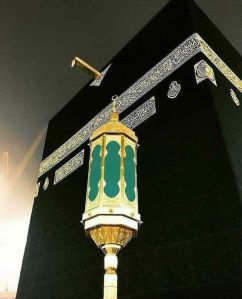
Is dars mein hum Imam Ali (a) ki Khutbah 1 ke us hissa ko samjhenge jahan Qur’an-e-Kareem ki hidayat, Allah Ta‘ala ke ahkaam aur Hajj ki ahmiyat bayan hoti hai.
Is dars ka markazi paigham yeh hai ke Allah ne insaan ko be-maqsad paida nahin kiya. Uski zindagi ke liye hidayat bhi di aur ibadat ke aise tareeqe bhi muqarrar kiye jo insaan ke aqeede, akhlaq aur muashre ki islaah karte hain.
Qur’an sirf tilawat ki kitab nahin, balkeh insani zindagi ke liye hidayat, naseehat aur haq-o-batil mein farq karne ka meyar hai.
Allah Ta‘ala farmata hai:
شَهْرُ رَمَضَانَ الَّذِي أُنْزِلَ فِيهِ الْقُرْآنُ هُدًى لِلنَّاسِ وَبَيِّنَاتٍ مِنَ الْهُدَىٰ وَالْفُرْقَانِ
Roman Urdu:
Shahru Ramazaanal-lazee unzila feehil-Qur’aanu hudal-linnaasi wa bayyinaatim-minal-hudaa wal-furqaan.
Tarjuma:
“Ramazan ka mahina woh hai jismein Qur’an nazil kiya gaya, jo logon ke liye hidayat hai aur hidayat ki roshan daleelein aur haq-o-batil mein farq karne wala hai.”
(Surah Al-Baqarah 2:185)
Qur’an ki chand bunyadi khasusiyat:
Hidayat: Insaan ko seedha raasta dikhata hai.
Furqan: Haq aur batil mein farq samjhata hai.
Zikr: Allah ki yaad aur uski taraf rujoo ki dawat deta hai.
Shifa: Dil ki roohani aur akhlaqi bimariyon ke liye rehnumai deta hai.
Sirf Qur’an ki tilawat karna hi kaafi nahin; uske paigham ko samajhna aur zindagi mein nafiz karna bhi zaroori hai.
Allah Ta‘ala farmata hai:
أَفَلَا يَتَدَبَّرُونَ الْقُرْآنَ
Roman Urdu:
Afalaa yatadabbaroonal-Qur’aan?
Tarjuma:
“Kya yeh log Qur’an mein ghaur-o-fikr nahin karte?”
(Surah Muhammad 47:24)
Is ayat se teen bunyadi sabaq milte hain:
Qur’an ko samajh kar padhna chahiye.
Uske ahkaam ko apni zindagi par lagu karna chahiye.
Apne aqeede aur aamaal ko Qur’an ki kasauti par parakhna chahiye.
Allah Ta‘ala ke ahkaam insaan ko mushkil mein daalne ke liye nahin, balkeh uski islaah aur falah ke liye hain.
Misal ke taur par:
| Hukm | Bunyadi maqsad |
|---|---|
| Namaz | Allah se ta’alluq aur burai se bachao |
| Roza | Taqwa, sabr aur khud par qaboo |
| Zakat | Maashi insaf aur zaruratmand ki madad |
| Hajj | Tauheed, ita’at aur ummati yakjehti |
| Sachchai | Bharose aur amanat ki hifazat |
| Insaf | Zulm aur na-insafi ka khatma |
Allah Ta‘ala farmata hai:
إِنَّ اللَّهَ يَأْمُرُ بِالْعَدْلِ وَالْإِحْسَانِ
Roman Urdu:
Innallaha ya’muru bil-‘adli wal-ihsaan.
Tarjuma:
“Beshak Allah insaf aur ihsan ka hukm deta hai.”
(Surah An-Nahl 16:90)
Is se maloom hota hai ke deen ka maqsad sirf fardi ibadat nahin, balkeh insaf par mabni muashra qaim karna bhi hai.
Imam Ali (a) Qur’an ke ahkaam ki mukhtalif qisamon ka zikr karte hain. Is se maloom hota hai ke Qur’an mein sirf hukm aur manaahi hi nahin, balkeh insani rehnumai ke mukhtalif darje aur usool bhi maujood hain.
Khutbah ke is hisse mein chand aham qisamein bayan hui hain:
Faraiz: Woh kaam jo Allah ne wajib qarar diye.
Mahaarim: Woh kaam jinse Allah ne mana farmaya.
Muhkam: Aisi ayaat jinka mafhoom wazeh aur mazboot ho.
Mutashabih: Aisi ayaat jinhein samajhne ke liye mazeed ilm aur doosri ayaat ki roshni darkar hoti hai.
Naasikh aur Mansookh: Aise ahkaam jinmein baad ka hukm pehle hukm ki jagah leta hai, Allah ke hukm aur hikmat ke mutabiq.
Azaim aur rukhas: Deen ke pakke ahkaam aur woh shar‘i sahulatein jo Allah ne apne bandon ko di hain.
Yeh Qur’an ko samajhne ke usool hain. Kisi ayat ko uske siyaq-o-sabaq aur doosri ayaat se alag karke samajhna durust nahin.
Qur’ani daleel:
هُوَ الَّذِي أَنْزَلَ عَلَيْكَ الْكِتَابَ مِنْهُ آيَاتٌ مُّحْكَمَاتٌ هُنَّ أُمُّ الْكِتَابِ وَأُخَرُ مُتَشَابِهَاتٌ
Roman Urdu:
Huwal-lazee anzala ‘alaykal-kitaaba minhu aayaatum-muhkamaatun hunna ummul-kitaabi wa ukharu mutashaabihaat.
Tarjuma:
“Wohi hai jisne tum par Kitab nazil ki. Usmein kuch ayaat muhkam hain, wohi Kitab ki asal bunyaad hain, aur kuch doosri mutashabih hain.”
(Surah Aal-e-Imran 3:7)
Tashreeh: Qur’an ki kisi mushkil ayat ko samajhne ke liye uske saath Qur’an ki doosri ayaat, Rasoolullah ﷺ ki taleemat aur mustanad ilm-e-tafseer se madad leni chahiye.
Imam Ali (a) Khutbah 1 mein farmate hain:
وَفَرَضَ عَلَيْكُمْ حَجَّ بَيْتِهِ الْحَرَامِ، الَّذِي جَعَلَهُ قِبْلَةً لِلْأَنَامِ، يَرِدُونَهُ وُرُودَ الْأَنْعَامِ، وَيَأْلَهُونَ إِلَيْهِ وُلُوهَ الْحَمَامِ.
Roman Urdu:
Wa farada ‘alaykum hajja baytihil-haraam, allazee ja’alahu qiblatan lil-anaam, yaridoonahu wuroodal-an’aam, wa ya’lahoona ilayhi wuloohal-hamaam.
Tarjuma:
“Allah ne tum par apne muqaddas ghar ka Hajj farz kiya, jise usne tamam logon ke liye qibla banaya. Log uski taraf is tarah aate hain jaise jaanwar pani ke ghaat ki taraf aate hain, aur uski taraf shiddat-e-shauq se rujoo karte hain jaise kabootar apne thikane ki taraf laut-te hain.”
Yahan Imam Ali (a) ne Hajj ke liye do khoobsurat tashbeehat di hain:
Pani ke ghaat ki taraf aana: Jaise pyaasa jaanwar pani ki taraf khinchta chala aata hai, waise hi Allah ke ghar ki taraf Hajj karne wale shauq se aate hain.
Kabootar ka apne thikane ki taraf lautna: Is se Allah ke ghar ki taraf dil ke gehre lagao aur sukoon ka izhar hota hai.
Yeh tashbeehat Hajj karne walon ke jazbe aur Allah ke ghar se unki roohani wabastagi ko zahir karti hain.
balagha.app+1
Imam Ali (a) aage farmate hain:
جَعَلَهُ سُبْحَانَهُ عَلَامَةً لِتَوَاضُعِهِمْ لِعَظَمَتِهِ، وَإِذْعَانِهِمْ لِعِزَّتِهِ.
Roman Urdu:
Ja’alahu subhaanahu ‘alaamatan li-tawaadu’ihim li-‘azamatihi, wa iz’aanihim li-‘izzatihi.
Tarjuma:
“Allah ne Ka‘bah ko apni azmat ke saamne bandon ke tawazu aur apni qudrat ke saamne unke tasleem-e-farman hone ki nishani banaya.”
Tashreeh:
Hajj mein ameer aur ghareeb, hukmaran aur aam aadmi, sab ek hi tarah Allah ke saamne haazir hote hain.
Ihram ki halat mein:
Duniya ki numaish aur zaahiri shaan-o-shaukat chhor di jati hai.
Insaan apni bandagi aur aajizi ka izhar karta hai.
Har shakhs Allah ke hukm ke saamne apne aap ko musawi samajhta hai.
Takabbur aur nasli ya maashi fakhr ki jagah taqwa aur ita’at ko ahmiyat milti hai.
Yahi Hajj ka ek azeem tarbiyyati pehlu hai.
Imam Ali (a) farmate hain:
وَاخْتَارَ مِنْ خَلْقِهِ سُمَّاعاً أَجَابُوا إِلَيْهِ دَعْوَتَهُ، وَصَدَّقُوا كَلِمَتَهُ، وَوَقَفُوا مَوَاقِفَ أَنْبِيَائِهِ.
Roman Urdu:
Wakhtaara min khalqihi summaaa’an, ajaaboo ilayhi da’watuhu, wa saddaqoo kalimatahu, wa waqafoo mawaaqifa anbiyaa’ihi.
Tarjuma:
“Allah ne apni makhlooq mein se aise logon ko chuna jinhone uski pukar ka jawab diya, uske kalime ki tasdeeq ki aur uske Ambiya ke maqamat par khade hue.”
Iska matlab hai ke Hajj ka amal Hazrat Ibrahim (a) aur doosre Ambiya ki tauheedi riwayat se juda hua hai.
Qur’an mein Hazrat Ibrahim (a) ki dua aur Allah ka hukm bayan hua hai:
وَأَذِّنْ فِي النَّاسِ بِالْحَجِّ يَأْتُوكَ رِجَالًا وَعَلَىٰ كُلِّ ضَامِرٍ
Roman Urdu:
Wa azzin fin-naasi bil-hajji ya’tooka rijaalan wa ‘alaa kulli daamirin.
Tarjuma:
“Aur logon mein Hajj ka elan kar do; woh tumhare paas paidal aur har dubli oontni par sawar hokar aayenge.”
(Surah Al-Hajj 22:27)
Yeh ayat Hajj ki dawat aur uski aalami haisiyat ko bayan karti hai.
Imam Ali (a) ke alfaaz hain:
يُحْرِزُونَ الْأَرْبَاحَ فِي مَتْجَرِ عِبَادَتِهِ، وَيَتَبَادَرُونَ عِنْدَهُ مَوْعِدَ مَغْفِرَتِهِ.
Roman Urdu:
Yuhrizoonal-arbaaha fee matjari ‘ibaadatihi, wa yatabaadaroon ‘indahu maw’ida maghfiratihi.
Tarjuma:
“Woh Allah ki ibadat ke is karobar mein roohani munafa hasil karte hain aur uske haan maghfirat ke waade ki taraf jaldi karte hain.”
Yahan tijarat aur munafe ki misaal di gayi hai. Duniya ki tijarat mein insaan maal kamata hai, jabke Allah ki ibadat mein insaan ka roohani munafa hota hai:
Gunahon ki maafi ki umeed.
Taqwa mein izafa.
Allah se qurbat.
Sabr aur bardasht ki tarbiyat.
Musalmanon ke darmiyan bhai-chara.
Imam Ali (a) farmate hain:
جَعَلَهُ سُبْحَانَهُ لِلْإِسْلَامِ عَلَماً، وَلِلْعَائِذِينَ حَرَماً.
Roman Urdu:
Ja’alahu subhaanahu lil-Islaami ‘alaman, wa lil-‘aa’izheena haraman.
Tarjuma:
“Allah ne Ka‘bah ko Islam ki nishani aur panah talab karne walon ke liye haram (aman ki jagah) banaya.”
Ka‘bah Musalmanon ki wahdat aur tauheed ki ek numaya nishani hai. Duniya ke har kone mein Musalman namaz ke waqt ek hi qibla ki taraf rukh karte hain.
Allah Ta‘ala farmata hai:
وَلِلَّهِ عَلَى النَّاسِ حِجُّ الْبَيْتِ مَنِ اسْتَطَاعَ إِلَيْهِ سَبِيلًا
Roman Urdu:
Wa lillaahi ‘alan-naasi hijjul-bayti manis-tataa’a ilayhi sabeela.
Tarjuma:
“Aur Allah ke liye logon par is ghar ka Hajj karna farz hai, jo wahan tak pahunchne ki istita’at rakhta ho.”
(Surah Aal-e-Imran 3:97)
Imam Ali (a) isi ayat ko Hajj ki farziyat ki daleel ke taur par pesh karte hain.
Hajj ki farziyat, Ka‘bah ki hurmat, ihram, tawaf, sa’i aur wuqoof-e-Arafat ki bunyadi ahmiyat par Sunni aur Shia dono fiqhi riwayaton ka ittefaq hai.
Kuch fiqhi tafseelaat mein farq paya jata hai, masalan:
Tawaf aur sa’i ke kuch wajibaat ki tafseel.
Ihram aur talbiyah ke chand masail.
Hajj ke kuch aamaal ki tartib aur unke fiqhi ahkaam.
Lekin dono ka mushtarka paigham yahi hai ke Hajj Allah ki ita’at, tauheed, tawazu aur taqwa ka azeem amal hai.
Qur’an insaniyat ke liye hidayat aur haq-o-batil mein farq karne wali kitab hai.
Qur’an ke ahkaam ko samajhne ke liye muhkam, mutashabih, naasikh aur mansookh jaise usoolon ka ilm zaroori hai.
Hajj Allah ka farz kiya hua azeem amal hai.
Ka‘bah Islam ki nishani aur Musalmanon ka qibla hai.
Hajj insaan mein tawazu, ita’at aur Allah se qurbat paida karta hai.
Hajj ka roohani munafa maghfirat, taqwa aur Allah ki raza ki talab hai.

But the Prophet left among you the same which other Prophets left among their peoples, because Prophets do not leave them untended (in dark) without a clear path and a standing ensign, namely the Book of your Creator clarifying its permission and prohibitions, its obligations and discretion, its repealing injunctions and the repealed ones, its permissible matters and compulsory ones, its particulars and the general ones, its lessons and illustrations, its long and the short ones, its clear and obscure ones, detailing its abbreviations and clarifying its obscurities.
وَخَلَّفَ فِيكُمْ مَا خَلَّفَتِ الاْنْبيَاءُ في أُمَمِها، إذْ لَم يَتْرُكُوهُمْ هَمَلاً، بِغَيْر طَريق واضِح، ولاَعَلَمٍ قَائِم.
كِتَابَ رَبِّكُمْ [فِيكُمْ:] مُبَيِّناً حَلاَلَهُ وَحَرامَهُ، وَفَرَائِضَهُ وَفَضَائِلَهُ، وَنَاسِخَهُ وَمَنْسُوخَهُ، وَرُخَصَهُ وَعَزَائِمَهُ، وَخَاصَّهُ وَعَامَّهُ، وَعِبَرَهُ وَأَمْثَالَهُ، وَمُرْسَلَهُ وَمَحْدُودَهُ، وَمُحْكَمَهُ وَمُتَشَابِهَهُ، مُفَسِّراً جُمَلَهُ، وَمُبَيِّناً غَوَامِضَهُ.
In it there are some verses whose knowledge1 is obligatory and others whose ignorance by the people is permissible. It also contains what appears to be obligatory according to the Book2 but its repeal is signified by the Prophet’s action (sunnah) or that which appears compulsory according to the Prophet’s action but the Book allows not following it.
Or there are those which are obligatory in a given time but not so after that time. Its prohibitions also differ. Some are major regarding which there exists the threat of fire (Hell), and others are minor for which there are prospects of forgiveness. There are also those of which a small portion is also acceptable (to Allah) but they are capable of being expanded.
بَيْنَ مَأْخُوذ مِيثَاقُ عِلْمِهِ، وَمُوَسَّع عَلَى العِبَادِ في جَهْلِهِ، وَبَيْنَ مُثْبَت في الكِتابِ فَرْضُهُ، وَمَعْلُوم في السُّنَّهِ نَسْخُهُ، وَوَاجب في السُّنَّةِ أَخْذُهُ، وَمُرَخَّص في الكِتابِ تَرْكُهُ، وَبَيْنَ وَاجِب بِوَقْتِهِ، وَزَائِل في مُسْتَقْبَلِهِ، وَمُبَايَنٌ بَيْنَ مَحَارِمِهِ، مِنْ كَبير أَوْعَدَ عَلَيْهِ نِيرَانَهُ، أَوْ صَغِير أَرْصَدَ لَهُ غُفْرَانَهُ، وَبَيْنَ مَقْبُول في أَدْنَاهُ، ومُوَسَّع في أَقْصَاهُ.
و[منها:] في ذكر الحج
Allah has made obligatory upon you the pilgrimage (Hajj) to His sacred House which is the turning point for the people who go to it as beasts or pigeons go towards spring water. Allah the glorified made it a sign of their supplication before His Greatness and their acknowledgement of His Dignity. He selected from among His creation those who on listening to His call responded to it and testified His word.
They stood in the position of His Prophets and resembled His angels who surround the Divine Throne securing all the benefits of performing His worship and hastening towards His promised forgiveness. Allah the glorified made it (His sacred House) an emblem for Islam and an object of respect for those who turn to it. He made obligatory its pilgrimage and laid down its claim for which He held you responsible to discharge it. Thus, Allah, the Glorified, said:
“. . .And (purely) for Allah, is incumbent upon mankind, the pilgrimage to the House, for those who can afford to journey thither. And whoever denieth then verily, Allah is Self-sufficiently independent of the worlds” (Qur’an, 3:96).
وَفَرَضَ عَلَيْكُمْ حَجَّ بَيْتِهِ الحَرَامِ، الَّذِي جَعَلَهُ قِبْلَةً لِلاْنَامِ، يَرِدُونَهُ وُرُودَ الاَنْعَامِ، وَيأْلَهُونَ إِلَيْهِ وُلُوهَ الحَمَامِ.
جَعَلَهُ سُبْحَانَهُ عَلاَمَةً لِتَوَاضُعِهمْ لِعَظَمَتِهِ، وَإِذْعَانِهِمْ لِعِزَّتِهِ، وَاخْتَارَ مِنْ خَلْقِهِ سُمَّاعاً أَجَابُوا إِلَيْهِ دَعْوَتَهُ، وَصَدَّقُوا كَلِمَتِهُ، وَوَقَفُوا مَوَاقِفَ أَنْبِيَائِهِ، وَتَشَبَّهُوا بمَلاَئِكَتِهِ المُطِيفِينَ بِعَرْشِهِ، يُحْرِزُونَ الاْرْبَاحَ فِي مَتْجَرِ عِبَادَتِهِ، وَيَتَبَادَرُونَ عِنْدَهُ مَوْعِدَ مَغْفِرَتِهِ.
جَعَلَهُ سُبْحَانَهُ لِلاِسْلامِ عَلَماً، وَلِلْعَائِذِينَ حَرَماً، فَرَضَ حَجَّهُ، وَأَوْجَبَ حَقَّهُ، وَكَتَبَ عَلَيْكُمْ وِفَادَتَهُ، فَقَالَ سُبْحَانَهُ: (وَللهِ عَلَى النَّاسِ حِجُّ الْبَيْتِ مَنِ اسْتَطَاعَ إِلَيْهِ سَبِيلاً وَمَنْ كَفَرَ فَإِنَّ اللهَ غَنِيٌّ عَنِ العَالَمينَ).

