
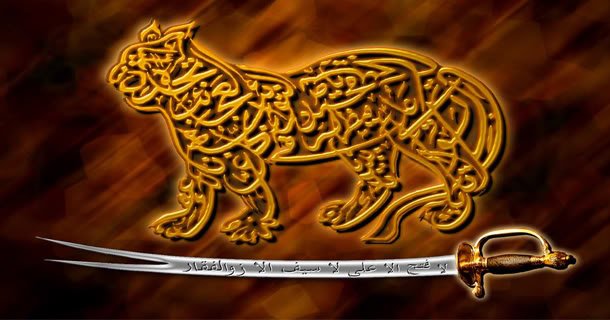


Nahjul Balagha ke mashhoor nuskhe mein Sermon 2 ka unwan “After the Return from Siffin” diya jata hai. Is sermon mein Imam Ali (a) Allah ki hamd, Rasoolullah ﷺ ki risalat, Ahl-e-Bayt ke maqam aur Islam ke ibtidai daur ke halaat bayan farmate hain.
Neeche sermon ka Roman English transliteration aur Roman Urdu mafhoom diya ja raha hai.
1. Allah ki hamd aur uski madad talab karna
Roman English:
Ahmaduhu istitmaman li-ni’matihi, wastislaman li-‘izzatihi, wasti’saman min ma’siyatihi, wa asta’inuhu faqatan ila kifayatihi.
Roman Urdu mafhoom:
Main Allah ki hamd karta hoon, uski nematon ki takmeel aur shukr ke liye, uski azmat ke saamne sar-e-tasleem kham karte hue, uski na-farmani se bachne ke liye uski panah talab karte hue. Aur main usse madad chahta hoon, kyunki main uski madad aur kifayat ka mohtaj hoon.
2. Tauheed ki gawahi
Roman English:
Wa ashhadu an la ilaha illallah wahdahu la sharika lah, shahadatan mumtahanan ikhlasuha, mu’taqadan masasuha.
Roman Urdu mafhoom:
Main gawahi deta hoon ke Allah ke siwa koi mabood nahi. Woh akela hai aur uska koi shareek nahi. Yeh aisi gawahi hai jiska ikhlas aazmaya hua aur jiski haqeeqat dil mein mazbooti se yaqeen ki gayi hai.
3. Rasoolullah ﷺ ki risalat
Roman English:
Wa ashhadu anna Muhammadan ‘abduhu wa rasuluh. Arsalahu bid-dinil mashhur, wal-‘alam al-ma’thur, wal-kitabil mastur, wan-nuris-sati’, wad-diya’il-lami’.
Roman Urdu mafhoom:
Aur main gawahi deta hoon ke Muhammad ﷺ Allah ke bande aur uske Rasool hain. Allah ne aapko ek wazeh deen, ek yaadgar nishani, likhi hui kitab, chamakta hua noor aur roshan ujale ke saath bheja.
4. Ba’ithat-e-Nabawi se pehle logon ki haalat
Roman English:
Wan-nasu fi fitanin injadhama fiha hablud-din, wa tazalza’at sawaril-yaqin, wakhtalafan-najru, wa tashattatal-amru, wa daqal-makhraj, wa ‘amiyal-masdar.
Roman Urdu mafhoom:
Log fitnon mein mubtala the. Deen ki rassi toot chuki thi, yaqeen ke sutun laraz gaye the, logon ke nazariyat aur raayein mukhtalif ho gayi thin, maamlaat bikhar gaye the, nikalne ka raasta tang ho gaya tha aur hidayat ka sarchashma posheeda ho gaya tha.
5. Hidayat ki kamzori aur gumrahi ka ghalba
Roman English:
Fal-huda khamilun, wal-‘ama shamilun, ‘usiyar-Rahmanu, wa nusirash-shaytanu, wa khudhila al-iman.
Roman Urdu mafhoom:
Hidayat dab gayi thi aur gumrahi aam ho gayi thi. Rahman ki na-farmani ki ja rahi thi, Shaitan ki madad ki ja rahi thi aur imaan ko be-yar-o-madadgar chhor diya gaya tha.
6. Khutbah ka markazi paigham
Is sermon ke ibtidai hisse se hamein yeh sabaq milta hai:
-
Allah ki nematon ka shukr ada karna chahiye.
-
Tauheed par mazboot yaqeen rakhna chahiye.
-
Rasoolullah ﷺ ki risalat aur Qur’an ki hidayat ko apni zindagi mein apnana chahiye.
-
Deen aur imaan ko muashre mein mazboot rakhna chahiye.
-
Zulm, taassub aur gumrahi se bachna chahiye.
Imam Ali ibn Abi Talib (a)
1. Allah ki Hamd-o-Sana
Ahmaduhu istitmāman li-ni‘matihi, wastislāman li-‘izzatihi, wasti‘sāman min ma‘siyatihi. Wa asta‘īnuhu fāqatan ilā kifāyatihi. Innahu lā yaḍillu man hadāhu, wa lā ya’īlu man ‘ādāhu, wa lā yaftaqiru man kafāhu. Fa-innahu arjaḥu mā wuzina, wa afḍalu mā khuzina.
2. Tauheed ki Gawahi
Wa ashhadu an lā ilāha illallāhu waḥdahu lā sharīka lah. Shahādatan mumtaḥanan ikhlāṣuhā, mu‘taqadan muṣāṣuhā. Natamassaku bihā abadan mā abqānā, wa naddakhiruhā li-ahāwīli mā yalqānā. Fa-innahā ‘azīmatu al-īmān, wa fātiḥatu al-iḥsān, wa marḍātu ar-Raḥmān, wa madḥaratu ash-shayṭān.
3. Risalat ki Gawahi
Wa ashhadu anna Muḥammadan ‘abduhu wa rasūluh. Arsalahu bid-dīni al-mashhūr, wal-‘alami al-ma’thūr, wal-kitābi al-masṭūr, wan-nūri as-sāṭi‘, waḍ-ḍiyā’i al-lāmi‘, wal-amri aṣ-ṣādi‘; izāḥatan lish-shubuhāt, wa iḥtijājān bil-bayyināt, wa taḥdhīran bil-āyāt, wa takhwīfan bil-mathulāt.
4. Nabi ﷺ ki Ba‘that se Pehle Arabon ki Haalat
Wan-nāsu fī fitanin injadhama fīhā ḥablu ad-dīn, wa tazalzalat sawāriyyu al-yaqīn, wakhtalafa an-najru, wa tashattata al-amru, wa ḍāqa al-makhraju, wa ‘amiya al-maṣdaru. Fal-hudā khāmilun, wal-‘amā shāmilun.
‘Uṣiya ar-Raḥmān, wa nuṣira ash-shayṭān, wa khudhila al-īmān. Fan-hārat da‘ā’imuhu, wa tanakkarat ma‘ālimuhu, wa darasat subuluhu, wa ‘afat shurukuhu.
Aṭā‘ū ash-shayṭāna fasalakū masālikahu, wa waradū manāhilahu. Bihim sārat a‘lāmuhu, wa qāma liwā’uhu, fī fitanin dāsathum bi-akḥāfihā, wa waṭi’athum bi-aẓlāfihā, wa qāmat ‘alā sanābikihā. Fahum fīhā tā’ihūna ḥā’irūna jāhilūna maftūnūn.
Fī khayri dārin, wa sharri jīrān. Naw’muhum suhūdun, wa kuḥluhum dumū‘un, bi-arḍin ‘ālimuhā muljamun, wa jāhiluhā mukramun.
5. Ahl al-Bayt (a) ke Faza’il
Hum mawḍi‘u sirrihi, wa laj’u amrihi, wa ‘aybatu ‘ilmihi, wa maw’ilu ḥukmihi, wa kuhūfu kutubihi, wa jibālu dīnihi. Bihim aqāma inḥinā’a ẓahrihi, wa adh-haba irti‘āda farā’iṣihi.
6. Doosre Giroh ke A‘maal ka Zikr
Zara‘ū al-fujūra, wa saqawhu al-ghurūra, wa ḥaṣadū ath-thubūra.
7. Aal-e-Muhammad ﷺ ka Martaba
Lā yuqāsu bi-Āli Muḥammadin (a) min hādhihi al-ummah aḥadun, wa lā yusawwā bihim man jarat ni‘matuhum ‘alayhi abadan.
Hum asāsu ad-dīn, wa ‘imādu al-yaqīn. Ilayhim yafī’u al-ghālī, wa bihim yalḥaqu at-tālī. Wa lahum khaṣā’iṣu ḥaqqi al-wilāyah, wa fīhim al-waṣiyyatu wal-wirāthah. Al-āna idh raja‘a al-ḥaqqu ilā ahlihi, wa nuqila ilā muntaqalihi.
Roman Urdu mein mukhtasar mafhoom
1. Allah ki hamd: Imam Ali (a) Allah ki nematon ki takmeel, uski azmat ke saamne tasleem aur gunahon se bachne ke liye Allah ki panah talab karte hain.
2. Tauheed: Allah ki wahdaniyat par sachchi gawahi imaan ki bunyaad aur shaitan se doori ka zariya hai.
3. Risalat: Allah ne Muhammad Rasoolullah ﷺ ko roshan deen, Kitab aur wazeh daleelon ke saath bheja, taake logon ke shubuhat door hon aur unhein hidayat mile.
4. Ba‘that se pehle ka muashra: Deeni rishte kamzor ho gaye the, yaqeen ki bunyaadein hil chuki thin, gumrahi aam thi aur ilm rakhne walon ko khamosh rehna padta tha.
5. Ahl al-Bayt (a): Imam unhein Allah ke raaz ka markaz, ilm ka khazana, hikmat ka sarchashma aur deen ke mazboot sutoon qarar dete hain.
6. Doosre giroh ka zikr: Unke a‘maal ko fujur, dhoke aur tabahi ke alfaaz mein bayan kiya gaya hai.
7. Aal-e-Muhammad ﷺ ka maqam: Imam ke mutabiq Aal-e-Muhammad ﷺ ka martaba ummat mein kisi ke barabar nahin; woh deen ki bunyaad aur yaqeen ka sahara hain.
Sermon 2: I praise Allah seeking completion of His Blessing…
Delivered on return from Siffin
Arabia before proclamation of Prophethood
ومن خطبة له ) عليه السلام (بعد انصرافه من صفين
وفيها حال الناس قبل البعثة وصفة آل النبي ثمّ صفة قوم آخرين:
I praise Allah seeking completion of His Blessing, submitting to His Glory and expecting safety from committing His sins. I invoke His help being in need of His Sufficiency (of protection). He whom He guides does not go astray, He with whom He is hostile gets no protection. He whom He supports does not remain needy. Praise is most weighty of all that is weighed and the most valuable of all that is treasured.
أحْمَدُهُ اسْتِتْماماً لِنِعْمَتِهِ، وَاسْتِسْلاَماً لِعِزَّتِهِ، واسْتِعْصَاماً مِنْ مَعْصِيَتِهِ، وَأَسْتَعِينُهُ فَاقَةً إِلى كِفَايَتِهِ، إِنَّهُ لاَ يَضِلُّ مَنْ هَدَاهُ، وَلا يَئِلُ مَنْ عَادَاهُ، وَلا يَفْتَقِرُ مَنْ كَفَاهُ; فَإِنَّهُ أَرْجَحُ ما وُزِنَ، وَأَفْضَلُ مَا خُزِنَ.
I stand witness that there is no god but Allah the One. He has no like. My testimony has been tested in its frankness, and its essence is our belief. We shall cling to it for ever till we live and shall store it for facing the tribulations that overtake us because it is the foundation stone of Belief (iman) and the first step towards good actions and Divine pleasure. It is the means to keep Satan away.
وَأَشْهَدُ أَنْ لاَ إِلهَ إِلاَّ اللهُ، شَهَادَةً مُمْتَحَناً إِخْلاَصُهَا، مُعْتَقَداً مُصَاصُهَا، نَتَمَسَّكُ بها أَبَداً ما أَبْقانَا، وَنَدَّخِرُهَا لاِهَاوِيلِ مَا يَلْقَانَا، فَإِنَّها عَزيمَةُ الاْيمَانِ، وَفَاتِحَةُ الاْحْسَانِ، وَمَرْضَاةُ الرَّحْمنِ، وَمَدْحَرَةُ الشَّيْطَانِ.
I also stand witness that Muhammad (S) is His slave and His Prophet. Allah sent him with the illustrious religion, effective emblem, written Book,1 effulgent light, sparkling gleam and decisive injunction in order to dispel doubts, present clear proofs, administer warning through signs and to warn of punishments. At that time people had fallen in vices whereby the rope of religion had been broken, the pillars of belief had been shaken, principles had been sacrileged, system had become topsy turvy, openings were narrow, passage was dark, guidance was unknown and darkness prevailed.
وَأَشْهَدُ أَنَّ مُحَمَّداً عَبْدُهُ وَرَسُولُهُ، أرْسَلَهُ بِالدِّينِ المشْهُورِ، وَالعَلَمِ المأْثُورِ، وَالكِتَابِ المسْطُورِ، وَالنُّورِ السَّاطِعِ، وَالضِّيَاءِ اللاَّمِعِ، وَالاَمْرِ الصَّادِعِ، إزَاحَةً لِلشُّبُهَاتِ، وَاحْتِجَاجاً بِالبَيِّنَاتِ، وَتَحْذِيراً بِالايَاتِ، وَتَخْويفاً بِالمَثُلاَتِ، وَالنَّاسُ في فِتَن انْجَذَمَ فِيها حَبْلُ الدِّينِ، وَتَزَعْزَعَتْ سَوَارِي اليَقِينِ، وَاخْتَلَفَ النَّجْرُ، وَتَشَتَّتَ الاْمْرُ، وَضَاقَ الْـمَخْرَجُ، وَعَمِيَ المَصْدَرُ، فَالهُدَى خَامِلٌ، واَلعَمَى شَامِلٌ.
Allah was being disobeyed, Satan was given support and Belief had been forsaken. As a result the pillars of religion fell down, its traces could not be discerned, its passages had been destroyed and its streets had fallen into decay. People obeyed Satan and treaded his paths. They sought water from his watering places. Through them Satan’s emblems got flying and his standard was raised in vices which trampled the people under their hoofs, and treaded upon them with their feet. The vices stood on their toes (in full stature) and the people immersed in them were strayed, perplexed, ignorant and seduced as though in a good house2 with bad neighbours. Instead of sleep they had wakefulness and for antimony they had tears in the eyes. They were in a land where the learned were in bridle (keeping their mouths shut) while the ignorant were honoured.
عُصِيَ الرَّحْمنُ، وَنُصِرَ الشَّيْطَانُ، وَخُذِلَ الاِْيمَانُ، فَانْهَارَتْ دَعَائِمُهُ، وَتَنكَّرَتْ مَعَالِمُهُ، وَدَرَسَتْ سُبُلُهُ، وَعَفَتْ شُرُكُهُ.
أَطَاعُوا الشَّيْطَانَ فَسَلَكُوا مَسَالِكَهُ، وَوَرَدُوا مَنَاهِلَهُ، بِهِمْ سَارَتْ أَعْلامُهُ، وَقَامَ لِوَاؤُهُ، في فِتَن دَاسَتْهُمْ بِأَخْفَافِهَا، وَوَطِئَتْهُمْ بأَظْلاَفِهَا وَقَامَتْ عَلَى سَنَابِكِهَا، فَهُمْ فِيهَا تَائِهُونَ حَائِرونَ جَاهِلُونَ مَفْتُونُونَ، في خَيْرِ دَار، وَشَرِّ جِيرَان، نَوْمُهُمْ سُهُودٌ، وَكُحْلُهُمْ دُمُوعٌ، بأَرْض عَالِمُها مُلْجَمٌ، وَجَاهِلُها مُكْرَمٌ.
In the same sermon Amir al-Mu’minin referred to Al an-Nabi (the Household of the Holy Prophet) as under
ومنها: ويعني آل النبي ( صلى الله عليه وآله وسلم)
They are the trustees of His secrets, shelter for His affairs, source of knowledge about Him, centre of His wisdom, valleys for His books and mountains of His religion. With them Allah straightened the bend of religion’s back and removed the trembling of its limbs.
هُمْ مَوْضِعُ سِرِّهِ، وَلَجَأُ أَمْرِهِ، وَعَيْبَةُ عِلْمِهِ، وَمَوْئِلُ حُكْمِهِ، وَكُهُوفُ كُتُبِهِ، وَجِبَالُ دِينِه، بِهِمْ أَقَامَ انْحِناءَ ظَهْرِهِ، وَأذْهَبَ ارْتِعَادَ فَرَائِصِهِ.
In the same Sermon he spoke about the hypocrites
منها: يعني بها قوماً آخرين
They sowed vices, watered them with deception and harvested destruction.
زَرَعُوا الفُجُورَ، وَسَقَوْهُ الغُرُورَ، وَحَصَدُوا الثُّبُورَ ،
Ali Muhammad
آل محمد (عليه السلام)
None in the Islamic community can be taken at par with the Progeny3 of the Prophet (Ali Muhammad). One who was under their obligation cannot be matched with them. They are the foundation of religion and pillar of Belief. The forward runner has to turn back to them while the follower has to overtake them. They possess the chief characteristics for vicegerency. In their favour exists the will and succession (of the Prophet). This is the time when right has returned to its owner and diverted to its centre of return.
لا يُقَاسُ بِآلِ مُحَمَّد (عليهم السلام) مِنْ هذِهِ الاُمَّةِ أَحَدٌ، وَلا يُسَوَّى بِهِمْ مَنْ جَرَتْ نِعْمَتُهُمْ عَلَيْهِ أبَداً.
هُمْ أَسَاسُ الدِّينِ، وَعِمَادُ اليَقِينِ، إِلَيْهمْ يَفِيءُ الغَالي، وَبِهِمْ يَلْحَقُ التَّالي، وَلَهُمْ خَصَائِصُ حَقِّ الوِلايَةِ، وَفِيهِمُ الوَصِيَّةُ وَالوِرَاثَةُ، الاْنَ إِذْ رَجَعَ الحَقُّ إِلَى أَهْلِهِ، وَنُقِلَ إِلَى مُنْتَقَلِهِ.


