


The unsung history of khanpur estate & Bara Basti
Shaikh Isa khan Afghan the head of his tribe Daudzai afganan was a horse trader who had six son.
His Eldest son SHAIKH RUKHNU-DIN KHAN AFGHAN served as mansabdar as he was was very valiant man.
Emperor JAHANGIR when he was prince titled shaikh rukn uddin khan afghan as ( Sher Khan) when he lost his arm by sword in a battle. Later on he was promoted to grade of larger Mansaabdari & the pargana of Gujarat was also bestowed on him by the emperor jahangir.
Shaikh Rukhnu din Khan Afghan established the very first village of the bara basti known as Basi Bangar which is on the shores of Ganga but after his death,the emperor bestowed some portion of his rank and jagir to his younger brother and his children. Shaikh ALLU KHAN AFGHAN during the reign of emperor JAHANGIR /SHAHJAHAN moved from basi bangar to another village and named it after his name Khanpur .
SHAIKH ALLU KHAN AFHAN also served as mansaabdar & fought many battles under the service of Mughal Emperor shahjahan but the battle that came in the light of history is against Raja Jagat Singh pathania of Taragarh, Himachal Pradesh. He rebelled against mughal emperor SHAHJAHAN in which he fortified the forts of Nurpur, Mau, taragarh of Himachal Pradesh and during this battle SHAIKH ALLU KHAN AFGHAN body was perished and only his head was came back to KHANPUR fort.
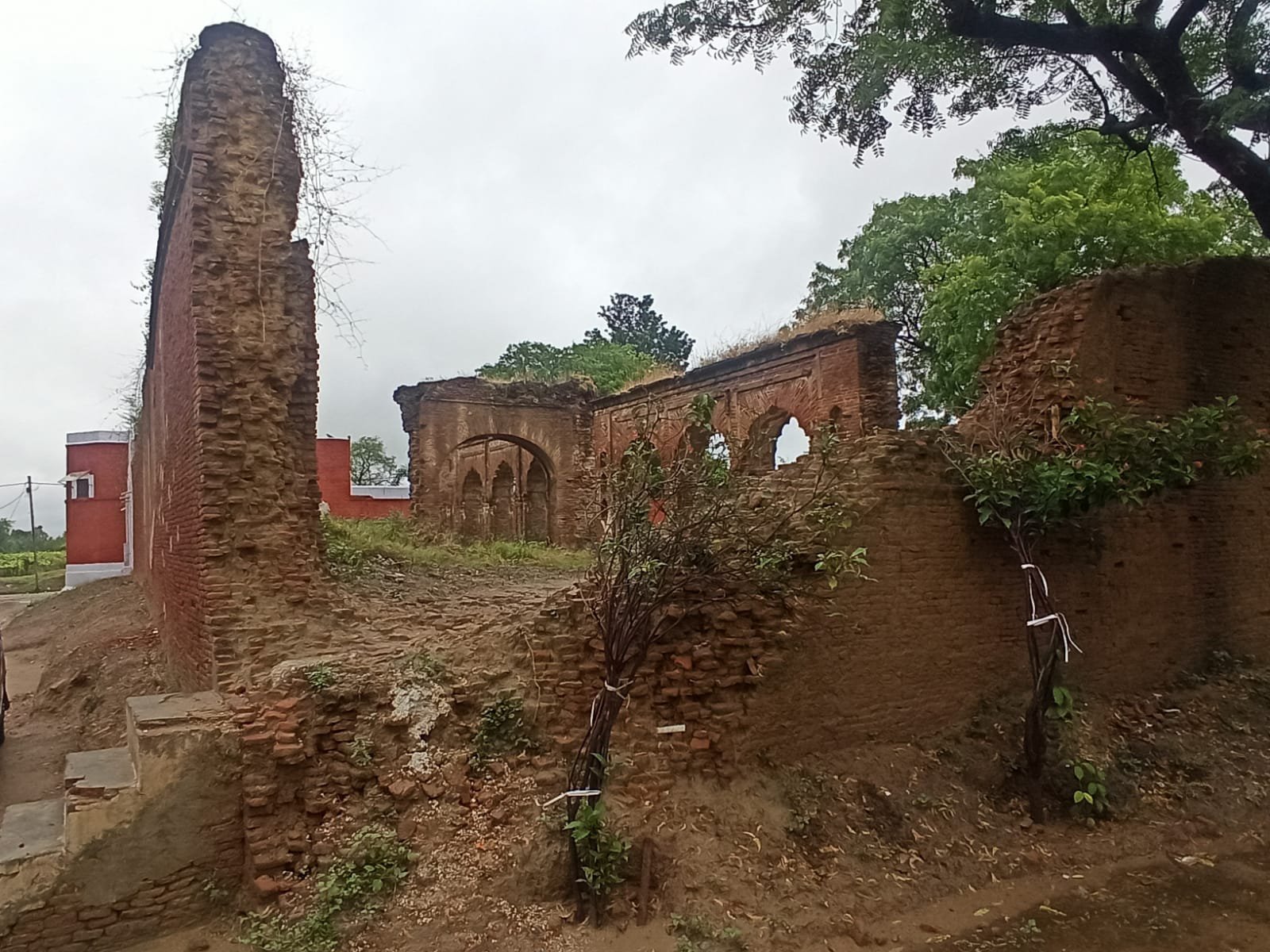
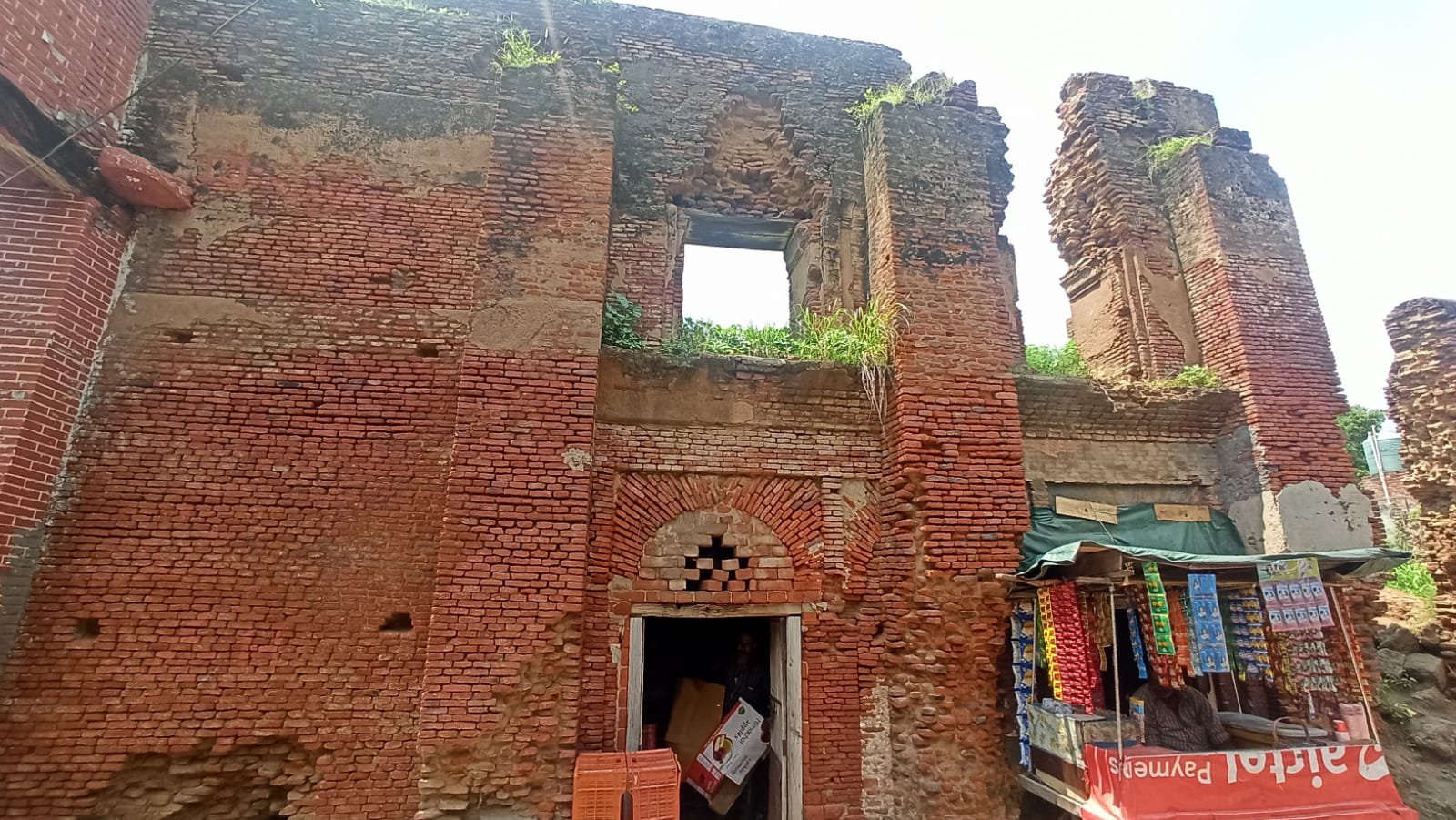
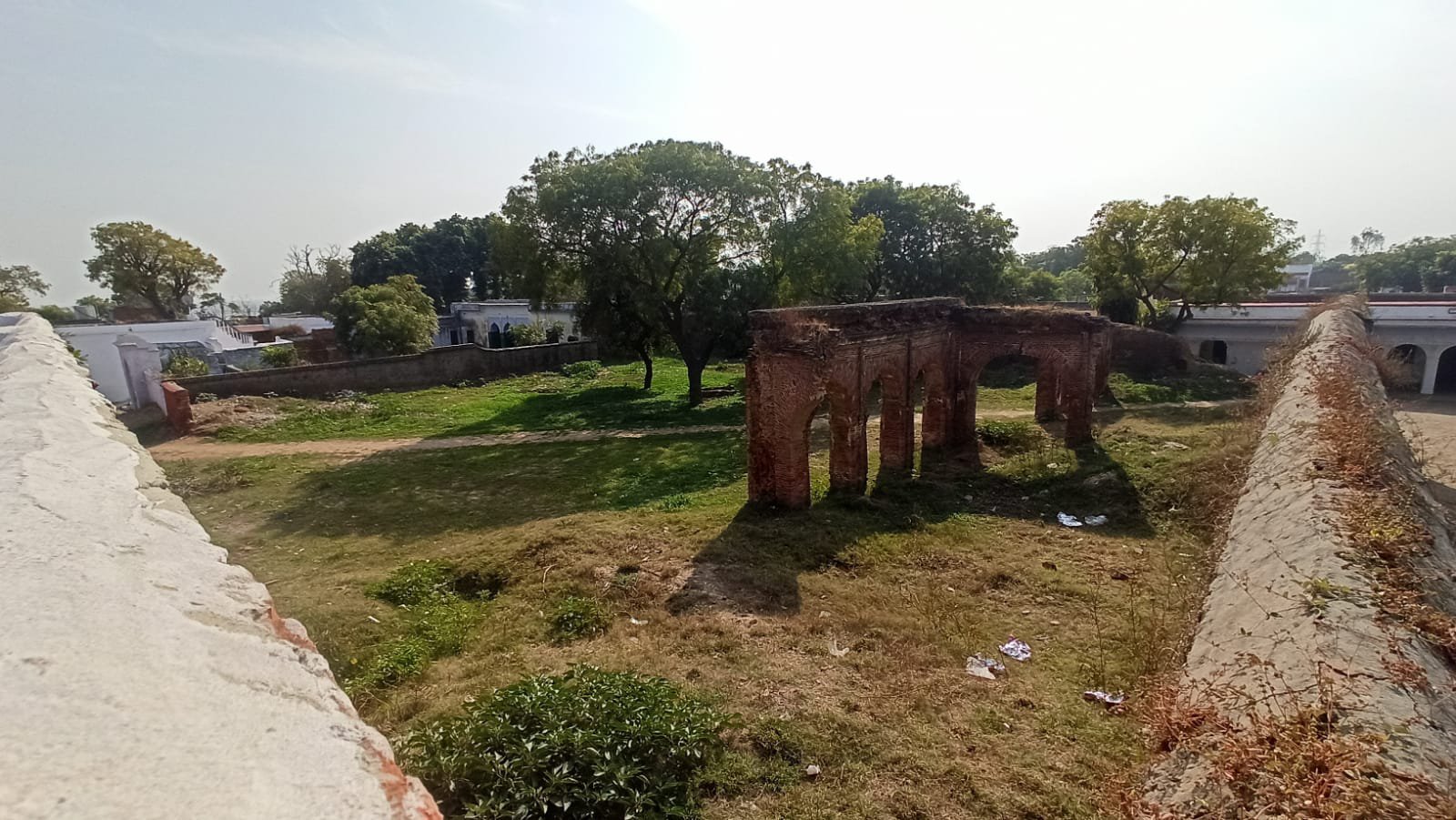
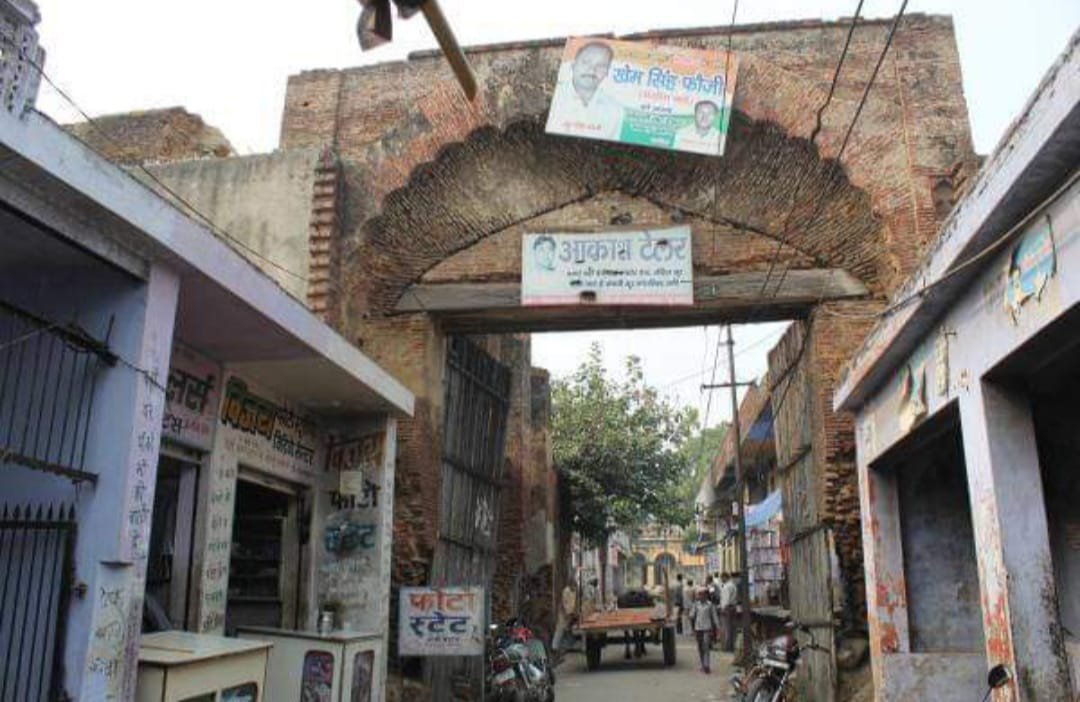
SHAIKH ALLU KHAN AFGHAN built the big fort at erstwhile khanpur estate in back those days & which had several majestic gates,a court, baradari , Mosque and all the structure is builded with big blocks and lakhauri bricks (Lahori) mostly of mud.The fort was very wide with thick walls and expand in most khanpur and during his time the khanpur estate reached the pinnacle .
*Khanpur estate was the main headquarter of bara basti villages.
*The other villages that were settled are-Basi,
, Bugrasi, Jalalpur, Chandiyana, Gesupur, Barwala, Amarpur, Sherpur, Bahadurgarh, Hasanpur, Mohammadpur, giroura
*During the mughal era there were time only few taluqdar estates at bulandshahar district that were khanpur Chhattari , kuchesar, pahasu ,shikarpur
The Khanpur family had inherited feud with jat kuchesar family and fought many battles with them for landholding /parghanas.
Historical event – Nawab mustufa khan (pen name -shefta) of jehangirabad who is contemporary of mirza ghalib urdu poet & had closed ties with the Emperor Bahadur Shah Zafar was caught and expelled out from Jejhangirabad fort by THAKUR Bheem SINGH of village guroli then nawab then went to khanpur family and asked for the help because he had family relationship with khanpur family, then the Haji Munir khan/sole son of Azam khan went on elephant with many irregular cavalry troops which are mostly recruited from pathans of barabasti who are very brave they had battle with thakur bhim singh & exchanged many shots with him and last he lost the battle then Haji Munir khan put him behind his elephant to khanpur fort and leave him on note not to trouble Nawab again.Then Nawab MUSTUFA KHAN SHEFTA was re established at Jejhangirabad fort.
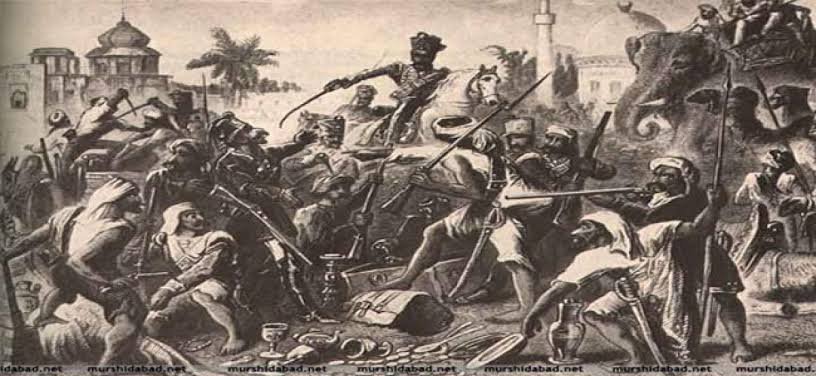
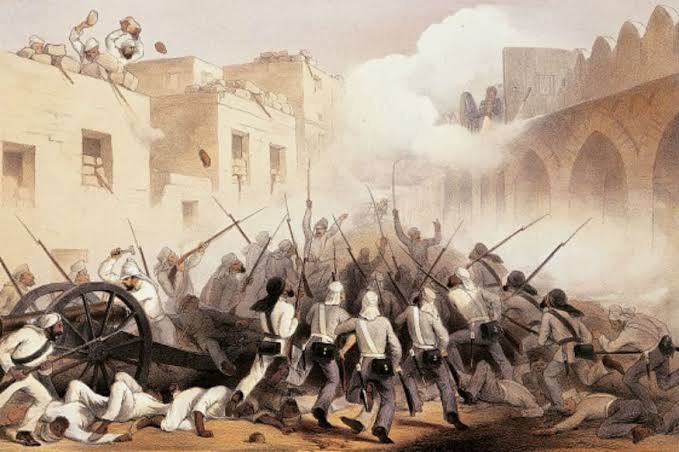
*DURING THE FIRST WAR FOR INDEPENDENCE 1857
In the beginning when it broke out and there is less force at meerut and Brand sapte wrote letters to taluqdars of bulandshahr district to seek help by furnishing him with men & horse’s and they all responded them immediately to his call.
But after later on when Nawab walidad khan of malagarh came to bulandshahar from delhi with the sanad of doab from emperor BAHADUR SHAH ZAFAR delhi then they started revolt.
There were three people from khanpur family who took the charge against the British Empire during the first war independence 1857
1-Azim Khan alias Azam khan – He actively participated in the battle of uprising under the overall command of Nawab walidad khan of Malagarh having been deputed as his deputy at khurja. He was arrested while crossing the ganga to move into Rohilkhand and subsequently hanged order of british military commission.
2 Hajee Munir khan alias Munir khan only son Azim khan.
He was the main commanders of the revolutionary of the bulandshahar district. In the famous second battle gulothi which is fought on 29 july 1857 in which britishers want took control over the whole bulandshahar district but to stop them nawab of malagarh deputed his main commander at gulothi Haji muneer khan & ismail khan who established a picket just before gulothi on the canal to stop the colonial force to enter the bulandshahar district & fortified the bridge but there was surprised attack on them in which more than 50 revolutionaries were shaheed but these two managed to escape but haji muneer khan & ismail khan got severe sword cuts on their face & due to this news of attack there was panic in the fort of malagarh
Fort & when they try to look for attack on nawab malagarh then nawab walidad khan flew to khanpur fort & seek shelter and haji muneer khan fought until his last breath.
3- Abdul Latif khan- He was nephew of Azim khan.He fought in different manner never came on battle field but gave shelter revolutionaries of bulandshahar including Nawul gurjar, Raheem ali khan & pathan of bara basti village when they were actively engaged in fighting the british. Refused to give land revenue to empire & write letter to the king to bring elephants & horses to the court but he was caught tried by British military commission and send to penal colony of Andaman island or kala pani.
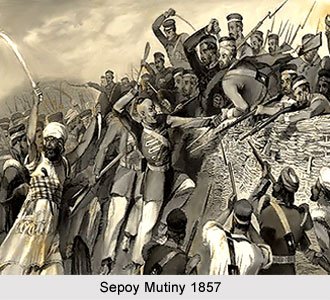
Later on the Estate was subsequently confiscated by the British Empire & was given to given to Sardar Bahadur syed meer khan the nephew of Jan fishan khan (Nawab Sardhana) as this family helped the empire during the war of 1857 & some portion was auctioned aftewards which was purchased by the loyal Zamindars of the district.

Then after the confiscation the khanpur family was expelled out over night so they reached again to village basi bangar the village which was first established by SHAIKH RUKHNU DIN KHAN AFGHAN on the shores of Ganga river.
Haji Munir khan grandson janab saeed ur rehman also joined & participated in the freedom struggle of 1942 quit india movement & imprisoned in the bulandshahar jail for year or more & afterwards his son Saud ur rehman joined the indian army and served in signal regiment & participated in the 1965 war & 1971 war and now Musa Munir khan is national player at shot gun shooting & doing individual research work on the glorious past of his ancestor’s & their role during the first war independence 1857
We are thankful to Central as well as state government for celebrating these unsung heroes glorious past at State Museum, Meerut & Red fort Museum of first war independence 1857 .



- Great Sacrifices-of-mujahid-rais-abdul-latif-khan-and-his-family-of-the-first-war-of-independence
- The unfolding Historical Narrative of Ravenswood and how it evolved into Buddhist Monastery




 Aal-e-Qutub Aal-e-Syed Abdullah Shah Ghazi