Hadith Translation of Sahih Bukhari, Book 7::Rubbing hands and feet with dust (Tayammum)

cropped-image21-1024x341Rubbing hands and feet with dust (Tayammum)

Volume 1, Book 7, Number 330:

Narrated ‘Aisha:

(the wife of the Prophet) We set out with Allahs Apostle on one of his journeys till we reached Al-Baida’ or Dhatul-Jaish, a necklace of mine was broken (and lost). Allah’s Apostle stayed there to search for it, and so did the people along with him. There was no water at that place, so the people went to Abu- Bakr As-Siddiq and said, “Don’t you see what ‘Aisha has done? She has made Allah’s Apostle and the people stay where there is no water and they have no water with them.” Abu Bakr came while Allah’s Apostle was sleeping with his head on my thigh, He said, to me: “You have detained Allah’s Apostle and the people where there is no water and they have no water with them.

So he admonished me and said what Allah wished him to say and hit me on my flank with his hand. Nothing prevented me from moving (because of pain) but the position of Allah’s Apostle on my thigh. Allah’s Apostle got up when dawn broke and there was no water. So Allah revealed the Divine Verses of Tayammum. So they all performed Tayammum. Usaid bin Hudair said, “O the family of Abu Bakr! This is not the first blessing of yours.” Then the camel on which I was riding was caused to move from its place and the necklace was found beneath it.

Volume 1, Book 7, Number 331:

Narrated Jabir bin ‘Abdullah:

The Prophet said, “I have been given five things which were not given to any one else before me.

1. Allah made me victorious by awe, (by His frightening my enemies) for a distance of one month’s journey.

2. The earth has been made for me (and for my followers) a place for praying and a thing to perform Tayammum, therefore anyone of my followers can pray wherever the time of a prayer is due.

3. The booty has been made Halal (lawful) for me yet it was not lawful for anyone else before me.

4. I have been given the right of intercession (on the Day of Resurrection).

5. Every Prophet used to be sent to his nation only but I have been sent to all mankind.

Volume 1, Book 7, Number 332:

Narrated ‘Urwa’s father:

Aisha said, “I borrowed a necklace from Asma’ and it was lost. So Allah’s Apostle sent a man to search for it and he found it. Then the time of the prayer became due and there was no water. They prayed (without ablution) and informed Allah’s Apostle about it, so the verse of Tayammum was revealed.” Usaid bin Hudair said to ‘Aisha, “May Allah reward you. By Allah, whenever anything happened which you did not like, Allah brought good for you and for the Muslims in that.”

Al-Jurf and the time for the ‘Asr prayer became due while he was at Marbad-AnNa’am (sheep-fold), so he (performed Tayammum) and prayed there and then entered Medina when the sun was still high but he did not repeat that prayer.

Volume 1, Book 7, Number 333:

Narrated Abu Juhaim Al-Ansari:

The Prophet came from the direction of Bir Jamal. A man met him and greeted him. But he did not return back the greeting till he went to a (mud) wall and smeared his hands and his face with its dust (performed Tayammum) and then returned back the greeting.

Volume 1, Book 7, Number 334:

Narrated ‘Abdur Rahman bin Abza:

A man came to ‘Umar bin Al-Khattab and said, “I became Junub but no water was available.” ‘Ammar bin Yasir said to ‘Umar, “Do you remember that you and I (became Junub while both of us) were together on a journey and you didn’t pray but I rolled myself on the ground and prayed? I informed the Prophet about it and he said, ‘It would have been sufficient for you to do like this.’ The Prophet then stroked lightly the earth with his hands and then blew off the dust and passed his hands over his face and hands.”

Volume 1, Book 7, Number 335:

Narrated Said bin ‘Abdur Rahman bin Abza:

(on the authority of his father who said) ‘Ammar said so (the above Statement). And Shu’ba stroked lightly the earth with his hands and brought them close to his mouth (blew off the dust) and passed them over his face and then the backs of his hands. ‘Ammar said, “Ablution (meaning Tayammum here) is sufficient for a Muslim if water is not available.”

Volume 1, Book 7, Number 336:

Narrated ‘Abdur Rahman bin Abza:

that while he was in the company of ‘Umar, ‘Ammar said to ‘Umar, “We were in a detachment and became Junub and I blew the dust off my hands (performed the rolling over the earth and prayed.)”

Volume 1, Book 7, Number 337:

Narrated ‘Abdur Rahman bin Abza:

‘Ammar said to ‘Umar “I rolled myself in the dust and came to the Prophet who said, ‘Passing dusted hands over the face and the backs of the hands is sufficient for you.’ ”

Volume 1, Book 7, Number 338:

Narrated ‘Ammar:

as above.

Volume 1, Book 7, Number 339:

Narrated ‘Ammar:

The Prophet stroked the earth with his hands and then passed them over his face and the backs of his hands (while demonstrating Tayammum).

Volume 1, Book 7, Number 340:

Narrated ‘Imran:

Once we were traveling with the Prophet and we carried on traveling till the last part of the night and then we (halted at a place) and slept (deeply). There is nothing sweeter than sleep for a traveler in the last part of the night. So it was only the heat of the sun that made us to wake up and the first to wake up was so and so, then so and so and then so and so (the narrator ‘Auf said that Abu Raja’ had told him their names but he had forgotten them) and the fourth person to wake up was ‘Umar bin Al-Khattab. And whenever the Prophet used to sleep, nobody would wake up him till he himself used to get up as we did not know what was happening (being revealed) to him in his sleep. So, ‘Umar got up and saw the condition of the people, and he was a strict man, so he said, “Allahu Akbar” and raised his voice with Takbir, and kept on saying loudly till the Prophet got up because of it. When he got up, the people informed him about what had happened to them. He said, “There is no harm (or it will not be harmful). Depart!” So they departed from that place, and after covering some distance the Prophet stopped and asked for some water to perform the ablution. So he performed the ablution and the call for the prayer was pronounced and he led the people in prayer. After he finished from the prayer, he saw a man sitting aloof who had not prayed with the people. He asked, “O so and so! What has prevented you from praying with us?” He replied, “I am Junub and there is no water. ” The Prophet said, “Perform Tayammum with (clean) earth and that is sufficient for you.”

Then the Prophet proceeded on and the people complained to him of thirst. Thereupon he got down and called a person (the narrator ‘Auf added that Abu Raja’ had named him but he had forgotten) and ‘Ali, and ordered them to go and bring water. So they went in search of water and met a woman who was sitting on her camel between two bags of water. They asked, “Where can we find water?” She replied, “I was there (at the place of water) this hour yesterday and my people are behind me.” They requested her to accompany them. She asked, “Where?” They said, “To Allah’s Apostle .” She said, “Do you mean the man who is called the Sabi, (with a new religion)?” They replied, “Yes, the same person. So come along.” They brought her to the Prophet and narrated the whole story. He said, “Help her to dismount.” The Prophet asked for a pot, then he opened the mouths of the bags and poured some water into the pot. Then he closed the big openings of the bags and opened the small ones and the people were called upon to drink and water their animals. So they all watered their animals and they (too) all quenched their thirst and also gave water to others and last of all the Prophet gave a pot full of water to the person who was Junub and told him to pour it over his body. The woman was standing and watching all that which they were doing with her water. By Allah, when her water bags were returned the looked like as if they were more full (of water) than they had been before (Miracle of Allah’s Apostle) Then the Prophet ordered us to collect something for her; so dates, flour and Sawiq were collected which amounted to a good meal that was put in a piece of cloth. She was helped to ride on her camel and that cloth full of food-stuff was also placed in front of her and then the Prophet said to her, “We have not taken your water but Allah has given water to us.” She returned home late. Her relatives asked her: “O so and so what has delayed you?” She said, “A strange thing! Two men met me and took me to the man who is called the Sabi’ and he did such and such a thing. By Allah, he is either the greatest magician between this and this (gesturing with her index and middle fingers raising them towards the sky indicating the heaven and the earth) or he is Allah’s true Apostle.”

Afterwards the Muslims used to attack the pagans around her abode but never touched her village. One day she said to her people, “I think that these people leave you purposely. Have you got any inclination to Islam?” They obeyed her and all of them embraced Islam.

Abu ‘Abdultah said: The word Saba’a means “The one who has deserted his old religion and embraced a new religion.” Abul ‘Ailya said, “The Sabis are a sect of people of the Scripture who recite the Book of Psalms.”

Volume 1, Book 7, Number 341:

Narrated Abu Wail:

Abu Muisa said to’Abdullah bin Mas’ud, “If one does not find water (for ablution) can he give up the prayer?” Abdullah replied, “If you give the permission to perform Tayammum they will perform Tayammum even if water was available if one of them found it cold.” Abu Musa said, “What about the statement of ‘Ammar to ‘Umar?” ‘Abdullah replied, “Umar was not satisfied by his statement.”

Volume 1, Book 7, Number 342:

Narrated Shaqiq bin Salama:

I was with ‘Abdullah and Abu Musa; the latter asked the former, “O Abu AbdurRahman! What is your opinion if somebody becomes Junub and no water is available?” ‘Abdullah replied, “Do not pray till water is found.” Abu Musa said, “What do you say about the statement of ‘Ammar (who was ordered by the Prophet to perform Tayammum). The Prophet said to him: “Perform Tayammum and that would be sufficient.” ‘Abdullah replied, “Don’t you see that ‘Umar was not satisfied by ‘Ammar’s statement?” Abu- Musa said, “All right, leave ‘Ammalr’s statement, but what will you say about this verse (of Tayammum)?” ‘Abqiullah kept quiet and then said, “If we allowed it, then they would probably perform Tayammum even if water was available, if one of them found it (water) cold.” The narrator added, “I said to Shaqrq, “Then did ‘Abdullah dislike to perform Tayammum because of this?” He replied, “Yes.”

Volume 1, Book 7, Number 343:

Narrated Al-A’mash:

Shaqiq said, “While I was sitting with ‘Abdullah and Abu Musa Al-Ash-‘ari, the latter asked the former, ‘If a person becomes Junub and does not find water for one month, can he perform Tayammum and offer his prayer?’ (He applied in the negative). Abu Musa said, ‘What do you say about this verse from Surat “Al-Ma’ida”: When you do not find water then perform Tayammum with clean earth? ‘Abdullah replied, ‘If we allowed it then they would probably perform Tayammum with clean earth even if water were available but cold.’ I said to Shaqiq, ‘You then disliked to perform Tayammum because of this?’ Shaqiq said,’Yes.’ (Shaqiq added), “Abu Musa said, ‘Haven’t you heard the statement of ‘Ammar to ‘Umar? He said: I was sent out by Allah’s Apostle for some job and I became Junub and could not find water so I rolled myself over the dust (clean earth) like an animal does, and when I told the Prophet of that he said, ‘Like this would have been sufficient.’ The Prophet (saying so) lightly stroked the earth with his hand once and blew it off, then passed his (left) hand over the back of his right hand or his (right) hand over the back of his left hand and then passed them over his face.’ So ‘Abdullah said to Abu- Musa, ‘Don’t you know that ‘Umar was not satisfied with ‘Ammar’s statement?’ ”

Narrated Shaqiq: While I was with ‘Abdullah and Abu Musa, the latter said to the former, “Haven’t you heard the statement of ‘Ammar to ‘Umar? He said, “Allah’s Apostle sent you and me out and I became Junub and rolled myself in the dust (clean earth) (for Tayammum). When we came to Allah’s Apostle I told him about it and he said, ‘This would have been sufficient,’ passing his hands over his face and the backs of his hands once only.’ ”

Volume 1, Book 7, Number 344:

Narrated ‘Imran bin Husain Al-Khuza’i:

Allah’s Apostle saw a person sitting aloof and not praying with the people. He asked him, “O so and so! What prevented you from offering the prayer with the people?” He replied, “O Allah’s Apostle! I am Junub and there is no water.” The Prophet said, “Perform Tayammum with clean earth and that will be sufficient for you.”

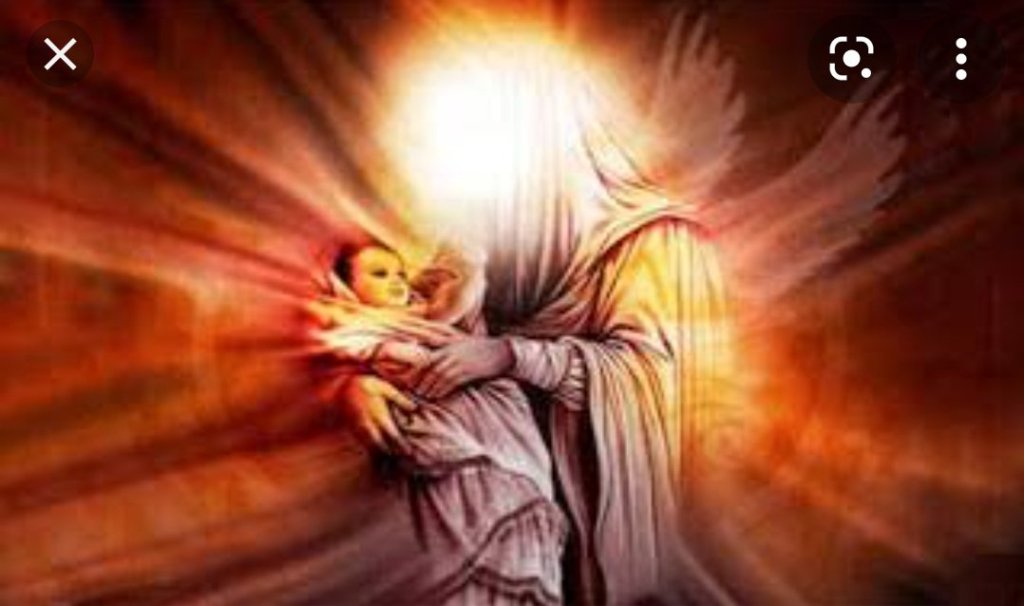
Waqia e Hazrat Marayam AlahisSalam..

इमरान बिन मासान यह हज़रत ईसा अलैहिस्सलातु वस्सलाम की वालिदा मरयम के वालिद हैं दोनों इमरानों के दर्मियान एक हजार आठ सौ बरस का फर्क है यहां दूसरे इमरान मुराद हैं उनकी बीबी साहिबा का नाम हन्ना बिन्ते फाक ज़ा है यह मरयम की वालिदा हैं और तेरी इबादत के सिवा दुनिया का कोई काम उसके मुतअल्लिक न हो बैतुल मकदिस की खिदमत उसके ज़िम्मा हो उलमा ने वाकिआ इस तरह ज़िक्र किया है कि हज़रत जकरिया व इमरान दोनों हम-जुल्फ थे फाक ज़ा की दुख़्तर ईशा. जो हज़रत यह.या की वालिदा हैं और उनकी बहन हन्ना जो फाक ज़ा की दूसरी दुख्तर और हज़रत मरयम की वालिदा हैं वह इमरान की बीबी थीं एक ज़माना तक हन्ना के औलाद नहीं हुई यहां तक कि बुढ़ापा आ गया और मायूसी हो गई यह सालिहीन का ख़ानदान था। और यह सब लोग अल्लाह के मकबूल बन्दे थे एक रोज़ हन्ना ने एक दरख्त के साया में एक चिड़िया देखी जो अपने बच्चा को भरा रही थी यह देख कर आप के दिल में औलाद का शौक पैदा हुआ और बारगाहे इलाही में दुआ की कि या रब अगर तू मुझे बच्चा दे तो मैं उसको बैतुल मकदिस का ख़ादिम बनाऊं और इस खिदमत के लिए हाज़िर कर दूं जब वह हामिला हुईं और उन्होंने यह नज़र मान ली तो उनके शौहर ने फरमाया कि यह तुमने क्या किया अगर लड़की हो गई तो वह इस काबिल कहां है उस ज़माना में लड़कों को खिदमते बैतुल मक़दिस के लिए दिया जाता था और लड़कियां अवारिजे नेसाई और ज़नाना कमजोरियों और मर्दो के साथ न रह सकने की वजह से इस काबिल नहीं समझी जाती थीं इस लिए उन साहिबों को शदीद फिक्र लाहिक हुई और हन्ना के वजओ हमल से कब्ल इमरान का इन्तेकाल हो गया। हन्ना ने यह कलिमा एतेज़ार के तौर पर कहा और उनको हसरत व गम हुआ कि लड़की हुई तो नज़र किस तरह पूरी हो सकेगी क्योंकि यह लड़की अल्लाह की अता है और उसके फल से फरज़न्द से ज़्यादा फ़ज़ीलत रखने वाली है यह साहबज़ादी हज़रत मरयम थीं और अपने ज़माना की औरतों में सबसे अजमल व अफ़ज़ल थीं मरयम के माना आबिदा हैं और नज़र में लड़के की जगह हज़रत मरयम को कबूल फ़रमाया हन्ना ने विलादत के बाद हज़रत मरयम को एक कपड़े में लपेट कर बैतुल मकदिस में अहबार के सामने रख दिया यह अहबार हज़रत हारून की औलाद में थे और बैतुल मकदिस में उनका मन्सब ऐसा था जैसा कि कभ.बा शरीफ़ में हजडा का चूंकि हज़रत मरयम उनके इमाम और और उनके साहबे कुरबान की दुख़्तर थीं और उनका ख़ानदान बनी इसराईल में बहुत आला और अहले इल्म का ख़ानदान था इस लिए उन सबने जिनकी तादाद सत्ताईस थी हज़रत मरयम को लेने और उनका तकफ्फुल करने की रगबत की हज़रत जकरिया ने। फरमाया कि मैं उन का सबसे ज़्यादा हक़दार हूं क्योंकि मेरे घर में उनकी ख़ाला हैं मुआमला इस पर ख़त्म हुआ कि कुरआ डाला जाए कुरआ जकरिया ही के नाम पर निकला (फा74) हज़रत मरयम एक दिन में इतना बढ़ती थीं जितना और बच्चे एक साल में। ।

Allah, the most high declares in Qur’an,

“When a woman of ‘Imran said, My Lord! Surely I vow to Thee what is in my womb, to be devoted (to thy service); accept therefore from me, surely Thou art the Hearing, the knowing.” (3:35)

‘Imran’s wife Hanna was the maternal grandmother of ‘Isa and he was different from ‘Imran the father of Musa. He was the son of Masaan and Hanna’s sister Aaisha was Zakariyya’s wife. Yahya and Maryam were cousins.

‘Imran’s wife had taken a vow that she would devote her child that is in her womb (whether boy or a girl) in the service of Jerusalem or for the prayer in the mosque. (A devoted child cannot leave the place). ‘Ali ibn Ibrahim has stated that Allah is Knowing and Hearing. Ayyashi has written: According to a tradition ‘Imran’s wife vowed that she will devote her child in the service of Jerusalem. (He or she worked as a keeper of the mosque and he was strictly prohibited to go out from the mosque.)

Regarding Hanna, the mother of Maryam it is said,

“So when she brought forth, she said, My Lord! Surely I have brought forth a female- and Allah knows best what she brought forth- and the male is not like the female, and I have named it Maryam, and I command her and her offspring into Thy protection from the accused Satan.” (3:36)

Imam Ja‘far as-Sadiq said, female is not like male as (when female comes in menstrual period, she cannot stay in mosque. She must leave the place and go away) and the keeper of mosque should not go out. (And Hanna said, I have named her Maryam , Maryam means virgin. I have given her in the protection of Allah.)

The Qur’an says,

“So her Lord accepted her with a good acceptance and made her grow up a good growing.” (3:36)

It is said that she was growing day by day in wisdom with others. When she completed nine years she became perfect in prayers and in fasting. She became more perfect than others in worship.

In continuation of Ayat 36, Allah gave her in the change of Zakariyya . It is stated that Maryam ’s mother brought her, wrapping her in a piece of cloth and said that she has devoted her for the service of Jerusalem. Maryam was the daughter of Prophet so the other people said they would take charge of her, to look after her. But Zakariyya said that Allah has appointed him as her guardian, “as my wife is Maryam ’s aunt.” Other scholars said, “You are not, but her mother is a rightful person.” To find out the right person they decided to cast their pens in flowing water. They all were twenty-nine. The pens were very heavy, made up of iron and were used for writing the verses of Torah. They cast their pens in flowing water one by one, Zakariyya also cast his pen. All the pens sank. Only the pen of Zakariyya floated.

The Qur’an further states,

“Whenever Zakariyya entered the sanctuary to (see) her, he found with her food. He said, O Maryam! Whence comes this to you? She said, It is from Allah. Surely Allah gives to whom He pleases without measure.” (3:37)

Imam said, “She was not drinking milk but getting her provision from Allah.” Imam al-Baqir said that, many people tried to take charge of Maryam but Zakariyya’s pen remained afloat and he became her guardian. Then Zakariyya brought her in the mosque. When she came of age, (menstruating), Allah ordered Zakariyya to keep her in a separate part of the mosque. Maryam was a very beautiful lady. When she was standing for prayer the house illuminated with Divine light. Whenever Zakariyya went to see Maryam he found fruits of different seasons with her, when he inquired about the fruits of summer in winter and winter fruits in summer Maryam replied, “It is from Allah. Surely Allah gives to whom he pleases without measures.” Zakariyya prayed to Allah to grant him a virtuous offspring.

According to Imam as-Sadiq Allah revealed to ‘Imran that he would be bestowed with a son, who will give sight to the blind, he will cure the lepers and bring the dead to life with his order. “I will send him as My apostle to the people of The Israelites.”

‘Imran gave the good news to his wife Hanna and she was pregnant. She thought that Allah has given the good news of a male child. So she decided that she would devote the child (whether boy or girl) in the service of Jerusalem. When Maryam was born, she said, “O Allah! I delivered a female child. And a Prophet can’t be female.” When Allah blessed Maryam with a son ‘Isa it was the fulfillment of His promise to ‘Imran.

According to another tradition people asked Imam al-Ridha if Allah had any information about anything, can anyone go against of it? Imam said, “Yes, in the period of Musa, Allah ordered the Israelites not to enter a holy place. The people obeyed and didn’t enter but their grandsons entered did. In the same way ‘Imran was informed by Allah, he will bestow him a son in a particular month of a year and the son would be a Prophet. And he went somewhere else.”

When Maryam was born in ‘Imran’s house and Zakariyya took charge of her, some said, “‘Imran is a true Prophet of Allah and some said he wasn’t.” When ‘Isa was born, people who believed, said, “What Allah promised to ‘Imran was true.”

According to another tradition people asked Imam al-Baqir if ‘Imran was a Prophet? Imam replied, “Yes, he was a Prophet sent by Allah to his community. And Hanna was the wife of ‘Imran and Hanana was the wife of Zakariyya . They both were sisters. Hanna was the mother of Maryam and Yahya was the son of Zakariyya . And ‘Isa was the son of Maryam.

‘Isa was the son of Yahya aunt’s daughter (Hanna) and Yahya was the son of Maryam’s aunt. So they both were maternal cousins.1

Regarding the religious book, Isma‘il Zohfi a follower of Imam al-Baqir asked him that others say one cannot pray in menstrual period and can’t fast during the period. What is true? Imam replied him giving him example of Maryam that the mother of Maryam will devote her child in service of Jerusalem and one devoted to Jerusalem did not come out. When Maryam was brought up by Zakariyya and many people demanded the guardianship of Maryam they cast their pens with their names in the sea. All pens sunk except Zakariyya’s. Zakariyya took charge of her and looked after her until she grew up. As a woman she could not stay in a mosque during menses and can’t pray. But it is true that she had to stay in a mosque, as she was pure and virgin.2

Allah says,

O Maryam! keep to obedience to your Lord and humble yourself, and bow down with those who bow. “This is of the announcements relating to the unseen which we reveal to you; and you were not with them, when they cast their pens (to decide) which of them should have Maryam in his charge and you were not with them when they contented one with another.” (3:43-44)

Imam Muhammad al-Baqir said that the casting of pens in water was for the guardianship of Maryam whose parents were dead and she was an orphan. And in last part states the affair of the guardianship of ‘Isa

According to another tradition the first time lots were drawn for Maryam and they were six person who cast their pens.

al-Qutb al-Rawandi has stated that Imam Ja‘far as-Sadiq said, “Maryam had protected herself from evil since five hundred years before the birth of ‘Isa. Maryam’s mother decided to devote her child in the service of Jerusalem. When Maryam born, she was brought up in Jerusalem. When she grew up she served the worshippers, Allah the high, ordered Zakariyya to make arrangement for her veil and curtain in the mosque. So that she can conceal herself from strangers. Only Zakariyya was visiting her. She lived for 500 years after her father’s death.”3

According to Imam al-Baqir, ‘Ali asked Fatimah for food. Fatimah said that by Allah, she had nothing to give since three days. Imam asked, why she did not inform him. She said that her father Prophet forbade her to make too many requests.

After that ‘Ali came out of his house and met one of his followers, Miqdad. Imam inquired where he was going in the hot afternoon. He said, “Because of hunger.” Imam ‘Ali said that he had also came out of his house for the same thing. Imam ‘Ali gave him a Dirham, which he had borrowed and returned empty-handed. He saw the Prophet sitting and Fatimah in prayers. He found that there was a tray of food, covered with a cloth. After prayers she brought it before them. When they uncovered it they saw meat dish and hot chapattis. Imam ‘Ali inquired from where it had come? Fatimah replied, “It is from Allah. Surely Allah gives to whom He pleases without measures.” The Holy Prophet said, “Shall I show you your and Fatimah’s example? Imam said, “Yes.” Prophet said, “O ‘Ali, your status and example is like Zakariyya when he saw the seasonal fruits of different seasons near Maryam He inquired about them. When you asked Fatimah for this and she answered you.”

By the grace of Allah the family of Prophet were having food for one month from that tray. Imam al-Baqir said that tray was still with them. This will be discussed in the chapter of the family of Prophet and in the miracle of Fatimah.4

Ibn ‘Abbas has stated that once the Holy Prophet informed his family about cruelty and oppression on Fatimah after him, and said that angels will weep in sorrow and grief, as they revealed to Maryam and will say, “O Fatimah Allah has given you superiority above all the women of the world. O Fatimah! Pray to Allah, prostrate and bow the forehead on the pray mat. When you will be crush under the falling door, you will suffer great pain. Then by the permission of Allah, Maryam will come for your treatment.”

According to a tradition, some people asked Imam Ja‘far as- Sadiq who gave the last bath (ghusl) to Fatimah? Imam said, “Amir al-Mu’minin. As she was an infallible, sinless lady. So Imam ‘Ali gave her last bath of her body. In this way ‘Isa gave the last bath to his mother Maryam .”5

Fitnoṅ kā ẓuhūr 19

al-Qur’ān

(20) اَوْلٰی لَکَ فَاَوْلٰیo ثُمَّ اَوْلٰی لَکَ فَاَوْلٰیo اَیَحْسَبُ الْاِنْسَانُ اَنْ یُّتْرَکَ سُدًیo اَلَمْ یَکُ نُطْفَةً مِّنْ مَّنِیٍّ یُّمْنٰیo ثُمَّ کَانَ عَلَقَةً فَخَلَقَ فَسَوّٰیo فَجَعَلَ مِنْهُ الزَّوْجَيْنِ الذَّکَرَ وَالْاُنْثٰیo اَلَيْسَ ذٰلِکَ بِقٰدِرٍ عَلٰٓی اَنْ یُّحْیِیَ الْمَوْتٰیo
(القیامۃ، 34 – 40)

تمہارے لیے (مرتے وقت) تباہی ہے، پھر (قبر میں) تباہی ہےo پھر تمہارے لیے (روزِ قیامت) ہلاکت ہے، پھر (دوزخ کی) ہلاکت ہےo کیا اِنسان یہ خیال کرتا ہے کہ اُسے بے کار (بغیر حساب و کتاب کے) چھوڑ دیا جائے گاo کیا وہ (اپنی اِبتداء میں) منی کا ایک قطرہ نہ تھا جو (عورت کے رحم میں) ٹپکا دیا جاتا ہےo پھر وہ (رحم میں جال کی طرح جما ہوا) ایک معلق وجود بن گیا، پھر اُس نے (تمام جسمانی اَعضاء کی اِبتدائی شکل کو اس وجود میں) پیدا فرمایا، پھر اس نے (انہیں) درست کیاo پھر یہ کہ اس نے اسی نطفہ ہی کے ذریعہ دو قسمیں بنائیں: مرد اور عورتo تو کیا وہ اس بات پر قادر نہیں کہ مُردوں کو پھر سے زندہ کر دےo

(20) Tumhāre liye (marte waqt) tabāhī hai, phir (qabr meṅ) tabāhī hai. Phir tumhāre liye (roze qiyāmat) halākat hai, phir (dozaḳh kī) halākat hai. Kyā insān yeh ḳhayāl kartā hai keh use bekār (baġhair ḥisāb-o kitāb ke) c̥hor̥ diyā jā’egā. Kyā woh (apnī ibtedā’ meṅ) manī kā ek qaṭrah nah thā jo (ʻaurat ke raḥim meṅ) t̥apkā diyā jātā hai. Phir woh (raḥim meṅ jāl kī ṭarḥ jamā huwā) ek muʻallaq wujūd ban gayā, phir us ne (tamām jismānī aʻz̤a’ kī ibtedā’ī shakl ko us wujūd meṅ) paidā farmāyā, phir us ne (unheṅ) durust kiyā. Phir yeh keh us ne usī nuṭfah hī ke z̲arīʻah do qismeṅ banā’īṅ: mard aur ʻaurat. To kyā woh is bāt par qādir nahīṅ keh murdoṅ ko phir se zindah kar de.

[al-Qiyāmah, 34/40.]
〰〰

al-Ḥadīt̲h̲

20۔ عَنْ أَبِي ذَرٍّ الْغِفَارِيِّ رضي الله عنه عَنْ رَسُوْلِ اللهِ ﷺ : إِذَا اقْتَرَبَ الزَّمَانُ کَثُرَ لُبْسُ الطِّیَالَسَةِ وَکَثُرَتِ التِّجَارَةُ وَکَثُرَ الْمَالُ وَعَظُمَ رَبُّ الْمَالِ بِمَالِهٖ وَکَثُرَتِ الْفَاحِشَةُ وَکَانَتْ إِمَارَةُ الصِّبْیَانِ وَکَثُرَ النِّسَاءُ وَجَارَ السُّلْطَانُ وَطُفِّفَ فِي الْمِکْیَالِ وَالْمِيْزَانِ وَیُرَبِّي الرَّجُلُ جَرْوَ کَلْبٍ خَيْرٌ لَهٗ مِنْ أَنْ یُرَبِّيَ وَلَدًا لَهٗ وَلَا یُوَقَّرُ کَبِيْرٌ وَلَا یُرْحَمُ صَغِيْرٌ وَیَکْثُرُ أَوْلَادُ الزِّنَا حَتّٰی أَنَّ الرَّجُلَ لَیُغَشِّي الْمَرْأَةَ عَلٰی قَارِعَةِ الطَّرِيْقِ فَیَقُوْلُ أَمْثَلُھُمْ فِي ذٰلِکَ الزَّمَانِ: لَوْ اِعْتَزَلْتُمَا عَنِ الطِّرِيْقِ وَیَلْبَسُوْنَ جُلُوْدَ الضَّأَنِ عَلٰی قُلُوْبِ الذِّئَابِ۔ أَمْثَلُھُمْ فِي ذٰلِکَ الزَّمَانِ الْمُدَاھِنُ۔
رَوَاهُ الْحَاکِمُ وَالطَّبَرَانِيُّ۔

20: أخرجہ الحاکم في المستدرک، 3/ 386، الرقم/ 5464، والطبراني في المعجم الأوسط، 5/ 126، الرقم/ 4860، والھیثمي في مجمع الزوائد، 7/ 325۔

حضرت ابو ذر غفاری رضی اللہ عنہ سے روایت ہے کہ رسول اللہ ﷺ نے فرمایا: جب زمانۂ قیامت قریب ہو گا تو ریشم کثرت سے پہنا جانے لگے گا، تجارت بڑھ جائے گی اور مال کی کثرت ہو گی، مال کا سود اصلِ زرّ (Capital) سے بڑھ جائے گا، فحاشی بڑھ جائے گی اور کم عمر لوگوں کی حکومت ہو گی، عورتوں کی کثرت ہو گی، حکمرانوں کا ظلم بڑھ جائے گا، ناپ تول میں کمی کی جائے گی، آدمی اپنے کتے کے پلے کی نگہداشت اپنے بیٹے کی نگہداشت سے بڑھ کر کرے گا، بڑوں کی عزت نہیں کی جائے گی اور چھوٹوں پر شفقت نہیں کی جائے گی، بدکاری سے پیدا ہونے والے بچوں کی کثرت ہو گی۔ یہاں تک کہ مرد عورت کے ساتھ گزرگاہوں میں ہی بدکاری کرنے لگے گا اور اُس زمانے میں جو ان میں سے بہتر شخص ہو گا اُن سے کہے گا: (تمہاری بے حیائی کی انتہاء یہ ہے کہ) تم راستے سے بھی ہٹنا گوارا نہیں کرتے۔ اس زمانے میں بھیڑیے کا دل رکھنے والوں نے بھیڑ کی کھال پہن رکھی ہو گی (یعنی لوگ باہر سے نرم مزاج اور اندر سے ظالم اور خونخوار ہوں گے)۔ اُس زمانے میں اُن میں سے اچھے لوگ بھی خوشامد کریں گے۔
اِس حدیث کو امام حاکم اور طبرانی نے روایت کیا ہے۔

  • Ḥaz̤rat Abū D̲h̲arr Ġhifārī raḍiya Allāhu ‘anhu se riwāyat hai keh Rasūl Allāh ṣallá Allāhu ‘alayhi wa-Ālihī wa-sallam ne farmāyā: jab zamānaʻe qiyāmat qarīb hogā to rehsam kas̲rat se păhnā jāne lagegā, tijārat bar̥h jā’egī aur māl kī kas̲rat hogī, māl kā sūd aṣle zarr (Capital) se bar̥h jā’egā, faḥḥāshī bar̥h jā’egī aur kam ʻumr logoṅ kī ḥukūmat hogī, ʻaurtoṅ kī kas̲rat hogī, ḥukmarānoṅ kā ẓulm bar̥h jā’egā, nāp tol meṅ kamī kī jā’egī, ādamī apne kutte ke pille kī nigăhdāsht apne bet̥e kī nigăhdāsht se bar̥h kar karegā, bar̥oṅ kī ʻizzat nahīṅ kī jā’egī aur c̥hot̥oṅ par shafqat nahīṅ kī jā jā’egī, bad-kārī se paidā hone wāle bachchoṅ kī kas̲rat hogī. Yahāṅ tak keh mard ʻaurat ke sāth guzar-gāhoṅ meṅ hī bad-kārī karne lagegā aur us zamāne meṅ jo un meṅ se behtar shaḳhṣ hogā un se kahegā: (tumhārī be-ḥayā’ī kī intehā’ yeh hai keh) tum rāste se bhī hat̥nā gawārā nahīṅ karte. Us zamāne meṅ bher̥iye kā dil rakhne wāloṅ ne bher̥ kī khāl păhăn rakhī hogī (yaʻnī log bāhar se narm mizaj aur andar se ẓālim aur ḳhūn-ḳhẉār hoṅge). Us zamāne meṅ un meṅ se achc̥he log bhī ḳhẉushāmad kareṅge.
    Is ḥadīs̲ ko Imām Ḥākim aur Ṭabarānī ne riwāyat kiyā hai.

    [Ṭāhir al-Qādrī fī al-Qawlu al-Ḥasani fī ʻalāmatī al-sāʻaṫi wa-ẓuhūri al-fitan,/43_45, raqam: 20.]
    〰〰
    Join Karen

Hadith Allah ka Zikr

Hazrat Abu Hurairah RadiyAllahu Ta’ala Anhu Se Riwayat Hai Ki Huzoor Nabi-E-Akram SallAllahu Ta’ala Alaihi Wa Aalehi Wa Sallam Ne Farmaya :
Allah Ta’ala Farmata Hai Ki Mera Banda Mere Mut’alliq Jaisa Khayaal Rakhta Hai Mein Us Ke Saath Waisa Hee Maamala Karta Hoo’n.Jab Woh Mera Zikr Karta Hai Mein Us Ke Saath Hota Hoo’n.
Agar Woh Apne Dil Me Mera Zikr (Ya’ni Zikr-E-Khafi) Kare To Mein Bhi (Apni Shaan Ke Laayaq) Apne Dil Me Us Ka Zikr Karta Hoo’n, Aur Agar Woh Jama’at Me Mera Zikr (Ya’ni Zikr-E-Jali) Kare To Mein Us Kee Jama’at Se Behtar Jama’at (Ya’ni Farishton) Me Us Ka Zikr Karta Hoo’n.
Agar Woh Ek Baalisht Mere Nazdeek Aaye To Mein Do² Baazuon Ke Barabar Us Ke Nazdeek Ho Jaata Hoo’n Aur Agar Woh Meri Taraf Chal Kar Aata Hai To Mein Us Ki Taaf Daud Kar Aata Hoo’n.

Muttafaque Alayh

[Bukhari As-Sahih, 06/2694, Raqam-6970,
Muslim As-Sahih,04/2061, 2675,
Tirmidhi As-Sunan, 05/581, Raqam-3603,
وقال أبو عيسى : هذا حديث حسن صحيح.
Ibn Majah As-Sunan, 04/412, Raqam-7730,
Ahmad Bin Hanbal Al-Musnad, 02/413, 934,
Bayhaqi Shuab-ul-Iman, 01/406, Raqam-550,
Al-Minhaj-us-Sawi, Safah-391, 392, Raqam-411.]