Fitnoo ka zahoor 29

Ḥukūmat nā-ăhl logoṅ ke supurd kī jā’egī aur ḥukmarān aur muqtadir log munāfiq hoṅge

al-Qur’ān

(3) وَکَاَیِّنْ مِّنْ قَرْیَةٍ هِیَ اَشَدُّ قُوَّةً مِّنْ قَرْیَتِکَ الَّتِيْٓ اَخْرَجَتْکَ ج اَهْلَکْنٰهُمْ فَـلَا نَاصِرَ لَهُمْo
(محمد، 47/ 13)

اور (اے حبیب!) کتنی ہی بستیاں تھیں جن کے باشندے (وسائل و اقتدار میں) آپ کے اس شہر (مکّہ کے باشندوں) سے زیادہ طاقتور تھے جس (کے مقتدر وڈیروں) نے آپ کو (بصورتِ ہجرت) نکال دیا ہے، ہم نے انہیں (بھی) ہلاک کر ڈالا پھر ان کا کوئی مددگار نہ ہوا (جو انہیں بچا سکتا)o

(3) Aur (ae Ḥabīb!) Kitnī hī bastiyāṅ thīṅ jin ke bāshinde (wasā’il-o iqtedār meṅ) Āp ke is shăhr (Makkah ke bāshindoṅ) se ziyādah ṭāqat-war the jis (ke muqtadir wad̥eroṅ) ne Āp ko (ba-ṣūrate hijrat) nikāl diyā hai, ham ne unheṅ (bhī) halāk kar d̥ālā phir un kā ko’ī madagār nah huwa (jo unheṅ bachā saktā).

[Muḥammad, 47/13.]

al-Ḥadīt̲h̲

33۔ عَنْ أَبِي هُرَيْرَةَ رضي الله عنه قَالَ: قَالَ رَسُوْلُ اللهِ ﷺ : سَیَأْتِي عَلَی النَّاسِ سَنَوَاتٌ خَدَّاعَاتُ یُصَدَّقُ فِيْهَا الْکَاذِبُ وَیُکَذَّبُ فِيْهَا الصَّادِقُ وَیُؤْتَمَنُ فِيْهَا الْخَائِنُ وَیُخَوَّنُ فِيْهَا الْأَمِيْنُ وَیَنْطِقُ فِيْهَا الرُّوَيْبِضَةُ قِيْلَ: وَمَا الرُّوَيْبِضَةُ؟ قَالَ: الرَّجُلُ التَّافِهُ فِي أَمْرِ الْعَامَّةِ۔
رَوَاهُ ابْنُ مَاجَہ وَأَبُوْ یَعْلٰی وَالْحَاکِمُ، وَقَالَ: هٰذَا حَدِيْثٌ صَحِيْحُ الإِسْنَادِ۔

33: أخرجہ ابن ماجہ في السنن، کتاب الفتن، باب شدۃ الزمان، 2/ 1339، الرقم/ 4036، وأبو یعلی في المسند، 6/ 378، الرقم/ 3715، والحاکم في المستدرک، 4/ 512، الرقم/ 8439، والبزار في المسند، 7/ 174، الرقم/ 2740،۔

وَفِي رِوَایَةٍ عَنْهُ: قِيْلَ: وَمَا الرُّوَيْبِضَةُ؟ قَالَ: اَلسَّفِيْهُ یَتَکَلَّمُ فِي أَمْرِ الْعَامَّةِ۔ (1)
رَوَاهُ أَحْمَدُ وَالْحَاکِمُ، وَقَالَ: هٰذَا حَدِيْثٌ صَحِيْحُ الإِسْنَادِ۔

(1) أخرجہ أحمد بن حنبل في المسند، 2/ 291، الرقم/ 7899، والحاکم في المستدرک، 4/ 557، الرقم/ 8564، والطبراني في المعجم الأوسط، 3/ 313، الرقم/ 3258، وأیضًا في المعجم الکبیر، ولفظہ: السفیہ ینطق في أمر العامۃ، 18/ 67، الرقم/ 123۔

وَفِي رِوَایَةِ أَنَسِ بْنِ مَالِکٍ رضي الله عنه قَالَ: اَلْفُوَيْسِقُ یَتَکَلَّمُ فِي أَمْرِ الْعَامَّةِ۔ (1)
رَوَاهُ أَحْمَدُ وَأَبوْ یَعْلٰی۔

(1) أخرجہ أحمد بن حنبل في المسند، 3/ 220، الرقم/ 13322، وأبو یعلی في المسند، 6/ 378، الرقم/ 3715۔

حضرت ابو ہریرہ رضی اللہ عنہ بیان کرتے ہیں کہ رسول اللہ ﷺ نے فرمایا: لوگوں پر بہت سے سال ایسے آئیں گے جن میں دھوکہ ہی دھوکہ ہو گا۔ اس وقت جھوٹے کو سچا سمجھا جائے گا اور سچے کو جھوٹا۔ بددیانت کو امانت دار تصور کیا جائے گا اور امانت دار کو بددیانت اور ’’رویبضہ‘‘ یعنی نااہل اور فاسق و فاجر لوگ قوم کی نمائندگی کریں گے۔ عرض کیا گیا: ’رویبضہ‘ سے کیا مراد ہے؟ آپ ﷺ نے فرمایا: وہ نااہل اور فاسق شخص جو اہم معاملات میں عوام کی نمائندگی اور رہنمائی کا ذمہ دار بن جائے۔

اِس حدیث کو امام ابن ماجہ، ابو یعلی اور حاکم نے روایت کیا ہے۔ امام حاکم نے فرمایا: اس حدیث کی اسناد صحیح ہے۔

حضرت ابو ہریرہ رضی اللہ عنہ سے ہی مروی ہے کہ عرض کیا گیا: ’رویبضہ‘ سے کیا مراد ہے؟ آپ ﷺ نے فرمایا: وہ (نااہل اور) کم فہم شخص جو عوام کے اہم معاملات میں ان کی رہنمائی کا ذمہ دار بن جائے۔

اِس حدیث کو امام احمد اور حاکم نے روایت کیا ہے۔ اور امام حاکم نے فرمایا: اس حدیث کی اسناد صحیح ہے۔

ایک روایت میں حضرت انس بن مالک رضی اللہ عنہ بیان کرتے ہیں کہ آپ ﷺ نے فرمایا: (رویبضہ سے مراد) وہ فاسق شخص ہے جو عوام کے اہم معاملات میں ان کی رہنمائی کا ذمہ دار بن جائے۔

اِس حدیث کو امام اَحمد اور ابو یعلی نے روایت کیا ہے۔

  • Ḥaz̤rat Abū Hurayrah raḍiya Allāhu ‘anhu bayān karte haiṅ keh Rasūl Allāh ṣallá Allāhu ‘alayhi wa-Ālihī wa-sallam ne farmāyā: logoṅ par bŏhat se sāl aise ā’eṅge jin meṅ dhokah hī dhokah hogā. Us waqt jhūt̥e ko sachchā samjhā jā’egā aur sachche ko jhūt̥ā. Bad-diyānat ko amānat-dār taṣawwur kiyā jā’egā aur amānat-dār ko bad-diyānat aur “ruwaybiḍah” yaʻnī nā-ăhl aur fāsiq-o fājir log qaum kī numā’indagī kareṅge. ʻArz̤ kiyā gayā: ʻruwaybiḍah’ se kyā murād hai? Āp ṣallá Allāhu ‘alayhi wa-Ālihī wa-sallam ne farmāyā: woh nā-ăhl aur fāsiq shaḳhṣ jo ahamm muʻāmalāt men ʻawām kī numā’indagī aur răhnumā’ī kā z̲immah-dār ban jā’e. Is ḥadīs̲ ko Imām Ibn Mājah, Abū Yaʻlá aur Ḥākim ne riwāyat kiyā hai. Imām Ḥākim ne farmāyā: Is ḥadīs̲ kī isnād ṣaḥīḥ hai. Ḥaz̤rat Abū Hurayrah raḍiya Allāhu ‘anhu se hī marwī hai keh ʻarz̤ kiyā gayā: ʻruwaybiḍah’ se kyā murād hai? Āp ṣallá Allāhu ‘alayhi wa-Ālihī wa-sallam ne farmāyā: woh (nā-ăhl aur) kam făhm shaḳhṣ jo ʻawām ke aham muʻāmalāt meṅ un kī răhnumā’ī kā z̲immah-dār ban jā’e. Is ḥadīs̲ ko Imām Aḥmad aur Ḥākim ne riwāyat kiyā hai. Aur Ḥākim ne farmāyā: is ḥadīs̲ kī isnād ṣaḥīḥ hai. Ek riwāyat meṅ Ḥaz̤rat Anas bin Mālik raḍiya Allāhu ‘anhu bayān karte haiṅ keh Āp ṣallá Allāhu ‘alayhi wa-Ālihī wa-sallam ne farmāyā: (ruwaybiḍah se murād) woh fāsiq shaḳhṣ hai jo ʻawām ke ahamm muʻāmalāt meṅ un kī răhnumā’ī kā z̲immah-dār ban jā’e. Is ḥadīs̲ ko Imām Aḥmad aur Abū Yaʻlá ne riwāyat kiyā hai.

    [Ṭāhir al-Qādrī fī al-Qawlu al-Ḥasani fī ʻalāmatī al-sāʻaṫi wa-ẓuhūri al-fitan,/84_87, raqam: 33.]
    〰〰

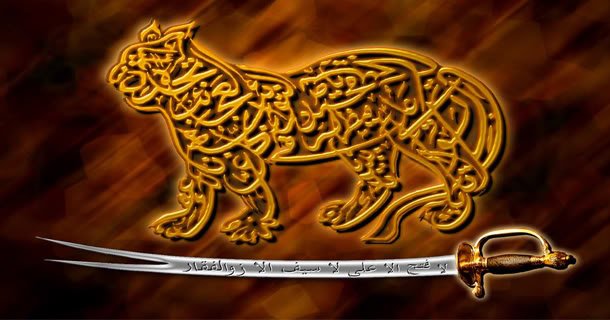
مولانا روم اور عشق علی المرتضٰیشانِ مولائے کائنات:

:مولانا روم اور عشق علی المرتضٰی
شانِ مولائے کائنات:
اکبر اعظم علی است ،عرش معظم علی است ذات مقدس علی است ،گوش کن ودم مزن

ہادی ودانا علی است ،حی وتوانا علی است در تن گویا علی است ،گوش کن ودم مزن

سب سے بڑے اور سب سے عظیم علی ہیں ۔ذات مقدس علی ہیں ،یہ بات سنو اور خاموش رہو۔علی صاحب ہدایت ،صاحب علم وحکمت ،زندہ اور صاحب قوت ہیں ۔ہر جسم کی قوت گویائی علی ہیں ۔سنو اور خاموش رہو۔

شیر ارادت علی است ،اہل عبادت علی است کان اضافت علی است،گوش کن ودم مزن

مرد سخاوت علی است ،شاہ قناعت علی است ماہ ِ سعادت علی است،گوش کن ودم مزن

علی شیر کا ارادہ رکھنے والے اور عبادت گزار ہیں۔جملہ اضافات اور تعینات کا گنجینہ علی ہیں ۔یہ بات سنو اور خاموش رہو۔میدان سخاوت کے مردعلی ہیں۔ قناعت کے بادشاہ علی ہیں۔ سعادت کے چاند علی ہیں ۔یہ بات سنو اور خاموش رہو۔

خبرداری ز معراج محمد ۖ کہ عرش ہفتم کیواں علی بود

اے شاہِ شاہان ِجہاں ،اللہ مولانا علی اے نور چشم عاشقاں ،اللہ مولانا علی

کیا تم معراج محمد ۖکی خبر رکھتے ہو ؟،آپ کے استقبال کے لئے اس موقع پر علی ساتویں آسمان پہ تھے۔اے تمام دنیا کے شاہوں کے بادشاہ ،سبحان اللہ ہمارے مولا علی ہیں۔اے عاشقوں کی آنکھ کے نور ،سبحان اللہ ہمارے مولا علی ہیں.

اقرا ر کن ،اظہار کن ،مولائے رومی ایں سخن ہر لحظہ سر من لدن ،اللہ مولانا علی

خورشید مشرق خاورے ،دربندگی بستہ کمر ماہ ہست غلام نیک پے ،اللہ مولانا علی

اے مولانا رومی خزائن غیبی سے عطا کردہ عقیدے کا اقرار واظہار کر کہ سبحان اللہ ہمارے مولا علی ہیں۔آفتاب آپ کی اطاعت پہ کمر بستہ ہے اور ماہتاب آپ کا فرمانبردار غلام ہے ۔سبحان اللہ ہمارے مولا علی ہیں۔

Ali AlahisSalam THE MIRACLE OF Nabi Pakﷺ part 11

THE MARRIAGE OF FATEMA (S.A.)
During the second year after the migration, Ali (A.S.) was married to Fatema (S.A.) the Prophet
(S.A.W)’s only daughter. Fatema (S.A.) in her facial features and personality traits was a true copy of
her father. She walked and talked like him. She was born in the year 615 A.D. five years after the
declaration of Islam by the Prophet (S.A.W) and eight years eight months and twenty days before the
migration of the Prophet (S.A.W) to Madina. When she opened her eyes she saw the whole world
against her father and wanting to kill him. The house always wore a grim look because of the insults
and humiliations meted out to her father by the Meccans. She also saw her confinement in the pass of
Shobe Abi Talib with other members of her family and faced hunger and starvation. The fear of being
killed loomed larged on her face as on other members of her family. After being released from the pass
she witnessed the death of her mother due to the sufferings, sickness and starvation in the pass and
then the death of Abu Talib (A.S.) Ali (A.S.)’s father and the guardian of the Prophet (S.A.W) under
whose shadow none dared to kill her father. After some days she also heard of the dialogues between
her father and Ali (A.S.) about the plan of the Meccans to kill her father and the intention of the Prophet
(S.A.W) to migrate to Madina leaving Fatema (S.A.) alone in her house on that dangerous night and Ali
(A.S.) lying on the bed of the Prophet (S.A.W) with his body covered with the Prophet (S.A.W)’s green
chaddor, ready to be killed by the Meccans just to save the Prophet (S.A.W) of Allah in the cause of
Islam. After coming to Madina, Fatema (S.A.) opened a school in her house where she taught the ladies
of Madina the tenets of Islam and all that she learned from her father. She also did the entire household
work of drawing water from the well, cleaning the house, washing the clothes, grinding the mill and
cooking food. Fizza the famous slave girl of the Prophet (S.A.W)s family was gifted by her father to her
after the war of Khaiber that too with a condition that one day Fatema (S.A.) will do the entire
household work and Fizza will relax and on another day Fizza will work and Fatema (S.A.) will relax.
Fatema (S.A.) at the time of her marriage was thirteen years and five months old, and Ali (A.S.) was
twenty one years and seven months old.
The Prophet (S.A.W) had received many offers for her hand from rich families of Madina and chiefs of
other clans, but he rejected them all. Even Abu Bakr and Umar approached the Prophet (S.A.W) to
marry her but he turned down their approaches with a sad reaction [Sawaiqe Mohreqah page 86]. But
when Ali (A.S.) approached, the Prophet (S.A.W) smiled and said, “Ahlan Wa Marhaban.” It is a
welcome and happy proposal. He took Fatema (S.A.)’s consent and fixed the marriage in Ramzan
[Tareekhe Khamees, Vol 1. page 407]. The Prophet (S.A.W) asked Ali (A.S.) if he possessed anything of
this world, Ali (A.S.) replied, “O Prophet of Allah, I have only a horse, a camel a sword and a shield.”
The Prophet (S.A.W) said, “You need the horse and the sword to fight for the defence of truth and
righteousness, and the camel you need to earn your living but you do not require the shield as Allah is
your protector. Go and sell your shield.”
Ali (A.S.) sold his shield and took the amount to the Prophet (S.A.W) to the Prophet (S.A.W) as the
dowry and the expenses for the marriage. Some four thousand Muslims from Mecca and Madina and its
surroundings gathered in the mosque. Ali (A.S.) sat in front of the Prophet (S.A.W). The Prophet (S.A.W)
first gave a sermon then declared “I have been commanded by Allah to marry Fatema to Ali, and I do
hereby solemnise the matrimony between Ali and Fatema on a dower of four hundred misquals.” Then
he asked Ali (A.S.), “Do you consent O Ali?” Ali (A.S.) replied, “Yes, I do O Prophet of Allah.” The
Prophet (S.A.W) then raised his hands and prayed, “O Allah bless both of them, sanctify their progeny
and grant them the keys of thy beneficence, thy treasures of wisdom and thy genies, and let both of
them be a source of blessings and peace to my people.”
Then Ali (A.S.) prostrated and thanked Allah. After the service of thanksgiving the Prophet (S.A.W)
raised his hands and prayed, “O Almighty Lord, bless them both and better their endeavors and give
them noble children.”
After the Nikah the Prophet (S.A.W) congratulated Ali (A.S.) and said, “O Ali lucky thou art indeed, for
all the virtuous women of the world your wife is a queen.” Then turning towards Fatema (S.A.) he said,
“O Fatema of all the virtuous men of the world your husband is a king. May Allah keep you both pious
and chaste, and bless your children. Verily I am a friend to him who befriends you both and an enemy
to him who is your enemy.” On the day of marriage both Ali (A.S.) and Fatema (S.A.) wore very ordinary
dresses. Fatema (S.A.)’s mother had prepared a very beautiful dress for her daughter’s marriage and
had preserved it saying that, “this is for my daughter’s marriage.” It happened that a poor Muslim
woman approached Fatema (S.A.) and said, “My daughter is also getting married tonight but she does
not have a dress.” Fatema (S.A.) took her home and gave her that dress. When the Prophet (S.A.W)
seeing Fatema (S.A.) in ordinary dress asked about the wedding dress her mother had kept for her,
Fatema (S.A.) said, “I gave it to a woman who wanted it for her daughter”, thereby symbolizing the
verse, “Goodness shall not reach you till you spend (in the way of God) what you love most”
(Al-Quran).
The wedding feast was of dates and olive. The nuptial couch was a sheep skin. The ornaments and
other things that the Prophet (S.A.W) gave to Fatema (S.A.) were a pair of silver armlets, two shirts, one
head tiara, one leather pillow containing palm leaves, one grinding mill, one drinking cup, two large jars
and one pitcher.
The Prophet (S.A.W) did not send Fatema (S.A.) the same day to Ali (A.S.)’s house. She went after the
battle of Badr, more than five months after the marriage. When Ali (A.S.) approached the Prophet
(S.A.W) to permit him to take Fatema (S.A.) to his house, the Prophet (S.A.W) turned it into a great
occasion. He asked Umme Salma and his other wives to decorate Fatema (S.A.), when Fatema (S.A.)
was ready he made her sit on the camel and asked Salman to catch the reins. The Prophet (S.A.W)
himself, his uncle Hamzah, Ali (A.S.)’s brother Aqueel and other members of Bani Hashim walked
behind the camel with open swords in their hands. The ladies of immigrants and Ansars walked with
the camel Fatema (S.A.) was occupying, and the wives of the Prophet (S.A.W) were leading the
procession reciting the hymns of valour. The procession went to Ali (A.S.)’s new house which he had
taken on rent from Haisa bin Naauman. This house was at a little distance from the Prophet (S.A.W)’s
house. The Prophet (S.A.W) later on annexed it and reconstructed it.
From this marriage Ali (A.S.) had two sons, Hasan (A.S.) and Hussain and two daughters Zainab and
Umme Kulsoom.