
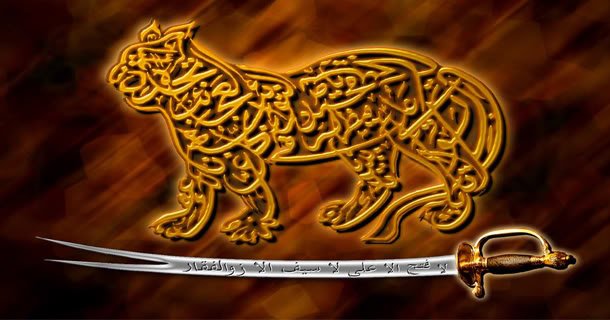


इस तहरीर को पूरा पढ़े ताकि फिरका वरीयता से बचे और हुक्म ए ईलाही व हुक्म ए नबी पर अमल करे,,
अल्लाह और उसके रसूल ने जिसे मजबूती से थमने का हुक्म दिया है उसे हम मजबूती से थामे रखे और हम तफ़रके मै न पडे और फ़िरकों मै न बटे,,
अल्लाह पाक क़ुरान में फरमाता है…
وَاعۡتَصِمُوۡا بِحَبۡلِ اللّٰهِ جَمِيۡعًا وَّلَا تَفَرَّقُوۡا
अल्लाह की रस्सी को मजबूती से थाम लो और तफरके में ना पड़ो।
(सुरह आले इमरान, आयत: 103)
पहले यह जान लेना चाहिए कि रस्सी क्या है और उसकी पहचान और ख़ासियत क्या है?
तो जान लीजिये कि #रस्सी असल में उन 3 धागों को कहते हैं जो आपस में इस तरह लिपटे हों कि एक-दूसरे की हिमायत ओ नुसरत करके क़ुव्वत और मज़बूती का वजूद तशकील दे।
“हब्ल” का माना रस्सी है या रग, जैसा एक जगह अल्लाह ने हब्लिल वरीद यानी शह रग फरमाया चूंकि रग और रस्सी शक्ल ओ सूरत और हक़ीक़त ओ अहमियत में यक्सां मुमासिलत रखती हैं और रग का वजूद भी तीन शै (परती, खून और अम्र) पर क़ायम है और इनमें भी हर दो (परती और खून) एक-दूसरे के हमवज़न हैं जब्कि तीसरा अम्र (रवानी ए खून) उन्हें तक़वियत देती है।
बहरहाल!
वाज़ेह रहे रस्सी कहलाने के लिये कम से कम 3 धागों का होना ज़रूरी है 3 से कम धागे होने पर #डोर कहा जा सकता है रस्सी नहीं!
इसलिये कि तक़वियत के लिये तीसरे की ज़रूरत होती है जैसा कि अल्लाह ने सूरह #यासीन में “फअज़्ज़ज़ना बिसालिस” फ़रमाया यानी फिर हमने तीसरे के ज़रिये उन्हें तक़वियत दी (अज़ उस शै या कैफ़ियत को कहते हैं जो मग़लूब ना होने दे, कमज़ोर ना पड़ने दे)
इससे यह बात भी मालूम होती है कि यह #हुक्म ए हबलिल्लाह
कम से कम 3 जमातों के लिये है।
1. पहला हुक्म खुद हबलिल्लाह के लिये है जो तीन वजूदों पर मुशतमिल है जिनमें दो एक-दूसरे के हमवज़न यानी #सक़लैन होंगे और तीसरा उनमें उन दोनों को तक़वियत देने वाला!
वाज़ेह रहे जो दो चीज़ें #तक़द्दुस ओ हुरमत में एक दूसरे के मसावी ओ हमवज़न हैं वो सक़लैन क़ुरआन और अहलेबैत हैं जिन्हें थामने का वाज़ेह फरमान सरकार ने यौम ए #ग़दीर जारी फरमाया जब्कि तीसरी शै इनमें वही/#अम्र ए इलाही है जो इन दोनों को तक़वियत देने वाली है और कभी इन्हें कमज़ोर या मग़लूब ना होने दे!
पस पहला हुक्म इन तीनों के लिये है कि “कुन” हो जाओ #हबलिल्लाह!
2. दूसरा हुक्म तमाम मुसलमानों के लिए आम है कि जिसे अल्लाह ने हबलिल्लाह बनाया है उन्हें यक्सा मज़बूती से थाम लो यह हबलिल्लाह तुम्हें कभी #मग़लूब या कमज़ोर नहीं होने देगी ना सिराते मुस्तक़ीम से भटकने देगी।
लेकिन यह याद रहे कि हबलिल्लाह के तीनों धागों को यक्सा थामने के लिये भी 3 चीज़ें शर्त हैं,
अव्वल ईमान #तौहीद, #रिसालत और #विलायत पर जो अम्र ए इलाही के धागे का हक़ है!
दूसरा #मवद्दत ए अहले बैत जो आले #मुहम्मद का हक़ है!
तीसरा #तक़वा और खशिय्यत ए इलाही जो क़ुरआन का हक़ है!
जिसके पास यह 3 चीज़ें जितनी ज़्यादा क़वी होंगी वो उतनी ही ज़्यादा मज़बूती और फैज़याबी पायेगा और जो जिसके पास यह तीन चीज़े जितनी कमज़ोर और क़लील होंगी उसकी मज़बूती भी उसी तरह कमज़ोर होगी!
3. तीसरा हुक्म तमाम मख़लूक के लिये है जिन्हें अल्लाह ने बंदों की आज़माईश ओ अज़िय्यत, मुसीबत ओ अज़ाब और #रहमत ओ बरकत के लिये ख़ल्क किया है!
आए अब इस पर हदीस ए सकलैन से हमे क्या हुक्म दिया गया है!,,👇🏻
जाबिर-बिन-अब्दुल्लाह (रजी अल्लाह अन्हो) कहते हैं कि मैंने रसूलुल्लाह (सल,अल्लाहु अलैहे व आलेही व सल्लम) को हज्ज्तुल-वदाअ में अरफ़ा के दिन देखा, आप अपनी ऊँटनी क़सवा पर सवार होकर ख़ुतबा दे रहे थे, मैंने आपको फ़रमाते हुए सुना: ऐ लोगो! मैं तुममें ऐसी चीज़ छोड़े जा रहा हूँ कि अगर तुम उसे पकड़े रहोगे तो हरगिज़ गुमराह न होगे: एक अल्लाह की किताब है, दूसरे मेरी अहले बैत
सुनन तिरमिजी हदीस नंबर: 3786 |
अब यहां हमें गौर ओ फिक्र करने की जरूरत है कि क्या हम इस एहकाम पर अमल पैरा है और हमारे कुछ उलमाओं ने सर पसंदी का रास्ता इख्तियार कर लिया है और एक धडा उम्मत का उस ओलेमा के पीछे चलते हुए तफ़रके मै पड़ कर उम्मत को टुकड़ों में बांट रहा है,??
یٰۤاَیُّہَا الَّذِیۡنَ اٰمَنُوۡا لَا تَخُوۡنُوا اللّٰہَ وَ الرَّسُوۡلَ وَ تَخُوۡنُوۡۤا اَمٰنٰتِکُمۡ وَ اَنۡتُمۡ تَعۡلَمُوۡنَ ﴿۲۷﴾
“ترجمہ”
اے ایمان والو! تم اللہ اور رسول ( صلی اللہ علیہ وآلہ وسلم ) سے ( ان کے حقوق کی ادائیگی میں ) خیانت نہ کیا کرو اور نہ آپس کی امانتوں میں خیانت کیا کرو حالانکہ تم ( سب حقیقت ) جانتے ہو
ऐ ईमान वालों ! तुम अल्लाह और रसूल (सल,अल्लाहु अलैहे व आलेही व सल्लम) से (उनके हुकूक की अदायगी मै) ख़यानत ना किया करो और ना उसकी अमानत मै ख़यानत किया करो हालांके तुम (सब हक़ीक़त) जानते हो
(सुरह अनफाल, आयत :27)
अब यहां भी देखना होगी कि ख़यानत से मुराद क्या है जैसे कि तमाम उम्मति इस बात पर मुत्तफिक है कि नमाज अफजलूल इबादत है इसमें कोई ख़यानत नहीं करता नाही उसकी फ़ज़लितो का कोई मोमिन इनकार करता है वैसे ही हज, जकात, रोजे, है इसका भी कोई उम्मति इनकार नहीं करता नहीं उनकी फजीलतों का इनकार करता है यानी इस अहकम पर कोई ख़यानत नहीं करता!
जब बात आती है कुरआन की तो कुछ लोग ये कहने लग जाते है कि इस आयत मै ऐसे है इस आयत मै वैसे है और कुछ लोग तो यहां तक कह देते है कि इस कुरआन मै तो आयते भी कम है यानी कुरआन मै ख़यानत की जा रही है,,?
इसी तरह अहले बैत के मुआमले मे यही हाल है कुछ लोगों का, की अहले बैत की फजीलत ऐसी नहीं वैसी है यानी अहले बैत के मुआमले मे भी लोग ख़यानत करते आपको नजर आयेंगे जबकि अल्लाह ताअला ने अहले बैत की मोहब्बत उम्मत पर वाजिब करार दी है और कुरआन को महफूज रखने का भी जिम्मा खुद अल्लाह ताअला ने लिया है फिर हम क्यों कुरआन और अहले बैत के मुआमले मे ख़यानत करे हमे तो बिला सूबा कुरआन और अहले बैत को मजबूती से थामे लेना चाहिए!
मुहिब्बे तबरी ने एक रिवायत नकल फरमाई है कि हुज़ूर नबी ए करीम (सल,अल्लाहु अलैहे व आलेही व सल्लम) ने फरमाया
“अल्लाह तआला ने तुम (उम्मती) पर जो मेरा अज़्र मुकर्रर किया है वह मेरे अहलेबैत से मुहब्बत करना है। और में कल तुमसे उनके बारे में दरयाफ्त करूंगा।”
सवाइके मुहर्रका सफ़ा 753) |
अल्लाह का दीन क़ुरान और हदीश पर मुस्तमील है जैसा की अल्लाह पाक ने फरमाया:
مَنۡ يُّطِعِ الرَّسُوۡلَ فَقَدۡ اَطَاعَ اللّٰهَ ۚ
जिसने रसूल की इताअत की उसने दर असल अल्लाह की इताअत की।
(सुरह निसा, आयत: 80)
यानी अल्लाह के कुरआन के साथ साथ नबी करीम ﷺ की पैरवी करना हम पर लाज़िम है। इन्हीं दोनों चीज़ों की पैरवी कर के हम आखिरत में कामयाब हो सकते हैं।
इन वाज़े दलाईल से हमे मालूम हुआ की अल्लाह की रस्सी मजबूती से थाम कर फिर्का वारियत के खिलाफ़ लड़ना है। और हमारी रस्सी क़ुरान और अहले बैत है।
हक़ ओ हिदायत का बस एक उसूल
किताबुल्लाह और आले रसूल,, 🙏🏻


