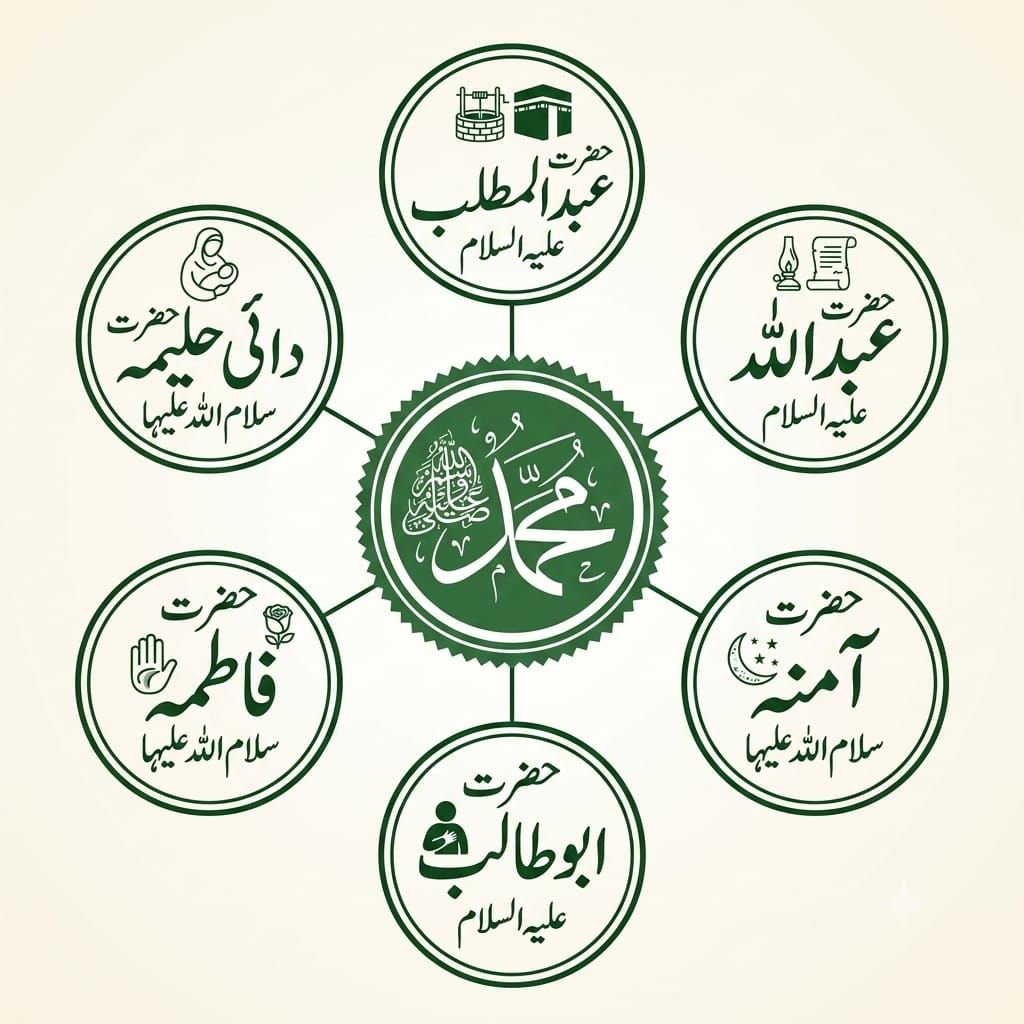
RasoolAllah (صلى الله عليه وآله وسلم) Ki Parwarish Aur Kifalat Mukhtalif Mubarak Hasteeyon Ne Is Tarha Farmayi: . – Hazrat Sayyeduna Abdullah (عليه السلام) (Walid-e-Majid): Aapne Wiladat Se Qabal Hi RasoolAllah (صلى الله عليه وآله وسلم) Ke Mubarak Noor Ko Apni Peshani-e-Aqdas Me Sanbhala Aur Nabuwwat Ki Amanat Ko Intehayi Paak-Damani Aur Izzat Ke Saath Muntaqil Farmaya. Aapka Wisaal RasoolAllah (صلى الله عليه وآله وسلم) Ki Wiladat-e-Bas’aadat Se Qabal (Baaz Riwayat Ke Mutabiq Wiladat Ke Chand Mahine Baad) Hua, Jiski Wajah Se Huzoor (صلى الله عليه وآله وسلم) Yateem Hue Aur Allah Ta’ala Ne Farmaya : ‘Kya Usne Aapko Yateem Paakar Panah Nahi Di?’ (Surah Ad-Duha: 6). RasoolAllah (صلى الله عليه وآله وسلم) Hamesha Apne Walid-e-Kareem Ki Izzat Wa Azmat Ka Zikr Farmate The.
– Sayyidah Halimah Sa’diyah (سلام الله علیها) (Pehli Riza’ee Parwarish): Wiladat Ke Baad Ta-Taqreeban 4 Se 5 Saal Ki Umr Tak Hazrat Halimah Ne Banu Sa’d Me Doodh Pilaya Aur Parwarish Ki. RasoolAllah (صلى الله عليه وآله وسلم) Unka Intehayi Ehtiram Karte The Aur Jab Wo Tashreef Laatin To Aap (صلى الله عليه وآله وسلم) Apni Mubarak Chadar Bicha Kar Unhein Bithate Aur Farmate : ‘Ummi, Ummi’ (Meri Maa, Meri Maa). . – Hazrat Sayyidah Bibi Noor Aaminah (سلام الله علیها) (Walidah-e-Majidah): Banu Sa’d Se Wapsi Ke Baad 6 Saal Ki Umr Tak Sayyidah Aaminah Ne Parwarish Ki, Yahan Tak Ki Muqaam-e-Abwa Me Aapka Wisaal Hua. . – Hazrat Sayyeduna Abdul Muttalib (عليه السلام) (Dada-e-Mohtaram): 6 Saal Se 8 Saal Ki Umr Tak (Taqreeban 2 Saal) Dada Hazrat Abdul Muttalib Ne Nihayat Mohabbat Se Kifalat Ki. Wo Farmate The : ‘Mere Is Bete Ki Shaan Bohat Azeem Hogi.’ . – Hazrat Sayyeduna Abu Talib (عليه السلام) (Chacha): 8 Saal Ki Umr Se Lekar Nabuwwat Aur Phir 50 Saal Ki Umr (Wisaal-e-Abu Talib) Tak (Taqreeban 42 Saal) Chacha Abu Talib Ne Saath Diya Aur Hifazat Ki. . – Hazrat Sayyidah Bibi Fatima Bint Asad (سلام الله علیها) (Chachi – Abu Talib Ki Zaujah): Unhone Bachpan Me Apne Beton Se Badh Kar RasoolAllah (صلى الله عليه وآله وسلم) Ka Khayal Rakha. Jab Unka Inteqal Hua To RasoolAllah (صلى الله عليه وآله وسلم) Ne Apna Kurta Unke Kafan Ke Liye Diya, Khud Unki Qabr Me Utre Aur Farmaya : ‘Meri Maa Ke Baad Yeh Meri Maa Thin.’ – Reference: * Ibn Hisham, As-Seerah Al-Nabawiyyah, 01/156-178, * Ibn Sa’d, Al-Tabaqat Al-Kubra, 01/95-120, * Ibn Kathir, Al-Bidayah wan-Nihayah, 02/320-345, * Tabarani, Al-Mu’jam al-Kabeer, 24/351, Raqam-871 (Fatima Bint Asad Ki Fazeelat). . اَللّٰھُمَّ صَلِّ عَلَی سَیِّدِنَا مُحَمَّدٍ وَ عَلَی اٰلِ سَیِّدِنَا مُحَمَّدٍ وَ بَارِکْ وَ س٘لِّمْ”
*546 Saal Purane Imaam Hazrat Imam Sakhawi Rehmatullah Alaih Likhte Hain :-* Ahle Islam Duniya Ke Kone Kone Me Is Mubarak Mahine (Rabi ul Awwal) Me Mehfil e Milad Karne Lage Allah Ta’ala Isse Azmat Aur Buzurgi Ata Farmaye Mukhtalif Qism Ke Khane Aur Digar Cheezo’n Ka Ahtemam Karte Hain Aur Milad Ki Raat Ko Tarah Tarah Ke Sadaqaat Karte Hain Aur Khushi Masarrat Ka Izhaar Karte Hue Bhalai Ke Kamo’n Me Izafa Karte Hain Balke Wo Milad Sharif Padhne Ka Bataur e Khaas Ahtemam Karte Hain Jisse Un Par Barkat e Azeem wa Inamaat e Kareem Ka Nuzool wa Zahoor Hota Hai Aur Ye Bat Tajurba Shuda Hain Jese Ke Hazrat Imaam Shamsudin Ibn Jazri Al Makki Rehmatullah Alaih Ne Irshad Farmaya Ke Mehfil e Milad Ke Fayde Me Se Ye Bhi Hai Ke Wo Saal Aman o Salamati Wala Rehta Hain Aur Mehfil e Milad Karne Walo’n Ke Jo Bhi Naik Maqasid Hoti Hai Wo Jaldi Hasil Ho Jati Hai.
📚 *Reference* 📚 Al Ajwibatou Al Mardiyyah, Safa 1116.
Milad un Nabi ﷺ Manane Se Kon Zaleel Hota Hain ?_
851 Saal Purane Imaam Hazrat Imaam Ibne Jawzi Rehmatullah Alaih Farmate Hain :- Milad un Nabi ﷺ Manane Se Iblees Shaitan Zaleel Hota Hain Aur Milad un Nabi ﷺ Karne Se Ahle Imaan Ke Noor e Imaan Ne Izafa Hota Hain.
474 Saal Purane Imaam Mufti e Aazam Makkah Hazrat Imaam Ibne Hajar Makki Shafayi Aur Mehfil e Milad un Nabi ﷺ_
Imaam Ibn Hajar Al Makki Rehmatullah Alaih Farmate Hain :- Hamare Yahan Milad Aur Azkaar Ki Mahfil e Munaqqid Hoti Hain Wo Zadatar Bhale Kaamon Par Mushtamil Hoti Hain Maslan Unme Zikr Kiya Jata Hai Rasoolullah ﷺ Par Durood o Salam Padha Jata Hai Aur Sadaqaat Diye Jate Hain Ya’ani Guraba Ki Madad Ki Jati Hai.
📚 *Reference* 📚 Fatawa e Hadisiyyah, Sada 129, Imaam Ibn Hajar Al Makki.
Nabi e Kareem ﷺ Ki Wiladat e Pak Ke Moqa Par Jhande Lagana Allah Ki Sunnat Hain_
*1.* Nabi e Kareem ﷺ Ki Wiladat e Pak Ke Waqt Hazrat Jibrail Alaihis Salam Ne Kabah Sharif Ki Chat Aur Mashrig wa Maghrib Me Jhande Lagaye Aur Nabi e Pak ﷺ Ki Aamad Par Is Ranga Rang Baharo Ka Ahtamam Allah Ta’ala Ki Taraf Se Tha.
*2.* Hazrat Sayyeda Aamina Salamullah Alaiha Farmati Hain :- Jab Muhammad ﷺ Ki Wiladat Hui Us Waqt Hazrat Jibrail Alaihis Salam Ne 3 Jhande Nasab Kiye Ek Maghrib Me, Ek Mashrik Me Aur Ek Kabah Ki Chat Par.
📚 *Reference* 📚 Madarij un Nabuwat, Jild 2, Safa 31. Hazrat Shaikh Abdul Haq Muhaddis Dehlawi Rehmatullah Alaih.
*3.* Huzoor Nabi e Kareem ﷺ Ki Paidaish Par Hazrat Jibrail Alaihis Salam Ne Jhande Gade.
396 Saal Purane Mohaddis Shaikh Abdul Haq Mohaddis Dehlawi Aur Mehfil e Milad un Nabi_
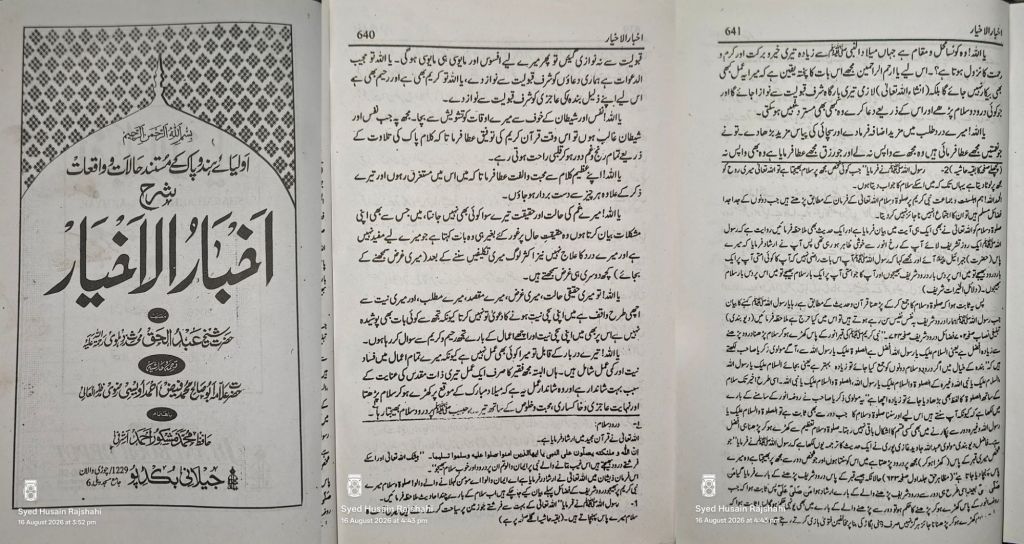
Hazrat Shaikh Abdul Haq Mohaddis Dehlawi Rehmatullah Alaih Farmate Hain :- Ya Allah! Tere Darbar Ke Qabil To Mera Koi Bhi Amal Nahi Hai Kyunki Mere Tamaam Aamaal Me Fasaad Niyat Aur Kami Amal Shamil Hai, Haa! Al’batta Mujh Fakeer Ka Sirf Ek Amal Teri Zaat e Muqaddas Ki Inayat Ke Sabab Bhut Shandaar Hai Aur Wo Shandar Amal Ye Hain Ke Milad Ke Moqa Par Khade Hokar Salam Padhta Hu Aur Nihayat Aajzi wa Khaksari Muhabbat wa Khuloos Ke Sath Tere Habeeb ﷺ Par Darood o Salam Bhejta Raha, Ya Allah! Wo Konsa Mehal wa Maqaam Hai Jahan Milad un Nabi ﷺ Se Zada Teri Khair o Barkat Aur Karam wa Rehmat Ka Nazool Hota Hain ? Isliye Ya Arhamur Rahimeen Mujhe Is Baat Ka Pukhta Yakeen Hain Ke Mera Ye Amal Kabhi Bhi Bekaar Nahi Jayega Balke Insha Allah Ta’ala Lazmi Teri Bargah Me Sharf e Qabooliyat Se Nawaza Jayega Aur Jo Koi Darood o Salam Padhe Aur Uske Zariye Dua Kare Wo Kabhi Bhi Mustarad Nahi Ho Sakti.
📚 *Reference* 📚 Akhbar ul Akhyar, Safa 640, 641.
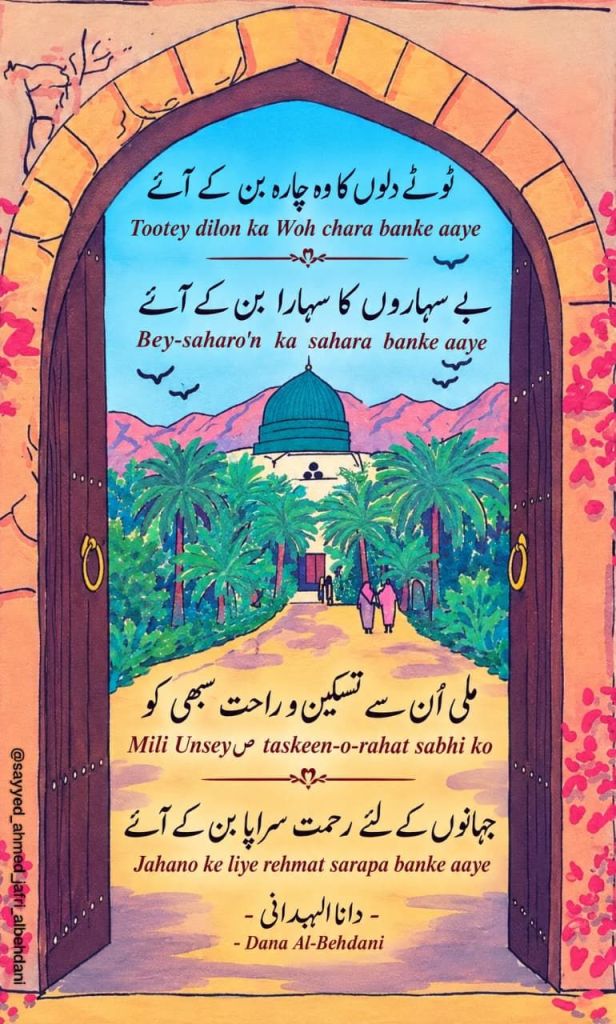
• 12 Rabi ul Awwal Par Tamaam Ulama e Islaam Ka Ijma Hai Ke Is Din Do Jahan Ke Sultan Sarkar e Do Aalam Shehansha e Qull Aalam Nabi e Kareem Rehmat e Aalam Hazrat Muhammad Mustufa Sallallahu Alaihi wa Aala Aalehi wa Sallam Sare Aalam Ke Liye Rehmat Bankar Duniya Me Tashrif Laye Aur Isi Din Sari Duniya Me Musalman Apne Nabi e Pak ﷺ Ki Wiladat Sharif Ka Jashan Manate Hain.
📚 *References* 📚
*1.* Ibn Jawzi in Al Wafa, Safa 87. Ibn e Ishaq (85-151 Hijri) *2.* Ibn Hisham in As Sirat un Nabawiya, Jild 1, Safa 158. Allama Ibn Hisham (213 Hijri) *3.* Tarikh Al Umam wa Al Muluk, Jild 2, Safa 125. Imaam Ibn Jarir Tabri (224-310 Hijri) *4.* Ailam un Nabuwwa, Safa 192. Allama Abu Al Hasan Ali Bin Muhammad Al Mawardi (370-480 Hijri) *5.* Aayun Al Asr, Jild 1, Safa 33. Imaam Al Hafiz Abu ul Fatah Al Undalasi (671-734 Hijri) *6.* Ibn Khaldun in At Tarikh, Jild 2, Safa 394. Allama Ibn Khaldun (732 – 808) *7.* Muhammad Rasoolullah, Jild 1, Safa 102. Muhammad As Sadiq Ibrahim Arjoon. *8.* Madarij un Nabuwwah, Jild 2, Safa 14. Shaikh Abdul Haq Muhaddis Dehlawi (950-1052 Hijri) *9.* Al Muwahib Al Laduniya, Jild 1, Safa 88. Imaam Qustallani.
12 Rabi ul Awwal Ki Raat Shab e Qadr Se Afzal Hai
Imaam Qustulani Farmate Hain :- Jab Ham Ye Kahe Ke Huzoor Nabi e Kareem ﷺ Raat Ke Waqt Paida Hue To Sawal Paida Hota Hai Ke Shab e Milad e Rasool ﷺ Afzal Hain Ya Shab e Qadr ?
Is Hawale Se Ham 3 Daleel Pesh Karte Hain Jin Wuju Ki Bina Par Shab e Wiladat Shab e Qadr Se Afzal Hai 👇
*1.* Aap ﷺ Ka Zahoor Shab e Milad Me Hua Jabke Shab e Qadr Aap ﷺ Ko Ata Ki Gayi Lihaza Wo Raat Jisko Aap ﷺ Ke Zahoor Ka Sharf Mila Us Raat Se Zada Sharf Wali Hogi Jise Is Raat Me Tashrif Lane Wali Hasti Ke Sabab Se Sharf Mila Aur Isme Koi Naza Nahi Lihaza Is Aitbar Se Shab e Milad Shab e Qadr Se Afzal Hui.
*2.* Agar Lailatul Qadr Ki Azmat Is Bina Par Hain Ke Isme Farishto Ka Nuzool Hota Hain To Shab e Wiladat Ko Ye Sharf Hasil Hain Ke Isme Allah Ta’ala Ke Mehboob ﷺ Kainat Me Jalwa Farma Hue, Jamhoor Ahle Sunnat Ke Qaul Ke Mutabik Shab e Milad Ko Jis Hasti (Ya’ani Huzoor Nabi e Kareem ﷺ) Ne Sharf Baksha Wo Shab e Qadr Ko Sharf Bakshne Wali Hastiyo Se (Ya’ani Farishto) Se Kahi Buland wa Bartar Aur Azmat Wali Hain, Lihaza Shab e Wiladat Shab e Qadr Se Afzal Hui.
*3.* Shab e Qadr Ke Ba’ais Ummat e Muhammadiya Ko Fazilat Bakhshi Gayi Aur Shab e Milad Ke Zariye Jami Maujudaat Ko Fazilat Se Nawaza Gaya Pas Huzoor Nabi e Kareem ﷺ Hi Hain Jinhe Allah Ta’ala Ne Rehmatulilaalameen Banakar Bheja Aur Is Tarah Naimat e Rehmat Jami Kainat Ke Liye Aam Kardi Gayi, Lihaza Shab e Wiladat Nafa Rasani Me Kahi Zada Hain Aur Is Aitbar Se Bhi Ye Lailatul Qadr Se Afzal Tehri.
📚 *Reference* 📚 *1.* Imaam Qustulaani, Al Mawahib Al Ladunya Jild 1, Safa 145. *2.* Shaikh Abdul Haq Muhaddis Dehlawi, Masibbat Minas Sunna Fee Ayyamas Sanna, Safa 59, 60. *3.* Zarqaani, Sharah Al Mawahib Al Ladunya, Jild 1, Safa 255, 256. *4.* Nabhani, Jawahar ul Bihaar Fee Fazail Al Nabi Al Mukhtar, Jild 3, Safa 424.
14wi Sadi Ke Mujjadid Shams ul Ulama Qutub ul Aqtab Hazrat Allama Molana Abdullah Shah Sahab Qadri Rajshahi Sundhvi Rehmatullah Alaih Ke Mureed wa Khalifa e Khas Qutub e Waqt Hazrat Baba Noor Shah Sahab Qadri Rajshahi Rehmatullah Alaih Mehfil e Milad un Nabi Ke Bare Me Farmate Hain 👇
Mehfil e Milad Sharif Kiya Karo Aur Usme Khastor Se Zikr e Ilahi Kiya Jayen Aur Huzoor ﷺ Ke Fazail Aur Paidaish Ka Bayan Ho Aur Aapke Sahaba e Kiram Ka Zikr Bhi Zaroor Ho, Milad Sharif Padhne Aur Sunne Walo Par Allah Pak Ki Rehmat Barasti Hain Barasti To Sab Par Hain Magar Jo Milad Padhte Hain Un Par Khastor Par Barasti Hain.
📚 *Reference* 📚 Tazkira e Noori, Safa 52, 53.
842 Saal Purane Imaam Waheed ul Asar Fareed ul Dahar Hazrat Imaam Fakharuddin Razi Aur Mehfil e Milad un Nabi
Hazrat Imaam Fakharuddin Razi Rehmatullah Alaih Farmate Hain :- Jis Shaks Ne Bhi Namak Gehu Ya Khane Ki Aesi Hi Kisi Aur Cheez Par Huzoor ﷺ Ka Milad Sharif Padha To Usme Aur Har Us Shay Me Barkat Hogi Jo Us Khane Me Mila Di Jaye Aur Ye Khana Us Waqt Tak Muztarib Aur Be’karaar Rahega Jab Tak Ke Allah Ta’ala Us Khane Wale Ko Baksh Na Dega Aur Agar Huzoor ﷺ Ka Milad Sharif Pani Par Hi Padha Jaye To Jo Shaks Us Pani Ko Piyega Uske Qalb Me Hazaar Noor Aur Rehmate’n Bhar Jayengi Aur Hazaar Keene Aur Beemariya’n Nikal Jayengi, Jis Din Dil Bhi Mar Jayenge Uska Dil Nahi Marega Aur Jis Shaks Ne Huzoor ﷺ Ka Milad Sharif Sone Aur Chandi Ke Sikko Par Aur Dirham wa Dinaar Par Padha Aur Phir Unme Dusre Dinaar Mila Diye To Unme Bhi Barkat Ho Jayegi, Mehfil e Milad Munakkid Karne Wala Kabhi Mohtaaj Nahi Hoga.
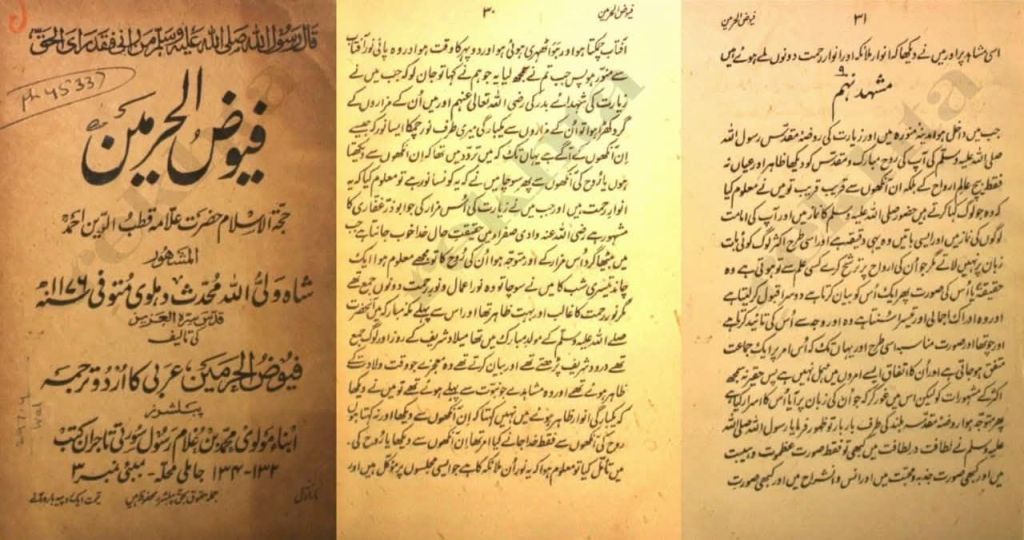
• 272 Saal Purane Mohaddis Hazrat Shah Waliullah Mohaddis Dehlawi Apni Makkah Sharif Ki Hazri Ke Bare Me Likhte Hain
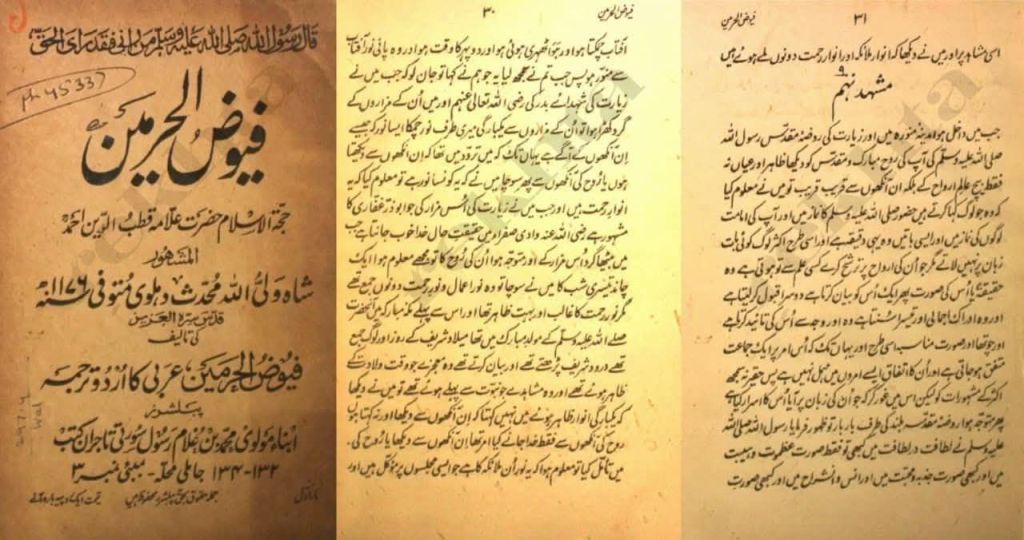
Me Makkah Shareef Me Milad Shareef Ke Din Rasool Allah ﷺ Ki Wiladat Ki Jagah Hazir Tha Sab Log Rasool Allah ﷺ Par Durood Padh Rahe The Aur Aapki Wiladat Ke Waqt Jo Maujjzat Zahir Hue Wo Bayan Kar Rahe The, Mene Us Noor Ko Dekha Jo Us Mehfil Me Zahir Hua Wo Noor Tha Jo Farishto Ke Aesi Mehfilo Me Shirkat Se Zahir Hota Hain.
📚 *Reference* 📚 Fuyuz ul Haramain, Safa 30, 31.
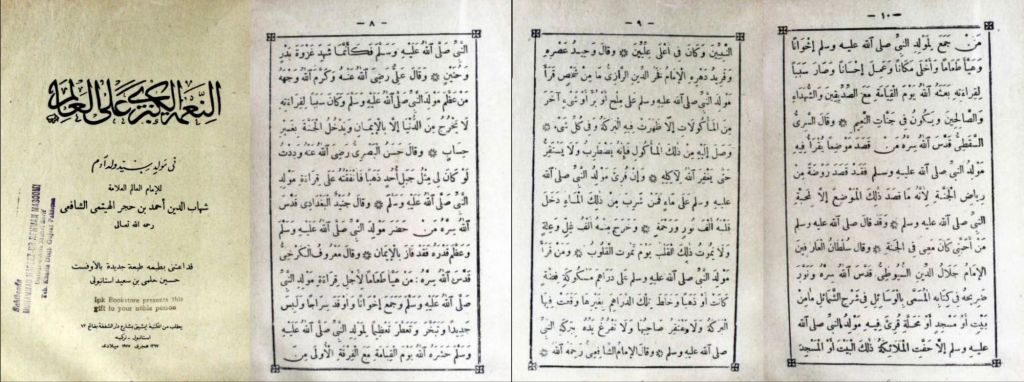
• Ek Hazar Saal Se Zada Purane Auliya e Kiram Ka Aaqida Aur Eid Milad un Nabi
• 1338 Saal Purane Ta’baeen Buzurgh Hazrat Maula Ali Sher e Khuda Alahis Salam Ke Khalifa Imaam ul Muttaqeen Hazrat Khawaja Hasan Basri Farmate Hain :- Mujhe Ye Baat Pasand Hain Ke Kash Mere Pas Uhad Pahad Ke Barabar Sona Ho Aur Me Use Huzoor Sayyed e Aalam ﷺ Ke Milad Sharif Padhne Par Kharch Kardu.
• Shafai Maslak Ke Imaam 1243 Saal Purane Mujjadid Nasir ul Sunnat Hazrat Imaam Shafai Razi Allahu Tala Anhu Farmate Hain :- Jisne Milad e Pak Ke Liye Musalman Bhaiyo Ko Jama Kiya Aur Khana Taiyyar Kiya Aur Maqan Sajaya Aur Sare Intazamaat Bade Acche Kiye Aur Wo Shakhs Milad e Pak Ke Qayam Karne Ka Sabab Bana To Allah Ta’ala Usko Qayamat Ke Din Siddeeqo Aur Shaheedo Aur Suhaleheen Ke Sath Udayega Aur Wo Jannat e Naeem Me Hoga.
• 1247 Saal Purane Buzurgh Sultan e Salateen e Mashaik Hazrat Maroof Karkhi Rehmatullah Alaih Farmate Hain :- Jisne Milad un Nabi Padhne Ke Liye Khana Taiyyar Kiya Musalman Bhaiyo’n Ko Jama Kiya Charagh Roshan Kiya Naye Kapde Pehne Aur Milad un Nabi ﷺ Ki Tazeem Ke Liye Attar Lagaya Allah Ta’ala Usko Mehshar Ke Din Ambiya Alahimus Salam Ke Qadmo Me Jagah Ata Farmayega Aur Wo Aala illiyeen Me Hoga.
• 1194 Saal Purane Buzurgh Salik e Malakoot Hazrat Shaikh Sirri Al Saqati Rehmatullah Alaih Farmate Hain :- Jisne Milad e Pak Padhne Ke Liye Jagah Qasad Kiya Beshak Usne Jannat Ke Baago Me Se Baag Ka Qasad Kiya Isliye Ki Usne Nabi e Kareem ﷺ Ki Muhabbat Ke Liye Milad e Pak Ka Qasad Kiya Hain Aur Farmaya Huzoor Nabi ﷺ Ne :- Mujhe Wo Sabse Zada Mehboob Janta Hain Wo Meri Khidmat Me Jannat Me Dakhil Hoga.
• 1149 Saal Purane Buzurgh Sayyed ut Taa’ifa Hazrat Shaikh Junaid Baghdadi Rehmatullah Alaih Farmate Hain :- Jo Mehfil e Milad un Nabi Me Hazir Hua Aur Milad e Nabi Ki Tazeem Ki Beshak Imaan Ki Daulat Se Malamal Hua.
📚 *Reference* 📚 Nimatul Kubra, Shaikh ul Islam Mufti e Aazam Makkah Hazrat Imaam Ibne Hajar Makki Shafai Qadri Rehmatullah Alaih
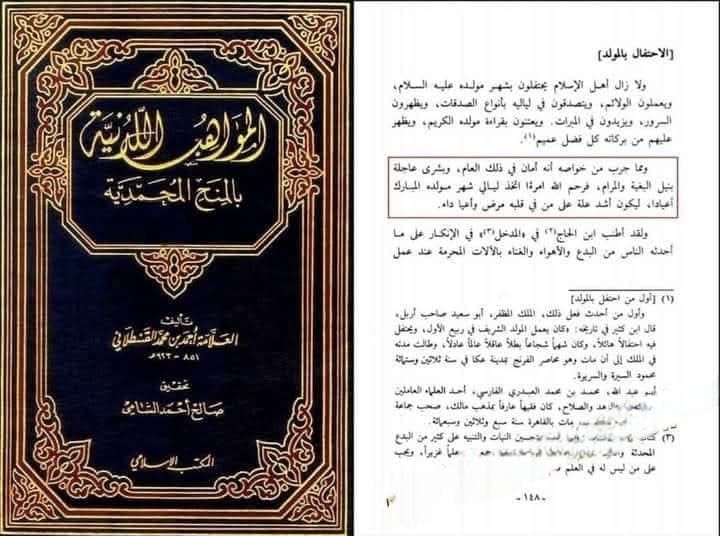
Bukhari Ki Sharah (Explanations) Irshad us-Sari Fi al-Sharah Bukhari Ke Writer Aur Bahut Bade Muhaddith Scholar Hazrat Imam Qastalani Al Mutawaffah 923 Hijri Likhte Hain
Iman Walon Ko Chahiye Ki Tum Milad-e-Mustafa ﷺ Ko Eid Ke Taur Par Manaya Karo. Allah ﷻ Apna Fazl Aur Ehsan Kare Un Logo Par Jo Rabi-ul-Awwal Ki Raato’n Ko Eid Ke Taur Par Manate Hain Kyunki Iss Mahine Ko Eid Ke Taur Par Manane Se Un Logo Ke Dilo’n Ko Takleef Hoti Hai Jinke Dilo’n Mein Bughz Aur Munafiqat Ki Bimari Hai.” Subhan’Allah…
▪️(Mawahib al-Deeniyyah Vol 1 Page 148)
• Kya Milad un Nabi Manane Par Sawab Milta Hain ?
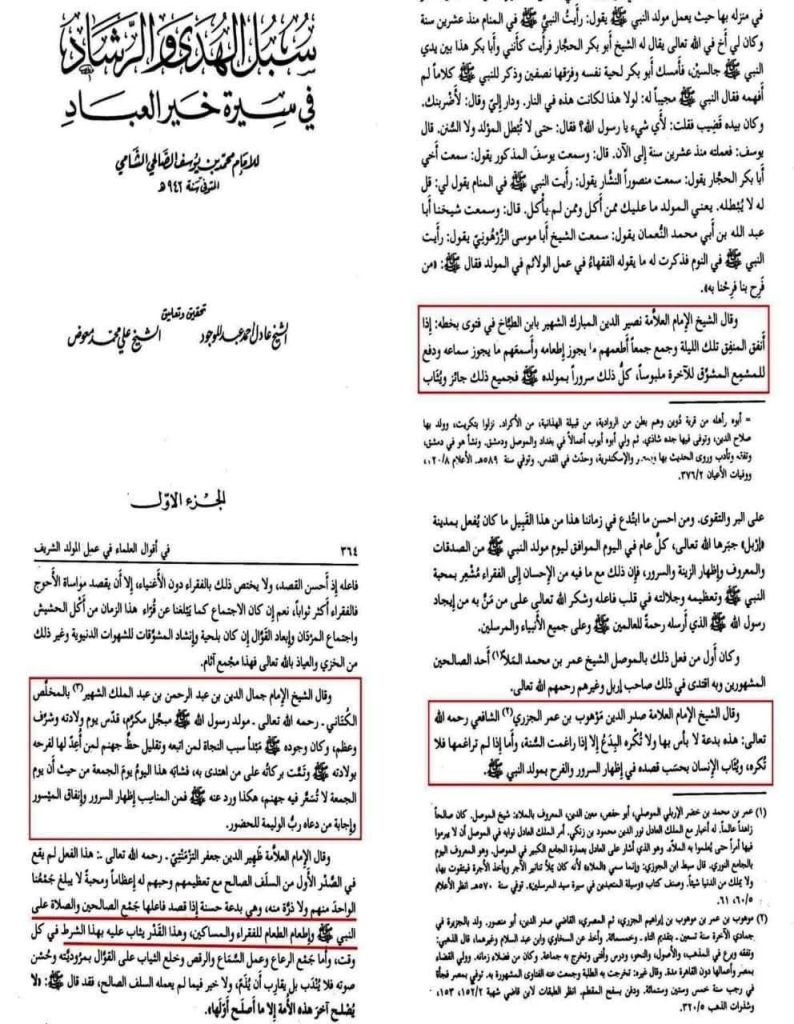
*1.* 783 Saal Purane Imaam Hazrat Imaam Sadaruddeen Mawhub Bin Umar Al Jazari Rehmatullah Alaih Farmate Hain :-
Insan Rasool Allah ﷺ Ke Milad Sharif Ke Hasb e Taufiq Aur Hasb e Irada Musarrat wa Khushi Ke Izhaar Ke Mutabik Aajr o Sawab Pata Hai.
*2.* 781 Saal Purane Imaam Hazrat Imaam Nasiruddeen Mubarak Al Shafayi Rehmatullah Alaih Farmate Hain :-
Jo Koi Milad un Nabi Ki Raat Ko Kharch Karta Hain Aur Wo Mehfil e Milad Me Logo Ko Jama Karta Hai Aur Logo Ko Khana Khilata Hain Aur Zikr Sunata Hai Aur Logo Ko Aese Umoor Batata Hai Jo Inhe Akhirat Ka Shauq Dilate Hain Wo Ye Sab Kaam Rasool Allah ﷺ Ki Wiladat Mubarak Ki Khushi Me Manate Hue Karta Hai Ye Sab Kuch Jaiz Hain Isse Sawab Milega.
*3.* 765 Saal Purane Imaam Hazrat Imam Zahiruddeen Jafar Al Tazmini Rehmatullah Alaih Farmate Hain :-
Milad un Nabi Ka Ineqqad Karne Wala Saliheen Ko Jama Kare Aur Mehfil e Durood o Salam Aur Fuqara o Masaqin Ke Ta’aam (Khana) Ka Intezaam Ka Irada Karta Hai To Jab Bhi Ye Amal Kiya Jayega To Mujib Sawab Hoga.
• Owais e Dora’n Ghous e Zama’n Hazrat Molana Shah Fazle Rehma’n Ganj Muradabadi Aur Mehfil e Milad un Nabi
*1.* Silsila e Abul Ulayi Jahangiri Ke Akabir wa Maroof Buzurgh Fakhar ul Aarifeen Hazrat Abdul Hayy Chatgami Rehmatullah Alaih Ne Ganj Muradabad Sharif Jate Hue Ek Shakhs Se Kaha Ke Hazrat Molana Shah Fazle Rehman Se Masla e Qayam e Milad Sharif Ke Bare Me Daryaft Karna Us Shakhs Ne Jab Waha Jakar Ye Masla Poucha To Hazrat Shah Fazle Rehman Ne Jawab Diya Ke Saayil (Sawali) Se Keh Dena Ki Masla Qayam e Mehfil e Milad Sharif Adab Ka Maqam Hain, Behas Ka Maqam Nahi, Fala’n Jamat Ke Ulama (Gair Muqallidin) Be-Adab Aur Gustakh Hain Kyunki Unke Qalb Me Azmat e Auliya wa Ambiya Nahi Hain, Unki Behas wa Mujadile Ka Khatma Hamesha Tazeem e Auliya wa Ambiya Se Hota Hain.
📚 *Reference* 📚 Seerat e Fakhrul Aarifeen, Hissa Awwal, Safa 127.
*2.* Qayyum e Waqt Hazrat Shah Ahmad Miya Sahab Rahmatullah Alaih Ne Sarkar Fazle Rehma’n Ganj Muradabadi Rehmatullah Alaih Se Arz Kiya Ki Baaz Log Milad Sharif Ko Shirk o Kufr Kehte Hain Ye Sunkar Hazrat Shah Fazle Rehma’n Sahab Jalal Me Kapne Lage Aur Farmaya “Assalamu Alaikum Ya Ayyuhan Nabiyyu” Lo! Hum To Roz Milad Me Sharik Hote Hain (Ya’ani Namaz Ke Dauran Attahiyat Me Salam Padhte Hain, To Jab Namaz Me Shirk Nahi To Namaz Ke Bahar Kese Shirk Hua.
📚 *Reference* 📚 Afzaal e Rehmani, Safa 195.
• Ghous e Zama’n Hazrat Molana Shah Fazle Rehma’n Aur Mehfil e Milad Shareef
Aala Hazrat Molana Ahmad Raza Khan Fazile Bareilvy Rehmatullah Alaih Ramzan ul Mubarak Ke Mahine Me Hazrat Molana Shah Fazle Rehman Ganj Muradabadi Rehmatullah Alaih Se Mulakat Ke Liye Aaye Aur Ek Jagah Qayam Karke Khidmat e Aqdas Me Ittala Karwayi Ke Ek Shaks Bareilly Se Milne Aaya Hain, Hazrat Shah Fazle Rehma’n Ne Farmaya Ke Yahan Faqeer Ke Pas Kiya Dhara Hain Unke Walid Aalim Unke Dada Aalim Aur Wo Khud Bhi Aalim Phir Ba Shafqat Farmaya Ki Unko Bula Lao, Ba Waqt Mulaqaat Aala Hazrat Ne Hazrat Shah Fazle Rehma’n Se Milad Shareef Ke Bare Me Poucha To Is Baat Par Hazrat Shah Fazle Rehma’n Ne Irshad Farmaya Ki Pehle Tum Batao Khud Bhi To Aalim Ho, Aala Hazrat Ne Jawab Diya Ki Mein Milad Shareef Ko Mustahab Janta Hu, Is Par Hazrat Molana Fazle Rehma’n Ne Jawab Diya Ke Me To Sunnat Manta Hu Kyunki Sahaba e Kiram Jab Jihaad Me Tashrif Le Jate The To Wo Apne Ahlo Aayal Se Kiya Kaha Karte The Yahi Na Ki Makkah Muazzama Me Nabi e Kareem ﷺ Paida Hue Hai Allah Azzawajal Ne In Par Quran e Pak Utara Unhone Yeh Maujze Dikhlaye Allah Ta’ala Ne Unko Ye Sab Fazail Ata Farmaye Majlis e Milad Me Bhi Yehi Sab To Bayan Hota Hain Farq Itna Hain Ki Tum Apni Mehfil Me Laddu Bat’te Ho Aur Sahaba e Kiram Apne Sar Bat’te The (Ya’ani Apni Jaano Ka Nazrana Pesh Karte The).
📚 *Reference* 📚 Afzaal e Rehmani, Safa 172, Rehmat o Nemat, Safa 355.
• Eid Milad un Nabi Ke Karamati Charaag Aur Wahabi ki Tauba
Choudhary Muhammad Azeem Sahab Bayan Karte Hain Ke 12 Rabi Awwal Ki Raat Thi To Mene Arz Kiya Ke Milad Sharif Ki Ijazat Marhamat Kijiye, Hazrat Molana Shah Fazle Rehman Ganj Muradabadi Rehmatullah Alaih Ne Farmaya Ke Hamare Hakeem Niyaz Ahmad Faizabadi Mawlud Shareef Padh Denge Tum Basti Me Khabar Kar Do Phir Mene Masjid Me 12 Taqo’n Me 12 Charaag Roshan Kiye To Itne Me Ek Sahab Aitraaz Kar Baithe Ke Itne Sare Charaag Jalana Fuzool Kharchi Hain Ittefaq Se Is Bat Ka Hazrat Molana Baba (Hazrat Shah Fazle Rehma) Ko Ilm Ho Gaya To Aapne Us Aitraaz Karne Wale Se Farmaya :- Tumhare Khayal Me Agar Kisi Ne Fuzool Kharchi Ki Hain To Jin Charaago Ko Tum Zarurat Se Zada Samjho Unko Jakar Bujha Do, Sher Muhammad Farrukhabadi Gaye Aur Pehla Charaag Bujhakar Dusre Charaag Ko Bujhane Jese Hi Aage Badhe To Pehla Charaag Khud Ba Khud Jal Gaya Baar Baar Wo Charaago Ko Bujhate Jate To Wo Khud Wapas Jalna Shuru Ho Jate The Akhirkaar Thak Haar Kar Baith Gaye Aur Ek Charaag Bhi Na Bujh Paya, Hazrat Shah Fazle Rehman Ne Farmaya :- Ab Bolo Tumhara Israaf Ka Dawa Kaha Gaya ? Ha Agar Tumne Ikhlas Ka Manzar Na Dekha Ho To Ab Dekhlo, Sher Muhammad Sahab Ye Dekhkar Aese Sharminda Hue Ke Usi Waqt Mureed Ho Gaye Aur Dair Tak Rote Rahe Idhar Hazrat Molana Baba Ko Aesa Josh Aaya Ke Mimbar Par Khade Hokar Naat wa Zikr e Wiladat Farma Kar Riqqat Angez Lehje Me Salam Padha Aur Emarti Par Fatiha Dekar Ek Khud Khayi Aur 2-2 Imartiya’n Khud Hazireen Me Taqseem Kardi.
📚 *Reference* 📚 Rehmat o Nemat, Safa 121, 122.
• Ulama e Deoband Ashraf Ali Thanvi, Qasim Nanotvi, Rasheed Ahmad Gangohi, Mehmood ul Hasan Deobandi Ke Peer o Murshid wa Ustad Shaikh ul Arab wa Ajam Hazrat Haji Imdadullah Muhajir Makki Rehmatullah Alaih Milad un Nabi Ke Mutalliq Farmate Hain 👇
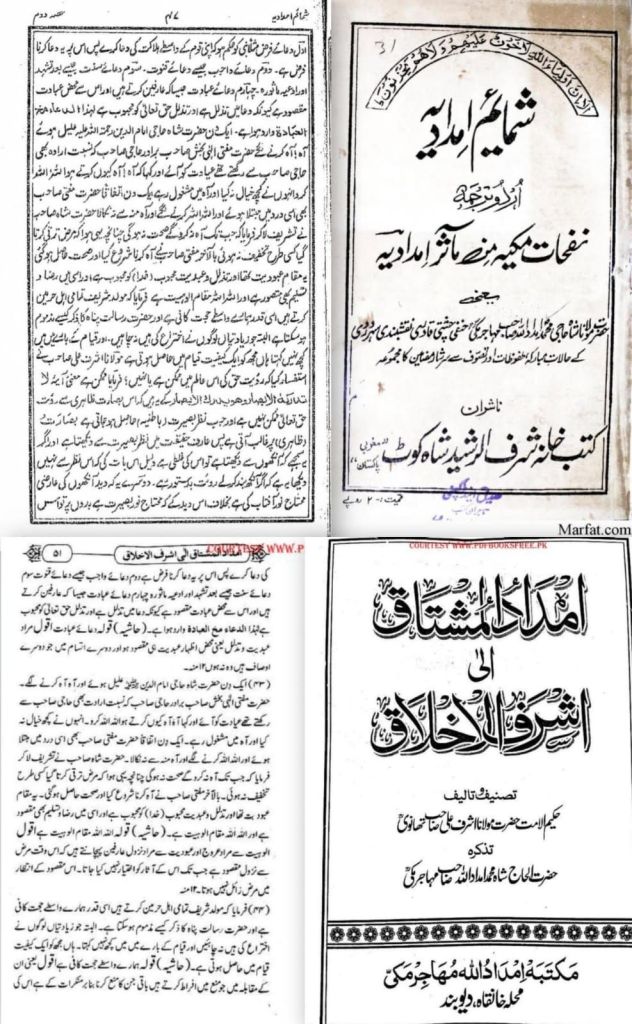
Mawlood Sharif (Milad un Nabi) Tamaam Ahle Haramain Sharifeen (Ahle Makkah wa Madina) Karte Hain, Isi Qadar Hamare Waste Hujjat Kafi Hain Aur Hazrat Risalat Panah ﷺ Ka Zikr Kaise Mazmoom (Bura) Ho Sakta Hain Aur Qayaam (Khade Hokar Salat o Salam) Ke Bare Me Mein Kuch Nahi Kehta Haa! Mujhko Ek Kaifiyat Qayaam Me Hasil Hoti Hain.
📚 *Reference* 📚 *1.* Shamaim e Imdadiyah, Hissa 2, Safa 47. *2.* Imdad ul Mushtaq ila Ashraf ul Akhlaq, Safa 50, Ashraf Ali Thanvi.
• Ashraf ul Aalimeen Hazrat Haji Sayyed Waris Ali Shah Sahab Aur Mehfil e Milad un Nabi
Milad Khair ul Abad Hazrat Sayyed e Aalam Fakhar e Bani Aadam Rasool e Akram Nabi e Kareem ﷺ Ka Khaas Shauq Tha Aur Huzoor Pur Noor (Hazrat Waris Ali Shah Sahab) Zamana e Shabaab Me Bhut Zada Shirkat Farmate The, Mahafil e Milad Me Fazail e Durood Shareef, Maujzaat wa Halaat e Wiladat e Ba’sadat wa Zikr Mairaj Sharif Wagera Jo Muhabbat Ke Mutallik Bayanat Hain Hazrat Waris e Pak Ke Rubaru Padhe Jate The, Sahih wa Mustanad Halaat Sama’at Farmate The Aur Qayaam (Salat o Salam) Nihayat Adab o Ahtaram Se Karte The, Is Taqreeb e Saeed Par Bhut Izhar e Masarrat Farmate The, Huzoor e Anwar Ki Janib Se Bhi Aksar Mehfil e Milad Shareef Hoti Thi Aakhir Zamana Tak Huzoor Waris e Pak Ko Mehfil e Milad Ka Shauq Tha.
📚 *Reference* 📚 Mishqaat e Haqqaniya, Safa 108, 109.
537 Saal Purane Imaam 9wi Sadi Ke Mujjadid Hazrat Imaam Jalaluddin Siyuti Aur Mehfil e Milad un Nabi
Sultan ul Aarifeen Hazrat Imaam Jalaluddin Siyuti Rehmatullah Alaih Farmate Hain :- Koi Ghar, Masjid Ya Mohalla Nahi Jis Me Nabi e Mohtaram ﷺ Ka Milad Shareef Padha Jata Ho Magar Ye Ke Farishte Us Ghar, Masjid Ya Mohalla Ko Gher Lete Hain Aur Us Ahle Khana Par Nuzool e Rehmat Ki Dua Karte Hain Aur Allah Ta’ala Apni Rehmat o Rizwan Unke Shamil e Haal Kar Deta Hain Aur Farishto Ke Sardar Jinke Gale Me Noori Tauq Padhe Hain Ya’ani Hazrat Jibrail, Hazrat Mikail, Hazrat Israfeel Aur Hazrat Izrail Alahimus Salam Bhi Milad Shareef Karane Wale Par Rehmat Ki Dua Karte Hain Aur Farmate Hain Ke Jis Ghar Me Musalman Milad Shareef Padhta Hain Allah Ta’ala Uske Ghar Walo Se Qehat wa Waba Aatish Zani Aafaat Balaiyaat Bughz Hasad Nigah e Shar Aur Choro Ke Khatre Ko Door Kar Deta Hain Aur Jab Wo Mar Jata Hain To Allah Ta’ala Us Par Munkir Nakeer Ke Jawab Ko Aasan Kar Deta Hain.
• 850 Saal Purane Imaam Imaam Ibn Jawzi Farmate Hain
Hamesha Makkah Mukarrama, Madina Munawwara, Misr, Shaam, Yaman, Sharq Se Gharb Tak Tamaam Bilade Arab Ke Bashinde Milad un Nabi Ki Mahafil Munaqqid Karte Aaye Hain, Jab Rabi ul Awwal Ka Chand Dekhte Hain To Unki Khushi Ki Inteha Nahi Rehti Chunanche Zikr e Milad Padhne Aur Sunne Ka Khusoosi Ahtemaam Karte Hain Aur Bepanah Ajar o Kamyabi Hasil Karte Hain.
📚 *Reference* 📚 Al Milad An Nabwi, Safa 58.
• 396 Saal Purane Muhaddis Hazrat Shaikh Abdul Haq Mohaddis Dehlawi Aur Mehfil e Milad un Nabi
Imaam ul Mohaddiseen Fil Hind Hazrat Shaikh Abdul Haq Mohaddis Dehlawi Rehmatullah Alaih Farmate Hain :- Hamesha Se Musalmano Ka Ye Dastoor Hain Ke Rabi ul Awwal Ke Mahine Me Milad Ki Mahafil Munaqqid Karte Hain Sadaqaat o Khairat Aur Khushi Ke Izhaar Ka Ahtamam Karte Hain Unki Koshish Hoti Hain Ke Un Dino’n Me Zada Se Zada Naik Kam Kare Is Mauqe Par Wo Wiladat e Ba Sa’aadat Ke Waqiaat Bhi Bayan Karte Hain.
📚 *Reference* 📚 Ma Sabata Min Al Sunnah, Safa 60.
• 452 Saal Pehle Makkah Mukarrama Me Eid ul Milad un Nabi 12 Rabi ul Awwal Ki Raat Kya Hota Tha
Makkah Sharif Ke Qazi Aur Masjid e Haram Ke Ustad Hazrat Imaam Abi Bakr Makki Al Makhzumi Likhte Hain👇
Har Saal Makkah Sharif Me 12 Rabi ul Awwal Ki Rat Ko Ahle Makkah Ka Ye Mamool Hain Ke Qazi e Makkah Jo Shafai Hain Maghrib Ki Namaz Ke Baad Logo Ka Ek Jamme Ghafeer (5 Hazar Log) Ke Sath Maqam e Mawlid Sharif (Huzoor Nabi e Kareem Ki Wiladat e Pak Ki Jagah) Ki Jagah Ziyarat Ke Liye Jate Hain Un Logo Me Dighar Teeno Mazahib (Hanfi, Maliki, Hanbali) Fiqah Ke Imaam Aksar Fuqaha, Fuzala Aur Ahle Makkah Hote Hain Unke Hatho Me Fanoos (Lantern) Aur Badi Badi Shamay Hoti Hain.
📚 *Reference* 📚 Al Jame Al Latif Fi Fazl Makkah, Jild 1, Safa 201 Published : Al Maktabat Al Saqafat Al Diniya, Egypt.
*Eid Milad un Nabiص* Labbaik Ya Rasool Allah ﷺ
• 272 Saal Purane Mohaddis Hazrat Shah Waliullah Mohaddis Dehlawi Apni Makkah Sharif Ki Hazri Ke Bare Me Likhte Hain
Me Makkah Shareef Me Milad Shareef Ke Din Rasool Allah ﷺ Ki Wiladat Ki Jagah Hazir Tha Sab Log Rasool Allah ﷺ Par Durood Padh Rahe The Aur Aapki Wiladat Ke Waqt Jo Maujjzat Zahir Hue Wo Bayan Kar Rahe The, Mene Us Noor Ko Dekha Jo Us Mehfil Me Zahir Hua Wo Noor Tha Jo Farishto Ke Aesi Mehfilo Me Shirkat Se Zahir Hota Hain.
Kya 12 Rabi ul Awwal Huzoor Nabi e Kareem ﷺ Ka Yaume Wisaal Hain ?
Jo Log 12 Rabi ul Awwal Ko Huzoor Nabi e Kareem ﷺ Ka Yaume Wisaal Bata Kar Eid Milad un Nabi ﷺ Manane Se Inkaar Karte Hain Wo Pehle Ye Jaan Le Huzoor ﷺ Ka Yaume Wisaal 12 Rabi ul Awwal Hain Hi Nahi 👇
Hazrat Umar Farooq Razi Allahu Tala Anhu Se Riwayat Hai :- Ek Yahudi Ne Mujhse Kaha Aye Ameer ul Momineen Ek Ayat Aap Hazraat Apni Kitab (Quran) Me Padhte Hain Agar Wo Ham Par Nazil Hoti To Hum Us Din Ko Eid Bana Lete, Hazrat Umar Ne Poucha Wo Konsi Ayat Hain ? Yahudi Ne Kaha:- الْيَوْمَ أَكْمَلْتُ لَكُمْ دِينَكُمْ وَأَتْمَمْتُ عَلَيْكُمْ نِعْمَتِي وَرَضِيتُ لَكُمُ الإِسْلاَمَ دِينً
Surah Maida Ayat No 03.
Hazrat Umar Farooq Ne Irshad Farmaya Isme Koi Shak Nahi Ham Jante Hain Kab Aur Kaha Ye Ayat e Karima Huzoor ﷺ Par Nazil Hui Aur Wo Juma Ka Din Tha Huzoor ﷺ Arafat Me The (Ya’ani Hajj Ka Din)
📚 *References* 📚 *1.* Sahi Bukhari, Jild 1, Safa 45, Kitab ul Imaan, Hadees No 45. *2.* Sahi Bukhari, Jild 6, Safa 106, Kitabut Tafseer, Hadees No 4606. *3.* Sahi Bukhari Jild 9, Safa 231, Hadees No 7268. *4.* Sahi Muslim, Jild 7, Safa 418-420, Kitabut Tafseer, Hadees No 7523, 7524, 7525, 7526, 7527. *5.* Sunan Nasai, Jild 3, Safa 605, Kitabul Hajj, Hadees No 3005. *6.* Sunan Nasai, Jild 6, Safa 31, Kitabul Imaan, Hadees No 5012. *7.* Jame Tirmizi Jild 6, Safa 357, Kitabut Tafseer, Hadees No 3043.
*Huzoor Nabi e Kareem ﷺ Ka Wisaal Kis Din Hua ?*
Hazrat Anas Bin Malik Razi Allahu Tala Anhu Se Riwayat Hai Huzoor Nabi e Kareem ﷺ Ke Marzul Maut Ke Waqt Hazrat Abu Bakar Siddeeq Razi Allahu Tala Anhu Namaz Padhate The Wo Peer Ka Din Tha Jab Log Namaz Me Saf Bandhe Khade Hue The To Huzoor ﷺ Ne Apne Hujre Mubarak Se Parda Hataya Aur Hamari Taraf Dekh Rahe The Aapka Chehra Mubarak Goya Mushaaff Ka Waraq Tha Huzoor ﷺ Muskura Rahe The Hame Itni Khusi Hui Ke Khatra Ho Gaya Ke Kahin Ham Sab Aap ﷺ Ko Dekhne Me Hi Na Mashgool Ho Jayen Aur Namaz Tod De, Hazrat Abu Bakar Siddeeq Piche Hatke Saf Ke Sath Aa Milna Chahte The Wo Samjhe Huzoor ﷺ Namaz Ke Liye Tashrif La Rahe Hai Lekin Huzoor ﷺ Ne Ishara Kiya Ke Namaz Puri Kar Lo Phir Huzoor Nabi e Kareem ﷺ Ne Parda Daal Diya Aur Usi Din Aapki Wafat Hui.
Is Hadees Sharif Se Sabit Hua Ki Huzoor ﷺ Ne Is Duniya Se Parda Peer Ke Din Kiya Aur Upar Wali Hadees Sharif Se Maloom Hota Hain Ke Jis Din Surah Maida Aayat No. 3 Nazil Hui Wo Din Yaum e Arafat Ka Din Tha Ya’ani 9 Zil Hajj Juma Ka Din Tha, 10 Zil Hajj Ko Hafta Ka Din Aur 11 Zil Hajj Ko Itwaar Ka Din Tha Isi Tarah Aap Hisab Lagate Lagate Rabi ul Awwal Ke Mahine Par Aa Jaye Peer Ke Din 12 Rabi ul Awwal Aati Hi Nahi, Agar In Teeno Mahino Ke Din 30 Ke Rakhe Jayen To 12 Rabi ul Awwal Itwaar Ko Aayegi, Agar In Teeno Mahino Ke Din 29 Ke Rakhe Jaye To 12 Rabi ul Awwal Jumerat Ko Aayegi, Agar 2 Mahine 30 Ke 1 Mahina 29 Ka Rakho To 12 Rabi ul Awwal Hafta Ke Din Ki Ayegi, Agar 2 Mahine 29 Ke 1 Mahina 30 Ka Rakho To Bhi 12 Rabi ul Awwal Hafte Ke Din Aayegi Ya’ani 12 Rabi ul Awwal Kisi Bhi Tarah Se Peer Ke Din Aati Hi Nahi Ab Agar Koi Eid Milad un Nabi ﷺ Isliye Nahi Manata Ke Huzoor ﷺ Ka Wisaal 12 Rabi ul Awwal Ko Hua To Ye Baat Bukhari Muslim Ke Khilaf Hain Huzoor Nabi e Kareem ﷺ Ka Wisaal 12 Rabi ul Awwal Ko Hua Hi Nahi.
Khanwada e Zahidya wa Silsila e Rajshahi Azeem ul Martabat Shaksiyat Qutub e Dora’n Hazrat Sayyed Sufi Muhammad Ismaile Shah Sahab Zahidi Qadri Rajshahi Aur Salana Mehfil e Milad un Nabi
Hazrat Sayyed Sufi Ismaile Shah Sahab Zahidi Rajshahi Rehmatullah Alaih Ke Ghar Me Har Saal 12 Rabi ul Awwal Sharif Eid Milad un Nabi Ke Din Mehfil e Milad e Mustafa Munaqqid Hoti Thi, Jisme Aapke Mureedeen wa Motaqideen Ke Alawa Kaseer Tadad Me Log Shirkat Farmate The, Jisme Sadr ul Ulama Hazrat Mufti Sayyed Ghulam Jilani Mohaddis Meeruti Rehmatullah Alaih Ka Khitab Hua Karta Tha Aur Ustad ul Shaura Hazrat Khawaja Akbar Warsi Meeruti Rehmatullah Alaih Milad Shareef Padhte The, Hazrat Sayyed Sufi Ismaile Shah Sahab Rajshahi Ke Ishq e Rasool Ka Aalam Ye Tha Jab Mehfil e Milad Sharif Ke Bad Langgar Sharif Hota To Aap Lauta Lekar Mehfil e Milad Sharif Me Aaye Hue Mehmano Ke Khud Hath Dhulwaya Karte The, Aapke Mureedeen wa Motaqideen wa Muhibbeen Aapse Lauta Lena Chahte To Aap Farmate Ye Sarkar e Do Alam Aalam ﷺ Ke Mehman Hain Isliye Me Unke Hath Dhula Raha Hu’n, Agle Roz 13 Rabi ul Awwal Sharif Ki Subah Me Mehfil e Zikr o Sarkar Makhdoom Alauddin Ali Ahmad Sabir Pak Kaliyari Rehmatullah Alaih Ke Khatam Sharif Ke Bad Log Kaseer Tadad Me Hazrat Sufi Ismaile Shah Sahab Se Mureed Hote The Uske Bad Apne Apne Ghar Rukhsat Hote The, Is Babarkat Mehfil Me Bade Bade Auliya e Kiram Shirkat Farmate The.
📚 *Reference* 📚 Khanwada e Zahidya Shurfa e Makkah.
• Hazrat Abbas Ibne Abdul Muttalib Ka Huzoor Nabi e Kareem ﷺ Ke Liye Naat Sharif Padhna
Hazrat Abbas Ibne Abdul Muttalib Razi Allahu Tala Anhu Ne Rasoolullah ﷺ Ki Khidmat Me Arz Kiya Ya Rasoolullah! Me Aapki Naat Padhna Chahata Hu To Rasoolullah ﷺ Ne Farmaya Mujhe Sunao Hazrat Abbas Ne Ye Padhna Shuru Kiya :-
Aap Wo Hasti Hain Ke Jab Aapki Wiladat Ba Sa’aadat Hui To Aapke Noor Se Sari Zameen Chamak Uthi, Aur Aapke Noor Se Ufaq e Aalam Roshan Ho Gaya Pas Ham Aapki Ata Karda Roshni Aur Aap Hi Ke Noor Me In Hidayat Ki Raho’n Par Gamzan Hain.
📚 *Reference* 📚 *1.* Mujjam Al Kabeer, Imaam Tabarani, Hadees 4167. *2.* Siyar Alam Al Nubala, Imaam Zahabi, Safa 102. *3.* Al Isti’aab, Imaam Ibn Abdul Barr, Safa 447. *4.* Al Isabah, Imaam Ibn Hajar Al Asqalani, Safa 274. *5.* Mustadrak Ala Al Sahihain, Imaam Hakim, Hadees 5417.
Hazrat Maula Ali Karam Allahu Wajhul Kareem Bayan Karte Hain Ke Unhone Apne Walid Hazrat Imran Abu Talib Razi Allahu Tala Anhu Se Suna Wo Bayan Karte Hain :- Jab Hazrat Sayyeda Aamina Salamullah Alaiha Ne Huzoor Nabi e Kareem Hazrat Muhammad Mustafa ﷺ Ko Janam Diya To Aap ﷺ Ke Jadd e Amjad Hazrat Abdul Muttalib Razi Allahu Tala Anhu Tashrif Laye Aur Aap ﷺ Ko Uthaya Mathe Par Bosa Diya Phir Hazrat Abu Talib Ke Hawale Karte Hue Farmaya :- Ye Tumhare Pas Meri Amanat Hain, Mere Is Bete Ki Bhut Badi Shan Hogi, Phir Hazrat Abdul Muttalib Ne Oont Aur Bakriya’n Zibah Karwayi Aur Tamaam Ahle Makkah Ko 3 Din Tak Ziyafat Ki, Phir Makkah Mukarrama Ki Taraf Aane Wale Har Raste Par Oont Zibah Karwa Kar Rakh Diye Jinse Tamam Insano, Janwaro Aur Parindo Ko Gosht Lene Ki Ijazat Thi.
📚 *Reference* 📚 Dalail un Nabuwwah, Jild 1, Safa 138, Hadees No 81.
According to Shaykh Muḥyī al-Dīn Ibn ʿArabī, may Allah sanctify his secret
Among the profound teachings attributed to Shaykh al-Akbar Muḥyī al-Dīn Ibn ʿArabī, may Allah sanctify his secret, is his description of the spiritual hierarchy of the Awliya, the intimate friends of Allāh Almighty.
In this understanding, sainthood is not simply a matter of rank or distinction. Rather, each station represents a particular degree of nearness, responsibility, spiritual knowledge, and service to creation.
The Awliya are heirs to the spiritual legacy of the Prophets, peace be upon them, while remaining servants of the Divine Law and followers of the Messenger of Allāh, peace and blessings be upon him.
1. The Nuqaba: The Leaders
The Nuqaba occupy the first degree within this particular hierarchy. Their number is traditionally given as three hundred.
They are associated with three dimensions of spiritual reality:
▪︎ Nufus Ulawiyyah — the elevated souls, connected with the higher realities of the Divine Command.
▪︎ Nufus Sufliyyah — the lower or earthly souls, connected with the world of creation and form.
▪︎ Nufus Wasatiyyah — the intermediate souls, mediating between the human and cosmic realities.
The Nuqaba are entrusted with subtle knowledge concerning the realities of existence. Their station is one of spiritual discernment, guardianship, and service.
2. The Nujaba — The Noble Ones
Above them are the Nujaba, traditionally numbered at forty.
Their distinguishing quality is profound compassion. They bear the burdens of humanity and serve creation with mercy, patience, and selflessness.
Their hearts become expansive through spiritual purification, and their concern is not merely for themselves but for the well-being of those around them.
3. The Abdal — The Substitutes
The Abdal are traditionally numbered at seven, corresponding symbolically to the seven regions of the earth.
They are called Abdal because of the profound transformations that take place within them. They substitute:
▪︎ blameworthy qualities with praiseworthy qualities;
▪︎ corrupt actions with righteous actions;
▪︎ lower impulses with noble prophetic character.
Their spiritual refinement reflects the beauty of the character of Prophet Muhammad, peace and blessings be upon him, while their dealings with creation manifest qualities of Divine beauty and majesty according to the wisdom appropriate to each circumstance.
Their station is therefore one of profound inward transformation: the seeker is gradually emptied of the traits of the ego and adorned with noble character.
4. The Awtad — The Pillars
The Awtad, meaning “Pillars,” are traditionally four in number. Each is associated with one of the four directions of the earth, symbolizing spiritual stability and guardianship.
They possess deep spiritual knowledge and are connected, through inheritance and correspondence, with the realities represented by the great Prophets, peace be upon them:
– One upon the heart of Adam, peace be upon him.
– One upon the heart of Abraham, peace be upon him.
– One upon the heart of Jesus, peace be upon him.
– One upon the heart of Muhammad, peace and blessings be upon him.
These correspondences should be understood within the language of Sufi spiritual symbolism: they refer to inherited prophetic realities and qualities, not to prophethood itself.
5. The A’immāh: The Imāms
The A’immāh, or Imāms, are traditionally two in number.
They stand in relation to the Qutb, assisting in the ordering of the spiritual affairs of the age.
One is associated with contemplation of the world of Malakut, the unseen realm of the Kingdom, while the other is associated with Mulk, the visible world of dominion.
In this symbolism, the two represent complementary dimensions of spiritual perception: the unseen and the seen, the inward and the outward.
6. The Qutb or Ghawth: The Pole of the Age
At the summit of this particular hierarchy is the Qutb, also called the Ghawth. The word Qutb means “Pole” or “Axis.” According to this Sufi conception, there is one principal spiritual pole in every age around whom the hierarchy of the Awliya is ordered.
The Qutb is regarded as one of the most complete servants of Allah Almighty in his knowledge, worship, spiritual state, character, and realization.
▪︎ Among the qualities associated with this station are:
▪︎ profound knowledge of the Divine Names and Attributes; ▪︎ witnessing of Divine self-disclosures (tajalliyat); ▪︎ complete servitude and surrender to Allāh Almighty; ▪︎ spiritual inheritance from the Prophetic reality; ▪︎ service to creation by the permission of Allāh Almighty.
The Qutb is therefore not understood as possessing independent power. Whatever spiritual aid or influence is attributed to him is by the permission and decree of Allāh Almighty alone.
He is described symbolically as the hidden heart of the age and the spiritual axis around which the hierarchy of sainthood is ordered.
■ The Meaning Behind the Hierarchy
The deeper purpose of this teaching is not to encourage the seeker to pursue spiritual titles.
The true journey is inward. From the Nuqaba to the Qutb, the progression symbolizes increasing purification, knowledge, surrender, responsibility, and intimacy with Allāh Almighty.
The saint does not become greater by claiming greatness. Rather, he becomes greater as the ego becomes smaller, until servanthood itself becomes his greatest honor.
The Awliya are not independent of Allāh Almighty, nor do they possess any power apart from Him. They are servants, lovers, inheritors, and vessels of Divine grace according to their respective stations.
And the foundation of all sainthood remains the Qur’ān, the Sunnāh, sincere worship, purification of the heart, and beautiful character.
▪︎ Allāh Almighty says:
«“Indeed, the friends of Allāh there will be no fear concerning them, nor will they grieve.” (Qur’ān 10:62)
Thus, in the vision of Shaykh al-Akbar Muḥyī al-Dīn Ibn ʿArabī, may Allāh sanctify his secret, the hierarchy of the Awliya is not merely a ladder of spiritual honor. It is a hierarchy of service.
The higher the station, the greater the responsibility. The deeper the knowledge, the deeper the humility. And the closer the servant comes to Allah Almighty, the more completely he becomes a servant to His creation.
The summit of sainthood is therefore not self-exaltation, but perfect servanthood.