
Day: June 16, 2021

Multitudes embrace the Religion of Allah
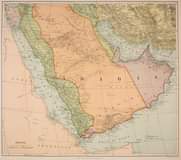
The invasion and the conquest of Makkah was as we have already stated – a decisive battle that utterly destroyed paganism The Arabs as a result of that battle were able to differentiate the truth from falsehood. Delusion no longer existed in their life so they raced to embrace Islam.
“Amr bin Salamah said: “We were at a water spring near a passage used by people. So when camel riders passed by us. We used to ask them: What is the matter with people? What is this man (i.e., the Nabi Pakﷺ like? They would say: He claims that Allâh has revealed such and such. I used to memorize those words as if they had been recited within my chest The Arabs used to leave their Islamization up to the conquest. They would say Leave him alone to face his people. If he were a truthful Nabi Pakﷺ he would overcome them.’ So when the conquest took place. peoples hastened to declare their Islam. My father was the quickest of all my people to embrace Islam. Arriving at his people he said: ‘By Allâh, I have just been with the Nabi Pakﷺ and be said: Perform so-and-so prayer at such a time, and so-and-so prave at such and such time. When the prayer time is due let one of you call for the prayer and appoint the most learned of the Quran among you to be an Imam (leader) of yours.”
This Prophetic tradition manifests the great effect of the conquest of Makkah on the phase of events. It certainly shows the influence of the conquest of Makkah upon the strengthening of Islam as well as on the Arabs’ stand and their surrender to Islam That influence was absolutely confirmed and deeply rooted after the invasion of Tabuk.
A dear and obvious evidence of that influence could be deduced from the great number of delegations arriving in Madinah
successively in the ninth and tenth years of Al-Hijra. The immense crowds of people who raced to embrace the religion of Allâh and the great army which included ten thousand fighters in the invasion of the conquest of Makkah had grown large enough to include thirty thousand fighters sharing in the invasion of Tabuk.
It was only in less than a year after the conquest of Makkah that this growth in Islamic army had taken place. A hundred thousand or a hundred and forty-four thousand Muslim pilgrims shared in Hajjatul-Wada’ (i.e., Farewell Pilgrimage); it was such an enormous number of Muslims surging – as an ocean of men – around Nabi Pakﷺ that the horizon echoed their voices and the expanses of land shook whereby while saying Labbaik (i.e., Lord. here we are worshipping), glorifying and magnifying Allâh, and thanking Him.
Quran ki Roshini mein waseela..

Abu Bakr Radiallahu anhoo performs the Pilgrimage

In the month Dhul-Qa’dah or in Dhul-Hijjah of the the ninth year of Al-Hijra. Allâh’s Messenger ﷺ the sent Abu Bakr Radiallahu anhoo as the deputy of Al-Hajj, to lead the Muslims in the pilgrimage rituals,
Soon after the departure of the Muslims, there came a Revelation from Allâh: the opening passages of Chapter 9 entitled “Repentance (Surat Taubah or Bara’ah) in which ‘freedom from obligation’ is proclaimed from Allâh in regard to those idolatrous tribes who had shown no respect for the treaties which they had entered into with the Prophetﷺ Communication of this news went in line with the Arabian traditions of making public any change relating to declining conventions of blood and fortunes
Hazrat Ali bin Abi Talib Radiallahu anhoo in was deputed to make this declaration. He caught up with Abu Bakr Radiallahu anhoo at Al-‘Arj or Dajnan. Abu Bakr Radiallahu anhoo inquired whether the Prophet had put him in command or he had just been sent to make the announcement. “I have been deputed to make the proclamation only,” replied ‘Hazrat Ali AlaihisSalam. The two Companions then proceeded with the pilgrimage process. Towards the close of the rituals, on the day of the ritual sacrifice. ‘Hazrat Ali Karamulla wajehul kareem stood at Al-Jamrah (a spot at which stones are pelted) and read aloud to the people that gathered around him and declared quittance from covenants with idolaters, and giving them four months’ respite to reconsider their position. As for the other idolaters with whom the believers had a treaty, and they had negated nothing of the Muslims’ rights nor had supported anyone against them, then the terms of the treaty would run valid until its expiration.
Abu Bakr Radiallahu anhoo then sent some Muslims to declare publicly that no disbeliever would after that year perform pilgrimage, nor would anyone be allowed to make the Tawaf (going round) of the Sacred House unclothed.
That proclamation in fact prohibited all aspects of paganism out of Arabia and stated quite clearly that those pre-Islam practices were no longer in operation.”

ज़िक्र तीन तरह का होता है
ज़िक्र तीन तरह का होता है (१) लिसानी (२) कलबी (३) बिलजवारेह। ज़िक्रे लिसानी तस्बीह तकदीस सना वगैरह बयान करना है। खुतबा तौबा इस्तिग्.फार दुआ वगैरह इसमें दाख़िल हैं। ज़िक्रे कलबी अल्लाह तआला की निअ.मतों का याद करना उसकी अज़मत व किब्रियाई और उसके दलाइले कुदरत में गौर करना उलमा का इस्तिम्बाते मसाइल में गौर करना भी इसी में दाखिल है। ज़िक्रे बिलजवारेह, यह है कि आज़ा ताअते इलाही में मशगल हों जैसे हज के लिए सफ़र करना यह ज़िक्र बिलजवारेह में दाखिल है नमाज़ तीनों किस्म के ज़िक्र पर मुश्तमिल है तस्बीह व तकबीर सना व किराअत तो ज़िक्रे लिसानी है और ख.शूअ. व ख. गुज अ, इख़्लास ज़िक्रे कलबी और कियाम रुकूअ, व सुजूद वगैरह का ज़िक्र बिलजवारेह है इब्ने अब्बास रज़ियल्लाहु अन्हुमा ने फरमाया अल्लाह तआला फ़रमाता है तुम ताअत बजा लाकर मुझे याद करो मैं तुम्हें अपनी इमदाद के साथ याद करूंगा सहीहैन की हदीस में है कि अल्लाह तआला फ़रमाता है कि अगर बन्दा मुझे तन्हाई में याद करता है तो मैं भी उसको ऐसे ही याद फ़रमाता हूं और अगर वह मुझे जमाअत में याद करता है तो मैं उसको उससे बेहतर जमाअत में याद करता
 Aal-e-Qutub Aal-e-Syed Abdullah Shah Ghazi