


In this article, Professor Sevim Tekeli, an outstanding scholar in the history of Ottoman science, describes the instruments built by Taqî al-Dîn Ibn Ma’ruf and his team at the Istanbul observatory (was in activity between 1577 and 1580), and points out in particular the close resemblances between them and those used in Western Europe by Tycho Brahe, at the same time, in his observatory at Uraniborg Castle.
by Prof. Sevim Tekeli*
Contents
Introduction
“Astronomical Instruments of Tycho Brahe and Taqi al-Din” by Sevim Tekeli.
Four hundred years ago, an observatory located at Tophane, on the European side of Bosporus, famous as Istanbul Observatory, was founded by Taqî al-Dîn al-Râsid, under the sponsorship of Sultan Murad III (r. 1574-1595).
An unknown author gives the following information about the plan of constructing such an institution in Istanbul:
“Thus during the glorious days of our Great King [Murad III] with the help of the Grand-vizier [Soqullu Muhammad Pasha] the foundation of a new observatory was being organised (…)
“While he [Sa’d al-Dîn] was making the necessary arrangements, suddenly our Master Taqî al-Dîn, who was the greatest scientist on earth, came to Istanbul to enter the felicitous Court of the King. When he was presented to the Emperor and received by him, he was promoted and decorated with a large fief, because he was truly cognizant of sciences. Also the necessary expenses for his work were given from the Imperial treasury. In order to start the work with the help of God, European Castle [Frenk Sarayi] above the great and prosperous buildings of Tophane in Istanbul, God may increase its beautiful buildings, was assigned and the activities were started. To put in verse the quality of the necessary instruments in the Imperial poetry, firstly this text depending on the statements of Taqî al-Dîn, is composed and named Alât al rasâdiya li-zîj-i Shâhin-shâhîya [1].”
It is stated in certain other sources, on the other hand, that it was Taqî al-Dîn who took the initiative in this matter, and that he suggested to Sultan Murad III to found an observatory. Taqî al-Dîn wished to have an observatory founded in Istanbul, and the Grand-vizier Soqullu Muhammad Pasha and Khwaja Sa’d al-Dîn became interested in the matter and supported him. He prepared a report, to present to the Sultan, explaining the necessity of founding a new observatory. In this report Taqî al-Dîn explained that the available astronomical tables had grown outdated and new tables based on fresh observations had to be compiled [2].
In this short article I am going to dwell on only the first part, that is to say the instruments built in this institution.
As a matter of fact, the recent researches showed that this observatory had been accomplished as one of the largest of the observatories built in 16th century, comparable to Tycho Brahe’s Uroniborg observatory (in 16thcentury) as well as Ulug Bey’s Samarqand observatory (in 15th century) and Nâsir al-Dîn Tûsî’s Maragha observatory (in 13th century).
As it is known, the importance of an observatory depends on:
1) the preciseness of its instruments,
2) the importance of the work done in it, and
3) the quality of the astronomers connected with it.
The available sources that give information about the instruments constructed in Taqî Dîn’s observatory are:
1. Alât-i Rasadîya li Zîj-i Shahinshâhîya (Astronomical instruments for the Zij of Emperor) [3];
2. Sidrat Muntahâ al afkâr of Taqî al-Dîn [4];
3. ‘Âlâ al-Dîn al Mansûr’s Poem [5].
Generally, observational instruments in an observatory can be divided into two groups: fixed and portable. In enumerating the instruments, Taqî al-Dîn does not say anything concerning the portable instruments. From the above mentioned documents we lean that the following fixed instruments were built:
1. An armillary sphere (dhât al-halaq) with six rings for the measurement of latitudes and longitudes. The radius of the rings is more then four meters. All the rings are placed on a base called the horizon, and the horizon is placed on six columns, the lower ends of which are attached to another stool like the horizon. This form of base is generally used in 16th century in Europe (see Figures 1 a-b).
 |
 |
|
Figure 1a: Armillary sphere (dhât al-halaq) of Taqî al-Dîn. Source: Istanbul Topkapi Library, Hazine 452, f. 89 [6]. |
Figure 1b: Armillary sphere of Tycho Brahe. (Source). |
2. A mural quadrant (Libna) for the observations of the declinations of the sun and the stars. It is said that Taqî al-Dîn preferred the above mentioned quadrant instead of the suds-i Fakhrî [7] and two rings used by the previous astronomers. It is two brass quadrants with a radius of six meters placed on a wall and erected on the meridian (see Figures 2 a-b).
 |
 |
|
Figure 2a: Mural quadrant (libna) of Taqî al-Dîn. Source: Istanbul Topkapi Library, Hazine 452, f. 9a. |
Figure 2b: Mural quadrant of Tycho Brahe. (Source). |
3. An azimuthal semicircle (dhât al-samt wa-‘l-irtifâ’) for the measurement of the altitudes and the azimuths of the stars. This instrument composed of a copper ring representing the horizon and a semi circle perpendicular to the horizon (see Figures 3 a-b).
 |
 |
|
Figure 3a: Azimuthal semicircle (dhât al-samt wa-‘l-irtifâ’) of Taqî al-Dîn. Source: Istanbul Topkapi Library, Hazine 452, f. 10a. |
Figure 3b: Azimuthal semicircle of Tycho Brahe. (Source). |
4. Parallactic ruler or triquetrum. Generally the parallax of the moon is observed with this instrument. It is made of three long pieces of wood. The first is perpendicular to the horizon; the second is connected at the head of the first with an axis. The third which has the chord division is nailed near the base (see Figures 4 a-b).
 |
 |
|
Figure 4a: Parallactic instrument of Taqî al-Dîn. Source: Istanbul Topkapi Library, Hazine 452, f. 11ba. |
Figure 4b: Parallactic instrument of Tycho Brahe. (Source). |
5. The wooden quadrant (Rub‘). It is a quarter of a circle made of wooden rulers. The altitudes of -the stars and even their distances to zenith are measured by this instrument (see Figures 5 a-b).
 |
 |
|
Figure 5a: Wooden quadrant of Taqî al-Dîn. |
Figure 5b: Wooden quadrant of Tycho Brahe. (Source). |
6. Dioptra (dhât al-thuqbatayn), generally called the instrument with two holes for the measurement of the apparent diameters of the heavenly bodies and eclipses (see Figure 6).
 |
|
Figure 6: Diopra (dhât al-thuqbatayn). |
7. The instrument with cords (dhât al-awtâr) for the determination of equinoxes. This instrument is composed of a rectangular base, the side of which is equal to the radius and the sine of the latitude and two columns equal to the latitude and erected on the base. A string is stretched. With this, the equinoxes of fall and spring are designated (see Figure 7).
 |
|
Figure 7: Instrument with cords (dhât al-awtâr). |
8. Sextant (mushabbaha bi’l manâtiq) used to measure the distances between the stars (Figures 8 a-b).
 |
 |
|
Figure 8a: Sextant (mushabbaha bi’l-manâtiq) of Taqî al-Dîn. Source: Istanbul Topkapi Library, Hazine 452, f. 14b. |
Figure 8b: Sextant of Tycho Brahe. (Source). |
9. Observational clocks (see Figure 9).
 |
|
Figure 9: Observational clock. |
Let us put, for the present, here a point and turn our eyes to Europe. Tycho Brahe built an observatory under the sponsorship of king Frederic II of Denmark in 1576 he equipped this observatory with the best possible instruments of his time, succeeded to become one of the great astronomers of all history by building these refined instruments and making accurate observations and helping the discoveries of Kepler.
The recent researches showed that there is an exact identity between most of the instruments of Tycho Brahe’s and Taqî al-Dîn’s observatories.
I am going to compare the instruments of these observatories in three groups. The first group includes the instruments known and built by earlier astronomers since Ptolemy. They are armillary sphere, triquetrum or parallatic instrument and dioptra. In both observatories they were built as large as possible in order to show the minutes (see Figures 1 a-b).
The second group of instruments includes the instruments discovered later, that is to say in Islam. They are mural quadrant (libna) and azimuthal semicircle (dhât al-samt wa-‘l-irtifâ) (see Figures 2 and 3.)
1. The mural quadrant (libna) is fixed upon a wall erected in the meridian built in both observatories. The radius of Tycho’s instrument was about 2 meters whereas Taqî al-Dîn’s six meters. Tycho’s quadrant was divided by means of transversal points so that five seconds of arc could be read on it [8]. We have no record showing whether Taqî al-Dîn knew the transversal divisions or not. Only we must make a remark that Abd al-Mun’im al ‘Âmilî (16th century), contemporary of Taqî al-Dîn, gives a picture on which the transversal divisions are obvious, in his Kitâb al-ta’lîm âlât-i zîj (see Figures 10 a-b) [9].
 |
 |
|
Figure 10a: Transversal divisions of Al-‘Âmilî. |
Figure 10b: Transversal divisions of Tycho Brahe. |
In the west, the mural quadrant, whose discovery had been the greatest incident in the sixteenth century was built first by Tycho Brahe and called Tychonicus, whereas this was built by Nâsir al-Dîn al Tûsî in Maragha in 13th century (see Figures 2 a-b.)
2. Azimuthal quadrant or azimuthal semicircle, predecessor of theodoilt used to determine altitudes and azimuths are founded in both observatories. In the Islamic world this instrument which was reached its perfection in Nâsir al-Dîn al Tûsî, was used since Ibn Sinâ (d. 1037) (see Figures 3, 11, 12) [10].
 |
 |
|
Figure 11: Azimuthal quadrant of Nâsir al-Din Tûsî. |
Figure 12: Azimuthal Instrument of Ibn Sînâ. |
Small and portable quadrants, made of wood were in use in medieval times, but large and fixed ones are used later. Taqî al-Dîn and Tycho Brahe built wooden quadrants. The radius of Taqî al-Dîn’s was 4.5 meters, whereas Tycho’s was 5.5 meters (see Figures 5 a-b).
It is known that the right ascensions of the stars can be measured by taking the sidereal time elapsed between the sun or the stars. This needed very accurate clocks. When Burgi (1552-1632) was appointed the clock maker of Landgraf William IV of Hesse, the clocks were not available for this purpose. At last, he succeeded in making such a clock. Landgraf William IV of Hesse, writing to Tycho Brahe on April 14th 1586, says: “Recently the accurate longitude of Orion, Canis Minor and Major have been observed by Burgi’s clocks indicating minutes and seconds, with such accuracy that between two culminations they deviate less than one minute [11].” Tycho Brahe in his Astronomiae Instauratae Mechanica says the following, while mentioning his mural quadrant: “In order that the time of observation, and the very moment of transit over the meridian, may also be noted, the clocks mentioned are constructed in such a way that they give not only the single minutes, but also the seconds with the greatest possible accuracy, and imitating the uniform rotation of the heavens [12].”
The third group of instruments includes contemporary discoveries. Tycho Brahe and Taqî al-Dîn were not satisfied with the instruments of the previous astronomers. They made new discoveries. These are the sextant, the wooden quadrant and the astronomical clock.
Taqî al-Dîn’s mushabbaha bi’l manâtiq and Tycho Brahe’s sextant should be considered among the great achievements of the 16th century. Mushabbaha bi’l manâtiq is composed of three rulers. Two of them are attached as the rulers of the triquetrum. An arc is attached at the end of one of the rulers. This instrument is used to determine the distances between the stars [13].
In Astronomiae instauratas Mechanica, Tycho Brahe says: “I now come to the explanation of the astronomical sextant, since this is particularly suited for the determination of distances in the sky between the stars. For, having found the experience of many years that the astronomical radius by no means sufficed for the solution of the problem with reasonable certainty and accuracy, I devised, driven by necessity, some sextants of different forms which solved this problem accurately and without uncertainty” [14] (see Figures 8 a-b).
Taqî al-Dîn also made and used an observational clock. The following is said in The Astronomical Instruments for the Emperor’s Table: “The ninth instrument is an astronomical clock. The following statement recorded from Ptolemy, I could have freedom of action if I was able to measure the time precisely. Now our master Taqî al-Dîn planned the astronomical clock [15].” Thus he was able to do what Ptolemy had failed. In addition to that, in Sidrat al Muntahâ, he says: “We constructed a mechanical clock with three dials which shows the hours, the degrees and the minutes. We divided each minute into five seconds [16].”
Despite the resemblance and the parallelism between these two observatories, we can say that, in respect of the quantity of the instruments of Tycho Brahe’s observatory, it was clearly superior to Taqî al-Dîn’s. We can say that with Tycho Brahe Europe not only reached but also surpassed Islam in the field of constructing observational instruments.
End Notes
[1] Sevim Tekeli, “Mechul Bir Yazarin Istanbul Rasathanesinin Aletlerinin Tasvirini Veren “Alât-i Rasadiye Li Zic-i Sehinsahiye” Adli Makalesi”, Arastirma, vol. I, p. 91.
[2] Nawîzâda ibn Yahyâ Âtâî, Dhayl al-Shaqâ’iq , vol. I, 1268 H, p. 268.
[3] S. Tekeli, “Mechul Bir yazarin”, Arastirma, vol. I, op. cit., pp. 71-122.
[4] Sevim Tekeli, “Takiyuddin’in Sidret ul-Munteha’sinda Aletler Bahsi”, Belleten, vol. 25. p. 213-38.
[5] Aydin Sayili, “Alâ al-din al Mansur’s Poems on the Istanbul Observatory”, Belleten, vol. 20, 1956.
[6] Images of all the instruments of Istanbul observatory ca be found in the article published by Sevim in the proceedings of The International Symposium on the Observatories in Islam (Istanbul, 1980), on pp. 39-44 (the Chief Editor).
[7] Abû Mahmûd Hâmîd ibn al Khidr al Khujandi (10th century) constructed an instrument, made of an arc of a sixty-degree of the meridian, and called it al-Suds al-Fakhri, for the measurement of the obliquity of the ecliptic. It has a radius of about twenty meters, and surpassed all previous ones in size. This arc is placed on a wall, erected on the meridian. Sevim Tekeli, “Nasiruddin, Takiyuddin ve Tycho Brahe’nin Rasat Aletlerinin mukayesesi”, Ankara Universitesi, Dil ve Tarih-Cografya Fakultesi Dergisi, vol. 16, No. 34, p. 319.
[8] Tycho Brahe, Description of His Instruments and Scientific Work: Astronomiae Instauratae Mechanical, edited and translated by H. Raeder, E. Stromgen, and E. Stromgen, Copenhagen: Munksgaard,1946, pp. 28-31.
[9] British Museum, Pers. Add. 7702, p. 4b.
[10] Sevim Tekeli, Nasiruddin, Takiyuddin ve Tycho Brahe’nin Rasat Aletlerinin, op. cit., pp. 328-329.
[11] Sevim Tekeli, 16’inci Asirda Osmanlilarda Saat ve Takiyuddin’in “Mekanik Saat Konstruksuyonuna Dair En Parlak Yildizlar” adli Eseri. (The Clocks in Ottoman Empire in 16th Century and Taqî al-Dîn’s” The Brightest Stars for the Construction of the Mechanical Clocks”. Ankara 1966, pp. 8-9.
[12] Tycho Brahe, Description of His Instruments and Scientific Work: Astronomiae Instauratae Mechanical, op. cit., pp. 29-30.
[13] Sevim Tekeli, “Takiyuddin’in Sidret ul Muntehasinda”, op. cit, p. 224.
[14] Tycho Brahe, Description, op. cit., p. 73.
[15] Sevim Tekeli, Mechul bir Yazarin, op. cit., p. 97.
[16] Sevim Tekeli, “Takiyuddin’in Sidret ul Muntehasinda, op. cit., p. 226.
* Emeritus Professor, Ankara University, Ankara, Turkey. See: Professor Sevim Tekeli: A Short Autobiography.
This article was first published in the proceedings of “The International Symposium on the Observatories in Islam (19-23 September 1977).” Edited by Muammer Dizer. Istanbul: Milli Egitim Basimevi, 1980, pp. 33-43. We thank Professor Sevim Tekeli and Professor Muammer Dizer for permitting us to reproduce it for the benefit of our readers.


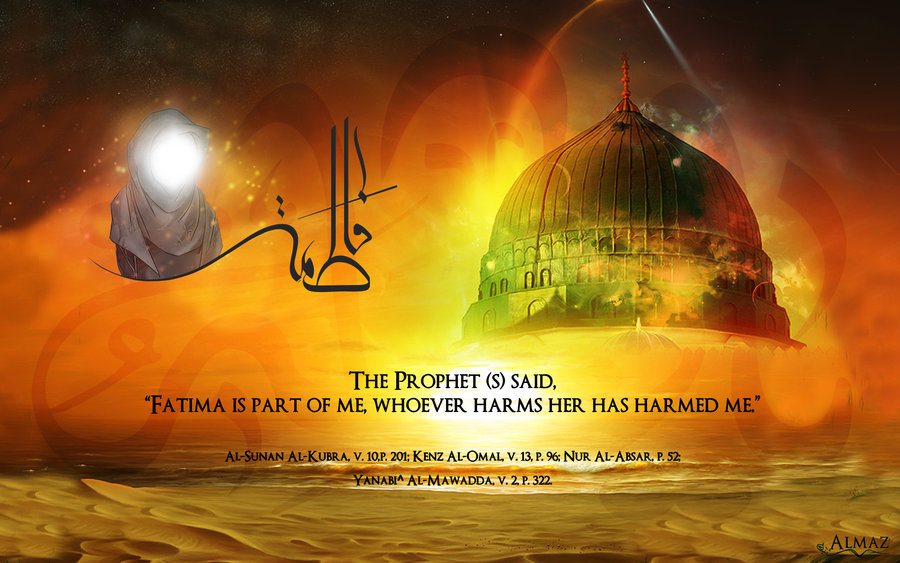

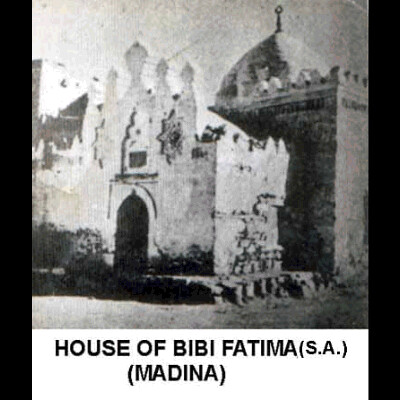
हुज़ूर पुर नूर सरवरे कायनात सल्लल्लाहो अलैहे वसल्लम कि शहज़ादियों मे सबसे छोटी शहज़ादी का इस्म मुबारक हज़रत सैय्यदा फ़ातिमा और कुन्नियत उम्मे मोहम्मद है! हमारे आक़ा रसूले अकरम सल्लल्लाहो अलैहे वसल्लम कि ये वोह शहज़ादी है की जिनपर तमाम मकारिम एख़लाक और औसाफ़े फ़ज़ाएल खत्म थे! या यूँ कहा जा सकता है कि ताजदारे अम्बिया सल्लल्लाहो अलैहे वसल्लम कि सीरते तय्यबा का एक बेहतरीन नमूना का दूसरा नाम “फ़ातिमा ज़हरा” था!
आपके अलक़ाबात मे सैय्यदुन्निसा, ज़हरा, तय्यबा, ताहिरा, मुत्तहरह, ज़ाकिया, राज़िया, मरज़िया, आबिदह, ज़ाहेदा, और बतूल मशहूर और निहायत मक़बूल अलक़ाबात है!
अल्लामा इब्ने हज्र अलैरहमा शरह क़सीदा हम्ज़िया मे फ़ातिमा, बतूल, ज़हरा, की वजह तस्मिया यूँ बयान करते है कि—फ़ातिमा इस वजह से कि अल्लाह तबारको तआला ने आप रज़िअल्लाह तआला अन्हा से मोहब्बत रखने वालो को आतिशे दोज़ख से महफ़ूज़ फ़रमाया, बतूल इसलिये कि आप ज़माने भर की औरतों मे मुम्ताज़ और साहिबे फ़ज़ीलत हैं, ज़हरा इसलिये कि अल्लाह तबारको तआला ने आपको हैज़ से महफ़ूज़ और मामून रखा!
विलादत बासआदत- आप रज़िअल्लाह ताला अन्हा कि विलादत ऐलाने नबूवत से पांच साल क़ब्ल हुई! ये वोह ज़माना था कि कुरैश ख़ाना काबा के तामीर में मश्ग़ूल थे, इस वक्त रसूले करीम सल्लल्लाहो अलैहे वसल्लम की उम्र शरीफ़ा चौतीस बरस की थी! हज़रत फ़ातिमा ज़हरा रज़िअल्लाह तआला अन्हा ने भी अपनी वालिदा माजिदा सैय्यदा तय्यबा ताहिरा ख़दीजा कुबरा रज़िअल्लाअह तआला अन्हा और हमशीराने ज़ीवक़ार के साथ ही रसूले अकरम सल्लल्लाहो अलैहे वसल्लम के दस्ते हक़ पर बैते इस्लाम का शर्फ़ हासिल किया –
फ़ज़ाएल व मुनाक़िब- हज़रत सैय्यदा फ़ातिमा ज़हरा रज़िअल्लाह तआला अन्हा के फ़ज़ाएल व मुनाक़िब बेशुमार है और आप फ़ज़्लो करामत के उस बुलंदी पर फ़ाऐज़ है कि उसके र्गदे राह को पाना भी हर किसी के बस का रोग नही, इस ऐतराफ़े हक़ीक़त के साथ ये बन्दा नाचीज़ं (मुसन्निफ) जनाब सैय्यदा फ़ातिमा ज़हरा रज़िअल्लाह तआला अन्हा के कुछ फ़ज़ाएल व मुनाक़िब कितब सीर व हदीस से नक़्ल करने का शर्फ़ हासिल कर रहा है, और रब्बे करीम गफूरुरहीम से इस नाचीज़ कि यही दुआ है की वोह इसके इसी अमल को बख़्शिश का बहाना बना दे आमीन! हूज़ूर पुर नूर सल्लल्लाहो अलैहे वसल्लम ने फरमाया, “कोई शख्स उस वक़्त तक कामिल मोमिन नही होता, जब तक मै उसको उसकी जान से ज़्यादा प्यारा न हो जाऊँ और मेरी ज़ात सब मख़लूक से ज़्यादा पसंदीदा और महबूब न हो जाये” और फरमाया जो मुझसे तवस्सुल की तमन्ना रखता हो और वोह चाहता हो कि क़यामत के दिन उसे मेरी शफ़ाअत नसीब हो, उसे चाहिये कि वो मेरी अहले बैत की न्याज़मंदी करे उनको ख़ुश रखे (बहयक़ी,देल्मी) और फिर फ़रमाया –जो मेरे इन अहले बैत से लड़ाई करेगा मै उससे लड़ूंगा और जो इनसे सुलह करेगा मै उससे सुलह करूंगा! (तिरमज़ी,इब्ने माजा,हबान,हाकिम)
फ़िर फ़रमाया फ़ातिमा मेरा जुज़ है, जो इन्हे नागवार होगा, वोह मुझे भी नागवार है, जो इन्हे पसन्द होगा वोह मुझे भी पसन्द होगा याद रखो क़यामत के दिन मेरे नसब, हसब, और रिश्तेदारी के सिवा बाक़ी तमाम लोगों के नसब बेफ़ाएदा हो जाएंगे! (रवाह,अहमद,हाकिम) अल्लाह तआला ने हुज़ूर सैय्यदे आलम रसूले अकरम सल्लल्लाहो अलैहे वसल्लम की शहज़ादियों को जो इज़्ज़त व रिफ़अत अता फ़रमाई है वोह इन्ही का हिस्सा है!
हज़रत हुज़ैफ़ा रज़िअल्लाह तआला अन्हु से मरवी है कि रसूल अल्लाह सल्लल्लाहो अलैहे वसल्लम ने इरशाद फ़रमाया – बेशक मेरे पास एक फ़रिश्ता आया जो आज रात से पहले कभी ज़मीन पर नही उतरा, उसने अल्लाह तआला से इजाज़त मांगी कि वोह मुझको सलाम करे ,और खुशख़बरी दे कि फ़ातिमा जन्नती औरतो की सरदार है और हसन व हुसैन नौजवानाने जन्नत के सरदार है! (रवाहुल,तिरमज़ी)
इब्ने उमैर बयान फ़रमाते है कि मै अपनी फूफी साहेबा के साथ हज़रत सैय्यदा आएशा सिद्दीक़ा रज़िअल्लाह ताला अन्हा के खिदमत अक़दस मे हाज़िर हुआ, मैने उम्मुल मोमिनीन से अर्ज़ किया कि फ़रमाईये के रसूल अल्लाह सल्लल्लाहो अलैहे वसल्लम सब इन्सानो मे से ज़्यादा किससे मोहब्बत फ़रमाते है , तो उन्होने फ़रमाया फ़ातिमा से, मैने अर्ज़ किया कि मर्दो मे महबूब कौन था, फ़रमाया के उनके शौहर अली रज़िअल्लाह ताला अन्हु! (तिरमज़ी शरीफ़)
मरवी है कि एक मर्तबा रसूल अल्लाह सल्लल्लाहो अलैहे वसल्लम ने ज़मीन पर चार ख़त खीचे और फ़रमाया, तुम जानते हो ये क्या है? सबने अर्ज़ किया कि अल्लाह तआला और उसका रसूल ज़्यादा वाक़िफ़ है, तो फ़रमाया फ़ातिमा बिंत मोहम्मद, खदीजा बिंत खुवैलद, मरियम बिंत इमरान, और आसिया बिंत मज़ाहिम (ज़ौजा फ़िरऔन) इन औरतों को जन्नत की सब औरतों पर फ़ज़िलत हासिल है! (अलइस्तेयाब)
सैय्यदा आएशा सिद्दीक़ा रज़िअल्लाह तआला अन्हा से मरवी है कि एक दिन हुज़ूर पुर नूर सल्लल्लाहो अलैहे वसल्लम तशरीफ़ फ़र्मा थे कि इतने मे हज़रत हसन रज़िअल्लाह तआला अन्हु आए तो आप सल्लल्लाहो अलैहे वसल्लम ने इन्हे अपने चादर मुबारक मे छुपा लिया, फिर हज़रत हुसैन रज़िअल्लाह तआला अन्हु आए तो इनको भी चादर मे दाखिल कर लिया फिर हज़रत फ़ातिमा रज़िअल्लाह तआला अन्हा आईं तो इन्हे भी चादर मे दाख़िल कर लिया फिर हज़रत अली रज़िअल्लाह तआला अन्हु आएँ तो इनको भी चादर मे दाख़िल कर लिया और ये आऐते करीमा पढ़ी إِنَّمَا يُرِيدُ اللَّهُ لِيُذْهِبَ عَنْكُمُ الرِّجْسَ أَهْلَ الْبَيْتِ وَيُطَهِّرَكُمْ تَطْهِيرًا
इसमे शक नही कि अल्लाह तआला चाहता है की तुम से नापाकी दूर फ़रमादे (ऐ मेरे अहले बैत) तुमको ख़ूब ख़ूब पाक और सुथरा बना दे! (सही मुस्लिम शरीफ़)
जब रसूले करीम सल्लल्लाहो अलैहे वसल्लम किसी सफ़र या जंग से वापस आते तो सबसे पहले मस्जिद तशरीफ़ ले जाते और दो रिकअत नमाज़ अदा फ़रमाते, फिर हज़रत सैय्यदा फ़ातिमा ज़हरा रज़िअल्लाह तआला अन्हा के घर तशरीफ़ ले जाते, फिर उम्माहातुल मोमिनीन के हुजराते मुबारक मे जलवाअफ़रोज़ होते!
हज़रत सैय्यदा फ़ातिमा ज़हरा रज़िअल्लाह तआला अन्हा हर अन्दाज़ मे, मसलन खाने पीने बोल चाल गर्ज़ के हर काम मे रसूल अल्लाह सल्लल्लाहो अलैहे वसल्लम की पूरी पूरी तक़लीद फ़रमाती थीं!
हज़रत आएशा रज़िअल्लाह तआला अन्हा फ़रमाती हैं कि मैने फ़ातिमा रज़िअल्लाह तआला अन्हा से ज़्यादा हुज़ूर सल्लल्लाहो अलैहे वसल्लम से मुशाबहे किसी को नही देखा, जब हज़रत सैय्यदा फ़ातिमा रज़िअल्लाह तआला अन्हा अपने वालिद ज़ीवक़ार के ख़िदमत मे हाज़िर होंती तो अल्लाह तआला के रसूल मक़बूल सल्लल्लाहो अलैहे वसल्लम खड़े हो जाते और अपनी लख़्ते जिगर कि पेशानी को चूमते और उनको अपनी जगह पर बैठा देते, और यही तरीक़ा और अमल हज़रत ज़हरा रज़िअल्लाह तआला अन्हा का भी था! (अल-इस्तेयाब अबु दाऊद)
हज़रत तय्यबा ताहिरा सैय्यदा फ़तिमा ज़हरा रज़िअल्लाह तआला अन्हा की मुबारक ज़िन्दगी का तमाम तर हिस्सा ज़ोहदो कनाअत पर बसर हुआ, सब्र तहाम्मुल, ज़ोहदो बुर्दबारी दुनयावी परेशानी और तकलीफ़ हस्ते हस्ते बर्दाश्त कर लेना आपको अपने वालिदे ज़ीशान से विरासत मे मिला था!
आप सैय्यदा रज़िअल्लाह ताला अन्हा खुद ही अपने घर का सारा काम काज सर-अन्जाम देती, चक्की पीसना, कपड़े धोना, घर मे झाड़ू देना, बच्चो को सभांलना खाना तैयार करना, पानी भरना ये सब फ़राएज़ ख़ानगी मे शामिल था!
फ़तूहात की क़सरत थी, रब्बे कायनात कि अता से रसूले रहमत सल्लल्लाहो अलैहे वसल्लम माल और ज़र के खज़ाने लुटा रहे थे, मगर इसमे अहले बैत नबवी के लिये कुछ भी नही था, अगर कभी इस बारे मे अर्ज़ किया भी तो रसूले करीम रऊफ़ुर्रहीम सल्लल्लाहो अलैहे वसल्लम किसी दूसरे तरीक़े से तसकीन व तशफ़्फ़ी फ़रमा देते, कभी वाज़ो नसीहत फ़रमाते हुए दुनिया के बेसबाती का ज़िक्र कर के कोई वज़ीफ़ा इरशाद फ़रमा देते!
अइम्मा हदीस फ़रमाते है कि चक्की पीस पीस कर जनाबे सैय्यदा रज़िअल्लाह तआला अन्हा के नरम व नाज़ुक हाथों पर छाले और गडढे पड़ गये थे, चूल्हा फूकते फूकते रुख़े ज़ेबा मुत्ग़ैयर हो जाते, धुँए से आँखे सुर्ख़ हो जाती थी एक दिन हज़रत अली रज़िअल्लाह तआला अन्हु ने फ़रमाया ऐ फ़ातिमा आज कल दरबारे नबवी मे बहुत से क़ैदी आए हुए है, और आप सल्लल्लाहो अलैहे वसल्लम ग़ुलाम और कनीज़ तक़सीम फ़रमा रहे है, तुम भी जाओ एक ख़ादिम या ख़ादमा मांगलो, हज़रत अली रज़िअल्लाह तआला अन्हु के हुक्म पर जनाब सैय्यदा ख़ैरुन्निसा रज़िअल्लाह तआला अन्हा दरबारे अक़दस मे हाज़िरे खिदमत हुई, हुज़ूर सल्लल्लाहो अलैहे वसल्लम ने अपने लख़्ते जिगर से आने का सबब पूछा, तो आपने फ़रमाया के बस ज़ियारत और सलाम के लिये हाज़िर हुई हूँ, शर्म और हया के सबब असल मक़सद न बयान कर सकी, ऐसे ही ख़ाली हाथ वापस लौट आईं और हज़रत अली रज़िअल्लाह तआला अन्हु से सारा हाल बयान कर दिया, फिर दोनो मिया बीवी बारगाहे अक़दस मे हाज़िर हुए, और हज़रत अली रज़िअल्लाह तआला अन्हु ने अर्ज़ किया, या रसूलअल्लाह सल्लल्लाहो अलैहे वसल्लम पानी भर भर कर सीना दर्द करने लगा है, हज़रत फ़ातिमा रज़िअल्लाह तआला अन्हा ने भी अर्ज़ किया, चक्की पीसते पीसते हाथों पर छाले पड़ गये है, हुज़ूर के बारगाह मे बहुत से क़ैदी आए हुए है, करम फ़रमाईये कि इनमे से कोई हमे भी अता कर दीजिये, हुज़ूर सल्लल्लाहो अलैहे वसल्लम ने फ़रमाया अल्लाह तआला की क़सम मै तुम्हे कोई ख़ादिम नही दूंगा, क्या मै अहले सुफ़्फ़ह के हक़ को छोड़दूं और उनको भूल जांऊ? जो फ़करो फ़ाक़ा के वजह से एक एक रोटी को मोहताज हैं, मेरे पास कोई चीज़ नही जो इन पर सर्फ़ करुँ और उनकी इमदाद करुँ, सिवाए इन ग़ुलामों के, मै इनको फ़रोख़्त करके इनकी क़ीमत से असहाबे सुफ़्फ़ह की ज़रुरियात को पूरा करुँगा!
जब ये दोनो मिया बीवी, सब्र शुक्र अदा करके वहां से लौट आएं तो ख़ुद रसूले करीम हुज़ूर सल्लल्लाहो अलैहे वसल्लम उनके काशान-ए-मुक़द्दस मे तशरीफ़ लायें और फ़रमाया कि तुम दोनो जो कुछ भी मेरे पास लेने गए थे क्या मै उससे आला चीज़ तुम्हे ना दे दूँ, उन्होंने अर्ज़ किया ज़रूर इरशाद फ़रमाएँ, तो आप हुज़ूर सल्लल्लाहो अलैहे वसल्लम ने फ़रमाया, हर नमाज़ के बाद दस बार सुबहानअल्लाह, वलहम्दुलिल्लाह, वल्लाह हूअकबर पढ़ा करो और सोते वक़्त सुबहानअल्लाह तैंतीस बार, अलहम्दुलिल्लाह तैंतीस बार, और अल्लाह हूअकबर चौतीस बार पढ़ लिया करो यही तुम्हारे लिये बेहतरीन ख़ादिम है, इस वज़ीफ़े को पाकर मलिकाए ख़ुल्देबरी शहज़ादिये हूरो परी, मख़्दूमाए हिम्मतो जरी, सैय्यदा, आबिदा, ज़ाहिदा, तय्यबा, ताहिरा, फ़ातिमा ज़हरा रज़िअल्लाह तआला अन्हा और उनके शौहर मौलाए कायनात हज़रत अली रज़िअल्लाह तआला अन्हु ग़ाएत दर्जा ख़ुश हो गए और शुक्र बजा लाएँ!
सैय्यदना इमाम हसन रज़िअल्लाह तआला अन्हु ने फ़रमाया कि मैने अपनी वालिदा मोहतरमा को देखा कि वोह घर की मस्जिद मे मशग़ूले नमाज़ रहती यहाँ तक की सुबह हो जाती, मैने उन्हे हमेशा मुसलमानों के हक़ मे बहुत ज़्यादा दुआएँ करते हुए सुना है, उन्होंने अपने ज़ात के लिये कोई दुआ न मांगी, मैने अर्ज़ किया कि ऐ मादरे मेहरबान क्या वजह है की आप अपने लिये कोई दुआ नही मांगती, तो इरशाद फ़रमाया ऐ मेरे लाडले बेटे पहले हमसाया फिर अपना घर! (मदारिजिन्नबूवत)
निकाह मुबारक– जब रसूले रहमत सल्लल्लाहो अलैहे वसल्लम मदीना मुनव्वरा मे जलवागर हुए तो कई सहाबाकिराम ने रसूले करीम सल्लल्लाहो अलैहे वसल्लम से शर्फ़े निसबत हासिल करने के लिये जनाब सैय्यदा कि ख़्वास्तगारी की मगर रसूल सल्लल्लाहो अलैहे वसल्लम ने उनको यही जवाब दिया कि अभी अल्लाह तआला के हुक्म का इन्तिज़ार है! एक बार हज़रत अबु बक्र सिद्दीक़ रज़िअल्लाह तआला अन्हु और हज़रत उमर फ़ारूक़ रज़िअल्लाह तआला अन्हु हज़रत अली करमअल्लाह तआला वजहुल करीम के पास तशरीफ़ ले गएँ, जबकी आप बाग़ को पानी दे रहे थे, इन दोनो हज़रात ने आप रज़िअल्लाह तआला अन्हु को सैय्यदा फ़ातिमा ज़हरा रज़िअल्लाह तआला अन्हा कि ख़्वास्तगारी की तरग़ीब दी, हज़रत अली रज़िअल्लाह तआला अन्हु ने अपने बेसरोसामानी का ज़िक्र किया, तो इन दोनो दोस्तो ने इसरार किया कि ऐ अली तुम ज़रूर जाओ मालूम होता है कि हुज़ूर नबी करीम सल्लल्लाहो अलैहे वसल्लम ने हज़रत फ़ातिमा ज़हरा रज़िअल्लाह तआला अन्हा को आपके लिये ख़ासकर रखा है! चुनाँचे इस तरग़ीब पर हज़रत अली रज़िअल्लाह तआला अन्हु बारगाहे रिसालतमाब मे हाज़िर हुए, मगर शर्म कि वजह से कुछ कह नही पाएँ हमारे आक़ा व मौला दोआलम के मुख़्तार रसूलअल्लाह सल्लल्लाहो अलैहे वसल्लम निगाहे नबूवत से हज़रत अली रज़िअल्लाह तआला अन्हु के मंशा को समझ गयें और फ़रमाया ”ऐ अली क्या कहना चाहते हो, हज़रत अली रज़िअल्लाह तआला अन्हु ने अस्ल मक़सद अयाँ किया, तो रसूलअल्लाह सल्लल्लाहो अलैहे वसल्लम बहुत मसरूर हुए और इरशाद फ़रमाया कि ऐ अली अल्लाह तआला ने आसमानो पर तुम्हारा निकाह फ़ातिमा से फ़रमाया है, फिर फ़रमाया तुम्हारे पास हक़ महर के लिये क्या है तो हज़रत अली रज़िअल्लाह तआला अन्हु ने अर्ज़ किया कि एक ऊँट, एक तलवार और एक ज़िरह, तो सरकार दो आलम सल्लल्लाहो अलैहे वसल्लम ने ज़िरह फ़रोख़्त करने का हुक्म दिया, चुनाँचे हज़रत अली रज़िअल्लाह तआला अन्हु ने ज़िरह फ़रोख़्त करके रक़म बारगाहे अक़दस मे पेश कर दिया, हुज़ूर सल्लल्लाहो अलैहे वसल्लम ने उस रक़म से एक मुठ्ठी भरकर हज़रत बिलाल रज़िअल्लाहु अन्हु को दे दिया कि सैय्यदा फ़ातिमा रज़िअल्लाह ताला अन्हा के लिये इत्र और खुश्बू ले आएँ, दो मुठ्ठी भरकर हज़रत अबु बक्र रज़िअल्लाह तआला अन्हु को दिया और फ़रमाया कि घरेलू सामान ख़रीद लाओ, फिर हज़रत अम्मार बिन यासिर रज़िअल्लाह तआला अन्हु और जमाते सहाबा को बाज़ार भेजा, बहुक्म रसूल अल्लाह सल्लल्लाहो अलैहे वसल्लम जो कोई कुछ भी ख़रीदता था तो हज़रत अबु बक्र रज़िअल्लाह तआला अन्हु के मशवरह से ख़रीदता था, चुनाँचे एक पैरहन सात दरहम मे एक मकनह चार दरहम मे एक चादर सियाह मिस्री, एक कुर्सी, दो अदद तोशक, चार तकिये कि जिनमे अज़खर घास भरे हुए थे, एक पर्दा पश्म और बोरियाए सहरी, एक डोल चमड़े का, एक प्याला लकड़ी का, एक मशक़ीज़ा पानी के लिये, एक अफ़्ताबा रोग़नी, और मिट्टी के प्याले ख़रीदे गएँ जब सहाबाकिराम ने ये सामान बारगाहे अक़दस मे पेश किया, तो रसूलअल्लाह सल्लल्लाहो अलैहे वसल्लम ने एक एक चीज़ को दस्ते मुबारक मे लेकर मुलाहिज़ फ़रमाया और पसन्द फ़रमाया और अपने अहले बैत के लिये ख़ैरो बरकत की दुआ फ़रमाई कि ऐ अल्लाह तआला इस गिरोह को बरकत अता फ़रमा कि जिनके बरतन ज़्यादा तर मिट्टी के है-
हज़रत सैय्यदा फ़ातिमा रज़िअल्लाह तआला अन्हा का निकाह बद्र से वापसी पर हुआ और माहे ज़ुलहिज्जा मे रुखसती हुई, और आपकी उम्र मुबारक पंद्रह साल साढ़े पाँच माह तहरीर है और हज़रत अली रज़िअल्लाह तआला अन्हु कि उम्र शरीफ़ इक्कीस साल की थी!
मन्क़ूल है कि चार लोग दुनिया मे सबसे ज़्यादा रोए है, एक हज़रत आदम अलैहिस्सलाम ख़ता सरज़द होने के सबब, दूसरे हज़रत याक़ूब अलैहिस्सलाम हज़रत यूसुफ़ अलैहिस्सलाम के जुदाई के बाद, तीसरी हज़रत फ़ातिमा ज़हरा रज़िअल्लाह तआला अन्हा अपने वालिदे ज़ीशान सैय्यदुल कौनैन सल्लल्लाहो अलैहे वसल्लम के विसाल मुबारक के बाद और चौथे हज़रत ज़ैनुल आबिदीन रज़िअल्लाह तआला अन्हु वाक़याए करबला के बाद!
हज़रत सैय्यदा आएशा सिद्दिक़ा रज़िअल्लाह तआला अन्हा फ़रमाती है कि जनाब सैय्यदा फ़ातिमा रज़िअल्लाह तआला अन्हा अपने वालिद माजिद के विसाल के बाद कभी हंसती हुई नज़र नही आईं और यही वजह आपका विसाल हुज़ूर पुर नूर सल्लल्लाहो अलैहे वसल्लम के विसाल मुबारक के तक़रीबन छ: माह बाद ही हो गया!
हज़रत अनस रज़िअल्लाह तआला अन्हु से मरवी है कि वोह हुज़ूर नबी अकरम सल्लल्लाहो अलैहे वसल्लम के तजवीज़ व तकफ़ीम से फ़ारिग़ हो कर सहाबाकिराम जनाब सैय्यदा रज़िअल्लाह तआला अन्हा को तसल्ली व तशफ़्फ़ी देने लगे तो उन्होने हज़रत अनस रज़िअल्लाह तआला अन्हु से पूछा, क्या तुम रसूलअल्लाह सल्लल्लाहो अलैहे वसल्लम को दफ़्न कर आए हो? आपने फ़रमाया जी हाँ दफ़्न कर आए हैं, तो जनाब सैय्यदा ने आह भरकर कहा, तुम्हारे दिलों ने ये कैसे गवारा किया कि तुमने मनो ख़ाक के नीचे आप सल्लल्लाहो अलैहे वसल्लम को दफ़्न कर दिया (असदुल ग़ाब)
सैय्यदा उम्मे सलमा रज़िअल्लाह तआला अन्हा फ़रमाती है की जब वफ़ाते सैय्यदा का वक़्त क़रीब हुआ तो सैय्यदना अली रज़िअल्लाह तआला अन्हु घर पर नही थे, हज़रत फ़ातिमा रज़िअल्लाह तआला अन्हा ने मुझे हुक्म फ़रमया कि पानी का इंतेज़ाम करो, मै ग़ुस्ल करूंगी, मैंने उनके हुक्म कि तामील की और पानी का इंतेज़ाम कर दिया तो सैय्यदा रज़िअल्लाह तआला अन्हा ने ख़ूब अच्छी तरह ग़ुस्ल बनाया फिर साफ़ सुथरे कपडे ज़ेबतन फ़रमाया और उसके बाद बिस्तर पर क़िब्ला रुख़ होकर लेट गईं और मुझे फ़रमाया,
अब मुफ़ारक़त का वक़्त क़रीब है, मै गुस्ल कर चुकि हूँ इसलिए दोबारा ग़ुस्ल देने की ज़रूरत नही और नाही मेरा जिस्म खोला जाए, चुनांचे इसके बाद आप रज़िअल्लाह तआला अन्हा का विसाल हो गया, जब हज़रत अली रज़िअल्लाह तआला अन्हु तशरीफ़ लाए, तो मैने सारा वाक़या सुना दिया, उन्होंने उसी ग़ुस्ल पर इक्तेफ़ा किया और नमाज़ जनाज़ा के बाद उन्हे दफ़्न कर दिया! (तब्क़ात असाबा)

मज़ार मुबारक शहज़ादी-ए-आलमीन जनाब सैय्यदा फ़ातिमा रज़िअल्लाह तआला अन्हु (जन्नतुल बक़िया शरीफ़)
आपकी नमाज़े जनाज़ा हज़रत अली रज़िअल्लाह तआला अन्हु ने पढ़ाई और लहद मुबारक मे भी हज़रत अली रज़िअल्लाह तआला अन्हु उतरे, इसके बाद तजहीज़ व तकफ़ीन के मराहिल से फ़ारिग़ होकर हज़रत अली रज़िअल्लाह तआला अन्हु घर आएँ तो निहायत ग़म ज़दा थे शदीद परेशानी और हालते ग़म मे आपने चंद अशआर कहे जिसके माईने ये हैं-
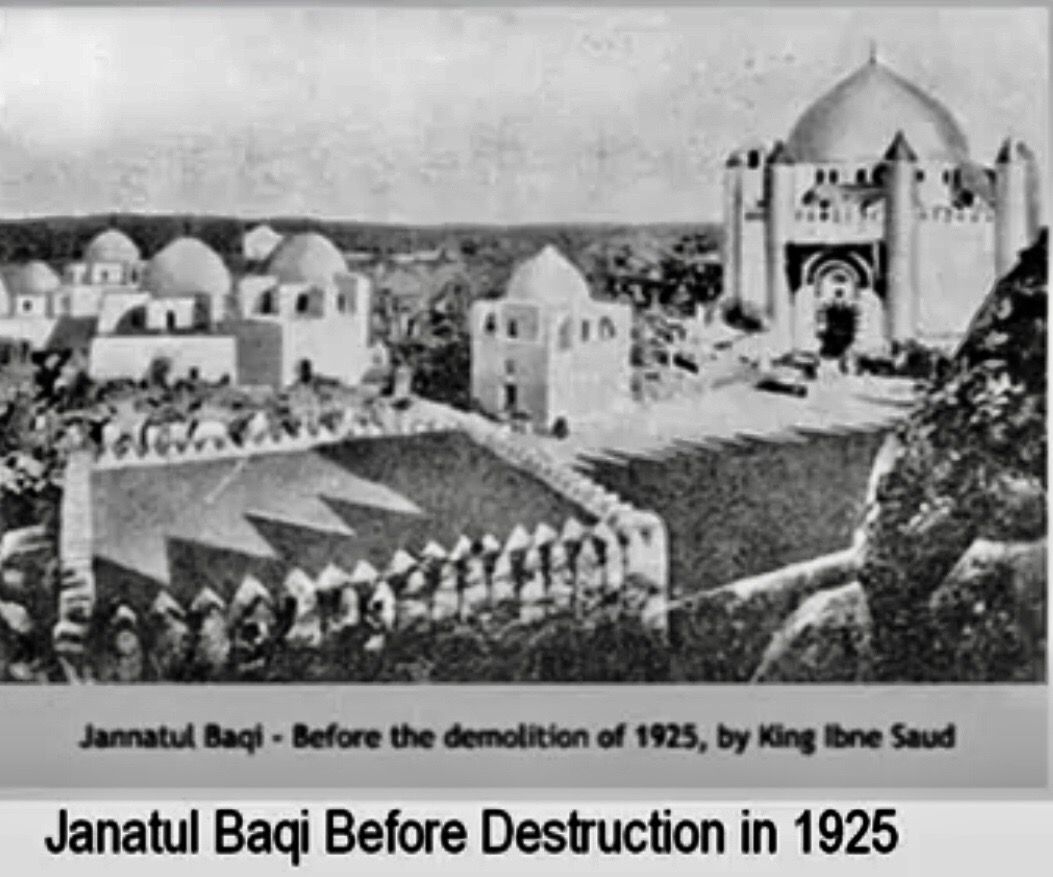
हज़रत सैय्यदा फ़ातिमा ज़हरा को जन्नतुल बक़िया शरीफ़ मे दफ़्न किया गया! आप सैय्यदा तय्यबा ताहिरा आबिदा ज़ाहिदा मख़्दूमा फ़ातिमा ज़हरा की हयाते मुबारका और सीरते ताहिरा पूरे रूहे ज़मीं कि औरतों के लिए एक नमूना अज़ीम है , चाहे वोह किसी भी ऐतबार से हो, चाहे शौहर के साथ वफ़ा का ऐतबार हो, चाहे पाकी के ऐतबार से हो, चाहे अज़्दवाजी ज़िन्दगी के ऐतबार से, चाहे बेटी, बहन, बीवी, माँ हर ऐतबार से आपकी हयाते मुबारक मुकम्मल तौर पर नमूना अज़ीम है! आप सैय्यदा तय्यबा ताहिरा शहज़ादिये आलमीन के बारगाह मे (मुसन्निफ़) बहुत बहुत सलाम नज़र करता है और अल्लाह रब्बुल इज़्ज़त से यही दुआ करता है कि वो आपके सदक़े और तुफ़ैल पूरे उम्मते मुस्लिमा को ईमान की दौलत से माला माल फ़रमाए ——- आमीन!
ज़हरा बाग़े नबूवत की कली हैं
हसनैन हैं फूल तो गुलदान अली हैं
ज़हरा का नही सानी दुनिया मे कोई भी
बेशक ये क़ौल है रब का, यही क़ौले नबी है
पाकी का बयाँ उनके दुनिया क्या करेगी
दुनिया को पाकी उनके सदक़े मे मिली है
मरियम तो ईसा की निसबत से हैं अफ़ज़ल
कुबरा तो इस्लाम के ख़ातिर हैं मुकम्मल
ज़हरा से अफ़ज़ल न कोई और हुईं हैं
ख़ातूने जन्नत तो ज़हरा ही बनी हैं
अमीर सैय्यद क़ुतुबउद्दीन क़ुत्बी
(आक़िब)
आप सैय्यदा तय्यबा ताहिरा के बत्ने अक़दस से ख़ानदाने रिसालत का सिलसिला जारी और सारी हुआ और क़यामत तक जारी और सारी रहेगा, आप सैय्यदा की औलादे हज़रत अली के तरफ़ मन्सूब न होकर सरकार दो आलम सल्लल्लाहो अलैहे वसल्लम के तरफ़ मन्सूब होती है और इसमे भी रब्बे करीम की मशीयत थी, और ख़ुद रसूले पाक का क़ौले शरीफ़ा भी है कि हसन और हुसैन का जद् मै हूँ (कुछ जमाते ऐसी हैं जो सरकार दो आलम सल्लल्लाहो अलैहे वसल्लम की शान घटाने के लिये हर मुमकिन कोशिश करती है और आपके औलादों से बुग़्ज़ रखने के सबब हर वोह बात करती है जिसे आस बिन वाएल मरदूद ने अपनी ज़बान से निकाला और अल्लाह ने उसे तबाह और बरबाद कर दिया, अल्लाह ने आप सल्लल्लाहो अलैहे वसल्लम और आपकी औलादे मुबारका की शान मे सूरह क़ौसर का नुज़ूल फ़रमाया! उस बदबख़्त ने आपके औलादे नरीना (बेटों) के वफ़ात के बाद आपको (माज़अल्लाह) अबतर यानी दुमकटा कि जिसकी नस्ल ख़त्म हो जाए कहा था! उस मरदूद और उस जैसे तमाम लोगों से मेरा यही सवाल है कि वोह ख़ुदा से लड़ने की क़ूवत रखते है, अगर रखते है तो पूछे ख़ुदा से कि उसने आदम अलैहिस्सलाम को बग़ैर माँ बाप के कैसे पैदा फ़रमाया, वोह पूछे कि उसने ईसा अलैहिस्सलाम को बग़ैर बाप के कैसे पैदा फ़रमाया, है किसी के अन्दर इतनी क़ूवत (माज़अल्लाह)! ये सब अल्लाह रब्बे कायनात की मशीयते है, जिसके आगे किसी का कोई ज़ोर नही चलता, उसने जब-जब जो-जो चाहा है वही हुआ है, उसने चाहा कि आदम अलैहिस्सलाम को अपने शाने क़ुदरत से बग़ैर माँ बाप पैदा फ़रमाए तो उसने पैदा फ़रमा दिया, उसने चाहा कि ईसा अलैहिस्सलाम को बग़ैर बाप के दुनिया मे भेजे तो उसने ऐसा किया, उसने चाहा कि दुनिया मे नस्ल का ऐतबार बेटों से चलाए तो उसने ऐसा किया, अब अगर उसने अपने महबूब सल्लल्लाहो अलैहे वसल्लम की नस्ल चलाने के लिये सैय्यदा फ़ातिमा ज़हरा रज़िअल्लाह तआला अन्हा को चुना तो इसमे किसी को क्या परेशानी हो सकती है, बस ऐसे लोगों के लिये मेरी अल्लाह तआला से यही दुआ है कि वोह इन लोगों को हिदायत अता करे और ईमान मे पूरा पूरा दाख़िल फ़रमा दे आमीन!
औलाद मुबारक- हज़रत सैय्यदा तय्यबा ताहिरा फ़ातिमा रज़िअल्लाह तआला अन्हा के तीन शहज़ादे और दो शहज़ादियाँ हुईं जिनका इस्म शरीफ़ ये है- हज़रत सैय्यदना इमाम हसन अलैहिस्सलाम, हज़रत सैय्यदना इमाम हुसैन अलैहिस्सलाम और हज़रत सैय्यदना मोहसिन अलैहिस्सलाम (आपका बचपन मे ही विसाल हो गया था) हज़रत सैय्यदा ज़ैनब रज़िअल्लाह तआला अन्हा और हज़रत सैय्यदा उम्मे क़ुलसूम रज़िअल्लाह तआला अन्हा!
हज़रत सैय्यदा फ़ातिमा रज़िअल्लाह तआला अन्हा को और आपके औलादों को अल्लाह ने जहन्नम से महफ़ूज़ फ़रमा दिया है जिसके मुताल्लिक़ हदीसे सहिया मौजूद है-
हज़रत इब्ने अब्बास रज़िअल्लाह तआला अन्हु से रिवायत है कि हुज़ूर सल्लल्लाहो अलैहे वसल्लम ने हज़रत फ़ातिमा रज़िअल्लाह अन्हा से फ़रमाया कि अल्लाह तआला तुम्हें और तुम्हारी औलादों को जहन्नम का अज़ाब नही देगा! (हाकिम अल मुस्तदरक, तिबरानी अल मुअजमल कबीर)
इसी हदीस पाक के हज़रत अब्दुल्लाह बिन मसऊद रज़िअल्लाह तआला अन्हु भी रावी हैं और वोह फ़रमाते हैं कि रसूल अल्लाह सल्लल्लाहो अलैहे वसल्लम ने फ़रमाया की बेशक फ़ातिमा ने अपनी असमत और पाकदामनी की ऐसी हिफ़ाज़त फ़रमाया कि अल्लाह ने उसे और उसकी औलाद को आग से महफ़ूज़ फ़रमाया! (हाकिम अल मुस्तदरक, तिबरानी अल मुअजमल कबीर)
हज़रत सैय्यदना इमाम हसन और सैय्यदना इमाम हुसैन रज़िअल्लाह तआला अन्हुमा का ज़िक्र आपके वालिदे ज़ीशान हज़रत सैय्यदना मौला अली रज़िअल्लाह तआला अन्हु के ज़िक्र के बाद आगे होगा (इन्शाअल्लाह)!


Cryptology, the art and science of making and breaking codes, has a history that is older than 4000 years. The first mention of cryptology in a formal sense started in the 9th century CE, by Arab Cryptologists. They designed new codes and systematically described the methods to break the codes, i.e. cryptanalysis.
David Kahn, a prominent historian of cryptology, wrote in his 1967 book, “The Code Breakers – The Story of Secret Writing”, that “Cryptology was born among the Arabs”. Kahn’s statement was based on references in Al-Qalqashandi’s encyclopedia, titled Subh Al-A’sha fi Sina’at Al-Insha’ (The Dawn of the Blind in the Writing Industry), written in 1412 CE. Almost all of these references were based on a manuscript by Ali ibn ad-Durayhim written around 1350 CE, titled “Muftah Al-Kunuz fi Idhah Al-Marmuz” (The Treasures Key in Deciphering Cryptograms). Ibn ad-Durayhim’s book was thought lost at the time.
In 1979, Drs. M. Mrayati, Y. Alam and M. al-Tayyan, from the Arab Academy of Damascus, decided to verify the truth of Kahn’s statement and searched for Ibn ad-Durayhim’s lost book.
They discovered a treasure! Not only they found Ibn ad-Durayhim’s book, but they also discovered more than 15 Arabic manuscripts on Cryptology written in the period 2nd to 8th Hijri centuries, i.e. 9th to 15th centuries CE. Most of these manuscripts were found in the Suleymaniye Ottoman Archive in Istanbul, Turkey.

Egyptian alphabet according to Ibn Wahshiyya (Paris, Bibliothèque Nationale, MS Arabe 6805 folios 92b. ff).
Among those manuscripts is the oldest existing cryptologic text written by Ya‘qub ibn Ishaq al-Kindi ca 850 CE, titled Risalah fi Istikhraj al Mu’amma (Treatise on Decrypting Cryptographic Messages).
Al-Kindi’s Treatise shows that the Arab scholars’ interest in their language led them to study aspects that aid in Cryptology like Linguistics, combinatorics and statistics of the Arabic alphabet and words. The linguist Al-Farahidi, (100 – 170 AH / 718 – 786 CE), used principles of permutations and combinations to list all possible Arabic words with and without vowels in his Arabic dictionary Al-Ayn. Al-Kindi showed how to use letter frequency analysis to break substitution codes almost 1200 years ago!
The discovered manuscripts also show that Ibn Adlan, (died 666AH / 1268 AD) and Ibn ad-Durayhim, (died 762 AH / 1359 AD) designed cryptologic systems similar to those by G. Porta (1535–1615 CE), Blaise de Vigenere. (1523 –1596 CE), and G. Cardano (1501 – 1576 CE).
A manuscript by Ahmad ibn Wahshiyyah (291 AH / 914 CE) titled “Shawq al Mustaham fi Ma’rifat Rumuz al-Aqlam” (Seekers Joy in Learning about Other Languages written Symbols) identified 93 alphabets and symbols, among them Hieroglyphics. Ibn Wahshiyyah decoded about half of the Hieroglyphic alphabet, and noted that the symbols.
Professor Okasha El Daly of UCL’s Institute of Archaeology, London, noted that Arab scholars correctly interpreted hieroglyphics in the ninth century CE, almost 1,000 years before Jean-Francois Champollion.
The Arab scholars work on Cryptology was not an individual effort. It formed a “School” of Cryptology that thrived for centuries. The scholars learned from each other, added their own original contributions and forwarded the works to others.
The discovered manuscripts corrected the history of Cryptology by pushing its origins back by more than five centuries, and substantiated Kahn’s statement that “Cryptology was born among the Arabs”.

“

 Aal-e-Qutub Aal-e-Syed Abdullah Shah Ghazi