
Blog

Imam Ali (a.s) and a Syrian Old Man

Imam Ali (a.s) and a Syrian Old Man
lmam Sajjad (a.s) said that his father Hussain (a.s) said:
One day my father Amir ul-Mu’minin (a.s) was mobilizing his companions when an old man, whose face was pale out of traveling, approached and asked: “Where is Amir ul-Mu’minin…?”
“Here he is,” some answered as they pointed to Imam Ali (a.s).
The old man moved toward him, greeted him, and said: “O Amir ul-Mu’minin, I have come to you from Syria in spite of my old age because I have heard about you such innumerable virtues. I see you will be assassinated. I wish you would instruct me with items that Allah (swt) has conveyed to you.”
Imam Ali (a.s) said:
Yes, old man.
He whose two days are moderate is wronged.
He whose main concern is the worldly pleasures will suffer great regret for their departure.
He whose day to come is eviler than his present day is surely deprived.
He who does not care for whatever reduces from his world to come as long as his worldly life will not be influenced is surely perishing.
He who does not pay attention to the defects of his own personality is overcome by passions. Death is surely better for those who are moving to the abyss.
O Old man, this world is sweet and green.
It has its own people.
The world to come is also has its own people whose selves are too lofty to compete with the people of this world.
They neither contend with each other for gaining the worldly pleasures, nor do they feel happy for its fertility, nor do they feel sad for its misery.
O Old man, he who anticipates sudden shocks will hardly sleep. Nights and days are very quick in one’s age. Hence, control your tongue and say nothing but the good.
O Old man, you should like for people all that which you like for yourself and treat them in the same way you want them to treat you.
Imam Ali (a.s) then turned to his companions and said:
O people, do you not see that people in this world encountering a great variety of conditions whenever they enter into evening or morning..?
They are either a victim that writhes (out of pain), a visitor of a sick, a person that is visited in his ailment, a person that is dying, a person that is not expected to live any longer, or a (dead) person that is laid out. The seekers of this world are chased by death, and the negligent are not ignored. The present ones will surely face the same fate of the past ones.
Zaid bin Sawhan al-Abdi asked and Amir ul-Mu’minin answered:
O Amir ul-Mu’minin,
Q- what is the most powerful and influential authority..?
A- Imam Ali (a.s) replied, It is death.
Q- What is the most degrading humility?
A-It is care for the worldly pleasures.
Q- What is the harshest poverty?
A- It is apostasy after faith.
Q- What is the most aberrant advocacy?
A- It is the advocacy to the impossible.
Q- What is the best deed?
A- It is God-fearing.
Q- What is the most successful deed?
A- It is to seek for that which is in the possession of Allah, Powerful and Majestic is He.
Q- Who is the evilest companion?
A- The evilest companion is that who encourages you to commit acts of disobedience to Allah.
Q- Who is the unhappiest of people?
A- The unhappiest of people is he who sold his religion with the worldly life of others.
Q- Who is the most powerful of people?
A- The most powerful of people is the self-possessed.
Q- Who is the stingiest of people?
A- The stingiest of people is he who seizes estates unlawfully and spends them unduly.
Q- Who is the most courteous of people?
A- The most courteous of people is he who inclined to the right guidance after he had discriminated it from the wrong way.
Q- Who is the most clement of people?
A- The clement of people is he who never becomes angry.
Q- Who is the most resolute?
A- The most resolute is he who is not deceived by people in regard to his personality and is not deceived by this world and its seductive matters.
Q- Who is the most foolish?
A- The most foolish is he who is deceived by this world although he is noticing the changeability of its conditions.
Q- Who is the most regretful?
A- The most regretful is he who is deprived of this world as well as the world to come. This is surely the clear loss.
Q- Who is the blindest?
A- The blindest is he who desired for gaining the rewards of Allah through acts that he had practiced for something other than the cause of Allah.
Q- What is the best sort of satisfaction?
A- It is the satisfaction with that which Allah has given.
Q- What is the most shattering misfortune?
A- It is the misfortune of the religion.
Q- What is the most favorable deed to Allah?
A- It is to expect the Relief.
Q- Who are the best people in the sight of Allah?
A- They are the most careful about Allah, the most observant of God-fearing, and the most abstinent in the worldly pleasures.
Q- What is the most favorable utterance in the sight of Allah?
A- It is the frequent reference to Him and the reverential supplication to Him.
Q- What is the most truthful wording?
A- It is the confession that there is no god but Allah.
Q-What is the greatest deed in the sight of Allah?
A- It is the submission (to Him) and piety.
Q- Who is the most truthful of people?
A- It is he who resists in battles.
Imam Ali (a.s) then turned to the old man and said:
O Old man, Allah (swt) has created some people and made the worldly affairs difficult for them.
He has also induced them to abstain from the worldly pleasures and transitory wreckage.
They desired from the Abode of Peace to which Allah(swt)has called them, stood the harsh livelihood and the misfortunes, and longed for the honor that is found with Allah(swt), Powerful and Majestic is He. They therefore sacrificed themselves for the sake of Allah’s satisfaction and ended their deeds with martyrdom to meet Allah (swt) Who will be pleased with them. As they recognized that death was inevitable for the past ones as well as the present ones, they took along provisions, not gold and silver, for their lives to come, wore tough clothes, advanced charity, and loved and hated for the sake of Allah (swt).
These are surely the lanterns and people of bliss and peace in the world to come.
The old man commented: “Where should I go and how should I leave Paradise while I can see it and its people with you, Amir ul-Mu’minin? Equip me with weapons by which I can fight against your enemy.”
Hence, Imam Ali (a.s) equipped him with weapons and prepared a horse for him. He went on fighting in front of Amir ul-Mu’minin so bravely, and the Imam Ali (a.s) was highly admired by his fight. As the war attained its climax, the old man was advancing with his horse until he was killed.
One of the companions of Amir ul-Mu’minin traced him. He found him killed and found his horse and sword still in his hand.
When the war was over, the horse and sword of the old man was put before Amir ul-Mu’minin (a.s) who prayed for his body and said: “This is, by Allah, the true happy. Seek Allah’s mercy for your brother.”

Ref:📖 Al-Mawaaizh
Shaykh Saduq

चौदह सितारे  हज़रत इमाम ज़ैनुल आबेदीन पार्ट 5

इमाम ज़ैनुल आबेदीन आबेदीन (अ.स.) की शबाना रोज़ एक हज़ार रकअतें

उलेमा का बयान है कि आप शबो रोज़ में एक हज़ार रकअतें अदा फ़रमाया करते थे। (सवाएक़े मोहर्रेका पृष्ठ 119 मतालेबुस सूऊल पृष्ठ 267) चूंकि आपके सजदों का कोई शुमार न था इसी लिये आपके आज़ाए सुजूद सफ़ना बईर ” ऊँट के घटे ” की तरह हो जाया करते थे और साल में कई मरतबा काटे जाते थे। (अल फ़रआ अल नामी पृष्ठ 158 व दम साकेबा, कशफ़ल ग़म पृष्ठ 90)

अल्लामा मजलिसी लिखते हैं कि आपके मक़ामाते सुजूद के घट्टे साल में दो बार काटे जाते थे हर मरतबा पांच तह निकलती थीं। (बेहारूल अनवार जिल्द 2 पृष्ठ 3)

अल्लामा दमीरी मुवरिख इब्ने असाकर के हवाले से लिखते हैं कि दमिशक़ में ” हज़रत इमाम ज़ैनुल आबेदीन (अ.स.) के नाम से मौसूम एक मस्जिद है जिसे ‘ ” जामेए दमिशक़ ” कहते हैं। ( हयातुल हैवान जिल्द 1 पृष्ठ 121)

इमाम ज़ैनुल आबेदीन (अ. स.) मन्सबे इमामत पर फ़ाएज़ होने से पहले

अगरचे हमारा अक़ीदा यह है कि इमाम बतने मादर से इमामत की तमाम सलाहियतों से भर पूर आता है। ताहम फ़राएज़ की अदाएगी की ज़िम्मेदारी इसी वक़्त होती है जब वह इमामे ज़माना की हैसियत से काम शुरू करें, यानी ऐसा वक़्त आजाए जब काएनाती अरज़ी पर कोई भी उस से अफ़ज़ल व इल्म में बरतर व अकमल न हो। इमाम ज़ैनुल आबेदीन (अ.स.) अगरचे वक़्ते विलादत ही से इमाम थे लेकिन फ़राएज़ की अदाएगी की ज़िम्मेदारी आप पर उस वक़्त आएद हुई जब आपके वालिदे माजिद हज़रत इमाम हुसैन (अ.स.) दर्जए शहादत पर फ़ाज़ हो कर हयाते जाहेरी से महरूम हो गए।

इमाम ज़ैनुल आबेदीन (अ.स.) की विलादत 38 हिजरी में हुई जब कि हज़रत अली (अ.स.) इमामे ज़माना थे। दो साल उनकी ज़ाहिरी ज़िन्दगी में आपने हालते तफ़ूलियत में अय्यामे हयात गुज़ारे फिर 50 हिजरी तक इमामे हसन (अ.स.) का
ज़माना रहा फिर आशुरा 61 हिजरी तक इमाम हुसैन (अ.स.) फ़राएज़े इमामत की अंजाम देही फ़रमाते रहे। आशूर की दो पहर के बाद सारी ज़िम्मेदारी आप पर आएद हो गईं। इस अज़ीम ज़िम्मेदारी से क़ब्ल के वाकेयात का पता सराहत के साथ नहीं मिलता अलबत्ता आपकी इबादत गुज़ारी और आपके इख़लाक़ी कार नामे बाज़ किताबों में मिलते हैं बहर सूरत हज़रत अली (अ.स.) के आख़री अय्यामे हयात के वाक़ेयात और इमाम हसन (अ.स.) के हालात से मुताअस्सिर होता एक लाज़मी अमर है। फिर इमाम हसन (अ.स.) के साथ तो 22- 23 साल गुज़ारे थे यक़ीनन इमाम हसन (अ.स.) के जुमला मामलात में आप ने बड़े बेटे की हैसियत से साथ दिया ही होगा लेकिन मक़सदे हुसैन (अ.स.) के फ़रोग़ देने में आपने अपने अहदे इमामत के आगाज़ होने पर इन्तेहाई कमाल कर दिया।

वाक़ेए करबला के सिलसिले में इमाम ज़ैनुल आबेदीन (अ. स.) का शानदार किरदार

28 रज़ब 60 हिजरी को आप हज़रत इमाम हुसैन (अ.स.) के हमराह मदीने से रवाना हो कर मक्का मोअज़्ज़मा पहुँचे चार माह क़याम के बाद वहां से रवाना हो कर 2 मोहर्रमुल हराम को वारिदे करबला हुए। वहां पहुँचते ही या पहुँचने से पहले आप अलील हो गए और आपकी अलालत ने इतनी शिद्दत एखतियार की आप
इमाम हुसैन (अ.स.) की शहादत के वक़्त इस क़ाबिल न हो सके कि मैदान में जा कर दर्जए शहादत हासिल करते । ताहम हर अहम मौक़े पर आपने जज़बाते नुसरत को बरू कार लाने की सई की । जब कोई आवाज़े इस्तेग़ासा कान में आई आप उठ बैठे और मैदाने में कारज़ार में शिद्दते मर्ज़ के बावजूद जा पहुचने की सईए बलीग़ की । इमाम हुसैन (अ.स.) के इस्तेग़ासा पर तो आप ख़ेमे से बाहर निकल आए एक चोबा ए खैमा ले कर मैदान का अजम कर दिया नागाह इमाम हुसैन (अ. स.) की नज़र आप पर पड़ गई और उन्होंने जंगाह से बक़ौले हज़रते ज़ैनब ( स. अ.) को आवाज़ दी बहन सय्यदे सज्जाद को रोको वरना नस्ले मोहम्मद (स. ” अ.) का ख़ातमा हो जाएगा ” हुक्मे इमाम से ज़ैनब (स.अ.) ने सय्यदे सज्जाद (अ.स.) को मैदान में जाने से रोक लिया। यही वजह है कि सय्यदों का वजूद नज़र आ रहा है। अगर इमाम ज़ैनुल आबेदीन (अ. स.) अलील हो कर शहीद होने से न बच जाते तो नस्ले रसूल (स. अ.) सिर्फ़ इमाम मोहम्मद बाक़र (अ. स.) में महदूद रह जाती। इमाम सालबी लिखते हैं कि मर्ज़ और अलालत की वजह से आप दर्जए शहादत पर फ़ाएज़ न हो सके। ( नूरूल अबसार पृष्ठ 126 )

शहादते इमाम हुसैन (अ.स.) के बाद जब खेमों में आग लगाई तो आप उन्हीं ख़मों में से एक ख़ेमे में बदस्तूर पड़े हुए थे। हमारी हज़ार जानें कुर्बान हो जायें हज़रत ज़ैनब बिन्ते अली (अ.स.) पर कि उन्होंने अहद फ़राएज़ की अदाएगी के सिलसिले में सब से पहला फ़रीज़ा इमाम ज़ैनुल आबेदीन (अ.स.) के तहफ़्फ़ज़ का
अदा फ़रमाया और इमाम को बचा लिया। अलग़रज़ रात गुज़री और सुबह नमूदार हुई, दुश्मनों ने इमाम ज़ैनुल आबेदीन (अ.स.) को इस तरह झिंझोड़ा कि आप अपनी बिमारी भूल गये । आपसे कहा गया कि नाक़ों पर सब को सवार करो और इब्ने ज़्याद के दरबार में चलो। सब को सवार करने के बाद आले मोहम्मद (अ.स.) का सारेबान फूफियों, बहनों और तमाम मुख़द्देरात को लिये दाखिले दरबार हुआ । हालत यह थी कि औरतें और बच्चे रस्सीयों में बंधे हुए और इमाम लोहे में जकड़े हुए दरबार में पहुँच गये। आप चूंकि नाके की बरैहना पुश्त पर संभल न सकते थे इस लिये आपके पैरों को नाक़े की पुश्त से बांध दिया गया था । दरबारे कूफ़ा दाखिल होने के बाद आप और मुखद्देराते अस्मत क़ैद ख़ाने में बन्द कर दिये गये। सात रोज़ के बाद आप सब को लिये हुए शाम की तरफ़ रवाना हुए और 19 मंज़िले तय कर के तक़रीबन 36 यौम (दिनों) में वहां पहुँचे।

कामिल बहाई में है कि 16 रबीउल अव्वल 61 हिजरी को आप दमिश्क़ पहुँचे हैं। अल्लाह रे सब्रे इमाम ज़ैनुल आबेदीन (अ. स.) बहनों और फुफियों का साथ और लबे शिकवा पर सकूत की मोहर हुदूदे शाम का एक वाक़ेया यह है आपके हाथों में हथकड़ी, पैरों में बेड़ी और गले मे ख़ारदार तौक़े आहनी पड़ा हुआ था, इस पर मुस्तज़ाद यह कि लोग आप पर आग बरसा रहे थे। इसी लिये आपने बाद वाक़य करबला एक सवाल के जवाब में अश्शाम, अश्शाम, अश्शाम फ़रमाया था। ( तहफ़्फ़र्ज़ हुसैनिया अल्लामा बसतामी) ” “
शाम पहुँचने के कई घन्टों या दिनों के बाद आप आले मोहम्मद (अ.स.) को लिये हुए सरहाय शोहदा समेत दाखिले दरबार हुए फिर क़ैद ख़ाने में बन्द कर दिये गये। तक़रीबन एक साल क़ैद की मशक़्क़तें झेलीं। क़ैद खाना भी ऐसा था कि जिसमें तमाज़ते आफ़ताबी की वजह से इन लोगों के चेहरों की खालें मुताग़य्यर हो गई थी। लहूफ़ मुद्दते क़ैद के बाद आप सब को लिये हुए 20 सफ़र 62 हिजरी को

वारिदे करबला हुए। आपके हमराह सरे हुसैन (अ. स.) भी कर दिया गया था।

आपने उसे पदरे बुजुर्गवार के जिसमें मुबारक से मुलहक़ किया ( नासिखुल तवारीख़) 8 रबीउल अव्वल 62 हिजरी को आप इमाम हुसैन (अ.स.) का लुटा हुआ काफ़िला लिए हुए, मदीने मुनव्वरा पहुँचे, वहां के लोगों ने आहो जारी और कमालो रंज से आपका इस्तेकबाल किया। 15 शाबाना रोज़ नौहा व मातम होता रहा। (तफ़सीली वाक़ेआत के लिये कुतुब मक़ातिल व सैर मुलाहेज़ा किजिए)

इस अज़ीम वाक़ेया का असर यह हुआ की ज़ैनब (अ.स.) के बाल इस तरह सफ़ेद हो गये थे कि जानने वाले उन्हें पहचान न सके। ( अहसन अलक़सस पृष्ठ 182 प्रकाशित नजफ़) रूबाब ने साय में बैठना छोड़ दिया, इमाम ज़ैनुल आबेदीन (अ. स.) गिरया फ़रमाते रहे। ( जलालुल ऐन पृष्ठ 256 ) अहले मदीना यज़ीद की बैअत से अलाहेदा हो कर बाग़ी हुए बिल आखिर वाक़ेए हर्रा की नौबत आ गई।

वाक़ेए करबला और हज़रत इमाम ज़ैनुल आबेदीन (अ.स.) के ख़ुतबात

मारकाए करबला की ग़मगीन दास्तान तारीख़े इस्लाम ही नहीं तारीख़े आलम का अफ़सोस नाक सानेहा है। हज़रत इमाम ज़ैनुल आबेदीन (अ. स.) अव्वल से आखिर तक इस होशरुबा और रूह फ़रसा वाक़ेए में अपने बाप के साथ रहे और बाप की शहादत के बाद खुद इस अलमिया के हीरो बने और फिर जब तक ज़िन्दा रहे इस साहा का मातम करते रहे। 10 मोहर्रम 61 हिजरी का यह अन्दोह नाक हादसा जिसमें 18 बनी हाशिम और 72 असहाब व अनसार काम आए। हज़रत इमाम ज़ैनुल आबेदीन (अ. स.) मुदतुल उम्र घुलता रहा और मरते दम तक इसकी याद फ़रामोश न हुई और इसका सदमाए जां काह दूर न हुआ । आप यूं तो इस वा के बाद चालिस साल ज़िन्दा रहे मगर लुत्फ़े ज़िन्दगी से महरूम रहे और किसी ने आपको बशशाशा और फ़रहानाक न देखा। इस जान का वाक़ेए करबला के सिलसिले में आपने जो जाबजा ख़ुत्बे इरशाद फ़रमाये हैं उनका तरजुमा दर्जे ज़ैल है।


फ़ज़ीलतें-ऐ-मौला अली عَلَیهِ‌السَّلام

👑 फ़ज़ीलतें-ऐ-मौला अली عَلَیهِ‌السَّلام 👑

फ़ज़ीलतें ऐसी जो कोई और हासिल ना कर पाया, सिवाये इमाम अली عَلَیهِ‌السَّلام इब्ने अबीतालिब عَلَیهِ‌السَّلام के!!!!!
फ़ज़ीलतें तो बहुत हैं! मगर मैं यहां मुख़्तसर सी यहां पोस्ट कर रहा हूं👇
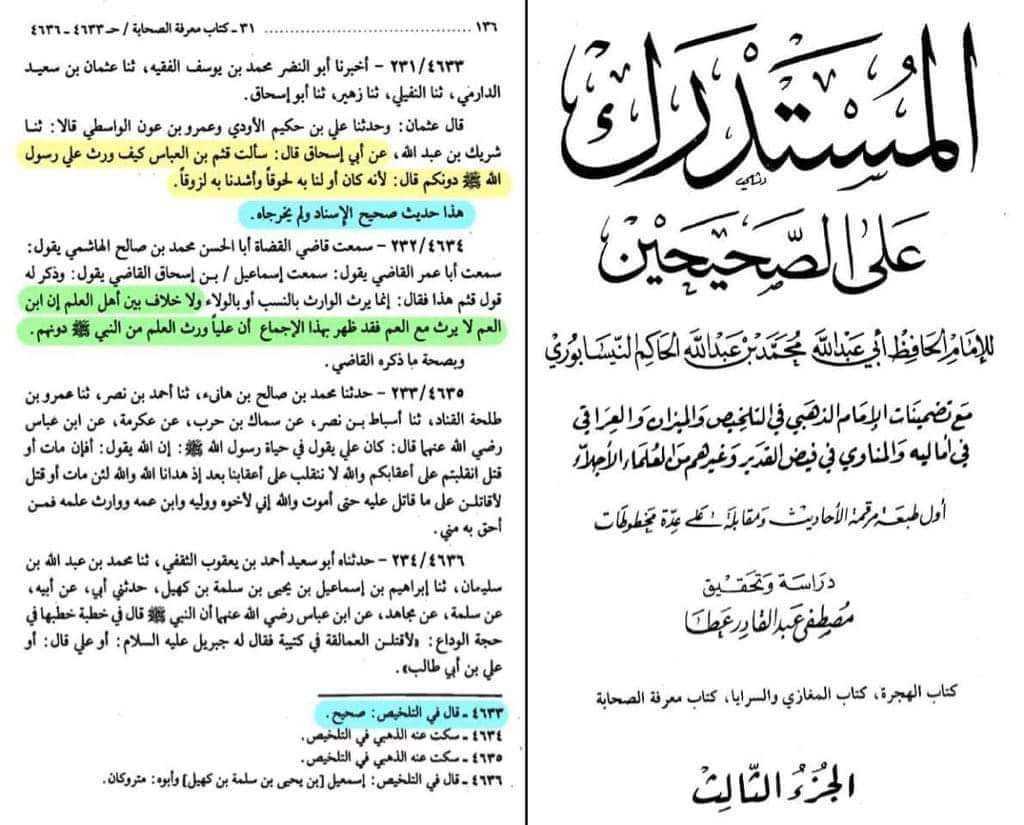
1- रसूल अल्लाह ﷺ ने फ़रमाया:- मौला अली عَلَیهِ‌السَّلام वारिस-ऐ-इल्म-ऐ-रसूल अल्लाह ﷺ हैं। (अल मुसतदरक अल सही’हैन, सफ़ाह 136

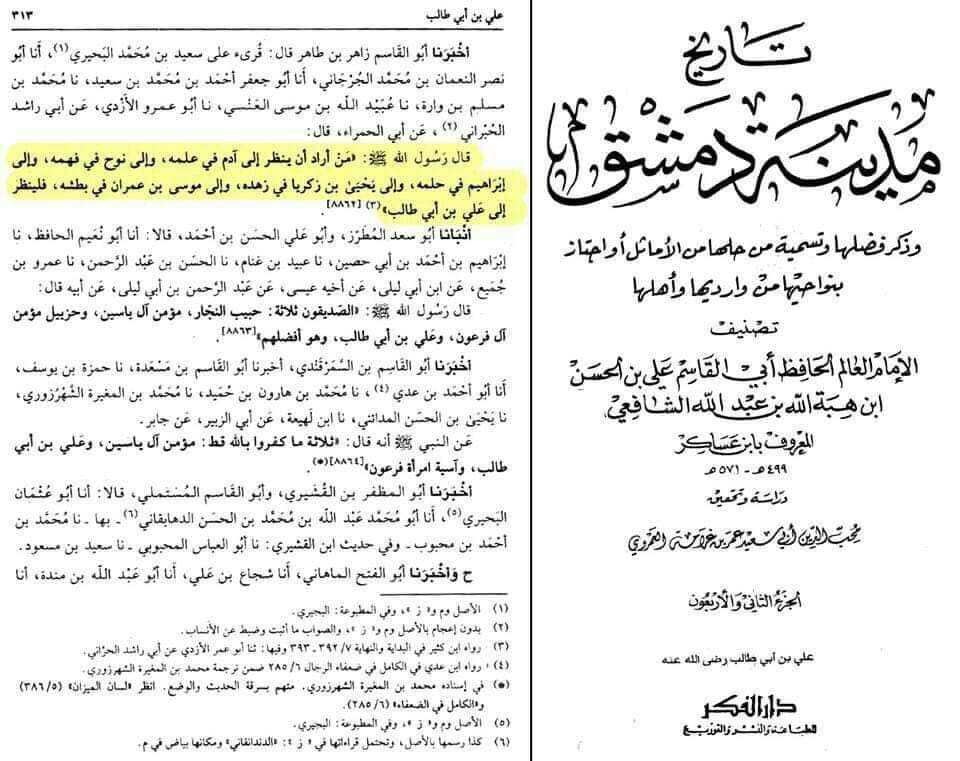
2- रसूल अल्लाह ﷺ ने फ़रमाया:- जिसको नबियों (ع) की ख़ुसूसियातें देखनी हों तो वोह अली عَلَیهِ‌السَّلام इब्ने अबीतालिब عَلَیهِ‌السَّلام को देखे। (मदीना तुल दमिश्क, सफ़ाह 213)

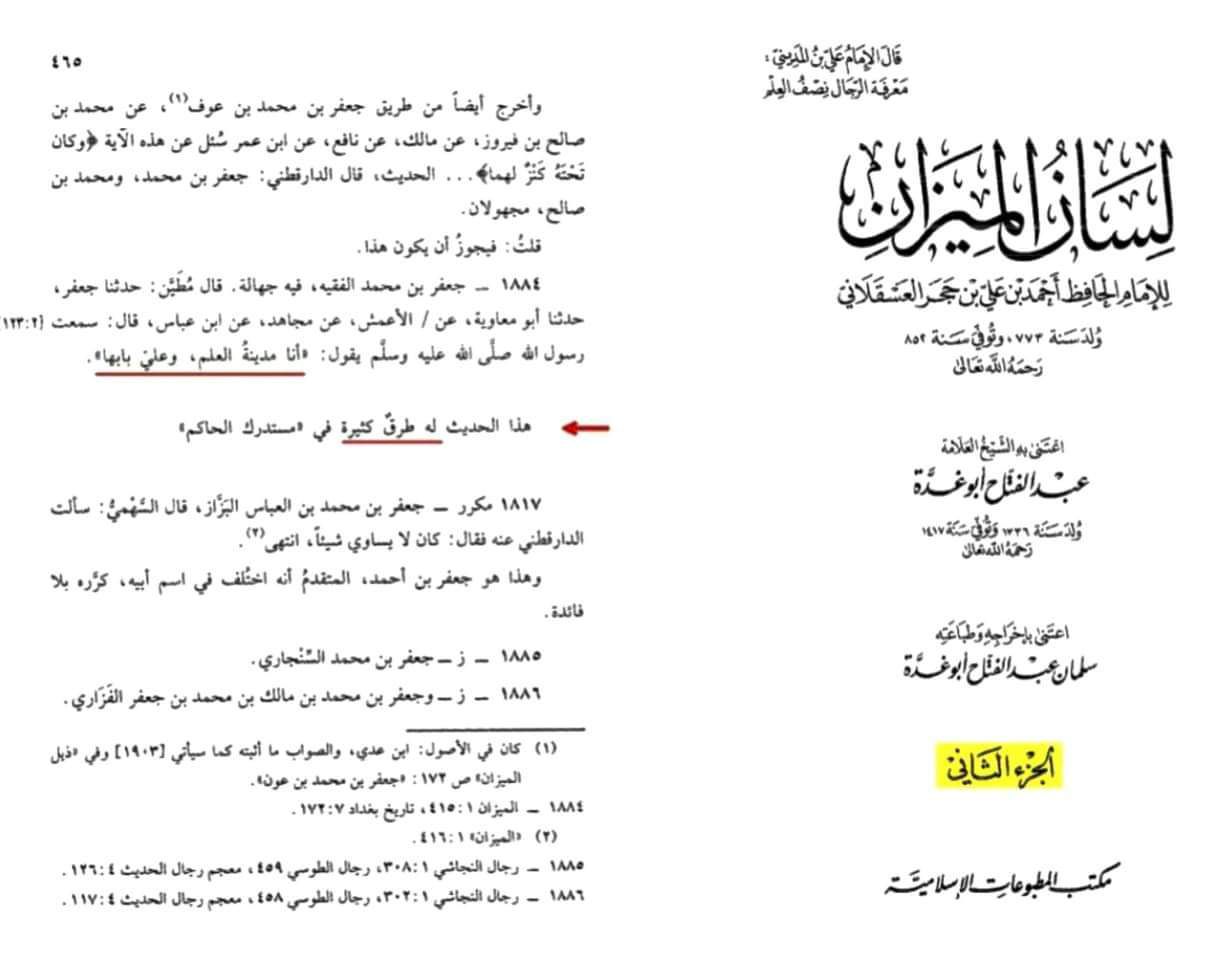
3- रसूल अल्लाह ﷺ ने फ़रमाया:- मैं (ﷺ) इल्म का शहर हूं और अली (عَلَیهِ‌السَّلام) उसका दरवाज़ा। (लिसान उल मीज़ान, सफ़ाह 465)

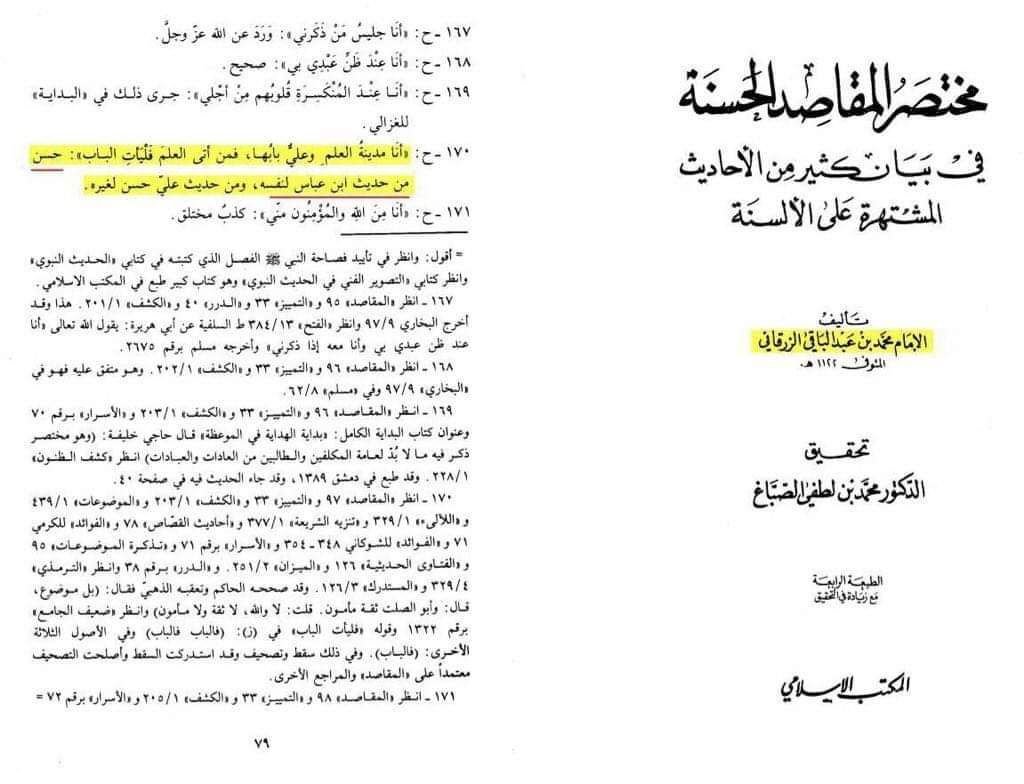
4- रसूल अल्लाह ﷺ ने फ़रमाया:- मैं (ﷺ) इल्म का शहर हूं और अली (عَلَیهِ‌السَّلام) उसका दरवाज़ा। (मुख़्तसर मक़ासिद हसना, सफ़ाह 79)

5- रसूल अल्लाह ﷺ ने फ़रमाया:- अली (عَلَیهِ‌السَّلام) की इजाज़त के बग़ैर कोई भी पुल सिरात से नही ग़ुज़र सकता। (अर रियाज़िल नज़रा मनाक़िब उल अशरा, सफ़ाह 105)

6- रसूल अल्लाह ﷺ ने फ़रमाया:- विलायत-ऐ-अली (عَلَیهِ‌السَّلام) के बग़ैर कोई भी शख़्स पुल सिरात से नही ग़ुज़रेगा। (अर रियाज़िल नज़रा मनाक़िब उल अशरा, सफ़ाह 172)

7- रसूल अल्लाह ﷺ ने फ़रमाया:- अगर अली (عَلَیهِ‌السَّلام) इजाज़त ना दें तो कोई भी शख़्स पुल सिरात पार नही कर सकेगा। (मदीना तुल दमिश्क, सफ़ाह 204)

8- रसूल अल्लाह ﷺ ने फ़रमाया:- ऐ अली (عَلَیهِ‌السَّلام)! तुम क़यामत के दिन जन्नत और दोज़ख़ को तक़सीम (बाटोगे) करोगे! और आपकी इजाज़त के बिना कोई भी पुल सिरात पार नही कर पायेगा। (अल सवायक अल मोहर्रिका, सफ़ाह 375)

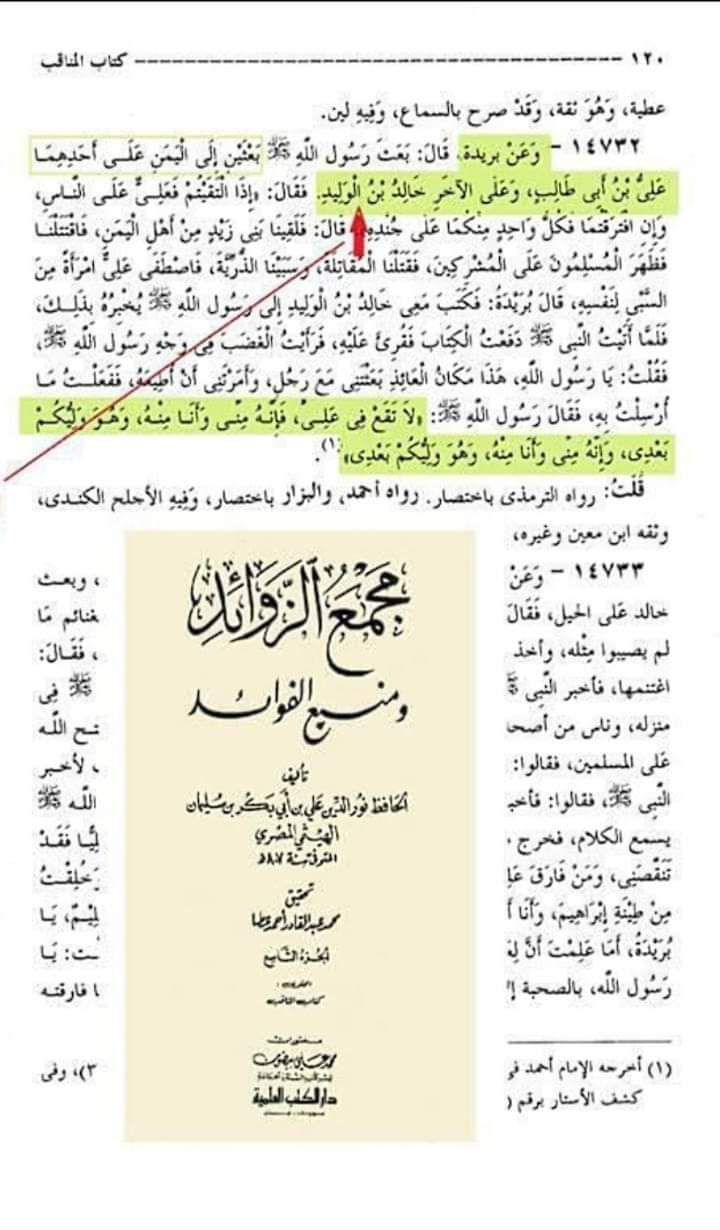
9- रसूल अल्लाह ﷺ ने फ़रमाया:- अली (عَلَیهِ‌السَّلام) मुझसे (ﷺ) है और मैं (ﷺ) अली (عَلَیهِ‌السَّلام) से हूं! और मेरे बाद तुम्हारे दरमियान (बीच) वोह मेरे ख़लीफ़ा होगें। (मजमा उल ज़वायद, सफ़ाह 120)

10- रसूल अल्लाह ﷺ ने फ़रमाया:- अली (عَلَیهِ‌السَّلام) की विलायत के बिना कोई भी पुल सिरात पार नही कर पायेगा। (अर रियाज़ उल नज़रा, सफ़ाह 130)

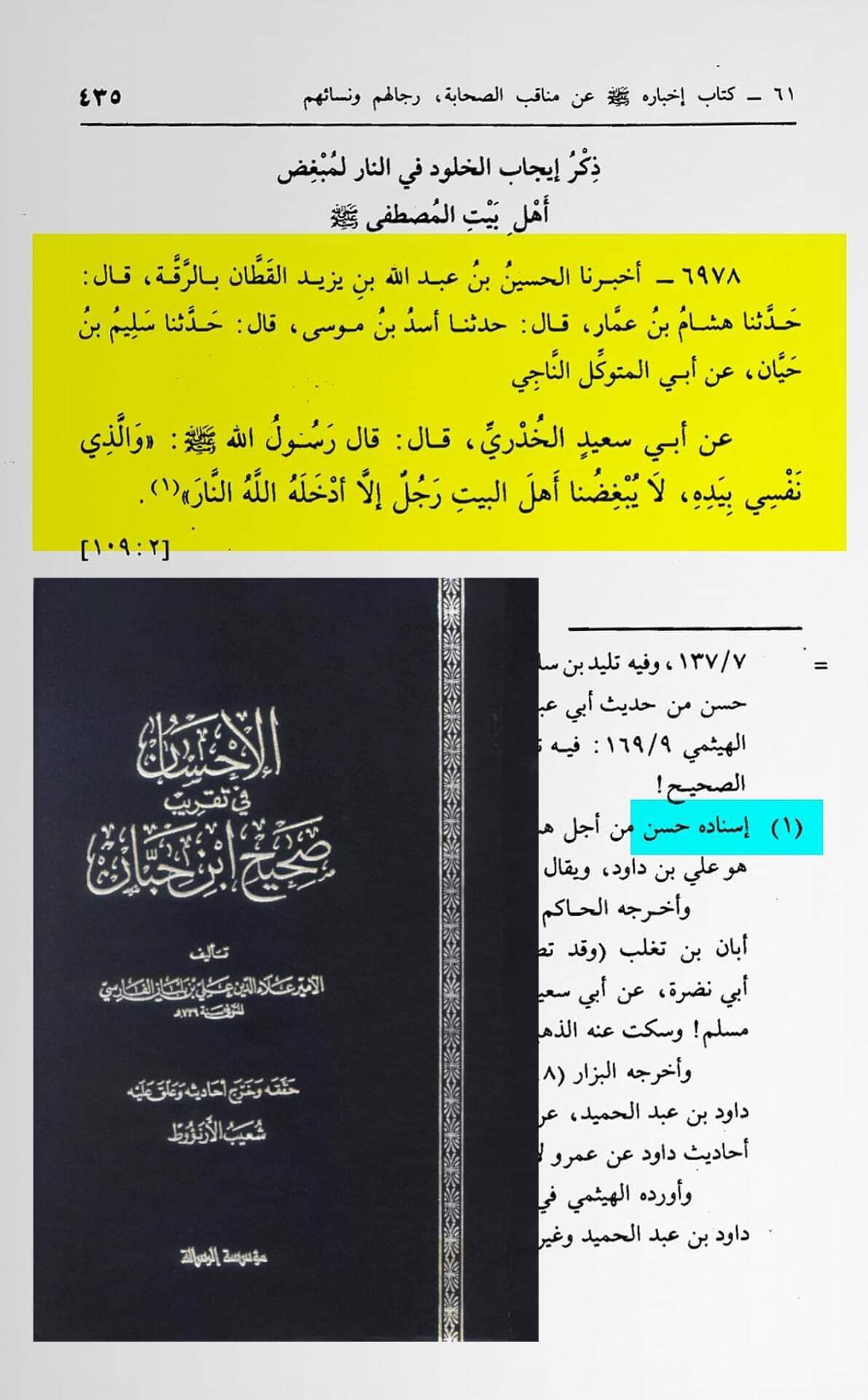
11- जहन्नम में जाने का रास्ता, ऐहलैबयत (عَلَیهِ‌السَّلام) से नफ़रत करना है। (अल हबीब उल रा सही उल इब्ने हब्बान,  सफ़ाह 435)
👇

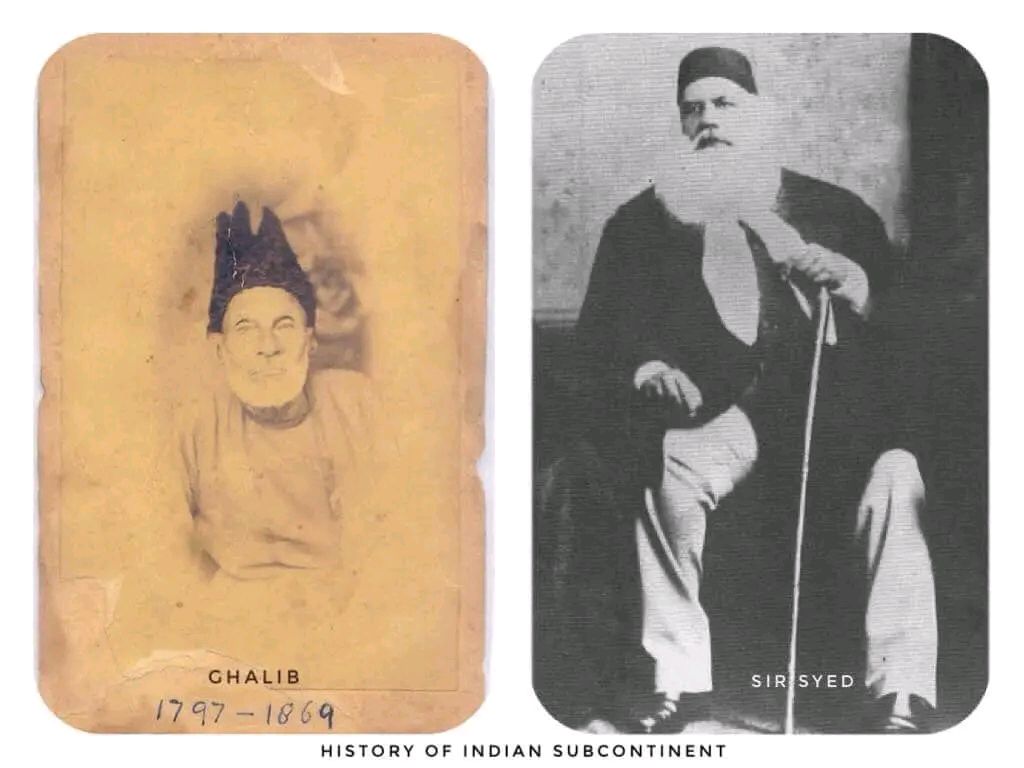
Mirza Ghalib and Sir Syed are both educators and activists.

Mirza Ghalib and Sir Syed are both educators and activists.

The world is celebrating Sir Syed Day. His achievements as an educationist and activist are preserved in history in the form of the success of the renowned Aligarh Muslim University. The university consistently ranks among the top in the country. However, an interesting story about the making of a scholar, intellectual, and activist rarely surfaces.

In the year 1855, having finished his well-researched, scholarly, and illustrated edition of Abul Fazal’s Ain-e-Akbari, the 38-year-old Sir Syed Ahmad Khan approached a well-known literary figure of Delhi, 58-year-old Mirza Ghalib, for a ‘Taqriz’, forward for his literary and historical work. Ghalib obliged, but what he did produce was a short Persian poem castigating the Ai’n-e Akbari and, by implication, the imperial, sumptuous, literate, and learned Mughal culture of which it was a product. The least that could be said against it was that the book had little value, even as an antique document. Ghalib practically reprimanded Syed Ahmad Khan for wasting his talents and time on dead things. Worse, he praised sky-high the “sahibs of England,” who at that time held all the keys to all the a’ins in this world.

The poem was unexpected, but it came at a time when Syed Ahmad Khan’s thoughts and feelings themselves were inclining towards change. Ghalib seemed to be acutely aware of a European or English-sponsored change in world politics, especially Indian politics. Syed Ahmad might well have been piqued at Ghalib’s admonitions, but he would also have realised that Ghalib’s reading of the situation, though not nuanced enough, was basically accurate. Syed Ahmad Khan may also have felt that he, being better informed about the English and the outside world, should have himself seen the change that now seemed to be just around the corner.

Sir Syed Ahmad Khan never again wrote a word in praise of the Ai’n-e Akbari and, in fact, gave up taking an active interest in history and archaeology.

Two years later, in the year 1857, the Great Indian Mutiny approached Shahjahanabad. Muslims lost their grip over Delhi; mosques were demolished, and Madarsa was destroyed. Most prestigious among those were ‘Madarsa Raheemia’ and Akbarabadi Masjid. Mirza Ghalib expressed his feelings in many grieving letters and poems. However, Sir Syed, numbed by the tragedy, picked up a few stones of the Akbarabadi mosque and left Delhi with an ambition to arm Muslims of the Subcontinent with education. Which would make the future generation masters of ‘all a’ins of this world’.

So, the greatest Urdu poet of all time, Mirza Ghalib, played a significant role as a wise teacher who criticised Sir Syed’s work as a scholar, and Sir Syed took the provocation positively as an obedient student. This is the way great men behave, an institute establishes, and generations change.
I hope this small but significant episode from the lives of two great men will inspire us and the future generation to do positive work for society.