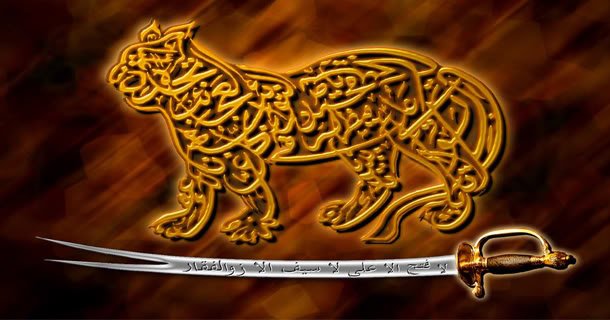


Afzaliat-e-Ali Byan Karna Kabhi Bhi Asan Na Tha By Wakil-e-Ahel-e-Bait.


■ The Benefits of Hunger and Its Effects on Health
SubhanAllah! The fasting that we observe is proven by science to align with the truth of our faith and the Sunnah of the Prophet Muhammad ﷺ.
When a person’s body is in a state of hunger, it begins a self-cleaning process. During this process, the body gets rid of harmful cells, including cancerous cells, aged cells, and early forms of Alzheimer’s cells.
This process keeps the body youthful and produces specific proteins that help protect against diabetes, high blood pressure, and heart diseases. These proteins are only generated under specific conditions.
When the body produces these proteins, they gather around dead, diseased, or cancerous cells, breaking them down into a form that the body can utilize. This process is like recycling waste within the body.
Research has shown that to trigger the body’s “autophagy” process, it needs to be in non-traditional conditions, meaning one must go without food or drink for 8 to 16 hours. During this time, a person should stay active and continue with daily activities, and this process should be repeated regularly to maximize benefits and prevent cancerous cells from growing back.
Scientists have observed that when a person stays completely hungry like this daily, unusual proteins called “autophagosomes” are activated, which spread across the brain, heart, and other body tissues, removing every abnormal cell.
The study suggests that going hungry and thirsty two to three days a week is beneficial.
• Some Useful Exercise Tips:
Balanced diet with exercise is essential; otherwise, losing weight becomes difficult.
Eating less doesn’t necessarily reduce weight; it might actually increase body fat.
Drinking more water helps in weight loss.
Sweating is not always an indication of fat burning.
Girls don’t produce testosterone like men, so they won’t develop large muscles like men.
Resting 30 to 60 seconds between each set is advisable.
There is no specific supplement to eliminate fat; as body fat reduces, muscles become visible naturally.
60 minutes is an ideal time for exercise.
Change your exercise routine every two months.
Cracking sounds in joints are generally air bubbles, nothing to worry about.
There are two types of fat: healthy and unhealthy.
To build muscles, eat more, sleep early, and wake up early.
Lifting lighter weights with more repetitions increases endurance, but diet and cardio are key for fat loss.
Do abdominal exercises 3-4 times a week instead of daily.
Fat burning is as effective in winter as it is in summer.
मौला अली अलैहिस्सलाम और किताब’उल्लाह/क़ुरआन
उम्मुल मोमिनीन हज़रत उम्मे सलमा रज़ि’अल्लाह फ़रमाती हैं कि मैंने रसूल अल्लाह ﷺ को फ़रमाते सुना है कि क़ुरआन अली ع के साथ और अली ع क़ुरआन के साथ रहेंगे और यह दोनों कभी एक दूसरे से जुदा ना होंगे! हत्ता कि यह दोनों इकट्ठा ही मेरे पास हौज़-ऐ-कौसर पर आयेंगे।
इमाम हाक़िम लिखते हैं कि यह हदीस सहीहुल असनाद हदीस है ।
हवाला: जिल्द 4, सफ़ाह नम्बर 252-253, रक़म नम्बर 4628
https://archive.org/details/al-mustadrak-sahihein-al-hakim/Al%20Mustadrak%20Ala%20Sahiheen%20Jild%204/page/n251/mode/1up?view=theater

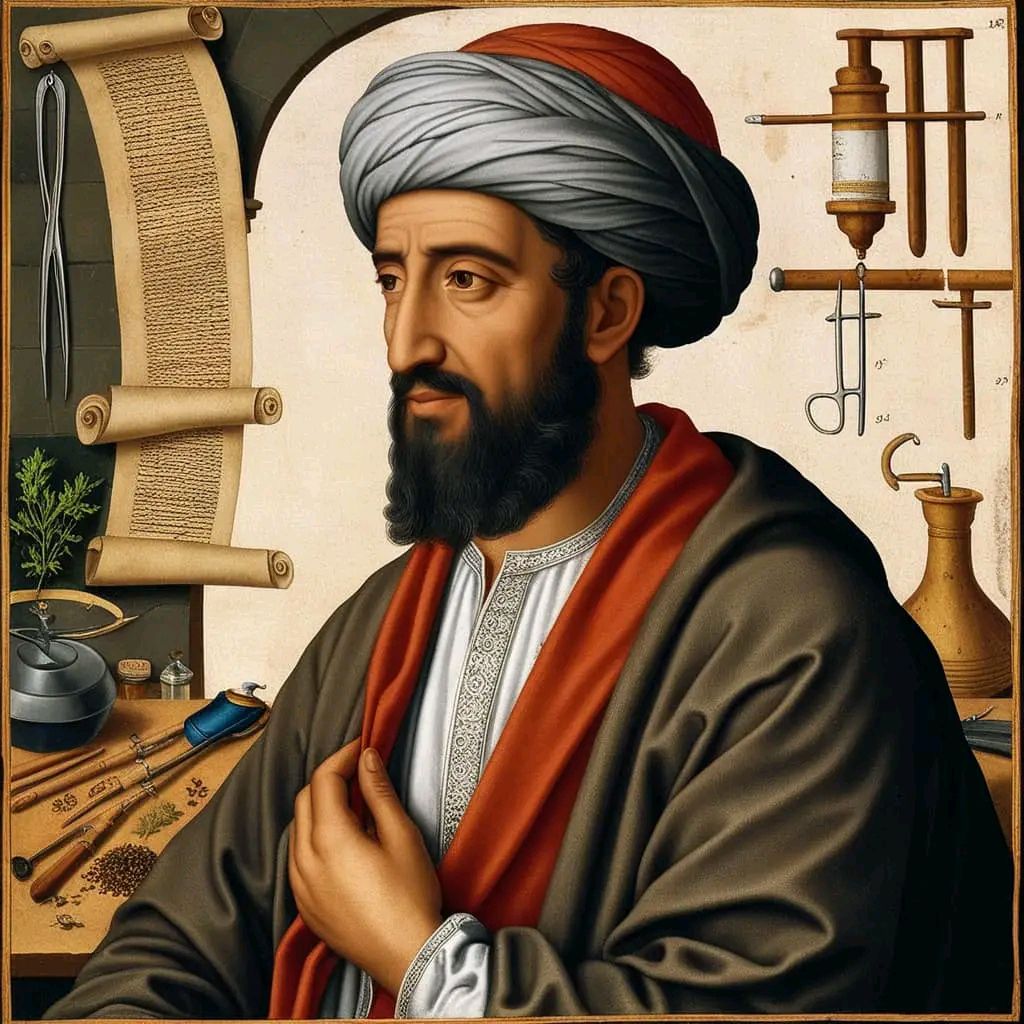
Abu al-Qasim al-Zahrawi (also known as Abulcasis) was a pioneering Andalusian physician, surgeon, and medical scholar of the Islamic Golden Age, often called “the father of modern surgery.” Born in the 10th century in Al-Andalus (modern-day Spain), he was a prominent figure in the development of medicine, especially known for his work in surgery.
Al-Zahrawi’s most famous work, Al-Tasrif li-man ’ajaza ’an al-ta’lif (The Method of Medicine), was a 30-volume encyclopedia covering various aspects of medicine, surgery, and pharmacology. It became one of the most influential texts in medical history, studied and used by physicians in both the Islamic world and Europe for centuries.
Some key contributions of al-Zahrawi include:
1. Surgical Instruments: Al-Zahrawi designed and documented over 200 surgical tools, many of which formed the basis for modern surgical instruments.
2. Surgical Techniques: He innovated several surgical techniques, including pioneering work in obstetrics, neurosurgery, and treating fractures. He was among the first to describe techniques for removing cataracts and using cauterization for wound healing.
3. Cosmetic Surgery: Al-Zahrawi’s Al-Tasrif includes early descriptions of what we would now call cosmetic surgery. He described procedures to improve the appearance of scars, remove unwanted hair, and repair dental issues.
4. Medical Ethics: His writings also emphasize ethics in medical practice, especially around the responsibilities of doctors and their conduct with patients.
Al-Zahrawi’s work influenced European medicine during the Renaissance, thanks to translations of his encyclopedia into Latin.

