

Saqeefa Kay Baad imam Ali nay Khilafat Qabool Q nahi Ki ? Mufti Fazal Hamdard


इस्लामी फ़ौज मर्रज़्ज़हरान से मक्के की ओर
उसी सुबह, मंगल 17 रमज़ान सन् 08 हि० की सुबह, अल्लाह के रसूल सल्ल० मरज़्ज़हरान से मक्का रवाना हुए और हज़रत अब्बास रजि० को हुक्म दिया कि अबू सुफ़ियान को जहां घाटी तंग होती है, वहां पहाड़ के नाके के पास रोके रखें, ताकि यहां से गुज़रने वाली खुदाई फ़ौजों को अबू सुफियान देख सके। हज़रत अब्बास ने ऐसा ही किया।
इधर क़बीले अपने-अपने फरेरे लिए गुज़र रहे थे। जब वहां से कोई क़बीला गुज़रता तो अबू सुफ़ियान पूछता, अब्बास ! ये कौन लोग हैं? जवाब में हज़रत अब्बास, मिसाल के तौर पर कहते कि बनू सुलैम हैं, तो अबू सुफ़ियान कहता कि मुझे सुलैम से क्या लेना-देना। फिर कोई क़बीला गुज़रता तो अबू सुफ़ियान पूछता कि ऐ अब्बास ! ये कौन लोग हैं? वह कहते मुज़ैना हैं। अबू सुफ़ियान कहता, मुझे मुज़ैना से क्या लेना-देना? यहां तक कि सारे क़बीले एक-एक करके गुज़र गए।
जब भी कोई क़बीला गुज़रता तो अबू सुफ़ियान हज़रत अब्बास रज़ि० से उसके बारे में ज़रूर पूछता और जब वह उसे बताते तो वह ज़रूर कहता कि मुझे बनी कलां से क्या वास्ता ? यहां तक कि अल्लाह के रसूल सल्ल० अपने हरे दस्ते के साथ तशरीफ़ लाए। आप मुहाजिरों और अंसार के बीच में चल रहे थे, यहां इंसानों के बजाए सिर्फ़ लोहे की बाड़ दिखाई पड़ रही थी ।
अबू सुफ़ियान ने कहा, सुबहानल्लाह ! ऐ अब्बास ! ये कौन लोग हैं ? उन्होंने कहा, ये अंसार और मुहाजिरीन की देख-भाल में अल्लाह के रसूल सल्ल० तशरीफ़ ला रहे हैं।
अबू सुफ़ियान ने कहा, भला इनसे मोर्चा लेने की ताक़त किसे है? इसके बाद उसने आगे कहा, अबुल फ़ज़्ल ! तुम्हारे भतीजे की बादशाही तो, अल्लाह की क़सम ! बड़ी ज़बरदस्त हो गई।
हज़रत अब्बास रज़ि० ने कहा, अबू सुफियान ! यह नुबूवत है।
अबू सुफ़ियान ने कहा, हां, अब तो यही कहा जाएगा।
इस मौके पर एक घटना और घटी। अंसार का फरेरा हज़रत साद बिन उबादा रज़ि० के पास था। वह अबू सुफ़ियान के पास से गुज़रे तो बोले-
‘आज खूंरेंज़ी और मार-धाड़ का दिन है। आज हुर्मत हलाल कर ली जाएगी। आज अल्लाह ने क़ुरैश की ज़िल्लत मुक़द्दर कर दी है। इसके बाद जब
वहां रसूलुल्लाह सल्ल० गुज़रे तो अबू सुफ़ियान ने कहा, ऐ अल्लाह के रसूल सल्ल० ! आपने यह बात नहीं सुनी जो साद ने कही है ?
आपने फ़रमाया साद ने क्या कहा है?
अबू सुफ़ियान ने कहा, यह और यह बात कही है।
यह सुनकर हज़रत उस्मान और हज़रत अब्दुर्रहमान बिन औफ़ रज़ि० ने अर्ज़ किया कि ऐ अल्लाह के रसूल सल्ल० ! हमें ख़तरा है कि कहीं साद कुरैश के अन्दर मार-धाड़ न करा दें?
अल्लाह के रसूल सल्लल्लाहु अलैहि व सल्लम ने फ़रमाया, नहीं, बल्कि आज का दिन वह दिन है जिसमें काबे का सम्मान किया जाएगा। आज का दिन वह दिन है जिसमें अल्लाह कुरैश को इज़्ज़त बख्शेगा। इसके बाद आपने हज़रत साद के पास आदमी भेजकर झंडा उनसे ले लिया और उनके सुपुत्र क़ैस के हवाले कर दिया, गोया झंडा हज़रत साद के हाथ से नहीं निकला और कहा जाता है कि झंडा आपने हज़रत ज़ुबैर के हवाले कर दिया था ।
इस्लामी फ़ौज अचानक कुरैश के सर पर
जब अल्लाह के रसूल सल्ल० अबू सुफ़ियान के पास से गुज़र चुके, तो हज़रत अब्बास रज़ि० ने उससे कहा, अब दौड़कर अपनी क़ौम के पास जाओ ‘ अबू सुफ़ियान तेज़ी से मक्का पहुंचा और बड़ी ऊंची आवाज़ से पुकारा, कुरैश के लोगो ! यह मुहम्मद हैं। तुम्हारे पास इतनी फ़ौज लेकर आए हैं कि मुक़ाबले की ताब नहीं। इसलिए जो अबू सुफ़ियान के घर में घुस जाए उसे अमान है।
लोगों ने कहा, अल्लाह तुझे मारे, तेरा घर हमारे कितने आदमियों के काम आ सकता है ?
अबू सुफ़ियान ने कहा; और जो अपना दरवाज़ा अन्दर से बन्दर कर ले, उसे भी अमान है और जो मस्जिदे हराम में दाखिल हो जाए, उसे भी अमान है। यह सुनकर लोग अपने घरों और मस्जिदे हराम की ओर भागे, अलबत्ता अपने कुछ गुंडों को लगा दिया और कहा कि इन्हें हम आगे किए देते हैं। अगर कुरैश को कुछ कामियाबी हुई, तो हम इनके साथ हो रहेंगे और अगर इन पर चोट पड़ी, तो हमसे जो कुछ मांग की जाएगी, मंजूर कर लेंगे।
कुरैश के ये मूर्ख गुंडे मुसलमानों से लड़ने के लिए इक्रिमा बिन अबू जहल, सफ़वान बिन उमैया और सुहैल बिन अम्र की कमान में खंदमा के अन्दर जमा हुए। उनमें बनू बक्र का एक आदमी हमास बिन क़ैस भी था जो इससे पहले
हथियार ठीक-ठाक करता रहता था, जिस पर उसकी बीवी ने (एक दिन) कहा, यह काहे की तैयारी है जो मैं देख रही हूं?
उसने कहा, मुहम्मद और उसके साथियों से मुक़ाबले की तैयारी है।
इस पर बीवी ने कहा, ख़ुदा की क़सम ! मुहम्मद और उनके साथियों के मुक़ाबले में कोई चीज़ नहीं ठहर सकती।
उसने कहा, ख़ुदा की क़सम ! मुझे उम्मीद है कि मैं उनके कुछ साथियों को तुम्हारा दास बनाऊंगा। इसके बाद कहने लगा-
‘अगर आज वह हमारे मुक़ाबले में आ गए, तो मेरे लिए कोई उज्र न होगा, यह पूरा हथियार, लम्बी लम्बी अन्नी वाला नेजा, झट सौंती जानेवाली दोधारी तलवार ।’
खंदमा की लड़ाई में यह व्यक्ति भी आया हुआ था।
इस्लामी फ़ौज जीतुवा में
इधर अल्लाह के रसूल सल्लल्लाहु अलैहि व सल्लम मर्रज़्ज़हरान से रवाना होकर जीतुवा पहुंचे, इस बीच अल्लाह को बख़्शे हुए विजय-यश पर विनम्रता दिखाते हुई आपने अपना सर झुका रखा था, यहां तक कि दाढ़ी के बाल कजावे की लकड़ी से जा लग रहे थे।
जीतुवा में आपने फ़ौज की तर्तीींब और तक्सीम फ़रमाई। खालिद बिन वलीद को अपने पहलू पर रखा। इसमें अस्लम, सुलैम, ग़िफ़ार, मुज़ैना, जुहैना और अरब के कुछ दूसरे क़बीले थे और खालिद बिन वलीद को हुक्म दिया कि वह मक्का के निचले भाग से दाखिल हों और अगर कुरैश में से कोई आड़े आए तो उसे काटकर रख दें, यहां तक कि सफ़ा पर आपसे आ मिलें ।
हज़रत ज़ुबैर बिन अव्वाम बाएं पहलू पर थे। उनके साथ अल्लाह के रसूल सल्ल० का फरेरा था। आपने उन्हें हुक्म दिया कि मक्का में ऊपरी हिस्से यानी कदा से दाखिल हों और हजून में आपका झंगडा गाड़ कर आपके सामने आने तक वहीं ठहरे रहें ।
हज़रत अबू उबैदा रज़ि० प्यादे पर नियुक्त थे। आपने उन्हें हुक्म दिया कि घाटी के बीच का रास्ता पकड़ें, यहां तक कि मक्का में अल्लाह के रसूल सल्ल० के आगे उतरें ।
मक्का में इस्लामी फ़ौज का दाख़िला
इन हिदायतों के बाद तमाम दस्ते अपने अपने मुक़र्रर रास्तों पर चल पड़े।
हज़रत खालिद और उनके साथियों के रास्ते में जो मुश्कि भी आया, उसे सुला दिया गया, अलबत्ता उनके साथियों में से भी कर्ज़ बिन जाबिर फ़हरी और खुनैस बिन खालिद बिन रबीआ भी शहीद हो गए। वजह यह हुई कि ये दोनों फौज से बिछड़कर एक दूसरे रास्ते पर चल पड़े और इसी बीच उन्हें क़त्ल कर दिया गया।
खंदमा पहुंचकर हज़रत खालिद रज़ि० और उनके साथियों की मुठभेड़ कुरैश के गुंडों से हुई। मामूली सी झड़प में बारह मुश्कि मारे गए और उसके बाद मुश्किों में भगदड़ मच गई। हमास बिन क़ैस जो मुसलमानों से लड़ाई के लिए हथियार ठीक-ठाक करता रहता था, भागकर अपने घर में जा घुसा और अपनी बीवी से बोला, दरवाज़ा बन्द कर लो।
उसने कहा, वह कहां गया जो तुम कहा करते थे ?
कहने लगा, ‘अगर तुमने खंदमा की लड़ाई का हाल देखा होता, जबकि सफ़वान और इक्रिमा भाग खड़े हुए और सौंती हुई तलवारों से हमारा स्वागत किया गया, जो कलाइयां और खोपड़ियां इस तरह काटती जा रही थीं कि पीछे सिवाए उनके शोर और गोग़ा और हमहमा के कुछ सुनाई नहीं पड़ता था, तो तुम मलामत की छोटी सी बात न कहती।’
इसके बाद हज़रत खालिद रज़ि० मक्का के गली-कूचों को रौंदते हुए सफ़ा पर्वत पर अल्लाह के रसूल सल्ल० से जा मिले।
इधर हज़रत ज़ुबैर रज़ि० ने आगे बढ़कर जहून में मस्जिद फ़त्ह के पास अल्लाह के रसूल सल्ल० का झंडा गाड़ा और आपके लिए एक कुब्बा नसब किया, फिर लगातार वहीं ठहरे रहे, यहां तक कि अल्लाह के रसूल सल्ल० तशरीफ़ ले आए।
मस्जिदे हराम में अल्लाह के रसूल सल्ल० का दाखिला और बुतों से उसका पाक किया जाना
इसके बाद अल्लाह के रसूल सल्ल० उठे और आगे-पीछे और आस-पास मौजूद अंसार और मुहाजिरों के साथ मस्जिदे हराम के अन्दर तशरीफ़ लाए, आगे बढ़कर हजरे अस्वद को चूमा और उसके बाद बैतुल्लाह का तवाफ़ किया। उस वक़्त आपके हाथ में एक कमान थी और बैतुल्लाह के गिर्द और उसकी छत पर तीन सौ बुत थे । आप उसी कमान से उन बुतों को ठोकर मारते जा रहे थे और कहते जाते थे।
‘हक़ आ गया और बातिल चला गया। बातिल जानेवाली चीज़ है।’ (17
‘हक़ आ गया और बातिल की चलत-फिरत ख़त्म हुई।’
(34:49)
और आपकी ठोकर से बुत चेहरों के बल गिरते जाते थे ।
आपने तवाफ़ अपनी ऊंटनी पर बैठकर फ़रमाया था और हालते एहराम में न होने की वजह से सिर्फ़ तवाफ़ ही पर बस किया। तवाफ़ पूरा करने के बाद हज़रत उस्मान बिन तलहा को बुलाकर काबे की कुंजी ली। फिर आपके हुक्म से खाना काबा खोला गया। अन्दर दाखिल हुए तो तस्वीरें नज़र आईं, जिनमें हज़रत इब्राहीम और हज़रत इस्माईल अलै० की तस्वीरें थीं और उनके हाथ में फ़ाल निकालने के तीर थे ।
आपने यह मंज़र देखकर फ़रमाया, ‘अल्लाह इन मुश्रिकों को हलाक करे । ख़ुदा की क़सम ! इन दोनों पैग़म्बरों ने कभी भी फ़ाल के तीर इस्तेमाल नहीं किए। आपने खाना काबा के अन्दर लकड़ी की बनी हुई एक कबूतरी भी देखी। उसे अपने मुबारक हाथ से तोड़ दिया और तस्वीरें आपके हुक्म से मिटा दी गईं।
ख़ाना काबा में अल्लाह के रसूल सल्ल० की नमाज़ और कुरैश से ख़िताब
इसके बाद आपने अन्दर से दरवाज़ा बन्द कर लिया। हज़रत उसामा रज़ि० और हज़रत बिलाल रज़ि० भी अन्दर ही थे। फिर दरवाज़े के सामने की दीवार का रुख किया। दीवार जब तीन हाथ की दूरी पर रह गयी, तो वहीं ठहर गए । दो खम्भे आपके बाईं ओर थे। एक खम्भा दाहिनी ओर और तीन खम्भे पीछे । उन दिनों खाना काबा में छः खम्भे थे। फिर वहीं आपने नमाज़ पढ़ी। इसके बाद बैतुल्लाह के अन्दरूनी हिस्से का चक्कर लगाया। तमाम गोशों में तक्बीर व तौहीद के कलिमे कहे, फिर दरवाज़ा खोल दिया।
कुरैश (सामने) मस्जिदे हराम में सफ़ें लगाए खचाखच भरे थे। उन्हें इन्तिज़ार था कि आप क्या करते हैं। आपने दरवाज़ों के दोनों बाज़ू पकड़ लिए। कुरैश नीचे थे, उन्हें यों ख़िताब किया—
‘अल्लाह के सिवा कोई माबूद नहीं, वह अकेला है, उसका कोई शरीक नहीं । उसने अपना वायदा सच कर दिखाया। अपने बन्दे की मदद की और सारे जत्थों को हराया। सुनो, बैतुल्लाह की कुंजी और हाजियों को पानी पिलाने के अलावा सारा रुत्वा, कमाल या खून मेरे इन दोनों क़दमों के नीचे हैं। याद रखो, ग़लती से किया गया क़त्ल और उस सज़ा में जो कोड़े और दंडे से हो, भारी दियत है, यानी
अर-रहीकुल मख़्तूम
सौ ऊंट जिनमें से चालीस ऊंटनियों के पेट में उनके बच्चे हों।
ऐ कुरैश के लोगो ! अल्लाह ने तुमसे अज्ञानता के गर्व और बाप-दादा पर घमंड का अन्त कर दिया। सारे लोग आदम से हैं और आदम मिट्टी से थे। इसके बाद यह आयत तिलावत फ़रमाई-
‘ऐ लोगो ! हमने तुम्हें एक मर्द और एक औरत से पैदा किया और तुम्हें क़ौमों और क़बीलों में बांट दिया, ताकि तुम एक दूसरे को पहचान सको। तुममें अल्लाह के नज़दीक सबसे इज़्ज़तदार वही है, जो सबसे ज़्यादा ख़ुदा से डरने वाला हो। बेशक अल्लाह जानने वाला और ख़बर रखने वाला है।’
आज कोई डांट नहीं
इसके बाद आपने फ़रमाया, कुरैश के लोगो ! तुम्हारा क्या विचार है? मैं तुम्हारे साथ क्या व्यवहार करने वाला हूं?
उन्होंने कहा, अच्छा, आप करीम (दयालु) भाई हैं और करीम भाई के बेटे हैं।
आपने फ़रमाया, तो मैं तुमसे वही बात कह रहा हूं जो हज़रत यूसुफ़ अलै० ने अपने भाइयों से कही थी कि ‘आज तुम पर कोई डांट नहीं, जाओ तुम सब आज़ाद हो ।’
काबे की कुंजी
इसके बाद अल्लाह के रसूल सल्लल्लाहु अलैहि व सल्लम मस्जिदे हराम में बैठ गए। हज़रत अली रज़ि० ने, जिनके हाथ में काबे की कुंजी थी, खिदमत में हाज़िर होकर अर्ज़ किया, हुज़ूर सल्ल० ! हमें हाजियों को पानी पिलाने के पद के साथ खाना काबा की कुंजी रखने का पद भी दे दीजिए। अल्लाह आप पर रहमत नाज़िल करे ।
एक और रिवायत के मुताबिक़ यह गुज़ारिश हज़रत अब्बास रज़ि० ने की थी । रसूलुल्लाह सल्ल० ने फ़रमाया, उस्मान बिन तलहा कहां हैं? उन्हें बुलाया गया। आपने फ़रमाया, उस्मान ! यह लो अपनी कुंजी। आज का दिन नेकी और वफ़ादारी का दिन है।
तबक़ाते इब्ने साद की रिवायत है कि आपने कुंजी देते हुए फ़रमाया, इसे हमेशा के लिए लो। तुम लोगों से इसे वही छीनेगा जो ज़ालिम होगा। ऐ उस्मान ! अल्लाह ने तुम लोगों को अपने घर का अमीन (अमानत की रखवाली करने वाला) बनाया है, इसलिए इस बैतुल्लाह से तुम्हें जो कुछ मिले उसे भले तरीक़े के साथ खाना ।




: आयते मुबाहला :-
एक बार नजरान से साठ ईसाई पादरियों का वफ़द हुजूर सल्लल्लाहु अलैह वसल्लम की बारगाहे अक्दस में हाज़िर हुआ तो उनमें से दो लोगों ने नबी करीम सल्लल्लाहु अलैह वसल्लम से गुफ़्तगू की तो हुजूर सल्लल्लाहु अलैह वसल्लम ने उनसे फरमाया कि तुम इस्लाम कुबूल कर लो तो उन्होने जवाब दिया कि हम आपसे पहले इस्लाम कुबूल कर चुके तो नबी अकरम सल्लल्लाहु अलैह वसल्लम ने फरमाया तीन चीज़े तुम्हें इस्लाम लाने से रोकती हैं-1-तुम्हारा सलीब की इबादत तुम्हारा ये एतकाद (अकीदा) रखना कि ईसा अलैहस्सलाम खुदा के बेटे हैं उन ईसाई जमाअत के एक सरदार ने कहा क्या तुम ये गुमान रखते हो कि ईसा अलैहस्सलाम अल्लाह के बन्दे हैं तो हुजूर सल्लल्लाहु अलैह वसल्लम ने फरमाया हाँ वो रूहअल्लाह और अल्लाह के बन्दे और रसूल हैं करना 2-खिंजीर खाना 3-
तो उनका एक सरदार बोला तो हमें कोई ऐसा बन्दा दिखाओ जो मुर्दों को ज़िन्दा करता हो मादरजात अन्धों को बीनाई देता हो मिट्टी से परिन्दे की शक्ल बनाकर उसमें फूंक मारता तो वो उड़ने लगता हो क्या आप हमारे साथ मुबाहला (वाकयुद्ध, बदुआ) करते हैं कि हज़रत ईसा अलैहस्सलाम ऐसे न थे और जो झूठा हो उस पर अल्लाह की लानत हो और वो तबाह व बर्बाद हो जायेगा फिर हुजूर सल्लल्लाहु अलैह वसल्लम ने फ़रमाया क्या तुम यही चाहते हो उन्होंने कहा हाँ तो आप सल्लल्लाहु अलैह वसल्लम ने फरमाया जैसी तुम्हारी मर्जी और अल्लाह तआला ने आयते मुबाहला नाज़िल फरमाई और हुजूर सल्लल्लाहु अलैह वसल्लम
ने उन ईसाई पादरियों को मुबाहला की दावत दी। अल्लाह तआला ने इरशाद फरमाया- पस आपके पास इल्म आ जाने के बाद जो शख़्स ईसा अलैहस्सलाम के मामले में आपसे झगड़ा करते हैं तो आप फ़रमाँ दें कि आ जाओ हम (मिलकर) अपने बेटों को और तुम्हारे बेटों को और अपनी औरतों को और तुम्हारी औरतों को और अपने आपको और तुम्हें भी (एक जगह पर) बुला लेते हैं फिर हम मुबाहला करते हैं और झूठों पर अल्लाह की लानत भेजते हैं (सू०-आले इमरान-61)
तसरीहः-
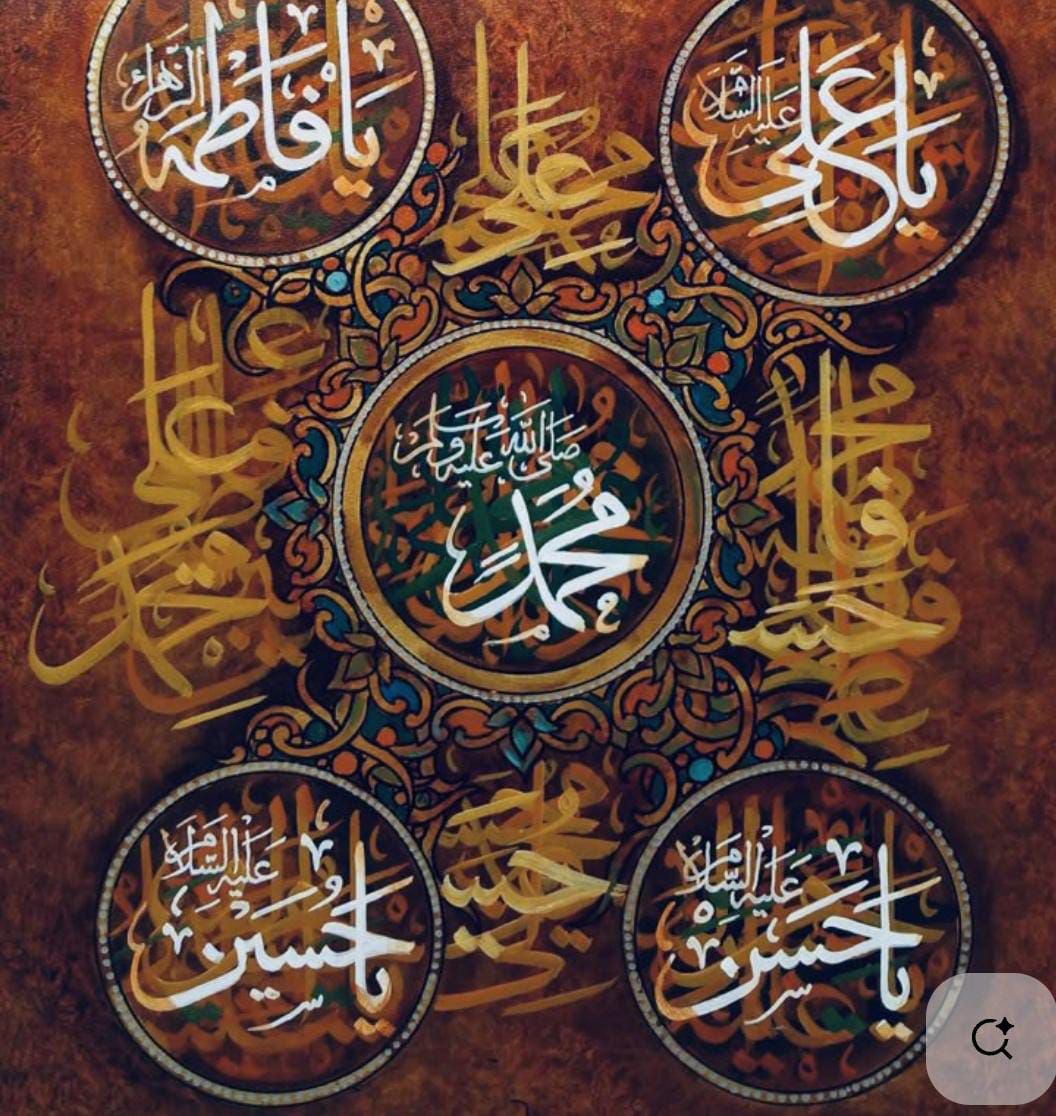
फिर दूसरे दिन सरकारे दो आलम सल्लल्लाहु अलैह वसल्ल्म ने हज़रत मौला अली शेरे खुदा, व खातूने जन्नत सइयदा फातिमा और इमाम हसन व इमाम हुसैन (अलैहिमुस्सलाम) को अपने साथ लिया और नसरानियों से मुबाहला करने के लिये तशरीफ ले गये और अपने अहले बैत (हज़रत मौला अली सइयदा फातिमा, हसन व हुसैन (अलैहिमुस्सलाम) से फरमाया कि जब मैं दुआ करूँ तो तुम सब आमीन कहना हज़रत इमाम हसन व हजरत इमाम हुसैन (अलैहिमुस्सलाम) आप के साथ थे और हज़रत मौला अली और सइयदा फातिमा ज़हरा (अलैहिमुस्सलाम) आप सल्लल्लाहु अलैह वसल्लम के पीछे थे।
उन ईसाइयों में से एक शख़्स जिसका नाम अब्दुल मसीह था वो बोला कि ऐ ईसाइयो तुम पहचान चुके हो कि मुहम्मद (सल्लल्लाहु अलैह वसल्लम) सच्चे रसूल हैं अगर तुमने इनसे मुबाहला किया तो सब हलाक हो जाओगे इसलिये मुबाहला से इन्कार कर दो और हुजूर सल्लल्लाहु अलैह वसल्लम से सुलह कर लो और ये वो ही रसूल हैं जिनकी
ख़बर व ज़िक्र तौरात में है अल्लाह की कसम अगर तुम उन्हें लानत व मलामत करोगे तो हम सब हलाक हो जायेंगे और न हम कामयाब होंगे और न हमारे बाद वाले और रूये ज़मीन पर कोई नसरानी बाकी न रहेगा और न हमारा बाल बाकी रहेगा और न हमारा नाखून बाकी रहेगा और फिर उन ईसाई पादिरियों के सरदारों में से कुछ लोगों ने हुजूर सल्लल्लाहु अलैह वसल्लम से अर्ज़ की कि हमारे बेवकूफों ने आपसे मुबाहला करने की बात की थी हमारी आप से गुज़ारिश है कि आप हमें माफ़ फ़रमां दें फिर हुजूर सल्लल्लाहु अलैह वसल्लम ने फरमाया कि मैंने तुम्हें माफ कर दिया ।
इमाम जलालुद्दीन सयूती ने मजकूरा आयात की तफसीर में एक रिवायत नकल की है कि हुजूर सल्लल्लाहु अलैह वसल्लम ने फरमाया कि अज़ाबे इलाही अहले नजरान पर करीब आ चुका था अगर वो मुबाहला करते तो उनका खात्मा हो जाता । (दुर्रे मन्सूर-2/111)
एक दूसरी रिवायत में है नबी करीम सल्लल्लाहु अलैह वसल्लम ने फरमाया मेरे पास एक फरिश्ता आया था जिसने मुझे ये ख़बर दी कि अगर वो मुबाहला करते तो अहले नजरान हलाक हो जाते।
एक और रिवायत में है हुजूर सल्लल्लाहु अलैह वसल्लम ने फरमाया कसम है उस ज़ात की जिसके क़ब्ज़े कुदरत में मेरी जान है बेशक अज़ाबे इलाही नजरान के करीब आ चुका था अगर वो मुबाहला करते तो उन्हें बन्दरों और खिंजीरों की शक्ल
में मस्ख़ कर दिया जाता और वादी आग से भर जाती और अल्लाह तआला नजरान और उसके बाशिंदों की जड़ें उखेड़ लेता हत्ता कि दरख़्तों पर परिन्दा भी न बचता । (तफ़्सीर मज़हरी-2/78) (तफ्सीर नईमी-3/477)
हज़रत जाबिर रज़िअल्लाहु तआला अन्हु से रिवायत है कि रहमते दो आलम सल्लल्लाहु अलैह वसल्लम ने फ़रमाया कसम है उस ज़ात जिसने मुझे हक के साथ मबऊस फ्रमाया अगर वो मुबाहला करते तो उन पर वादी आग से भर जाती। हज़रत जाबिर रज़िअल्लाहु तआला अन्हु फ़रमाते हैं कि आयते मुबाहला पंजतन पाक (हुजूर सल्लल्लाहु अलैह वसल्लम हज़रत मौला अली, सइयदा फातिमा और इमाम हसन व इमाम हुसैन (अलैहिमुस्सलाम) के बारे में नाज़िल हुई और अन्फुसाना से मुराद हुजूर सल्लल्लाहु अलैह वसल्लम व हज़रत मौला अली करमल्लाहु वजहुल करीम हैं और अब्नाअना से मुराद इमाम हसन व इमाम हुसैन (रजिअल्लाहु तआला अन्हुम) है और निसाअना से मुराद हज़रत सइयदा फातिमा ज़हरा (रजिअल्लाहु तआला अन्हा) हैं। (दुर्रे मन्सूर-2/109)
व इमाम मुस्लिम, तिर्मिज़ी, हाकिम और बैहकी ने हज़रत साद बिन अबी वक़्क़ास (रजिअल्लाहु तआला अन्हु) से रिवायत नकल की है जब ये आयते मुबाहला (कुल तआलो नदऊ अब्नाअना व अब्नाअकुम निसाअना व निसाअकुम व अन्फुसाना व अन्फुसाकुम) नाज़िल हुई तो हुजूर सल्लल्लाहु अलैह वसल्लम ने हज़रत मौला अली शेरे खुदा व सइयदा फातिमा ज़हरा और इमाम हसन व इमाम हुसैन (अलैहिमुस्सलाम) को बुलाया और फ़रमाया ऐ अल्लाह ये मेरे अहले बैत हैं।
(मिश्कात-3/252)
(तफ्सीर नईमी-2/77)
(दुर्रे मन्सूर-2/111)
(मुस्तदरक हाकिम-3/163)
हज़रत जाबिर बिन अब्दुल्ला (रजिअल्लाहु तआला अन्हु) से रिवायत है कि नजरान से एक वफ़द हुजूर सल्लल्लाहु अलैह वसल्लम की बारगाहे अदस में हाज़िर हुआ और पूछा कि हज़रत ईसा अलैहस्सलाम के बारे में आपकी क्या राय है तो हुजूर सल्लल्लाहु अलैह वसल्लम ने फरमाया वो रूह अल्लाह और अल्लाह के बन्दे और रसूल हैं उस वफद ने हुजूर सल्लल्लाहु अलैह वसल्लम से कहा क्या आप हमारे साथ मुबाहला करते हैं कि हज़रत ईसा अलैहस्सलाम ऐसे न थे तो आप सल्लल्लाहु अलैह वसल्लम ने फ़रमाया जैसे तुम्हारी मर्जी (तब आयते मुबाहला नाज़िल हुई) और आप सल्लल्लाहु अलैह वसल्लम घर तशरीफ लाये और अपने बेटों हज़रत इमाम हसन व हज़रत इमाम हुसैन (अलैहिमुस्सलाम) और हज़रत मौला अली शेरे खुदा व खातूने जन्नत सइयदा फातिमा (अलैहिमुस्सलाम) को साथ ले जाने के लिये जमा किया उन ईसाइयों के एक सरदार ने उन (नसरानियों) से कहा कि मुहम्मद (सल्लल्लाहु अलैह वसल्लम) से मुबाहला मत करो अल्लाह की कसम अगर तुमने ऐसा किया तो तुम्हारा कोई भी आदमी नहीं बचेगा फिर वो ईसाई हुजूर सल्लल्लाहु अलैह वसल्लम के पास आये और कहा कि हमारे कुछ बेवकूफ लोगों ने आपसे मुबाहला का इरादा किया था हम आपसे गुज़ारिश करते हैं कि आप हमें माफ कर दें आप सल्लल्लाहु अलैह वसल्लम ने फरमाया कि मैंने तुम्हें माफ कर दिया।
(मुस्तदरक हाकिम-2/649)

AYAT-E-MUBAHILAH”
In Surah Ale Imran, verse 61, the Holy Qur’an declares:
فَمَنْ حَاجَّكَ فِيهِ مِنْ بَعْدِ مَا جَاءَكَ مِنَ الْعِلْمِ فَقُلْ تَعَالَوْا نَدْعُ أَبْنَاءَ نَا وَأَبْنَاءَكُمْ وَنِسَاءَنَا وَنِسَاءَكُمْ وَأَنْفُسَنَا وَأَنْفُسَكُمْ ثُمَّ نَبْتَهِلْ فَنَجْعَلْ لَّعْنَتَ اللَّهِ عَلَى الْكَذِبِينَ ]
“Therefore say to those who dispute with you (O Muhammad) concerning ‘Isa after the knowledge has come to you, “Come! Let us summon our sons and your sons, and our women and your women, and ourselves and yourselves – then pray humbly, thereby casting the curse of Allah upon the liars!”
There was once a group of Christians who arrived from Najran. They eventually agreed to have an oath to the death on what was false and what was the truth. Sayyiduna Rasoolullah Sallal Laahu ‘Alayhi Wasallam then appeared in front of them with Hadrat Sayyiduna ‘Ali, Sayyidah Fathima, Imam Hasan and Imam Husain Radi Allahu Anhum. However, when the heard Priest saw this delegation of Muslims, he quietly murmured to his followers, “Without doubt I can see such faces (in front of me) that if these people plead to Allah azza wajal to move the mountain from its place, then Allah azza wajal through their Du’a would move the mountain. For the sake of the Lord, do not have a Mubahilah against these people or else (we will) be destroyed and there will remain no Christians on the face of the earth until the Day of Judgement.” They then said, “O Abul Qasim! We are not performing a Mubahilah with you. You may remain on your religion and we will remain on our religion.” (Tafseer Kabeer, Tafseer Khaazin, Madaarijun Nubuwah)

