

Rasool-e-Akram ﷺ ki 3 hadeesen jo seedha Muawiya par saadiq aati hain, jin ki roshni mein Muawiya baaghi, zaalim aur Allah Ta‘ala aur malaaika ke maghzoob thehrate hain
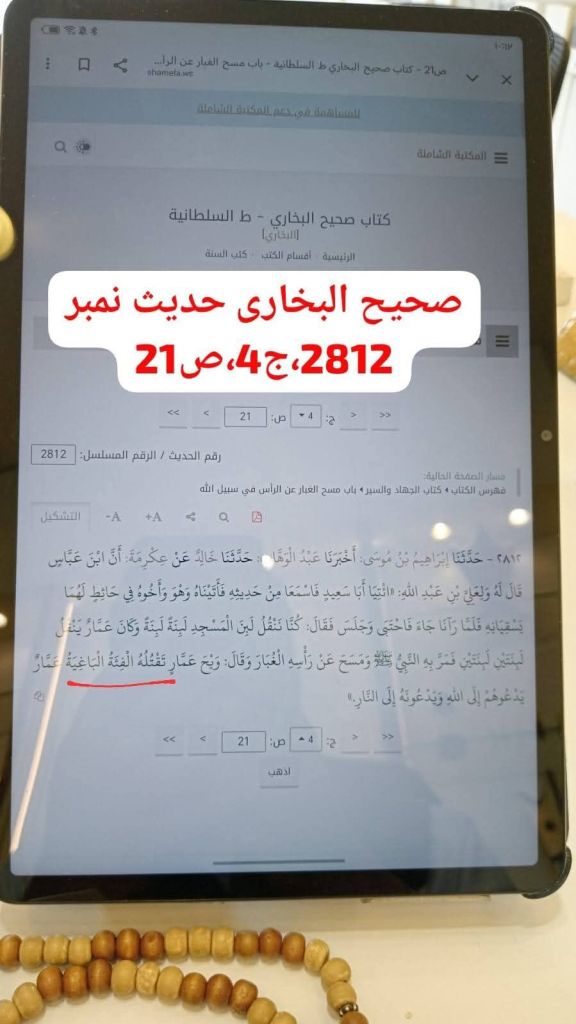
1️⃣ Bukhari Sharif ki hadees: “Taqtuluhul fi’atul baaghiyah”
(Ammar bin Yasir ko baaghi jamaat qatl karegi, aur Muawiya ki jamaat ne unhein qatl kiya)
«Sahih Bukhari, Hadees No. 2812, Jild 4, Safha 21»
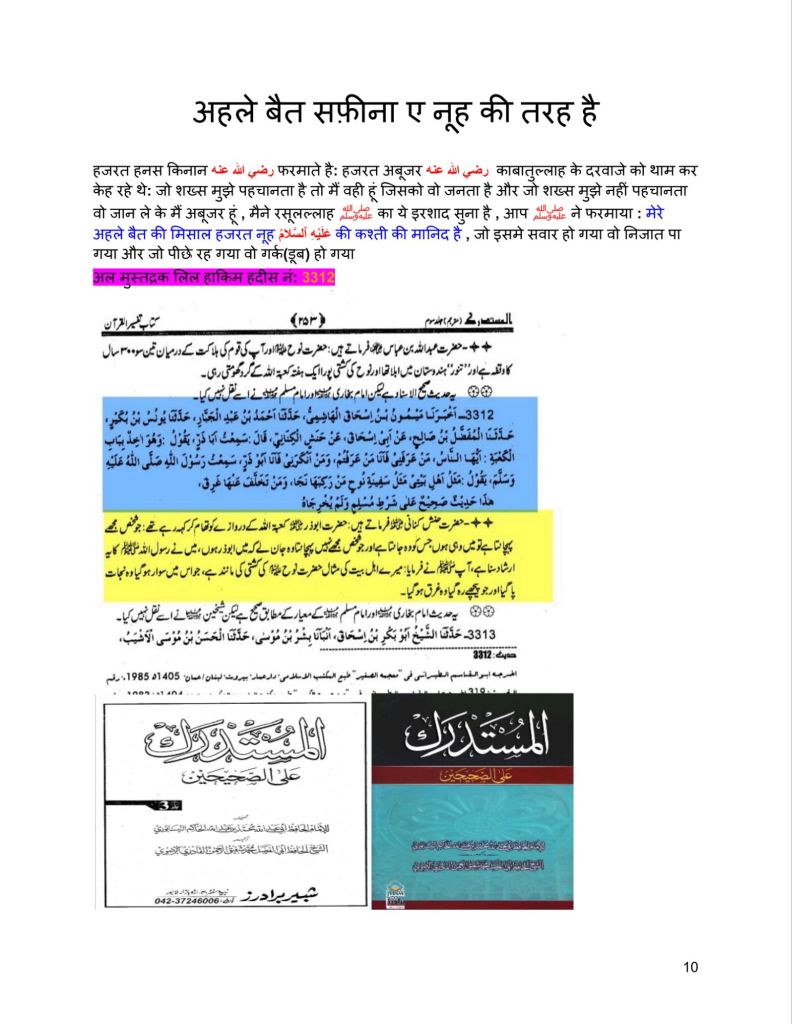
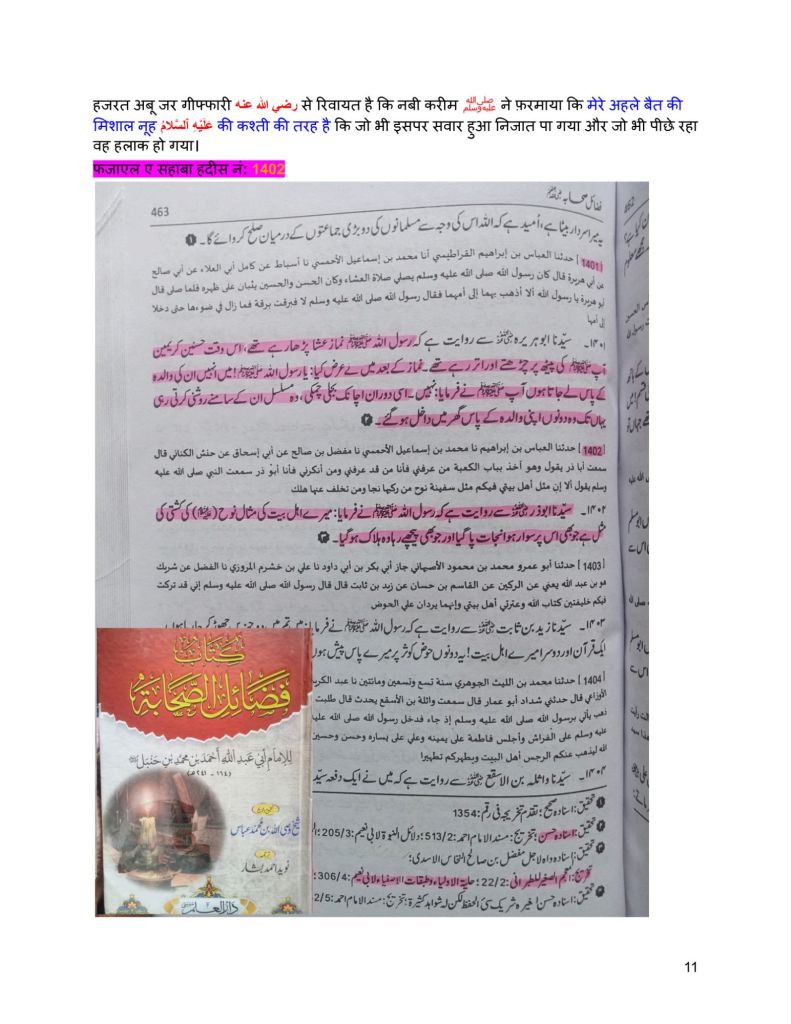
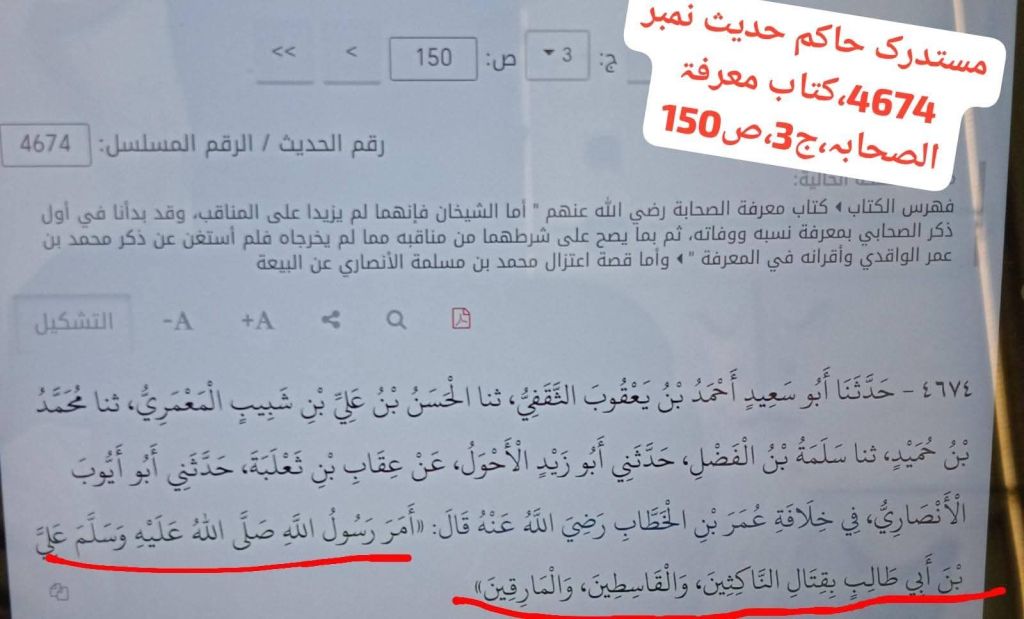
2️⃣ Mustadrak Hakim ki hadees:
“Rasoolullah ﷺ ne Ali bin Abi Talib ko hukm diya ke woh bai‘at todne walon, zulm aur zyadti ka raasta ikhtiyar karne walon, aur deen se nikal jaane walon se jang karein.”
Aur ulama ka ittefaq hai ke Qasiteen (zaalim log) se murad jang-e-Siffin mein Maula Ali ke khilaaf aane wale log, ya‘ni Muawiya hain.
«Mustadrak Hakim, Hadees No. 4674, Kitab Ma‘rifat-us-Sahaba, Jild 3, Safha 150»
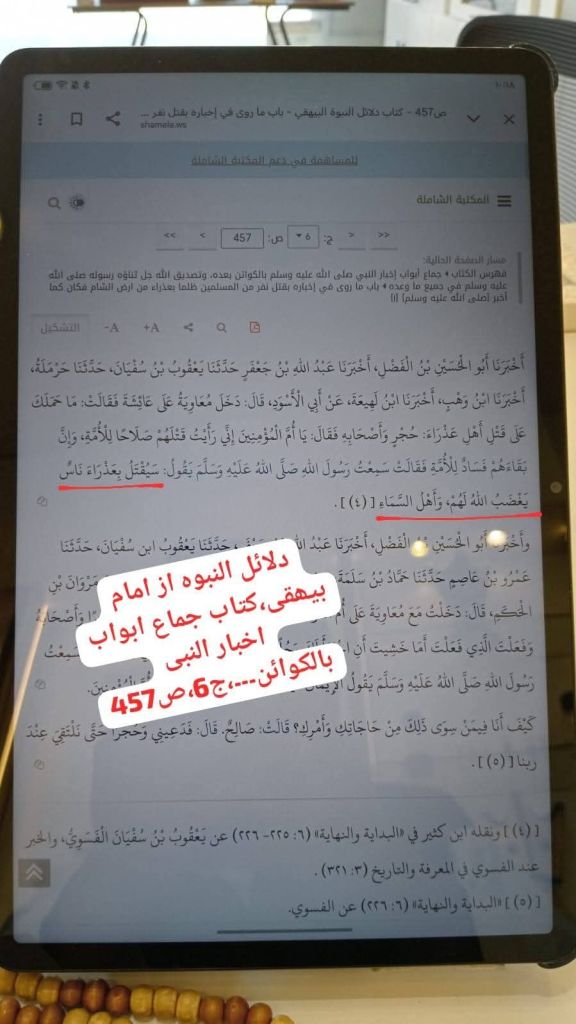
3️⃣ Dala’il-un-Nubuwwah ki hadees:
“Anqareeb maqam Azra mein kuch log qatl kiye jaayenge, jin ki wajah se Allah Ta‘ala aur aasman walay ghazabnaak honge.”
Aur maqam Azra mein Muawiya ne Hazrat Hujr bin Adi رضي الله عنه aur unke saathiyon ko qatl karwaya.
«Dala’il-un-Nubuwwah — Imam Bayhaqi, Kitab Jama‘ Abwab Akhbar-un-Nabi bil-Kawa’in, Jild 6, Safha 457»

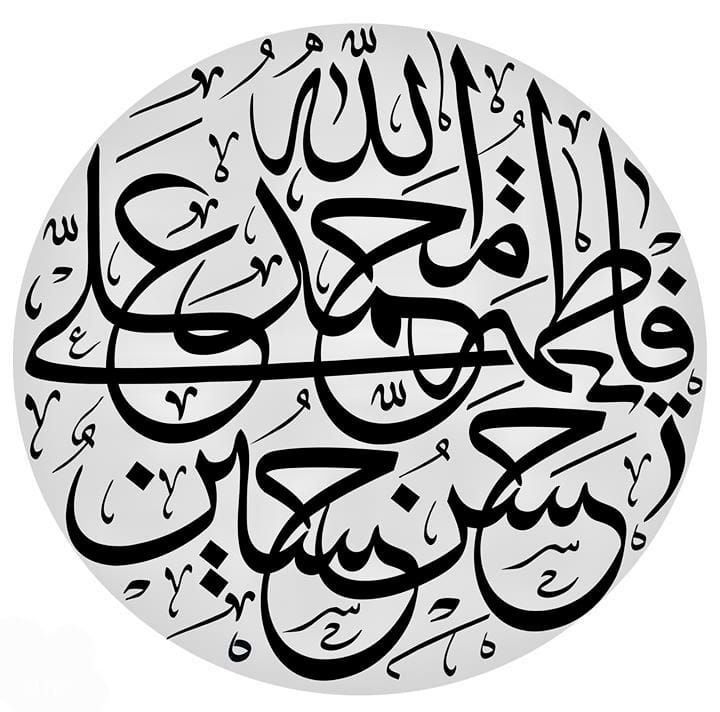
🍀 *Rasool e Khuda (ع) Ne Hazrat ALI (ع) Se Irshad Farmaya:*
🌹*“ALI (ع) Agar Koi Shakhs Khuda Ki Itne Arsay Tak Ibadat Kare Jitna Ke Nooh (a.s) Apni Qaum Me Qiyam Pazeer Rahe Thay- (Yani Sadhe Nau Sau Saal Tak Ibadat Kare) Aur Uske Paas Ohad Pahaad Jitna Sona Ho Aur Wo Sab Sona Allah Ki Rah Me Kharch Karde Aur Usay Taweel Umar Mil Jaye Aur Wo Hazaar Baar Pa Paedah Hajj Kare Phir Safa Wa Marwah Ke Darmiyaan Mazloom Hokar Maara Jaye- Agar Wo Teri Wilayat Nahi Rakhta Toh Wo Jannat Ki Khushbu Bhi Nahi Sungh Sakega Aur Jannat Me Dakhil Na Hoga”.*
(Kitaab: Fazael e Ahlebait a.s Al Maroof Ghayat ul Maram Jild:1 Safa:105/106 H:3)

उमरा क़ज़ा
इमाम हाकिम कहते हैं, यह ख़बर तवातुर के साथ साबित है कि जब ज़ीक़ादा का चांद हो गया, तो नबी सल्ल० ने अपने सहाबा किराम रज़ि० को हुक्म दिया कि अपने उमरे की क़ज़ा के तौर पर उमरा करें और कोई भी आदमी जो हुदैबिया में हाज़िर था, पीछे न रहे। चुनांचे (इस मुद्दत में) जो लोग शहीद हो चुके थे, उन्हें छोड़कर बाक़ी सभी लोग रवाना हो गए और हुदैबिया वालों के अलावा कुछ और लोग भी उमरा करने के लिए साथ निकले। इस तरह तायदाद दो हज़ार हो गई । औरतें और बच्चे इनके अलावा थे। 1
अल्लाह के रसूल सल्ल० ने इस मौक़े पर अबू रहम ग़िफ़ारी रज़ि० को मदीना में अपना जानशीं मुक़र्रर किया, साठ ऊंट साथ लिए और नाजिया बिन जुन्दुब अस्लमी को उनकी देखभाल का काम सौंपा। जुल हुलैफ़ा से उमरे का एहराम बांधा और लब्बैक की सदा लगाई। आपके साथ मुसलमानों ने भी लब्बैक पुकारा और कुरैश की ओर से बद-अदी के अंदेशे की वजह से हथियार ओर योद्धाओं के साथ मुस्तैद होकर निकले।
जब याजिज घाटी पहुंचे तो सारे हथियार यानी ढाल, सपर, तीर, नेज़े सब रख दिए और उनकी हिफ़ाज़त के लिए औस बिन खौला अंसारी रज़ि० की मातहती में दो सौ आदमी वहीं छोड़ दिए और सवार का हथियार और म्यान में रखी हुई तलवारें लेकर मक्का में दाखिल हुए। 2 12
अल्लाह के रसूल सल्ल० मक्का में दाखिले के वक़्त अपनी क़सवा नामी ऊंटनी पर सवार थे। मुसलमानों ने तलवारें लटका रखी थीं और अल्लाह के रसूल सल्ल० को घेरे में लिए हुए लब्बैक-लब्बैक पुकार रहे थे I
मुश्कि मुसलमानों का तमाशा देखने के लिए (घरों से) निकलकर काबा के उत्तर में वाक़े जबले क़भी क़आन पर (जा बैठे थे)। उन्होंने आपस में बातें करते हुए कि तुम्हारे पास एक ऐसी जमाअत आ रही है जिसे यसरिब के बुखार ने तोड़ डाला है, इसलिए नबी सल्ल० ने सहाबा किराम को हुक्म दिया कि वे पहले तीन चक्कर दौड़कर लगाएं। अलबत्ता रुक्ने यमानी और हजरे अस्वद के दर्मियान सिर्फ़ चलते हुए गुज़रें। कुल (सातों) चक्कर दौड़कर लगाने का सिर्फ़ हुक्म इसलिए नहीं दिया कि रहमत व शफ़क़त मक़सूद था।
1. फ़हुल बारी 7/500 वही, मय जादुल मआद 2/151
इस हुक्म का मंशा यह था कि मुश्कि आपकी ताक़त देख लें।’
इसके अलावा नबी सल्ल० ने इज्तिबाअ का भी हुक्म दिया था। इज्तिबाअ का मतलब यह है दाहिना कंधा खुला रखें (और चादर दाहिनी बग़ल के नीचे से गुज़ारकर आगे-पीछे दोनों ओर से) उसका दूसरा किनारा बाएं कंधे पर डाल दें।
के अल्लाह के रसूल सल्ल० मक्का में उस पहाड़ी घाटी के रास्ते में दाखिल हुए जो हजून पर निकलती है। मुश्किों ने आपको देखने के लिए लाइन लगा रखी थी। आप . बराबर लब्बैक कह रहे थे, यहां तक कि (हरम पहुंचकर ) अपनी छड़ी से हजरे अस्वद को छुआ, फिर तवाफ़ किया, मुसलमानों ने भी तवाफ़ किया। उस वक़्त हज़रत अब्दुल्लाह बिन रुवाहा रजि० तलवार लटकाए अल्लाह रसूल सल्ल० के आगे-आगे चल रहे थे और वीरता के ये पद पढ़ रहे थे-
‘कुफ़्फ़ार के पोतो ! इनका रास्ता छोड़ दो, रास्ता छोड़दो कि सारी भलाई उसके पैग़म्बर ही में है। रहमान ने अपनी तंजील को उतारा है, यानी अपनी किताबों में जिनकी तिलावत उसके पैग़म्बर पर की जाती है। ऐ पालनहार ! मैं इनकी बात पर ईमान रखता हूं और इसे कुबूल करने को ही हक़ जानता हूं कि बेहतरीन क़त्ल वह है जो अल्लाह की राह में हो। आज हम उसकी तंजील के मुताबिक़ तुम्हें ऐसी मार मारेंगे कि खोपड़ी अपनी जगह से छटक जाएगी और दोस्त को दोस्त से बेखबर कर देगी। 2
हज़रत अनस रज़ि० की रिवायत में इसका भी ज़िक्र है कि इस पर हज़रत उमर बिन खत्ताब रज़ि० ने कहा, ऐ इब्ने रुवाहा ! तुम अल्लाह के रसूल सल्ल० के सामने और अल्लाह के हरम में कविता कर रहे हो ?
नबी सल्ल० ने फ़रमाया, ऐ उमर ! इन्हें रहने दो। क्योंकि यह इनके अन्दर तीर की मार से भी ज़्यादा तेज़ है। 3
अल्लाह के रसूल सल्ल० और मुसलमानों ने तीन चक्कर दौड़कर लगाए। मुश्रिकों ने देखा तो कहने लगे, ये लोग जिनके बारे में हम समझ रहे थे कि बुखार ने इन्हें तोड़ दिया है, ये तो ऐसे और ऐसे लोगों से भी ज़्यादा ताक़तवर है। 4
1. सहीह बुखारी 1/218, 2/610, 611, सहीह मुस्लिम 1/412
2. रिवायतों में इन पदों पर इनके क्रम में बड़ा मतभेद है। हमने विभिन्न पदों को इकट्ठा कर दिया।
3. जामेअ तिर्मिज़ी, अबवाबुल इस्तीज़ान वल अदब, बाब मा जा-अ फ्री इन शाइश-शेर 2/107
4. सहीह मुस्लिम 1/412
तवाफ़ से फ़ारिग़ होकर आपने सफ़ा और मर्वः की सई की। उस वक़्त आपकी हदयि यानी कुरबानी के जानवर मर्व: के पास खड़े थे। आपने ने सई से फ़ारिग़ होकर फ़रमाया, यह कुरबानगाह है और मक्के की सारी गलियां कुरबानगाह हैं। इसके बाद मर्व: (ही) के पास जानवरों को कुरबान कर दिया, फिर वहीं सर मुंडाया, मुसलमानों ने भी ऐसा ही किया, इसके बाद कुछ लोगों को याजिज भेज दिया गया कि वे हथियारों की हिफ़ाज़त करें और जो लोग हिफ़ाज़त पर लगे हुए थे, वे आकर अपना उमरा अदा कर लें ।
अल्लाह के रसूल सल्लल्लाहु अलैहि व सल्लम मक्का में तीन दिन ठहरे रहे । चौथे दिन सुबह हुई तो मुश्रिकों ने हज़रत अली रज़ि० के पास आकर कहा, ‘अपने साहब से कहो कि हमारे यहां से रवाना हो जाएं, क्योंकि मुद्दत गुज़र चुकी है। इसके बाद अल्लाह के रसूल सल्ल० मक्का से निकल आए और सर्फ़ नामी जगह पर उतरकर क़ियाम फ़रमाया-
मक्का से आपके रवाना होने के वक़्त पीछे-पीछे हज़रत हमज़ा रज़ि० की सुपुत्री भी चचा, चचा पुकारते हुए आ गईं। उन्हें हज़रत अली रज़ि० ने ले लिया। इसके बाद हज़रत अली, हज़रत जाफ़र और हज़रत ज़ैद के बीच उनके बारे में मतभेद उठ खड़ा हुआ। हर एक दावेदार था कि वही उनकी परवरिश का ज़्यादा हक़दार है। नबी सल्ल० ने हज़रत जाफ़र के हक़ में फ़ैसला किया, क्योंकि उस बच्ची की खाला उन्हीं के घर में थीं ।
इस उमरे में नबी सल्ल० ने हज़रत मैमूना बिन्त हारिस आमिरीया रज़ि० से विवाह किया। इस मक़सद के लिए अल्लाह के रसूल सल्ल० ने मक्का पहुंचने से पहले हज़रत जाफ़र बिन अबी तालिब रज़ि० को अपने आगे हज़रत मैमूना के पास भेज दिया था और उन्होंने अपना मामला हज़रत अब्बास को सौंप दिया था। चूंकि हज़रत मैमूना की बहन हज़रत उम्मुल फ़ज़्ल उन्हीं की बीवी थीं। हज़रत अब्बास रज़ि० ने हज़रत मैमूना (रज़ि०) की शादी नबी सल्ल० से कर दी। फिर आपने मक्का से वापसी के वक़्त हज़रत राफ़ेअ को पीछे छोड़ दिया कि वह हज़रत मैमूना को सवार करके आपकी सेवा में ले आएं। चुनांचे आप सरफ़ पहुंचे तो वह आपकी सेवा में पहुंचा दी गईं। 1
इस उमरे का नाम उमरा क़ज़ा या तो इसलिए पड़ा कि यह उमरा हुदैबिया की क़ज़ा के तौर पर था, या इसलिए कि यह उमरा हुदैबिया में तै किए हुए समझौते के मुताबिक़ किया गया था (और इस तरह के समझौते को अरबी में
1. ज़ादुल मआद 2/152
क़ज़ा और मुक़ाज़ात कहते हैं) इस दूसरी वजह को शोधकों ने तजह के क़ाबिल क़रार दिया है।
साथ ही इस उमरे को चार नामों से याद किया जाता है-उमरा क़ज़ा, उमरा क़जीया, उमरा क़सास और उमरा सुलह ।
1. ज़ादुल मआद 2/172, फ़हुल बारी 7/500 2. वही, फ़हुल बारी

