
Year: 2021
Muharram mein shadi karna kaisa hai??..
Imam Muhammad ibn Ali Al Faqih Al Muqaddam Rehmatullah alaih.

Hazrat Inayat Shah Qadri Shatari (رحمتہ اللہ علیہ)

Inayat Shah Qadri Shatari also called Inayat Shah was a Sufi saint of the breed – Shatari Qadiri (series), who lived in Qasur in the Punjab region in Pakistan at the present time. Inayat Shah Qadri is famous as a spiritual guide of the poet Bulleh Shah, Punjabi.Inayat Shah, the property of the community den and got a living by farming or gardening. Also lived in Kasur for some time but due to the hostility of the governor of Kasur, he moved to Lahore and stayed there until the end of his life.Bulleh Shah belonged main spiritual guide or Shah Inayat, a school Shattari Qadriyya: known for its close proximity with yoga meditation and other practices.One day he has some rich man, but fear of God deposited a great deal of wealth with Shah Inayat with the supplication that he should be distributed among the people in need. Said Inayat Shah, Bulleh Shah, “the distribution of this wealth among the poor and the needy, according to the law of God.”A crowd of needy people who gathered in the spot hoping to get something. Bulleh Shah said one of them to take everything and the rest gave nothing. This decision caused a stir and people began to complain and agitate. Inayat Shah was very puzzled by this decision.Bulleh Shah admonishingly asked to explain what he did. Shah said Bulleh, ‘You told me to distribute the wealth according to God’s law. I did exactly that. Just take a look around. There are a few people rich and the vast majority of the poor and disadvantaged. So, I followed the divine law, who works in this world.The tomb of Shah Inayat Qadiri. Located the tomb of Shah Inayat Qadri on Queens Road Lahore. Thousands of worshipers from all over Pakistan attend the Urs light, and provides the orator and poet of the century, 16 and 17. And Hazrat Shah Inayat was a religious scholar and spiritual leader, the author of several books on Sufism. Dasturul hope, hope Islahul, Lataif mail Ghaibya Ishartul and the Taliban, and popular books. The spiritual leader of the Punjabi poets and saints Baba Bulleh Shah and Waris Shah. He was born in 1646 and died in 1728. Inayat Shah lived in Lahore, so he also called Shah Inayat Lahori. It belongs to the family den and was a farmer. Qasur also lived for some time, but later moved to Lahore.
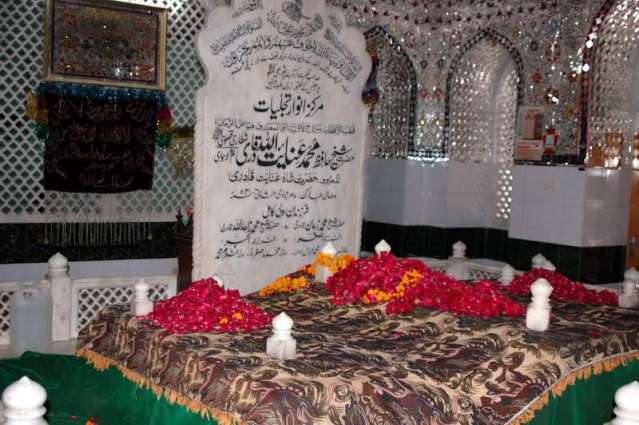
Baba Shah Inayat Qadiri Shatari (Punjabi: شاه عنایت قادري , also called Enayat Shah (1643–1728) was a Sufi scholar and saint of the Qadiri-Shatari silsila (lineage). Shah Inayat Qadiri is famous as the spiritual guide of the universal Punjabi poets Bulleh Shah and Waris Shah.
Name
Baba is an honorific term used as a sign of respect to Sufi saints. It is a term similar to “father” or “wise old man”. Shah is another honorific referring to a king. Inayat is an Islamic male first name. Qadiri is an Islamic surname. Shatari or Shattari refers to a tariqah, a Sufi mystical order.
Work
Shah Inayat is remembered as a preacher, a religious scholar, a philosopher and a saint. Shah Inayat was a scholar of mysticism. He wrote mostly in Persian. His works include:
Dasturul Amal
Islahul Amal
Lataif-e-Ghaibya, and
Ishartul Taliban

Pir Sayyid Muhammad Rashid Qadri Naqshbandi Sindhi (1171-1234 AH)
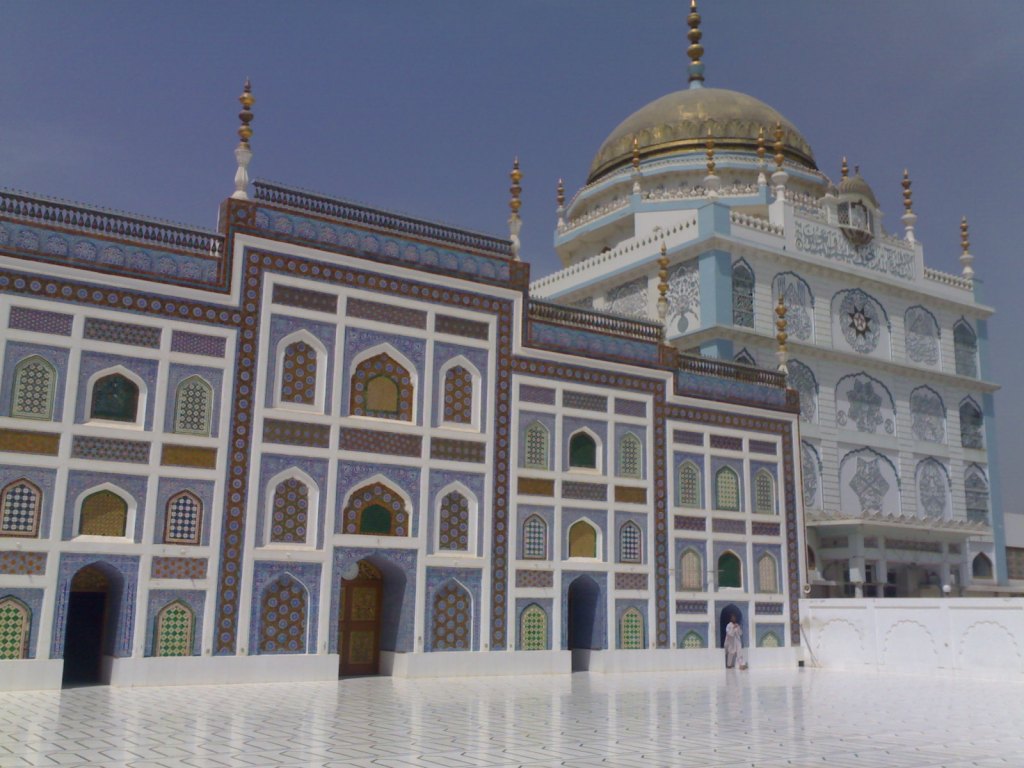
Ḥaḍrat Pīr Sayyid Muḥammad Rāshid Qādrī Naqshbandī Sindhī qaddas-Allāhu sirrahū (may Allah sanctify his secret) was one of the most celebrated Sufi masters in Sindh (now Pakistan). He was the founder of the Rāshidī Sufi order that spread to Sindh, Punjāb, Balochistān, Rājasthān, Gujarāt and eventually to many far and wide areas.
He is often known with his alias Pīr Roze Dhanī (Sindhi: روضي ڌڻي, Urdu: روضے دھنی), meaning “master of the shrine”.
He was a Sayyid, a descendant of the Master of Prophets ṣall-Allāhu ʿalaihi wa-sallam through Imām Mūsā al-Kāẓim. His father Sayyid Muḥammad Baqā Lakiyārī (1135-1198 AH) ibn Sayyid Imām Alī was a Sufi shaikh and a solitary dervish.
The tomb of Sayyid Muhammad Rashid Qadri Naqshbandi (right), and the mosque of the tomb (left)
The tomb of Sayyid Muhammad Rashid Qadri Naqshbandi (right), and the mosque of the tomb (left)
Sayyid Muḥammad Rāshid was born on 6 Ramaḍān 1171 AH (1758). He was educated in the prevalent curriculum of Persian and Arabic, and Islamic sciences including jurisprudence, Ḥadīth and Quranic Tafsīr. Among his teachers were his father, Ḥāfidh Muḥammad Akram, Ḥāfidh Zain ad-Dīn Mahesar, Makhdūm Ṭayyib Panhwar, Makhdūm Yār Muḥammad (Kotrī Kabīr), and Makhdūm Muḥammad Ārejwī (near Lārkānā). The latest had a connection of studentship going to Mawlānā ʿAbd al-Ḥakīm Siyālkotī, who is a renowned scholar and author.
The Sufi Path
During his studies, once his father visited him and his brother Sayyid Ghulām Murtaḍā when they were studying in Kotrī Kabīr, and initiated them in the Sufi Path. He engaged in the spiritual practices and soon traversed the Path. His father authorized him in both the Qādrī and the Naqshbandī orders, though his primary Path was in the Qādrī order.
Golden Chain of the Qādri Order: [2]
Sayyid Muḥammad Rāshid received the spiritual secrets of the Qādrī order from his father
Sayyid Muḥammad Baqā Shāh Lakiyārī
Sayyid ʿAbd al-Qādir
Shaikh Muḥammad Ṣāliḥ
Sayyid Shams ad-Dīn Muḥammad
Sayyid Ḥāmid Shāh alias Ganj-Bakhsh
Sayyid Shams ad-Dīn Muḥammad
Shaikh ʿAbd al-Qādir
Shaikh Shams ad-Dīn Muḥammad
Sayyid ʿAbd al-Qādir
Sayyid Ḥāmid
Sayyid ʿAbd ar-Razzāq
Sayyid ʿAbd al-Qādir
Sayyid Muḥammad Ghawth
Sayyid Shams ad-Dīn Muḥammad
Sayyid Shāh Mīr
Sayyid ʿAlī
Sayyid Masʿūd
Khwāja Sayyid Aḥmad
Sayyid Safiy ad-Dīn Sūfī
Sayyid ʿAbd al-Wahhāb
Shaikh Muhiy ad-Dīn Sayyid ʿAbd al-Qādir Jīlānī Baghdādī
Khwāja Abū Saʿīd al-Mubārak al-Makhzūmī
Khwāja Abul-Ḥasan ʿAlī ibn Muḥammad Yūsuf al-Quraishī
Khwāja Abul-Faraḥ Ṭarṭūsī
Khwāja Abd al-Wāhid
Khwāja Abūbakr Shiblī
Imām Junaid al-Baghdādī
Shaikh Sirrī Saqaṭī
Shaikh Maʿrūf Karkhī
Shaikh Dāūd Tāī
Shaikh Ḥabīb ʿAjamī
Shaikh Ḥasan Baṣrī
Imām Alī ibn Abī-Ṭālib raḍiy-Allāhu ʿanhu
Sayyidunā wa Mawlānā Muḥammad ṣall-Allāhu ʿalaihi wa-sallam
Golden Chain of the Naqshbandī Order:
Sayyid Muḥammad Rāshid received the spiritual secrets from his father
Sayyid Muḥammad Baqā Shāh Lakiyārī (1135-1198 AH), who received from his shaikh
Makhdūm Ismāʿīl Piryā-Loī Sindhī (d. 1174 AH), who received it from his shaikh
Makhdūm Jamāl-Allāh, who received it from
Ḥājī Muḥammad Ayyūb, who received it from
Shaikh Saʿdī Lāhorī, who received it from
Shaikh Sayyid Ādam Bannūrī, who received it from
Imām Rabbānī Shaikh Ahmad Sirhindī Fārūqī quddisa-sirruhū.
(Further chain can be read here).
His noble father and shaikh passed away in 1198 AH. He then started initiating the new seekers in the Sufi Path.
Sayyid Muḥammad Rāshid left behind a large number of deputies who were authorized in the Sufi Path and who continued his spiritual order and spread it to millions of people across India. According to some narrations, he had about thirteen hundred deputies. Among his well-known deputies are the following:
His chief deputy was Khalīfo Maḥmūd Nizāmānī (d. 1267 AH), district Badīn (Sindh). He was the closest and most beloved deputy, and is author of Malfūzāt (speeches) of his shaikh.
His son and successor Sayyid Ṣibghat-Allāh Rāshidī, who is known as the first Pīr Pāgāro.
Sayyid Muḥammad Ḥasan Jīlānī (d. 1254 AH), whose deputy Ḥafidh Muḥammad Ṣiddīq was a well-known shaikh.
Khalīfo Nabī Bakhsh Lighārī (d. 1280 AH)
Khalīfo Allah Rakhiyo
Sayyid Jān Muḥammad Bukhārī
Demise
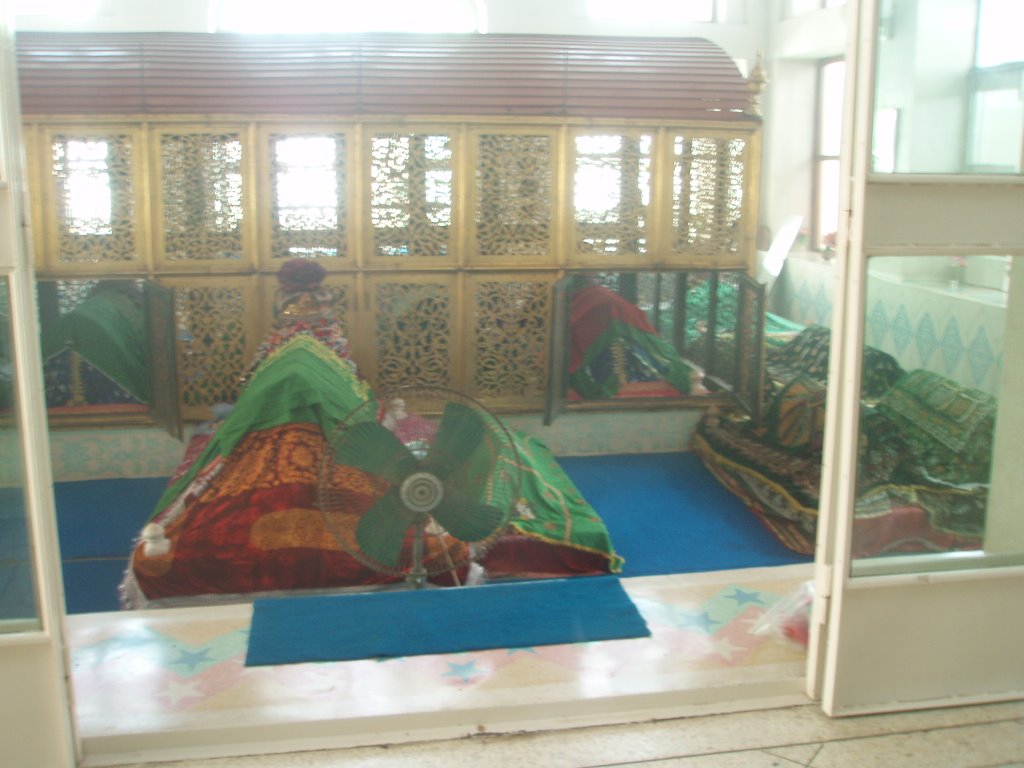
Following the noble Sunnah, Shaikh Muḥammad Rāshid lived a total of sixty three years and passed away on Friday 1 Shaʿbān 1234 AH. He was buried in his khāniqāh and village called Raḥīm-Dinū Kalhoro. In 1250 AH, due to the advancement of river Indus towards this place, his grandson Shaikh Sayyid ʿAlī Gohar shifted his coffin to the present place Pīr-Jo-Goth where his tomb is a place of pilgrimage for the people of Sindh.
During his last days, he advised his sons and deputies with the following words:
“Our Path is the Muḥammadan Path, free from ignorance and bidʿah (heresy, innovation). If someone in this silsila turns innovator, you should expel him from the brotherhood and should not maintain connection with him. You should follow this advice and be steadfast (on this Path).”
Revival of Islam and Sunnah
When Sayyid Muḥammad Rāshid was preaching and reforming the society, it was a time of widespread ignorance of Islamic and moral values, corrupt rulers, state persecution, and increasing sectarianism.
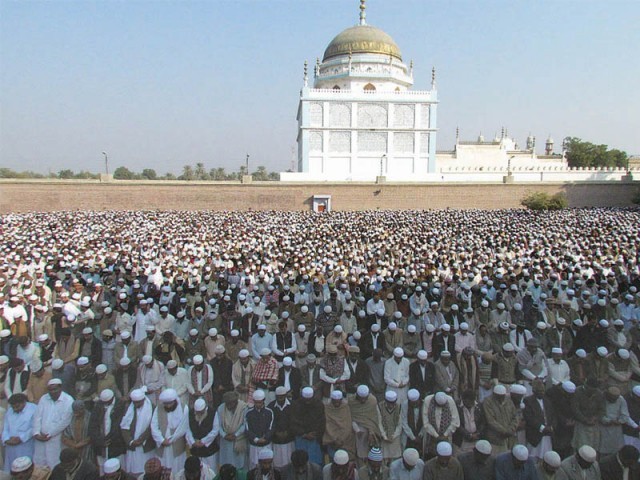
Shaikh Muḥammad Rāshid worked in those dark times and alighted the Nūr (spiritual light) of true guidance and right creed. He traveled to the remotest parts of Sindh, Rajasthan and Balochistan to guide those who did not have access to true guidance. He also reformed society at large and preached the true creed of Ahl-as-Sunnah to the misguided people. Large numbers of people converted to Sunni creed from Shia beliefs, including major tribes who had fallen into the wrong path due to political reasons (the then rulers of Sindh were Shia).
He used to celebrate the Mawlid of the Best of Creations s.a.w. in the month of Rabīʿ al-Awwal with high devotion dedication. He would invite everyone including his disciples, and would prepare highest quality dishes for them. He would show utmost delight and pleasure, and would himself wash the hands of the guests and sprinkle rose-water on them.
He did not approve of the Shia practices such as shows of mourning and self-torture, and stopped his followers from them.
He used to teach the Sunnah methods of Sharia and Tasawwuf, and did not approve modifications and local innovations in the Sunnah culture. One of the conditions he imposed on his new disciples, was that they would use a smaller turban in accordance with the Sunnah, not the local tradition of a very large turban that was used as a show of one’s social status.
Writings
Shaikh Sayyid Muḥammad Rāshid was not a regular author and did not write many books. However, some of his writings have survived and have been published. Among them are the following:
1. His poetry, mostly in Sindhi, is available and comprises Sufi wisdom and spiritual advices.
2. His letters, written in Persian, have been published together with Sindhi translation. They number 46 and were compiled by his chief deputy Khalīfo Maḥmūd Nizāmānī.
3. His biography is mostly preserved in his Malfūzāt, literally meaning speeches, but also includes short episodes of his life. These were written by his chief deputy Khalīfo Maḥmūd under the title Jāmiʿ al-Fuyūḍāt and published in two volumes with Sindhi translation.
4. A short Malfūzāt was written by his deputy Khalīfo Muḥammad Ḥusain Mahesar, called Ṣuḥbat-nama.
5. A short treatise named Ādāb al-Murīdīn (etiquette for the disciples) written in Persian and published together with sindhi translation.
6. A short treatise named Sharḥ Asmāʾ al-Ḥusnā
References and relevant sources
1. Maktūbāt Sharīf Ain Sawāneḥ Ḥayāt (PhD thesis, Sindhi), by Dr. Nazar Husain Sikandari, Shāhpur Chākar, Sindh, July 1996.
2. Sirāj ul-Āshiqīn (Sindhi), Malfūzāt of Khalīfo Maḥmūd Nizāmānī Qādrī Naqshbandī.
 Aal-e-Qutub Aal-e-Syed Abdullah Shah Ghazi