


It is known that contaminated water contains many bacteria and harmful viruses that cause many diseases such as typhoid, cholera, dysentery, meningitis and poliomyelitis, etc. Water-related diseases are the most critical health problems in the world now, therefore the mechanisms of sterilize water and its development gained the attention of governments and scientists. This attention makes many people believe that water sterilization technology is a modern technology. Perhaps the reason for this belief is that ancient people were not able to see those microorganisms. In this research, we have found that ancient scholars realized the existence of these objects and tried to get rid of them in several ways. Some of these ways were successful, and could be considered as a basis for modern techniques. Polluted water passes through several stages of processing to become pure clear drinkable water. In this research, we will mention a summary of each procession stage (sedimentation-filtration-sterilization), then we will refer to the history of the evolution of this stage in various ancient civilizations, and finally we will explain it in the Muslim civilization.

Figure 1. Banner Image(Source)
Note of Editor
This article was originally published in the Tarikh-e Elm Magazine as “Water Sterilization Technology in the History of Arabic / Islamic Sciences”. Images have been added by the Muslim Heritage team.
***
1. Introduction
Researches interested in the development of water sterilization techniques are rare. We found some hints to the role of ancient scientists in this field, but we were not able to find any hint to the role of ancient scientists from the Muslim Civilisation, this is perhaps due to the difficulty of finding scattered information in the old Arabic books.
In this research, we tried to clarify how ancient scientists from Muslim Civilisation developed the old methods that were invented in the past ancient civilizations. We also tried to show the new technologies that ancient scientists Muslim Civilisation invented and used for water sterilization in an attempt to get clean healthy water.

Figure 2. An ancient water purification system, still running! (Source)
2. Water quality standards in ancient civilizations
In the past, water quality was measured by depending on the physical tangible specifications of water, such as taste, color, smell and temperature.
Therefore, the first goal of any method used by man for the purpose of water sterilization was to get water that is tasteless, colorless, has no smell, and with moderate temperature.
The ancient Greeks directed their efforts on getting rid of the bad qualities of water. Because of that, they invented Sparta Cup[1], which was one of the first inventions through which the Greeks tried to get colorless water.
 Figure 3. ‘Sparta cup’ |
This cup was colorful and it was intended to hide the color of turbid water in a way that the drinker would not be able to differentiate between the bad color of water and the clay particles deposited on the walls of the cup.
After that, the Greeks realized that there is no benefit in hiding the color of turbidity water, some suggestions appeared to get rid of the bad taste of the water by putting some materials in it such as crushed coral or by putting some plants such as barley and bay leaf to improve its specifications[2].
In India, doctors advised the kings of India to drink water by a transparent glass cups because these cups show the extent of purity of water. They are also difficult to be poisoned, and they can be easily cleaned for future usages.[3]
At the beginning of the Muslim civilization, Prophet Muhamad took the preventive method in his life to protect water sources from pollution; so he warned from the defecating or urinating in water resources[4], and he sat borders for water fountains and wells, so that he prevented construction or agriculture within these borders to protect groundwater from human and plant waste contamination.[5]
All the previous solutions were primitive measures intended to prevent the bad effect of water on human health, without being able to get rid of the pathogens factors in the water.

Figure 4. Drawing of an apparatus for studying the chemical analysis of mineral waters in a book from 1799 (Source)
3. Stages of water purification in Arabic Heritage:
3.1 Sedimentation stage
3.1.1 Plain sedimentation stage (Al-Tarwīq)
In this type of sedimentation, we get rid of the elements suspended in water; which their specific gravity is greater than the specific gravity of water; this happens by the influence of Earth gravity.
 Figure 5. Ancient Egyptian water purification device, Amenophis II tomb, (1500-1300 BCE) |
This is an initial stage in the purification process, through which the amount of suspended elements is reduced before getting to the second stage.[6]
The first indication that shows the use of this method was in Egypt, where an inscription of the oldest device for purifying water was discovered on the walls of Amenophis II tomb at Tībah, dates back to the period of (1500-1300) B.C.[7]
3.1.2 Sedimentation by coagulation
Recent experiments have shown that water contains minute stuck materials, which require a long time to be sedimented.
Water also contains colloidal elements that are difficult to be physically deposited.
It is not economic that the time of natural deposition increases to more than four hours. Thus it was necessary to add chemical compounds called coagulants which compile fine particles together to form large-sized gel flakes that can be easily disposed of by sedimentation at a relatively short time.
There are many chemical elements used in sedimentation by coagulation, the most important elements are compounds of aluminium and iron, such as aluminium sulphate[8] (its commercial name is Al-Shab). Mixing increases the ratio of forming flakes, thus, large-sized flakes are formed and they can easily be removed by sedimentation.
As a result of experiments, it has been observed that strongly structured flakes can be produced by adding elements called coagulation aids. At present, a large number of organic coagulation aids has been identified such as starch and plant resins[9] (as we shall see later).

Figure 6. Pharmacist preparing drugs. From a MS of the Arabic translation of Dioscorides’ Materia Medica (Source)
There is a recent trend towards the use of some plant seeds in the deposition of water coagulates while being processed.
For example, the efficiency of apricot seeds in getting rid of these impurities was significantly proved.[10] The idea is that these seeds contain some of the chemical compounds that combine with contaminants to get deposited.
In the Old Testament, some indications had to do with the idea of using certain salt to purify water, but they were ambiguous references that neither illustrate the quality of the materials used for purification nor the way they are used.[11]
We see that this experiment of water purification was first mentioned in Arabic medical books with extreme precision and in detail. In this respect, Ibn Rubn Al-Tatarī, (died in the ninth century A.D), was the first to discuss this method, but vaguely. He said:
 As for me, I have asked more than one of Egyptian people about water turbidity of the Nile, and they mentioned that they threw crushed kernel cores of peach and apricot, then water became clear”.[12]
He talked about adding curdling aids without mentioning curdling materials (Al-Shab), or carrying out mixing.
Then he talked about (Al-Qasarīn)[13] who added Al-Shab to turbid water to have a good water for washing not for drinking purposes.[14]

Figure 7. Build Your Own Water Filtration for Kids (Source)
This experiment was completed and more clarified by Al-Tamīmī, who accurately explained the method of sedimentation by curdling in detail.
That was similar to the modern method followed in laboratories and water treatment plants. He said:
As for filtering turbid water, we resort to filter good light water at tide times, to make use of the type of soils through which water goes and on which water runs. Throwing a little of white AL-Yamani Al-Shab in water makes some of the water filtered. If thrown into sweet turbid water, and moved very well, then left for an hour, Al-Shab filters, clarifies, and extracts earthly elements quickly”.[15]
We notice the accuracy of Al-Tamīmī’s description of purification processes as if being carried out in a modern laboratory.
Al-Tamīmī suggests throwing other substances than Al-Shab in turbid water, such as kernel cores of apricot, a little of crushed salt, or some of teak wood in it.[16]
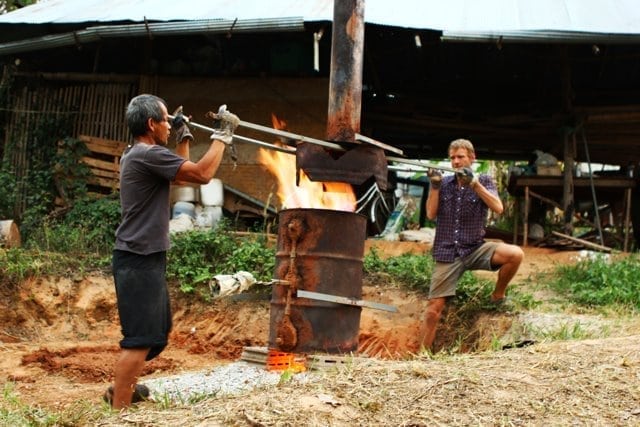
Figure 8. An ancient filtration material removes pesticides from drinking water (Source)
3.2 Filtration stage
 Figure 9. European depiction of the Muslim physician Rhazes, in Gerard of Cremona’s “Recueil des traités de médecine” (Source) |
Filtering is an essential stage in water purification and in the sterilization process, where water gets rid of fine and colloidal elements, which remain after the sedimentation process, in addition to getting rid of most of the bacteria.[17]
This is achieved by passing water through porous layers composed of sand and fine gravel, which were used due to their availability and unchangeable physical and chemical properties during the filtration process.
This method of filtration was reported in the Sanskrit writings in Swsrawta Samahita[18], a method of “filtration through sand and coarse gravel.”[19]
Abu Bakr Al-Razī, the doctor, mentioned several methods to filter turbid and thick texture water of many impurities.
The most important method was this new one:
…cooking and using backcombed wool, which is to put water in a pottery vase, and place a slotted cane on the top, and then, place a fleece of pure washed wool above. Then water is lightly heated, and the wool is squeezed when it gets wet with steam.”[20]
Ibn Sīna made use of the hairy property after understanding its mechanism well. He used it to invent a new method for water filtration based on this property.
Ibn Sīna explained his method by saying:
Maybe a priming of wool was spun, put it in two pots, the first tip in a pot filled with muddied water and the other tip in an empty pot. You will later see that pure water drips into the empty pot.”[21]
In this way, we get pure water, free of suspended solids
Another new way was mentioned by Ibn Qaīm Al-Jawzīh while talking about how to get fresh water from seawater; he said that:
A large hole is to be dig on the seashore, so that water is filtered to it, and then filtered to a hole nearby, and then to a third hole and so on until the water becomes pure and sweet.”[22]
Currently this method is called (natural filtration) where the human benefited from the hairy property in sandy land, dug several wells on the shore of a river or lake to pass the water from a well to another until almost become pure.
This method is easy and good if the water of this river or lake is not much turbid, little dirt.[23]
This method appears again after three centuries in the book “A Natural History of Ten Centuries” the book is written by Sir Francis Bacon (1561-1626 A.D).
This method is considered the basis of modern sand filters, which is used in the present day.

Figure 10. Arabic manuscript held in the British Library showing the distillation process in a treatise of chemistry (Source)
3.3. Sterilization or disinfection stage
Recent references state that the purpose of the operations of sterilizing drinking water is to remove pathogenic organisms from water resources.
These organisms cause disease transmission and contain viruses, bacteria, mononuclear cells, and worms.
Hydropath technological has to do with many methods of sterilizing water, which can be classified as follows:[24]

Figure 11. Globally, over 80% of our wastewater flows back to nature untreated.Three design students from the National Taiwan University of the Arts, Hong Yi-chen, Guo Yi-hui, and Zheng Yu-di created these popsicles as a graduation project “100% Polluted Water Popsicles“, to raise awareness about pollution in water systems (Source)
3.3.1. Thermal methods:
Boiling water for a period of 12-20 minutes kills all microorganisms with non-spore formations. At present, the heating method depends on reaching the boiling point, and for a period, ranging between five to ten minutes to give us sterilized water, which is considered safe from a healthy point of view.[25]
Boiling polluted water for a certain period of time helps in decomposing some suspended solids. Besides, dissolved harmful gases will be evaporated, but on the condition that boiling lasts for a certain period of time that is sufficient to get rid of pathogenic microbes.
Since ancient times, man knew the presence of pathogenic agents in water (germs) but he was not able to specify them because he was not able see them due to their small sizes, so man invented several ways to sterilize the water to get rid of germs.
The most popular method in ancient civilizations is that of boiling water. Indian Sanskrit writings mentioned the method of sterilizing water by boiling it on fire, or by dipping hot iron in it.[26]
According to the Greeks, the method of boiling water remained one of the most acceptable and usable methods of water treatment that helped to provide soldiers with clean water in the battlefield.[27]


Figures 12-13. One of the survival water purification method (Source)
Doctors from the Muslim Civilisation, tried to explain why water is considered drinkable when boiled, and they put the requirement of the continuation of water boiling for a period of time, a thing that was not mentioned by anyone before them, Al-Tamīmī said:
It is not possible to repair corrupt water without being cooked on fire, because fire heat decomposes water thickness, and removes the blending of corrupted air. This is achieved by cooking up to a point when one quarter of water is gone”.[28]
Al-Tamīmī’s condition that “constant boiling until a quarter of the amount of boiled water evaporates” gives an adequate amount of heat to kill germs.
Al-Razī, mentioned a new method, which is “boil water for a long time then cool it very quickly, so the precipitates will get filtered”.[29]
This method was subsequently adopted for water desalination in desalination plants where vaporized water gets rid of salts and impurities at the time of boiling, then water is re-condensed by cooling, a thing that results clean fresh water. This method is very similar, in terms of stages, to the pasteurization method invented by the French chemist Louis Pasteur (1822-1895 A.D).
 Figure 14. 15th-century European portrait of “Geber”, the Latin name of Jabir ibn Hayyan (Source) |
Another method mentioned by Jabir Ibn Haīīan, which is a distillation method. Babylonians, Egyptians and Greeks knew this Process (incomplete distillation) since ancient times to get some plants oils,[30] but Jabir was the first who described a method of pure distillation to purify chemical materials and water.[31] He has invented a glass distillation device, which has a long flask; it is still known today as “Al-embiq”.[32]
Jabir explained two ways of pure distillation by using Al-embiq:[33]
The first method (arid distillation water): where water is boiled directly over low heat so it turned into steam, then the steam is passed through tubes of cane and a piece of clean cotton, a thing that will lower its temperature and thus will be turned into water again after it became completely clean and futile before it is poured in a special flask.
The other method (wet distillation of water) (Al- tasoiīd), is similar to the previous method except that water is to be boiled indirectly over a boiler full of boiling water.[34]
Thus, Jabir was able to sterilize contaminated water by converting it into steam and then condensed it into liquid again.
Jabir emphasized the need of water distillation for several times. He also explained the difference between the result of filtering process and distillation process according to the nature and quality of impurities that intermingle water and pollute it.
He mentioned that filtration removes only the large-size impurities in water, but it cannot get rid of soft and dissolved impurities in the water, and that we must do the distillation process several times to get rid of impurities completely.[35]


Figures 15-17. Excerpts from the Latin translation of one of Jabir ibn Hayyan’s books, Alchemiae Gebri (Bern, 1545). University of Illinois at Urbana-Champaign, Rare Book & Special Collections Library, Exhibition “From Alchemy to Chemistry: Five Hundred Years of Rare and Interesting Books” (Source)
3.3.2 Filtering boiled water through various porous spheres
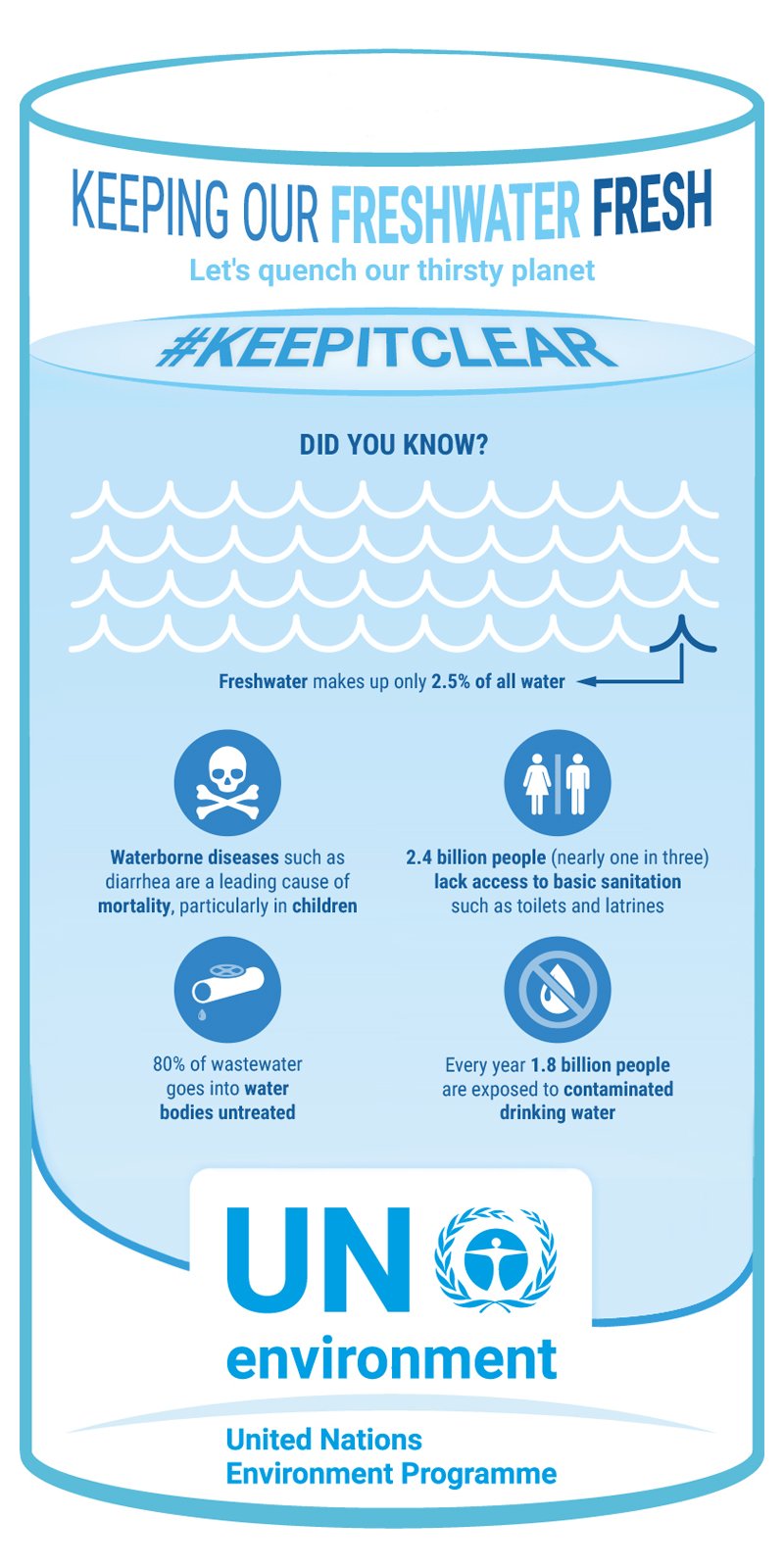 Figure 18. (Image Source) |
Except for viruses, most pathogenic organisms have dimensions greater than 1- 2 microns; that is why they are filtered through filtering spheres whose dimensional pores are less than 1 micron, so water gets rid of organisms.
Most types of filters used in this field are ultra-precision filters manufactured from follicular porcelain, Chinese porcelain, or membrane filters, etc. …
The Greek physician, Hippocrates, tried to find more than one healthy water resource; he designed a very simple device for purifying water from impurities called Hippocrates’ sleeves to ensure having pure water for his patients.
The device was a cloth bag through which boiled water passes. Water was filtered from the impurities that were attached to the cloth.[36]
However, it seems that this device remained limited within the walls of the Hippocratic clinic because it did not spread to the public, perhaps because of the lack of sufficient awareness of the importance of water purification before being drunk.
Al- Razī mentioned several ways to purify turbid water, one of them was: “water is filtered by drops through earthenware or a pitcher”[37], which means that water is to be put in porous pottery jars to allow infiltration of water from the inside to the outside, so clean water is filtered towards the outside. The visible or invisible suspended impurities get deposited inside the pots and on their walls.
Al-Tamīmī, said that: (after boiling water for a sufficient time until a quarter of it evaporates, boiled sterilized water is filtered in a newly made ceramic pot with large pores, so water is filtered through the vessel pores)[38].


Figures 19-21. Several kinds of stills and the double boiler – Several kinds of apparatus used in the process of sublimation; furnace, the double boiler and stills – Apparatus for distilling essence; furnace and bath (vapor heating) (Source)
3.3.3 Physical methods: Sterilization by using solar radiation effect:
Recent research conducted for the purpose of designing systems for the treatment of microbial contamination of water- at the Solar Energy Research Department at the Institute of the National Research Center in Cairo-showed that thermal heating of water up to 75° is enough to kill microbes.[39] When water is exposed to the sun long enough, the ultraviolet light in conjunction with high temperature kill most viruses, bacteria, and mono-cell organisms.
Frances Evelyn Bliss, who studied the Indian Sanskrit folk medicine, wrote in 1905 explaining the Indians’ point of view:
It is good to preserve water in containers of copper exposed to the sun, and filter it through charcoal”.[40]
The Greeks recognized the effect of the sunrays in improving water quality. Hippocrates said:
Water springs that exist in the east are necessarily pure, good-smelling and soft, because when the sun rises, it dissipates the fog that troubles the purity of the air in the morning, which improves water”.[41]
Several scientists from the Muslim Civilisation mentioned this property: Al- Balki assured the effect of the sunrays and air on water purification. He said that
…if water is too much exposed to the sun, then the sunlight and heat reflected on water makes it get thinner, and causes a kind of lightness and softness.”[42]
Ibn Sīna said:
The best water is running water, especially if it is being exposed to the sun and wind. This is a gain. Stagnant water, however, might get worse if exposed than if hidden”.[43]
3.3.4 Chemical methods: Adding alcohol to polluted water
In this method, some chemicals that have lethal or inhibitory effect on the growth of microorganisms are used. Some of these materials are the followings:
Ethyl alcohol: Recent studies have shown that alcohol whose concentration is 50-70% works well in killing microorganisms due to the ability of this concentration to dry cells, coagulate protein and melt fat.[44]
Doctors from the Muslim Civilisation were briefed on this method from the translated Greek medical books. The Greeks relied on the method of mixing polluted water with Al-Sharab Al- Rīhanī Al-oatīq (alcohol) for purification purposes. Rufus, the wise, praises this drink saying:
This drink deserves praise more than water, because it gets rid of water badness and corruption. So if we are badly in need of water, and only bad water is available, we will find nothing that can change the badness and corruption stronger than that drink.”[45]
Qusta Ibn Lwqa stated that
if a person had to drink some bad water, it should be cooked on fire, then mixed, after cooking, with wine”.[46]

Figure 22. “Water, water everywhere and not a drop to drink,” as the old saying goes. A more apt statement for these times might be, “water, water everywhere, but is it safe to drink?” And if it’s not, what is a reliable water purification process? (Source)
3.3.5 Impact of using some heavy metal ions
 Figure 23. Gardens of Alhambra palace in Granada (Source) |
As a result of recent studies, Scientists have found that silver ions have a strong inhibitory effect on pathogenic microbes. Silver has shown significant efficacy in the treatment of burns, inflammation of the bones, urinary tract and infections of the central venous catheter.[47]
In a recent study, it was observed that these ions were able to influence on the walls of the bacterial cell.[48] This is because silver works on the surface of the cell where ions remain on the cell membrane, so it affects its permeability, which changes the transformation from being optional to random. It thus allows the entry of toxic substances into the cell or the exit of materials and essential elements out of the cell.
It was observed that the effect of silver bacterial extermination has to do with the concentration of silver ions more than with its relationship with the physical nature of the ions’ source.[49]
Man has used silver since ancient times to treat infected wounds. He used it in the composition of some anti-inflammatory ointments.
Ibn Al-Baytar said that silver is useful in the treatment of “diseases emerging out of mold.”[50]
This property has led scientists, at present, to study the effect of silver ions on germs and harmful microbes present in water in an attempt to use silver as a substitute for chlorine in water sterilization process.
In this respect, the use of non-significant amounts of silver, copper and gold ions leads to disinfecting water, but that requires a long time of exposure. For example, to disinfect water from pathogenic organisms you to need to use silver ions with concentration of 0.015 mg / l for no less than four hours”.[51]
Nowadays, this method is called Katadin process, which is based, with respect to sterilization, on removing bacteria by means of some metal ions like silver ions (Ag) and this requires small amounts of silver.[52]
The followings are some improvers for using silver ions to sterilize water:
1- If carefully and skilfully used, then small doses of silver are enough to remove normal germs.
2- Having a long and strong impact on curbing and stopping the growth of germs.
3- Preventing the growth of water moss and fungi.
The changes of concentration of organics do not affect the extent of silver ions regarding germ extermination.[53]
It was observed that silver ions, when used at low concentration, kill germs and strongly remove water moss. It was also observed that Sperejora vanishes from the water, which has small amount of silver sediment from its salts.
This method for sterilizing water was not mentioned in ancient civilizations except by the Muslim Civilisation, who realized the high sufficiency of silver to kill bacteria, microorganisms and water moss.
The Bedouins used bags made of sheepskin to carry water during their travels. Three quarters of the bag were filled with water and metal pieces of silver coins were dipped into water. During long trips, water vibrates and gets mixed with silver. The coins get rubbed together so that a small part of silver melts in water in the form of very soft powder, which leads to bacteria -killing and water- disinfecting.[54]


Figures 24-25. Series of woodcuts of chemical and distilling apparatus from The works of Geber, the most famous Arabian prince and philosopher, faithfully Englished by Richard Russel (London, 1678). (a) Sublimation in athanor, (b) Fixation and Sublimation, (c) Descension furnace, (d) Distillation, (e) Calcination, (f) Water bath, (g) Vessels, (h) Fixation and Sublimation. (Source)
4. Conclusion
The study of the stages of water sterilization technology through ancient civilizations shows that any scientific progress, in any field, is based on the accumulation and use of the knowledge gained by scientists through successive civilizations.
Man has passed through two consecutive stages in terms of getting sterilized pure water. In the first stage, man focused on inventing several methods to help him get rid of the clearly visible bad qualities of water (color, turbidity, and smell …).
Later, he moved to the second stage, the sterilization stage, where his awareness and fervent thought have led him to the invention of new sophisticated ways to get rid of pathogens. These methods were the bases for many of the operations carried out by present scientists to reach the same goal, which is having clean sterilized water.


 A lion eating the entrails of the carcass of a cow. The drawing fits the text: “The lion is the king of the beasts of prey, and it eats carcasses, and it begins by drinking the blood, then it opens the stomach and eats what is in it of food and saliva and the intestines together with the evacuation” Al-Jahiz, Kitab al-hayawan (The Book of Animals ), Cairo, Egypt, Seven volumes, 1323-1324 H. Mehemet Bayrakdar said: “The Kitab Al-Hayawan was the object of many studies, and had great influence upon later Muslim scientists, and via them upon European thinkers (especially upon Lamarck and Darwin). And it became the source for later books on zoology. Al-Jahiz’s many sentences are quoted by Ikhwan al-Safa and Ibn Miskawayh, and many passages are quoted by Zakariyya’ al-Qazwini (1203-1282) in his ‘Aja’ib al-Makhluqat, and by Mustawfi al-Qazwini (1281- ?) in his Nuzkat al-Qulub; and al-Damiri in his Hayat al-Hayawan‘ , and still continues to inspire the scientists today. For instance, Professor. Dr. R. Kruk whose inaugural lecture on “A Map of a cat” was also inspired by Islamic manuscripts and scientific references including Kitab Al-Hayawan. These books also had the role of a cultural drive for the progress of research in modern science in zoology, biology, evolutionary theories, medicine, veterinary, anatomy, etc.”


 Aal-e-Qutub Aal-e-Syed Abdullah Shah Ghazi