Blog

ALI, THE MAGNIFICENT part 17

The Siege of The Citadel

The siege of Al-Qamus was an extremely difficult task for the Muslims, who had never before forced their way into such a stronghold. It lasted for some time and tried the skill and patience of the Muslims, who had fallen short of provisions, and the country all around was laid waste by the Jews during the period-about a month – when they were engaged in storming the minor fortresses. The Jews had destroyed even the date palms round their citadel to starve the enemy; and, having resolved to fight desperately, they had posted themselves in front of the citadel. The besiegers attempted to force their approach, but every attack was repulsed. The Prophet, who was during these days suffering badly from a headache, handed over his Standard to Abubekr b.Abu Oohafa, directing him to lead the assault, but the latter was strongly repulsed by the Jews and forced to retreat. Next the Prophet sent his men headed by Omar b. Al-Khattab, carrying his Standard, but the result was no better than a forced retreat. The Prophet, having thus been disappointed by the failure of his prominent Companions, exclaimed, “Tomorrow I shall hand over my Flag to one who loves God and His Prophet, and who is the beloved of the Lord and His Prophet, and who is a fearless charger who never turns his back upon a foe; at his hands the Lord will give victory”. Every one of the Prophet’s Companions was anxious to be signalized on the morrow as the “beloved of God and His Prophet.” They passed the night in great anxiety as to which one would prove to be the blessed one. No one thought of Ali, the cousin and the Vicegerent of the Prophet, the hero of all previous wars, because he was suffering badly from sore eyes and could not see anything. The longed for morning dawned, but the Prophet appeared not to take notice of any particular individual. When he broke the silence he asked for Ali, and all of them with one voice answered, that he was at a considerable distance at the time and was also badly suffering from sore eyes, and that he was utterly unable to look around. The Prophet commanded them. to bring Ali to him. Selma b. Aku fetched Ali. The Prophet taking Ali’s head into his lap, applied the saliva of his mouth to his eyes. Instantaneously his eyes became so clear as if he had never suffered from the disease. It is said that throughout his life, he never had any trouble. with his eyes again.

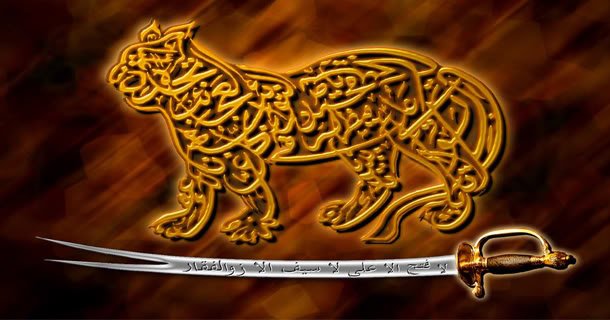
The Prophet confided his Sacred Banner into the hands of Ali, armed him with his sword the Zulfiqar, and thus designated him the man whom God and His Prophet
loved. He directed him to lead the assault and to fight till the Jews acknowledged submission. Ali, clad in a scarlet vest over which was buckled a cuirass of steel, issued forth with his followers and scrambling up the great stony rock in front of the fortress planted the Standard over its top, and resolved never to recede until the citadel was taken.

A The Jews sallied forth to drive down the assailants. Jewish monk asked Ali his name, which he gave out as Ali b. Abi Talib or Haidar. The monk, hearing the name, warned his men that the assailant would not withdraw without capturing the citadel. However, Harith, a Jewish champion, who had vigorously repulsed the previous attacks, stepped forward and slew several of his Muslim antagonists. Perceiving this, Ali himself advanced and slew Harith, in a hand to hand fight. The brother of Harith was a man of gigantic stature and huge form. He was unequalled in valour among the Jews. To revenge the death of his brother, he came out, covered from his neck to the waist with a double coat of mail, having on his head a helmet for protection from the stroke of a scimitar. He had a huge gird on both his sides and brandished a big spear with tripleforked sharp pointed heads. Stepping forward from the Jewish lines, he challenged his adversaries to a single combat. “I am Marhab”, he cried, “as all Khaibar knoweth, the greatest warrior in the world. None among the Muslims could dare come forward to confront him. Ali himself advanced from the Muslim line in response to his vainglorious challenge saying, “I am he whom his mother named Haidar, a lion of the wilderness; I weigh my foes in a gigantic balance(i.e. I make short work of my enemies.)” Ali’s words were not meaningless. Ali knew, through inspiration that Marhab had lately dreamt of a rugged lion tearing him to pieces; so he reminded Marhab of the dream. The words had their effect; as when the two combatants accosted each other, Ali measured him with the eye and found him wavering. As they closed, Marhab made a thrust at Ali with his three-pronged lance, which Ali dexterously warded off, and before he could recover himself, Ali dealt him a blow with his irresistible scimitar, the Zulfiqar, which divided his buckler, passed through his head in two, head in two, through the through the helmet, right down to his chest or down to his saddle, as some traditions say, severing him in twain. He fell lifeless to the ground and the winner announced his victory. by his usual shout, “Allah-o-Akbar,” i.e. Great is the All Powerful Lord. And everyone knew that Ali was victorious.
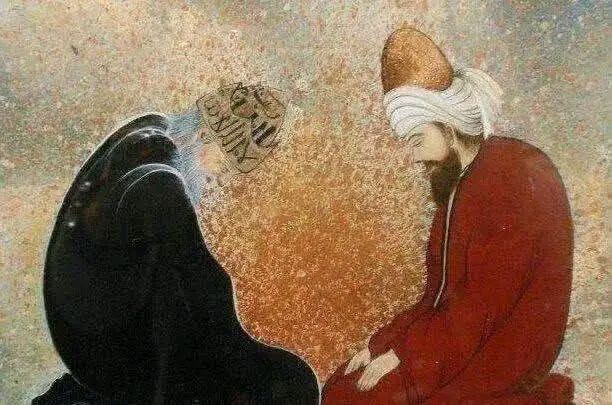
Hazrat Adi Ibn Musafir R.A and Hazrat Ali Ibn Bakkar Shami R.A


Ali Ibn Bakkar Shami

Ali Ibn Bakkar Shami was in a battle. The Muslims were defeated and he was defeated with them. His horse was injured. At this calamity he read out loud ‘To Allah we belong and to him we return’. The horse also said “To Allah we belong and to him we return.” (Jame’ Karamaatul Auliya)


Adi Ibn Musafir

Adi Ibn Musafir is from amongst the great saints of Iraq. Siraj states that Shaykh Abu Israel says I bid Adi Ibn Musafir farewell one day and left for Abadaan. He said to me when you see a dangerous wild animal that you are afraid of say,, Adi Ibn Musafir says to you ‘go away and leave me alone. When you come to a dangerous sea then say. ‘Oh tremendous waves Adi Ibn Musafir tells you to calm down’. It so happened that when he met a dangerous wild animal he did as he had been taught. The animal would lower its head and go away. On one occasion when they were near to drowning he said he had been commanded. The wind calmed down and the sea became safe.

(Jame’ Karamaatul Auliya)

चौदह सितारे अबु मोहम्मद हज़रत इमाम हसन असकरी पार्ट- 10

इमाम हसन असकरी (अ.स.) की शहादत

इमाम याज़ दहुम ग्यारहवें इमाम हज़रत हसन असकरी (अ.स.) क़ैदो बन्द की ज़िन्दगी गुज़ारने के दौरान में एक दिन अपने ख़ादिम अबुल अदयान से इरशाद फ़रमाते हुए कि तुम जब अपने सफ़रे मदाएन से पन्द्रह दिन के बाद पलटोगे तो मेरे घर से शेवनो बुका की आवाज़ आती होंगी।(जिलाउल उयून , पृष्ठ 299 ) नीज़ आपका यह फ़रमाना भी मन्क़ूल है कि 260 हिजरी में मेरे मानने वालों के दरमियान इन्के़लाबे अज़ीम आयेगा।(दमए साकबे जिल्द 3 पृष्ठ 177 )

अल ग़रज़ इमाम हसन असकरी (अ.स.) को बातारीख़ 1 रबीउल अव्वल 260 हिजरी को मोतमिद अब्बासी ने ज़हर दिलवा दिया और आप 8 रबीउल अव्वल 260 हिजरी को जुमे के दिन ब वक़्ते नमाज़े सुबह खि़लअते हयाते ज़ाहेरी उतार कर ब त फ़े मुल्के जावेदानी रेहलत फ़रमा गए। ‘‘ इन्ना लिल्लाहे व इन्ना इलैहे राजेऊन ’’(सवाएक़े मोहर्रेक़ा पृष्ठ 124 व फ़ुसूल अल महमा व अरजहुल मतालिब पृष्ठ 464 जिलाउल उयून पृष्ठ 296, अनवारूल हुसैनिया जिल्द 3 पृष्ठ 56 )

उलेमा का बयान है कि वफ़ात से क़ब्ल आपने इमाम मेहदी (अ.स.) को तबर्रूकात सिपुर्द फ़रमा दिये थे।(दमए साकेबा जिल्द 3 पृष्ठ 192 )

शहादत के वक़्त आपकी उम्र 28 साल की थी।(सवाएक़े मोहर्रेक़ा पृष्ठ 124 )

उलमाए फ़रीक़ैन का इत्तेफ़ाक़ है कि आपने हज़रत इमाम मेहदी (अ.स.) के अलावा कोई औलाद नहीं छोड़ी।(मतालेबुस सूऊल पृष्ठ 292 व सवाएक़े मोहर्रेक़ा पृष्ठ 124, नूरूल अबसार , अरजहुल मतालिब पृष्ठ 462, कशफ़ुल ग़म्मा पृष्ठ 126 व आलामुल वुरा पृष्ठ 218 )


शहादत के बाद

वाक़िए क़हत , दरिन्दों की सजदा रेज़ी और आपकी मज़लूमियत की वजह से हर एक के दिल में आप की वक़अत , आपकी मोहब्बत जा गुज़ी हो चुकी थी। यही वजह है कि आपकी शहादत की ख़बर का शोहरत पाना था कि हर घर से रोने की आवाज़ें आने लगीं। हर दिल में इज़तेराब की लहरे दौड़ने लगीं। शोरो शेवन से सामरा की गलियां क़यामत का मन्ज़र पेश करने लगीं।

अल्लामा मजलिसी लिखते हैं कि इमाम हसन असकरी (अ.स.) के इरशाद के मुताबिक़ जब 15 दिन के बाद अबुल अदयान दाखि़ले सामरा हुए तो आप शहीद हो चुके थे और शेवन व मातम की आवाज़ें बुलन्द थीं।(जिलाउल उयून पृष्ठ 297 )

इमाम शिब्लन्जी लिखते हैं कि आपके इन्तेक़ाल की ख़बर के मशहूर होते ही तमाम सामरा में हल चल मच गई और हर तरफ़ रोने पीटने का शोर बुलन्द हो गया। बाज़ारों में हरताल हो गई , दुकानें बन्द हो गईं। फिर तमाम बनी हाशिम और हाकिमाने क़सास , अरकाने अदालत , अयाने हुकूमत , मुन्शी , क़ाज़ी और आइम्मा ए ख़लाएक़ आपके जनाज़े में शिरकत के लिये दौड़ पड़े। सरमन राय इस दिन क़यामत का नमूना था।(नूरूल अबसार पृष्ठ 168, फुसूल मूहिम्मा , अरजहुल मतालिब पृष्ठ 468 )

ग़रज़ कि निहायत तुज़ुक व एहतेशाम और ज़ाहेरी शानो शौकत के साथ आपका जनाज़ा उठाया गया और उस मुक़ाम पर ले जा कर रखा गया जिस जगह नमाज़ पढ़ाई जाती थी। इतने में मोतमिद के हुक्म से ईसा इब्ने मुतावक्किल जो उमूमन नमाज़े मय्यत पढ़ाया करता था आगे बढ़ा और उसने चेहरे से कफ़न सरका कर बनी हाशिम अलवी व अब्बासी और सब अमीरों , मुन्शियों , क़ाज़ियों ग़रज़ कि कुल अशराफ़ों अयान को दिखाते हुए कहा कि ‘‘ माता हतफ़ अनफ़ा अला फ़राशा ’’ देखो यह अपनी मौत से मरे हैं। यानी इन्हें किसी ने कुछ खिलाया नहीं है।(तज़किरतुल मासूमीन पृष्ठ 229 )

इसके बाद जाफ़रे तव्वाब नमाज़ पढ़ाने के लिये आगे बढ़े , अभी आप तकबीरतुल हराम न कहने पाए थे कि मोहम्मद इब्ने हसन अल क़ायम अल मेहदी (अ.स.) बरामद हो कर सामने आ गए और आपने चचा को हटा कर नमाज़े जनाज़ा पढ़ाई।(जला उल उयून पृष्ठ 292 ) इस के बाद आपको इमाम अली नक़ी (अ.स.) के रौज़ा ए मुबारक में दफ़्न कर दिया गया।(अरजहुल मतालिब पृष्ठ 264 )

यह आपकी ख़ानदानी करामत है कि आपके रौज़े पर ताएर बीट नहीं करते।(दमए साकेबा जिल्द 3 पृष्ठ 179 प्रकाशित नजफ़े अशरफ़)

अल्लामा मजलिसी लिखते हैं कि इमाम हसन असकरी (अ.स.) की तदफ़ीन के बाद इमाम मेहदी (अ.स.) के तजस्सुस में आपके घर की तलाशी ली गई और आपकी औरतों को गिरफ़्तार किया गया। मक़सद यह था कि इमाम मेहदी (अ.स.) को गिरफ़्तार कर के क़त्ल कर दिया जाए ताकि ख़ानदाने रिसालत का ख़ात्मा हो जाए और क़यामत के क़रीब अदलो इन्साफ़ की बस्ती न बसाई जा सके और ज़ालिमों के ज़ुल्म का बदला न लिया जा सके , लेकिन ख़ुदा वन्दे आलम ने अपने वादे ‘‘ वल्लाह मतम नूरा ’’ के मुताबिक़ उन्हें इस ज़ालिम मोतमिद के दस्त रस से महफ़ूज़ कर दिया। अब इन्शा अल्लाह जब हुक्मे ख़ुदा होता तो आप ज़हूर फ़रमायेंगे।(अजल्लाह तआला फ़राजहू)

Eternal Subsistence In the Divine

Eternal Subsistence In the Divine
Baqa is the state of eternal subsistence, where the seeker, having undergone Fana (annihilation of the ego), now lives through the Divine. It is not merely an existence but a rebirth in Truth, where the soul no longer claims its own will but moves entirely in harmony with the Beloved. To reach Baqa is to walk in the world yet belong elsewhere. The seeker breathes, speaks, and acts, but their being is no longer bound to the illusion of separation. They become a reflection of the Divine, existing only through Him.

“Die before you die,” said the Prophet Muhammad ﷺ. This is not a death of the body but the death of all that veils the seeker from Divine Reality. When the false self (nafs) dissolves, what remains? A light that was always there, hidden beneath layers of illusion.

The path of Fana is the burning away of identity, desires, and personal will. It is a descent into nothingness. But Baqa is the rising—like the sun after the night of longing, like the ocean that remains when the wave has disappeared.

“Once, I called out for Him, believing I was separate. I searched in books, in prayers, in the sky above me. But when the fire of longing consumed me, something shattered. I disappeared. And what remained was not I, but He. Now, even as I walk through this world, I am not here. I am only a shadow in His Light.”

The one who attains Baqa does not act from their own will anymore. They are moved by the Divine, just as a river flows effortlessly toward the ocean. The state of Baqa is beautifully described in a Hadith Qudsi, recorded in Sahih Bukhari (Hadith 6502).

The Prophet Muhammad ﷺ narrated from Allah:

“Whosoever shows enmity to a wali (friend) of Mine, I shall be at war with him. My servant does not draw near to Me with anything more beloved to Me than the religious duties I have imposed upon him. And My servant continues to draw near to Me with voluntary acts of worship until I love him. And when I love him, I become his hearing with which he hears, his sight with which he sees, his hand with which he grasps, and his foot with which he walks. Were he to ask of Me, I would surely give him, and were he to seek refuge with Me, I would surely grant him refuge.”

This Hadith reveals the reality of Baqa—where the seeker, through devotion and surrender, becomes an instrument of divine will. At this stage, the seeker no longer speaks for themselves, but their words heal hearts. They no longer move for personal gain, but their presence brings light wherever they go.

The journey from illusion to truth is a path of deepening certainty (Yaqeen). First comes Ilm al-Yaqeen, the knowledge of truth. Then Ayn al-Yaqeen, the direct vision of it. Finally, Haqq al-Yaqeen, where one does not only see the truth but becomes it. This mirrors the transition from Islam (submission) to Iman (faith) to Ihsan (spiritual excellence), where worship becomes not just an act, but a state of being.

In the cosmology of Sufism, Baqa aligns with the higher realms, such as Jabarut (the realm of divine power) and Lahut (the realm of absolute unity), where all distinctions dissolve, and the soul exists in the presence of the Divine. The one who reaches Baqa is no longer bound by personal identity. They walk among people but are not affected by worldly distractions. They have become an ocean without shores, a flame that does not burn but illuminates.

To live in Baqa is to move through the world with effortless grace. The seeker no longer struggles against fate, nor do they seek recognition or status. They have become a heart that only knows love, a mind that sees only unity, a presence that radiates peace.

“Once, I was a drop longing for the ocean. Now, I have drowned, and only the ocean remains. There is no ‘I’ left—only the tide of His will moving through me.”

The lover (ashiq) who reaches Baqa is like the sun—giving light without asking, warming without seeking anything in return. The journey of Baqa does not end. It is a continuous unfolding, a deepening absorption into Divine Reality. The one who reaches Baqa becomes a whisper of the Beloved in this world—a light that never fades, a presence that never dies.

“The wind passes, but it does not linger. The river flows, but it does not claim. The light shines, but it does not possess. Such is the way of one who walks in Baqa—the way of the one who is no longer ‘someone,’ but only a shadow of the Real.”

This is the state of the true seeker—the one who has died to everything except Love. The one who, like a flame, is consumed by the Divine, and in that burning, becomes eternal. Baqa is not a destination; it is a state of eternal presence in the Divine. The seeker who reaches it does not proclaim it, for they have become silence itself. They do not speak of love; they are love. They do not seek light; they are light. And in their presence, everything dissolves, leaving only the scent of the Eternal.

Written by Sufi shah