

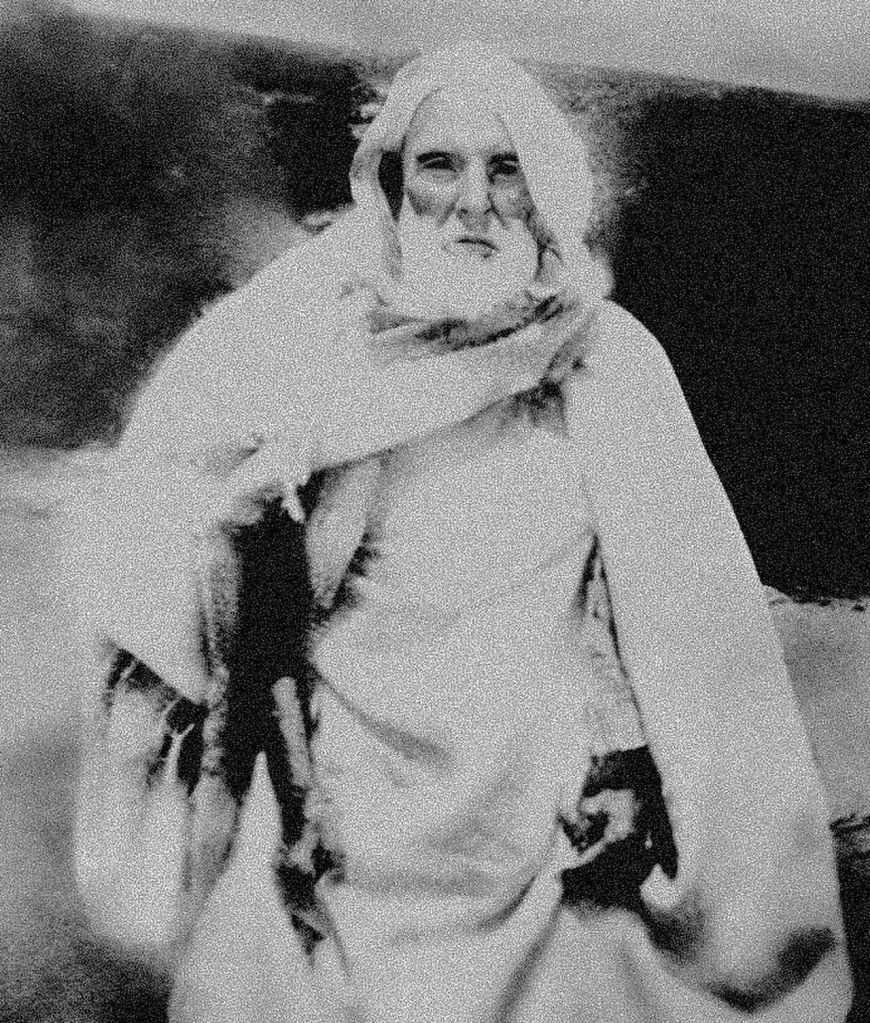
The Architect of the Sahara: Sayyid Muhammad ibn Ali al-Sanusi (1787-1859)
Some men build palaces. He built lamps in the desert.
Born in 1787 near Mostaganem, Algeria, from the lineage of the Prophet ﷺ, he was a genius who could have had any palace, any position. He studied in al-Qarawiyyin, the oldest university in the world.
But he looked at the Ummah occupied, divided, complaining and he left it all. He walked into the Sahara where there was nothing.
There, with his own hands, he dug a well and built four mud walls. That was the first zawiya.
People thought he was mad. Who comes to the middle of nowhere?
The orphans came. They found food. The traveler found safety. The Bedouin found someone to teach him Bismillah.
He built 120 such zawiyas from Jaghbub to Kufra like pearls on a tasbih. Each one was a home, a school, a farm, where no one asked your tribe and everyone ate for free. No taxes. No army. No flag. Just hearts connected to Allah.
He died in 1859 on simple sand in Jaghbub. No palace, no wealth.
But 70 years later, when Italy invaded Libya with tanks and poison gas, they found his seed.
From his zawiyas came men who could not be broken. At their head his spiritual grandson a 73 year old Quran teacher, Omar al-Mukhtar, the Lion of the Desert. For 20 years he humiliated a modern empire.
When they offered Omar life in exchange for surrender, he said:
“The finger that testifies to Allah’s Oneness will never write falsehood.”
Omar was the Lion.
But al-Sanusi was the one who raised the Lion.
He never fired a rifle, yet he built the men who never surrendered.
He owned nothing. And he left behind an empire of souls that still lives today.
Subhan Allah
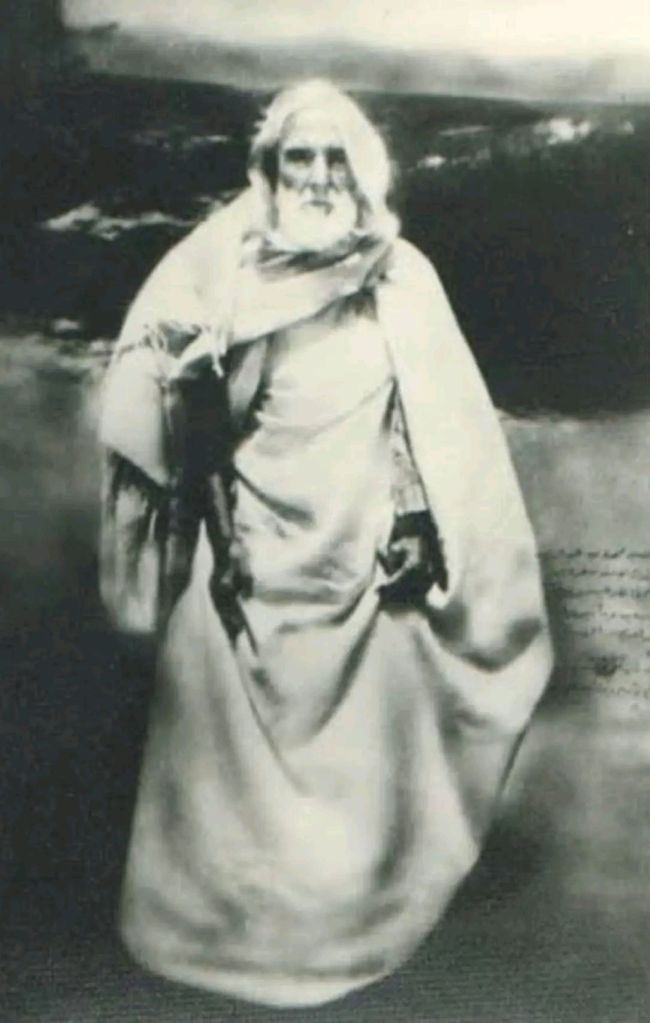
Sayyid Muhammad ibn Ali al-Sanusi (1787–1859), also known as the Grand Sanusi, was an influential Algerian Muslim theologian, mystic, and reformer who founded the Sanusi Sufi Order (Tariqa Muhammadiyya) in 1837.
His teachings synthesized orthodox Sunni Islam with a sober, disciplined form of Sufism, leaving a profound religious and political legacy across North and Central Africa.
Here is a breakdown of his life, teachings, and lasting impact:
🌍 Early Life and Education
• Origin: Born near Mostaganem, Algeria, he was a sharif, tracing his lineage back to the Prophet Muhammad.
• Studies: He traveled extensively to seek knowledge, studying at the prestigious university in Fez (Morocco) and Al-Azhar University in Cairo, before becoming a disciple of the famous scholar Ahmad ibn Idris in Mecca.
📜 Religious Teachings & Reform
• Return to Fundamentals: He advocated for a direct return to the Quran and Sunnah, actively promoting the practice of ijtihad (independent legal reasoning).
• Legal Rejections: He rejected rigid blind following (taqlid) as well as traditional legal principles like ijma (consensus) and qiyas (analogy).
• Sober Mysticism: While incorporating dhikr (remembrance of God), his order explicitly rejected ecstatic practices like music and dancing, focusing instead on quietist contemplation and strict adherence to Islamic law.
🏰 The Strategy of Zawiyas
• The Network: Rather than launching immediate military campaigns, al-Sanusi focused on building a vast network of Zawiyas (multifunctional desert lodges/monasteries).
• Social Hubs: These institutions stretched across Cyrenaica (eastern Libya), Fezzan, and deep into Central Africa. They functioned as spiritual schools, agricultural centers, trading posts, and community courts.
• Unifying Tribes: The Zawiyas provided literacy and security, successfully uniting fractious desert tribes under a shared spiritual and civic discipline

