✨ The King Who Followed the Light ✨
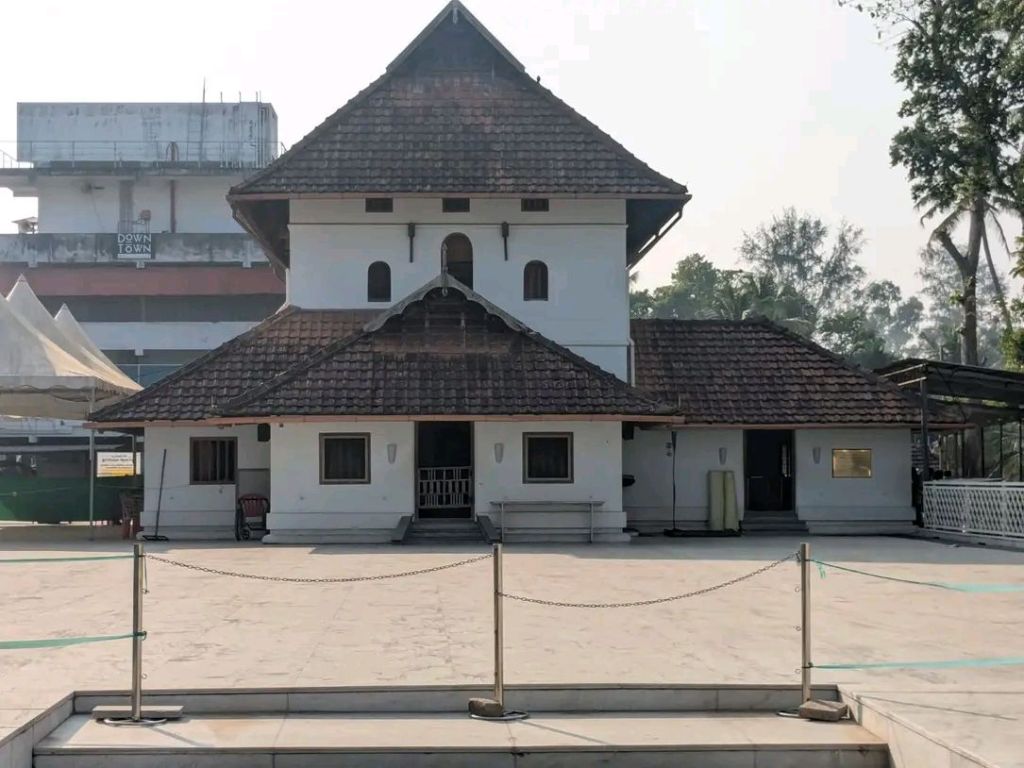
In the lush lands of South India, in the region we now know as Kerala, there once ruled a noble king — — a ruler remembered for his justice, wisdom, and dignity.
But his legacy would not be defined by power…
It would be defined by truth.
🌙 A Night Unlike Any Other
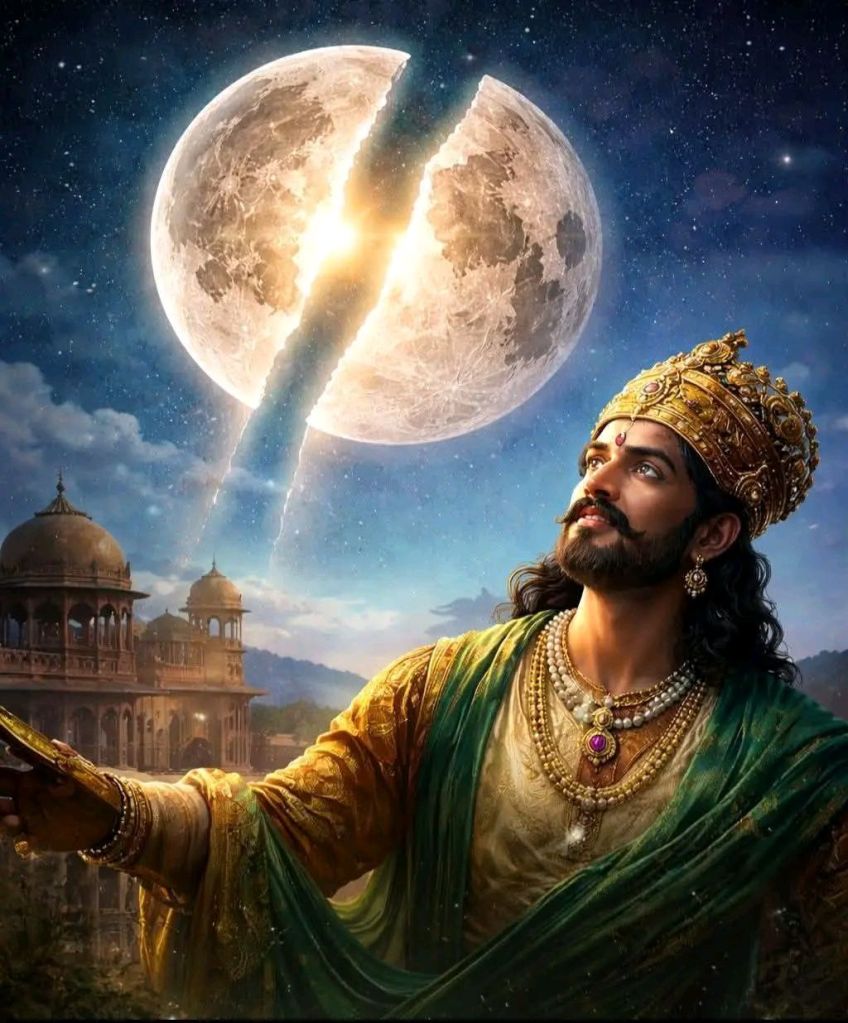
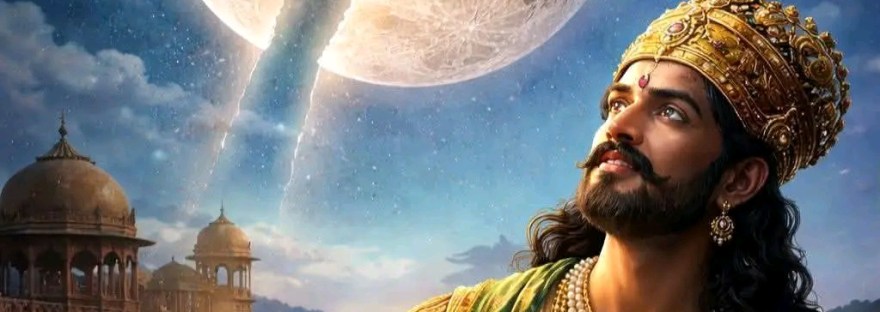
On a quiet night, beneath a sky full of wonder, the king stood upon his palace balcony… reflecting.
Then suddenly —
the moon split.
Not a dream.
Not an illusion.
But a sight so عظیم… so overwhelming… that it shook his very soul.
He summoned his priests, his scholars, his advisors —
but none could explain what he had witnessed.
The heavens had spoken… but no one on earth had the answer.
🌍 A Message from Distant Shores
Days later, traders from Arabia arrived on the Malabar coast.
When the king described the phenomenon, they spoke of a man — a Prophet in a distant land…
ﷺ
A man who had called people to the worship of One God —
and whose miracle… was the splitting of the moon.
At that moment, the king realized:
What he had seen… was not random.
It was a sign.
🕋 A Journey Beyond Kingship
Without hesitation, he chose truth over throne.
He left behind his kingdom, his power, his comfort —
and set out on a journey that would change his eternity.
Across deserts and seas, his heart carried only one مقصد —
to meet the Messenger ﷺ.
When he reached Madinah, he sat humbly in the presence of the Prophet…
He listened. He asked. He reflected.
And then — his heart submitted.
He embraced Islam, taking the name Tāj al-Dīn —
A crown not of gold… but of faith.
🌿 A Simple Gift, A Sincere Heart
From his homeland, he brought a humble gift —
a jar of ginger pickle from Kerala.
Simple… yet sincere.
And it was accepted.
Because in Islam, it is not the size of the gift…
but the truth in the heart behind it.
⚰️ A Journey Left Unfinished — But Complete
He longed to return home… to share the light he had found.
But on the way back, destiny unfolded differently.
He fell ill… and returned to his Lord.
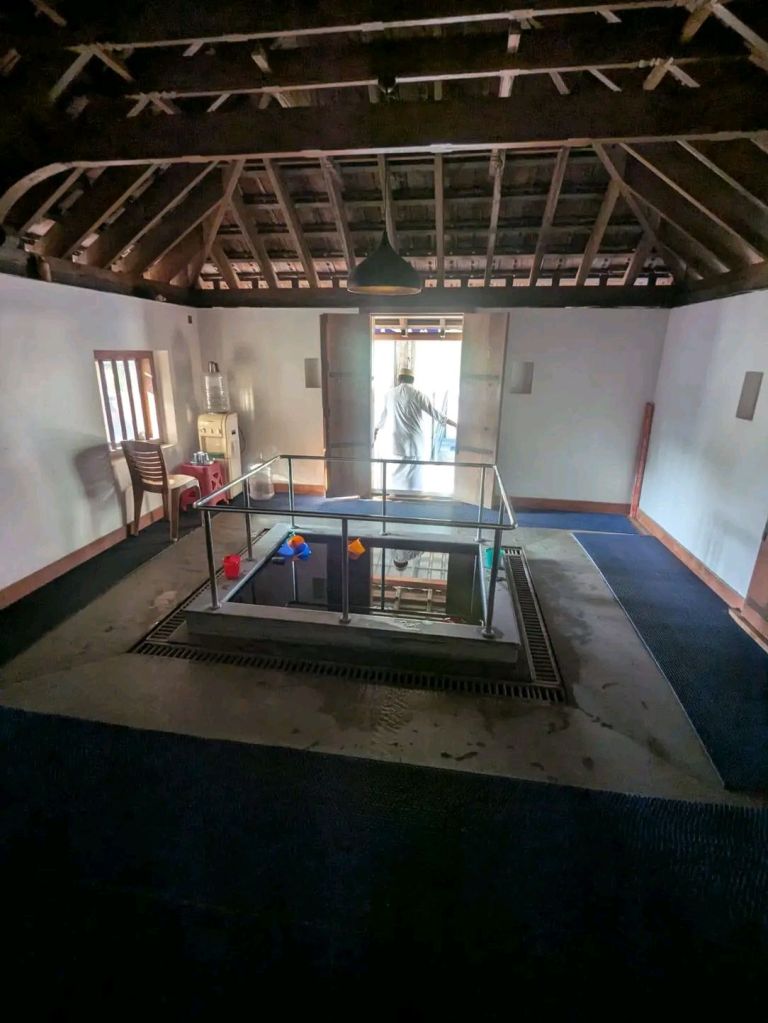
He was laid to rest in —
a land whose greenery whispers echoes of Kerala.
And there, his story rests… but his legacy lives.
🌱 A Reflection for Hearts That Seek
Islam did not reach every land by the sword.
Sometimes… it traveled through sincerity.
Through reflection.
Through a heart that recognized truth when it saw it.
A king… who saw a sign in the sky —
and chose to follow it… all the way to his Lord.
🌙 Tāj al-Dīn (رحمه الله) was not remembered for conquest…
Nor for sermons…
But for something far greater —
A heart that saw the truth…
and did not turn away. 🤲