ABU TALIB IBN E ABD AL MUTALLIB part 6

This tradition has been quoted here just to illustrate the futility of Musayyab’s narrative. What is the meaning of asking one to recite the Kalima who had all along been the ardent supporter of the Prophet (a.s.) and the Mission of Islam. Even if we accept that the Prophet wanted Abu Talib to recite the Kalima in his last moments, it doesn’t mean that by this insistence he was being converted to Islam bearing witness to the Faith! The established practice is that every Muslim, when he dies, is helped to recite the Kalima in his last moments!

Thirdly, it appears from the tradition that the subject Verse was revealed immediately after the demise of Hazrat Abu Talib. But in actual fact it is from the Surat al Bara-at which was revealed at the time of capture of Makka, much later than the demise of Abu Talib, that happened three years prior to the Migration (The Hijra). The Verse, therefore, was revealed almost ten years after the demise of Abu Talib! Every intelligent person can deduce from this that how remote is the possibility of connecting the revelation of the Verse to the demise of Abu Talib. It clearly shows that the unscrupulous narrator had concoted the story to discredit Abu Talib. Even if we agree that the Verse was revealed concerning Abu Talib, then how is it

that the Prophet (s.a.) continued to pray for the Deliverance of (the infidel) Abu Talib for ten years and Allah didn’t feel the necessity to warn him against this act for such a long while! Can a belief be based on such a preposterous and concocted tradition and make a decision about the faithfulness or otherwise of a person of the caliber of Abu Talib?

Fourthly, prior to the revelation of the subject Verse, several verses were revealed that prohibited Muslims praying for the deliverance of hypocrites and infidels. For example, the Verse quoted below, and several others of the same nature:

“Whether you pray for their deliverance or not, it is all the same for them!

Allah will never pardon them!!”

This is a verse from Surat al munafeqoon which was revealed before the Surat al Bara-at. Therefore, when The Prophet (s.a.) was forewarned of not praying for an infidel, how did he, according to the tradition, decide to pray for Abu Talib with the ostensible knowledge that he was an infidel? Can we imagine the Prophet (s.a.) defying the injunction of the Holy Book? If the Prophet did pray for the Deliverance of Abu Talib, he was confident of his fidelity, and there cannot be firmer proof of his Faith in Allah than this!.

Fifthly, Tirmizi, in his Sahih, writes in the Bab al Tafseer that Hazrat Ali (a.s.) heard a person praying for the deliverance of his infidel parents and asked him why he was praying for the parents who, he knew, were infidel? He said, did Ibrahim (a.s.) not pray for his uncle Azar who was an idolator? Hazrat Ali (a.s.) mentioned about this matter to the Prophet (s.a.). At that moment the subject Verse was revealed and the Muslims were ordered not to pray for the deliverance of the infidels.

There are several other points that need consideration about this tradition: The first point is that if Hazrat Ali (a.s.) was sure that it was permissible to pray for infidel relatives, he wouldn’t have raised objection with the person. His surprise at the person praying is sufficient proof that a Muslim should not pray for a dead-infidel-relative!

The second point is that in support of his act, the person quoted about the prayer of Hazrat Ibrahim (a.s.) for the deliverance of his uncle, Azar. He needn’t have gone so far back in history. He could have referred to the prayer of the Prophet (s.a.) for his uncle Abu Talib. This is a proof that the person never thought that Abu Talib could be an infidel knowing fully well his contribution to the cause of Islam and the Prophet (s.a.)! In that period none in the populace ever thought that he was an infidel.

The third point is that the person brought forward the example of Hazrat Ibrahim (a.s.) praying for Azar in support of his own prayer for his infidel parents. The truth is that Hazrat Ibrahim (a.s.) didn’t pray for Azar as is evidenced from the following Verse of the Quran:

“Ibrahim praying for his father (Azar)’s deliverance was on the basis of his promise to him. But when it dawned on him that he was an enemy of God, he expressed “” His abhorrance.

Hazrat Ibrahim (a.s.)’s prayer was just to seek guidance and he wanted that he (Azar) received guidance to become eligible for pardon in the


Hereafter. Therefore, however much a person is involved in infidelity and vice, we should not think that he cannot be reformed. An expectation can always be there that he will emerge from his ways of infidelity and vice and tread the way of Faith and Virtue. After death, certainly, a person will not have any opportunity to get guidance for reform. Therefore, this prayer of Hazrat Ibrahim (a.s.) doesn’t provide any justification of persons praying for the Deliverance of infidels and polytheists. The fact emerges from these evidences that the command for not praying for deliverance of infidels came before the revelation of this Verse. And therefore there is neither justification nor permission to pray for deliverance of an infidel. Then how could one imagine that the Prophet (s.a.), despite Abu Talib being an infidel, told to him near his death that,” If asked not to pray, I shall continue to pray for your deliverance.”The prayer for Deliverence depends on the hope for forgiveness. How could one hope for forgiveness for the sin of infidelity. It is established that Allah has decided that those who die in infidelity will certainly go to Hell. Therefore, there is a certainty that the Prophet (s.a.) was praying for the deliverance of Abu Talib with the knowledge that he was a Momin and believer. And after this, there is no reason why anyone should nurse a suspicion that he was an infidel; while there cannot be a stronger evidence of his Fidelity than the Prophet (s.a.) himself praying for his deliverance!

The sixth point about the purpose for the revelation of this Verse is that it is referred with regard to many and varying traditions. The variance of the traditions renders them doubtful. And they don’t remain fit to be accepted or rejected. In this regard one tradition can be quoted. When the Prophet (s.a.) passed near his mother’s grave, he sought permission from Allah to visit the grave and to pray for her deliverance. Allah permitted him to visit the grave and stopped him from praying for her deliverance in view of this Verse of the Quran. There is another tradition that says that the Prophet (s.a.) wanted to pray for the deliverance of his father. This Verse was revealed to stop him from doing so. There is one more tradition. Some Muslims approached the Prophet (s.a.) to seek his permission to pray for the deliverance of their infidel forbears. This verse was revealed at that time prohibiting them from doing so. Some say that the Verse was revealed at the time of offering prayer for deliverance of Abu Talib, the other traditions say that it was revealed concerning the other events mentioned above.

Another tradition records that when the time for the death of Abu Talib drew nigh, the Prophet (s.a.) said, “Uncle! Recite the Kalima that I might give evidence before Allah about your Faith.” Abu Talib refused to recite the Kalima saying, “If I hadn’t the fear of the taunts of the Qureish, I would have done it!” At that time the following Verse was revealed:

“Those who you befriend, you don’t guide. But

Allah Guides those He wishes to Guide.”

This tradition too doesn’t deserve to be accepted for several reasons.

Firstly, the tradition is reported by Abu Hurira Dosi, Abdul Quddud Shami,Abu Sahl Alsiri through Mohammed ibne Ibad, ibne Abi Omer etc originating from Ibne Omer and Ibne Abbas. The tradition is not dependable that the narrator, Abu Huraira, was in his home town of Yemen at the time


of Abu Talib’s demise and almost ten years had passed since this event when Abu Huraira embraced Islam.in 7H. Therefore the question of his being present at the time of the death of Abu Talib doesn’t arise. Hence he wasn’t an eye witness to the event who could certify having seen the Prophet (s.a.) adiving Abu Talib to recite the Kalima and he refusing to comply. If someone did hear this exchange, why hasn’t he revealed the names when the event happened during his days of ignorance and he was personally not present in Makka. There is another reason for the unreliability of narrations about Abu Talib is that he was among the close courtiers and retainers of Muawiya which is a strong evidence of his enmity for Hazrat Ali (a.s.). Because that was one very important qualification for admittance to the Darbar e Sham! Ibne Abil Hadeed writes about this enmity and hate that when Muawiya visited Koofa, Abu Huraira was in the team. He used to sit near Baab e Kinda in the nights and people used to surround him out of curiosity. One night Asbag ibne Nabata too went and joined the group. He asked Abu Huraira if he had heard the saying of the Prophet (s.a.) about Hazrat Ali (a.s.):

“Allahumma waale man waala

Wa aade man aada

O Allah! Befriend him, who befriends Ali (a.s),

And, Hold him an enemy who is Ali’s foe!”

Abu Huraira affirmed that he was aware of the saying! Asbag rejoined at this juncture:

you have established friendship with his enemies and you are inimical with his friends.”

“Then with Allah’s witness I say that

Ref: Shara Nahj al Balaga, Vol 1, Page 360

It was the fruit of this enmity that Muawiya gave to Abu Hurarira the governorate of Madina and showered many favors on him. He gave special privileges to his children after his death. When he received the news of his death, Muawiya wrote to his representative Walid ibne Uqba:

“Search for his successors and give them 10,000 Dirhams and treat them with kindness. He was among those who helped Osman during his incarceration and remained at his House.”

Ref: Tabqaat Ibne Saad, Vol2, Page 340

Connection with Muawiya and attachment to the clan of Bani Umayya was there and, in addition, Abu Huraira was known for narrating more tradition than any other person of his time, although he had privilege of being with the Prophet (s.a.) for a very short while. He narrated more traditions than the persons who had spent the maximum time of their lives with the Prophet (s.a.). This excess of narration by him rendered his narratives rather doubtful. Hazrat Omer, feeling the effect of excessive narration by Abu Huraira, has chided him and said:

“Stop narrating traditions. If you don’t comply with my Instruction, I shall pack you away to the region of the Tribe of Dose.

Ref: Sair Aalaam al Nabla, Page 424


It was the time when Abu Huraira was of the opinion that his mind was a storehouse of traditions and it was withheld as “unworthy” of narration: “Whatever I know of, if I start telling to people,

they will start throwing crocks on me and

say that Abu Huraira is mad!”

Ref: Tabaqaat Ibne Saad, Vol 4, Page 321

Hazrat Ali (a.s.) too was not convinced of his honesty and straightforwardness in narrating the traditions. He therefore said: “Abu Huraira said lot of falsehoods about the Prophet (s.a.)” Ref: Shara Ibne Abil Hadeed, Vol 1, Page 360

Similarly the presence of Ibne Omar at the time of abu Talib’s demise doesn’t sound probable because he was born three years after the Baasat (the Annunciation). This means that at the time of Abu Talib’s death his age was around seven years, and the presence of so young a child at such a somber occasion is not possible in the midst of the chiefs of bani Hashim and the elite of Qureish! Even if he was present there by any chance, how would it be possible for a small child to hear the whispers of the Prophet (s.a.) and Abu Talib and recount the exchange.. Ibne Omer, therefore, cannot be accepted as a witness to the event. And as long as it cannot be established as to the person from whom he heard of the event, his narration will have no weight. Added to this fact, Ibne Omar was among the persons who, after the third Caliph, had refused to owe allegiance to Hazrat Ali (a.s.). He always remained angry with hazrat Ali (a.s.) As far as Ibne Abbas was concerned, he was born three years prior to the Hijra (The Migration) at Shaab e Abu Talib and the same year Abu Talib had expired. Hence, there is no question of his presence during the event and capability to report anything about what happened at the time of Abu Talib’s death. Who could imagine that a babe in arms could hear and recount anything! If he had heard about the episode from some eye witness, he never mentioned any name to establish the veracity of the narration. It appears that some interested parties had concoted the story and attributed it to Ibne Abbas thinking that the hearers might get impressed with his family background and give some credence to the narration.

Further, the other persons in Abu Huraira’s narration, VIz: Mohammed ibne Ibad, Ibne abi Omer or Ibne Kaisan are all insignificant and not dependable as witness to the event. In the narration of Ibne Omer or Ibne Abbas, the two persons named, Abdul Qudous Shami and Abu Sahl Siri, are liars and undependable according to the experts in Ilm ar Rijaal

Secondly, when the Prophet of Islam (a.s) was warned through the Verse of the Quran, “Wa anzar ashiratak alaqrabeen- Warn your near ones”, and particularly asked him to invite his kin to Islam. After the revelation of this Verse, The Prophet (s.a.) started his missionary activities from the very abode of Abu Talib. Then, it doesn’t stand to reason that he was inviting other kinsmen to join the fold and left Abu Talib alone and had no idea till his end to ask hi m to recite the kalmia! Did the Prophet (s.a.) not feel the necessity of inviting Abu Talib to embrace Islam for ten long years sharing the same roof with him.. Was he under the impression that if he insisted on Abu Talib changing his beliefs, he might turn hostile and stop giving

support that was very vital for the Mission at that critical time! It the first case, it means that the Prophet (s.a.) didn’t care to convert Abu Talib to his Faith. In the second case, there will be an element of self interest that cannot be expected from as august a personage as him. The only other alternative is that, from the very beginning, and which is very likely, that the Prophet (s.a.) was convinced of the Faith of Abu Talib and, therefore, he concentrated with his mission in other places! Then what is the question of his insisting on Abu Talib to recite the Kalima when he was in the throes of death!

Thirdly, there are several versions about the purpose of the revelation of this verse. One tradition concerning it is that during the Battle of Ohod the Prophet (s.a.)’s tooth was broken. At that moment he raised his hands and prayed, “O Allah! Guide these ignorant people!” At that time the Verse was revealed. There is another tradition that this Verse was revealed when the Prophet wanted Harith ibne Noman to embrace Islam and he remained hesitant to accept the new creed. Hazrat Ayesha says:

“The Verse Innaka la tahdi min ahbabat’

Was revealed when I was with the Prophet (s.a.) Under the comforter.”

Ref: Marqat bar Hashia Tirmizi, Vol 2, Page 96

ALLAMA IQBAL PAYING HOMAGE TO AMIRUL MOMINEEN HAZRAT ALI (A.S.) part 3


COUPLET 2

از ولای دودمانش زنده ام » در جهان مثل گھر تابنده ام *

As Wilai Doodmanash Zinda Am, Dar Jahan Misle Guhar Tabinda Am

“I owe my life to the love of his family and because of true love I shine like a pearl.”

Iqbal possesses intense love for Hazrat Ali (a.s.) for Ali’s (a.s.) surpassing knowledge, exemplary courage, virtues of justice, obedience to Prophet (s.a.w.) and love for God. These are distinguished features of Ali’s nature. Because of these qualities Iqbal also loves his family whose greatness is evident from the qualities of Hazrat Ali. Iqbal holds that the status which is gained by him in the eyes of the world is due to his loyalty to Hazrat Ali and his renowned family. According to Iqbal, love for Ali would make him love of the Holy Prophet (s.a.w.) and love of the Prophet would make him love his God and love of God is the ultimate aim of all Muslims.

COUPLET 3

نرگسم وارفته ی نظاره ام » در خیابانش چو بو آواره ام

Nargisam Wa Raftai Nazzara Am, Dar Khiyabanash Cho Boo Awara Am The poet says: The surpassing beauty of the character of Hazrat Ali and his charming attributes of knowledge and piety has exhilarated me and I have become so much fond of this facinoting scene that I do not want to remove my eye from there and I am wandering round it like sweet smell in a garden.’ Iqbal means that Hazrat Ali (a.s.) is a fountain head of all good virtues and knowledge and a Muslim cannot keep himself aloof from a fountain of knowledge, therefore, Ali’s figure is indispensable for Muslims.

The Holy Prophet (s.a.w.) has also declared: ‘I am the city of knowledge and All is its gate. Consequently, the Muslims to gain knowledge are bound to adhere to Hazrat Ali (a.s.).

COUPLET 4

زمزم ار جوشد ز خاک من ازوست * می اگر ریزد ز تاک من ازوست Zam Zam Ar Joshad Zikhake man Azoost, Mai Agar Raizad Zi Tak-e-Man Azoost

The poet says that for all expressions of the principles of religion in his poetic verses and for all the scholastic arguments about religion and faith in his poetry the credit goes to Hazrat Ali from whom he has gathered the knowledge about these subjects. Hazrat Ali is a stuning stream of all knowledge and all good and knowledge cannot be had but from him.

COUPLET 5

خاکم و از مهر او آئینه ام * می توان دیدن نوا در سینه ام

Khakam Az Mehre oo Aina Am, Mee Tawan Deedan Nawa Der Sina Am Allama Iqbal says “I im dust but because of the reflection of life of Hazrat Ali (a.s.) which is like a shining gem I look like a mirror and in that mirror the waves of my love for Hazrat Ali (a.s.) can be well-seen and I sing songs in his praise”. By this he means that the desires of these material world had darkened his heart but the reflection of light which he got from the life of Hazrat Ali polished his heart and regained its lost brightness. His poems paying attributes to Hazrat Ali (a.s.) are quite evident to prove his love and appreciation for Hazrat Ali (a.s.).

COUPLET 6

از رخ او فال پیغمبر گرفت « ملت حق از شکوهش فر گرفت Az Rukhe Oo Fal-e- Paighamber Giraft, Millat-e-Haq Az Shikohash Fer Giraft

Ali (a.s.) on account of his obedience, loyalty and support to the Holy Prophet (s.a.w.) in the cause of Islam has achieved a lofty position. The Prophet (s.a.w.) on the occasion of his last pilgrimage to Kaaba nominated him as Master (Imam and Moula) of all the faithfuls. Hazrat Ali (a.s.) never hesitated to sacrifice his life at the altar of Islam and always supported its cause at the risk of his life. The Prophet (s.a.w.) declared that one stroke of sword of Ali (a.s.) which killed the greatest warrior Amar Ibne Abd Wood at the battle of Khendaq was more valuable in the eye of God than the worth of all the prayers and coutributions of all the world in the name of Allah (God). The Prophet (s.a.w.) profusely praised Hazrat Ali (a.s.) and once declard that to cast a glance at the face of Hazrat Ali (a.s.) amounts to the worship of God. On the birth of Ali (a.s.) the Holy Prophet


took him in his arms and looking at his innocent face said that he would be a man of high position and extraordinary superiority to all. He was named Ali since this word in Arabic language means high and hence God is also called Ali because He is the highest in all respects. The Prophet (s.a.w.) could see all the signs of grandness and sincerity of faith and the truth of religion in the face of Hazrat Ali (a.s.). History establishes the fact that the Prophet (s.a.w.) was correct in his smelling out the attributes of Hazrat Ali (a.s.) It was only Hazrat Ali (a.s.) who by dint of the strength of physique and nobility of character spread the name of Islam in all the four corners of the globe. In him the Muslim community has gained a name and distinction.

COUPLET 7

قوت دین مبین فرموده اش * کائنات آئین پذیر از دوده اش

Quwwate Deene Mobeen Farmooda Ash, Kainat-Aien Pazeer Az Dooda Ash

The religion has been enriched by the sayings and speeches of Hazrat Ali (a.s.). His sons and daughters and rest of his (Ali’s) progeny have ornamented the world by their noble and pious character. It is historical fact that the sons of Hazrat Ali (a.s.) that is Imam Hasan (a.s.) and Imam Husain (a.s.) and his prominent and most reverened daughter Hazrat Zainab (a.s.) have saved Islam from destruction and have granted it eternity through their saclifices.

COUPLET 8

مرسل حق کرد نامش بوتراب * حق «یدالله» خواند در ام الکتاب


Mursale Haq kerd Namash Bu Turab, Haq Yadullah Khuand Dar Ummul Kitab

In fact the Holy Prophet (s.a.w.) made him the Lord of the Earth and God Almighty gave him the strength as if Hazrat Ali (a.s.) was His own Hand.

COUPLET 9

هر که دانای رموز زندگیست * سر اسمای علی داند که چیست Her Ki Dani Ramooze Zindageest, Sirr-e Asmai Ali Danad Ki Cheest

The sage who knows the secrets of life can alone comprehend the secrets of Ali’s names (attributes). Hence it follows that one who does not know Ali (a.s.) does not know the secrets of life.

COUPLET 10

خاک تاریکی که نام او تن است و عقل از بیداد او در شیون است *

Khak-e-Tareeki Ki Nam-e-oo Tan Ast, Aql Az Baidade oo Dar Shewan Ast

COUPLET 11

فکر گردون رس زمین پیا ازو * چشم کور و گوش ناشنوا از و

Fikrey gardoon ras Zameen paima az oo, Chashm-e-kor o gosh-e-na shinwa az oo

COUPLET 12

از هوس تیغ دو رو دارد بدست * رهروان را دل برین رهزن شکست

Az hawas tegh-e-do rau darad badast, Rahrawan ra dil bareen rabzan shikast

COUPLET 13

را اکسیر کرد شیر حق این خاک را تسخیر کرد * این گل تاریک * Sher-a-Haq Een Khak ra Taskhire Kerd, Een Gil-e-Tareek Ra Akseer kerd

The man is made of body and soul. The body is made of dust and is dark and dead. It is the soul which makes it mobile. In case the worldly desires dominate the human mind the soul loses its light and delicacy and the man falls into the pit of degradation and never comes up toward rationality, and is devoid of capacity to seek the Truth and get noble. Allama Iqbal holds that Hazrat Ali (a.s.) has completely over-powered the ambitions of worldly desires and had become incarnation of the piety, and has therefore achieved the goal of life and was a fullfledged recipient of the pleasures of God.

COUPLET 14

مرتضی کز تیغ او حق روشن است * بوتراب از فتح اقلیم تن است Murtaza Kaz Taig-e- Oo Haq Roshan Ast, Bu Turob Az Fathe Aqleeme Tan Ast

The sword of Hazrat Ali strengthened the cause of Islam and by winning almost all the battles against the unbelievers brightened the name of Islam. Hazrat Ali (a.s.) has been granted the title of Bu Turab (father of land) because he has dominated over his worldly desires that he was not the slave

of the desires for ease and comfart of body. History verifies that Hazrat Ali (a.s.) proved an unparalleled warrior of Islam in all the battle-fields. In the battle of Khandaq he killed the bravest and most veteran soldier Omar and on the battle field of Khayber he slew the famous warrior of the non-believer named Marhab and thus crowned Islam with victory over the non-Muslims.

Thus Hazrat Ali (a.s.) has irrigated the garden of Islam with his own pious blood.

COUPLET 15

مرد کشور گیر از کراری است » گوهرش را آبرو خودداری است Mard Kishwergeer Az Karrari Ast, Goharash Ra Abroo Khud Dari Ast

A man gains victory over his enemies in the field when he makes onslaught with courage and valour and does not care for his life. Such a man keeps respect which is a shining trait of his character like a pure pearl.

On the occasion of the battle of Khayber, Abu Bakar and Umar led the Muslim armies but could not conquer the fort of Khayber and returned back unsuccessful. The Holy Prophet (s.a.w.) noticing their incapacity said “Tomorrow I will hand over the flag of leadership to a brave man who advances towards enemies with valour and does not retreat till he gains victory. God and the Prophet of God love him and he loves the Prophet and God”. Next day the Islamic standard was handed over to Hazrat Ali (a.s.) who attacked the enemy and after killing the renowned warrior Marhab


opened the closed front door of the fort and annihilated the whole army. Allama Iqbal paid tribute in the above couplet to Hazrat Ali (a.s.).

COUPLET 16

هر که در آفاق گردد بوتراب ” باز گرداند ز مغرب آفتاب *

Her Ki Dar Afaque gardad Bu Turab, Baz gardamd Zi Maghrib Aftab

Allama Iqbal believes that whoever reaches the freight of the position of Abu Turab can bring back the sun after sunset from West to East. This is an allusion towards a historical event, It so happened that once Hazrat Ali (a.s.) demonstrated this miracle of causing the sun to rise again after it had already set. Asma daughter of Umais narrates that the holy prophet (s.a.w.) was receiving revelation from God while he prostrated with his head on the chest of Hazrat Ali (a.s.). Hazrat Ali had not by that time offered the obligatory prayer of Asr which is offered in the afternoon by all Muslims. When the Prophet (s.a.w.) rose from his meditation the sun had set and the prescribed time for Asr Prayers was up. The prophet said “O God verily Ali was engaged in the service of Thy Prpphet and he is to be taken as thy obedient and 1 seek Thy kindness to bring back the sun over the surface of erth to enable Ali to offer his PRAYER in time.” Asma said that she and all other persons present there saw that the sun reemerged and again set after Hazrat Ali had offered his prayer (Falakul Nigat Volume I p. 49). Allama Iqbal has referred to this allusion to throw light on the high position which Hazrat Ali (a.s.) held in the eye of God.


Hadith:Ali Ka Chehra Dekhna Ibadat

*1. Rasool Allah ﷺ Ne Farmaya:-*
Ali Ka Chehra Dekhna Ibadat Hain.

📚 *Reference* 📚
Mustadrak, Al Hakim, Jild 3, Safa 11.

*2. Rasool Allah ﷺ Ne Farmaya:-*
Ali Ka Zikr Ibadat Hain.

📚 *Reference* 📚
Kanzul Ummal, Jild 11, Safa 601.

*3. Rasool Allah ﷺ Ne Farmaya:-*
Yaume Khaibar – Kal Alam Usko Dunga Jo Allah Uske Rasool Ka Mehboob Tareen Hoga.

📚 *Reference* 📚
Sahih Muslim, Jild 31, Safa 5917.

*4. Rasool Allah ﷺ Ne Farmaya:-*
Ali Tumhare Darmiyaan Behtareen Hakim Hain.

📚 *Reference* 📚
Kanzul Ummal, Jild 13, Safa 120.

*5. Rasool Allah ﷺ Ne Farmaya:-*
Me Sardar Farzandan e Aadam Hun, Ali Sarwar e Arab Hain.

📚 *Reference* 📚
Mustadrak, Al Hakim, Jild 3, Safa 123.

*6. Rasool Allah ﷺ Ne Farmaya:-*
Yaume Khandak Zarbat e Ali Saqlain Ki Ibadat Se Afzal Hain.

📚 *Reference* 📚
Mustadrak, Al Hakim, Jild 3, Safa 34.

*7. Rasool Allah ﷺ Ne Farmaya:-*
Ali Ke Ghar Ke Alawa Masjid e Nabwi Ke Andar Khulne Wale Tamaam Darwaze Band Kar Diya Jaye.

📚 *Reference* 📚
Mustadrak, Al Hakim, Jild 3, Safa 125.

*8. Rasool Allah ﷺ Ne Farmaya:-*
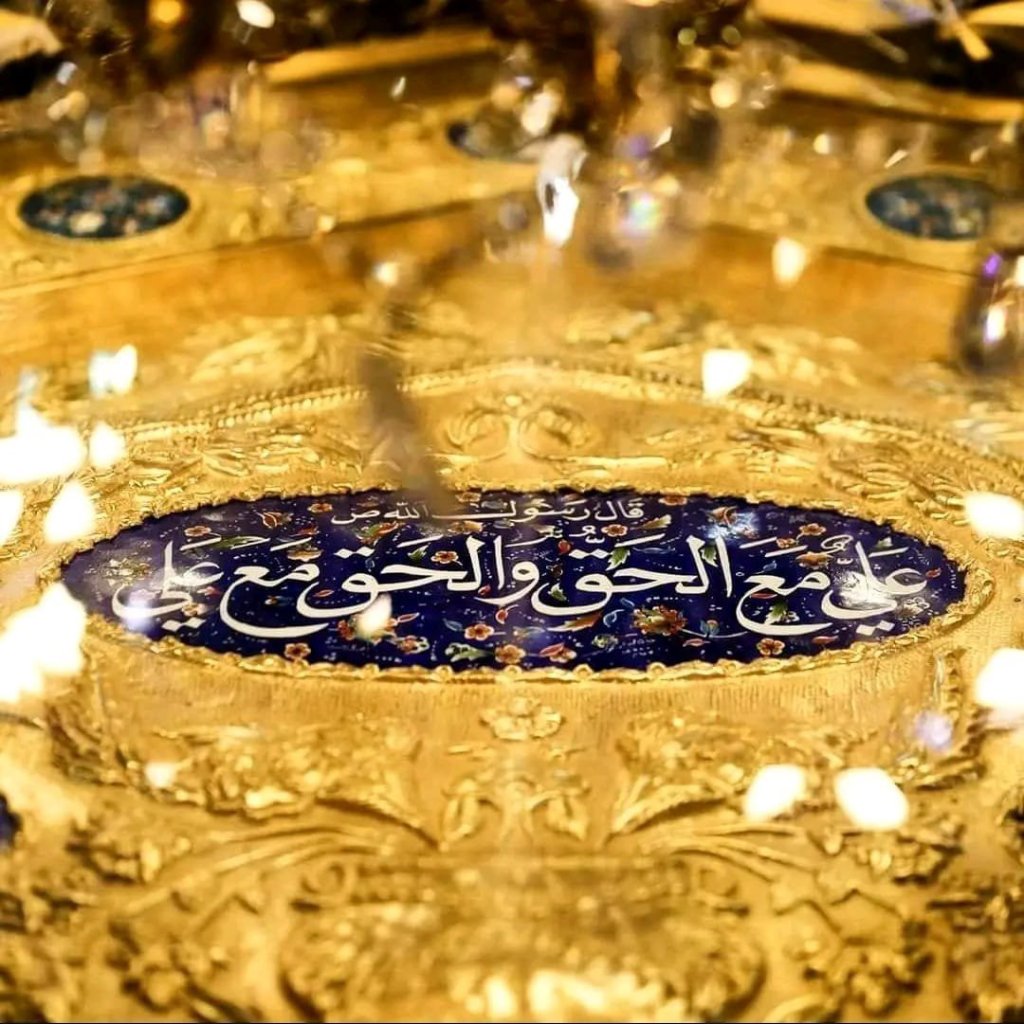
Ali Haq Ke Sath Hain Aur Haq Ali Ke Saath Hain.

📚 *Reference* 📚
Tirmizi, Jild 31, Safa 166.

*9. Rasool Allah ﷺ Ne Farmaya:-*
Jisne Ali Ko Sataya Usne Mujhe Sataya.

📚 *Reference* 📚
Musnad, Imaam Ahmad Ibn Hanbal, Jild 4, Safa 534.

*10. Rasool Allah ﷺ Ne Farmaya:-*
Ali Ki Dosti Buraiyo Ko Yun Khati Hain Jese Aag Lakdi Ko.

📚 *Reference* 📚
Kanzul Ummal, Jild 11, Safa 125.

Youm e Shahadat Hazrat Ali AlaihisSalam 21-Ramzan

#Shahadat_e_Maula_Ali۴ 😭

Zameeñ Pe Shor Hai Barpaa, Ali۴ Shaheed Huye..
Yateem Karte Hai Giryaa, Ali۴ Shaheed Huye..

Adu Ne Teg Se Maari Hai Zarb Haider۴ ko,
Lahu Me Tar Hai Musalla, Ali۴ Shaheed Huye..

Udaas Ho Ke Ye Kehte Hai Masjid-o-Mimbar,
“Salooni” Kaun Kahega, Ali۴ Shaheed Huye..

Jahaan Se Hote Hai Rukhsat Khuda Ke Sher Ali۴,
Ye Ro ke Kehta Hai Kaaba, Ali۴ Shaheed Huye..

Yateemi Aayegi Sar Par Janab-e-Zainabس Ke,
Khabar Jo Degi Ye Fizzaس, Ali۴ Shaheed Huye..

Sunayi Deti Hai Kufe Me Aah Yateemo Ki,
Sisak Ke Kehte Hai Baba, Ali۴ Shaheed Huye..

Ali۴ Ke Gham Me Yu Magmuum Saara Aalam Hai,
Malak Bhi Padhte Hai Nauha, Ali۴ Shaheed Huye..

Tamam Aal-e-Muhammad۴ Ko, Ali۴ Waalo Ko,
Shahi Deta Hai Pursaa, Ali۴ Shaheed Huye..

—————————————————————
Is Pur’dard Mauqe Par Imam e Zamanaعج Aur Tamaam Saadat-e-Kiraam-o-Muhibban e Ahlebait۴ ko Maula-e-Qayenaat Imam Ali Ibne Abi Taalib۴ Ki Shahadat Ka Pursa Pesh Karta Hu 😭🙏🏻
—————————————————————
Assalam_o_Alaika Ya Ameerul Momineen
Syedna Imam Ali ibne Abi Taalib۴ 🙏🏻

اللَّهُمَّ صَلِّ عَلَى سَيِّدِنَا مُحَمَّدٍ وَعَلَى آلِ سَيِّدِنَا مُحَمَّد🙏🏻


*_मेहराब ख़ून में तर है तो मेंबर लहू लहू_*
*_मस्जिद में है रसूल का बिरादर लहू लहू_*

_क़ुरआन का हर व्रक भी_
_हुआ पाश पाश आज_
_ज़ख्मी है हल अता तो है कौसर लहू लहू_

*_हाए शिकस्ता सर है पड़ा नफ़्स-ए-मुस्तफाﷺ_*
*_यानी हुआ है क़ल्ब-ए-पयम्बरﷺ लहू लहू_*

_अब्बासع का है क़िब्लाह व का’बा लहू लुहान_
_जै़नब हुइं हैं ज़र्ब का सुनकर लहू लहू_

*_का’बा दुहाई देता है किस ने ये कर दिया_*
*_शब्बीर का जिगर_*
*_दिल-ए-शब्बरع लहू लहू_*

_देखा फलक ने मंज़र-ए-ज़रबत_
_तो चीख उठा_
_नौहा-ब-लब क़मर था तो अख़्तर लहू लहू_

*_दस्तार तार तार है_* *_दीन-ए-मतीन की_*
*_ईमान-ए-कुल है_* *_अल्लाहु-अकबर लहू लहू_*

_रखे है सर-बुलंद जिसे दोशे अहमदी_
_इस बुत-शिकन अमीरع का है सर लहू लहू_

*_मर्क़ूम किस तरह हो शहादत की दास्तां_*
*_सतरें लहू लहू हैं तो मुस्तर लहू लहू_*

_कूफा ज़हन में उतरे तो लगता हर तरफ_
_मंज़र लहू लहू पस-ए-मंज़र लहू लहू_

*_सूरह अंबिया की हैं आयात ख़ून में तर*
*_जिब्रीलع ने कहा हुए हैदरع लहू लहू

Shan-E-Maula-E-Kainat Syedna Ali Karram Allahu wajha-ul-Karim [1] Tabrani aur Hakim ne Hazrat Ibne Masood se bayan kiya hai ki Rasoolullah Sallallahu Alaihi Wasallam ne farmaya Hazrat Maula Ali ki taraf dekhna ibadat hai Hadees ki isnad Hasan(Sahi) Hai. [2] Tabrani aur Hakim ne Bayan kiya hai aur isey Umme Salma RaziAllahu Anha se sahi qarar diya hai wo Farmati Hai ki jab Rasool-e-Akram Sallallahu Alaihi Wasallam gusse mein hote toh Hazrat Maula Ali ke siwa aapse guftugu karne ki Koi shakhs jurrat Na Karta. Reference-(Al Sawaiq Al Muhriqah) “Khadim-e-Ahle Bait Muhammad Rao Anjum

*BADR*
Mein Aaya Toh
Fateh – E – Badar Kehlaya,

*OHAD*
Mein Aaya Toh
Nasir-e-Rasool Kehlaya,

*KHAYBAR*
Mein Aaya Toh
Shahe-La-fatah Kehlaya

*KHANDAQ*
Mein Aaya Toh
Kull-e-Emaan Kehlaya,

*MUBAHILA*
Mein Gaya Toh
Nafs-e-Rasool Kehlaya,

*TATHEER Ki CHADAR*
Mein Aaya Toh
Warise-Tatheer Kehlaya,

*QURAN*
Padha Toh
NUQTA -E – BISMILLAH
Kehlaya

*MEHRAB*
Mein Aaya Toh
IMAM-E-DO-JAHAN
Kehlaya,

*BUTON*
Ko Baher Nikala Toh
BUTSHIKAN
Kehlya,

*AANKH Kholi Toh*
AINULLAH
Kehlaya,

*HATH Uthaya Toh*
YADULLAH
Kehlaya

*CHEHRA Dikhaya Toh*
WAJHULLAH
Kehlaya,

*GUFTUGU Ki Toh*
LISANULLAH
Kehlaya,

*TAKHT*
Par Aaya Toh
AMIR-UL-MUMINEEN
Kehlaya,

*TAKHT*
Thukra Kar
Khak Par Baitha Toh
ABU TURAB
Kehlaya,

*ASHDHA KA MUH CHEERA*
Toh Haider kehlaya,

*Zaban Ke Sath Dil Bola*
Ali Maula Ali Maula a.s

*इरशाद ए मुस्तफ़ा ﷺ शान ए अली ए मुर्तज़ा कर्रम अल्लाहु वजहुल करीम*
➖➖➖➖➖➖➖➖➖

*मौला मुर्तज़ा सय्यदना अली इब्ने अबु तालिब कर्रम अल्लाहु वजहुल करीम का मक़ाम ओ मर्तबा शान ओ अज़मत इतनी आला है*
*हुज़ूर नबी ए करीम सल्लल्लाहु अलैहि वसल्लम ने इरशाद फ़रमाया*
👇👇👇👇👇

*ऐ अली !*

*तेरा ख़ून मेरा ख़ून है*

*तेरा गोश्त मेरा गोश्त है*

*तेरा जिस्म मेरा जिस्म है*

*तेरे बाल मेरे बाल हैं*

*तेरी औलाद मेरी औलाद है*

*तेरा दादा और मेरा दादा एक है*

*तेरी और मेरी नस्ल एक है*

*तेरा और मेरा नूर एक है*

*हुज़ूर नबी ए करीम सल्लल्लाहु अलैहि वसल्लम ने इरशाद फ़रमाया* 👇👇👇👇👇

*जिसने अली की मदद की उसने मेरी मदद की*

*अली का हक़ इस उम्मत पर ऐसा है जैसे बाप का बेटे पर*

*अली से मोमिन ही मोहब्बत करेगा*

*अली से मुनाफ़िक़ ही दुश्मनी करेगा*

*अली मुझसे है और मैं अली से हूँ*

*अली का चेहरा देखना इबादत है*

*अली का ज़िक्र भी इबादत है*

*अली की मुहब्बत गुनाहों को ऐसे खा जाती है जैसे आग लकड़ी को*

*मेरा क़र्ज़ अली अदा करने वाला है*

*जिसका मैं मौला हूँ उसका ये अली मौला है*

*हक़ अली के साथ है और अली हक़ के साथ*

*मैं और अली इस उम्मत के बाप हैं*

*मैं इल्म का शहर हूँ और अली उसका दरवाज़ा*

*अली इमामुल मुबीन है*

*अली का रास्ता सीधा रास्ता है*

*अली का दुश्मन मेरा दुश्मन है*

*अगर एक तरफ़ सारे बनी आदम हों और दूसरी तरफ़ सिर्फ़ अली हो तो अली का साथ देना*

*मैं और अली एक ही नूर से है*

*अली जन्नत और दोज़ख़ तख़सीम करने (बाटने) वाला है*

*अली दुनिया और आख़िरत में मेरा भाई है*

*अली हिदायत का चिराग़ है*

*अली को मुझसे ऐसी मन्ज़िलत हासिल है जैसा हारून को मूसा से*

*ऐ अली तू बा मन्ज़िले काबा है*

*अली अरब का सरदार है*

*ऐ अली तेरा मुहिब मेरा मुहिब है और तेरा दुश्मन मेरा दुश्मन है*

*जिसका मैं वली हूँ उसका अली वली है*

*अली क़यामत के दिन मेरे हौज़ का मालिक है*

*अली की मुहब्बत निफ़ाक़ से दूर रखती है*

*मैं और अली एक शजर से हैं बाक़ी इंसान मुख़्तलिफ़ दरख़्त से हैं*

*मेरे बाद अली मेरी उम्मत का आलिम है*

*अली मेरे इल्म की तिजोरी है*

*अली मेरा राज़दार है*

*अली का गोशा गोशा ईमान से भरा हुआ है*

*जिसने अली को तकलीफ़ दी उसने मुझे तकलीफ़ दी*

🌹🌹🌹🌹🌹

रब्ब-ए-काबा की क़सम मैं कामयाब हो गया!”

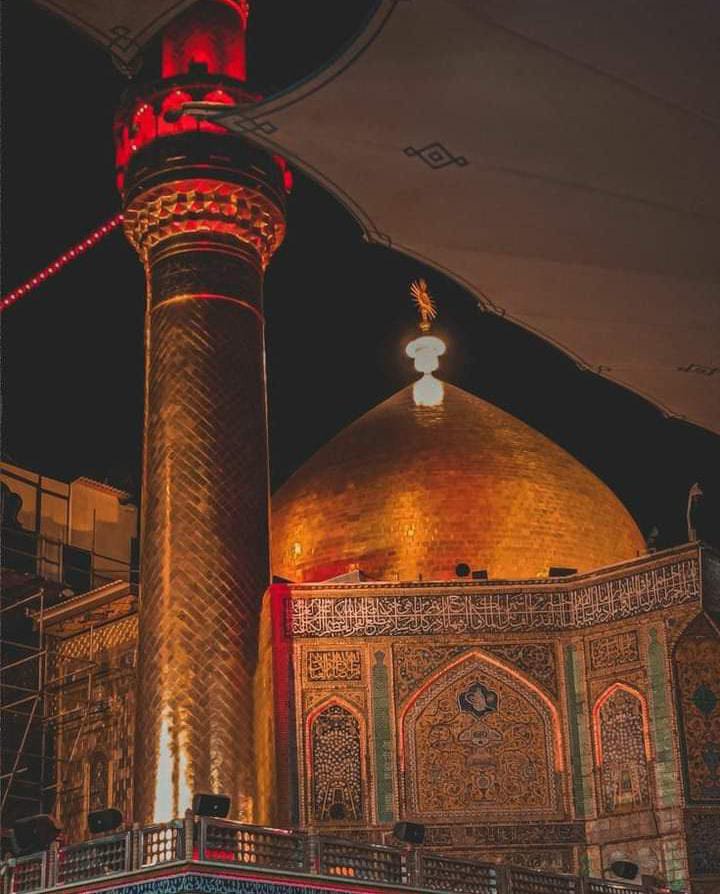
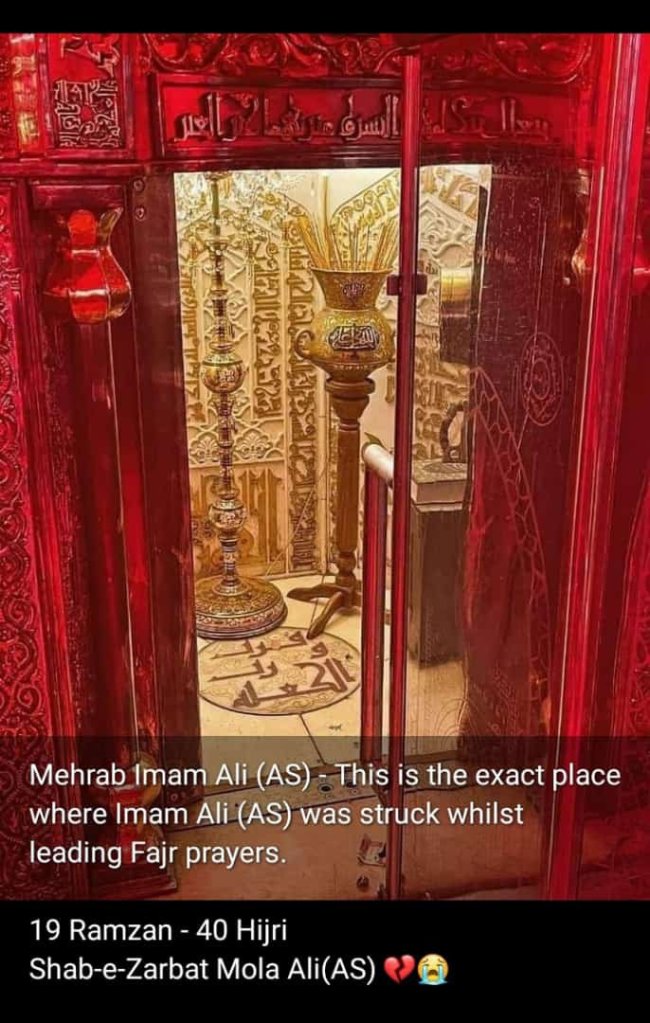
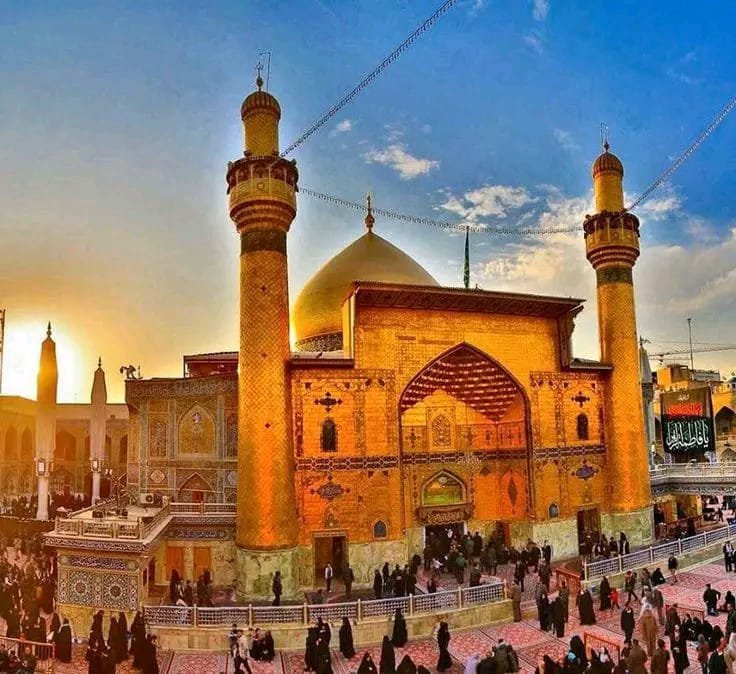
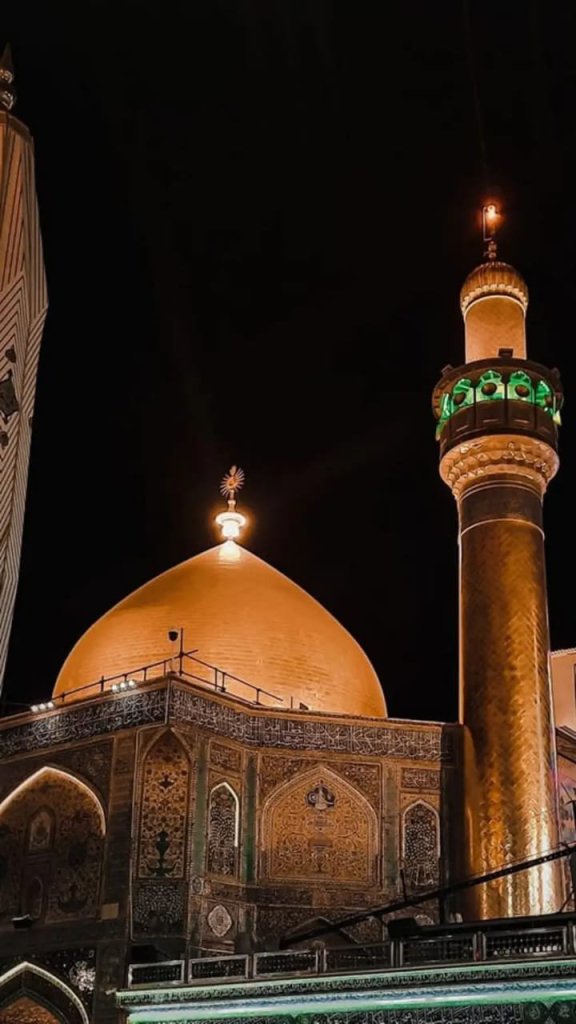
19 रमजान की वो रात थी तहज्जिद का वक्त और ये जगह थी जहां इब्ने मुल्जिम लानाती पर अमीर उल मोमिनीन मौला-ए-कायनात सैय्यदुना मौला अली अल मुर्तजा कर्रमअल्लाहु वज्हहुल करीम के सर-ए-अकदस पे जहर पे दुबी तलवार से वार किया। इस वार के ज़ख़म और ज़हर के असर से 21 रमज़ान को मौला अली अलैहिस्सलाम इस दुनिया ए फानी से पर्दा फरमा गए।

जब उस लाइन की तलवार आपके सर-ए-अकदस पे लगी, आपकी जुबान-ए-पाक से अल्फाज निकले “रब्ब-ए-काबा की कसम मैं कामयाब हो गया!” 19 रमज़ान की रात को इसीलिये “शब-ए-ज़रबत” कहते हैं…..

*जरब खाकर जो कातिल को पिलाएं शरबत*
*जेब देता है उसे साकी ए कौशर होना*

मोहम्मद हनफीया बिन ईमाम अली अलैहिस्लाम ने बयां किया जरबत ए अमीरुल मोमीनीन के बाद जब इब्ने मुलजिम को कैद कर लिया गया और उसे मौला अली के सामने पेश किया गया तो अमीरुल मोमीनीन सैयदना अली अलैहिस्सलाम ने उसे देखकर फ़रमाया मेरा कातिल घबराया हुआ लगता है उसको शरबत पीलाओ जब तक ये तुम्हारे पास असीर है उसके साथ हुस्न सुलूक से पेश आओ, उसको आला खाना और बेहतरीन बिस्तर दो।

अगर मैं हयात रहा तो मुझे इख्तियार है कि उसे सजा दु या माफ करु और अगर मैं तुम में ना रहा तोह फिर खुदा का हुक्म पूरा करना लेकिन इसकी लाश को ना जलाना ना ही इसकी अजा काटना क्योंकि ए मेरे बच्चों अल्लाह हद से बढ़ जाने वालों को पसंद नहीं करता।

📚 मनाकिब ए अली बिन अबी तालिब लाबिन असाकिर, सफा 314

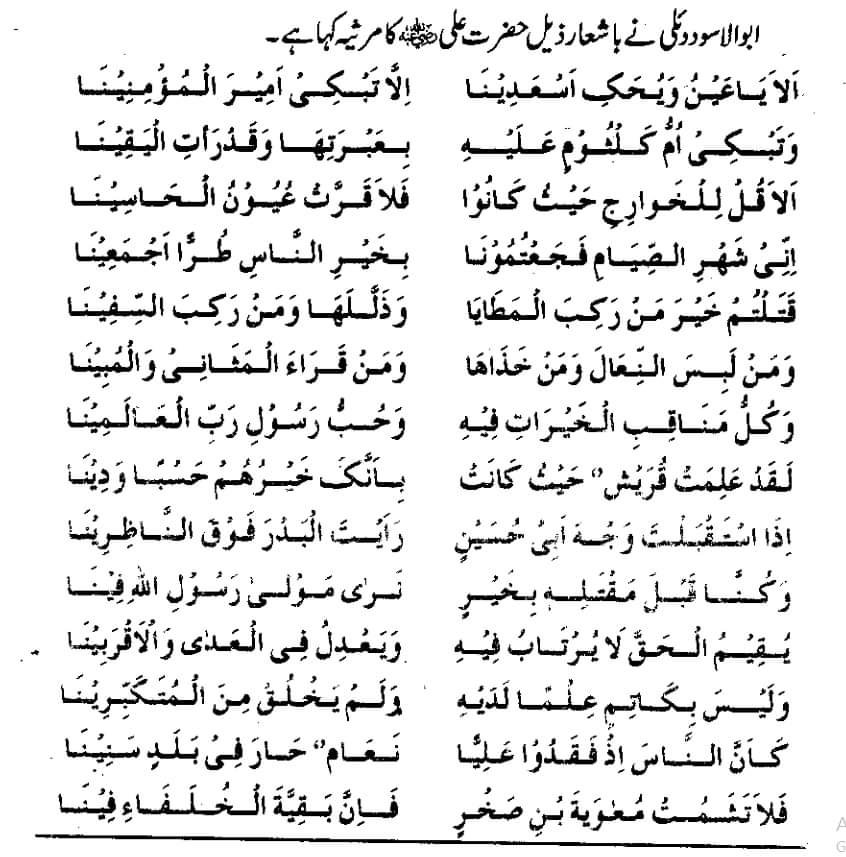
Abu Aswad al-Duali jinhe “father of Arabic Grammer” kaha jata hai, jo Maula-e-Kainat Sayyeduna Maula Ali Alaihissalam ke shagird they, unhone Maula-e-Kainat ki Shahadat ke baad ye marsiya padha jisko Imam Jalaluddin Siyuti ne apni mashhoor kitab “Tarikh ul Khulafa” me riwayat kiya hai

Tarjuma:

Ay aankh tujhe kharabi ho, kya tu hamari madad na karegi aur Amir ul Momineen par nahi royegi?
Halanke Umme Kulsum Unpar roti aur Apni Aankhe bahati hai aur Unhone yaqeen yaani maut ko dekhliya.
Ay mukhatib! kharji jahan kahi bhi ho unko kehde ke (Khuda kare) hamare haasidon ki aankhe kabhi thandi na ho.
(O kumbakhton!) Kya tum ne Maah-e-Ramzan me aise Shakhs ko Shaheed karke Jo sab logo se behtar tha, hame taklif pahunchaani thi?
Tum ne Aise Shakhs ko qatl kardiya hai jo tamam un logo se jo kashtiyon ya ghodon wagaira par sawaar hue, behtar tha
Aur tamam un logo se behtar they jinhone joota pehna aur Masaani (Surah Fatiha) wal Mubeen (Kitab) ko padha
Tamam khoobiya Unme maujud thi aur Wo Rasool-e-Rabbul Aalameen ke Dost they
Quraish jahan kahi ho unhe maalum rahe ke Aap un sabse Hasab wa Deen me behtar they
Ay mukhtaib! Jab tu Abul Hussain (yaani Maula Ali Alaihissalam) ke samne aaye to dekhna ke goya naazirin par Maah-e-Kaamil nikal aaya hai
Hum Unke Shaheed hone se pehle khush they ke RasoolAllah SallAllahu Alaihi wa Aalihi wa Sallam ke Dost ko apne darmiyan dekhte they
Aap Haq ko qaayam karte they aur usme zara bhi shaq na karte they, aur dushmao aur aqraba me ek jaisa adal kiya karte they
Aap Apne Ilm ko kabhi na chupaate aur na he Aap mutakabbiro se they
Aur log Maula Ali Alaiissalam ka gum karke aise hogaye hain jaise shaturmurg kahet saali me maidan me maara maara firta hai
Muawiya ko khush nahi hona chahiye kyunki Kulafa ka Baqiyyah (yaani Imam Hasan Alaihissalam) ab bhi Hum me maujud hain.

منقبت حضور پر نور مولائے کائنات نفسِ رسول و زوجِ بتول ، ابو ریحانتین علیہم السلام ، سیدنا و مولانا #مرتضیٰ #پاک صلوات اللّہ علیہ و سلامہٗ 💛

نام و نسب قبیلہ ہمارا علی علی
ایمان و دین اپنا عقیدہ علی علی

مرشد، امام، ہادی و رہبر ، صراطِ حق
مشرب ، مزاج ، اپنا طریقہ علی علی

باب العلوم ، شیرِ خدا ، شاہِ مشرقین
مشکل کشا ، امامِ یگانہ علی علی

ارض و سما غبارِ قدم میں ہیں جسکی گُم
وہ بو تراب ، نورِ سراپا علی علی

دیدار اُنکا کیوں نا عبادت ہو مومنو
اللّٰہ کا ، نبی کا نظارہ علی علی

سیراب ہوگا حشر میں کوثر کے جام سے
جس نے بھی تشنگی میں پکارا علی علی

نادِ علی ہے وردِ زباں خوف کس لیئے
کیونکر گروں مَیں جب ہے سہارا علی علی

منزل طواف کرتی ہے صبح و مسا مِرا
زادِ سفر ہے ذکر تمہارا علی علی

غم کے اندھیرے مٹتے ہیں ذکرِ حبیب سے
پڑھتے چلو مدام وظیفہ علی علی

رہتی ہے “یادگار” سرِ طُور کی ضیا
دل میں ہمارے جب سے سمایا علی علی

خاکپائے سگانِ نجفِ اشرف :—
🖋️سید یادگار شاہ وارثی

*_ 21 रमज़ान उल् करीम _*
_🥹😭 योमे शहादत 😭🥹_
*_अमीरुल मोमिनीन मौला इमाम अली इब्ने अबितालिब अलैहिस्सलाम_*
_नबी ए करीमﷺ ने फरमाया_
_जो कोई अल्लाहﷻ और मेरा कुर्ब चाहता है_
_उसे चाहिए के अलीع के करीब हो जाये_
*_Reference :-_*

*_📚Dhakhair UL Uqba,_*
*_Tabari Pg 📖 No.92_*

*_21 Ramazan ul Kareem _*
_😭 Yaum-e-Shahadat 😭_
*_Ameerul Momineen_*
*_Imam Ali Ibne Abi Talib عليه السلام_*

_Huzoor Muhammad ‎صلى الله عليه وآله وسلم_
_Imam Ali ‎عليه السلام Ke Liye Farmate Hai :-_

*_Jo Koi Allahﷻ Aur Mera Qurb Chahta Hai,_*
*_Ushe Chahiye Ke Aliع_*
*_Ke Kareeb Ho Jaye.._*

_Reference :-_
*_📚Dhakhair Ul Uqba,_*
*_Tabari, Page 📖 No. 92_*
*___________________________*

_Hubbe Nabiﷺ Hai Mehre Aliع_
_Mehre Aliع Hai Hubbe Nabiﷺ_

*_Nabiﷺ Ki Muhabbat_*
*_Aliع Ki Muhabbat_*
*_Nabiﷺ Ki Muhabbat_*

*_____________________________*

*_اللَّهُمَّ صَلِّ عَلَى سَيِّدِنَا مُحَمَّدٍ وَعَلَى آلِ سَيِّدِنَا مُحَمَّدﷺ_*

_Rᴀsᴏᴏʟᴀʟʟᴀʜ ﷺ ɴᴇ Fᴀʀᴍᴀʏᴀ Hᴀᴅᴇᴇs Pᴀᴋ “Mᴀɴ Kᴜɴᴛᴏ Mᴀᴜʟᴀ Fᴀ Hᴀᴢᴀᴀ Aʟɪ-ᴜɴ Mᴀᴡʟᴀ”_

*_Jɪsᴋᴀ Mᴀɪɴ Mᴀᴜʟᴀ Hᴏᴏɴ Usᴋᴀ Aʟɪ Mᴀᴜʟᴀ Hᴀɪ._*

_Wʜᴏᴍᴇᴠᴇʀ I ᴀᴍ ʜɪs ᴍᴀsᴛᴇʀ (ᴍᴀᴜʟᴀ), ᴛʜɪs Aʟɪ ɪs ʜɪs ᴍᴀsᴛᴇʀ (ᴍᴀᴜʟᴀ)_

* Shahadat e Maula Aliع 😭_*

_Zameeñ Pe Shor Hai Barpaa, Aliع Shaheed Huye.._
_Yateem Karte Hai Giryaa, Aliع Shaheed Huye.._

*_Aduu Ne TeG Se Maari Hai Zarb Haiderع ko,_*
*_Lahu Me Tar Hai Musalla, Aliع Shaheed Huye.._*

_Udaas Ho ke Ye Kehte Hai Masjid-o-Mimbar,_
_“Salooni” Kaun Kahega, Aliع Shaheed Huye.._

*_Jahaañ Se Hote Hai Rukhsat Khuda ke Sher Aliع,_*
*_Ye Ro ke Kehta Hai Kaaba, Aliع Shaheed Huye.._*

_Yateemi Aayegi Sar Par Janab-e-Zainabس ke,_
_Khabar Jo Degi Ye Fizzaس, Aliع Shaheed Huye.._

*_Sunayi Deti Hai Kufe Me Aah Yateemoñ ki,_*
*_Sisak ke Kehte Hai Baba, Aliع Shaheed Huye.._*

_Aliع ke Gham Me Yuñ Magmuum Saara Aalam Hai_
_Malak bhi Padhte Hai Nauha, Aliع Shaheed Huye.._

*_Tamam Aal-e-Muhammadﷺ ko, Aliع Waaloñ ko,_*
*_Ibrahim Deta Hai Pursaa, Aliع Shaheed Huye.._*

*_21 Ramzan ul Kareem

Yaum-e-Shahadat
*_Wasi e Rasoolﷺ_*
*_Nafs e Rasoolﷺ_*
*_Biradar e Rasoolﷺ_*
*_Janasheen e Rasoolﷺ_*
*_Damad e Rasoolﷺ_* _Haider e Karrar Sher e Khuda Sher e Yazda Maulud e Kabah Imam ul Aulia Imam ul Muttaqin Syed ul Asfiya Taj ul Aarifeen Ameer ul Momineen Khalifat ul Muslimeen Shah e Zaman Khaibar Shikan Abu Turab Maula e Kaynat Huzoor Syedna Maula Imaam Ali Murtuza Ibne Abu Talib Alaihis Salam_
*_Aapki Wiladat 13 Rajab ul Marjab Hijrat Se 23 Saal Pehle 23 October 600 Esvi Baroz Juma Kabah Sharif Ke Andar Hui, Aapki Shahadat 21 Ramzan 40 Hijri Mutabik 27 January 661 Esvi Baroz Peer Hui, Aap Shehansha e Qull Aalam Huzoor Ahmad Mujtuba Muhammad Mustufa Sallallahu Alaihi wa Aala Aalehi wa Sallam Ke Bhai Damad wa Khalifa Hai,_*
_Aap Syyeda e Kaynat Syyeda Fatima Zehra Salamullahi Alaiha Ke Shohar Aur Huzoor Syedna Maula Imaam Hasan wa Huzoor Syedna Maula Imaam Hussain Alaihimus Salam Ke Walid e Majid Hai, Huzoor Sallallahu Alaihi wa Aala Aalehi wa Sallam Aapki Shan Me Farmate Hain:-_ *_Aliع Ka Chehra Dekhna Ibadat Hai, Aliع Ka Zikr Karna Ibadat Hai, Aliع Ko Mujhse Wohi Nisbat Hai Jo Musaع Ko Haroonع Se Thi Siwai Iske Ke Mere Bad Koi Nabi Nahi, Junge Khairbar Ke Moqa Par Farmaya:-_* _Kal Alam Usko Dunga Jo Allahﷻ Uske Rasoolﷺ Ka Mehboob Tareen Hoga, Huzoorﷺ Ne Farmaya:-_ *_Mere Bad Jo Cheeze Bais e Ikhtalaf Hogi Unme Aliع Ki Adalat Sabse Behtareen Hai, Aliع Tumhare Darmiyan Behtareen Hakim Hai, Me Sardar Farzandan e Adamع Hu, Aliع Sarwar e Arab Hai, Yaume Khandak Zarbat e Aliع Saqalain Ki Ibadat Se Afzal Hai, Aliع Ke Ghar Ke Alawa Masjid e Nabawi Ke Andar Khulne Wale Tamaam Darwaze Band Kar Diye Jaye, Aliع Mujh Se Hai Aur Me Aliع Se Hu, Aliع Haq Ke Sath Hai Aur Haq Aliع Ke Sath Hai, Jisne Aliع Ko Sataya Usne Mujhe Sataya, Jisne Aliع Se Dushmani Ki Usne Mujh Se Dushmani Ki, Aliع Ki Dosti Buraiyo Ko Yu Khati Hai Jese Aag Lakriyo Ko, Me Ilm Ka Shehar Hu Aur Aliع Uska Darwaza Hai, Jisko Is Shehar Me Aana Ho Wo Darwaze Se Aaye,_* _Hazrat Adam Alaihis Salam Ki Takhleeq Se 14 Hazaar Sal Pehle Me Aur Aliع Allahﷻ Ki Bargah Me Ek Noor The,_ *_Aliع Ko Meri Mitti Se Banaya Gaya, Me Aur Aliع Ek Hi Nasab Se Hai, Me Aur Aliع Ek Hi Darakht Se Paida Hue Hai Yani Ek Hi Shajra Ak Hi Nasab, Aliع Ka Ghos Mera Gosh Hai Aur Aliع Ka Khoon Mera Khoon Hai, Jiska Me Maula Hu Uska Aliع Maula Hai, Aliع Tum Dono Jahan Me Mere Bhai Ho, Aliع Mere Liye Aesa Hai Jaise Mera Sar Mere Jism Ke Liye, Ay Allahﷻ! Jo Aliع Se Muhabbat Kare Tu Usse Muhabbat Kar Jo Isse Bugz Rakhe Tu Usse Bugz Rakh,_* _Lashkar Rawana Karte Waqt Farmaya:-_ *_Khudaya Mujhe Us Waqt Tak Mout Na Dena Jab Tak Aliع Ko Dubara Dekh Na Lu, Mera Parwardigar Mujhe Raat Ko Aasman Le Gaya Aur Aliع Ke Bare Me Mujhe 3 Cheezo Ki Wahi Ki:-_* _Aliع Parhezgaro Ka Peshwa, Momino Ka Wali Aur Noorani Chehro Ke Rehbar Hain, Aap Panjetan Pak, Khulfa e Rashideen, Ashra e Mubashara Me Shamil Hai, Aap Aaimma e Ahle Baith Ke Pehle Imaam Hai, Aap Faatih e Wilayat Aur Wali e Awwal Hai Yani Ummate Mustufaﷺ Me Auliya Allah Ke Silsile Ki Shuruat Aapse Hui, Aapka Mazar Mubarak Najaf ul Ashraf, Iraq Me Marjai Khaliak Hain…_