हमें किसी को काफ़िर नहीं कहना चाहिए… क्या मालूम ख़ुदा की नज़र में वही मोमिन हो, वो ख़ुदा को बहुत अज़ीज़ हो… इसी से मुताल्लिक़ एक वाक़िया पेश कर रहे हैं…
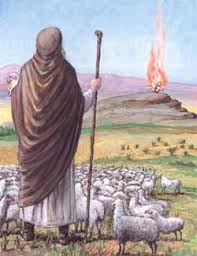
हज़रत मूसा (अलैहिस्सलाम) एक दिन जंगल जा रहे थे. वहां उन्होंने एक चरवाहे की आवाज़ सुनी, जो बुलंद आवाज़ से कह रहा था- ऐ मेरे जान से प्यारे ख़ुदा ! तू कहां है? मेरे पास आ, मैं तेरे सिर में कंघी करूं, तेरा लिबास मैला हो गया है, तो धोऊं, तेरे मोज़े फट गए हों, तो वह भी सीऊं, तुझे ताज़ा-ताज़ा दूध पिलाऊं, तू बीमार हो जाए, तो तेरी तीमारदारी करूं, अगर मुझे मालूम हो कि तेरा घर कहां है, तो तेरे लिए रोज़ घी और दूध लाया करूं, मेरी सब बकरियां तुम पर क़ुर्बान ! अब तो आ जा.
हज़रत मूसा (अलैहिस्सलाम) उसके क़रीब गए और कहने लगे- अरे अहमक़ ! तू ये बातें किससे कर रहा है? चरवाहे ने जवाब दिया- उससे कर रहा हूं, जिसने तुझे और मुझे पैदा किया और ये ज़मीन आसमान बनाए. ये सुन हज़रत मूसा (अलैहिस्सलाम) ने ग़ज़बनाक होकर कहा- अरे बद बख़्त ! तू इस बेहूदा बकवास से कहीं का ना रहा. बजाय मोमिन के तू तो काफ़िर हो गया. ख़बरदार ! ऐसी बेमानी और फ़िज़ूल बकवास बंद कर. तेरे इस कुफ़्र की बदबू सारी दुनिया में फैल गई. अरे बेवक़ूफ़ ! ये दूध लस्सी हम मख़लूक़ के लिए है, कपड़ों के मोहताज हम हैं, हक़ तआला इन हाजतों से बेनयाज़ है. ना वो बीमार पड़ता है, ना उसे तीमारदारी की ज़रूरत है, ना उसका कोई रिश्तेदार है. तौबा कर और उससे डर. हज़रत मूसा (अलैहिस्सलाम) के ग़ैज़-ओ-ग़ज़ब में भरे हुए ये अल्फ़ाज़ सुनकर चरवाहे के औसान ख़ता हो गए और वो ख़ौफ़ से थर-थर कांपने लगा. चेहरा ज़र्द पड़ गया. वह बोला- ऐ ख़ुदा के जलील-उल-क़द्र नबी ! तूने ऐसी बात कही कि मेरा मुंह हमेशा के लिए बंद हो गया और मारे नेदामत के मेरी जान हलाक़त में पड़ गई. ये कहते ही चरवाहे ने सर्द आह खींची अपना गिरेबान तार-तार किया और दीवानों की तरह अपने सर पर ख़ाक उड़ाता हुआ ग़ायब हो गया. हज़रत मूसा (अलैहिस्सलाम) हक़ तआला से हमकलाम होने के लिए कोहे-तूर पर गए, तो ख़ुदा ने फ़रमाया- ऐ मूसा ! तूने मेरे बंदे को हमसे जुदा क्यों किया? तू दुनिया में जुदाई के लिए आया है या मिलाप के लिए? ख़बरदार ! इस काम में एहतियात रख. मैंने अपनी मख़लूक़ में हर शख़्स की फ़ितरत अलग बनाई है और हर फ़र्द को दूसरों से जुदा अक़ल बख़्शी है. जो बात एक के हक़ में अच्छी है, वो दूसरे के लिए बुरी है. जो एक के हक़ में तिरयाक़ का असर रखती है, वही दूसरे के लिए ज़हर है. एक के हक़ में नूर और दूसरे के हक़ में नार, हमारी ज़ात पाकी और नापाकी से मुबर्रा है. ऐ मूसा ! ये मख़लूक़ मैंने इसलिए पैदा नहीं फ़रमाई कि उससे मेरी ज़ात को कोई फ़ायदा पहुंचे, उसे पैदा करने का मक़सद ये है कि उस पर मैं अपने कमालात की बारिश करूं. जो शख़्स जिस ज़बान में भी मेरी हम्द-ओ-सना करता है, उससे मेरी ज़ात में कोई कमीबेशी वाक़े नहीं होती, ज़िक्र करने वाला ख़ुद ही पाक साफ़ होता है. मैं किसी के क़ौल और ज़ाहिर पर निगाह नहीं रखता, मैं तो बातिन और हाल देखता हूं. ऐ मूसा ! ख़िर्द-मंदों के आदाब और हैं, दिलजलों और जान हारों के आदाब और हैं.
हज़रत मूसा (अलैहिस्सलाम) ने जब ख़ुदा का ये इताब आमेज़ ख़िताब सुना, तो सख़्त पशेमान हुए और बारगाहे-इलाही में निहायत नेदामत और शर्मसारी से मुआफ़ी मांगी. फिर उसी इज़्तिराब और बेचैनी में उस चरवाहे को ढ़ूढने जंगल में गए. सहरा-ओ-बियाबान की ख़ाक छान मारी, लेकिन चरवाहे का कहीं पता ना चला. इस क़द्र चले कि पैरों में छाले पड़ गए, लेकिन तलाश जारी रखी. आख़िर आप उसे पा लेने में कामयाब हुए. चरवाहे ने उन्हें देखकर कहा- ऐ मूसा ! अब मुझसे क्या ख़ता हुई है कि यहां भी आ पहुंचे?
हज़रत मूसा (अलैहिस्सलाम) ने जवाब दिया- ऐ चरवाहे ! मैं तुझे मुबारक देने आया हूं. तुझे हक़ तआला ने अपना बंदा फ़रमाया और इजाज़त अता की कि जो तेरे जी में आए बिला-तक़ल्लुफ़ कहा कर. तुझे किसी अदब-ओ-आदाब क़ायदे-ज़ाबते की ज़रूरत नहीं, तेरा कुफ़्र असल दीन है, और दीन नूर-ए-जां. तुझे सब कुछ माफ़ है, बल्कि तेरे सदक़े में तमाम दुनिया की हिफ़ाज़त होती है. चरवाहे ने आंखों में आंसू भरकर कहा- ऐ पैग़ंबर-ए-ख़ुदा ! अब मैं इन बातों के क़ाबिल ही कहां रहा हूं कि कुछ कहूं. मेरे दिल का ख़ून हो चुका है, अब मेरी मंज़िल बहुत आगे है, तूने ऐसी ज़र्ब लगाई कि हज़ारों लाखों साल की राह तय कर चुका हूं. मेरा हाल बयान के क़ाबिल नहीं और ये जो कुछ मैं कह रहा हूं इसे भी मेरा अहवाल मत जान.
मौलाना रूमी इस हिकायत से हासिल ये निकालते हैं कि “ऐ शख़्स ! जो तू हक़ तआला की हमद-ओ-सना बयान करता है, क्या समझता है? तू तो इब्तिदा से इंतिहा तक नाक़िस और तेरा हाल-ओ-क़ाल भी नाक़िस, ये महज़ उस परवरदिगार रहमान-ओ-करीम का करम है कि वो तेरे नाक़िस और हक़ीर तोहफ़े को क़बूल फ़रमाता है.
Official history not only does not disclose for the masses the origin of Rus and the Slavs, but also for a long time tried to hide the influence of other faiths on the formation of the culture of our country. We bring to the attention of readers the material testifying to the acceptance and existence of Islam in Russia.
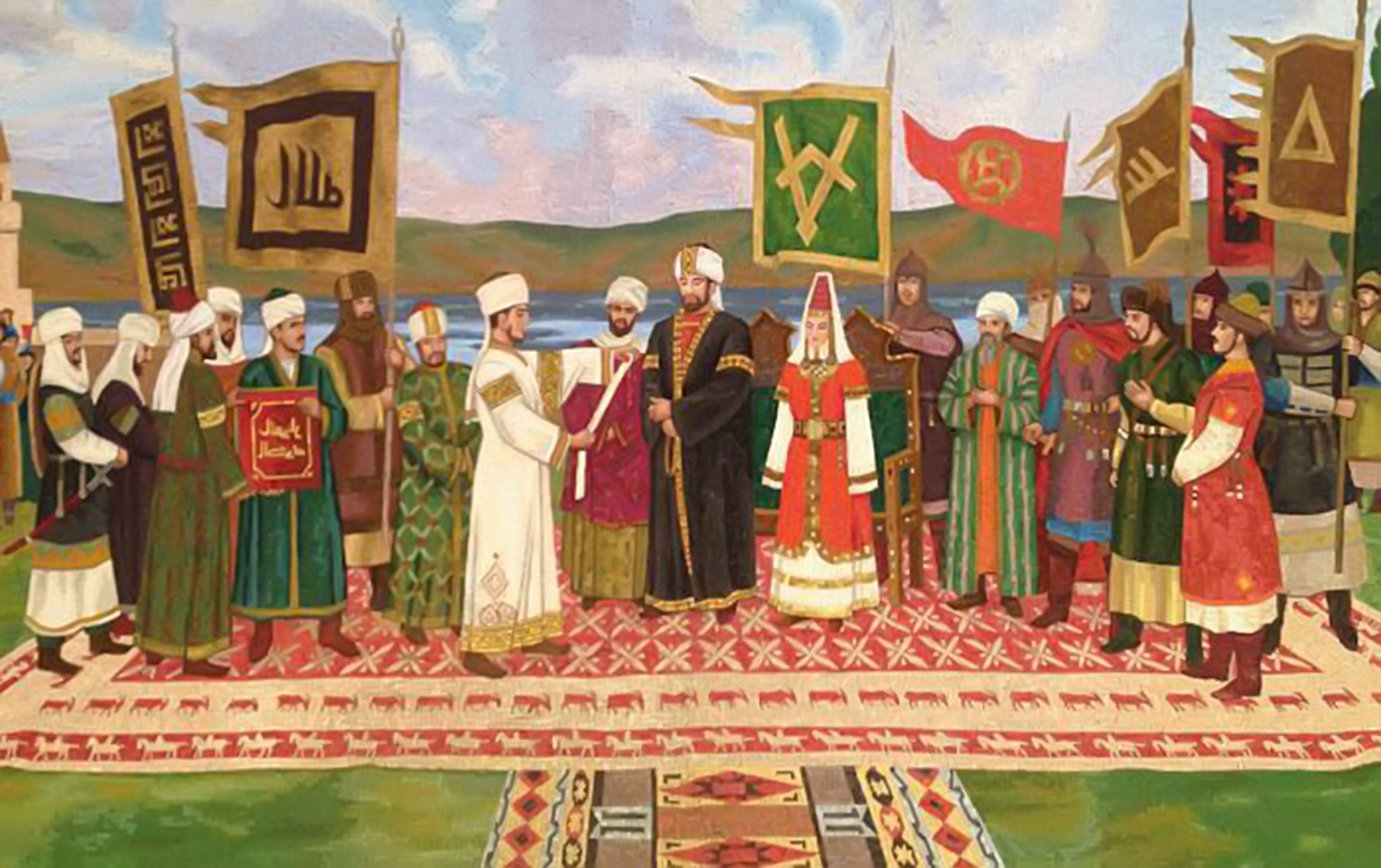
Islam, first adopted on the territory of our country originally by the inhabitants of Dagestan, probably soon after this spread to the Bulgarian cities. Islam penetrates into the territory of the central regions of the future Russia and through the liberated Volga Bulgaria.
Thus, Ibn Fadlan, who came to introduce Islam to the Bulgars, was forced to note the presence of mosques and schools there as early as the beginning of the tenth century (note that at that time the territory of the future Muscovy was, in all probability, still part of the Bulgarian state).
There are also grounds to assume that as early as the pre-Mongol period, a certain part of the population of Russian principalities became attached to Islam. This is evidenced by the presence in the orthodox terminology of not only Bulgarian but also Arabic terms.
Church or mosque?
The existence of terms other than Tatar and Arabic, to indicate the attributes of the Islamic faith, also indirectly indicates that. A well-known mention of V.N. Tatischev that the Bulgars built temples in the Vladimir-Suzdal land can be interpreted in this context in a different way: but did they build churches?
The architectural features of some churches of the pre-Mongol period (Church of the Intercession on the Nerl, for example) are very different from Christian standards, even Orthodox ones. Famous “poppy” domes have analogies in the architecture of the Arab world and do not have – in Christian.
At the same time, we note that in some cities there are temples built following the Greek (from plinth and with conical roofs) and Bulgarian (white stone, weak foundation, “makovki”, ornament) samples. The presence of Islamic rituals is evidenced by discovery of some graves committed on Muslim patterns.
Propagation of Islam
Certain successes, apparently, Islamic missionary work has reached among the Finno-Ugric peoples. Traces of the former Muslim rituals were prominently revealed in them at the end of the nineteenth century (Marjani Sh., 1993), and at the beginning of the 20th century there was a mass return (or legalization?) of Finno-Ugrians to Islam.
The most significant stage of Islamization, apparently, occurred during the Golden Horde, the leadership of which recognized Islam soon after the capture of the Khorezm and Bulgarian territories – during the reign of Berke.
Russian supporters of Islam lived in the very ancient cities themselves. So, for example, in describing the rebellion in Yaroslavl (1262), it was noted that an active follower of Islam, the former monk Izosima, “was killed by the mob, who will be rejected from the Christian faith and be a Beserman of evil and welcome from the Tsar ambassador Titjak …” (Tatischev V.N. “The History of the Russia.” Moscow: AN SSSR, vol.5, p.44.).
Prominent Soviet historian A.N. Nassonov pointed out that the uprising in the 60s of the 13th century in Russian cities was directed against the Beserman-Basqaq who collected taxes. He also notes the presence of Russians in the Basqaq detachments (A.N. Nassonov “Mongols and Rus.” Moscow: AN SSSR, 1940. p. 17, 53).
Marriage
In this regard, the question becomes natural: following what rites were marriages in Islamic Sarai concluded between the Horde princesses and numerous Russian prince-pretenders? At the same time, we know from the chronicles that these princesses received Christian names later in Russia (we even admit that, possibly in absentia and posthumously).
So, Uzbek, in whose reign Islamic culture flourished in Eastern Europe, in 1317 married his daughter (niece) Konchak to Yury Danilovich Moskovsky. Later, in baptism, she was named Agafia.
It seems to us quite natural that the son-in-law of a Muslim khan should have been Muslim. In this respect, pictures of Moscow princes with their braids, robes and khansky hats, coins minted in Arabic are noteworthy. Among the founders of their dynasty Moscow princes pointed Tatar princes. There is an obvious orientation towards the eastern cultural world (Izmailov I. Rodina, 1997 №2, p.89).
This is evidenced by the well-known fact that the Moscow boyars blinded their suzerain – the Grand Duke Vasily the Dark, imputing to him the excessive preference for Tatar customs and language. Boyars looked no less Asian in European miniatures. Muscovites look in Tatar-style – in the white felt hats and robes in the works of S. Gerberstein and M. Lytvyn.
These and other facts indicate that Moscow was much oriented in cultural issues toward the Eastern world until the middle of the sixteenth century. The orientation of the Russian nobility to Eastern and Turkic culture, in itself, does not mean the automatic acceptance of Muslim dogmas (especially since a large part of the Tatars who came to Muscovy professed Christianity.) In particular, many “ancient Russian” monasteries of the 13th-15th centuries were founded by Tatars).
The Muslim Nobility
However, this situation did not prevent, as in later times, the spread of Islam in Russian Zalessye. We have reason to believe that a significant part of Rus’s elite, Red and White, adhered to Islam during the Golden Horde period.
Thus, the famous traveler of the XIV century Athanasius Nikitin used to point out in his work his Muslim name – Khoja Yusuf Khorasani (by the way, tverichi he called “the Russian heads”, and not the Muscovites) (Nikitin “Journey Beyond Three Seas” M.: Soviet Russia, 1980. p. 57). And one of the Russian chroniclers Nestor (who wrote, in particular, the story of the fall of Constantinople) indicated at once two of his names: Nestor and Iskander.
However, even in later times – in the XVI-XVII centuries. – in the list of clerks and military ranks of Muscovy, a significant part of names – were derived from Muslim names, and on the contrary, according to research by Nosovskiy and A. Fomenko, in the lists of Muscovites they found only one Christian name. We believe that the investigated scribe books reflected information about the privileged urban strata.
At the same time, the taxable population was better restrained by Christianity. Probably that is why Christianization of the Ughro-Finns (then constituted the majority of the population of Russia Zalessye) and the Slavs in the Golden Horde period not only reduced, but also magnified under the domination of Jochids (Vernadsky G.V. “The Mongols and Russia.” Tver. 2000. pp.137.385).
Probably, during this period there was an opposition of the Islamic nobility and the Christian lower class of Muscovy. Apparently, at this time, the contemptuous attitude towards the “black people” was expressed in the form of the term “Christian”, preserved by the Russians to this day.
S. Gerberstein, for example, in the middle of the XVI century already, as an old custom, notes that noble persons and soldiers “in a sign of contempt” used to call the villagers “Christians.” (Heberstein S. Notes on Moscow Affairs, St. Petersburg: 1908. p.85). In Russian documents, this attitude was first manifested in 1391 (Vernadsky, G.V., Ibid.).
Transformation of Orthodoxy
Apparently, Islam had a definite influence on the ritual of the Orthodox Church, as well. Attendants of Constantinople Church (e.g., Maximilian, messenger of Constantinople patriarch), coming to Moscovia, noted that the local service does not comply with the tenets of the Greek and Latin churches, and called the Tzar – schismatic (i.e. heretic) (Gerbershtein C. S., op.. .65).
M.G. Khudyakov in his famous monograph cites the remark of Maxim the Greek about the strong adherence of the Muscovites to the eastern fashion, that, in his opinion, they will soon put on a turban. Indeed, Western contemporaries repeatedly noted such features of the Muscovites, who probably took over the remnants of the Muslim customs, such as the mass refusal of alcohol, and the prosecution of its use and distribution.
In this respect, it is significant that Catholics did not consider the Slavic Orthodox Church as a Christian church and directed the crusades of their orders against it. Western contemporaries testify that in Muscovy “holy Catholics are persecuted with stronger hatred than the Mohammedans themselves”.
G.V. Vernadsky also noted the change in church singing during the Golden Horde period (Vernadsky G.V. ukaz.soch, ibid.).
Russian Muslims
Many contemporaries note a large number of Tatars in medieval Moscow. They formed a significant part of the Moscow and Moscow suburbs of Turkic toponymy. Probably, for some of them, mosques were needed to observe the rites of Islam. In any case, similar precedents were in Muscovy: mosques in Kasimov, Romanov etc…
The largest number of Russian Muslims, of course, should eventually flock to the Kazan Khanate. Thus, in one of the unrecognized sources of “Jagfar Tarihi” it is noted that up to 30,000 “Kara Muslims” lived in Kazan, i.е. “Western Muslims.”
In a sense, this figure is confirmed by information from “Kazan chronicler” (incidentally, he himself, coming from Moscow nobility, converted to Islam and had a successful career in Kazan), who pointed out that Ivan IV’s troops in Kazan freed about 100 000 people from slavery. Given the fact that slavery in Kazan was not even in the form as in Moscow, it can be assumed that most of them lived in the Kazan land freely.
A huge number of captives simply could not be kept in a relatively small (at that time) state without changing the demographic picture substantially. Therefore, the captives, in the main, were deported to the south, leaving, as a rule, in Kazan only those who accepted Islam. Thus, the figure of 100,000 people – family members approximately corresponds to 30,000 masters of Kara Muslims (Western Muslims).
Noteworthy is the fact that, having a real choice, Russia and the Slavs took Islam consciously. On the territory of modern Russia, as is known, Islam was not enforced by force (Fuchs, K. 1996).
Perhaps, therefore, the author of Kazan history noted that many of them preferred to stay in Kazan and practice Islam even in the conditions of the soon-apparent destruction of the city in the middle of the 16th century. Moreover, the captured Russian (as far as this term is applicable in this case) Muslims refused to report themselves and return to Muscovy (Khudyakov MG 1992).
This fact, along with the presence of significant Tatar units, commanders and the Kazan Khan in the Moscow army, allows us to unequivocally deny the previously imposed and entrenched thesis about the ethnic nature of the contradictions between Moscow and Kazan. The main conclusion that can be drawn from the above material is the conclusion about the indisputable past presence of the Muslim religion in the Proto-Russian and Russian states, as well as the very significant influence that Islam had on the emerging culture of the Russian people and the Orthodox Church
In India the needs of thousands of men used to be satisfied through the Sufi saints; in countless homes the hearths were lighted because of their benevolence; a vast number of people lived in their Khanqahs (spiritual seminaries) as permanent guests enjoying all the reasonable comforts of life. At the dinner-spreads of the Sufi ascetics no distinction was observed between the rich and the poor, the friend and the foe, and the kindred and the stranger.
The dinner-spread of Khwaja Nizamuddin Aulia was proverbial both for its extensiveness and sumptuousness of the meals served on it.
At the Khanqah of Sheikh Saifuddin Sirhindi, a Mujaddidiya divine of the 17th century, 1400 persons used to dine every day and every one of them was served with food of his own choice.1
Another Chishti saint of the late 17th and early 18th century, Syed Mohammad Saeed alias Shah Bheek, it is reported by his biographer that, apart from the 5,000 votaries who lived permanently in his Khanqah, an equal number from among the daily visitors also joined in at the meals with the result that about 10000 persons dined with him regularly.
Once Roshanuddaula, who was a Seh-Hazari (meaning a Mansabdar commanding 3,000 soldiers) feudal lord of the Court of Emperor Farrukh Siyar of Delhi, presented Shah Bheek Rs. 70,000/- for the construction of the Khanqah. Shah advised him to leave the money and go and have little rest and construction work would commence in the afternoon. After Roshanuddaula had retired Shah Bheek sent the entire money to widows and other needy and indigent people of Ambala, Thanesar, Sirhind and Panipat through the ascetics of the Khanqah. When Roshanuddaula returned in the afternoon, Shah Saheb said to him:
“You could never have earned so much Divine reward by the construction of the Khanqah as you have by serving so many poor, helpless persons and hermits. What would an humble ascetic like me do with a palatial building ?”
On another occasion, Emperor Farrukh Siyar, Roshanuddaula and Nawab Abdullah Khan sent him promissory notes worth Rs. 3,00,000 along with their petitions. The divine had all the money distributed in the neighbouring towns and among indigent families of good birth.2
As Maulana Manazir Ahsan Gilani had very appropriately observed:
“The Khanqahs of the Sufi saints served as the connecting link between the rich and the poor. Even reigning monarchs paid tribute to the courts of these august men. Take the case of Sultan-ul-Mashaikh. It has been shown how Khizir Khan, the heir- apparent to the throne of Delhi, was his bondman (meaning a devoted disciple). Sultan Alauddin Khilji used to collect the tribute from all parts of the country, but there was one treasury in which he also had to deposit the submission money………………………………..The Khanqahs were the channels through which the share of the poor and the needy used to reach them throughout the land This is what was implied by the well-known saying that ‘the property of the Sufi is at everybody’s disposal.’ ”
“This confluence of poverty and riches, i.e. the holy Order of the Sufis to which the rich and the poor alike paid homage was the agency by means of which the needs of innumerable destitute Muslim families were satisfied. Indeed, there was no phase in the whole era of Muslim supremacy in India, and no province, in the entire sub-continent, in which the Prophet’s command that ‘it should be taken from those among them that are rich and given to those among them that are poor’ was not dutifully carried into practice by the Sufi saints, especially by those among them who, by some extraordinary circumstance, had come to acquire influence over the rich and privileged sections of the community; the fortunes of the distressed sections would then literally wake up.” 3
1. Nuzhat-ul- Khawatir, Vol. V
2. Manazir Ahsan Gilani: Nizam-i-Talim wa Tarbiyat, Vol. II, pp. 221-222
3. Manazir Ahsan Gilani: Nizam-i-Talim wa Tarbiyat, Vol. II, p. 220
The blessed month of Ramadan is the golden opportunity for Muslims to earn greater rewards from Allah Almighty. In the blessed month of Ramadan Muslims indulge in prayers and good deeds with greater intensity and frequency compared to what they do in normal days. Thus, Muslims wish to make the most out of each and every moment of Ramadan so that they can earn more blessings and rewards.
Ramadan is the month of forgiveness and mercy and it’s the time to become the best version of yourself to gain rewards from Allah (SWT). Therefore, Muslims try their best to do simple tasks that can help them to gain those rewards for this life and the Hereafter.
Hugely Rewarded Deeds to do in Ramadan
Below mentioned are some hugely rewarded deeds that a Muslim can do to make most of this Ramadan.
Make Dua for Others: Making Dua for your loved ones and also for the Muslim Ummah. Whenever you make Dua be generous in what you ask for because the angels will make the same Dua for you. Dua is a beautiful way to gain spiritual peace, tranquillity and aim for a sound heart. Our beloved Prophet Muhammad (SAW) said: “When a Muslim supplicates for his absent brother the angels say: Ameen, and may you receive the like.” (Abu Dawood)
Dhikr: Dhikr refers to the remembrance of Allah Almighty. On contrary to the regular prayers, Dhikr is not time specific, rather one can do it anytime and anywhere one finds time to do so. Moreover, when it comes to Dhikr, there are numerous types of Dhikr recommended in Islam and each and every one of them carries a different significance. Some of the most rewarding Dhikrs which a Muslim must try doing during the fasting in Ramadan are: Holy Prophet Muhammad (SAW) said: “Whoever enters a market and says: ‘Laa ilaha illallah wahdahu la shareeka lah, lahul mulku wa lahul hamdu yuhyi wa yumeetu wa huwa hayyun laa yamoot, bi yadihil khair, wa huwa ‘ala kulli shayin qadeer’ … Allah will write for him or her a million good deeds and erase a million bad deeds and raise him a million levels” (Tirmidhi). Subhaan Allaah’, ‘Alhamdulillaah’ and ‘Allaahu Akbar’ thirty-three times each after every (compulsory) prayer.’” (Bukhari)
Give Generous Charity: Some people prefer to give Zakat during the month of Ramadan as it gives more rewards. Besides Dhikr Zakat is another deed that offers huge reward during the month of Ramadan. About the giving charity in the month of Ramadan our beloved Prophet Muhammad (PBUH) said: “The best charity is that given in Ramadan.” (Tirmidhi)
Providing food for breaking fast of other people: “Whoever provides food for breaking of the fast for a fasting person receives the reward of the fasting person, without the reward of the fasting person being reduced in any way” (Tirmidhi). Those who offer food receives the reward of the fasting person, whereas the one who is invited for the dinner keeps the reward to him or herself as well.
Observe Itikaf: One of the most significant and renowned Sunnah of our beloved Prophet Muhammad (PBUH) is observing Itikaf in the holy month Ramadan. Regarding the reward associated with the observance of Itikaf in Ramadan, Prophet Muhammad (PBUH) said: “He who observes the ten days Itikaf during Ramadan will obtain the reward of two Hajj and two Umrah.” (Bayhaqi)
Quran Recitation: Reading every letter of the Quran can give outstanding rewards. Each word of the Holy Quran carries its reward, which in the month of Ramadan gets multiplied many times. Therefore, we should try to recite the holy Quran as much as we can in order to earn greater rewards from Allah (SWT).
Exhibit good manners: Religion Islam emphasizes on mannerism the way Islam does. In Islam having good manners is one of the best virtuous deeds. Pertaining to having good manners, Prophet Muhammad (PBUH) said: “There is none heavier in the scales of the Hereafter than good character.”(Tirmidhi)
Praying in Lailat-ul-Qadar: Lailat-ul-Qadar is the best option for earning the greatest possible reward in the month of Ramadan. It is the night that resides in the odd nights of the last ten days of Ramadan and any prayer made in this night is far and above the reward of the prayers made in any other night throughout the year. Prophet Muhammad (PBUH) said regarding Laylatul Qadr in these words: “Whosoever worshipped on Laylatul Qadr, with faith and with a sincere intention, all of his previous sins are forgiven.” (Bukhari)
Isko jaanne se pehle ye zarur dhyan me rakhein ki Qawwali me shaan e nabi wa awliya padhi jaati hai..iske alawa koi kufriya kalimaat nahi hote.
1)Hadees : Hazrate Ayesha Razi Allahu Anha farmati hain ki ek martaba Nabi E Kareem Sallallahu Alaihi wa aalihi wasallam mere ghar par tashreef laaye jab ansaar ki do ladkiyan kuch gaa rahi thi (apne kuch ashar padh rahi thi) aur drums (tabala) baja rahi thi. Rasool Allah dusri taraf chehra karke soye hue the. Phir Hazrat Abu Bakr siddique r.a aaye aur sakhti se farmaye ki, shaitani mazameer aur wo bhi Rasool Allah ke ghar par. (Yaani gussa hue ki ye cheez najaiz hai) Rasool Allah ne apna chehra mubarak phera aur farmaye ki aye Abu Bakr inhe chor do, inhe kuch na kaho. Har qaum ki eid hoti hai aur ye hamari eid hai.
Sahih Bukhari, Hadees no. 949, 3931, 3529
Ghaur karne wali baat hai ki Hazrat Abu Bakr ko pata nahi tha ki Aaqa E do jahan ghar par tashreef farma hain, warna unki maujudgi me wo kabhi unchi aawaz me ya gusse se aise pesh na aate, Kyu ki gaane bajane par jab Aaqa khud khamosh hain to meri kya majaal ki mai is par gussa karun ya iski mukhalifat karun. Aur jab Aaqa ne farmaya ki Abu Bakr inhe chor do to wo khamosh hogaye. Agar mazameer mutlaqan najaiz ya haram hote to Aaqa farma dete ki ye cheez mana hai..lekin unhone ne ye nahi kaha, balki ye kaha ki Aye Abu Bakr inhe kuch na kaho aur Aaqa khud us sama me shareek the aur sun rahe the. Kya aisa ho sakta hai ki najaiz wa haram kaam me (maaz Allah) Rasool Allah shareek hain aur usko cheez ko mana bhi nahi kiye. Bilkul nahi..ye bas hamari ghalat soch aur jahalat wa samajhne me ghalti hai..
2) Hadees : Hazrate Ayesha Razi Allahu Anha farmati hain ki Rasool Allah Sallallahu Alaihiwasallam mere pas khade the jab mai euthopian qaum ko masjid me khelte hue dekh rahi thi (khelna matlab jhumna, ashar gaana). Hazrat Umar r.a ne un logon ko mana kiya to Rasool Allah ne farmaya ki aye Umar unhe chor do. Aye Banu Afrida ! Tum log khelo (yaani jaari rakho) aur tum mehfuz ho.
*Sahih Bukhari, Hadees 3530
Sarkar ne dusri qaum ko masjid me naachne gaane ko mana nahi kiya, to kya maaz Allah hamare sarkar unhi me se hogaye. Kyu ki aaj kuch logon ka yehi rawaiyya reh gaya hai ki kisi ghair qaum ke kaam me sahara denge to unhi me se hogaye. Kyuki Dr Tahir Ul Qadri sahab par ilzam lagaya tha ki unhone isaiyo ko masjid me aane ke liye ijazat di, isliye wo isaiyo me se hogaye. Ye ajeeb jahalat hai.
3) Hadees : Hazrat Abu Musa Razi Allahu Anhu farmate hain ki Rasool Allah Sallallahu Alaihiwasallam ne mujhse farmaya,
Aye Abu Musa ! Tumhe Dawood (Alaihissalam) ke khandan ki ek Hawa ki mausiqi (music / musical) mazameer ata ki gayi hai.
Sahih Bukhari, Hadees 5048
Jo cheez haram wa najaiz hai usko kya ek Nabi (Dawood Alaihissalam ) aur Sahabi ko ata ki gayi hai? Maan bhi lijiye kuch logon kehna ki Hazrat Dawood Alaihissalam ke daur me ye jaiz tha aur ab najaiz hai, yahan to sahabi ka bhi zikr hai jo hamare nabi ki shariat me maujood hain.
Ab dusri taraf jin hadeeson me mazameer ko mana kiya gaya hai usse muraad wo ashhaar padhna ya gaana jo kufr hai, jisse shirk ka gumaan ho.
Jis tarah tasweer ke mauzu me bhi do tarah ke hadeesein paayi jaati hai. Kuch me jaiz aur kuch me najaiz. Najaiz se muraad wo tasweerein hain jisse shirk ka andesha ho. ***********
Aaiye ek Aur Risala Jis Ke Musannif Hazrat Shah Ahmad Saeed Mujaddidi Farooqi Madani (1217-1277 A.H.) Rehmat-ul-Allahi Ta’ala Alayh Se Hum Ye Mauzu Par Aate Hain Ki Dhol, Tashah, Naqqarah, Daff Wa Surood-O-Muwsiqi Bajaana Haraam Nahin
*Qaala
Muallif-E-Arba’in Ne Bisawein Masleh Ka Jawaab Dete Huwe Kaha Ki Naqqarah Bajaana Ba-Waqt-E-Nikaah Elaan-E-Nikaah Ke Liye Haram Hai.
*Aqoolu
Mein Kahta Hoo’n Ki Naqqarah Ya Tabala Bajaana Ba-Waqt-E-Nikaah Jaaiz Hai Jaisa Ki Allama Tahtahaawi Ne Durr-E-Mukhtaar Ke Qaul Kee Sharh Karte Huwe Likha
والملاهي كالمزامير والطبل وغيرهما اي كتبل اللهو اما اذا كان لغيره كتبل الغزاة وطبل العروس فيجوز (أنتهى)
Tarjuma : Khel Kood Ke Liye Tabala Na Bajaaya Jaaye. Ghaaziyon Ke Liye Aur Ba-Waqt-E-Nikaah Tabal Bajaana Jaaiz Hai.
Dhol Aur Taashah Tabalah Ke Hukm Me Hain.
*Qaala
Muallif-E-Arba’in Ne Kaha Ki Dhol Aur Taashah Tabal Ke Hukm Me Hain.
*Aqoolu
Jab Tabal Ka Hukm Shareh Durr-E-Mukhtar Kee Ibarat Se Ma’loom Ho Chuka, To Ab Mujib Ke Apne Qaul Ke Mutaabiq Dhol Aur Taasah Ko Bhi Is Par Qayaas Kar Le. Ya’ni Sab Ka Jawaaz Durr-E-Mukhtar Ke Shaareh Kee Ibaarat Se Ayaa’n Hai. – [Tahqeeq-ul-Haqq-ul-Mubeen Fi Ajwibat’i Arbaeen, Hazrat Shah Ahmad Saeed Mujaddidi Farooki Madani (1217-1277 A.H), Safah-49.]
Daff Bajaana Aur Baghayr Muwsiqi Ke Gaana Mubaah Hai
*Qaala
Muallif-E-Arba’in Ne Sattaiswein Masle Ka Jawab Dete Huwe Kaha Ki Surood Jo Aalaat Se Khaali Ho Us Me Ulama Ka Ikhtilaaf Hai.
*Aqoolu
Mein Kahta Hoo’n Ki Muhaqqiqin Ulama Aur Muhaddisin Ne Daff Aur Surood Ko Ba-Waqt-E-Nikhaah Aur Eidain Me Niz Ba-Waqt-E-Khatanah Aur Qadum Saafir Wa Deegar Khooshiyon Me Jaaiz Kaha. Is Kee Abaahat Hadith Shareef Se Saabit Hai Jaisa Ki Sahih Bukhari Sharif Kee Hadith Me Marwi Hai.
1) Hadees
“Rubayya’ Binte Muawwiz Bin Afara’ Kahti Hain Ki Nabi Karim SallAllahu Ta’ala Alayhi Wa Aalihi Wa Sallam Tashrif Laayein Aur Bachchiya’n Daff Ke Saath Shohda-E-Badar Ka Marshiyah Gaa Rahi Thi, Huzoor Alayhissalam Jab Tashrif Farma Huwe To Unhone Kaha Ki Hum Me Aik Aisa Azim Aalishaan Nabi Hai Jo Kal Kee Baatein Jaanta Hai. Aap Ne Farmaya Ki Is Baat Ko Rehne Do Aur Marshiyah Kaho.”
[Bukhari Fi As-Sahih, Kitab-un-Nikah, Hadith-86.]
2) Hadees
“Umm-ul-Momeenin Hazrat Aaysah Siddiqua RadiyAllahu Ta’ala Anha Farmati Hain Ki Nabi Karim SallAllahu Ta’ala Alayhi Wa Aalihi Wa Sallam Ne Farmaya Ki Nikaah Ka Elaan Karo, Masjid Me Nikaah Padho Aur Daff Bajaao.”
[Jame’ Tirmizi, Kitab-un-Nikah An RasoolAllah SallAllahu Ta’ala Alayhi Wa Aalihi Wa Sallam, Hadith-10]
3) Hadees
“Muhammad Bin Haatib RadiyAllahu Ta’ala Anhu Se Riwayat Hai Ki Nabi Karim SallAllahu Ta’ala Alayhi Wa Aalihi Wa Sallam Ne Farmaya Ki Halaal Aur Haraam Ko Alaahadah Karne Waali Chiz Daff (Bajaana) Aur (Gaane Kee) Aawaaz Hai.”
[Nasa’i Fi As-Sunan, Kitab-un-Nikah, Hadith-174,
Ibn Majah Fi As-Sunan, Kitab-un-Nikah, Hadith-1971, Jame’ Tirmizi, Kitab-un-Nikah, Hadith-09]
Ma’loom Huwa Ki Daff Aur Surood (Nagma, Geet, Raag, Aik Qism Ka Baaza) Aaqa-E-Do Jaha’n SallAllahu Ta’ala Alayhi Wa Aalihi Wa Sallam Ne Khud Sune Hain, Ab Is Ko Na-Jaaiz Kahna Bahut Hee Badi Be-Adabi Hai. Aye Allah ! Hamein Is Se Mehfooz Rakhna.
[Tahqeeq-ul-Haqq-ul-Mubeen Fi Ajwibat’i Arbaeen, Hazrat Shah Ahmad Saeed Mujaddidi Farooki Madani (1217-1277 A.H), Safah-72, 73]
💐 Khulasa
Malum hua ki mausiqi ko dhol taashe ke saath gaana jaiz hai, na ki haram lekin shart ye hai ki koi kufriya kalma na ho. Kisi cheez (nikah, buzurgon ke urs, buzurgon ki wiladat, mohorrum, sehri ke waqt logon ko uthane ke liye) ke elaan liye dhol, tasha aur naqqara bajana jaiz hai jaise hum aam taur pe dekhte hain ki buzurgon ke urs me dhol bajaya jaata hai.
Sabse badi baat ye hai ki agar in cheezon ko na bhi bajayein ya inka wajood bhi nahi hota, to bhi insan khud ek mazameer hai jo apni awaaz se kayi qism ke saaz nikaal sakta hai jaisa aaj hum dekh sakte hain kayi qaabil log hain jo apni aawaz se na jaane kitne cheezon ki naql karte hain jaise car ki speed, chidiya aur jaanwaro ki aawaz, aur yahan tak ke in mazameer ki aawaz bhi nikaal leta hai. Agar mazameer haram hote, to kya is haram cheez ko Allah ta’ala insan ke wajood pe shareek karta? Bilkul nahi. Jis tarah batil firqe jo ayat kafiro ke liye nazil hui usko momino pe chaspate hain, hadeeso ko ghalat tareekhe samajhte, usi tarah aaj Ahle Sunnat ke naam pe hi kuch batil log sama qawaali jo buzurgon ka aur khwanqaho ka amal raha hai usko haram kehte hain. Aise logon se na hi bacha jaaye, balke unhe sahi baat ki talkheen bhi ki jaaye.
Agar kahi koi chook hogai ho to isko sahi kijiye, taake mai bhi apni samajh ko behtar banau.