


Quran mein shirk kise kaha gaya hai | कुरान में शिर्क किसे कहा गया है |


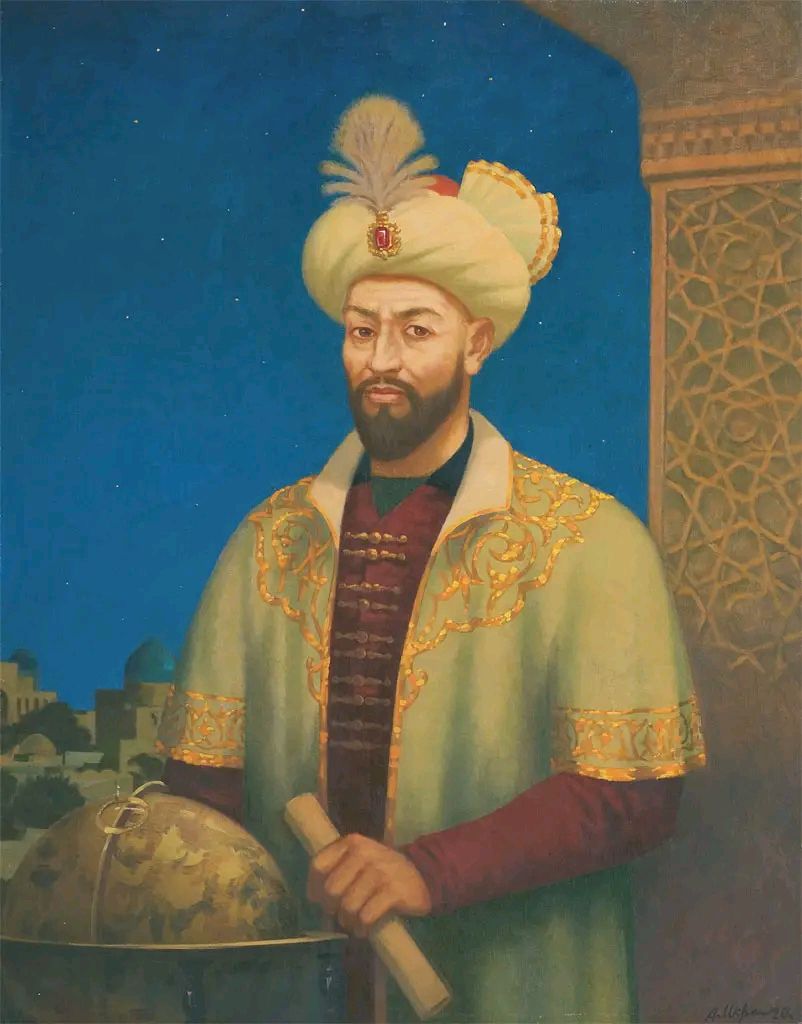
On this day, 22 March 1394 CE, Timurid emperor, an accomplished mathematician and one of the greatest astronomers in history, Ulugh Beg was born in Sultaniyeh, Timurid Empire, Persia.
The grandson of Amir Timur (Tamerlane) and the son of Shah Rukh, Ulugh Beg made some of the best astronomical observations of his time. Not only for mathematics and astronomy but he is also remembered as a great patron of arts and scholarship.
When his father, Shah Rukh, captured the city of Samarkand, he gave it to his son Ulugh Beg who made it a center of Muslim culture and scholarship. He built an observatory (around the 1420s) at Samarkand.
In his observations, he discovered a number of errors in the computations of the 2nd-century Alexandrian astronomer Ptolemy, whose figures were still being used. He and his assistants made a catalogue of stars from observations with a large quadrant.
Ulugh Beg is associated with a Persian astronomical handbook called the Zij-i Sultani that stands out for the accuracy with which its tables were computed. It consists of four chapters dealing with chronology, trigonometry and spherical astronomy, planetary positions, and astrology.
In mathematics, Ulugh Beg wrote accurate trigonometric tables of sine and tangent values, correct to at least eight decimal places. Famous mathematician Ali Qushji was a student and co-worker of Ulugh Beg.
Our appreciation for Ulugh Beg’s work increases when we remember that he was working nearly two centuries prior to the invention of the telescope. His work eventually became known in Europe, with the publication of his works in London in 1650 in Latin and later the first of many European editions of his star tables.

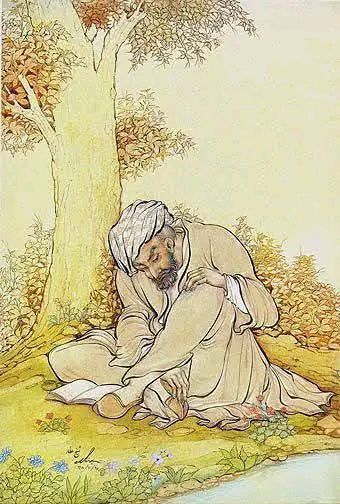
The Tongue(lisaan) of the Seeker: A Manifestation of Divine Speech
Among the greatest mysteries of existence is the power of speech, the divine gift that sets humankind apart. The tongue (Lisaan) is not merely an organ of communication but a channel for the breath of the Divine. It is through words that prophets delivered revelation, saints uttered wisdom, and lovers of God expressed the inexpressible.
The Prophet Muhammad (ﷺ) narrated a Hadith Qudsi that unveils the intimate relationship between the seeker and the Divine:
> *“Whosoever shows enmity to someone devoted to Me, I shall be at war with him. My servant draws not near to Me with anything more loved by Me than the religious duties I have enjoined upon him, and My servant continues to draw near to Me with supererogatory works so that I shall love him. When I love him, I am his hearing with which he hears, his seeing with which he sees, his hand with which he strikes, and his foot with which he walks. Were he to ask [something] of Me, I would surely give it to him, and were he to ask Me for refuge, I would surely grant him it.”
(Sahih al-Bukhari, Hadith Qudsi 25)
This Hadith reveals a state of Fana (annihilation in Allah) and Baqa (subsistence in Allah), where the seeker, through spiritual purification and devotion, becomes an instrument of Divine Will. The tongue of such a seeker ceases to be his own; it becomes a vessel for Divine Wisdom.
Allah says in the Qur’an:
وَلَقَدْ كَرَّمْنَا بَنِي آدَمَ
“Indeed, We have honored the children of Adam…” (Surah Al-Isra 17:70)
The honor given to humankind reaches its peak in the Auliya Allah (friends of God), the purified souls who serve as mirrors of Divine Mercy. Their speech is not ordinary; it carries the Nur (Light) of Divine Realities, illuminating hearts and awakening souls.
When the seeker treads the path of Tazkiyah (self-purification) and Tasfiyah (spiritual refinement), their tongue ceases to speak from the lower self and begins to manifest the higher realms. Their words heal, transform, and unveil hidden realities. This is why the words of the saints resonate so deeply—they are echoes of the Divine Voice.
Shaykh Ibn Arabi (Q.S.), the great master of gnosis, describes this spiritual reality
“That by which divine eloquence occurs to the ears of the gnostics.”
For those who have attained Irfan (gnosis), the world itself speaks in the language of Divine Wisdom. Every sound, every whisper of the wind, every verse of the Qur’an becomes a direct communication from the Beloved.
This is why the people of love, the true seekers, are constantly in a state of witnessing (Mushahadah). Their hearing is not like ordinary hearing; their sight is not like ordinary sight. They perceive the world through the veil of Divine Presence, decoding message after message from their Lord.
When Sayyiduna Musa (A.S.) stood before the Divine Presence at the Burning Bush, he was commanded:
“Remove your sandals; indeed, you are in the sacred valley of Tuwa.” (Surah Taha 20:12)
The removal of sandals signifies leaving behind the two worlds (Dunya & Akhirah) before entering into Divine Conversation. Similarly, the seeker who wishes to hear Divine Speech must empty himself of attachments—his own voice, his own opinions, his own desires.
When the seeker reaches this state, his tongue becomes the tongue of Truth. Whether in solitude or in the market, his words carry the fragrance of Divine Love. This is the Lisaan of the Arif (tongue of the knower of God).
At the pinnacle of spiritual unveiling, the seeker enters Hadrat ar-Rabbani (The Presence of Divine Lordship). Here:
The secrets of speech are unlocked,
The words of the tongue are aligned with Divine Reality,
The marketplace and solitude merge, making every moment a station of Divine Witnessing.
At this stage, the seeker realizes: “Allah is the Speaker, Allah is the Hearer, Allah is the Lord of the Universe.”
Their words no longer belong to them but are echoes of the Divine. Their lisaan becomes a radiance of Divine Mercy, guiding hearts toward the Beloved.
In the end, the journey of the tongue is the journey of the heart. If the heart is illuminated, the tongue will speak only light. If the heart is surrendered, the tongue will utter only the Truth.
The great Sufi poets and saints have always known this secret. Their words, whether spoken or written, are gates to the Divine Presence. This is why the words of the Auliya never die; they continue to echo through time, guiding souls toward Love.
May Allah grant us tongues that speak only truth, hearts that carry only light, and words that lead us only to Him.
Ameen. Is

नबी सल्ल० का वंश
वंश
नबी सल्लल्लाहु अलैहि व सल्लम का वंश क्रम तीन भागों में बांटा जा सकता है।
एक भाग, जिसके सही होने पर वंश-विशेषज्ञ सहमत हैं, यह अदनान तक पहुंचता है।
दूसरा भाग, जिसमें विशेषज्ञों का मतभेद है, किसी ने माना, किसी ने नहीं माना, यह अदनान से ऊपर हज़रत इब्राहीम अलैहिस्सलाम तक का है।
तीसरा भाग, जिसमें निश्चित रूप से कुछ ग़लतियां हैं। यह हज़रत इब्राहीम अलैहिस्सलाम से ऊपर हज़रत आदम अलैहिस्सलाम तक जाता है। इसकी ओर इशारा गुज़र चुका है। नीचे इन तीनों भागों को कुछ विस्तार में लिखा जा रहा है।
पहला भाग — मुहम्मद बिन अब्दुल्लाह बिन अब्दुल मुत्तलिब (शैबा) बिन हाशिम (अम्र) बिन अब्दे मुनाफ़ (मुग़ीरह) बिन कुसई (ज़ैद) बिन किलाब बिन मुर्रा बिन काब बिन लुई बिन ग़ालिब बिन फ़हर (इन्हीं की उपाधि कुरैश थी, और क़बीला कुरैश इन्हीं से जुड़ा हुआ है) बिन मालिक बिन नज्र (कैस) बिन किनाना बिन खुज़ैमा बिन मुदरिका (आमिर) बिन इलयास बिन मुज़र बिन नज़्ज़ार बिन मअद्द बिन अदनान । 1
दूसरा भाग— अदनान से ऊपर यानी अदनान बिन औ बिन हमीसा बिन सलामान, बिन औस बिन पोज बिन क़मवाल बिन उबई बिन अव्वाम बिन नाशिद बिन हज़ा बिन बलदास बिन यदलाफ़ बिन ताबिख बिन जाहिम बिन नाहिश बिन माखी बिन ऐज़ बिन अबक़र बिन उबैद बिन दुआ बिन हमदान बिन संबर बिन यसरिबी बिन यहज़न बिन यलन बिन उरअवी बिन ऐज़ बिन जीशान बिन ऐसर बिन अफ़नाद बिन ऐहाम बिन मक्सर बिन नाहिस बिन ज़ारेह बिन समी बिन मज़ी बिन अवज़ा बिन अराम बिन क़ीदार बिन इसमाईल बिन इब्राहीम अलैहिस्सलाम 12
1. इब्ने हिशाम 1/201, तारीखे तबरी 2/23, 271
2. इसे इब्ने साद ने तबक़ात 1/56, 57 में इब्ने कलबी की रिवायत से लिया है और उसके तरीक़ से तबरी ने अपनी तारीख 2/272 में उल्लेख किया है। इस हिस्से का कुछ मतभेद देखने के लिए देखिए तबरी 2/271, 276, फ़त्हुल बारी 6/621, 623,
तीसरा भाग-हज़रत इब्राहीम अलैहिस्सलाम से ऊपर। इब्राहीम बिन तारेह (आज़र) बिन नाहूर बिन सारूअ (या सारुग़) बिन राअ बिन फ्रालिख बिन आबिर बिन शालिख बिन अरफ़ख़शद बिन साम बिन नूह अलैहिस्सलाम बिन लामिक बिन मतवशलिख बिन अखनूख (कहा जाता है कि यह इदरीस अलै० का नाम है) बिन यर्द बिन महलाईल बिन क़ीनान बिन आनूशा बिन शीस बिन आदम अलैहिस्सलाम ।’
परिवार
नबी सल्लल्लाहु अलैहि व सल्लम का परिवार अपने पूर्वज हाशिम बिन अब्दे मुनाफ़ से जुड़ने से हाशमी परिवार के नाम से प्रसिद्ध है। इसलिए मुनासिब मालूम होता है कि हाशिम और उसके बाद के कुछ लोगों के संक्षिप्त हालात पेश कर दिए जाएं।
1. हाशिम – हम बता चुके हैं कि जब बनू अब्दे मुनाफ़ और बनू अब्दुद्दार के बीच पदों के बंटवारे पर समझौता हो गया तो अब्दे मुनाफ़ की सन्तान में हाशिम ही को सिकाया और रिफ़ादा यानी हाजियों को पानी पिलाने और उनका सत्कार करने का पद प्राप्त हुआ । हाशिम बड़े प्रतिष्ठित और मालदार व्यक्ति थे। यह पहले व्यक्ति हैं, जिन्होंने मक्के में हाजियों को शोरबा रोटी सान कर खिलाने का प्रबन्ध किया। उनका असल नाम अम्र था, लेकिन रोटी तोड़ कर शोरबे में सानने की वजह से उनको हाशिम कहा जाने लगा, क्योंकि हाशिम का अर्थ है तोड़ने वाला, फिर यही हाशिम वह पहले आदमी हैं, जिन्होंने कुरैश के लिए गर्मी और जाड़े की दो वार्षिक व्यापारिक यात्राओं की बुनियाद रखी। उनके बारे में कवि कहता है-
‘यह अम्र ही हैं, जिन्होंने अकाल की मारी हुई अपनी कमज़ोर क़ौम को मक्के में रोटियां तोड़ कर शोरबे में भिगो-भिगोकर खिलाई और जाड़े और गर्मी की दोनों यात्राओं की बुनियाद रखी ।’
उनकी एक महत्वपूर्ण घटना यह है कि वे व्यापार के लिए शाम देश गये । रास्ते में मदीना पहुंचे तो वहां क़बीला बनी नज्जार की एक महिला सलमा बिन्त अम्र से विवाह कर लिया और कुछ दिनों वहीं ठहरे रहे। फिर बीवी को हमल की हालत में मां के यहां ही छोड़कर शाम देश रवाना हो गए और वहां जाकर फ़लस्तीन के शहर ग़ज़्ज़ा में देहान्त हो गया। इधर सलमा के पेट से बच्चा पैदा
इब्ने हिशाम 1/2-4 तारीखे तबरी 2/276, कुछ नामों के बारे में इन स्रोतों में मतभेद भी है और कुछ नाम कुछ स्रोतों से निकाल दिए गए हैं।
यह सन् 497 ई० की बात है, चूंकि बच्चे के सर के बालों में सफ़ेदी थी, इसलिए सलमा ने उसका नाम शैबा रखा’
और यसरिब में अपनी मां के घर ही में उसकी परवरिश की। आगे चलकर यही बच्चा अब्दुल मुत्तलिब के नाम से प्रसिद्ध हुआ। एक समय तक हाशिम परिवार के किसी व्यक्ति को उसके अस्तित्व का ज्ञान न हो सका । हाशिम के कुल चार बेटे और पांच बेटियां थीं। असद, अबू सैफ़ी फ़ुज़ला, अब्दुल मुत्तलिब – शिफ़ा, खालिदा, ज़ईफ़ा, रुकैया और जन्न: 12
2. अब्दुल मुत्तलिब – पिछले पृष्ठों से मालूम हो चुका है कि सिकाया और रिफ़ादा का पद हाशिम के बाद उनके भाई मुत्तलिब को मिला। इनमें भी बड़ी खूबियां थीं, और इन्हें भी अपनी क़ौम में बड़ी प्रतिष्ठा प्राप्त थी। इनकी बात टाली नहीं जाती थी। इनकी दानशीलता के कारण कुरैश ने इनको दानी की उपाधि दे रखी थी। जब शैबा यानी अब्दुल मुत्तलिब, सांत या आठ वर्ष के हो गए तो मुत्तलिब को इनके बारे में मालूम हुआ और वह इन्हें लेने के लिए रवाना हुए। जब यसरिब के क़रीब पहुंचे और शैबा पर नज़र पड़ी तो आंखों में आंसू आ गए। उन्हें सीने से लगा लिया और फिर अपनी सवारी पर पीछे बिठाकर मक्का के लिए रवाना हो गये। मगर शैबा ने मां की इजाज़त के बिना साथ जाने से इंकार कर दिया। इसलिए मुत्तलिब उनकी मां से इजाज़त चाहने लगे, पर मां ने इजाज़त न दी, आखिर मुत्तलिब ने कहा कि यह अपने बाप की हुकूमत और अल्लाह के हरम की ओर जा रहे हैं, इस पर मां ने इजाज़त दे दी और मुत्तलिब इन्हें ऊंट पर बिठा कर मक्का ले आए। मक्का वालों ने देखा तो कहा, यह अब्दुल मुत्तलिब है, यानी मुत्तलिब का दास है। मुत्तलिब ने कहा, नहीं, नहीं, यह मेरा भतीजा अर्थात मेरे भाई हाशिम का लड़का है। फिर शैबा मुत्तलिब के पास पले-बढ़े और जवान हुए। इसके बाद रोमान (यमन) नामी जगह पर मुत्तलिब की मृत्यु हो गई और उनके छोड़े हुए पद अब्दुल मुत्तलिब को मिल गए। अब्दुल मुत्तलिब ने अपनी क़ौम में इतना ऊंचा स्थान प्राप्त किया कि उनके बाप-दादों में भी कोई इस स्थान को न पहुंच सका था। क़ौम ने उन्हें दिल से चाहा और उनका बड़ा मान-सम्मान किया 3
1. इब्ने हिशाम 1/157, मञैर्राजुल अन्फ़ और वहां अल अस्याफ़ की जगह अल-ईलाफ़ है।
2. इब्ने हिशांम, 1/157,
3. इब्ने हिशाम, 7/137-138, उम्र का निर्धारण तारीखे तबरी 2/247 में है।
जब मुत्तलिब की मृत्यु हो गई तो नौफुल ने अब्दुल मुत्तलिब के आंगन पर बलात् क़ब्ज़ा कर लिया। अब्दुल मुत्तलिब ने कुरैश के कुछ लोगों से अपने चचा के खिलाफ़ मदद चाही, लेकिन उन्होंने यह कहकर विवशता व्यक्त कर दी कि हम तुम्हारे और तुम्हारे चचा के बीच हस्तक्षेप नहीं कर सकते। आखिर अब्दुल मुत्तलिब ने बनी नज्जार में अपने मामा को कुछ कविता लिख भेजी जिसमें उनसे सहायता मांगी थी। जवाब में उनका मामा अबू साद बिन अदी अस्सी सवार लेकर रवाना और मक्का के क़रीब अबतह में उतरा। अब्दुल मुत्तलिब ने वहीं मुलाक़ात की और कहा, मामूं जान ! घर तशरीफ़ ले चलें । हुआ
अबू साद ने कहा, नहीं, खुदा की क़सम ! यहां तक कि नैफुल से मिल लूं । इसके बाद अबू साद आगे बढ़ा और नौफ़ुल के सर पर आ खड़ा हुआ । नौफ़ुल हतीम में कुरैश के सरदारों के साथ बैठा था। अबू साद ने तलवार भांजते हुए कहा-
‘इस घर के रब की क़सम ! अगर तुमने मेरे भांजे की ज़मीन वापस न की, तो यह तलवार तुम्हारे अन्दर घुसा दूंगा।’
नौफ़ुल ने कहा, ‘अच्छा लो, मैंने वापस कर दी
इस पर अबू साद ने कुरैश के सरदारों को गवाह बनाया, फिर अब्दुल मुत्तलिब के घर गया और तीन दिन ठहर कर उमरा करने के बाद मदीना वापस चला गया।
ने इस घटना के बाद नौफुल ने बनी हाशिम के खिलाफ़ बनी अब्दे शम्स से आपस में एक दूसरे की सहायता का समझौता किया। इधर बनू खुज़ाआ ने देखा कि बनू नज्जार ने अब्दुल मुत्तलिब की इस तरह मदद की है, तो कहने लगे कि अब्दुल मुत्तलिब जिस तरह तुम्हारी सन्तान है, हमारी भी सन्तान है, इसलिए हम पर उसकी मदद का हक़ ज़्यादा है।
इसकी वजह यह थी कि अब्दे मुनाफ़ की मां क़बीला खुज़ाआ ही से ताल्लुक रखती थीं, चुनांचे बनू खुज़ाआ ने दारुन्नदवा में जाकर बनू अब्द शम्स और बनी नौफ़ुल के खिलाफ़ बनू हाशिम से सहयोग का समझौता किया। यही समझौता था जो आगे चलकर इस्लामी युग में मक्का विजय का कारण बना। विस्तृत विवरण आगे आ रहा है। 1
बैतुल्लाह के ताल्लुक़ से अब्दुल मुत्तलिब के साथ दो महत्वपूर्ण घटनाएं घटीं-
तबरी ने अपनी तारीख 2/248, 251 में और दूसरे लेखकों ने अपनी किताबों में उसका विवरण दिया है।


सादात की ख़िदमत का सिला कोन देगा?
इमाम देलमी रावी हैं कि हुज़ूर पुर नूर शाफे यौमुन नुशूर ने फ़रमाया: “जो शख्स वसीला चाहता है और उसकी ख़्वाहिश है कि मेरे दरबार में उसकी कोई ख़िदमत हो जिसकी बदौलत में कयामत के दिन उसकी शफाअत करूं, तो उसे मेरे एहले बैत की , ख़िदमत करनी चाहिए और उन्हें खुश करना चाहिए।” (बरकाते आले रसूलस.245)
एहसान का बदला कौन देगा?
इमाम तिबरानी मरफूअन रिवायत करते हैं कि नबी अकरम ने फ़रमाया : “जिस शख्स ने हज़रत अब्दुल मुत्तलिब की औलाद पर कोई ऐहसान किया और उसने इसका बदला नहीं दिया, कल क़यामत के दिन जब वह मुझ से मिलेगा तो मैं उसे बदला दूँगा।” ( बरकाते आले रसूलस. 245)
 Aal-e-Qutub Aal-e-Syed Abdullah Shah Ghazi