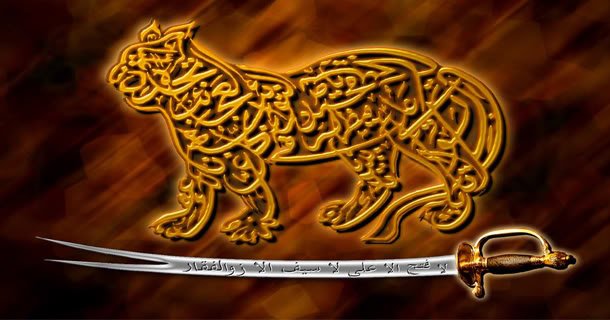
चौदह सितारे अबु मोहम्मद हज़रत इमाम हसन असकरी पार्ट- 7

इमाम मेहदी (अ.स.) की विलादत बा सआदत

15 शाबान 255 हिजरी में बतने जनाबे नरजिस ख़ातून से क़ाएमे आले मोहम्मद हज़रत इमाम मेहदी (अ.स.) की विलादत ब सआदत हुई। इमाम हसन असकरी (अ.स.) ने दुश्मनों के ख़ौफ़ से आपकी विलादत को ज़ाहिर होने नहीं दिया।

मुल्ला जामी लिखते हैं कि इमाम मेहदी (अ.स.) की विलादत के बाद हज़रते जिब्राईल उन्हें परवरिश व परदाख़्त के लिये उठा कर ले गए।(शवाहेदुन नबूवत)

अल्लामा अरबली लिखते हैं कि आप तीन साल की उम्र में देखे गए और आपने हुज्जतुल्लाह होने का इज़हार किया।(कशफ़ुल ग़म्मा पृष्ठ 138 )


मोतमिद अब्बासी की खि़लाफ़त और इमाम हसन असकरी (अ.स.) की गिरफ़्तारी

गर क़लम दर दस्ते ग़द्दारे बूद , ला जुर्म मन्सूर , बरदारे बूद

256 हिजरी में मोतमिद अब्बासी खि़लाफ़त मकबूज़ा तख़्त पर मुतमक्किन हुआ इसने हुकूमत की कमान संभालते ही अपने अबाई तर्ज़े अमल को इख़्तेयार करना और जद्दी किरदार को पेश करना शुरू कर दिया और दिल से सई शुरू कर दी कि आले मोहम्मद (स अ व व ) के वजूद से ज़मीन ख़ाली हो जाए। यह अगरचे हुकूमत की बाग डोर अपने हाथों में लेते ही मुल्की बग़ावत का शिकार हो गया था लेकिन फिर भी अपने वज़ीफ़े और अपने मिशन से ग़ाफ़िल नहीं रहा। इसने हुक्म दिया अहदे हाज़िर में ख़ानदाने रिसालत की यादगार इमाम हसन असकरी (अ.स.) को क़ैद कर दिया जाए और उन्हें क़ैद में किसी क़िस्म का सुकून न दिया जाए। हुक्मे हाकिम मरगे मफ़ाजात आखि़र इमाम हसन असकरी (अ.स.) बिला जुर्मो ख़ता आज़ाद फ़ेज़ा से क़ैद ख़ाने में पहुँचा दिये गए और आप पर अली बिन अवताश नामी एक नासबी मुसल्लत कर दिया गया जो आले मोहम्मद (स अ व व ) , आले अबी तालिब (अ.स.) का सख़्त तरीन दुश्मन था और उससे कह दिया गया कि जो जी चाहे करो तुम्से कोई पूछने वाला नहीं है। इब्ने औतश ने असबे हिदायत आप पर तरह तरह की सख़्तियां शुरू कर दीं। इसने न ख़ुदा का ख़ौफ़ किया न पैग़म्बर की औलाद होने का कोई लिहाज़ किया लेकिन अल्लाह रे आपका ज़ोहदो तक़वा कि दो चार ही यौम में दुश्मन का दिल मोम हो गया और वह हज़रत के पैरों पर पड़ गया। आपकी इबादत गुज़ारी और तक़वा व तहारत देख कर वह इतना मुताअस्सिर हुआ कि हज़रत की तरफ़ नजर उठा कर देख न सकता था। आपकी अज़मतो व जलालत की वजह से सर झुका कर आता व चला जाता। यहां तक कि वह वक़्त आ गया कि दुश्मन बसीरत आगे बन कर आपका मोतरिफ़ और मानने वाला हो गया।(आलामुल वुरा पृष्ठ 218 )

अबू हाशिम दाऊद बिन क़ासिम का बयान है कि मैं और मेरे हमराह हसन बिन मोहम्मद अलक़तफ़ी व मोहम्मद बिन इब्राहीम उमर और दीगर बहुत से हज़रात इस क़ैद ख़ाने में आले मोहम्मद (स अ व व ) की मोहब्बत के जुर्म की सज़ा भुगत रहे थे कि नागाह हमें मालूम हुआ कि हमारे इमामे ज़माना हज़रत इमाम हसन असकरी (अ.स.) भी ला रहे हैं। हम ने उनका इस्तेक़बाल किया वह तशरीफ़ ला कर क़ैद ख़ाने में हमारे पास बैठ गए और बैठते ही एक अन्धे की तरफ़ इशारा करते हुए फ़रमाया कि अगर यह शख़्स न होता तो मैं तुम्हें यह बता देता कि अन्दरूनी मामला किया है और तुम कब रिहा होगे। लोगों ने यह सुन कर उस अन्धे से कहा कि तुम ज़रा हमारे पास से चन्द मिनट के लिये हट जाओ चुनान्चे वह हट गया। उसके चले जाने के बाद आपने फ़रमाया कि यह नाबीना क़ैदी नहीं है तुम्हारे लिये हुकूमत का जासूस है। इसकी जेब में ऐसे कागज़ात मौजूद हैं जो इसकी जासूसी का सुबूत देते हैं। यह सुन कर लोगों ने उसकी तलाशी ली और वाक़िया बिल्कुल सही निकला। अबू हाशिम कहते हैं कि अय्याम गुज़र रहे थे कि एक दिन ग़ुलाम खाना लाया। हज़रत ने शाम का खाना खाने से इन्कार कर दिया और फ़रमाया कि मैं समझता हूँ कि मेरा अफ़्तार क़ैद से बाहर होगा। इस लिये खाना न लूंगा। चुनान्चे ऐसा ही हुआ आप असर के वक़्त क़ैद खाने से बरामद हो गए।(आलामुल वुरा पृष्ठ 214 )

SALEH Alahissalam

SALEH

Saleh was born in the ninth generation from Noah. He was appointed prophet for the Thamud people who inhabited the mountainous territory between Hejaz and Palestine. They built their homes by hewing the rocky faces of cliffs. They lived long lives and worshiped gods made from stone.

They refused to listen to the wisdom of Saleh and challenged him to show them any sign to prove that an invisible God existed. They demanded a miracle at their annual festival. They told Salch: “You pray to your God and we will pray to ours. Let us see whose prayer is accepted, your or ours. That will decide the matter between us.” “

They came in drones from around the land and gathered around their decorated stone gods and brought offerings for fulfilments of their prayers. Clearly the stone gods were unable to respond to their prayers. They then turned to Saleh and one of them asked him to pray to his God and to bring out a pregnant camel from the large boulder that was lying on the ground and if this she-camel had an off-spring born in front of their eyes, they would accept Saleh’s God as theirs as well.

Saleh prayed to The Almighty God and sure enough a pregnant she-camel rose out of the large boulder and gave birth to a calf as they watched. They were clearly struck with wonder on this miracle.

In accordance with God’s Command Saleh told the people that they must share their drink with the camel. It was agreed that the people would use the water from the village well on all days of the week except one day which was reserved for the camel and her baby. But they were disobedient people. They refused the animals to drink or graze freely in the territory as agreed and forced Saleh to assume their full responsibility. Saleh told them that the camel and her baby were there because they had asked for the miracle and they must take care of the animals. They threatened to kill the two animals. He then reminded them of the benevolence of God that only He could bestow over His creation without asking for it, namely water, rain, fertility of the

and where crops grow, the stone cliffs where they built their liomes and the clean air that they breathed. They must refrain from their threatened acts otherwise they would bring down a dJesusster over themselves.

One day the people carried out their threat and slew both the mother and her baby camel. This invited God’s immediate wrath.

God instructed Saleh to leave the territory along with his family and a small group of true believers before His wrath. would strike those insolent people. No sooner had the pious group of believers crossed over the last of the cliffs than a tremendous earthquake shook the land with a blinding lightening and an car shattering thunder. The entire people in that territory erished along with their false gods.

References: The e Qur’an: Sura A’raf, Hud, Ibrahim. Hajar, Furqan. Shu’ra, Nahl, A’nkaboot. Ha-Meem Sajdah. Zariyat, Qamar, al-Ila’qah. Fajar and Shams.

Jibreel in the presence of the Holy Prophet Hadhrat Muhammad (Sallallahu alaihi wa sallam) part 3

Jibreel (May peace be upon him) came to the Holy Prophet (Sallallahu alaihi wa sallam) 420000 times

Imam Muhammad Fasi (May Allah shower His Mercy on him) writes in his Matali’ul Massarraat, Pg. No. 322 on the authority of the book of Shaikh Abu Abdullah, Lafzud Durri Bi Anamlil Kaff:

Translation: Which means that Hadhrat Jibreel (May peace be upon him) had the honor of coming to the Holy Prophet (Sallallahu alaihi wa sallam) 420,000 times. Each time he came and waited upon Him with proper respect.

Jibreel (May peace be upon him) requests permission to enter the presence of the Holy Prophet (Sallallahu alaihi wa sallam)

Whenever Jibreel (May peace be upon him) came to the presence of the Holy Prophet (Sallallahu alaihi wa sallam), he would become the very personification of respect and would request permission. Out of respect, he would not come closer to the Holy Prophet (Sallallahu alaihi wa sallam) suddenly, but he would be constantly requesting the Holy Prophet (Sallallahu alaihi wa sallam) for permission. When the Holy Prophet (Sallallahu alaihi wa sallam) would grant him permission, then he would come close to the Holy Prophet (Sallallahu alaihi wa sallam) and sit parallel-legged.

Thus, in many different types of books of Hadith like the Sihah, Sunan, etc., there are many Hadith of this kind. As an example, the following Hadith is being reproduced here:

Translation of Hadith: It has been narrated on the authority of Hadhrat Abdullah bin Umar (May Allah be well pleased with him), he says: We were present before the Holy Prophet (Sallallahu alaihi wa sallam). Suddenly a person with a beautiful face, fragrant odor and in a clean dress came to His presence and said:

Assalamulaikum, O Prophet of Allah (Sallallahu alaihi wa sallam). May I come closer to you? Then He (Sallallahu alaihi wa sallam) said: Come closer. He came a little closer. In the same way, he kept requesting for permission many times and kept coming closer to the Holy Prophet (Sallallahu alaihi wa sallam).

In Musnad Imam Ahmad Bin Hambal, the Hadith is with a slight change:

Jibreel said: Assalamulaikum, O Prophet of Allah (Sallallahu alaihi wa sallam). The Holy Prophet (Sallallahu alaihi wa sallam) said: Walaikum Assalam. Then he said: O Prophet of Allah (Sallallahu alaihi wa sallam) may I come closer? He (Sallallahu alaihi wa sallam) said: Come closer.

In Kanz Ul Ummal, the words are like this:

Jibreel (May peace be upon him) said: May I come closer to You, O Prophet of Allah (Sallallahu alaihi wa sallam)! The Holy Prophet (Sallallahu alaihi wa sallam) said: Come closer to me.

In Sunan Nasai, the following words have been recorded:

Jibreel (May peace be upon him) came to the edge of the floor coverlet and said: O Personification of Praise and Worthy of all extolment (i.e. even His name was used as a form of praise) Assalaamulaikum! Then the Holy Prophet (Sallallahu alaihi wa sallam) replied to his salaam. Jibreel (May peace be upon him) said: O Muhammad (Sallallahu alaihi wa sallam)! May I come closer to you? The Holy Prophet (Sallallahu alaihi wa sallam) said: Come closer. Jibreel (May peace be upon him) kept requesting permission and the Holy Prophet (Sallallahu alaihi wa sallam)_continued granting it.

Musnad Imam Ahmad Bin Hambal and Sunan-e-Baihaqui have these words: O Prophet of Allah (Sallallahu alaihi wa sallam)! May I enter your presence?

The commentator of Musnad Imam A’adham has interpreted this line thus:

Jibreel (May peace be upon him) requested permission in this manner to come closer to the Holy Prophet (Sallallahu alaihi wa sallam) because of the fear that coming closer suddenly would come under disrespect of the Prophet of Allah Ta’ala (Sallallahu alaihi wa sallam). This shows us the respect and reverence with which Jibreel (May peace be upon him) would come to the Holy Prophet. In the same way, Allah Ta’ala used to command Jibreel (May peace be upon him) that he should not leave the Holy Prophet (Sallallahu alaihi wa sallam) without asking His permission and will.

Do not return until the Beloved (Sallallahu alaihi wa sallam) permits you to

Hadhrat Qazi Sanaullah Panipati Naqshbandi (May Allah shower His mercy on him) narrates a Hadith in his Tafseer-e-Mazhari on the authority of Ibn e Sa’ad and Abu Shaikh:

Translation of Hadith: When the Holy Prophet (Sallallahu alaihi wa sallam) finished with the Battle of Badr, Jibreel (May peace be upon him) came to His presence on a red horse wearing armor, holding a spear in his hand and entreated: O personification of praise and O Muhammad (Sallallahu alaihi wa sallam), Allah Ta’ala has sent me to Your presence and has commanded me not to return until You are pleased with me. Is the Holy Prophet (Sallallahu alaihi wa sallam) pleased with me? The Holy Prophet (Sallallahu alaihi wa sallam) said: Yes, I am pleased with you. Then Jibreel (May peace be upon him) returned.

ALI, THE MAGNIFICENT part 15

The Holy Prophet’s Pilgrimage to Mecca in 6 A. H. (628 A. D.) and The Treaty of Hudaibiya.

The Holy Prophet desired to make a pilgrimage to the Kaaba. Ever since he migrated to Medina six years ago re had always been a longing on his part to do so.

Hasty preparations were made, and the Prophet informed the people of Medina that this trip was meant only as a pilgrimage. Arrangements for the journey having been
completed, the Prophet led fourteen hundred men to Zul Hulefa on the road to Mecca. All swords were to be sheathed and the wearing of armour of any kind was forbidden.

Before approaching Mecca, the Prophet was informed that the Meccans hearing about his journey had despatched a cavalry of two hundred to prevent him from proceeding further. To advance was out of the question as the Prophet had not come to give them battle; so he diverted to the right towards Al Hudaibiya. Reaching Al Hudai- biya, on the verge of the sacred territory surrounding Mecca, his camel Al Qaswa stopped and knelt down as if refusing to go further. The Prophet took this sign as a Divine Omen that he should not proceed further; he ordered a halt and encamped there. While the Prophet and his followers waited here, the Quraish continued to hold counsel around the Kaaba. Some were for driving Muhammad away by force, a few were for allowing him. to perform the pilgrimage, but the majority wanted to prevent him from entering the Kaaba while still avoiding warfare. This led to a stalemate. Negotiations continued between the Prophet’s representatives for some days without the deadlock being broken. The Quraish remained adamant, not agreeing to allow the Prophet to enter Mecca.

Finally a treaty was signed between the Meccan representative Suhail bin Amr and the Holy Prophet. The Prophet instructed Ali, his Vicegerent, to write down the treaty at his dictation, and it began thus: “In the name of God, the most Gracious and Merciful’, Suheil objected to this, and said that it should begin as the Meccans used to do. Thus: “In Thy name, O God!” The Prophet agreed and asked Ali to write “Bismeka Allah Hoomma’. Next he dictated:
“This is the Treaty made between Muhammad the Apostle of God and Suheil son of Amr.” Suheil again raised an objection and said that had the Meccans acknowledged him as an Apostle of God they would never have taken up arms against him’. Instead of “the Apostle of God”, Suheil asked the Prophet to have his father’s name written. The Prophet again yielded, but Ali had already written the words. “Muhammad the Apostle of God”. The Prophet bade Ali to erase the words under objection, but as Ali hesitated, the Prophet himself taking the writing materials obliterated the words and had the words, “son of Abdullah substituted in place of “Apostle of God”. “He prophesied at the same time, addressing Ali, that he would similarly have to yield on a similar occasion in his own time. This prophecy was fulfilled when a treaty. was concluded between Ali and Muawiya some thirty years later.

By the terms of the treaty it was agreed that the Muslims should return immediately to Medina but that they could perform the pilgrimage the following year. During the period the Meccans would evacuate the city for three days. and camp outside its walls. The Muslims should come as pilgrims, unarmed, save for a sword each, which they could carry for self-defence. It was further agreed that there would be a ten-year truce between the Meccans and the Muslims, and that the Meccan caravans should be allowed to pass without hindrance through their territory. It was also agreed that any Meccan who escaped to Medina to accept Islam would be handed back to the Meccans.

For the time being warfare was avoided and peace returned. The Muslim pilgrims returned to Medina only to

1 Abul Fida

2 Habib al-Siyar; Tazkirat-al-Kiram 3 Rawdzat-al-Ahbab; Habib-Siyar; Ibn Athir

find themselves once more threatened, this time by their implacable enemies-the Jews.

Hadhrat Ibn Ajeel R.A


Hadhrat Ibn Ajeel

Mu’alif says that a Yemeni man had a wart on his hand. He asked all the saints to pray for him that it be removed. Nothing happened the wart remained.
Eventually he came to Hadhrat Ajeel and said “If you can’t cure me then I will lose my good faith in all saints.” Ibn Ajeel recited ‘LA HAWLA WA LA QUWWATTA ILLA BILLAH HIL ALIYIL AZEEM’ and took the mans hand bandaging the hand for him Ibn Ajeel asked him to go away and open it at his own place. The man left with his companions. On their journey they came across a village where they bought some milk and chappati. Whilst eating he didn’t realise but he had lost his bandage. Later he discovered the bandage was missing and where the wart had been his hand was completely clear. (Raudha tur Rayaheen)