


COMPARISON BETWEEN THE MYOCARDIAL HYPERTROPHY INDUCED BY EXERCISE TRAINING AND LONG TERM INTAKE OF NIGELLA SATIVA
Dr. Lubna Ibrahim Al-Asoom, Prof. M. Nabil El-Bahai,
Dr. Basil Al-Shaikh
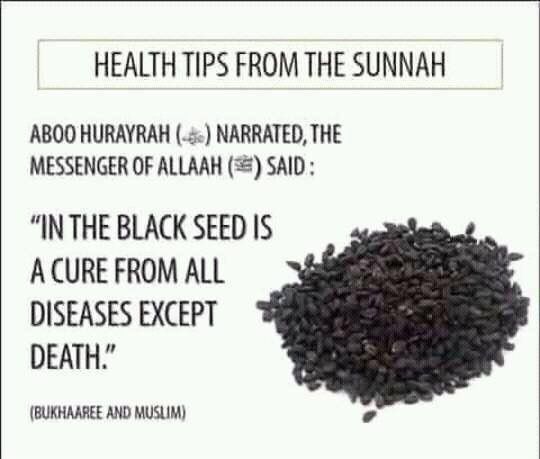
Prophet Mohammad peace be upon him said” The black seed is a cure of every disease except death” narrated by Al-Bukhari.
Background:
Nigella sativa was found to induce cardiac hypertrophy and enhance cardiac function. In the literature, there are two types of cardiac hypertrophy, one induced by exercise, characterized by enhanced function and named physiological hypertrophy. The other type is pathological hypertrophy. It is characterized by deterioration of function and leads to heart failure. In this work we aim to study Nigella induced cardiac hypertrophy, compare it to exercise induced cardiac hypertrophy, and investigate the underlying mechanisms.
Methods:
60 Wistar rats were divided into: control, Nigella sativa (NS), exercise and NS-Exercise. Daily 800mg/Kg NS was administered orally for NS and NS-Exercise groups for 8 weeks. Exercise and NS-Exercise groups were subjected to a treadmill running for 2 hour/day for 8weeks. By the end of the experiment the following parameters were recorded: ECG, heart and left ventricular weights, serum growth hormone, thyroid hormones, serum and cardiac IGF-I, and Angiotensinll, and total antioxidant capacity. Moreover, a study of the histology of the left ventricular wall was performed.
Medical & Life Sciences
Results:
Heart/body weight, left ventricle/body weight ratios and the diameter of cardiomyocytes were higher in all experimental groups. Exercise group had higher growth hormone and cardiac IGF-I, whereas NS-Exercise group was characterized by higher normalized growth hormone, serum IGF-I, lower T4 and bradycardia. NS group had no significant changes in any of the tested hormones, however, both groups received NS had higher total antioxidant capacity.
Conclusion:
NS induced cardiac hypertrophy evidenced by the significantly higher heart/body weight, left ventricular/ body weight ratios and histologically measured cell diameter. Despite the absence of strong evidence relating GH/IGF-I axis to NS induced hypertrophy. It is still considered a potential mechanism. NS may have a facilitatory effect on exercise adaptive responses and can enhance the serum total antioxidant capacity with or witho

 Aal-e-Qutub Aal-e-Syed Abdullah Shah Ghazi