


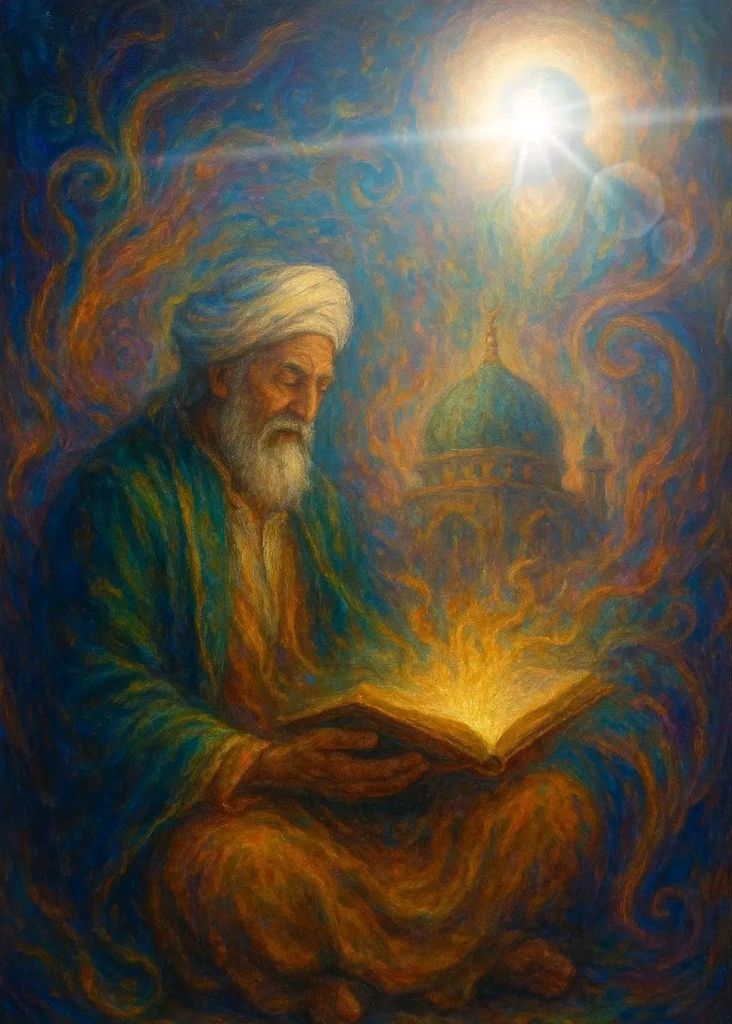
■ Steadfastness in Changing Circumstances and the Role of Allāh-consciousness (Taqwa)
One of the greatest laws of Allāh in the universe is the constant change of circumstances: no ease lasts forever, no hardship is permanent.
These are days that Allāh alternates among
His servants, testing the sincerity of faith and the firmness of certainty.
▪︎ Almighty Allāh ﷻ says:
“And these are the days We alternate among the people.” (Al‑Imran 3:140)
A servant may experience abundance and deprivation, health and illness, yet the true measure is not the stability of circumstances but the steadfastness of the heart on an unchanging principle:
Taqwa (Allāh-consciousness).
1. Taqwa in the Qur’an: The Foundation of Steadfastness
Taqwa is not merely occasional acts of worship; it is a comprehensive way of life that connects the servant to Allăh in every situation.
▪︎ Almighty Allah ﷻ says:
“And whoever fears Allāh, He will make for him a way out.” (At‑Talaq 65:2)
“And whoever fears Allāh, He will make
for him ease in his affair.” (At‑Talaq 65:4)
Thus, Taqwa yields three major benefits in changing circumstances:
1. A way out in times of distress
2. Ease after hardship
3. Guidance when in doubt
▪︎ Almighty Allāh also says:
“Indeed, Allāh is with those who fear Him.” (An-Nahl 16:128)
This divine companionship is the secret of steadfastness: if Allāh is with you, what is there to fear?
2. Taqwa in the Sunnah: The Measure of Salvation
▪︎ The Prophet ﷺ said:
“Amazing is the affair of the believer, for his affair is all good…” (Muslim)
In ease: gratitude is elevation
In hardship: Patience is reward
▪︎ He also said:
“Fear Allāh wherever you are…”,
meaning make Taqwa constant, unaffected by place or circumstance.
3. Taqwa in Sufi Thought: The Station of Steadfastness
Sufi masters consider Taqwa the foundation
of the spiritual path:
▪︎ Imām Al-Qushayri: “Taqwa is that God does not abandon you where He commands, nor find you where He forbids.”
▪︎ Imām Al-Ghāzali: “Taqwa is the beginning of the path; without it, there is no reaching God.”
▪︎ Imām Ibn Ata’ Allāh al-Sakandarī: “Do not abandon remembrance because you feel absent with Allāh; neglecting His remembrance is worse than forgetting it while present.”
Steadfastness in the principle (Taqwa and Dhikr) is more important than external conditions.
4. Fruits of Taqwa in Changing Circumstances
1. Steadfastness amid change:
“Allāh will keep those who believe firmly on their path.” (Ibrahim 14:27)
The Allāh-conscious heart is neither deceived by wealth nor broken by poverty.
2. Contentment with divine decree:
▪︎ Imām Ibn al-Qāyyim: “Contentment is the greatest gate of Allāh and the paradise of this world.”
This stems directly from Taqwa and trust in Allāh’s wisdom.
3. Discernment in trials:
“If you fear Allāh, He will grant you discernment.” (Al-Anfal 8:29)
Discernment distinguishes truth from falsehood and reality from illusion.
5. Real-life Examples of Steadfastness
▪︎ Imām Ahmād ibn Hanbal: remained firm during the Mihna despite imprisonment and beating.
▪︎ Shaykh ʻAbdul Qādir al-Jilāni: refused to lie even when threatened by a thief; his honesty led the thief to repentance.
▪︎ Bishr al-Hafi: revered a paper with Allāh’s name, which led to spiritual elevation.
6. Taqwa in Spiritual Literature
▪︎ Imām Al-Ghazāli, Ihya’ Ulum al-Din:
“Taqwa preserves the heart from distraction and the limbs from sin.”
▪︎ Shaykh Ibn Arābi, Al-Futuhat al-Makkiyya:
“Taqwa is a shield between you and anything that separates you from Allāh.”
7. Practical Steps to Achieve Taqwa
▪︎ Constant mindfulness of Allāh
▪︎ Frequent remembrance (Dhikr)
▪︎ Companionship of the righteous
▪︎ Patience during trials
▪︎ Gratitude in ease
“Whoever reforms his secret self,
Allāh reforms his outward life.”
■ Spiritual Conclusion
O seeker of steadfastness, it is not the storm that topples you, but the absence of roots in your heart. If Taqwa is established in your heart: The world will not shake you when it arrives.
Nor sadden you when it departs Be with Allāh in every condition. Even if the world changes, Allāh remains unchanging.
“Whoever finds Allāh, what has he lost?
Whoever loses Allāh, what has he found?”



 Aal-e-Qutub Aal-e-Syed Abdullah Shah Ghazi