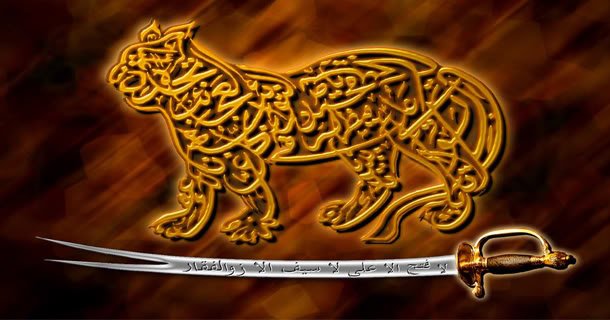


21 Ramadan: What Really Happened to Hazrat Ali (RA)? | The Lion of Islam


■ Three Essential Principles of Sufism.
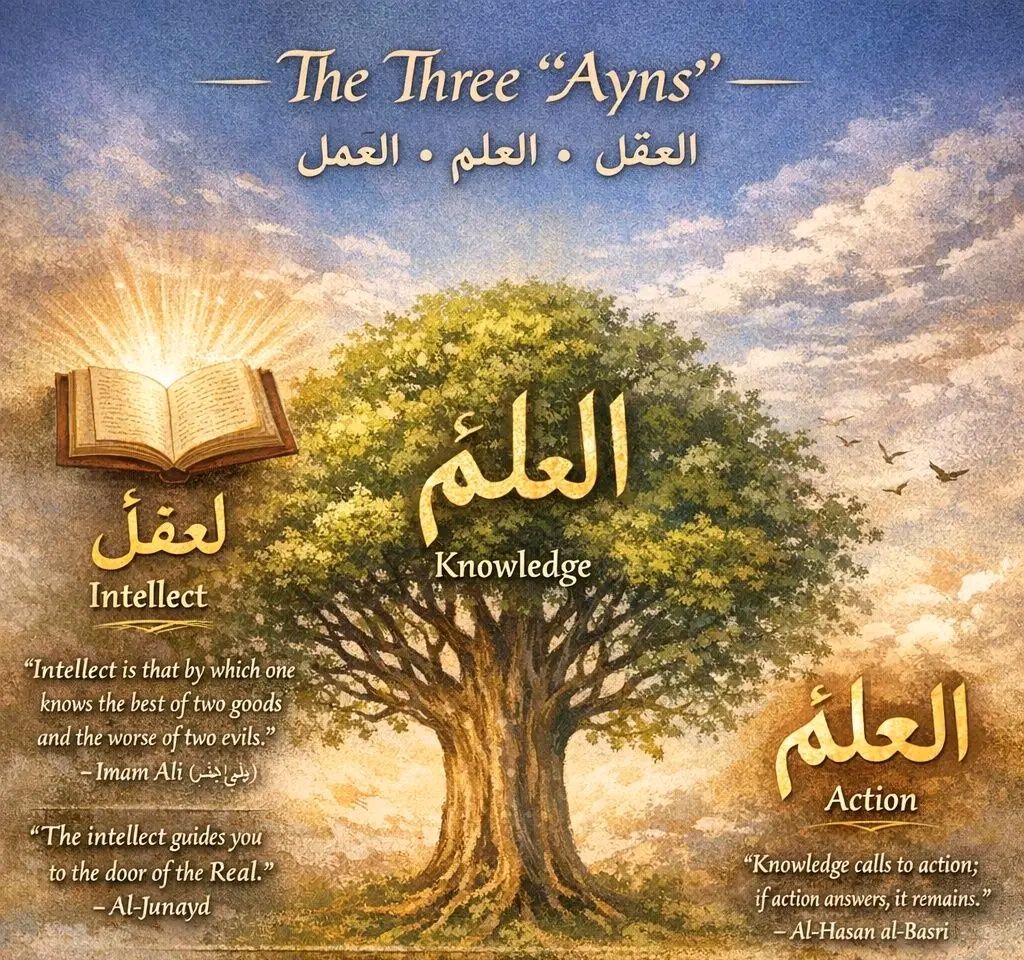
In the Islamic intellectual and spiritual tradition, three essential principles shape the path of a believer toward truth and closeness to Allāh: ʿAql العقل, intellect, ʿIlm العلم, knowledge, and ʿAmal العمل, action.
These are sometimes referred to as the three ‘ʿAyns’ (ع) because each begins with the Arabic letter ʿAyn (ع).
Together they form a complete system that guides human understanding, spiritual development, and moral conduct.
When properly balanced, these three elements transform a person from mere awareness of truth into living according to it.
The first of these foundations is ʿAql, the intellect. In Islam, intellect is considered one
of the greatest gifts Allāh has given to humanity.
It is through the intellect that human beings
are able to reflect upon creation, distinguish between truth and falsehood, and recognize the signs of Allāh in the world around them.
The Qur’an repeatedly calls people to reflect and contemplate, reminding them that guidance is closely connected to the proper use of reason.
Yet the scholars of spirituality have always emphasized that the true intellect is not merely mental sharpness. Rather, it is a light placed in the heart that allows a person to perceive reality.
The early masters of the spiritual path often spoke about this deeper dimension of intellect.
▪︎ Sayyidunā Imăm ʿAlī ibn Abī Ṭālib, peace be upon him said:
“Intellect is not that by which one merely knows good and evil, but that by which one knows the best of two goods and the worse
of two evils.”
This saying highlights that true intellect is wisdom the ability to perceive subtle truths and act accordingly. Similarly, the great Sufi master Imām Junayd al-Baghdādī emphasized that intellect must lead to awareness of Allāh.
▪︎ Imām Al-Junayd ق said:
“The intellect is a gift that guides you to the door of the Real, but only sincerity allows
you to enter.”
Thus, intellect is the beginning of the path.
It awakens the human being to the existence
of truth and the need to seek it. But intellect alone is not sufficient.
Once the mind recognizes the need for guidance, it must turn toward knowledge.
The second principle is ʿIlm, knowledge. Knowledge occupies an extraordinarily high position in Islam, as demonstrated by the first revelation given to the Beloved Prophet Muhammad ﷺ:
“Read in the name of your Lord who created.”
Through knowledge, the believer learns about Allāh, understands the teachings of revelation, and gains clarity about the path of righteousness.
Knowledge illuminates what the intellect seeks.
However, the great scholars of Islam repeatedly warned that knowledge without transformation is incomplete Knowledge must penetrate the heart rather than remain as mere information.
▪︎ Imām al-Ghazālī ق wrote:
“Knowledge without action is madness,
and action without knowledge is impossible.”
Likewise, the renowned sage Shaykh Sahl al-Tustarī ق taught that knowledge is meant
to refine the inner self.
▪︎ Shaykh Sahl al-Tustarī ق said:
“The one who increases in knowledge but
not in humility only increases in distance
from Allāh.”
These statements reflect a central principle of the spiritual tradition: knowledge must shape character and purify the soul.
When knowledge remains only on the tongue,
it produces pride. When it enters the heart, it produces humility and awareness of Allāh.
For this reason, knowledge must naturally lead to the third principle: ʿAmal, action. In Islamic teaching, belief and action are inseparable.
The Qur’an repeatedly joins faith with righteous deeds, emphasizing that true belief manifests through behavior. Action is the realization of knowledge in the world.
The early Sufis constantly reminded their students that knowledge must be practiced in order to remain alive in the heart.
▪︎ Imām Al-Ḥasan al-Baṣrī ق said:
“Knowledge calls out to action; if action answers, it remains. If not, it departs.”
Similarly, the great mystic Shaykh Dhū al-Nūn al-Maṣrī ق described action as the proof of sincerity.
▪︎ Shaykh Dhū al-Nūn al-Maṣrī ق said:
“The sign of true knowledge is that it leads its possessor to act.”
Through action, knowledge becomes embodied reality.
Prayer disciplines the soul, charity softens the heart, remembrance of Allāh purifies the inner self, and service to others reflects the mercy taught by the Prophet ﷺ.
Over time, these actions refine the heart and allow the believer to experience deeper spiritual awareness.
The relationship between ʿAql, ʿIlm, and ʿAmal forms a harmonious cycle. Intellect motivates the search for knowledge, knowledge clarifies the path of truth, and action manifests that truth in daily life. When these three are balanced, they produce wisdom, sincerity,
and spiritual maturity.
If one element is missing, the harmony is lost. Intellect without knowledge may lead to confusion, knowledge without action may lead to hypocrisy, and action without knowledge may lead to misguidance.
The Sufi masters often summarized the entire spiritual path through this balance.
▪︎ Shaykh Ibn ʿAṭā’ Allāh al-Sakandarī ق said:
“Actions are lifeless forms, but their spirit is
the presence of sincerity within them.”
This saying reminds us that action alone is not enough; it must be guided by knowledge and illuminated by understanding.
When intellect, knowledge, and action come together, they transform the believer from someone who merely knows the truth into someone who lives by it.
Thus, the three “ʿAyns” ʿAql, ʿIlm, and ʿAmal, form the structure of a life guided by faith. Through intellect, a person recognizes the signs of Allāh.
Through knowledge, those signs become clear and meaningful. Through action, they become living reality. In this harmony lies the path to wisdom, sincerity, and nearness to Allāh

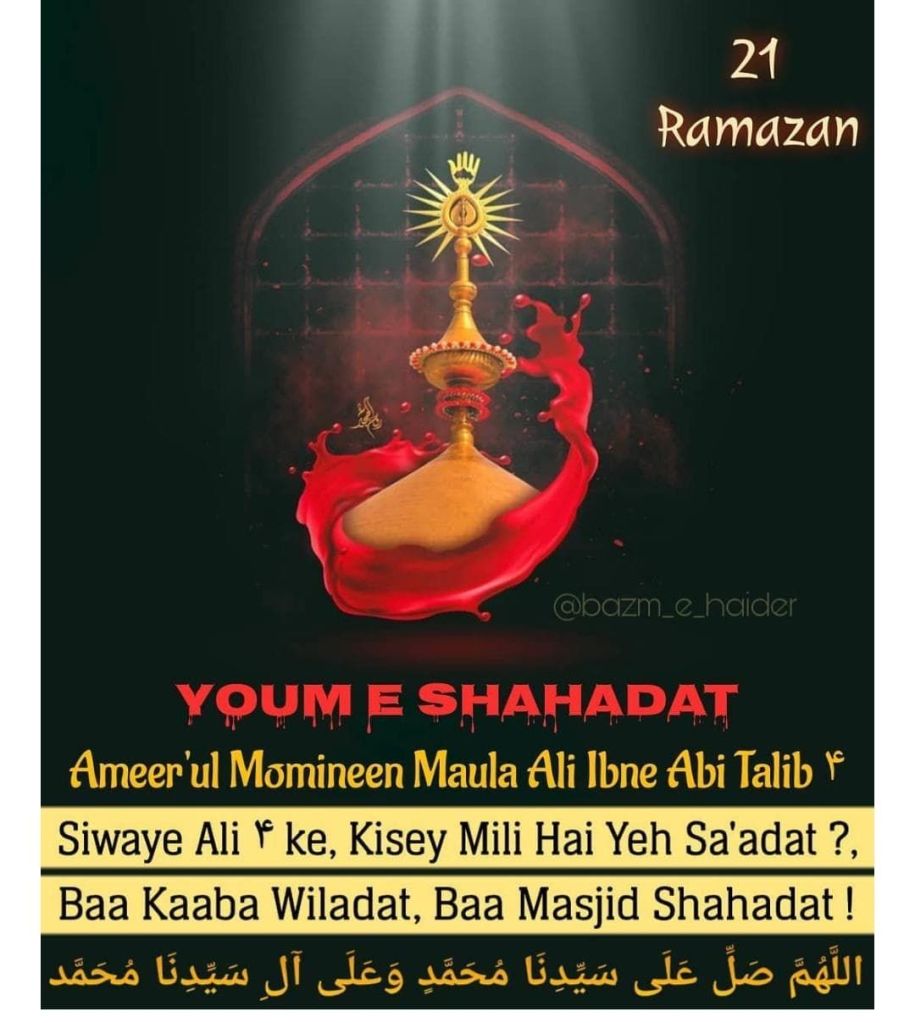
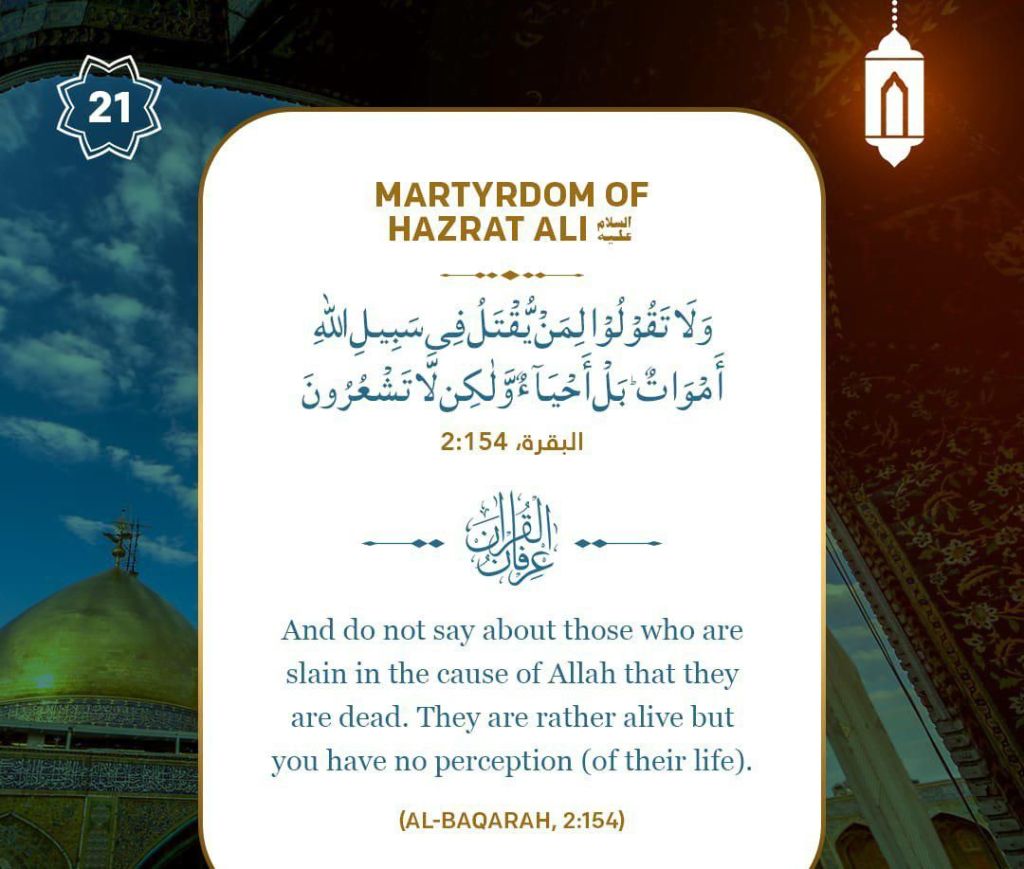
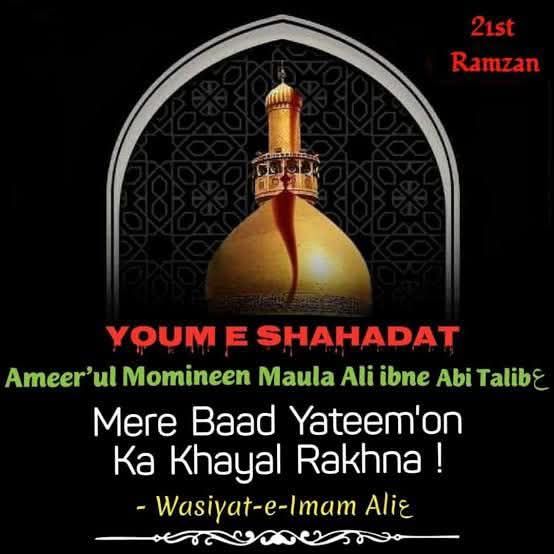
*Shahadat e Maula e Kaynat
Hasan Bin Kaseer Apne Walid Se Bayan Karte Hain Unhone Ameer ul Momineen Sayyedna Maula Ali Alahis Salam Ka Zamana Paya Tha Unhone Bayan Kiya Maula Ali Fajr Ki Namaz Ke Liye Ja Rahe The To Batakhon (Duck) Ne Unke Samne Aakar Awaaze Nikalne Aur Chikhne Lagi Logo Ne Unhe Bhagana Chaha To Maula Ali Alahis Salam Farmane Lage Unhe Chor Do Ye Noha Kar Rahi Hain Phir Aap Par Ibn Muljim Ne Hamla Kiya.
📚 *Reference* 📚
Fazail e Sahaba, Imaam Ahmad Bin Hanbal, Hadees No 944.
*Shahadat e Maula e Kaynat
Hazrat Ammar Bin Yasir Razi Allahu Tala Anhu Farmate Hain Ke Me Aur Maula Ali Alahis Salam Gazwah Zil Ushairah Ke Mauqe Par Ek Saath The, Jab Rasoolullah ﷺ Ne Wahan Padao Kiya To Humne Bani Mudlij Ke Kuch Logo Ko Dekha Jo Ek Bagh Me Ek Chashme Par Kaam Kar Rahe The, Hazrat Ali Ne Mujhse Farmaya Aye Abu Al Yaqzan Kya Khayal Hai ? Hum Wahan Chalte Hain Aur Dekhte Hain Ke Ye Log Kya Kar Rahe Hain Chunache Hum Wahan Par Ja Pounche Kuch Dair Ham Unko Dekhte Rahe Phir Hum Par Neend Ka Galba Ho Gaya Isliye Me Aur Sayyedna Ali Darakhton Ki Chaon Me Mitti Par Let Kar So Gaye, Hatta Ke Rasoolullah ﷺ Ne Aakar Khud Hame Apne Paon Mubarak Se Hilaya Ham Us Waqt Mitti Se Khaak Aalud Ho Chuke The, Rasoolullah ﷺ Ne Us Din Hazrat Ali Ko Farmaya Aye Abu Turab! Phir Aap ﷺ Ne Irshad Farmaya Kya Me Tum Dono Ke Samne Badbakht Tareen Do Aadmiyon Ka Tazkira Na Karun ? Hamne Arz Kiya Ya Rasoolullah Kyu Nahi Aap ﷺ Ne Farmaya Pehla Wo Qaume Samud Ka Ahmir Jisne Oontni Ki Konchain Kaati Thi Aur Dusra Wo Shakhs Jo Tere (Hazrat Ali Ke) Sar Par Marega Hatta Ke Khoon Se Teri Dadhi Tar Ho Jayegi.
📚 *Reference* 📚
*1.* As Sunan Al Kubra, Imam Nasai, Hadees No 8538.
*2.* Fazail e Sahaba, Hadees No 1172.
*3.* Mustadrak Ala Al Sahihain, Hadees No 4662.
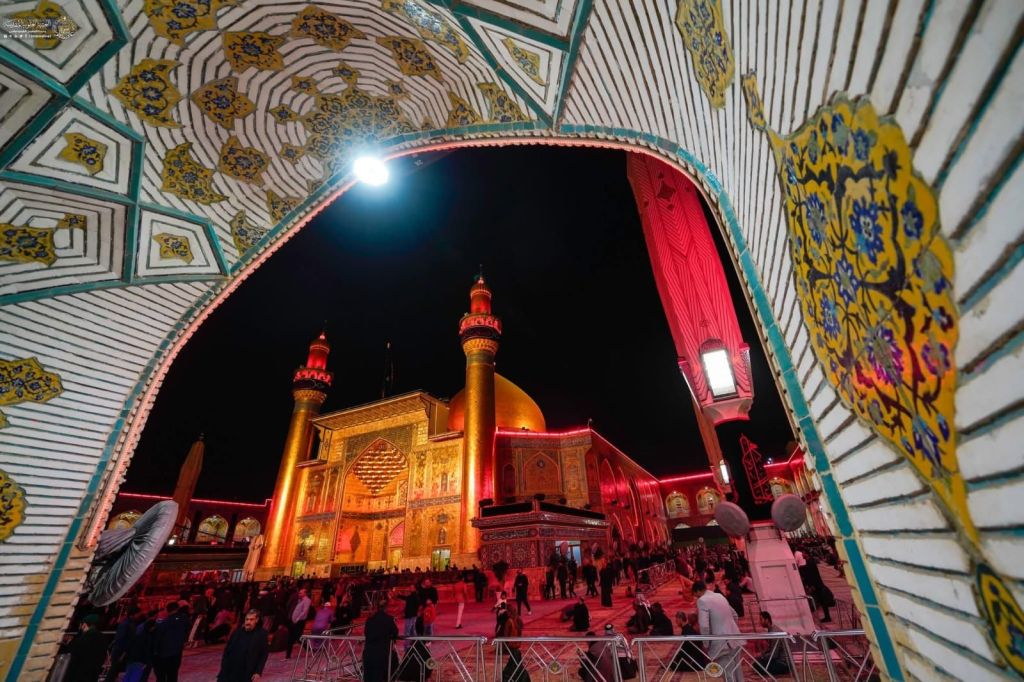
*Shahadat e Maula e Kaynat
Hazrat Muhammad Hanafiyya Razi Allahu Tala Anhu Ne Bayan Kiya Zarbat e Ameer ul Momineen Hazrat Ali Ke Baad Jab Ibn Muljam Ko Aseer (Qaid) Kar Liya Gaya To Imaam Ali Alahis Salam Ne Use Dekh Kar Farmaya Mera Qatil Ghabraya Hua Lagta Hai Usko Sharbat Pilao Jab Tak Ke Ye Tumhare Pas Aseer Hai Uske Saath Husne Sulook Se Pesh Aao Usko Aala Khana Aur Behtreen Bistar Do Agar Me Hayat Raha To Mujhe Ikhtiyar Hain Ke Ise Saza Du Ya Maaf Karun Aur Agar Me Tum Me Na Raha To Phir Khuda Ka Hukum Pura Karna Lekin Iski Lash Ko Na Jalana Na Hi Iske Aazaa Katna Kyun Ke Aye Mere Baccho’n Allah Hadd Se Bhad Jane Walon Ko Pasand Nahi Karta.
📚 *Reference* 📚
Manaqibe Ali Ibn Abi Talib, Ibn Asakir, Safa 314.

*Shahadat e Maula e Kaynat
Abu Sinan Ka Bayan Hain Ke Jab Ameer ul Momineen Hazrat Ali Alahis Salam Zakhmi The To Ye Unki Ayadat Ke Liye Gaye Abu Sinan Kehte Hain Mene Arz Kiya Ya Ameer ul Momineen! Aapki Is Zakhmi Halat Par Mujhe Tashwish Ho Rahi Hain Imaam Ali Ne Farmaya Lekin Khuda Ki Qasam! Mujhe Koi Tashwish Nahi Hai Kyunke Sadiq o Masduq Rasoolullah ﷺ Ne Mujhe Bata Diya Tha Ke Tumhe Is Is Maqam Par Zakhm Aayenge, Ye Kehte Hue Imaam Ali Ne Apne Sar Ki Janib Ishara Kiya Phir Wahan Se Khoon Bahega Hatta Ke Teri Dadhi Rangeen Ho Jayegi Aur Mujhe Shaheed Karne Wala Is Ummat Ka Sabse Bada Badbakht Hoga Jaisa Ke Oontni Ki Kunchi Katne Wala Qaume Samud Ka Sabse Bada Badbakht Tha.
📚 *Reference* 📚
*1.* Majma uz Zawa’id.
*2.* Mustadrak Ala Al Sahihain.

*Shahadat e Maula e Kaynat
Ameer ul Momineen Maula Imaam Ali Alahis Salam Sue Masjid Hue Aur Azan Dene Ke Baad Logo Ko Namaz Ke Liye Baidaar Karne Lage Phir Aapne Namaz Ki Niyat Ki Aur Jab Sar Sajde Se Uthaya To Ibn Muljam Ke Chachazad Bhai Ne Shamsheer Se Hamla Kiya Magar Waar Nakaam Raha, Phir Ibn Muljam Ne Zehar Aaluda Tegh Se Aapke Farq Mubarak Par Gehri Zarb Lagayi Jisse Sar Sajde Ki Jagah Tak Do Para Ho Gaya Aur Dadhi Khoon Se Rangeen Ho Gayi Ameer ul Momineen Sayyedna Ali Ne Be Sakhta Farmaya “Fuztu Bi Rabbil Kabah” Rabbe Kabah Ki Qasam! Me Kamyab Ho Gaya, Yehi Allah Aur Rasool Ka Wada Tha Jo Pura Hua.
📚 *Reference*
Ansab Al Ashraf, Ahmad Ibn Yaḥya Ibn Jabir Al Baladhuri, Safa 249 250.
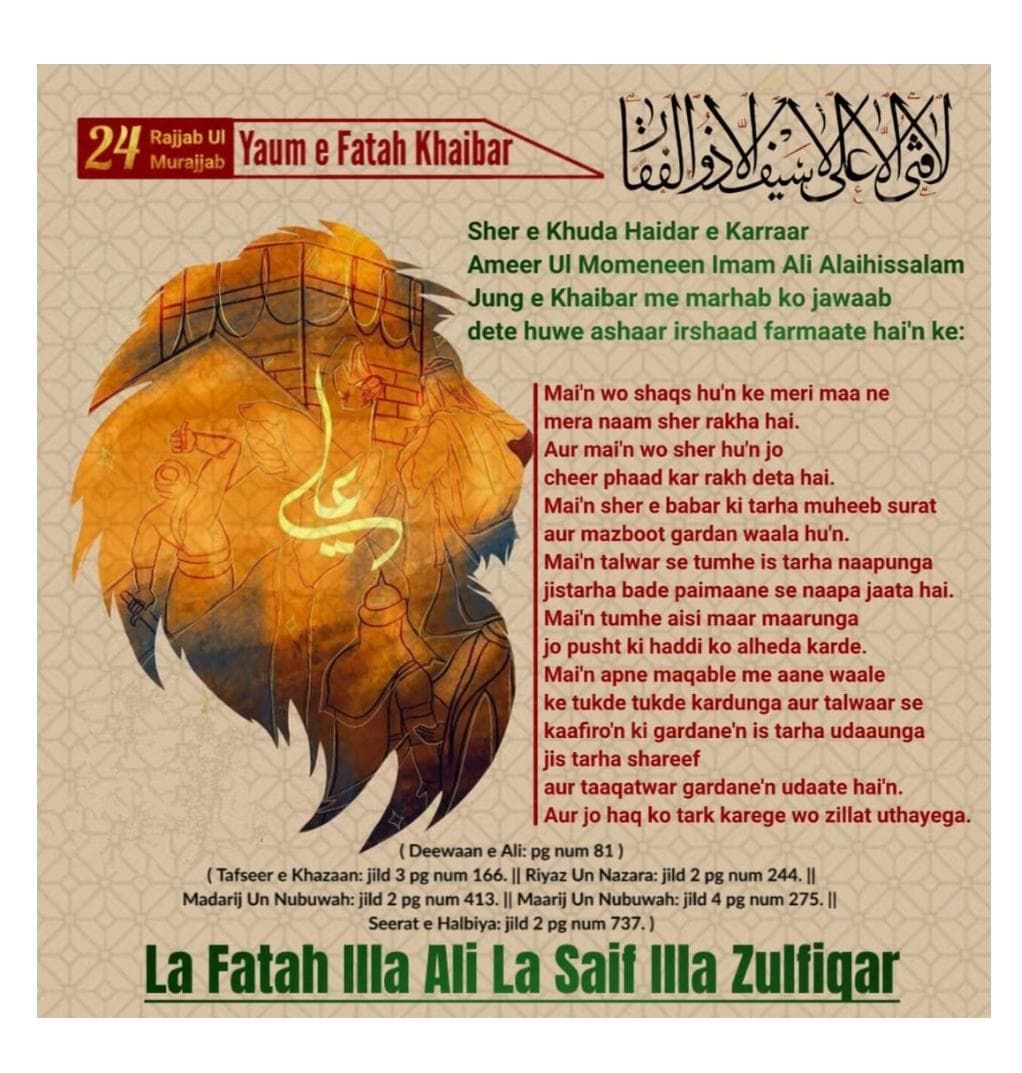
*Shahadat e Maula e Kaynat
Ibn Muljam Kehta Hain Khuda Ki Qasam! Mene Ek Maah Tak Is Talwar Ko (Jisse Usne Ameer ul Momineen Maula Imaam Ali Alahis Salam Par Waar Kiya) Zeher Me Bujhaya Aur Ise Ek Hazar Dirham Me Kharida Aur Ek Hazar Dirham Ka Ise Zeher Pilaya Hain.
📚 *Reference* 📚
Al Bidayah Wan Nihayah, Jild 7,Safa 429, 430.
*Shahadat e Maula e Kaynat
Imaam Ibne Shihab Az Zuhri Kehte Hain Ke Me Damishq Gaya Aur Jang Par Jane Ka Irada Kiya Tha Khuda Hafiz Ke Liye Abdul Malik Ke Pas Gaya Abdul Malik Ne Mujhe Kaha Ke Kya Tujhe Pata Hain Ke Jab Ali Qatl Hue To Bait ul Muqaddas Me Kya Hadsa Hua Tha, Mene Kaha Ke Haa Mujhe Pata Hain, Abdul Malik Mujhe Thoda Door Le Gaya Aur Ham Logo Ki Aankhon Se Gayab Hue Aur Kaha Ke Kya Hadsa Pesh Aaya Tha ? Mene Kaha Ke 21 Ramzan Ki Subah Bait ul Muqaddas Me Jis Patthar Ko Bhi Uthaya Jata To Usse Khoon Nikalta Tha, Abdul Malik Ne Kaha Ke Mere Aur Aapke Alawa Kisi Aur Ko Agar Is Waqiya Ka Ilm Tha To Wo Mar Gaya Hargiz Is Waqiya Ko Logo Ke Liye Zikr Mat Karo Mene Us Waqt Tak Ye Waqiya Naqal Nahi Kiya Jab Tak Abdul Malik Zinda Tha.
📚 *Reference* 📚
*1.* Mustadrak Ala Al Sahihain, Jild 3, Safa 122.
*2.* Madina Damishq, Jild 55, Safa 305.

*Shahadat e Maula e Kaynat
Jab Ameer ul Momineen Hazrat Ali Alahis Salam Shaheed Ho Gaye To Hazrat Imaam Hasan Alahis Salam Siyah (Kala) Amama Bandhe Hue The Aapne Logo Ko Jama Karke Irshad Farmaya Guzishta Roz Tum Logo Ne Us Shakhs Ko Shaheed Kiya Hai Jisse Pehle Log Sabqat Le Ja Sakte Hain Aur Na Baad Me Aane Wale Uske Maqam Ko Pa Sakenge Aur Rasoolullah ﷺ Ne Unke Liye Farmaya Ke Kal Me Us Shakhs Ko Jhanda Ata Karunga Jo Allah Aur Uske Rasool Se Muhabbat Karta Hain Aur Allah Aur Uska Rasool Bhi Usse Muhabbat Karte Hain Aur Jibrail Alahis Salam Unke Dayen Janib Aur Mikail Alahis Salam Unke Bayen Janib Ladhte Hain Phir Unka Jhanda Wapas Nahi Aayega Hatta Ke Allah Unhe Fatahyab Farmade, Unhone Apne Ahle o Ayaal Ke Liye Siwae 700 Dirham Ke Kuch Bhi Nahi Choda Take Usse Ghar Walon Ke Liye Khadim Ka Bandobast Kiya Jaye.
📚 *Reference* 📚
*1.* Fazail e Sahaba, Ahmad Bin Hanbal, Hadees No 1013.
*2.* Mustadrak Ala Al-Sahihain, Hadees No 4802.
 Aal-e-Qutub Aal-e-Syed Abdullah Shah Ghazi