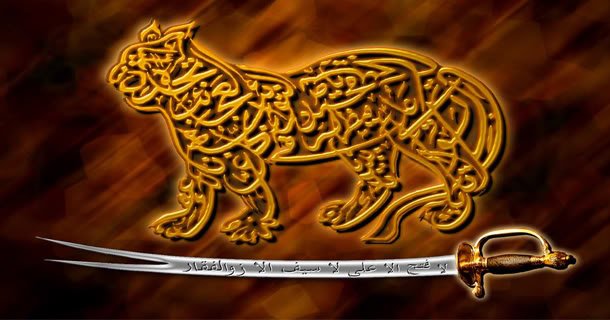


Khanqah-e-Naimatiya”
Khanqah ek aisi jagah hai jahan log roohani tarbiyat aur ibadat ke liye jama hote hain, khaaskar Sufi silsile ke pirokar. Ye ek aisi jagah hai jahan log dunyavi zindagi se alag ho kar roohani sukoon aur ilm hasil karne ki koshish karte hain.
Khanqah jahan se Shariat o Tariqat ki ziya phelti hai. Arbab-e-Tariqat aur sufiyaye kiraam ne raah-e-sulook ki manazil tay karane, ibadat karne aur karwane aur raah-e-tariqat ke mubtadi ke liye khanqahon ki buniyad rakhi. Har zamane mein yahan se rushd o hidayat ke sath khidmat-e-khalq ka kaam bhi anjam diya jata hai aur aaj bhi khanqahen apne apne andaaz par yehi kar rahi hain.
Yehi se mohabbat, ukhuwat, musawat, bhai charagi, yakjehti, ittefaq o ittihad ka taqreeri, tahreeri aur amali paigham bani nau insaan ke liye jari karti hai. Khanqahon se jahan Qur’an o Hadith aur fiqh o diniyat ki taleem ka chashma jari hota hai, wahi nafs ko pakiza banane ke liye roohani tarbiyat ki jati hai, tasawwuf o tariqat ki taleem di jati hai aur haqiqat o ma’rifat ke anwaar se talibaan-e-haq o sidqat ko suthrai bakhshi jati hai.
Yehi wo jagah hai jahan aman o sukoon ke mutalashi aakar apne qalb mein rahat aur zehan mein sukoon paate hain. Khanqahen bhatakte insano ke liye panah aur saaya ban’ti hain. Balaon, dukhon, museebaton, duniya ki alaa’isho se nijat paane ke liye aaj ke madiyat pasand daur mein bhi log inhi boriya nashinon ki bargah mein aate hain aur ishq-e-Ilahi aur mohabbat-e-Rasool ka jaam peete hain. Inhi ki bargahon ka waseela le kar Rab Tabarak wa Ta’ala ke huzoor dast-e-sawal daraaz karte hain aur apne dukhon ka madawa paate hain. Aur bandagan-e-Khuda ko sukoon-e-qalb o zehan ke sath anwaar-e-iman ki daulat bhi hasil hoti hai.
Hindustan ke subah Uttar Pradesh ka zila Gonda mohtaaj-e-ta’aruf nahi. Ye sheher apni ek tareekhi haisiyat rakhta hai aur is sheher ki kai khanqahon mein mashhoor tareen “Khanqah-e-Naimatiya” hai jo salaha sal se ek imtiaz-shan ke sath rushd o hidayat aur khidmat-e-khalq mein lagi hui hai. Khilafat o janashini ke aitbaar se khanqah, “Chishtiya Firdausiya Rehmani” hai aur bai’atan Qadriya silsila jari hai.
Huzoor Ameen al-‘Aarifeen Ustaad al-‘Aashiqeen Khwaja Meer Sayyed Naimat Ali Qutbi Quddisa Sirrah ki jalwa farmai aise babarkat gharane mein hui jo shuru se aaj tak hasab nasab, karamat, sharafat mein qad o qamat, husn o jamal mein gohar-e-naayaab aur yakta-e-zamana raha hai.
Aap intehai khoobsurat aur buland qamat the. Jo ek baar aapko dekhta dobara dekhne ko tarasta. Aapko dekh kar Khuda yaad aata. Aap aafaqi fikr o nazar ke haamil, pur-azm harkat o amal ki chalti phirti tasveer, ikhlaaq o wafa ke paikar-e-jameel, ilm o hikmat ke bahr-e-baikaraan, amal o kirdar ke sail rawaan aur gonaa-gon fazail o kamalaat ke jaame’ kaamil the.
Aap apne waqt ke jaleel-ul-qadr o Khuda raseeda buzurg aur Shaikh-e-Tariqat ba-waqar, bade muttaqi o parhezgar, nihayat khaliq o milansar aur mohabbat farmane wale har dil-azeez mehboob the. Mashaikh-e-salasil ke noor nigah bhi the aur akaabir-e-Ahle-Sunnat ke dilon ka chain bhi. Aap ki zaat sirf minara-e-noor aur buq’a-e-noor hi nahi balki aanay wali naslon ke liye mash’al-e-raah bhi thi.
Aapki zindagi ka har lamha Islam ke farogh o istehkaam aur qaum o muslim ki amali, ilmi sarbulandi aur behtri ke liye waqf tha.
Aap gulshan-e-qutbiya ke woh bahaar-e-jawidaan the jin ke faiz se sekdon log aaj bhi faiziyaab hain aur subh-e-qayamat tak hote rahenge.
Hazrat Khwaja Meer Sayyed Naimat Ali Quddas Sirrahu Ka ta’alluq khanwada-e-quthiya se tha aap Meer Sayyed Murad Ali Quddas Sirrahu ke farzand the Aapke aaba o ajdaad silsila Qadriya Chishtiya Firdausiya ke Shaikh al-Mashaikh the.
Aap ne kade se nakal makani ki aur yahaañ zila Gonda me kotwa dargah Hazrat Makhdoom Sayyed Yusuf gada r.a ki mazaar ke qareeb qayam farmaya aur yaheeñ ibadat o riyazat karte rahe.
Iske baad Huzoor Khwaja Meer Sayyed Naimat Ali Quddisa Sirrah ka nikah Bakwa Dargah me Aashiq Ali ke yahan hua. Shaadi ke baad aap Bakwa Dargah me hi rahne lage aur usi ko apna maskan bana liya. Sath hi Khanqah-e-Naimatiya ke liye bhi pasand farmaliya.
Ameen al-‘Aarifeen Khwaja Meer Sayyed Naimat Ali Noorullah Marqadahu ko Huzoor Owais-e-Zamana Qutb al-Aqtab Moulana Shah Fazl-e-Rehman Muhammadi Ganj Muradabadi Quddisa Sirrah se silsila-e-Arba’ ki ijazat hasil hui aur Moulana Baba ki duaaon se aur faiz se maala-maal bhi huwe.
Allah ne aapko do farzand ata farmaye. Aapke bade bete Sayyed Muneer Ahmad jo Bareilly Shareef mein Subedar the aur Bareilly mein ek masjid bhi tameer karwayi. A’la Hazrat Ahmad Raza Khan Fadil-e-Barelwi rahmatullah alaih aapse bari mohabbat farmate the.
Sayyed Munir Ahmad ka nikah Sadaat-e-Qutbi Hasni Domai Pur mein hua. Aur Khwaja Sayyed Naimat Ali Quddas Sirrah ke chhote bete Khwaja Sayyed Basheer Ahmad jo Huzoor Ashraf Ul Aalameen Waris E Panjatan Haji Sayyed Waris Ali Shah Ke Saath Paapyada Hajj ka sharf hasil hua aur aap huzoor meer Sayyed Naimat Ali Ke janashin muqarrar huwe aur silsila Qadriya Chishtiya Firdausiya Rehmania Naimatiya ki khidmaat ko bakhoobi anjam dete rahe.
Khwaja Sayyed Basheer Ahmad Quddisa Sirrah ke baad aapki masnad ke waris aapke do farzand misle shams o qamar apne faraa’iz ko bakhoobi anjam dete rahe.
Ek Huzoor Mard-e-Qalandar Khwaja Meer Sayyed Zameer Ahmad Quddisa Sirrah aur dusre Huzoor Musleh al-Bilaad, Nafi’ al-‘Ibaad, Mumtaz al-Auliya, Faiz al-Mashaikh Khwaja Meer Sayyed Muhammad Muslim Quddisa Sirrah.
Khwaja Meer Sayyed Muhammad Muslim Quddisa Sirrah ko silsila Qadriya Chishtiya Firdausiya Rehmania Naimatiya ke sath sath Sher Bisha Ahle Sunnat Mufti Muhammad Hishmat Ali Khan rahmatullah alaih se silsila Qadriya Barkatiya Razviya Hishmatiya bhi hasil tha.
Huzoor Khwaja Meer Sayyed Muhammad Muslim Quddisa Sirrah ki zaat se Parwardigar ne silsila-e-Naimatiya ko khoob taraqqi ata farmayi aur aapse silsila khoob jana-mana gaya. Is liye aapko “Aftaab-e-Silsila Naimatiya” bhi kaha jata hai.
Khwaja Meer Sayyed Zameer Ahmad Quddisa Sirrah aur Khwaja Syed Muhammad Muslim Quddisa Sirrah ke baad silsila Qadriya Chishtiya Firdausiya Rehmania Naimatiya ko farzand-e-Khwaja Meer Syed Muhammad Muslim Quddisa Sirrah, Hazrat Allama Maulana Hafiz Khwaja Sayyed Ali Ahmad Quddisa Sirrah se khoob shohrat mili.
Hazrat Khwaja Meer Sayyed Ali Ahmad Quddisa Sirrah Huzoor Ashraf al-‘Ulama Sayyed Shah Hamid Ashraf Ashrafi Jilani Quddisa Sirrah se mureed bhi huwe aur silsila Ashrafiya Manawariya ki khilafat bhi hasil ki.
Aur sath hi Khwaja Hasan Quddisa Sirrah Bhensodi Shareef ke 2nd sajjada nasheen Mahboob al-Auliya Khwaja Sufi Liaqat Husain Quddisa Sirrah se silsila Abul-‘Alaaiya Jahangiriya Hasniya Azeziya Liaqatiya ki khilafaten bhi hasil huin.
Maujooda waqt mein Khanqah Qadriya Chishtiya Firdausiya Rehmania Naimatiya ke sajjada nasheen Sayyed Hasan Ahmad hain jo is waqt silsila-e-‘Aaliya aur Khanqah ki dekh-rekh karte hain.
Moula Kareem Khanqah-e-Naimatiya ko mazeed khidmat-e-khalq karne ki taufeeq ata farmaaye. Ameen.
Az Qalam: Sayyed Hasan Ahmad
————
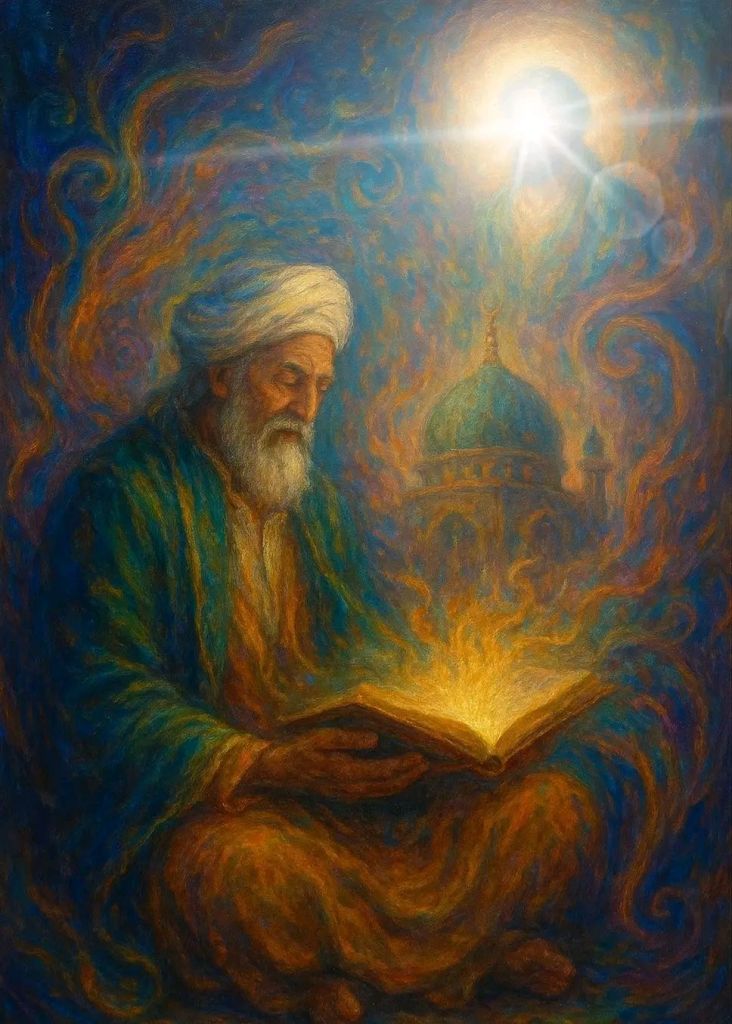
“Khanqah-e-Naimatiya”
A Khanqah is a place where people gather for spiritual training and worship, especially the followers of Sufi orders. It is a sanctuary where people detach themselves from worldly life to seek spiritual peace and divine knowledge.
A Khanqah is a source from which the light of Shariat (Divine Law) and Tariqat (The Spiritual Path) radiates. The masters of the spiritual path (Arbab-e-Tariqat) and venerable Sufis established Khanqahs to help seekers traverse the stages of the spiritual journey, and to practice as well as guide others in worship. In every era, these sanctuaries have served as centers for spiritual guidance alongside humanitarian service (Khidmat-e-Khalq), and even today, various Khanqahs continue this noble work in their own unique ways.
It is from here that the verbal, written, and practical messages of love, brotherhood, equality, unity, and harmony are disseminated to humanity. While Khanqahs serve as flowing springs of education for the Qur’an, Hadith, jurisprudence (Fiqh), and religious studies, they simultaneously provide spiritual training to purify the soul (Nafs). They impart the teachings of Tasawwuf (Sufism) and Tariqat, cleansing the seekers of truth and sincerity with the divine lights of ultimate reality (Haqiqat) and gnosis (Ma’rifat).
This is the very place where those searching for peace and tranquility find comfort for their hearts and solace for their minds. Khanqahs serve as a refuge and a protective shade for wandering souls. Even in today’s highly materialistic era, people come to the threshold of these humble, blanket-dwelling saints (Boriya Nashin) to rid themselves of afflictions, sorrows, misfortunes, and worldly impurities. There, they drink the spiritual goblet of Divine Love (Ishq-e-Ilahi) and deep affection for the Prophet (Mohabbat-e-Rasool). Using the spiritual mediation (Waseela) of these holy courts, they raise their hands in supplication before the Almighty Creator, finding the remedy for their grief. Consequently, the servants of God attain peace of mind and heart, along with the invaluable wealth of the light of faith (Anwaar-e-Iman).
The Gonda district in the state of Uttar Pradesh, India, needs no introduction. This city holds significant historical prominence, and among its various spiritual centers, the most renowned is “Khanqah-e-Naimatiya.” For years, it has distinguished itself through its exceptional commitment to spiritual guidance and public service. In terms of spiritual succession and lineage (Khilafat o Janashini), the Khanqah belongs to the Chishtiya Firdausiya Rehmani order, while the practice of spiritual allegiance (Bai’at) flows through the Qadriya order.
The manifestation of Huzoor Ameen al-‘Aarifeen Ustaad al-‘Aashiqeen Khwaja Meer Sayyed Naimat Ali Qutbi (Quddisa Sirrah) took place in a highly blessed household. From its inception to this day, this family has remained unparalleled and matchless in its noble lineage, spiritual miracles (Karamat), nobility, stature, and exquisite inner and outer beauty.
He possessed immense physical beauty and a towering, majestic stature. Anyone who looked at him once would yearn to see him again. Glimpsing his countenance instantly brought the remembrance of God to mind. He possessed a universal vision, was a living embodiment of resolute action, a beautiful personification of ethics and loyalty, a vast ocean of knowledge and wisdom, a flowing river of righteous conduct, and a perfect embodiment of multifaceted virtues and spiritual perfections.
He was a highly revered, grand saint of his time who had attained union with God (Khuda Raseeda), a dignified Shaikh-e-Tariqat (Spiritual Guide), deeply pious and intensely mindful of God (Muttaqi o Parhezgar). He was exceptionally well-mannered, approachable, deeply affectionate, and beloved by all. He was the light of the eyes of the masters of various Sufi orders and the ultimate peace for the hearts of the elders of Ahle-Sunnat. His personality was not only a minaret of light and a dome of divine radiance but also a guiding beacon for future generations.
Every single moment of his life was dedicated to the propagation and consolidation of Islam, as well as the intellectual and practical upliftment and betterment of the Muslim community. He was the everlasting spring of the Qutbiya garden, through whose spiritual benevolence (Faiz) hundreds of people are blessed today, and will continue to be blessed until the morning of the Day of Resurrection.
Hazrat Khwaja Meer Sayyed Naimat Ali (Quddas Sirrahu) belonged to the noble Qutbiya family and was the son of Meer Sayyed Murad Ali (Quddas Sirrahu). His ancestors were the grand masters (Shaikh al-Mashaikh) of the Qadriya Chishtiya Firdausiya order.
He migrated from Kara (in modern-day Prayagraj/Kaushambi) and settled here in the Gonda district, near the sacred shrine (Mazaar) of Hazrat Makhdoom Sayyed Yusuf Gada (R.A.) in Kotwa Dargah, where he continuously engaged himself in rigorous worship and spiritual devotion.
Following this, the marriage (Nikah) of Huzoor Khwaja Meer Sayyed Naimat Ali (Quddisa Sirrah) took place at the residence of Aashiq Ali in Bakwa Dargah. After his marriage, he began residing in Bakwa Dargah, making it his permanent abode. Furthermore, he chose this very location for the establishment of Khanqah-e-Naimatiya.
Ameen al-‘Aarifeen Khwaja Meer Sayyed Naimat Ali (Noorullah Marqadahu) received spiritual authorization (Ijazat) in the four major Sufi orders (Silsila-e-Arba’) from the saint of the era, Huzoor Owais-e-Zamana Qutb al-Aqtab Moulana Shah Fazl-e-Rehman Muhammadi Ganj Muradabadi (Quddisa Sirrah). He was immensely blessed by the prayers and spiritual benevolence (Faiz) of Maulana Baba.
Almighty Allah blessed him with two sons. His elder son, Meer Sayyed Muneer Ahmad, served as a Subedar (military officer) in Bareilly Shareef and also built a mosque there. A’la Hazrat Ahmad Raza Khan Fadil-e-Barelwi (Rahmatullah Alaih) held deep affection and love for him.
The marriage (Nikah) of Sayyed Muneer Ahmad took place into the noble Sadaat-e-Qutbi Hasni family of Domai Pur. Meanwhile, Khwaja Meer Sayyed Basheer Ahmad, the younger son of Khwaja Meer Sayyed Naimat Ali (Quddas Sirrah), was blessed with the grand honor of performing the pilgrimage of Hajj on foot in the holy company of Huzoor Ashraf Ul Aalameen Waris E Panjatan Haji Sayyed Waris Ali Shah. He was appointed as the spiritual successor (Janashin) of Huzoor Meer Sayyed Naimat Ali, and he impeccably carried out the services of the Qadriya Chishtiya Firdausiya Rehmania Naimatiya order.
Following Khwaja Meer Sayyed Basheer Ahmad (Quddisa Sirrah), his two sons inherited his spiritual throne (Masnad). Like the sun and the moon, they fulfilled their spiritual responsibilities magnificently.
One was the saint of the ecstatic path, Huzoor Mard-e-Qalandar Khwaja Meer Sayyed Zameer Ahmad (Quddisa Sirrah), and the other was Huzoor Musleh al-Bilaad, Nafi’ al-‘Ibaad, Mumtaz al-Auliya, Faiz al-Mashaikh Khwaja Meer Sayyed Muhammad Muslim (Quddisa Sirrah).
In addition to the Qadriya Chishtiya Firdausiya Rehmania Naimatiya lineage, Khwaja Meer Sayyed Muhammad Muslim (Quddisa Sirrah) also received spiritual authority in the Qadriya Barkatiya Razviya Hishmatiya order from the Lion of the Ahle Sunnat, Mufti Muhammad Hishmat Ali Khan (Rahmatullah Alaih).
Through the blessed personality of Huzoor Khwaja Meer Sayyed Muhammad Muslim (Quddisa Sirrah), the Almighty granted immense growth and renown to the Naimatiya order, making it widely recognized. For this reason, he is also honored with the title “Aftaab-e-Silsila Naimatiya” (The Sun of the Naimatiya Order).
After Khwaja Meer Sayyed Zameer Ahmad (Quddisa Sirrah) and Khwaja Syed Muhammad Muslim (Quddisa Sirrah), the Qadriya Chishtiya Firdausiya Rehmania Naimatiya order gained widespread fame through the son of Khwaja Meer Syed Muhammad Muslim (Quddisa Sirrah)—Hazrat Allama Maulana Hafiz Khwaja Sayyed Ali Ahmad (Quddisa Sirrah).
Hazrat Khwaja Meer Sayyed Ali Ahmad (Quddisa Sirrah) pledged his spiritual allegiance (Mureed) to Huzoor Ashraf al-‘Ulama Sayyed Shah Hamid Ashraf Ashrafi Jilani (Quddisa Sirrah) and was granted the spiritual vicegerency (Khilafat) of the Ashrafiya Manawariya order.
Simultaneously, he was also bestowed with the Khilafats of the Abul-‘Alaaiya Jahangiriya Hasniya Azeziya Liaqatiya order by Mahboob al-Auliya Khwaja Sufi Liaqat Husain (Quddisa Sirrah), the second Sajjada Nasheen of Khwaja Hasan (Quddisa Sirrah) of Bhensodi Shareef.
At present, the Sajjada Nasheen (Spiritual Head) of the Khanqah Qadriya Chishtiya Firdausiya Rehmania Naimatiya is Sayyed Hasan Ahmad, who currently manages the affairs of the exalted order (Silsila-e-‘Aaliya) and the Khanqah.
May the Generous Lord (Moula Kareem) grant Khanqah-e-Naimatiya even greater ability to serve humanity. Amen.
Written by: Sayyed Hasan Ahmad.