चौदह सितारे पार्ट 95

इमाम हुसैन (अ.स.) की रूखसती

हज़रत अली असग़र की शहादत के बाद न सरकार है न दरबार न लशकर है न अलमदार, अली असग़र को नन्हीं सी क़ब्र खोद कर दफ़्न फ़रमाते हैं और अकेले हरम के ख़मों की तरफ़ आते हैं और अहले बैत से रूख़सत होते हैं और फ़रमाते हैं ऐ ज़ैनब, ऐ उम्मे कुलसूम, ऐ रूक़य्या, ऐ रबाब, ऐ सकीना अलैकुम मिन्नी अस्सलाम, सलामे अलविदा यह मेरी आख़री रूख़सती है। ऐ बहनों, ऐ बीबियों, ऐ बेटियों बस ख़ुदा हाफ़िज़ो नासिर है और वही हामियों मद्दगार है।

बहन ज़ैनब देखो, हर मुसीबत में हर बला में ख़ुदा को याद रखना, अपने रहीमो ख़ालीक़ को न भूलना। एनाने सब्र को हाथ से न छोड़ना । राहे इलाही में हर एक रेंज व मुसिबत को राहत समझना । रस्सी से हाथ बंधे तो उफ़ न करना, चादर छिने तो ग़म न खाना । अम्मा के सब्र और बाबा के हिल्म के जौहर दिखलाना। नाना रसूल (स.व.व.अ.) तुम्हारे मद्दगार और ख़ुदा तुम्हारा हामी है। हां लुटने के लिये तय्यार हो जाओ। क़ैद होने के लिये कमरों को कस लो। चादरों को अच्छी तरह से ओढ़ लो। मक़नों को मज़मूती से बांध लो। ऐ बहन ज़ैनब यह यतीम बच्चे, यह असीराने अहलेबैत (अ.स.) का काफ़ला बस तुम्हारे साथ है। बीमारे करबला सय्यदे सज्जाद ज़ैनुल आबेदीन को ग़श से जगा दो, होशियार कर

दो। अब तौको ज़जीर पहने और असीर होने का वक़्त आ गया है। बेड़ियां पहन्ने और कांटों पर पैदल चलने का ज़माना क़रीब है। अब जंगल के कांटों भरे रास्ते हैं शाम के बाज़ार हैं और लोगों का हुजूम है, और सहरा नवरदी है। कभी कूफ़ा व तमाशईयों का मजमा है, मां बहनों के नंगे सर हैं और ज़ैनुल आबदीन हैं। यज़ीद और इब्ने ज़ियाद के दरबार में शिम्र के ताज़याने हैं और हमारा लाडला बीमार है। ऐ ज़ैनुल आबेदीन !

प्यासा गला कटाया यह ओहदा है बाप का

पहनो गले में तौक़ यह हिस्सा है आप का

बस हमारे बाद दुनियां के इमाम तुम हो। ऐ जाने पदर इस कश्ती की मल्लाही अब तेरी ज़ात पर है। देखना आपकी मेहनत राएगां ना जाने पाऐ, अन्नाने सब्र व तहम्मुल हाथ से न छूटे। करबला से कूफ़ा और कूफ़े से शाम तक माँ बहनों के साथ, बेड़ियां पहने, तौक़ डाले, नंगे पांव जाओ, सब्रो रज़ा ए इलाही के जौहर दिखलाओ। तौहीद के ख़ुत्बे पढ़ो, हिदायत के रास्ते बताओ। हां हां बेटा देखना बेड़ी पहन कर सिलसिला ए सब्र छूट न जाए। बस हम राहे रज़ा सर से क़ता करने को तैय्यार हैं और तुम अपने पैरों से तय करना । राहे इलाही में ख़ार दार तौक़ को फूलों को हार समझना और इश्के इलाही में लौहे की तप्ती बेड़ियों को मोहब्बते ख़ुदा की जंजीरे जनाना। यह फ़रमाने के बाद इमाम हुसैन (अ.स.) फटे पुराने कपड़े मांगते हैं, पोशाक के नीचे पहनते हैं, उन्हें भी जगह जगह से चाक फ़रमा देते हैं।
सबब पूछा जाता है तो फ़रमाते हैं कि मेरे शहीद हो जाने के बाद यह ज़ालिम शक़ी मेरा लिबास भी लूटेंगें और कपड़े भी उतारेंगे। शायद यह फटे पुराने कपड़े नीचे देख कर छोड़ दें और इस तरह मेरी लाश बरहनगी से बच जाए। (तारीख़े कामिल जिल्द 4 पृष्ठ 40 व तबरी पृष्ठ 34)

बहन के रूख़सत फ़रमा कर, बीबीयों को अलविदा कह कर, माँ की कनीज़ फ़िज़्ज़ा, पालने वाली को भी सलाम कर के बाली सकीना सीने पर सोने वाली लाडली बेटी को छाती से लगा कर मुह चूमते और फ़रमाते थे, बेटी तुम को ख़ुदा के सिपुर्द किया। ख़ेमे का परदा उठा, बाहर तशरीफ़ लाए, बहन ने रक़ाब थामी, ज़ुल्जना पर सवार हुए और मैदाने कारज़ार पर रवाना हो गए। (नामूसे इस्लाम)

हज़रत इमाम हुसैन (अ.स.) मैदाने जंग में

जब आपके 72 असहाब व अन्सार और बनी हाशिम क़ुरबान गाहे इस्लाम पर चढ़ चुके तो आप ख़ुद अपनी क़ुरबानी पेश करने के लिये मैदाने कारज़ार में आ पहुँचे। लशकरे यज़ीद जो हज़ारों की तादाद में था, अस्हाबे बावफ़ा और बहादुराने बनी हाशिम के हाथों वासीले जहन्नम हो चुका था। इमाम हुसैन (अ.स.) जब मैदान में पहुँचे तो दुश्मनों के लशकर में से तीस हज़ार सवार व पियादे बाक़ी थे यानि सिर्फ़ एक प्यासे को तीस हज़ार दुश्मनों से लड़ना था । (कशफ़ुल ग़म्मा) मैदान पहुँचने के बाद आपने सब से पहले दुश्मनों को मुख़ातिब कर के एक ख़ुत्बा इरशादफ़रमाया। आपने कहा, ऐ ज़ालिमों ! मेरे क़त्ल से बाज़ आओ, मेरे ख़ून से हाथ न रंगो, तुम जानते हो मैं तुम्हारे नबी का नवासा हूँ। मेरे बाबा अली (अ.स.) साबिके इस्लाम हैं, मेरी माँ फ़ात्मा ज़हरा ( स.व.व.अ.) तुम्हारे नबी ( स.व.व.अ.) की बेटी हैं और तुम जानते हो कि मेरे नाना रसूल अल्लाह ( स.व.व.अ.) ने मुझे और मेरे भाई हसन (अ.स.) को सरदारे जवानाने जन्नत फ़रमाया है। अफ़सोस तुम कैसी बुरी क़ौम और कैसी बुरी उम्मत हो कि न तुम को ख़ुदा का ख़ौफ़ है न रसूल (स.व.व.अ.) से शर्म है। तुम अपने नबी की औलादों और अपने रसूल (स.व.व.अ.) की आल का ख़ून बहाते हो और मेरे ख़ूने ना हक़ पर आमादा होते हो, हालांकि न मैंने किसी को क़त्ल किया है न किसी का माल छिना है कि जिसके बदले में तुम मुझको क़त्ल करते हो। मैं तो दुनियां से बे ताअल्लुक़ अपने नाना रसूल ( स.व.व.अ.) की क़ब्र पर मुजाविर बना बैठा था। तुम ने मुझे हिदायत के लिये बुलाया और मुझे न नाना की क़ब्र पर बैठने दिया न ख़ुदा के घर में रहने दिया । सुनो अब भी हो सकता है कि मुझे इसका मौक़ा दे दो कि मैं नाना की क़ब्र पर बैठूं या ख़ाना ए ख़ुदा में पनाह ले लूं। इसके बाद आपने इतमामे हुज्जत के लिये उमरे साद को बुलाया और उससे फ़रमाया, 1. तुम मेरे क़त्ल से बाज़ आओ। 2. मुझे पानी दे दो। 3. अगर यह मन्जूर न हो तो फिर मेरे मुक़ाबले के लिये एक एक शख़्स को भेजो। उसने जवाब दिया आपकी तीसरी दरख्वास्त मन्ज़र की जाती है और आपसे लड़ने के लिये एक एक शख़्स मुक़ाबले में आएगा। ( रौज़तुल शोहदा )




The Views of Scholars on the State of the Souls

■ The Views of Scholars on the State of the Souls

The views among scholars regarding the state of the souls after death vary significantly. Here are some of the key perspectives:

1. Souls in Paradise:

Some scholars believe that the souls of the believers reside in Paradise. This applies to both general believers and martyrs, provided they are free from major sins or debts (i.e., no outstanding debts at the time of death). This viewpoint is supported by the opinions of companions such as Abu Hurairah and Ibn Umar (r).

2. Souls at the Gates of Paradise:

Another perspective holds that the souls remain at the gates of Paradise, enjoying its cool breezes and the blessings available there.

3. Souls in Graves:

Some scholars assert that the souls of the believers remain in their graves until the Day of Resurrection.

4. Freedom of Movement:

Imam Malik stated that souls have the freedom to move where they wish, coming and going as they please. Imam Ahmad emphasized that the souls of the disbelievers are in Hell, while the believers’ souls are in Paradise.

5. Souls with Allah:

A group of scholars, including some companions and followers, believes that the souls of the believers reside with Allah ﷻ, but they did not elaborate further on this matter.

6. Souls in Different Realms:

Some scholars assert that the souls of the believers reside in the 7th heaven, while the souls of the disbelievers are in the 7th earth, beneath the forces of Satan.

7. Location Relative to Adam (علیہ السلام):

Another view is that the souls of the believers are positioned on the right side of Adam (علیہ السلام), while the souls of the disbelievers are on his left side.

During the Night of Ascension, it is reported that the Prophet Muhammad ﷺ encountered the souls and described their state in a way that moved his family to tears. He mentioned that the souls of the believers reside in green birds, enjoying the blessings of Paradise. They rest under golden lamps beneath the Throne of Allah ﷻ and express their longing to have their brothers join them, wishing for the promises made to them to be fulfilled.

Conversely, the souls of the disbelievers are said to be in black birds, enduring suffering and torment, consuming the bitterness of their fate while being punished in the fire.

These varying perspectives illustrate the profound complexity of beliefs regarding the afterlife. The consensus emphasizes the importance of striving for righteousness, as the state of one’s soul after death is intricately tied to their deeds and faith during their earthly life.

The Nature of Reincarnation and the Reality of Life After Death

■ The Nature of Reincarnation and the Reality of Life After Death

The nature and quality of light cannot be comprehended by human understanding, just as the concept of reincarnation is fundamentally flawed. Those who believe in reincarnation typically reject the notion of life after death. In their misguided belief, they think that souls detach from their bodies and take on the forms of animals, insects, and birds based on their actions in previous lives. This idea is prevalent among certain Hindu sects in India, which claim that souls remain trapped in a cycle of rebirth and can never escape, as they believe the cycle of the world will never end. To them, the concept of life after death is meaningless because they view the world as eternal.

This false belief in reincarnation contradicts the teachings of all the Prophets (ع) and the truth of life after death. Essentially, it constitutes a denial of Allah ﷻ and the Hereafter. According to this sect, the abode of souls is detached from their physical bodies, leading them to take on the forms of various animals. This notion is an extreme deviation and a grave error.

Some believe that just as bodies perish, so do souls, and that reward and punishment occur only within the body or a part of it, whether it is the spinal cord or some other aspect. In their view, Allah ﷻ can instill feelings of pleasure and pain, either by returning life to the body or without restoring life at all. They contend that in the Barzakh (the intermediate realm between death and resurrection), punishment and reward are only related to the body.

On the contrary, there are others who assert that once the soul exits the body, it never returns in any physical form, and its connection to the body ceases entirely. They argue that punishment and reward pertain solely to the soul. However, the Prophets (ع) have conveyed through divine revelation and authentic Hadith that both perspectives are incomplete.

In conclusion, the truth established by the Prophets clarifies that there is life after death and that the soul’s journey continues beyond the physical realm. The understanding of the soul’s nature and its relationship with the body is profound and should not be misinterpreted through flawed beliefs like reincarnation.

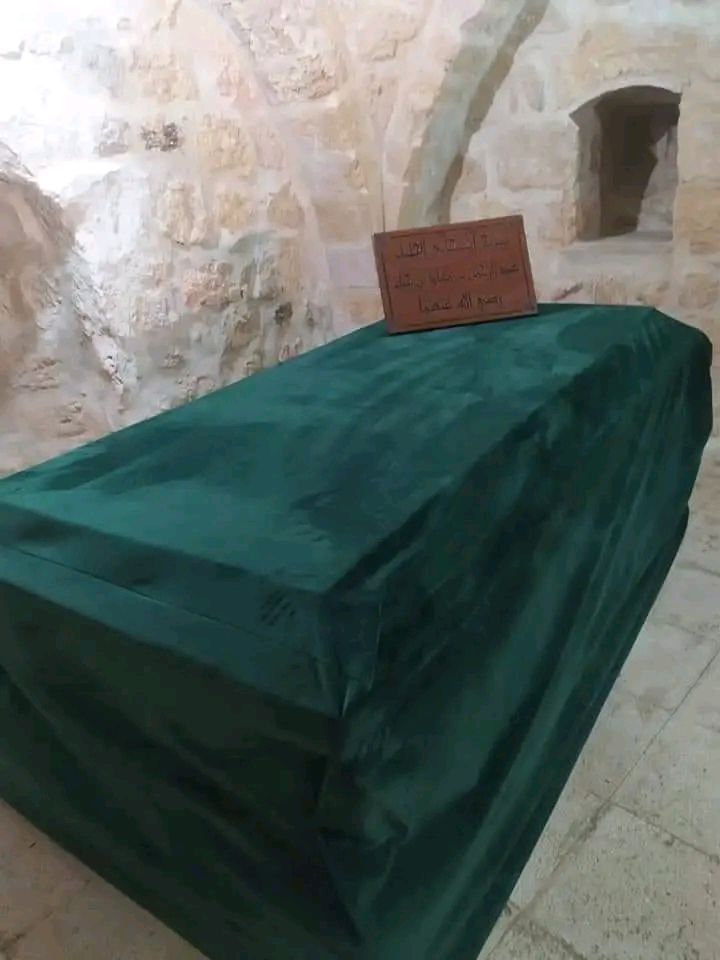
Maqam of the great Companion of the Messenger of Allah ﷺ, Sayyiduna Mu’adh ibn Jabal.

This is the Maqam of the great Companion of the Messenger of Allah ﷺ, Sayyiduna Mu’adh ibn Jabal. Whenever Rasulallah ﷺ called him he would reply with, ‘Labbayk Wa Sa’dayk Ya Rasulallah!.’ The Prophet ﷺ instructed the Companions to learn the recitation of the Qur’an from 4 men – one of them was Sayyiduna Mu’adh.

One day, he was riding behind the Prophet ﷺ and the Beloved gave him the gladtidings, ‘There is no soul that dies testifying that there is no diety worthy of worship besides Allah and that Muhammad is the Messenger of Allah ﷺ except that he will enter Jannah. When he returned from Syria, he came to the Prophet ﷺ and prostrated to him out of love. During the final days of the Prophet’s ﷺ life, the Beloved sent him to Yemen. Rasulallah ﷺ walked with Mu’adh and held his hand until the very boundaries of Madinah. The Prophet ﷺ then told him, ‘Perhaps you will not see me again after this day and you will pass by my resting place.’ Sayyiduna Mu’adh’s heart broke, his eyes filled with tears, and his soul felt the greatest burden it had ever felt. Imagine if your mother, your father, your child, your spouse, or your best friend sent you on a trip and told you that you would never see them again! He was told this by the one who was more Beloved to him than everything in the universe.

He left Madinah filled with immeasurable pain and sadness, but he fulfilled the instruction of the Beloved ﷺ by going to Yemen and teaching them about the Deen. When he returned, he was told that Rasulallah ﷺ had departed from this world. May Allah honour the Companions of the Messenger of Allah ﷺ for their adab, their love, their sacrifice, respect, and their honour for him. رضي الله عنهم

Understanding Barzakh: The Interconnection of Body and Soul

■ Understanding Barzakh: The Interconnection of Body and Soul

In Barzakh, the relationship with fire directly affects the body, but the soul also experiences pain from it. Similarly, the pleasure derived from eating and drinking is experienced by the body, yet the soul also enjoys this pleasure.

In essence, within this world, the existence and conditions of a person are primarily physical, with the soul being subordinate. However, when we examine what the Qur’an and Hadith reveal about the realm of Barzakh, we understand that the situation will be quite the opposite. In that world, whatever good or bad experiences a person encounters will directly affect their soul, and the body will subsequently be impacted. Allah ﷻ perhaps established this reality in our understanding by providing a parallel in this world, which is the world of dreams.

Every intelligent person repeatedly experiences dreams in their life, where they either derive immense pleasure or endure significant pain. Yet, in dreams, this pleasure or pain is primarily for the soul, while the body is affected indirectly. For instance, if a person dreams they are eating a delicious meal, they don’t just perceive that their soul is consuming it. Instead, they experience the act as though they are physically eating, just as they would when awake. Likewise, if they dream of being harmed, they do not perceive it as just their soul being hurt; rather, they experience the sensation of being struck, just as they would in reality. Although what actually happens in dreams primarily impacts the soul, the body feels the effects as well.

In summary, the experiences of Barzakh will resonate deeply with the individual, reflecting the consequences of their actions during their worldly life.