चौदह सितारे पार्ट 33

हज़रत फातेमा (स.अ ) और बाहम गुज़ारदारी जौजा व ख़ावन्द हज़रत इमाम मूसा काज़िम अ० इरशाद फ़रमाते हैं कि जिहाद अल मरअतल हसन अल तबअल, औरत का जिहाद शौहर के साथ हुस्ने सुलूक है। (वसाएल एल शिया जिल्द 12 पृष्ठ 116) एक हदीस में है कि, ला तूदी अलमुरतह हक़ अल्लाह हत्ती तूदी हक़ ज़ौजह, औरत अगर ख़ावन्द का हक़ अदा नहीं करती तो समझ लेना चाहिए कि वह अल्लाह ते हुकूक़ भी अदा नहीं कर सकती। (मकारिमुल अख़लाक़ पृष्ठ 247)

रसूले करीम (स.व.व.अ.) फ़रमाते हैं कि अगर ख़ुदा के अलावा किसी को सज्दा जाएज़ होता तो मैं औरतों को हुक्म देता कि अपने शौहरों को सज्दा करें। (वसाएल जिल्द 14 पृष्ठ 114)

हज़रत फातेमा (स.अ) हुक़ूक़ ख़ावन्द से जिस दर्जा वाक़िफ़ थीं कोई भी वाक़िफ़ न थी। उन्होंने हर मौके पर अपने शौहर हज़रत अली (अ.स) का लिहाज़ व ख़्याल रखा। उन्होंने कभी उन से कोई ऐसा सवाल नहीं किया जिसके पूरा करने से हज़रत अली अ० आजिज़ रहे हों। किताब रेयाहीन अल शरीअत में है कि एक मरतबा हज़रत फातेमा (स.अ) बीमार पड़ीं तो हज़रत अली अ0 ने उनसे फ़रमाया कुछ खाने को दिल चाहता हो तो बताओ, हज़रत सैय्यदा ने अर्ज़ की किसी चीज़ को दिल नहीं चाहता। हज़रत अली अ० ने इसरार किया तो अर्ज़ की मेरे पदरे बुजुर्गवार ने मुझे हिदायत की है कि मैं आप से किसी चीज़ का सवाल न करूं मुम्किन है आप उसे पूरा न कर सके तो आप को दुख हो इस लिये मैं कहती। हज़रत अली (अ.स) ने जब क़सम दी तो अनार का ज़िक्र किया। कुछ नहीं

यह तारीख़ का मुसल्लेमा अमर है कि हज़रत अली अ0 और हज़रत फातेमा (स.अ) में कभी किसी बात पर नाराज़गी नहीं हुई और दोनों ने बाहम दिगर ख़ुशगवार ज़िन्दगी गुज़ारी है।

सास बहू के ताअल्लुक़ात

फातेमा ज़हरा स. की शादी के वक़्त जनाबे फातेमा बिन्ते असद ज़िन्दा थीं। सास बहू के ताअल्लुक़ात अकसर बेशतर नाख़ुशगवार हो जाया करते हैं लेकिन फातेमा स. ने ऐसा दस्तूर और रवैया इख्तियार किया कि कभी भी ताअल्लुक़ात तनाव पैदा न होने पाया। फातेमा बिन्ते असद के सिपुर्द दोस्त व रिश्तेदारों की मुलाक़ात, शादी और ग़मी में शिरकत वग़ैरा क़रार दिया और अपने ज़िम्मे अमूर ख़ानदारी मसलन चक्की पीसना, रोटी पकाना वग़ैरा रख लिया था। तारीख़ में इन दोनों की बाहमी कशीदगी का सुराग नहीं मिलता।

आपकी औलाद

आपके तीन बेटे और दो बेटियां पैदा हुईं। 15 रमज़ान 3 हिजरी को इमाम हसन अ0 और 3 शाबान 4 हिजरी को इमाम हुसैन अ0 और 5 जमादिल अव्वल 6 हिजरी में हज़रत ज़ैनब स. और 9 हिजरी में जनाबे उम्मे कुलसूम और 11 हिजरी में इस्तेक़ाते मोहसिन हुआ । उलमा ने लिखा है कि ज़ैनब का निकाह अब्दुल्लाह बिन जाफ़र और उम्मे कुलसूम का निकाह मोहम्मद बिन जाफ़र से हुआ था।

(इब्ने माजा अबू दाऊद इब्ने हजर और असआफ़ उर राग़बीन बर हाशिया नूर उल अबसार पृष्ठ 80 मुद्रित मिस्र)

बारवायते सिब्ते इब्ने जौज़ी हज़रत ज़ैनब के बतन से औन व अब्दुल्लाह पैदा हुए और उम्मे कुलसूम ला वलद मरीं ।

(तज़किरा ख्वास पृष्ठ 380)

आपकी इबादत

आप अनगिनत नमाज़े रात और दिन पढ़ा करती थीं। आपने अपने पदरे बुजुर्गवार के साथ 10 हिजरी में आख़री हज फ़रमाया था।
मैं फातेमा ज़हरा ( स.अ) पैग़म्बरे इस्लाम (स.व.व.अ.) की नज़र

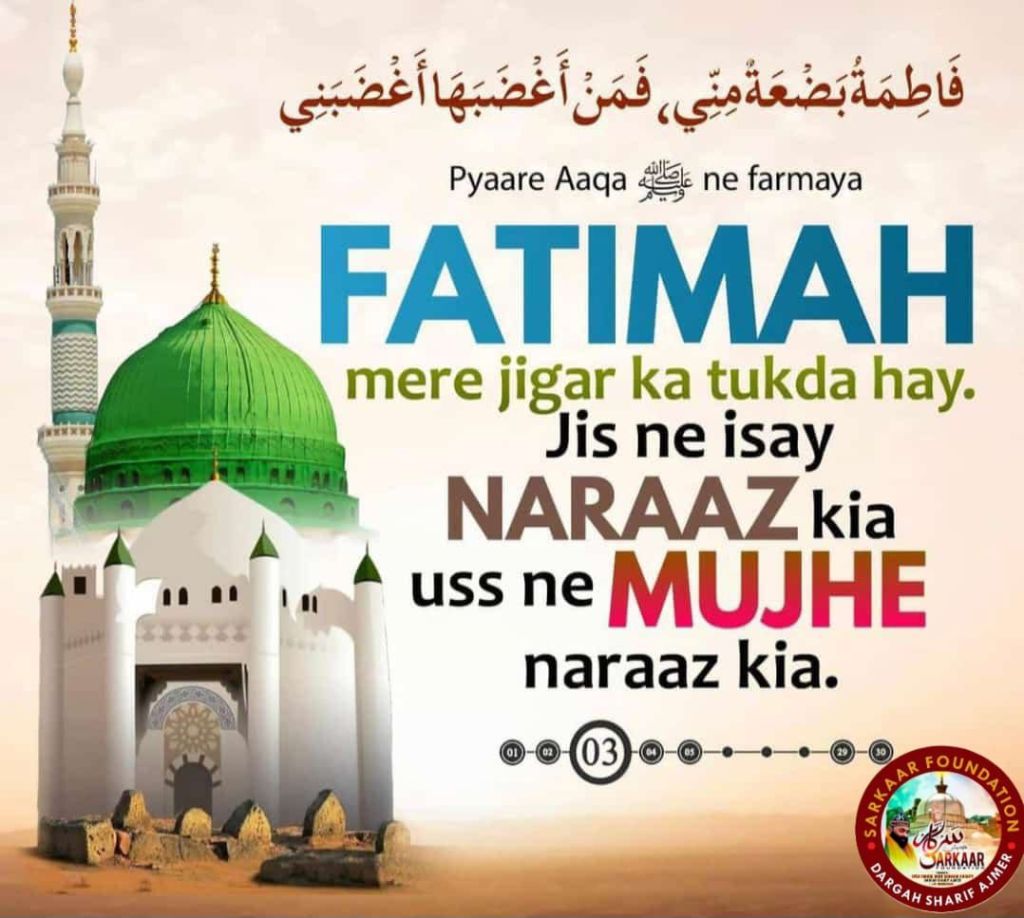
फातेमा ज़हरा (स.अ) की फ़ज़ीलत और इनके मदारिज के सिलसिले में क़ुरान मजीद की आएतें और बेशुमार हदीसें मौजूद हैं इस वक़्त चन्द अहादीस और पैग़म्बरे इस्लाम के बाज़ तरज़े अमल पर इक़तेफ़ा करता हूं। आपका इरशाद है कि फातेमा जन्नत में जाने वाली औरतों की सरदार हैं। तमाम जहान की औरतों की सरदार हैं। आपकी रज़ा से अल्लाह राज़ी होता है जिसने आपको तकलीफ़ दी उसने रसूल (स.अ) को तकलीफ़ पहुंचाई। ख़ुदा ने आपकी बदौलत आपके मानने वालों को जहन्नम से छुड़वा दिया। आप फ़रमाते हैं कि मर्दों में बहुत लोग कामिल गुज़रे हैं लेकिन औरतों में सिर्फ़ चार औरतें कामिल गुज़री हैं। 1. मरयम, 2 आसीया 3. ख़दीजा 4. फातेमा और इन में सब से बड़ा दर्जा ए कमाल फातेमा को हासिल है। उलमा का बयान है कि हज़रत पैग़म्बरे इस्लाम (स.व.व.अ.) आप से इन्तेहाई मोहब्बत रखते थे और कमाल इज़्ज़त भी करते थे। मोहब्बत के मुज़ाहिरों में से एक यह था कि जब किसी ग़ज़वे में तशरीफ़ ले जाते थे तो सब से आख़िर में फातेमा स. से रूखसत होते थे और जब वापिस आते थे तो सब से पहले फातेमा ज़हरा स. को देखने तशरीफ़ ले जाते थे और इज़्ज़तो एहतिराम का मुज़ाहेरा यह था कि जब हज़रत फातेमा आती थीं तो आप ताज़ीम को खड़े हो जाते थे और अपनी जगह पर बिठाते थे।

(तिरमिज़ी जिल्द 2 पृष्ठ 249 मुद्रित मिस्र)

(मतालिब सऊल पृष्ठ 22 मुद्रित लखनऊ)

मुख़्तलिफ़ कुतुब सहा में मौजूद है कि आं हज़रत ( स.व.व.अ.) ने फ़रमाया, फातेमा मेरा जुज़ है जो उसे तकलीफ़ पहुंचाएगा वह मुझे तकलीफ़ पहुंचाएगा। मुवर्रेख़ीन और मुहसीन का इत्तेफ़ाक़ है कि नुज़ूल आया ए ततहीर के बाद सरवरे दो आलम दरे फातेमा स पर 9 माह लगातार बवक़्ते नमाज़े सुबह जाकर आवाज़ दिया करते और फ़रते मसर्रत में फ़रमाया करते थे कि ख़ुदा ने तुम्हें हर तरह की गन्दगी से पाको पाकीज़ा किया है।

(ज़ाद उल उक़बा तरजुमा मुवद्दतुल क़ुरबा मुवद्दत 11 पृष्ठ 100)


Ali AlaihisSalam the Super man part 14 Ali AlaihisSalam and The Ghazawats

The Pilgrimage to Mecca 628 A.D.

In the February of 628 A.D. Muhammad (may peace be upon him) decided to make the customary pilgrimage to Mecca. As the occasion was intended to be a peaceful one a visit to the “House of God,” such as he had not been able to make since the “Emi- gration” of six years before-the Holy Prophet decided All swords to take no more than one thousandi men. were to be sheathed and the wearing of armour of any kind was forbidden. Each man was to wear the two pieces of seamless white cloth that was the traditional garb of a pilgrim.

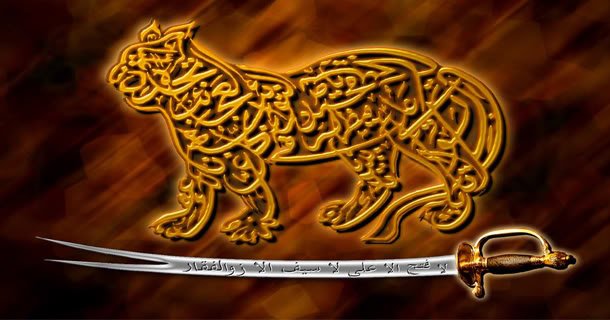
The pilgrims gathered outside Medina and their departure must have been an impressive sight as row upon row of unarmed warriors moved off, mounted on their tall camels, while behind them still more of the zealous followed on foot. At their head was Muhammad (may peace be upon him) riding his famous camel al- Quswa, the same animal on which he had left Mecca for Medina. At his side rode Abu Bakr, the Faithful; Umar, the Fiery, Uthman, the Peace-maker; and Ali, the Lion of God. Also in the front rank were Zaid and Bilal, the famous warriors of Uhud and the battle of Ditch. Bringing up the extreme rear were seventy riderless camels, garlanded and decorated and intended as sacrifices.

As a precautionary measure, Muhammad (may peace be upon him) had sent a scouting force ahead of them but the first stages of the journey passed without anxiety or incident. On reaching Dhul Huleifa, territory adjoining the holy territory of Mecca, the pilgrims burst into passionate utterance, proclaiming joyfully, “Lubbaik-Allahumma, lubbaik-Allahuma” (Here I am, O Lord). So indeed it seemed and the mood of optimism prevailed until they reached Huday- biyah, about three miles from Mecca. Here they halted and made camp and here they received the news that Abu Sufyan had no intention of permitting them to enter Mecca unopposed. Khalid bin Walid Walid and Ikrima bin Abu Jahl were waiting in readiness at the head of the Meccan cavalry.

Abu Sufyan now sent a message to the Holy Prophet in which this old enemy of Islam made it quite clear that he did not believe in the peaceful intentions of the pilgrims. He further recommended that the Prophet would do better to return home than to violate the sanctity of the holy month of pilgrimage by engaging in warfare.

The Holy Prophet did not want war; on the other hand he had no intention of returning to Medina with- out having completed the pilgrimage for which he and his followers yearned so much. Envoys were exchanged and Orwa, the son-in-law of Abu Sufyan was much impressed by what he saw of the Muslims. On his return to the Quraish he informed them that the Holy Prophet was held in the greatest esteem by his followers and that in his majesty and awe he excelled all the emperors of the world. “Believe me” said he, “Muslims fight among themselves to get that cup of water in which Muhammad has dipped his finger. They long to drink it, sprinkle it on the wounds of the sick and disabled and hold everything sacred which has touched his body.” Though much impressed by this report the Quraish were still loath to permit the entry of the Muslims into Mecca. Though virtually unarmed, the band of pil- grims represented to the Quraish the same army that had held them at bay at Badr, Uhud and the Battle of Ditch.

While Muhammad and his followers waited at Hudaybiyah the Quraish continued to hold council round the Ka’bah. Some were for driving Muhammad away by force, a few were in favour of allowing him to perform the pilgrimage, but the majority wanted to prevent him from entering the Ka’bah while still avoid- ing warfare. This led to a stalemate.

Muhammad (may peace be upon him) now sent his son-in-law, Uthman, to treat with Abu Sufyan. Uthman belonged to the family of Umayya to which Abu Sufyan also belonged, and thus was related to the hostile Quraish. It was hoped that kinship coupled with pacific intentions, might succeed in achieving a compromise. Negotiations continued for many days without the deadlock being broken. The Quriash remained adamant: under no circumstance would they allow Muhammad to enter Mecca.

The Pledge

During these protracted discussions a rumour was noised abroad that Uthman had been killed by the Meccans. Greatly perturbed, the Holy Prophet gathered his followers together and asked them to pledge themselves to avenge Uthman’s murder. One by one they came up to their master and there, under the shade of a palm tree, they put their hand in his and took a solemn oath of renewed allegiance to the Holy Prophet. Some little time later Uthman reappeared to an- nounce the failure of his mission. With him was Soheil bin A’mr, an eminent citizen of Mecca whom the Meccan’s had sent to negotiate a treaty with the Muslims.

Soheil bin Amr had been a persecutor of Muhammad from the very earliest days when the Holy Prophet had first begun publicly to preach Islam. He had fought against him at Badr where he had been taken prisoner and ransomed by Muhammad. Now he and the Holy Prophet were to meet again.

After a lengthy discussion Soheil and Muhammad managed to come to terms. These were to be embodied in a treaty which Soheil, as Meccan plenipotentiary was fully empowered to ratify. This was the treaty of Hudaybiyah.

The Treaty of Hudaybiyah

As soon as the terms had been settled Muhammad called upon Ali to set them down in black and white, Muhammad started to dictate and, using the usual Muslim formula, he said:-

“In the name of God, these are the conditions of agreement between Muhammad, the Apostle of God and
Immediately Soheil objected to the preamble and refusing to acknowledge Muhammad as Prophet said angrily, “Had I taken you as God’s apostle, I would never have fought against you. It is not an opportune moment to raise this controversial point. It would be better to write in the usual Arab fashion-your name and that of your father’s.

At this a murmur arose from the Muslim pilgrims who had been eagerly following the discussion, but the Holy Prophet calmly asked Ali to erase the clause “Prophet of God” to which objection had been taken by the other party. The  Ali could not bring himself to do this and, greatly enraged by Soheil, said, “I swear by the Almighty God that I will not delete it.” The Holy Prophet then rubbed out these words himself. The rest of the document was quickly com- pleted and Ali was ordered to make a duplicate copy of it. Abu Bakr, Umar and Uthman signed it as witnesses for the Muslim side, and Huweitib-ibn Abd-al-Ozza and Mirqraz ibn Hafs put down their signatures for the Meccan side. A note to the effect that the treaty had been transcribed by Ali was added at the end of the deed, and a clay seal was fixed to it.

By the terms of the treaty it was agreed that the Muslims should return immediately to Medina but that they could perform the pilgrimage the following year. During the period the Meccans would evacuate the city for three days and camp outside its walls. The Muslims would come unarmed, save for a sword each, which they could carry for self-defence. It was further agreed that a ten years truce would be made between the Meccans and the Muslims. During this period the Muslims guaranteed to let the Meccan caravans pass without let or hindrance through their territory. It was also agreed that any Meccan who escaped to Medina to accept Islam would be handed back to the Meccans.

For the time being warfare was avoided and peace prevailed. Turning their backs on Mecca, the Muslim pilgrims returned to Medina, there to find themselves once more threatened, this time, by their implacable enemies the Jews.