चौदह सितारे पार्ट 32

हज़रत फातेमा (स.अ) का निज़ामे अमल
शौहर के घर जाने के बाद आप ने जिस निज़ामे ज़िन्दगी का नमूना पेश किया वह तबका ए निसवां के लिए एक मिसाली हैसीयत रखता है। आप घर का तमाम काम अपने हाथों से करती थीं। झाडू देना, खाना पकाना, चरखा कातना, चक्की पीसना और बच्चों की तरबीयत करना यह सब काम और अकेली सय्यादा ए आलम, लेकिन न कभी तेवरी पर बल आते थे और न कभी शौहर से मददगार न ख़ादमा की फ़रमाईश की। फिर जब 7 हिजरी में पैग़म्बरे ख़ुदा ( स.व.व.अ.) ने एक ख़ादमा अता की जो फ़िज़्ज़ा के नाम से मशहूर हैं, तो रसूल अल्लाह ( स.व.व.अ. ) की हिदायत के अनुसार सैय्यदाए आलम फ़िज़्ज़ा के साथ एक कनीज़ का सा नहीं, बल्कि एक अज़ीज़ रफ़ीक़ कार जैसा बरताव करती थीं और एक दिन घर का काम ख़ुद करती थीं। दरअस्ल यह मसावाते मोहम्मदी की आला मिसाल हैं। (सैय्यदा की अज़मत, मुसन्नेफ़ मौलाना कौसर नियाज़ पृष्ठ 5 )

फातेमा (स.अ ) और पर्दा

आप ने औरतों की मेराज पर्दादारी को बताया है और ख़ुद भी हमेशा इस पर आमिल रही हैं और इतनी सख़्ती के साथ कि मस्जिदे रसूल (स.व.व.अ.) बिल्कुल मुतास्सिल क़याम रखने और मस्जिद के अन्दर घर का दरवाज़ा होने के बावजूद कभी अपने वालिदे बुज़ुर्गवार के पीछे नमाज़े जमाअत में शिरकत या आपके मौवाएज़ के सुनने के लिए भी मस्जिद में तशरीफ़ नहीं लाईं। एक मरतबा पैग़म्बर (स.व.व.अ.) ने मिम्बर पर यह सवाल पेश फ़रमा दिया कि औरत के लिये सब से बेहतर क्या चीज़ है? यह बात जनाबे सैय्यदा (स.अ) तक पहुंची, आपने जवाब दिया, औरत के लिये सब से बेहतर यह बात है कि न इसकी नज़र किसी ग़ैर मर्द
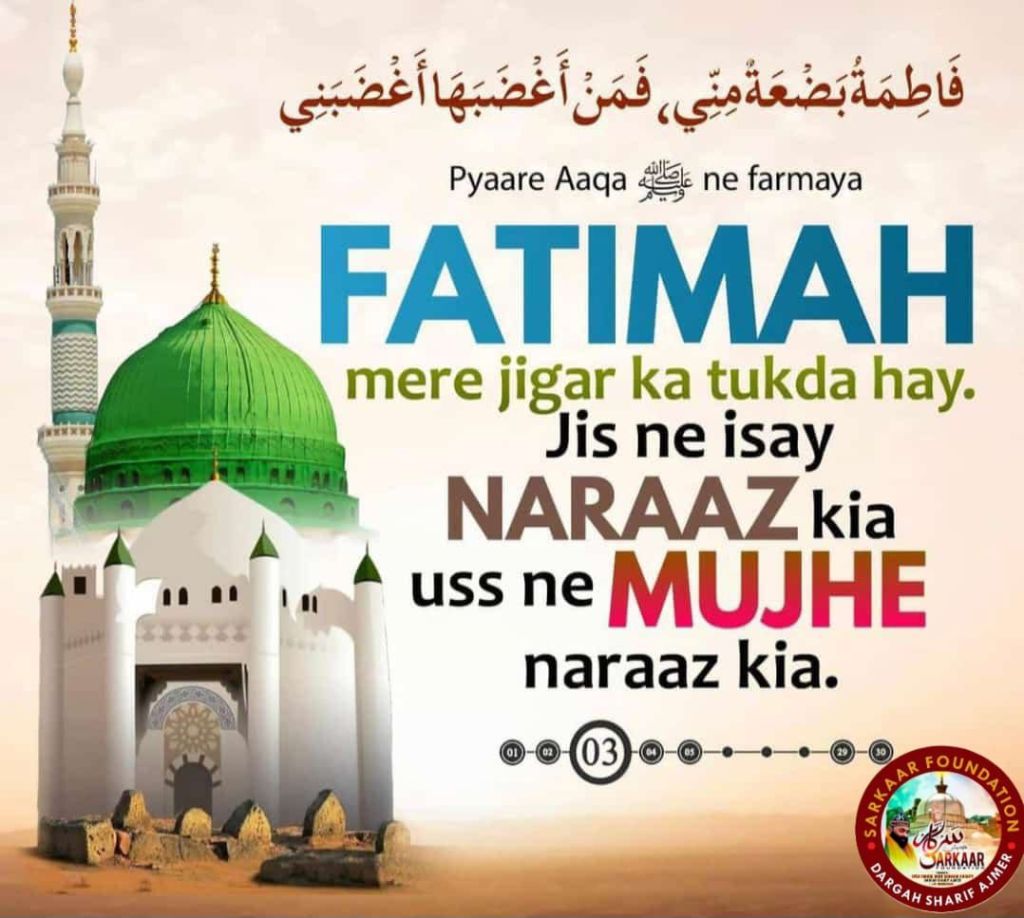
पर पड़े और न किसी ग़ैर मर्द की नज़र उस पर पड़े। रसूल (स.व.व.अ.) के सामने यह जवाब पेश हुआ आपने फ़रमाया, क्यों न हो फातेमा मेरा ही एक जुज़ है।

जनाबे सैय्यदा (स.अ) का जिहाद

इस्लाम में औरत का जिहाद मर्द से अलग है इस लिए सैय्यदा (स.अ) ने कभी मैदाने जंग में क़दम नहीं रखा मगर रसूल (स.व.व.अ.) जब कभी ज़ख़्मी हो कर घर वापस तशरीफ़ लाते थे तो पैग़म्बर (स.व.व.अ.) के ज़ख़्मों को धुलाने वाली, और अली अ0 जब ख़ून में डूबी तलवार ले कर आते थे तो उनकी तलवार को साफ़ करने वाली फातेमा ज़हरा ही होती थीं। एक मरतबा नुसरते इस्लाम के लिए मैदान में गईं मगर उस पुर अमन मामले में जो नसारा के मुक़ाबले में हुआ था और जिस में सिर्फ़ रूहानी फ़तेह का सवाल था। इस जिहाद का नाम मुबाहेला है और इस में पर्दा दारी के तमाम इमकानी तक़ाज़ों की पाबन्दी के साथ सैय्यदा ए आलम बाप बेटों और शौहर के बीच मरकज़ी हैसीयत रखती थी।

(वसाएल अल शिया जिल्द 3 पृष्ठ 61)

हज़रत फातेमा (स.अ) और उमूरे ख़ानादारी

औरतों का जौहरे जाती शौहरों की ख़िदमत और अमूर ख़ाना दरी में कमाल हासिल करना है। फातेमा ज़हरा ( स.अ ) ने अली (अ.स) की ऐसी ख़िदमत की कि मुश्किल से इसकी मिसाल मिल सकेगी। हर मुसीबत और तकलीफ़ में फ़रमा बरदारी पर नज़र रखी और अगर मैं यह कहूं तो बेजा न होगा कि जिस तरह ख़दीजा (स.अ) ने इस्लाम और पैग़म्बरे इस्लाम की ख़िदमत की, इसी तरह बिन्ते रसूल (स.अ ) ने इस्लाम और अली अ0 की ख़िदमत की, यही वजह है कि जिस तरह रसूले करीम (स.व.व.अ.) ने ख़दीजा (स.अ) की मौजूदगी में दूसरा अक़द नहीं किया हज़रत अली अ0 ने भी फातेमा (स.अ.) की मौजूदगी में दूसरा अक़द नहीं किया। (सवाएक़े मोहर्रेका पृष्ठ 85 व मुनाक़िब पृष्ठ 8 ) हज़रत अली अ0 से किसी ने पूछा के फातेमा (स.अ) आप की नज़र में कैसी थीं? फ़रमाया ख़ुदा की क़सम वह जन्नत का फूल थीं। दुनियां से उठ जाने के बाद मेरा दिमाग़ उनकी ख़ुशबू से मुअत्तर है।

उमूरे ख़ानदानी में जनाबे सैय्यदा आप ही अपनी नज़र थीं। 7 हिजरी तक आप के पास कोई कनीज़ न थी। कनीज़ न होने की सूरत में घर का सारा काम ख़ुद करती थीं, झाडू देती थीं, पानी भरती, चक्की पीसती थीं, आटा छानती थीं, आटा गंधी थी, तनूर जलाकर रोटी पकाती थीं। हज़रत अली (अ.स) सवेरे उठ कर मस्जिद चले जाते थे और वहां से मज़दूरी की फ़िक्र में लग जाते थे। फ़िज़्ज़ा के
आ जाने के बाद काम बांट लिया गया था। बल्कि बारी बांट ली थी। एक दफ़ा सरकारे दो आलम ( स.व.व.अ.) ख़ाना ए सैय्यदा स में तशरीफ़ लाये। देखा कि सैय्यदा गोद में बच्चे को लिये चक्की पीस रही हैं, फ़रमाया बेटी एक काम फ़िज़्ज़ा के हवाले कर दो। अर्ज़ की बाबा जान ! आज फ़िज़्ज़ा की बारी का दिन नहीं है। ( मनाक़िब पृष्ठ 14)

Ali AlaihisSalam the Super man part 13 Ali AlaihisSalam and The Ghazawats


Operations against the Banu Qureiza

The Jewish tribe of the Banu Qureiza had settled towards the eastern side of Medina in a fortified strong- hold. By the Medina charter, which they had signed, they had entered into an offensive and defensive alliance with the Holy Prophet. We have seen that when the Muslims fought the battle of the Ditch, the men of the Banu Qureiza had entered into treasonable correspon- dence with Abu Sufyan, the Meccan invader. They had also rendered active help to the Meccans and they would have assisted in the massacre of the Muslims if information about their treachery had not reached the Holy Prophet in time.

After the departure of the Meccan army, Muham- mad immediately laid siege to them, common sense warning him not to leave so dangerous an enemy at large in his midst. The siege lasted twenty five days. During this while, Ali, who was in command of the operations against the Queriza, reduced them to such straits that starvation stared them in the face. He then led an assault on their stronghold, capturing it so
quickly that he was able to offer his afternoon prayers in the compound of the citadel. In the parley that followed, the Jewish leaders suggested that the arbitra- tor should be one of the chiefs of the Banu Aus, a tribe which had formerly been in alliance with the Banu- Queriza. To this proposal the Holy Prophet magna- nimously agreed and both parties finally selected Sa’d bin Ma’ad to hear the case and pronounce his judgment. After a formal trial Sa’d found the Jews guilty of high treason, and pronounced sentence on them accordingly. The men were put to death, while their women and children were to be taken as slaves. Ali was then entrusted with the duty of seeing to their execution.”

The Qur’an refers to this operation in Chapter XXXIII, where God says:

25. And Allah repulsed the disbelievers (the Mec- can pagans) in their wrath; they gained no good. Allah averted their attack from the believers; and God sufficied the believers in fighting. Allah is ever Strong and Mighty. 26. And He drove down from their fortresses those of the followers of the Book (Jews) who sup- ported them (the Meccan Pagans) and he cast awe in their hearts; some ye killed and others. you took captive. 27. And He caused you to inherit their land and their houses and their wealth, and land that ye have not trodden. Allah is ever able to do (Qur’an 33: 25-27).

all things.”

Operations against the Banu Mustalik, 627 A.D.

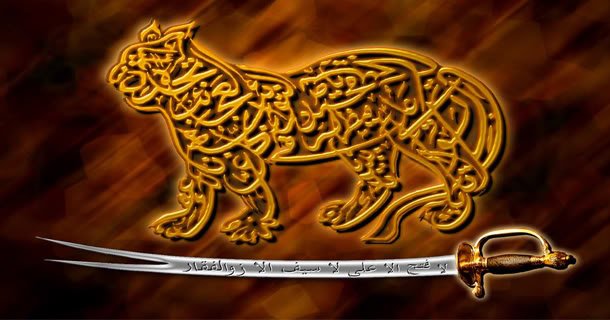
In 627 A.D. the Jewish tribe of Mustalik entered into an offensive alliance with the neighbouring tribe of the Banu Khuz’za, both agreeing to make common cause against the Muslims. When the news of this unholy alliance reached the Holy Prophet’s ears, he deputed his famous followers, Boreda, to make contact with the people of the Banu Mustalik and to send him all the information that he could collect. Boreda went to the headquarters of the Banu Mustalik, where he soon discovered that the tribe had hostile designs. The Holy Prophet then marched into the territory of the Banu. Mustalik, at the head of an army, Ali accompanying him, as always, and bearing the standard. The Muslim army was able to advance far into the territory of the Banu Khuz’za without having to strike a single blow, for Ali’s reputation as a warrior had preceded him, striking terror into the heart of the tribesmen who fled from the approaching “Lion” of the Muslims. Indeed all the warriors of the Banu Khuz’za deserted leaving the Banu Mustalik to face the army of the Holy Prophet on their own.

In the single combats that were fought as a pre- liminary to the general battle, Ali crossed swords with Quttada, the Jewish leader of the tribe, who was killed. After this the Jewish leader, Malik, confronted Ali, but he too was slain. After the death of Malik, his son came out to avenge his father’s death, and met the same inevitable doom as his father. This disheartened the Jewish tribe. They laid down their arms and agreed to pay tribute.

Operation against the Banu Sad, 627 A.D. (Surya-i-Fidak)

The same year saw Jewish conspiracies with the Banu Bakr and the Banu Sad. The Holy Prophet sent Ali on a punitive expedition which is sometimes referred to as the “Surya-i-Fidak” by the Arab writers, the term “Surya” being used to denote a Holy War in which the Holy Prophet did not participate in person, unlike “Ghazawat” which refers only to those campaigns that wercledby the Holy Prophet himself. On this occasion Ali was given a hundred men and deputed by Muhammad ﷺ (may peace be upon him) to subdue Fidak. A series of forced marches, conducted at night to conceal his movements, quickly brought Ali within reach of the objective. The news that it was Ali who was their opponent struck such terror into the hearts of men of Fidak that they fled wit hout giving a battle.

The chiefs of the Banu Sad waited upon Ali to seek forgiveness. A treaty was drawn up, by the terms of which Fidak was to be incorporated in the Muslim territory. The men of the Banu Sad further agreed to give Ali 100 camels and 2,000 sheep as tribute, for sale and distribution amongst the Muslim soldiers.

Fidak was later to become a bone of contention. The Holy Prophet is said to have given it to Ali in fief and it was claimed by Fatima AlaihisSalam after her father’s death. Abu Bakr, as Caliph, tried the case but dismissed it.