Invoking Allâh (Du’â’) for rain ((Istisqâ’ prayer):
Imâm al-Bukhârî narrated on the authority of ‘Anas Ibn Mâlik who said: “A man came to the Nabi Pakﷺ and said: “O Messenger of Allâh! Livestock have been destroyed and the roads are cut off, so please supplicate for rain”. The Messenger of Allah made Du’â’ and it rained from that Friday to the next Friday. The man came again to the Nabi Pakﷺ and said: “O Messenger of Allâh! Houses have collapsed, roads are cut off and livestock are destroyed. Ask Allâh for us to make it stop”. So The Nabi Pakﷺ said: “O Allâh make it rain upon the hills, small mountains, bottoms of the valleys and the plantations”. So the clouds cleared away from Madinah just as when clothes are removed”
Imâm al-Bukhârî also narrated on the authority of ‘Anas Ibn Mâlik who said: “During the lifetime of the Nabi Pakﷺ a drought affected the area of Madinah and its surroundings. So while the Nabi Pakﷺ was delivering the Friday sermon, a man entered the mosque and said: “O Messenger of Allâh, our wealth has been destroyed and our offspring are hungry so please invoke Allâh to bless us with rain”. So Allâh’s Messenger raised both his hands towards the sky, and at that time there was not a trace of cloud in the sky. By Allâh, no sooner had Allâh’s Messenger lowered his hands than the clouds started gathering like mountains. Before he got down from the pulpit I saw rain-water trickling down his beard. It rained that day, the next day, and the third, till the next Friday, when the same Bedouin or some other person stood up (during the Friday Sermon) and said: “O Allâh’s Messenger! The houses have collapsed and the livestock are drowned. Please invoke Allâh for us”. So Allâh’s Apostle raised both “.his hands and said: “O Allâh! Around us and not upon us”. Whichever side the Nabi Pakﷺ directed his hand, the clouds dispersed from there till a hole (in the clouds) was formed over Madînah. The valley of Qanât remained flowing (with water) for one month and none, came for outside the area) except that he talked about the abundance rain”.
During the conquest of Makka, the Qureish had laid down arms in front of the Prophet of Islam (s.a.) and then the fear of the Muslims got rooted in the minds of the Infidel tribes of Arabia. Most of them sought amnesty from the Muslims. But the naughty tribes of Bani Hawazan and bani Saqeef were still rebellious. They were still planning to be mischievous. One of the chiefs of Bani Hawazan, Malik ibne Auf Nasri, colluded with Bani Jasm and Bani Nasr to raise an army for a result oriented battle with the Muslims. Bani Saqeef who had once stoned away the Prophet (s.a.) from Taef joined hands with them. Malik ibne Auf also sent word to Bani Saad to join hands with them. Bani Saad didn’t agree with the offer saying that Mohammed (s.a.) had his upbringing with them and they wouldn’t like to fight with him. But some of their men did join the collaborators. The size of the army reached a total of 5,000. Maalik ibne Auf was named the Commander-inchief and Abu Jarol the standard bearer. They started on the campaign along with their families, children and flocks of animals! In this army was the famous warrior of Arabia, Dareed ibne Saama. His age at the time was 120 years but he was brought sitting in a litter on the back of a camel to make use of his vast experience of planning the strategies of battle. When the army halted at the Valley of Awtas he said that the place will be suitable for the movement of horses and also for undertaking combats! He also said that the place was neither too soft nor very stony. At that moment he heard the sound of children crying.and the sheep maying. He enquired of Malik ibne Auf about the sounds. He informed that women and children too were there with the army. He asked, why they were brough with the troops? He was told that with the families and children along, no one will think of showing his back to the battle field! He said that when the fear of the enemy dominates the minds of the troops, nothing can stop them from running away! If defeat was faced in these circumstances, the shame will not leave them for ever! Then he asked, “Are Bani Kalab and Bani Kaab too with you?” He replied that they had not joined with them. The old man said that if luck had favored them, they too would have joined the army! He expressed his frank opinion that they return to their respective habitations! If then the Muslims attacked them, they would be able to defend themselves and other tribes too might come to their rescue against the aggressors. Malik didn’t agree with his advice. Dareed said that then he wouldn’t have anything to do with the campaign! In fact Malik didn’t want his interference because he would claim credit if the battle was won by them! Therefore, rejecting a wise suggestion, the troops advanced forward to fight!
When the Prophet (s.a.) learned that Bani Hawazan and Bani Saqeef were advancing for a battle with the Muslims, he deputed Abd Allah ibne Hadard to reconnoiter about their movements. He returned after his investigations and reported to the prophet (s.a.) that their intention to battle was very evident and that the Muslims must be ready to repulse their attack. The Prophet (s.a.) called Hazrat Omer and told him what he had heard from Ibne Abi Hadard. Omer said Ibne Abi Hadard cannot be trusted because he is a liar. At this point Ibne Abi Hadard addressed Omer and said:
“O Omer!
If you are refuting me,
you were used to refuting the Truth in the past”
Ref: Tariq e Tabari, Vol 2, Page 346
The Prophet (s.a.) trusted the intelligence of Ibne Abil Hadard and ordered the troops to be in readiness. They loaned from Safwan ibne Omayya, who hadn’t still embraced Islam, a hundred armors and other equipment of war and on 8 Shawwal 8H moved with 12,000 troops. In this contingent there were 10,000 persons who had accompanied him from Madina. The other 2,000 were the recent converts from Makka. The numerical strength was thrice as much as that of the Infidels. This has created a subtle feeling of pride among the Muslims. Therefore seeing the strength of the army of Islam, Hazrat Abu Bakr said, “Today we shall not face defeat because of paucity of numbers!” The enemy arrived at the Valley of Hunain and entrenched the men in the crevices and passages of the passages of the hills Hunain is a valley lying on the hills between Makka and Taef and had plain grounds on one side and ravines and ditches on the other. When the Muslims reached the. Valley of Hunain in the morning, and advanced on the difficult and sloping terrain, the enemy started throwing stones and arrows on them. The Muslims didn’t expect this sudden attack on them. Pandemonium broke out in the troops. First the muqaddamat al Jaish ( the Front Guard) flew! The commander of the group was Khalid ibne Walid!! When those coming from behind saw Khalid running away, they too took to their heels! The pandemonium was such that no one bothered about the others. They were all running helter skelter. Abu Qatada who was
one of the deserters said:
“The Muslims flew!
I too flew with them.
Suddenly I noticed Omer Ibne Khattab among the deserters
I asked him,
‘What has happened to the people?’
He replied,
‘It is Allah’s Wish!””
Ref: Sahih Bukhari, Vol 3, Page 45
The books of Hadith and Seerat certainly recorded about this flight, but the Holy Quran too records the incident thus:
“And remember the Day of Hunain
when large numbers made you proud!
But the numbers didn’t benefit you in any way,
and the land, inspite of being wide,
became narrow for you
and you fled turning your backs (to the battle field)!”
When Abu Sufian saw the Muslims running away he said, “Wait! When they are vanquished, they will run to the sea shore!”. Kalda ibne Hanbal said, “Today the spell of Islam has been broken!” Some said that Laat and Manat had avenged their destruction! Although they were in the army of Islam, but their hearts were not with them. They would certainly have showed their backs if defeat looked into their faces. But the surprising fact was that those who were there at the Bayt e Rizwan and swore to lay down “It is true that I am the Prophet (s.a.)
their lives for the Cause chose to fly! Within no time a major portion of the 12,000 men vanished in thin air! Very few persons remained with the Prophet (s.a.). According to one narration, only four persons, Ali (a.s.), Abbas ibne abd al Mutallib, Abu Sufian ibne Harit and Abd Allah ibne Masood remained steadfastly with the Prophet (s.a.). According to another narration there were ten persons with him, viz: Ali Ibne Abi Talib (a.s.), Abbas ibne Abd al Mutallib, Fazal ibne Abbas, Abu Sufian ibne Harit, Rubiah ibr Harit, Abd Allah ibne Zubair ibne Abd al Mutallib, Otba and Mautab sons of Abu Lahab and Aiman ibne Obaid. The Prophet (s.a.) was astride a pony in the battle field. Abbas and Fazal were standing on the right and left of him. Abu Sufian was at the back holding the saddle of the mule and Hazrat Ali (as.) was in the front meeting the attacks of the enemy with his sword. The other persons formed a protective circle around the Prophet (s.a.). The enemy’s pressure increased every moment. Malik ibne Auf came forward to attack the Prophet (s.a.). Aiman ibne Obaid countered his attack and was martyred defending. The history records that in the moment of trial the Prophet (s.a.) was the most steadfast. He had these words on his lips:
I am the son of Abd al Mutallib!”
When he saw the Muslims deserting the theatre of war, he turned left and right, and called them:
“O Allah’s Creatures!
Where are you heading to?”
When he found none heeding his call, he turned to his uncle, Abbas, and asked him to call the deserters in a loud voice. Abbas shouted at the top of his voice:
“O men of Ansaar!
O those who were present at
The Bayt e Rizwan!”
On this call some of the deserters came back. Hazrat Ali (a.s.) gathered them under his Standard and advanced to attack the enemy. On the other side the enemy too was alert. Both the sides attacked each other with swords. Sparks came out of the clashing swords. The Prophet (s.a.) said: “The oven of battle is hot now!”
The Standard Bearer of Bani Hawazan, Abu Jarol was riding on a camel. He was waving his black flag and attacked reciting martial poems. Hazrat Ali (a.s.) was looking for a chance to attack him. From the back he hit the legs of the camel with his sword. The camel fell down and Abu Jarol wasn’t able to keep his balance. At that moent Ali (a.s.) gave him such a blow that he was cut into two. With the killing of Abu Jarol the morale of the enemy sank low. Their men started running away. The deserters from the Muslim army who were hiding themselves in the crevices of the hills came back.and attacked the enemy in unison. Some of the enemy men were killed and others were taken captive. The fight was on when the time for meals arrived. The Prophet (s.a) said that they should stop fighting now and those taken captive should not be executed. But despite thisorder two of the captives were killed. One of them was Ibne Akwa who was functioning as a detective for Bani Hazeel during the campaign for conquest of Makka. When Hazrat Omer found him helpless, he motionedto an Ansari to slay him. The other person killed wa Jamil ibne Maamar. He too was killed by an Ansari. When the Prophet (s.a.) asked for an explanation from him, he said that Omer had prompted him to kill the person. The Prophet (s.a) said that he had personally asked them not to kill the captives, looked angrily at Omer and turned away his face! After some days, on the intervention of Umair ibne Waheb, the Prophet (s.a.) overlookd that act of Omer. Similarly, the Prophet (s.a.) was disturbed at the killing of a woman..Looking at her dead body, he asked who had killed her? The people informed that it was Khalid ibne Walid who killed her. He asked the persons to go to him and tell:
“The Prophet of Allah (s.a.)
prohibits you from slaying
women, children and laborers.”
Ref: Tareeq e Kamil, Vol 2, Page 180
The war was over but the Muslims continued to chase the infidels. They took custody of the enemy’s animals and materials. They took lot of prisoners of war, among whom were women and children. The Prophet (s.a.) wanted one person, Behad,to be apprehended alive. Therefore the Muslims held him and his family members. Among the captives was Sheema binte Harit, who was the prophet (s.a)’s sister by the virtue of her mother being his foster mother during his childhood. When she was put to hardship by the Muslim troops, she told them that she was their Prophet (s.a.)’s foster sister. They didn’t believe it and brought her to the presence of the Prophet (s.a.). She said, “I am Sheema., your foster sister! Once you had bitten my back in your childhood! The mark is still there! “The Prophet (s.a.) recognized her and made her sit on his own quilt. He asked her, “Would you like to live with us, or do you wish to return to your own tribe?” She preferred to get back to her triber. The prophet (s.a.) gave her a slave, one camel and some sheep and sent her. away with respect.
During this campaign four Muslims were martyred and seventy infidels were killed. Thousands were taken captive. They got large amount of booty of war. In that there were 24,000 camels, 40.000 sheep and lot of silver. The captives and the booty were left in the charge of Badeel ibne Warqa Qazaee at the valley foJaarana. Those who were able to escape with their lives went to Taef. The Chief of Bani Hawazan, Malik ibne Auf was among the fugitives who reached Taef. One group went to Autas and another reached Naqla.
Ghazwa e Hunain was a big trial for the Muslims. In the beginning they were unable to meet the sudden attack of the enemy. They were under the illusion of the large force they had. If they had exercised care and forethought to the possibility of the enemy troops attacking from the caves and crevices, they wouldn’t have faced the initial setbacks. There was also a group of the capitulators of the campaign for conquest of makka who were not wholeheartedly participating in the battle. If, during this battle, the prophet (s.a.) and his near relations were not steadfast, the battle was nearly lost..
In this victory too, Hazrat Ali (a.s.) played the major part. He never left the company of the Prophet (s.a.) for a moment and was fighting the enemy like a shield for his Master. It was his example that brought back many a deserter to the battle field!
अन्य विशेषताओं की भांति आप का आचरण भी उत्तम तथा अति सुन्दर था । इन्नक लअला खुलकीन अजीम (बेशक तेरे लिए उच्चत्तम आचरण है) को पूरी झलक आप के व्यक्तित्व में पायी जाती थी। जो भी आप के गौरव मयी चौखट पर आता आप के सुन्दर स्वभाव तथा उत्तम व्यवहार से प्रभावित होकर आप का हो जाता। आप समस्त प्राणियों से अत्यधिक स्नेह तथा प्रेममयी व्यवहार करते थे। मिलने वाले लोग आनन्द विभोर हो उठते थे । चेलों के उपस्थित होने पर आप खड़े होते, हाथ मिलाते तथा भेंट अंकवार भी करते थे। साथ ही घर के सभी लोगों की कुशल भी पूछ लेते थे। यदि सफर की हालत में किसी नगर या इलाके का कोई मिलता तो उससे वहाँ के लोगों का हाल जरूर पूछते थे । चेलों अथवा सेवकों में से यदि किसी से कोई त्रुटि या गलती हो जाती तो आप उसे अनदेखी कर जाते थे। यदि कोई किसी के पीछे-पीछे शिकायत करता तो आप शिकायत करने वाले को सांत्वना देते थे और निन्दनीय पर गर्म होते थे किन्तु जब वह व्यक्ति जिसकी • शिकायत हुई थी हुजूर के सामने आता तो आप उससे कुछ भी न कहते फिर भी आप कुछ नपे-तुले शब्द उससे जरूर कहते थे। जिनसे वह व्यक्ति लज्जित हो जाता और पापों का प्रायश्चित कर लेता था। इन सबके पश्चात् आप उस पर इतनी दया करते कि शिकायत करने वाला देखकर चकित हो जाता था। चाहे कोई कितना ह गल्ती किए हो तथा आप क्रोधित से दिखायी भी पड़ते हो किन्तु आप के समक्ष आने पर गजब से पूर्व आप की दया उसको ढक लेती थी । यदि किसी की बात पर आप नाराज होते तो वह आप के सामने से चला जाता था। पुन: थोड़ी देर बाद वह आप के सामने आता तो आप अपनी नाराज़गी पर खेद करते तथा कुछ न कुछ उसको जरूर प्रदान करते थे। आपका हृदय दर्पण था सब कुछ उसमें दिखाई देता था। सबका वाह्य और अंत आप देखते थे फिर हर व्यक्ति की बात आप स्वीकार करते थे। कभी कोई यह जान नहीं पाया कि आप ने उसकी बात नहीं माना है। आप अपने सामने किसी को लज्जित नहीं होने देते थे । वास्तविकता यह हैं कि आप दया-दान के भण्डार तथा कृपा के सिन्धु थे। प्रत्येक दशा में भक्तों-सेवकों पर एक समान दया-प्रेम तथा सहानुभूति रखते थे। कभी किसी को सजा देना पसन्द तक
नहीं करते थे। बड़े-बड़े दोषों को तुरन्त क्षमा कर देते थे । हुजूर वारिस पाक स्वभावतः अत्यन्त कृपालु – दयालु तथा दानी थे। प्रत्येक लोगों से प्रसन्नचित्त तथा मुस्कराते हुए मिलते थे। दुखियों पर विशेष ध्यान देते, आपके पास उपस्थित लोग कभी यह नहीं जान पाये कि सरकार की कृपा दृष्टि किस पर अधिक अथवा कम है। सभी अपने को गौरवान्वित समझते थे। इटावा की एक घटना है हुजूर किसी मकान में जा रहे थे। रास्ते में दर्शनार्थियों की बहुत भीड़ थी। लोग धक्के खा रहे थे। इसी बीच एक व्याकुल- आदमी भागता दौड़ता आपकों ओर आ रहा था। सेवकगण ने उसे पीछे हटा दिया उसने दीवार पर सर दे मारा। हुजूर ने देखा और स्वयं उसके पास जाकर खडे हो गये। उस व्यक्ति ने चरण चूमा और रोने लगा। थोड़ी देर बाद आपने उससे जाने की स्वीकृति चाही और कहा ‘अगर तुम इजाजत दो तो हम चले जायें। जब उसने विदा किया फिर आप आगे पधारे हाजी मुहम्मद शाह साहब वारसी ब्यान करते है कि एक बुजुर्ग हमको सफर में मिले जो हुजूर वारिस पाक के शिष्य थे। उन्होंने अपने चेला बनने की घटना बतायी। उनके द्वारा हमने हुजूर के आचरण और स्वभाव की बड़ाई सुनी थी मेरे विचार में आया कि इसका अनुभव करना चाहिए। मैं देवा शरीफ हाज़िर हुआ। लगभग साठ-सत्तर बार इधर से उधर चलते हुए सलामों अलैक करता रहा। हुजूर पाक मुस्कुराते रहे तथा बार-बार आपके पुनित हाथ सलाम के जवाब में उठते रहे।मुझसे पूछा तक नहीं कि कौन हो ? क्यों आये हो तथा ऐसी हरकत क्यों कर रहे हो ? मैं खुद लज्जित हुआ और आप के चरणों में गिर गया। आपके हाथों पर बैय्यत कर लिया अर्थात शिष्य हो गया।
सरकार वारिस पाक अपने छोटे-बड़े, अदना-आला सभी चेलों की सेवा सत्कार करने तथा सबकों सांत्वना देने में अपनी मिशाल आप थे। किसी का दिल तोड़ना आप पसन्द नहीं करते थे। यदि आप किसी के घर जाते होते और बीच रास्ते में दूसरा कोई आप को रोकता तो आप रूक जाते और उसके घर तक चलें जाते थे । वृद्धावस्था में जब आप रेल द्वारा सफर करते तो आप का हाथ लोगों के सलाम के जवाब में बराबर उठता रहता था। जहाँ तक दृष्टि सफल होती देखा जाता था कि आपका सिर खिड़की से बाहर और हाथ सलाम के लिए बाराबर उठता रहता था। सरकार वारिस पाक की दया दृष्टि तथा दान बृत्त अपने चेलों के प्रति बराबर बनी रहती थी चाहे कोई दूर हो अथवा निकट। जब कोई चेला आप से कहता कि मैं अमुक स्थान पर नौकरी के सम्बन्ध में जा रहा हूँ तो आपकी आँखें आंसुओं से भर जाती थी। जब कोई आपका मुरीद किसी कष्ट अथवा कठिनाई में होता तो आप अपने बिछौने पर बेचैन हो जाते, करवट बदलने लगते, व्याकुलता में उठने-बैठने लगते थे। उपस्थित गण सोचने लगते थे कि कहीं कोई परेशान हो रहा है। कुछ दिनों पश्चात् जब पता चलता तो देखने वाले कारण तक पूछते थे। आप अपने प्रेमियों की व्याकुलता से बेचैन हो जाते। इस सम्बन्ध में कुछ आगे अंकित घटनायें पाठकों को अवश्य मिलेगी।
आप का आचार-विचार इतना उत्तम था कि आज संसार में कोई भी व्यक्ति ऐसा हो जिसको यह कहने का अवसर मिले कि सरकार वारिस पाक हमसे रूष्ट अथवा नाराज़ थे। आगन्तुक व्यक्तियों के खाने-पीने तथा आराम का बहुत ध्यान रखते थे। आप मिलने वालों से खड़े होकर मिलते थे। जब बुजुर्ग और आलिम आपसे मिलने आते तो आप सच्चाई और प्रेम के साथ उनसे मिलते थे। उनका आदर-सत्कार करते थे। जब आपको मालूम होता कि कोई बुजुर्ग तपस्या के निमित्त कहीं बैठ गये हैं और वह अपना स्थान नहीं छोड़ सकते हैं तो आप खुद जाकर उनसे मिल आते थे। आप इस सीमा तक पहुँचे हुए थे कि अपने-पराये का शब्द तक भी जुबान पर नहीं आता था। क़ुरआन पढ़ने वालों तथा याद करने वालों और अरब निवासियों को आप विशेष सम्मानित करते थे। सफर खर्च के साथसाथ मिठाई, एहराम और अन्य वस्तुऐं भी प्रदान करते थे। आप इस प्रकार कहतेथे ‘हमारा तुम्हारा खून एक है।’ ‘हम तुम एक हैं न ।’ दूसरों से मिलते समय भी आप कहा करते थे ‘हम और यह एक हैं।’ अपने चेलों की तरह दूसरे मत के चेलों से भी उनके गुरुजन की बड़ाई करते ‘हम और वह एक हैं, तुम तो अपने ही हो, एक ही वास्ता है, हमारा तुम्हारा बिरादरी का वास्ता है।’ आप सत्य और प्रेम का आदर करते थे, जो लोग किसी ख्याल से मिलते आप उनके अहंकार तथा घमण्ड को तोड़ कर उनसे मिलते थे। जैसा कि एक साहब की घटना है (उनका नाम लिखना उचित नहीं है) आप दस-बारह चेलों के साथ देवा शरीफ हाजिर हुए। इन लोगों को सरकार की सेवा में हाज़िर किया गया। आपको जलाल (फ़क़ीरी का क्रोध) आ गया, सेवक इस बात को जानते थे कि आपका जलाल थोड़ी देर के लिए होता है। अतः उक्त लोगों को कोठे पर ठहरा दिया गया और आवभगत की गयी परन्तु जब वह हुज़ूर के सामने आते आपकी नज़रे गर्म हो जातीं थी। किसी पर यह भेद नहीं खुलता था आखिर बात क्या है? दूसरे दिन हाजी अवघट शाह वारसी साहब और उनके खलीफा को साथ लेकर हुजूर की सेवा में पहुंचे और प्रार्थना किया कि हुजूर यह अमुक स्थान के रहने वाले सैय्यद हैं; पीरी मुरीदी भी करते हैं। आपने बैठने की आज्ञा दे दिया। उन शाह साहब ने कहा कि आप मेरे सम्बन्ध में कुछ अपने मुख से आशिर्वाद दें कि मेरा अन्त भलाई पर हो। आप ने कहा ‘मुहब्बत है तो हो जायेगी फिर कहा मुरीद क्यों फिरेंगे? हमारा तुम्हारा ख़ून एक है। बिदा होते समय शाह साहब को तहबन्द (एहराम) और एक जोड़ा औरतों का वस्त्र दिया फिर मिठाई और सफर खर्च भी देने का हुक्म दिया। विचित्र बात ये थी कि शीघ्र ही ऐसे लोगों का सुधार हो जाता था और कोई भी हुजूर के चौखट से दुखी और निराश नहीं लौटता था।
ऐसी ही एक घटना अलीगढ़ की है। मुंशी अलह यार खाँ निवासी अलीगढ़ ब्यान करते हैं कि हुजूर वारिस पाक हाफिज़ हसन साहब के मकान पर थे ।। अलीगढ़ के तहसीलदार सैय्यद सुलैमान शाह ने लोगों से सुना था कि हुजूर के ख़िदमत में जो जाता है उसे अपनी बात कहने की जरूरत नहीं पड़ती है। आप स्वयं उसका जवाब कह देते हैं। परीक्षा लेने की गरज़ से वह हज़रत वारिस पाक की ख़िदमत में जाने लगे। हुजूर ने उनके पहुंचने के पूर्व हाफिज हसन साहब वारसी को आदेश दिया। यहाँ के तहसीलदार साहब आते हैं उनको वापस कर दो, हम उनसे बात नहीं करेंगे। आदेश का पालन हुआ। दूसरे दिन फिर अज़माईश के लिए . तहसीलदार साहब चले किन्तु फिर सरकार ने उन्हें वापस कर दिये। तीसरे दिन
उनका विचार बदल गया और तहसीलदार साहब रोते हुए कुछ मिठाई और एहराम लिए पैदल हुजूर की सेवा में उपस्थित हुए। पाँव चूमे और मुरीद हो गये। आगे चलकर अच्छे प्रेमियों में गिने जाने लगे। अतः सिद्ध है कि जब तक कोई व्यक्ति पवित्र हृदय और शुद्ध मन से हुजूर के पास नहीं आता, आप से मिल नहीं पाता और यह भी विदित है कि जब तक आप उसके विचारों की धुलाई नहीं कर लेते, वह आप तक नहीं पहुँच पाता था। अतः जैसे आप ख़ुद पवित्र मन और शुद्ध हृदय के थे उसी तरह दूसरों का भी बना लेते, तब मिलते थे। किसी बुरी बात का आपसे प्रकट होना तो दूर आप लोगों की बुराईयों को दूर करके उनसे मिलते थे।
एक बार सरकार वारिस पाक के आस्ताने पर एक अरबी ठहरे हुए थे। बहुत ही क्रूर स्वर में अरब निवासी ने किसी भारतीय व्यक्ति को ‘हिन्दी बत्ताल’ कहा। यह आवाज़ हुजूर के कान तक पहुँच गयी। आप ने अरबी साहब को बुला कर कहा कि अरब साहब हिन्दी क्यों बत्ताल है? (बत्ताल का अर्थ है तुच्छ मनुष्य) । क्या उन्होंने रसूल सल्ल० के घर को बेचिराग़ किया है? क्या उन्होंने इतरते रसूल (रसूल की औलाद) की बेइज्ज़ती की है ? अथवा मक्का और मदीना के सम्मान में कोई अन्तर पैदा किया है? अरबी महोदय बहुत लज्जित हुए और तोबा किया। इसके बाद आपने उनके ऊपर दया किया और कुछ वस्तुऐं भी प्रदान किया। आप सम्पूर्ण बुराईयों को घृणा की दृष्टि से देखते थे। जिस प्रकार आप अच्छे विचारों के स्वामी थे, उसी प्रकार दूसरों के विचारों को भी पवित्र बना देते थे।
मुहम्मद नाज़िम अली फज़ली मदरसा फुरकानिया से अंकित है कि एक बार हुजूर वारिस पाक मौज़ा मुहम्मदपुर में ठहरे थे। मैं उस समय बीमार था सोचता था कि किसी अल्लाह वाले से मुलाकात करूं। मैंने जब सुना कि हज़रत पधारे हैं और मिलने के लिए पहुंचा, आप कोठे पर थे, औरतें आपको घेरे हुए थीं। एक बार, दो बार मिलने गया, उत्तर मिला पर्दा है। दूसरी बार लौटते हुए अपने मन में कहा मिलना हो तो मिलये वरना अब हम नहीं आयेंगे । तत्काल कोठे से आवाज़ आयी पर्दा समाप्त हुआ, जिसका जी चाहे आये। मैं सेवा में उपस्थित हुआ। हुजूर वारिस पाक लिहाफ के अन्दर से ही ‘कौन है ? कौन है ? ‘ कहते हुए उठ बैठे। सहानुभूति दर्शाते हुए मेरी पीठ पर दो मुक्के लगाये। सिर खोलकर अन्ततः ध्यान में हो गये पुनः कहा ‘बस’ मैं सलाम करके चला गया। उसी मकान में एक बार नाज़िम अली साहब फज़ली के सम्बन्ध में आपने कहा यहां के हाकिम हैं, हाकिम।’ मौलाना सैय्यद अली नकीशाह नक्शबन्दी लिखते हैं
एक बार हुजूर मौजा मुहम्मदपुर बिसुनपुरा में विद्यमान थे। उसी ग्राम में एक दरवेश रहते थे। आप से मिलने नहीं आये. किसी ने आप से कहा कि यहाँ एक दरवेश रहते हैं, जो आपसे मिलने नहीं आये। आपने कहा ‘फ़कीर के पास गरज वाले ज्यादा आते हैं, उस दरवेश को ख़ुदा की तलब होगी, पीर ने बता दिया यहाँ आके क्या करता ?’ हुजूर वारिस पाक किसी से बदगुमान नहीं होते थे और दूसरों को भी बदगुमानी से परहेज़ करने की शिक्षा देते थे। सभी बुरी और ख़राब बातों को मन, वचन और कर्म से बुरा मानते थे। जिस पर अधिक प्रसन्न होते उसकी पीठ पर धीरे-धीरे ठोंकने लगते थे। मानो यह बात आपके प्यार में थी। आप कभी किसी को कष्ट और दुःख में नहीं देख सकते थे। मुहम्मद नाज़िम अली फज़ली लिखते हैं कि संयोग से मुझे एक मोकल्लिद आलिम से पढ़ने का अवसर मिला। उनकी संगति का असर मुझमें आने लगा और सूफी, संतों की ओर से लापरवाही हो गयी साथ ही हाजी साहब के प्रति भी विचार खराब हो गये। कुछ दिनों तक यही दशा रही। अचानक यह विचार उत्पन्न हुआ कि अपनी दशा सुधार कर ही दूसरे को देखना चाहिये। एक दिन हाजी साहब किबला की सेवा में पहुँचकर प्रार्थना किया कि मेरे जो विचार थे उनसे मैं तोबा करता हूँ। आपने मुस्कुराकर हाथ में हाथ लिया और तीन बार इस्तग़फ़ार (पापों के प्रायश्चित) करा कर बिदा कर दिया।
मालवी रौनक अली साहब वारसी लिखते है कि हकीम फैय्याज अली साहब अपनी देखी हुई घटना मुझसे इस तरह ब्यान करते हैं कि मासूम अली साहब अपने विचार वालों के साथ टहल रहे थे, बातों के क्रम में आप हाजी साहब क़िबला पर कुछ ताना दे रहे थे। उसी समय हाजी साहब उसी रास्ते निकले और हकीम साहब को सम्बोधित कर कहा ‘सुना-सुना, हकीम साहब! आप ने पढ़ा होगा या आप जानते होंगे- मत अमल सालेहन फ लेनफसेही व मन असाअ फ अलैहा’ अर्थात् जिसने अच्छा काम किया तो आपने लिए और जिसने बुरा काम किया तो आपने ही लिए किया। आप अपनी जबान और मन को दूसरे के लिए क्यों ख़राब करते हैं। फिर कहा ‘सुना-सुना हकीम साहब! ऐसा है ना।’ यह कहते हुए आप आगे चले गये। आप अपनी शिकायत सुनकर भी लोगों को प्रेम भाव से समझाते तथा कभी दुःखी नहीं होते थे। उदाहरण के लिए केवल एक घटना अंकित करना अधिक और काफी होगा। मौलाना क्यामुद्दीन साहब फिरंगी महल एक बार आपके पर्दा करने के समय अपने चन्द साथियों के साथ हाजी साहब की बीमारी की पुछार में सेवा में आये किन्तु उनकी ओर उतना ध्यान नहीं दिया जितना उनके साथियों की ओर दिया। मौलाना लिखते हैं कि इलताफुर्रहमान साहब रईस बड़ा गाँव ने यह कहा कि हाजी साहब की यह बेरूखी कुछ मुनासिब नहीं जान पड़ी। मैंने कहा कि मुझ पर फ़र्ज था। हाजी साहब मेरे दादा मौलाना शाह अब्दुलरज़्ज़ाक साहब से मिलने उनके आख़िरी वक्त में आए थे। मैं उसको पूरा करने आया था। उन्होंने जो उचित जाना किया, रोगावस्था में उनका बरताव पकड़ के लायक नहीं है। मौलाना लिखते हैं कि देवा शरीफ से बांसा शरीफ उपस्थित हुआ फिर बड़ा गाँव में ठहर गया। स्वप्न में मैंने देखा कि हाजी साहब तथा स्वर्गवासी मेरे दादा साहब दोनों साथ ही आये और हाजी साहब ने कहा ‘तुमको कोई शिकायत है या तुम कुछ नाखुश हुए। आप जानते हैं कि मैं नाख़ुश नहीं हुआ और न मेरे मन में किसी किस्म का कोई ख्याल ही गुजरा। हरजी साहब ने मुस्कुराते हुए कहा ‘मुझे तुम्हारी ख़ुशी से ही मतलब है। यदि तुम नाख़ुश नहीं हुए तो फिर जिसका जो जी चाहे कहे मुझको इसकी परवाह नहीं।’ बस मेरी आँख खुल गयी। शेख इलताफ हुसेन साहब को मैंने अपने पास बैठा देखा। उन्होंने मुझसे कहा कि मैंने स्वप्न देखा है कि हाजी साहब क्रोध में मेरी ओर आ रहे हैं और मैं भाग गया। फिर मैंने अपना ख्वाब ब्यान कर उनसे कहा कि तुम उनको फातिहा दिला दो।आपके इख़लाक की मुख्य विशेषता यह थी कि जो आप से मिलता मुरीद होता अथवा नहीं होता। आप सदा के लिए उसके सहायक और दुःखों के साझी बन जाते थे और आजीवन हर प्रकार की सहायता आप द्वारा मिलती रही। प्रत्यक्ष, अप्रत्यक्ष आप अपने लोगों के सहायक थे।
एक रोज़ एक शख़्स को गिरफ्तार करके हज़रत अली रज़ियल्लाहु अन्हु के सामने लाया गया। गिरफ्तारी एक वीरान और गैर-आबाद मक़ाम में हुई थी। गिरफ्तारी के वक़्त उसके हाथ में एक ख़ून आलूद छुरी थी। यह खड़ा हुआ था । एक लाश ख़ाक व ख़ून में तड़प रही थी ।
उस शख़्स ने हज़रत अली रज़ियल्लाहु तआला अन्हु के सामने इक़बाले जुर्म कर लिया और उन्होंने किसास का हुक्म दिया। इतने में एक और शख़्स दौड़ता हुआ आया और उसने हज़रत अली रज़ियल्लाहु तआला अन्हु के सामने इक़ाबले जुर्म किया। हज़रत अली रज़ियल्लाहु तआला अन्हु ने मुल्ज़िमे अव्वल से दर्याप्त किया कि तूने क्यों इक़बाले जुर्म किया? उसने कहा जिन हालात में मेरी गिरफ्तारी की गयी थी मैंने समझा कि उन हालात मौजूदगी में मेरा इंकार कुछ भी मुफीद साबित न होगा। पूछा गया कि बाकियों क्या है? उसने कहा- मैं कस्साब हूं। जहां यह वाकिया हुआ है मैंने वहां बकरी को ज़बह किया था और गोश्त काट रहा था कि मुझे पेशाब लगा। मैं करीब ही पेशाब के लिये बैठा। जब फारिग हुआ तो मेरी नज़र झाश पर पड़ी। मैं उसे देखने के लिये करीब पहुंचा। देख ही रहा था कि गिरफ्तार कर लिया गया । सब लोग कहने लगे कि यही कातिल है। मुझे यकीन हो गया कि इन लोगों के ब्यानात के आगे मेरे ब्यान का कुछ एतेबार न किया जायेगा। इसलिये मैंने इकबाले जुर्म करना ही बेहतर समझा।
अब दूसरे इकबाली मुजरिम से दर्याप्त किया; उसने कहा- मैं एक आराबी हूं। मुफ़लिस (बहुत गरीब) हूं। मक्तूल को मैंने माल के लालच में क़त्ल किया था। इतने में मुझे किसी के आने की आहट महसूस हुई। मैं एक तरफ जा छुपा। इतने में पुलिस आ गयी। उसने पहले वाले मुल्ज़िम को पकड़ लिया। अब जब इसके ख़िलाफ़ फैसला सुना गया तो मेरे दिल ने मुझे आमादा किया कि मैं इस बेगुनाह को कैसे बचाऊं और अपने जुर्म का इक़बाल कर लूं। यह सुनकर मौला अली रज़ियल्लाहु तआला अन्हु ने हज़रत इमाम हसन रज़ियल्लाहु तआला अन्हु से पूछा कि तुम्हारी क्या राय है? उन्होंने कहा अमीरुल – मोमिनीन अगर इस शख्स ने एक को हलाक किया है तो एक शख्स की जान भी बचायी है। अल्लाह ने फ्रमाया :
“व मन अहयाहा फ क अन्नमा अहयन्ना स जमीआ”
हज़रत अली रज़ियल्लाहु तआला अन्हु ने यह मशवरा कुबूल फ़रमा लिया और दूसरे मुलज़िम को भी छोड़ दिया। मकतूल का ख़ून बहा (कत्ल के बदले जुर्माना ) बैतुल-माल से दिला दिया।
(अत्तुरकुल हिकमिय: फिस स्यासत २ शरईयः सफा ५६ ) सबक : क़ाज़ी व जज को फैसला करते वक्त बड़ी सोच व समझ के साथ और सोच व समझ वालों से मशवरा लेने के बाद फैसला करना चाहिये। यह भी मालूम हुआ कि हज़रत इमाम हसन रज़ियल्लाहु तआला अन्हु बड़े दाना (अक्लमंद) और तफक्क: (शरई सूझबूझ वाले) के मालिक थे। यह भी मालूम हुआ कि बड़ा अगर छोटे के मशवरे को बेहतर जानकर उस पर अमल करे तो उसकी बड़ाई में फर्क नहीं आ जाता। जिस तरह कि हज़रत उमर फारूक रज़ियल्लाहु तआला अन्हु भी बाज़ औकात हज़रत अली रज़ियल्लाहु तआला अन्हु के मशवरे पर अमल फ्रमा लिया करते थे।
Hazrat Jabir ibne Abdullah RadiAllahu Anhuma bayan karte hain ke Huzoor Nabi-e-Akram SallAllahu Alaihi wa Aalihi wa Sallam ne farmaya:
“Mera Naam rakho aur Meri Kunniyat (Abul Qasim) na rakho. Mai he (Qasim) taqseem karne Waala Hun aur Mai he tum me taqseem karta Hun.”
Sahih Bukhari, 3/1133, 2946 Sahih Muslim, 3/1682, 2133
Aur Bukhari Muslim he dusri Muttafaq Alaih Hadees me Irshad Farmaya ke: “Mera Naam rakho aur Meri Kunniyat na rakho. Pas beshaq Mai he Qasim (Taqseem karne wala) banaya gaya hun aur Mai he tum me (Allah ki Naymate) baanta hun.” Aur Hazrat Huswain (seen ki jagah Swaad hai) RadiAllahu Anhu bayan karte hain ke Aap SallAllahu Alaihi wa Aalihi wa Sallam ne farmaya: “Mujhe Qasim banakar Mab’oos kiya gaya hai. Mai he tumhare darmiyan (Allah Ta’ala ki Naymaten) baanta Hun.”

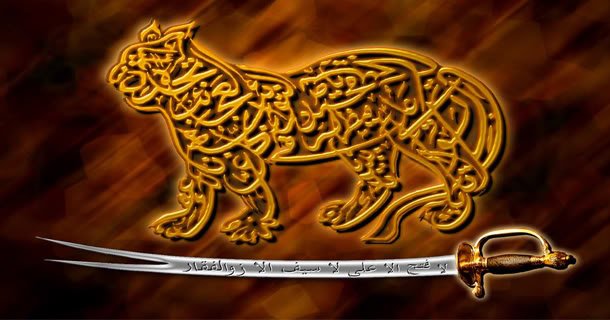





 Aal-e-Qutub Aal-e-Syed Abdullah Shah Ghazi