
Did Al Dhahabi had the same Mujassima beliefs as Ibn Taymiyya?- An Analysis of Al Dhahabi’s Creed.
 There is a long standing debate between the Mujassima and the Ahlus Sunnah on, Was Al Dhahabi influenced by the anthropomorphic teachings of Ibn Taymiyya?
“This book contains narrations against the unreliability of which I am cautioning the reader, and the statements of a number of people who spoke in outlandish terms. Neither do I subscribe to their terms, nor do I imitate them. May Allah forgive them! Nor will I ever consider myself bound by such terms. This is my belief, and I know that Allah – “There is nothing whatsoever like unto Him” (42:11)!”
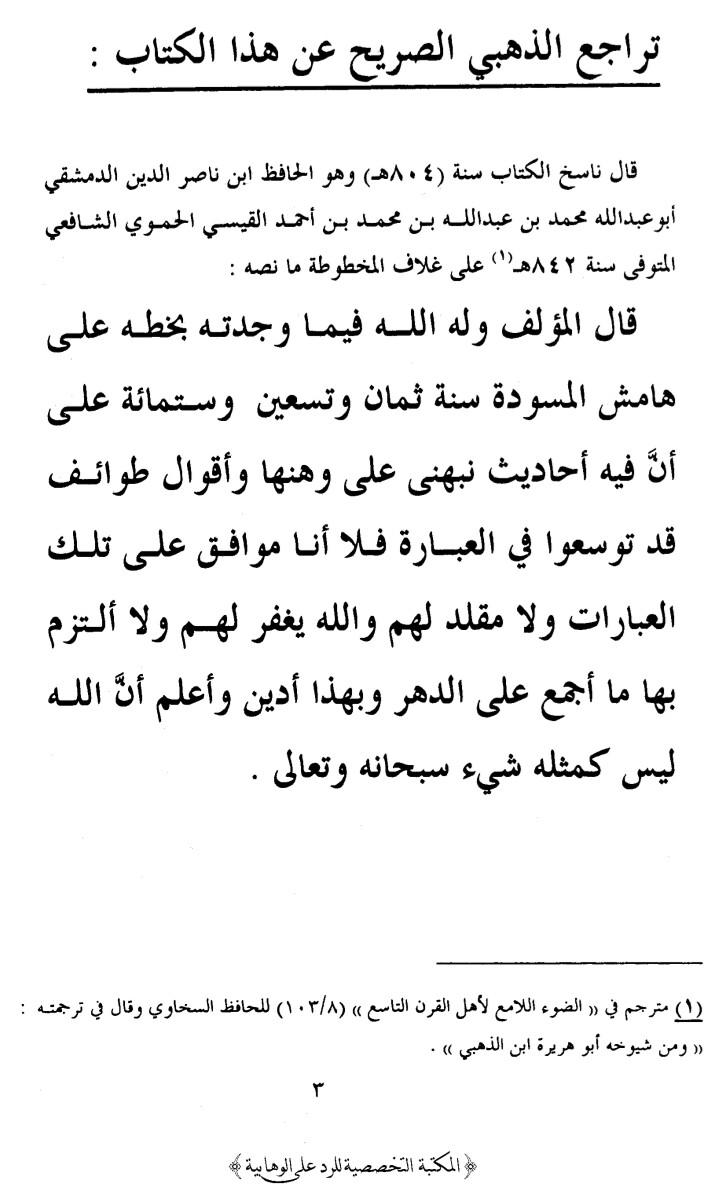
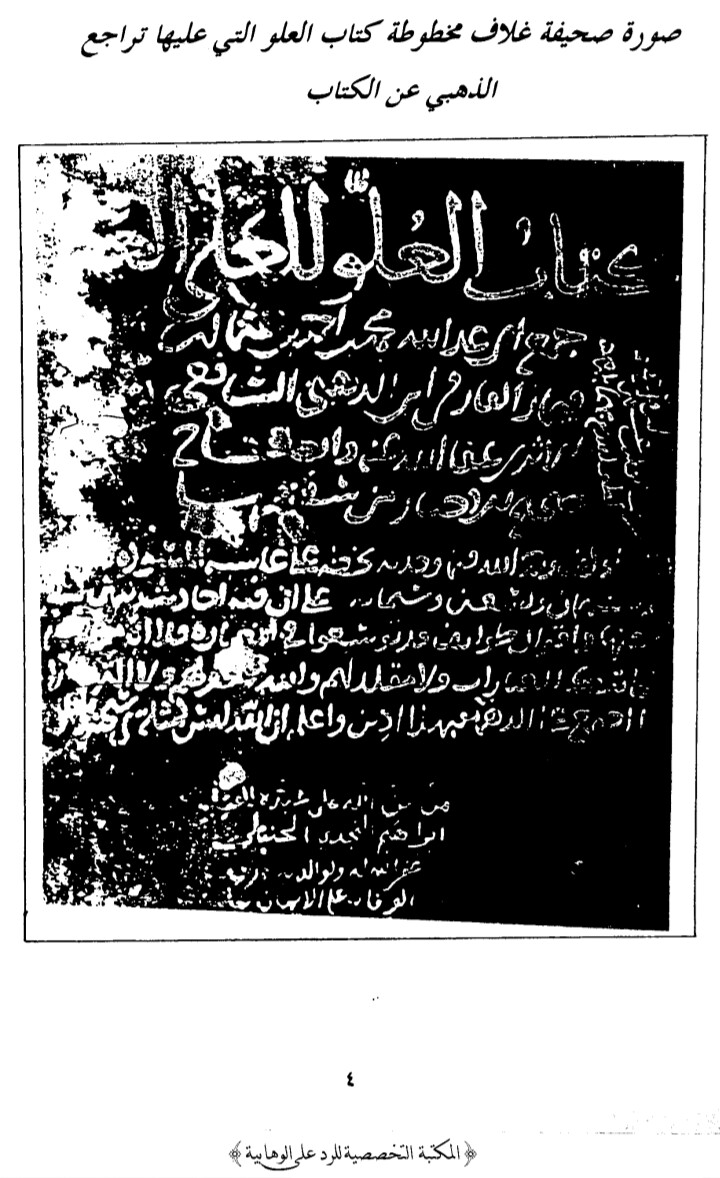
Moreover, Al Dhahabi in his later life has clearly mentioned his beliefs on mushabi’at. To quote, some of them are,
⇛He mentioned in his work, Siyar Al Alam, Vol 5, Pg 449,[2]
➡Ibn Qasim said “Allah created Adam in his own image”. The Prophet صلى الله عليه و سلم heard that and strongly refused it and forbade him to speak [on that matter. This is not only narrated from Ibn Ajlan and Abu Zanad but also from Shoaib bin Abi Hamza from Abi Zanad. It is also narrated from Qatadah from Abi Ayub Al Marghi from Abu Huraira. Also narrated from Ibn lahiyah from Al Aa’raj from Abi Yunus from Abu Hurayrah. Also narrated from Mua’mar from Hammam from Abi Hurayrah. The narration is Sahih on the conditions of Bukhari and Muslim. (Hadith narrated in Musnad Imam Ahmad, Vol 2, Pg 244, Imam Bayhaqi, Al Asma wal Sifaat, pg 341)
➡Al Dhahabi commented, “We believe it, authorize and recognize it, not fighting over which does not concern us, we know that Allah is nothing like Him (Adam عليه سلام). He is the all seer”.
➡He again writes under the biography of Layth ibn Sa’d, (giving his own view on how we should approach the attributes of Allah), He writes, “Abu Ubayd in his book of strange ahadith has written many hadith on divine attributes. He further says, “There is no right to interpret those ahadith pertaining to attributes of Allah” (Siyar Al Alam, Vol 8, Pg 162)[3]
➡Imam Dhahabi writes elsewhere in his Siyar, “Many attributes of Allah like His speech cant be interpretated which is the most important part of the religion. We believe what was revealed to us and accept it silently without any interpretation and also accepting that only Allah knows its realities. The attributes of Allah cant resemble the attributes of created beings and the creator himself does not resemble the animate creatures”. (Siyar Al Alam, Vol 10, Pg 506).[4]
➡Imam Al-Dhahabi then mentions the quote of Ibn Khuzaimah: “Whoever doesn’t acknowledge hat Allah is above His throne, and has done Istiwa over His seven heavens, then he is a Kafir whose blood is permissible, and his wealth is booty”. After this quote of Ibn Khuzaimah, Imam Al-Dhahabi explains the text by saying that whoever has Iman in Istiwa, and does TAFWEEDH (does not Interpret) of it’s meaning to Allah and His Prophet ﷺ, then he is a true believing Muslim. (Siyar Al Alam, Vol 14, Pg 373).[5]
➡Iman Dhahabi again says, “Ibn al Zaughuni in his poem said “….and Allah on his High Throne Himself…”. Al Dhahabi comments, “The word “self” does not have to be written as it creates confusion among the people and leave their [interpretation] first and Allah knows best. (Siyar Al Alam, Vol 19, Pg 607)[6]
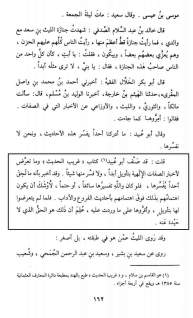
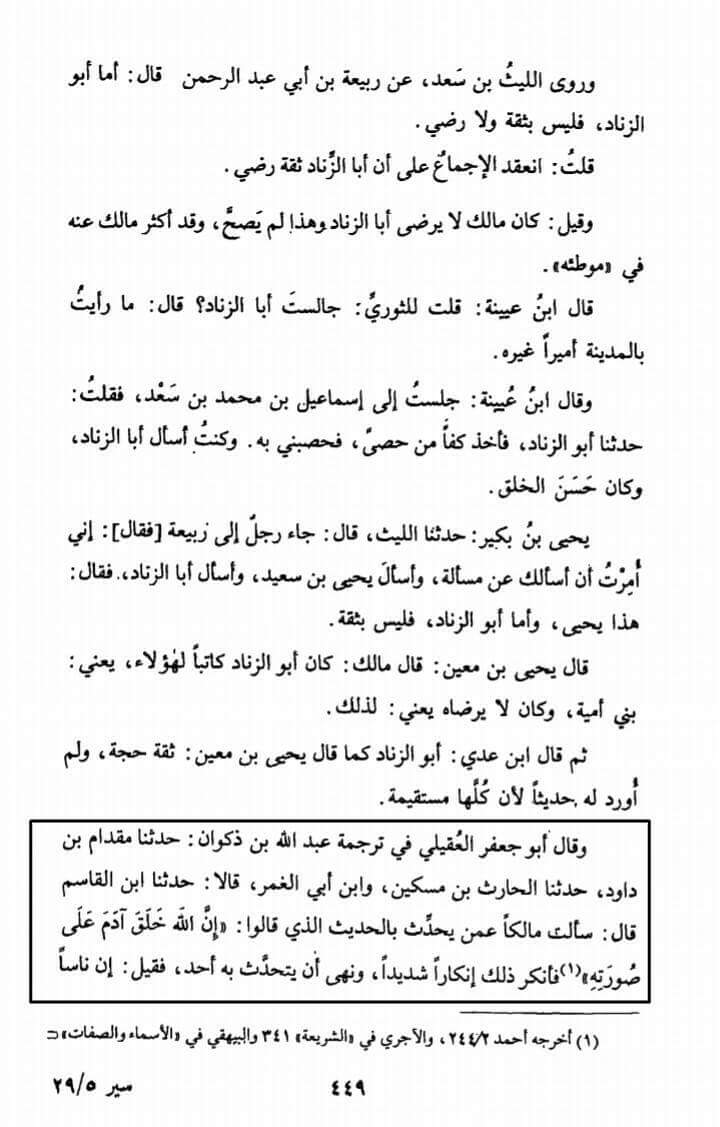
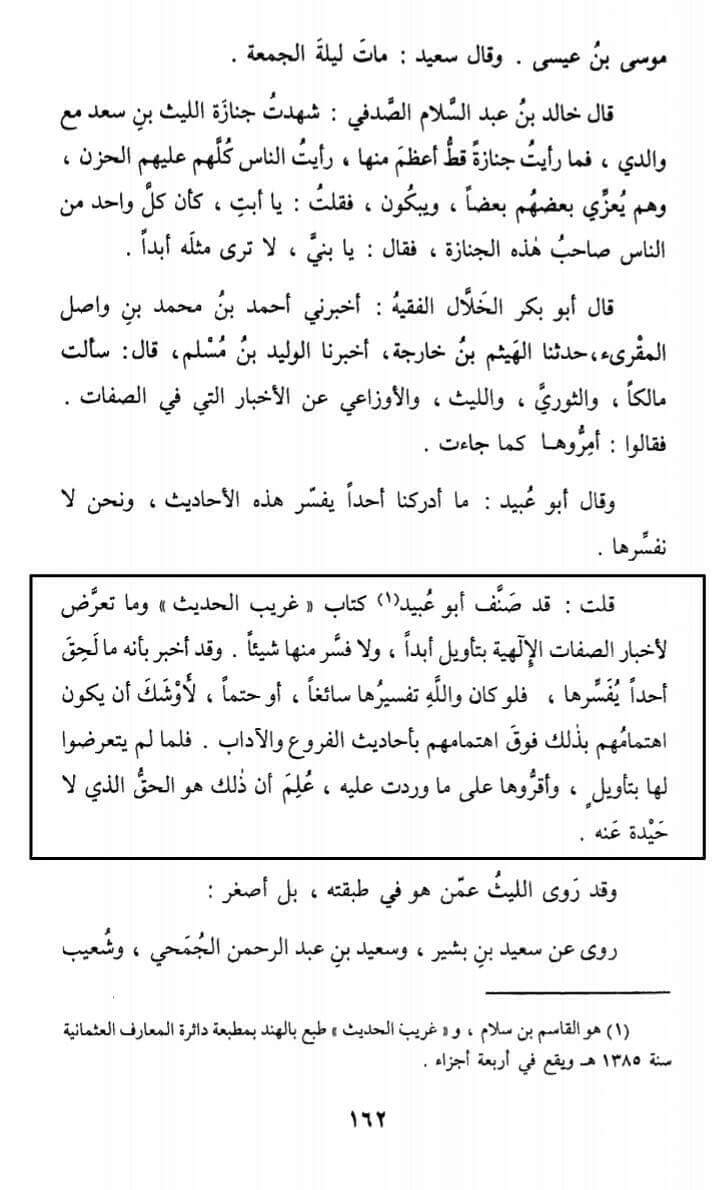

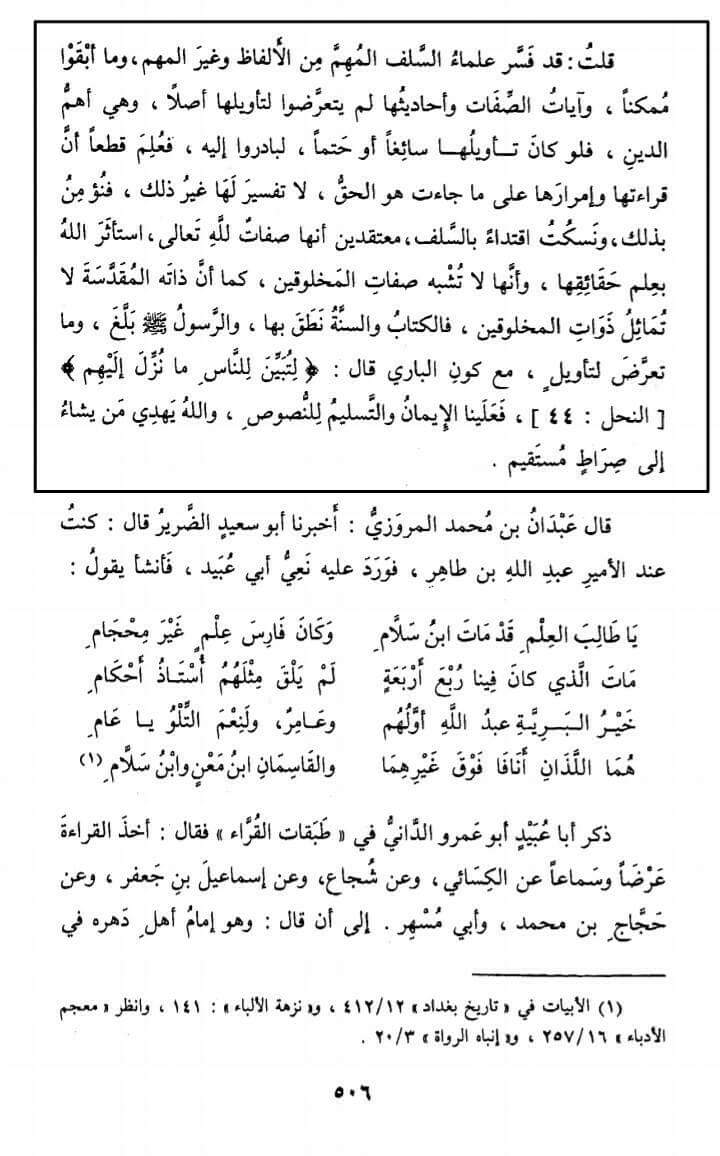
Some scans from Siyar Al Alam An Nubala. (The Scans are in order to the Paragraphs above)
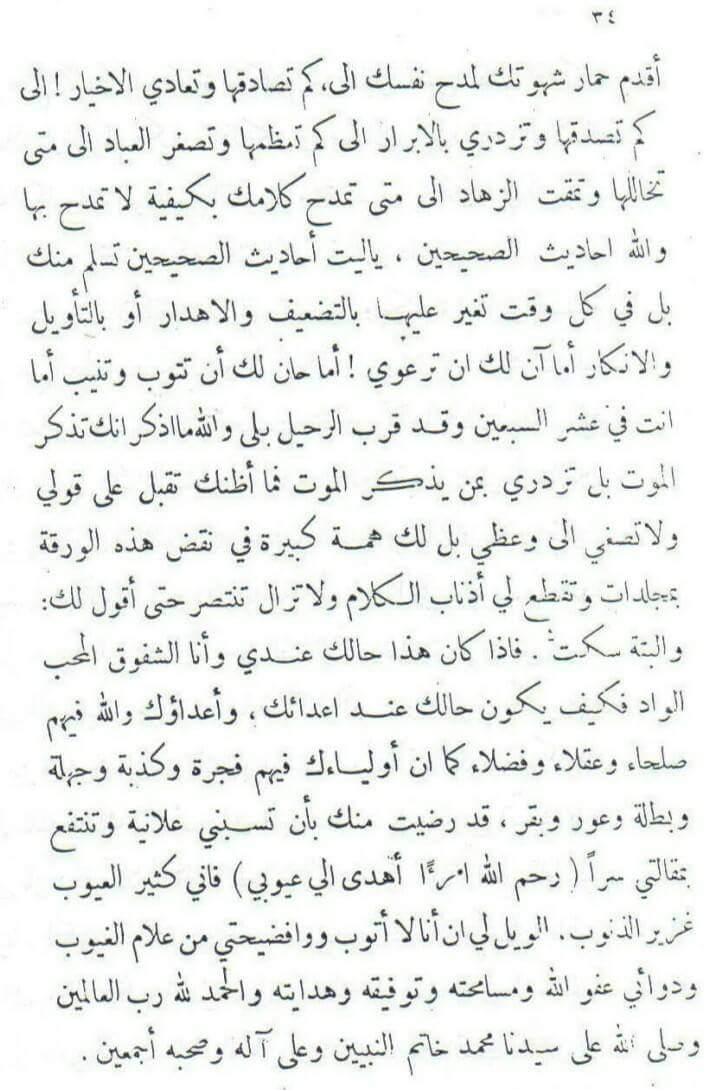
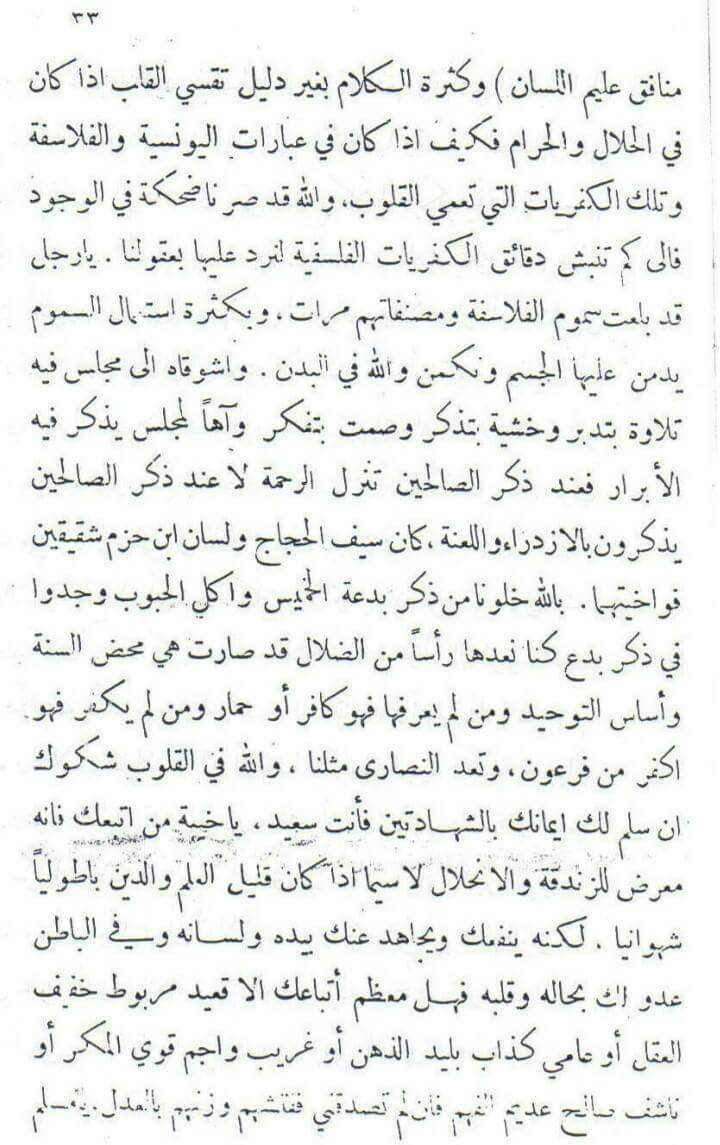 Some Scans from the Risala of Al Dhahabi (pg 33-34).
“Our time was graced with four hadith masters: Al-Mizzi, Al-Birzali, Al-Dhahabi, and my father the Shaykh and Imam [Taqi al-Din al-Subki]”. [10]

IBN JAHBAL’S REFUTATION OF HAMAWIYYA
OF IBN TAYMIYYA
Ibn Taymiyya quotes the saying of Allah : {Have you taken security from Him Who is in the heaven that He will not cause the earth to swallow you} (67:16), restricting the meaning of “him” to Allah alone[1]. Perhaps he does not allow that its meaning is the Angels of Allah. Perhaps he denies that the angels do such things, and that Gibril عليه سلام caused the earth to swallow the people of Sodom. Consequently he used this verse for his proof, and it may be the “explicit text” he was referring to[2]. Then he followed up with the saying of Allah: {The angels and the Spirit ascend (ta‘ruju) unto Him} (70:4). Ascension (‘uraj) and ascent (su‘ud) are one and the same meaning. There is no proof in this verse that the ascension is to a heaven or to a throne or to any of the things which he has claimed whatsoever. For the literal meaning of “ascension” used in the language of the Arabs refers to the displacement appropriate to material bodies (al-ajsam). The Arabs do not know any other meaning of the word. Would that he had openly declared the material sense and relieved himself from the trouble of covering it up!
The Arabs also understand istiwa as the straightness of the arrow-shaft and the antonym of crookedness. The Hashwiyya invoke this meaning to exonerate themselves of the charge of attributing a body to Allah. At the same time, they close the door to any explanation other than “sitting.” Yet they do not close the door when it comes to the saying of Allah: {And He is with you wheresoever you may be} (57:4) and {We are nearer to him than his jugular vein} (50:16). So you Hashwiyya should not say that Allah is with us “with His knowledge.” If you say that, then why do you allow this [interpretive method] one time and you forbid it the next? And how do you know that istiwa is not one of His acts in connection with the Throne? If they say: “This is not in the language of the Arabs,” then we reply: Neither is the meaning of istawa which you yourselves forward unless we apply it to a body[4].
 Aal-e-Qutub Aal-e-Syed Abdullah Shah Ghazi