Why Is Tasawwuf Necessary in an Islamic Society?

■ Why Is Tasawwuf Necessary in an Islamic Society?

اعوذ باللہ من الشیطان الرجیم
بسم اللہ الرحمن الرحیم

Now the question arises, and it’s a good one: Why is Tasawwuf even necessary for an Islamic society? Isn’t Islam already complete, with rules, prayers, law, halal, haram, and guidance? Why bring in something that many think is optional or misunderstood?

But ah! Before we judge, we must understand. And to understand Tasawwuf, we have to go to the root—not the word, but the purpose. People get lost in arguing where the word came from—some say from “ṣūf” (wool), others from “ṣafā” (purity), but we won’t enter that alleyway now. Because the meaning of Tasawwuf is far more than grammar or origin. The real heart of Tasawwuf is this:

❝It is the deep cleaning of the soul.❞

Yes, not with water and soap, but with tears, truth, remembrance of Allah ﷻ, and humility.

Tasawwuf has 2 aspects, both of them essential for anyone who wants not just to live Islam, but feel it deeply.

1. Tazkiyah al-Nafs (Purification of the Soul)

2. Spiritual Experience of Faith (Emaan becoming Yaqeen)

Let’s unpack these slowly, like gently untying a gift.

Imagine for a moment an Islamic society. A just, peaceful, God-conscious community. Do you think that happens by accident? Not at all. That society is made of individuals, and if those individuals are spiritually rotten, how can the community smell like roses?

Every single Muslim in that society is personally in need of Tazkiyah—the purification of their inner self, their nafs, their desires, their impulses, and their hidden darkness.

The Qur’an is crystal clear:

❝Indeed, the nafs always commands evil.❞

(Surah Yusuf 12:53)

See? Allah ﷻ Himself tells us this. This is not a scholar’s opinion—it’s Divine knowledge. And then He ﷻ gives us the solution:

❝The one who purifies it (the soul), succeeds.❞

(Surah Ash-Shams 91:9)

So now tell me, how can we ignore Tasawwuf when its very purpose is this purification? Can we build an Islamic society with greedy hearts, arrogant minds, jealous tongues, and wounded egos? No! That society will crumble, not from outside enemies, but from the termites inside.

Here’s something you might not have thought of, but it’s beautiful to realize: inside every human being, there are two voices. One is the conscious self (what you think and decide), and the other is the unconscious self (the deep habits, instincts, tendencies).

And often, these two are at war. Your conscious mind wants to pray, fast, and be good. But the unconscious pulls you back—towards laziness, anger, pride, gossip, and sin.

Now listen closely: Tasawwuf teaches the conscious self how to train the unconscious, so that the entire human being becomes one peaceful, obedient servant of Allah ﷻ. That’s how a person becomes whole. That’s how you develop beautiful character (akhlaaq) and deep faith that does not shake when the world does.

Let’s say someone plants a lovely garden and wishes to grow mint in it. But weeds start growing there, wild and fast. These weeds steal all the nutrients from the soil, so the mint remains weak, yellow, and struggling.

Now the gardener has two options:

1. Water everything—both the mint and the weeds.

2. Or, uproot the weeds first, so all the goodness goes only to the mint.

Tasawwuf is that uprooting.

It pulls out the weeds of jealousy, hatred, lust, arrogance, and hypocrisy. So that your heart becomes a pure garden where Emaan (faith), Tawakkul (trust), and Mahabbah (love for Allah ﷻ) can grow freely.

And what a journey it is! A person doesn’t stay stuck in the same stage forever. Through the guidance of Tasawwuf, the soul evolves from:

Nafs-e-Ammarah (the commanding self, full of evil)
to

Nafs-e-Lawwama (the self that blames itself, starts to feel guilt and shame)
to

Nafs-e-Mutma’innah (the peaceful soul, resting in remembrance of Allah)
to finally

Nafs-e-Raadiyah and Mardiyyah (the soul that is pleased with Allah ﷻ and with whom Allah ﷻ is pleased).

This is the path of real spiritual growth, and dear one, this is the essence of Tasawwuf.

Now someone might say: okay, maybe one person needs it. But does society? Yes, absolutely.

Because what is a society except a group of individuals? When every person in that group is purified, trained, refined, and spiritually awakened—only then does the society become Islamic in reality, not just in name.

We can’t just have loud speakers calling the adhaan while the hearts of the people are calling toward the dunya. We can’t have Islamic law but un-Islamic behavior. If the people in the society are full of pride, division, and ego—then all the external “Islam” is like paint on a cracked wall.

So what did we learn in this long heart-to-heart?

We learned that Tasawwuf is not a luxury or an optional side dish. It is the very fragrance of Islam. The soul of the system. The secret behind the strength of Islamic societies in the past, and the missing ingredient in so many of them today.

An Islamic society that ignores Tasawwuf is like a body without a soul, a garden without sunlight, a home without love. So yes—

❝Islamic society desperately needs Tasawwuf for its creation, its preservation, and its elevation.❞

And may Allah ﷻ make us among those whose hearts are clean, whose egos are broken, and whose souls are close to Him—through the path of Tasawwuf. آمين يا رب العالمين

اَللّٰهُمَّ صَلِّ عَلَىٰ مُحَمَّدٍ وَّعَلَىٰ اٰلِ مُحَمَّدٍ ●

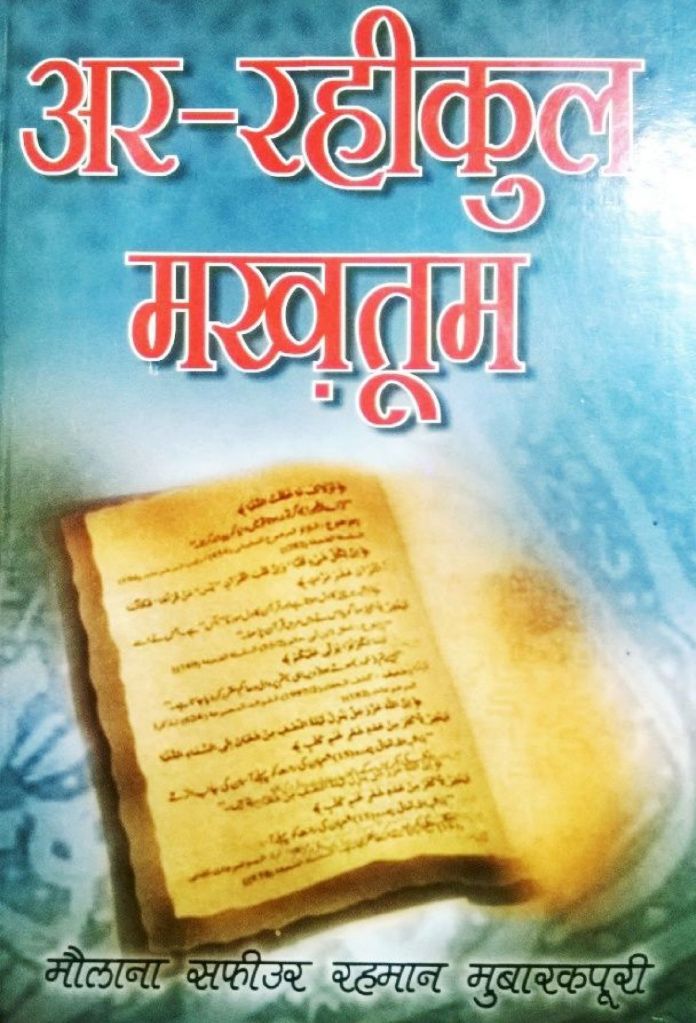
अर-रहीकुल मख़्तूम पार्ट 27

अबू लहब इसके बावजूद कि ये सारी हरकतें कर रहा था, अल्लाह के रसूल सल्लल्लाहु अलैहि व सल्लम का चचा और पड़ोसी था । उसका घर आपके घर से मिला हुआ था।

इसी तरह आपके दूसरे पड़ोसी भी आपको घर के अन्दर सताते थे।

इब्ने इस्हाक़ का बयान है कि जो गिरोह घर के अन्दर अल्लाह के रसूल सल्ल० को पीड़ा पहुंचाया करता था, वह यह था—अबू लहब, हकम बिन अबुल आस बिन उमैया, उक़्बा बिन अबी मुत, अदी बिन हमरा सक़फ़ी, इब्नुल असद हुज़ली, ये सब के सब आपके पड़ोसी थे और इनमें हकम बिन अबिल आस’ के अलावा कोई मुसलमान न हुआ।

इनके सताने का तरीक़ा यह था कि जब आप नमाज़ पढ़ते तो कोई व्यक्ति बकरी की बच्चादानी इस तरह टिका कर फेंकता कि वह ठीक आपके ऊपर गिरती । चूल्हे पर हांडी चढ़ाई जाती तो बच्चादानी इस तरह फेंकते कि सीधे हांडी में जा गिरती । आपने मजबूर होकर एक घरौंदा बना लिया ताकि नमाज़ पढ़ते हुए उनसे बच सकें।

बहरहाल जब आप पर यह गंदगी फेंकी जाती तो आप उसे लकड़ी पर लेकर निकलते और दरवाज़े पर खड़े होकर फ़रमाते, ऐ बनी अब्द मुनाफ़ ! यह कैसा पड़ोस है ? फिर उसे रास्ते में डाल देते ।2

उक़्बा बिन अबी मुऐत अपनी दुष्टता और भाग्यहीनता में और बढ़ा हुआ था। चुनांचे सहीह बुखारी में हज़रत अब्दुल्लाह बिन मसऊद रजि० से रिवायत है कि नबी सल्लल्लाहु अलैहि व सल्लम बैतुल्लाह के पास नमाज़ पढ़ रहे थे और अबू जहल और उसके कुछ साथी बैठे हुए थे कि इतने में किसी ने किसी से कहा, कौन है जो बनी फ़्लां के ऊंट की ओझड़ी लाए और जब मुहम्मद सज्दा करें तो उनकी पीठ पर डाल दे ?

इस पर क़ौम का सबसे बड़ा भाग्यहीन व्यक्ति—उक़्बा बिन अबी मुऐत -उठा और ओझ लाकर इन्तिज़ार करने लगा। जब नबी सल्ल० सज्दे में तशरीफ़ ले गए, तो उसे आपकी पीठ पर दोनों कंधों के बीच में डाल दिया। मैं सारी बातें देख रहा था, पर कुछ कर नहीं सकता था, काश ! मेरे अन्दर बचाने की

1. यह उमवी खलीफा मरवान बिन हकम के बाप हैं।

2. इब्ने हिशाम 1/416

3. खुद सहीह बुखारी की ही एक दूसरी रिवायत में इसे स्पष्ट कर दिया गया है, देखिए 1/543


हज़रत इब्ने मसऊद रजि० फ़रमाते हैं कि इसके बाद वे हंसी के मारे एक दूसरे पर गिरने लगे और अल्लाह के रसूल सल्ल० सज्दे ही में पड़े रहे, सर न उठाया, यहां तक कि फ़ातिमा आई और आपकी पीठ से ओझ हटाकर फेंकी, तब आपने सर उठाया, फिर तीन बार फ़रमाया, ‘ऐ अल्लाह ! तू कुरैश को पकड़ ले।’ जब आपने बद-दुआ की तो उन्हें बहुत दुख हुआ, क्योंकि उनका विश्वास था कि इस शहर में दुआएं कुबूल की जाती हैं। इसके बाद आपने नाम ले-लेकर बद-दुआ की, ऐ अल्लाह ! अबू जहल को पकड़ ले और उत्बा बिन रबीआ, शैबा बिन रबीआ, वलीद बिन उत्बा, उमैया बिन खत्फ़ और उक़्बा बिन अबी मुऐत को पकड़ ले T

उन्होंने सातवें का नाम भी गिनाया, लेकिन रिवायत करने वाले को याद न रहा। 1

इब्ने मसऊद रज़ि० फ़रमाते हैं, उस ज़ात की क़सम, जिसके हाथ में मेरी जान है, मैंने देखा कि जिन लोगों के नाम अल्लाह के रसूल सल्लल्लाहु अलैहि व सल्लम ने गिन-गिनकर लिए थे, सबके सब बद्र के कुएं में मक्तूल (क़त्ल किए गए) पड़े हुए थे।

इमैया बिन खल्फ ने आदत बना ली थी कि वह जब अल्लाह के रसूल सल्लल्लाहु अलैहि व सल्लम को देखता तो लान-तान करता। उसी के बारे में यह आयत उतरी, ‘हर लान-तान और बुराइयां करने वाले के लिए तबाही है।’ उस आयत में ‘हुमज़ा’ और ‘लुमज़ा’ दो शब्द आए हैं। इब्ने हिशाम कहते हैं कि हुमज़ा वह व्यक्ति है जो एलानिया गाली बके और आंखे टेढ़ी करके इशारे करे और लुमज़ा वह व्यक्ति है जो पीठ पीछे लोगों की बुराइयां करे और उन्हें पीड़ा पहुंचाए।3

उमैया का भाई उबई बिन खल्फ़, उक्बा बिन अबी मुऐत का गहारा दोस्त था। एक बार उक्बा ने नबी सल्लल्लाहु अलैहि व सल्लम के पास बैठकर कुछ सुना। उबई को मालूम हुआ तो उसने उक्बा को सख्त सुस्त कहा, रुष्ट हुआ

1. यह सातवां आदमी अम्मारा बिन वलीद था। खुद सहीह बुखारी हदीस न० 520 में इसे स्पष्ट किया गया है।

2. सहीह बुखारी, किताबुल वुज़ू बाब ‘इज़ा उल कि-य अलल मुसल्ला क़ज़-रुन औजीफ़तुन 1/37 3.

इब्ने हिशाम 1/356-357

और उससे मांग की कि वह जाकर अल्लाह के रसूल सल्लल्लाहु अलैहि व सल्लम पर थूक आए। आखिर उक़्बा ने ऐसा ही किया। खुद उबई बिन खल्फ़ ने एक बार एक सड़ी-गली हड्डी लाकर तोड़ी और हवा में फूंक कर अल्लाह के रसूल सल्लल्लाहु अलैहि व सल्लम की ओर उड़ा दी। 1

अखनस बिन शुरैक सक़फ़ी भी अल्लाह के रसूल सल्लल्लाहु अलैहि व सल्लम के सताने वालों में था। कुरआन में उसके नौ अवगुण बताए गए हैं. जिससे उसके आचरण का अनुमान किया जा सकता है। इर्शाद है-

‘तुम बात न मानो किसे क़सम खाने वाले ज़लील की, जो लान-तान करता है, चुग़लियां खाता है, भलाई से रोकता है, हद दर्जा ज़ालिम, बंद-अमल और अत्याचारी है और उसके बाद बद-अस्ल भी है।’ (68: 10-13)

अबू जहल कभी-कभी अल्लाह के रसूल सल्लल्लाहु अलैहि व सल्लम के पास आकर कुरआन सुनता था, लेकिन बस सुनता ही था, मानना, पालन करना, सम्मान करना और डरना सरीखे काम नहीं करता था। वह अल्लाह के रसूल सल्लल्लाहु अलैहि व सल्लम को अपनी बात से पीड़ा पहुंचाता और अल्लाह की राह से रोकता था, फिर अपनी इस हरकत और बुराई पर गर्व करता और इतराता जाता था, मानो उसने कोई उल्लेखनीय काम किया है। कुरआन मजीद की ये आयतें उसी व्यक्ति के बारे में उतरी-

‘न उसने सदक़ा किया, न नमाज़ पढ़ी, बल्कि झुठलाया और पीठ फेरी, फिर वह अकड़ता हुआ अपने घर वालों के पास गया। तेरे खूब लायक़ है, तेरे खूब लायक़ है।’

उस व्यक्ति ने पहले दिन जब नबी सल्लल्लाहु अलैहि व सल्लम को नमाज़ पढ़ते हुए देखा, तो उसी दिन से आपको नमाज़ से रोकता रहा। एक बार नबी सल्लल्लाहु अलैहि व सल्लम मक़ामे इब्राहीम के पास नमाज़ पढ़ रहे थे कि उसका गुज़र हुआ। देखते ही बोला, मुहम्मद ! क्या मैंने तुझे इससे मना नहीं किया था ? साथ ही धमकी भी दी।

अल्लाह के रसूल सल्लल्लाहु अलैहि व सल्लम ने भी डांट कर सख्ती से जवाब दिया। इस पर वह कहने लगा, ऐ मुहम्मद ! मुझे कैसी धमकी दे रहे हो ? देखो, अल्ल्लाह की क़सम ! इस घाटी (मक्का) में मेरी महिफ़ल सबसे बड़ी है। इस पर अल्लाह ने यह आयत उतारी–

इब्ने हिशाम, 1/361-362

‘अच्छा तो वह बुलाए अपनी महिफ़ल को, (हम भी सज़ा के फ़रिश्तों को बुलाए देते हैं)।”

एक रिवायत में उल्लेख हुआ है कि अल्लाह के रसूल सल्लल्लाहु अलैहि व सल्लम ने उसका गरेबान गले के पास से पकड़ लिया और झिंझोड़ते हुए फ़रमाया-

‘तेरे लिए बहुत ही उचित है, तेरे लिए बहुत ही उचित है।’

इस पर अल्लाह का यह दुश्मन कहने लगा, ‘ऐ मुहम्मद ! मुझे धमकी दे रहे हो ? अल्लाह की क़सम, तुम और तुम्हारा पालनहार मेरा कुछ नहीं कर सकते । मैं मक्के की दोनों पहाड़ियों के बीच चलने-फिरने वालों में सबसे ज़्यादा प्रतिष्ठित हूं 12

बहरहाल इस डांट के बावजूद अबू जहल अपनी मूर्खता से रुकने वाला न था, बल्कि उसकी भाग्यहीनता में कुछ और वृद्धि ही हो गई। चुनांचे सहीह मुस्लिम में अबू हुरैरह रज़ि० से रिवायत है कि (एक बार कुरैश के सरदारों से) अबू जहल ने कहा कि मुहम्मद आप लोगों के सामने अपना चेहरा धूल स भैर लेता है। जवाब दिया गया, हां। उसने कहा, लात व उज़्ज़ा की क़सम ! अगर मैंने (इस हालत में) उसे देख लिया तो उसकी गरदन रौंद दूंगा और उसका चेहरा मिट्टी पर रगड़ दूंगा। इसके बाद उसने अल्लाह के रसूल सल्लल्लाहु अलैहि व सल्लम को नमाज़ पढ़ते हुए देख लिया और यह सोचकर चला कि आपकी गरदन रौंद देगा, लेकिन लोगों ने अचानक क्या देखा कि वह एड़ी के बल पलट रहा है और दोनों हाथ से बचाव कर रहा है। लोगों ने पूछा, अबुल हकम ! तुम्हें क्या हुआ ? उसने कहा, मेरे और उसके बीच एक खाई है, हौलनाकी है, तबाही है ।

अल्लाह के रसूल सल्लल्लाहु अलैहि व सल्लम ने फ़रमाया कि अगर वह मेरे क़रीब आता तो फ़रिश्ते उसका एक-एक अंग उचक लेते । 3

यह उस दमन-चक्र का एक संक्षिप्त प्रारूप है जो अल्लाह वाला होने और हरम के निवासी होने का दावा रखने वाले सरकश मुश्किों के हाथों अल्लाह के

1. इसे इब्ने जरीर ने तफ़्सीर में रिवायत किया है। इसी की तरह तिर्मिज़ी ने भी अब-वाबुत्तफ़्सीर, तफ़्सीर सूरः इक़रा, आयत न० 17, 18 (हदीस न० 3349) 5/514 में रिवायत किया है।

2. देखिए तफ्सीर इब्ने कसीर 4/477, अद्दल मंसूर 6/478 वग़ैरह

3. सहीह मुस्लिम, किताब सिफातुल मुनाफ़िक़ीन व अह्लामुहुम हदीस न० 3/4/2154

रसूल सल्लल्लाहु अलैहि व सल्लम और मुसलमानों को सहना पड़ रहे थे।

इस संगीन स्थिति का तक़ाज़ा यह था कि अल्लाह के रसूल सल्लल्लाहु अलैहि व सल्लम ऐसा सावधानी भरा और हौसलामंदी वाला तरीका अपनाएं कि मुसलमानों पर जो आफ़त टूट पड़ी थी, उससे बचाने की कोई शक्ल निकल आए और जहां तक संभव हो उसकी तीव्रता कम की जा सके। इस उद्देश्य के लिए अल्लाह के रसूल सल्लल्लाहु अलैहि व सल्लम ने दो हिक्मत भरे क़दम उठाए जो दावत का काम आगे बढ़ाने में प्रभावी सिद्ध हुए।

Who Was the Greatest Woman Poet of the Arabs?

■ Who Was the Greatest Woman Poet of the Arabs?

Her real name was Tamadir bint Amr, but the world knows her as Sayyidah Khansa (رضي الله عنها) — a legendary Arab poet whose sorrow turned into timeless poetry, and whose courage made history.

She belonged to the Sulaym branch of the Qais tribe — a noble lineage with deep desert roots. Her family name, traced through many generations, reflects the strength of Bedouin nobility and poetic excellence.

Her first marriage was to Rawahah bin Abdul Uzza of her own tribe. After his passing, she married Mirdas bin Abu Aamir. By the time the Prophet Muhammad ﷺ declared his Prophethood, she was already older in age. But age never blocked truth from entering her heart.

She heard of Islam and came with a group of her tribesmen to meet the Prophet ﷺ. As she recited her poetry before him, the Prophet ﷺ was amazed by the depth of her words and the brilliance of her language.

During the caliphate of Sayyidina Umar (رضي الله عنه), Sayyidah Khansa (رضي الله عنها) traveled to Iraq with her 4 sons to fight in the Battle of Qadisiyyah against the Persian Empire. On the eve of battle, she delivered a powerful address to her sons:

❝My sons! You have willingly accepted Islam and migrated. You brought your old mother to the battlefield. By Allah, you are sons of one man and one woman. Your loyalty has never been in question. Fighting disbelievers is the greatest virtue. Allah ﷻ says: ‘O you who believe! Be patient and firm…’ So rise early and fight till your last breath!❞

With her words burning in their hearts, all 4 sons entered the battlefield — and all four were martyred.

When the news of their martyrdom reached her, she thanked Allah ﷻ and showed no sign of regret, only pride in their sacrifice. Sayyidina Umar (رضي الله عنه) continued giving her a yearly stipend that had previously been given to her sons.

She lived for 10 more years after sacrificing her sons, and passed away in 24 A.H. Her 4 brave sons — Abdullah, Abu Shajrah, Zaid, and Mu’awiyah — remain symbols of devotion and martyrdom.

Sayyidah Khansa (رضي الله عنها) is known in Arab literary history as the greatest female poet of all time. She mastered the art of elegy — poetry mourning the loss of loved ones — especially after the death of her brother Sakhr, whose passing shattered her heart.

One of her most famous verses is:

❝Sakhr is followed by very prominent people,

As if he were a mountain whose peak is glowing with fire.❞

Her poetry was so powerful that it earned her a special banner at the entrance of her tent during the great Ukkaz poetry fair — it read:

“The Best Elegy Writer Among the Arabs.”

Famous poets like Nabigha admired her brilliance, saying,

❝If I had not heard Abu Busir (A’sha), I would have declared Khansa the greatest poet of all.❞

Her poetry was later compiled and printed in 1888 C.E. in Beirut, along with notes and elegies from other women poets. In 1889, it was translated into French, spreading her legacy even further.

Sayyidah Khansa (رضي الله عنها) was more than just a poet. She was a mother of martyrs, a pillar of Islamic womanhood, and a shining example of strength, intellect, and faith.