
Who Was Sayyidah Asma’ (رضي الله عنها)?

■ Who Was Sayyidah Asma’ (رضي الله عنها)?

She was born into the tribe of Khas’am, her roots strong and deep, like an ancient tree. Her mother, Hind (also known as Khawlah), came from the noble Kinanah tribe. Through her mother, she was the foster sister of Sayyidah Maimunah (رضي الله عنها), the blessed Mother of the Believers.

Before even the Prophet Muhammad ﷺ openly preached Islam at Dar Al-Arqam, Asma’ (رضي الله عنها) had already opened her heart to the call of Allah ﷻ. She was married to the noble Sayyidina Ja’far ibn Abi Talib (رضي الله عنه), the dear brother of Sayyidina Ali (رضي الله عنه).

Together, they migrated to faraway Habshah (Ethiopia), a land across the seas, to protect their faith. There they lived for many years, facing hardships with patience and love for Allah ﷻ.

When she returned to Madinah, around the time Khaybar was conquered, Sayyidina Umar (رضي الله عنه) saw her and said:

❝Are you the same Asma’ who crossed the seas?❞

She smiled and said, ❝Yes, I am.❞

He tried to suggest that those who migrated to Madinah were superior. But the spirited Asma’ (رضي الله عنها) gently reminded him that while they stayed close to the Prophet ﷺ, she and her companions had faced the bitter winds of exile for the sake of Allah ﷻ.

Later, when the Prophet ﷺ heard this conversation, he lovingly said,

❝Umar migrated once, but you (Asma’ and her companions) migrated twice. You are superior.❞

How their hearts must have blossomed at his words!

Then came the sorrowful news from Mu’tah: her beloved husband Ja’far (رضي الله عنه) was martyred.
Sayyidah Asma’ (رضي الله عنها) went to the Prophet ﷺ and found him tearful, his heart heavy. She brought her sons, dressed in their finest clothes, but when she heard the news, her soul cried out in grief. The Prophet ﷺ himself ordered that food be prepared for her and her children — for grief makes even strong hearts weak.

He also gently taught the people not to mourn loudly, to bear the pain with patience and submission to Allah ﷻ.

After her waiting period (iddah) ended, in the sacred month of Shawwal, Sayyidah Asma’ (رضي الله عنها) married Sayyidina Abu Bakr (رضي الله عنه), the most beloved friend of the Prophet ﷺ.

During a journey for Hajj, while at Zul-Hulayfah, she gave birth to Muhammad ibn Abu Bakr. She asked the Prophet ﷺ what to do, and he softly guided her to bathe and continue her pilgrimage, wrapped in the garments of ihram.

Asma’ (رضي الله عنها) was known for her deep wisdom. During the final illness of the Prophet ﷺ, she and Sayyidah Umm Salamah (رضي الله عنها) diagnosed pleurisy and wanted to give him medicine. Even when he declined, out of love, they still administered it softly when he was unconscious. When he recovered slightly, he smiled and said,

❝This was surely Asma’s wisdom from Habshah.❞

When Sayyidina Abu Bakr (رضي الله عنه) passed away, it was Sayyidah Asma’ (رضي الله عنها) who gave him the ritual washing (ghusl), fulfilling his last wish with trembling hands but firm faith.

Later, she married Sayyidina Ali (رضي الله عنه), and her children grew under the shade of his love and guidance.

One sweet moment to remember: once her two sons, Muhammad ibn Ja’far and Muhammad ibn Abu Bakr, were playfully arguing over who was better.

Sayyidah Asma’ (رضي الله عنها) smiled and said,

❝Ja’far was the best among the young, and Abu Bakr was the best among the elders.❞

Even Sayyidina Ali (رضي الله عنه) laughed and said,

❝What have you left for us?❞

She lived through much loss, including the tragic martyrdom of Muhammad ibn Abu Bakr (رضي الله عنه) in Egypt.

Despite her heartbreak, she turned to her prayer mat, pouring her grief into sujood (prostration) and sabr (patience), teaching us that the wounds of this world heal when kissed by the remembrance of Allah ﷻ.

Sayyidah Asma’ (رضي الله عنها) narrated around 60 Hadith from the Prophet ﷺ.

She taught du’as for protection against the evil eye, interpreted dreams, and was a beacon of wisdom in Madinah.

Sayyidina Umar (رضي الله عنه) often sought her advice, and others flocked to her door, for her heart was a vessel filled with the teachings of the Beloved ﷺ.

She eventually returned to her Lord ﷻ after a life soaked in sacrifice, love, and luminous faith.

الراجی رحمۃَ ربّہِ العلٰی
و الفقیر الٰی حضرۃ النّبی المصطفیٰ ﷺ
محمد فرحان جمیل

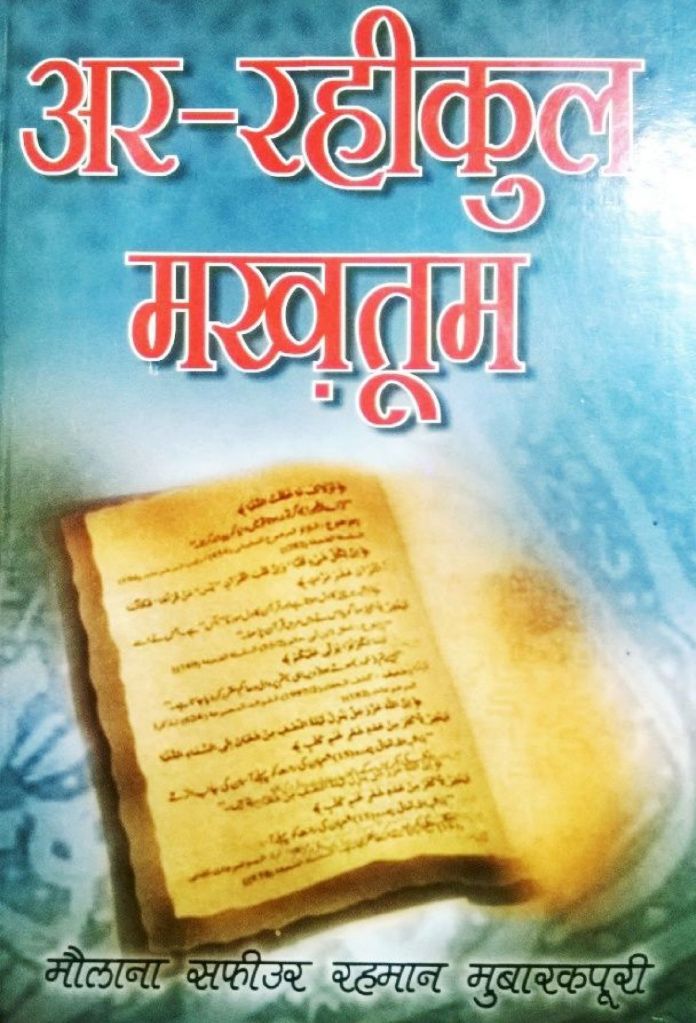
अर-रहीकुल मख़्तूम पार्ट 24

विरोध का तीसरा तरीक़ा

पहलों की घटनाओं और कहानियों से क़ुरआन का मुक़ाबला करना और लोगों के कुरआन सुनने का अवसर न मिलने देना।

मुश्कि अपने उपरोक्त सन्देहों को फैलाने के अलावा हर संभव तरीक़े से लोगों को क़ुरआन सुनने से दूर रखने की कोशिश भी करते थे, चुनांचे वे लोगों को ऐसी जगहों से भगाते और जब देखते कि नबी सल्लल्लाहु अलैहि व सल्लम दावत व तब्लीग़ से उठा चाहते हैं या नमाज़ में कुरआन की तिलावत फ़रमा रहे हैं तो शोर करते और तालियां और सीटियां बजाते। अल्लाह फ़रमाता है, कुफ़्फ़ार ने कहा, यह कुरआन न सुनो और इसमें शोर मचाओ, ताकि तुम ग़ालिब रहो। इस स्थिति का नतीजा यह था कि नबी सल्लल्लाहु अलैहि व सल्लम को उनके मज्मों और महिफ़लों के अन्दर पहली बार कुरआन तिलावत करने का मौक़ा पांचवें सन् नुबूवत के आखिर में मिल सका, वह भी इस तरह कि आपने अचानक खड़े होकर क़ुरआन की तिलावत शुरू कर दी और पहले किसी को इसका अन्दाज़ा न हो सका।

1 नज बिन हारिस कुरैश के शैतानों में से एक शैतान था। वह हियरा गया। वहां बादशाहों की कहानियां और रुस्तम व स्फ़न्दयार के क़िस्से सीखे, फिर वापस आया, तो जब अल्लाह के रसूल सल्लल्लाहु अलैहि व सल्लम किसी जगह बैठकर अल्लाह की बातें करते और उसकी पकड़ से लोगों को डराते तो आपके बाद यह आदमी वहां पहुंच जाता और कहता कि अल्लाह की क़सम ! मुहम्मद सल्ल० की बातें मुझसे बेहतर नहीं। इसके बाद वह फ़ारस के बादशाहों और रुस्तम व स्फन्दयार की कहानियां सुनाता, फिर कहता, आखिर किस वजह से मुहम्मद की बात मुझसे बेहतर है ?1

इब्ने अब्बास की एक रिवायत है कि नज्र ने एक लौडी खरीदी थी, जब वह किसी आदमी के बारे में सुनता कि यह नबी सल्लल्लाहु अलैहि व सल्लम की तरफ़ मायल है तो उस लौंडी के पास ले जाकर कहता कि इसे खिलाओ-पिलाओ और गाने सुनाओ। यह तुम्हारे लिए उससे बेहतर है जिसकी तरफ़ तुमको मुहम्मद बुलाते हैं। उसके बारे में अल्लाह का यह इर्शाद उतरा-

‘कुछ लोग ऐसे हैं जो खेल की बात खरीदते हैं, ताकि अल्लाह की राह से भटका दें। 2

अत्याचार और दमन चक्र

सन् 04 नुबूवत में इस्लामी दावत के सामने आने के बाद मुश्किों ने उसके खात्मे के लिए पिछली कार्रवाइयां धीरे-धीरे अंजाम दीं। महीनों इससे आगे क़दम नहीं बढ़ाया और ज़ुल्म व ज़्यादती शुरू नहीं की, लेकिन जब देखा ये तरीके इस्लामी दावत को नाकाम बनाने में असरदार साबित नहीं हो रहे हैं तो आपसी मश्विरे से तै किया कि मुसलमानों को सज़ाएं दे-देकर उनको उनके दीन से बाज़ रखा जाए। इसके बाद हर सरदार ने अपने क़बीले के मातहत लोगों को, जो मुसलमान हो गए थे, सज़ाएं देनी शुरू कीं और हर मालिक अपने ईमान लाने

सार इब्ने हिशाम 1/299, 300, 358, अद्-दुर्रुल मन्सूर, तफ्सीर सूरः लुकमान आयत 6/5/317

वाले गुलामों पर टूट पड़ा और यह बात तो बिल्कुल स्वाभाविक थी कि दुमछल्ले और गुंडे अपने सरदारों के पीछे दौड़ें और उनकी मर्जी और ख्वाहिशों के मुताबिक़ हरकत करें। चुनांचे मुसलमानों और खास तौर से कमज़ोरों पर ऐसी-ऐसी मुसीबतें तोड़ी गईं और उन्हें ऐसी-ऐसी सज़ाएं दी गईं, जिन्हें सुनकर रोंगटे खड़े हो जाते हैं और दिल फट जाता है। नीचे केवल एक झलक दी जा रही है—

अबू जहल जब किसी प्रतिष्ठित और शक्तिशाली आदमी के मुसलमान होने की खबर सुनता तो उसे बुरा-भला कहता, ज़लील व रुसवा करता और माल को बड़े घाटे से दोचार करने की धमकियां देता और अगर कोई कमज़ोर आदमी मुसलमान होता तो उसे खुद भी मारता और दूसरों को भी भड़का देता। 1

हज़रत उस्मान बिन अफ़्फ़ान रज़ियल्लाहु अन्हु का चचा उन्हें खजूर की चटाई में लपेट कर नीचे से धुवां देता 12

हज़रत मुसअब बिन उमैर रज़ियल्लाहु अन्हु की मां को उनके इस्लाम लाने की जानकारी हुई तो उनका दाना-पानी बन्द कर दिया और घर से निकाल दिया। बड़े लाड़-प्यार से पले थे, जब परेशानियों से दोचार हुए तो खाल इस तरह उधड़ गई, जैसे सांप केंचुली छोड़ता है।

सुहैब बिन सिनान रूमी रज़ियल्लाहु अन्हु को इतनी सजा दी जाती कि होश व हवास जाता रहता और उन्हें यह पता न चलता कि वह क्या बोल रहे हैं। 4

हज़रत बिलाल रज़ियल्लाहु अन्हु उमैया बिन खल्फ़ जुमही के गुलाम थे । उमैया उनकी गरदन में रस्सी डालकर लड़कों के हवाले कर देता और वह उन्हें मक्का के पहाड़ों में घुमाते और खीचते फिरते, यहां तक कि गरदन पर रस्सी का निशान पड़ जाता फिर भी वह ‘अहद-अहद’ कहते रहते। खुद उमैया भी उन्हें बांधकर डंडे से मारता और चिलचिलाती धूप में जबरन बिठाए रखता, खाना-पानी भी न देता, बल्कि भूखा-प्यासा रखता और इन सबसे बढ़कर यह काम करता कि जब दोपहर की गर्मी बहुत ज़्यादा होती, तो मक्का के पथरीले कंकरों पर लिटाकर सीने पर भारी पत्थर रखवा देता, फिर कहता, अल्लाह की क़सम ! तू इसी तरह पड़ा रहेगा, यहां तक कि मर जाए या मुहम्मद के साथ कुपर

इब्ने हिशाम, 1/220 2. रहमतुल्लिल आलमीन 1/57 3. असदुल ग़ाबा 4/406, तलकीहुल फ्रहूम पृ० 60 अल-इसाबा 3, 4/255, इब्ने साद 3/248,

करे और लात व उज़्ज़ा की पूजा करे। हज़रत बिलाल रज़ि० इस हालत में भी कहते, अहद, अहद और फ़रमाते, अगर मुझे कोई ऐसा कलिमा मालूम होता, जो तुम्हें इससे भी ज़्यादा नागवार होता, तो मैं उसे कहता। एक दिन यही कार्रवाई जारी थी कि हज़रत अबूबक्र रज़ियल्लाहु अन्हु का गुज़र हुआ। उन्होंने हज़रत बिलाल रज़ि० को एक काले गुलाम के बदले और कहा जाता है कि दो सौ दिरहम (735 ग्राम चांदी) या दो सौ अस्सी दिरहम (एक किलो से ज्यादा चांदी) के बदले खरीद कर आज़ाद कर दिया। 1

हज़रत अम्मार बिन यासिर रज़ियल्लाहु अन्हु बनू मख्ज़ूम के गुलाम थे। उन्होंने और उनके मां-बाप ने इस्लाम कुबूल किया, तो उन पर क़ियामत टूट पड़ी। मुश्कि, जिनमें अबू जहल पेश-पेश था, कड़ी धूप के वक़्त, पथरीली ज़मीन पर ले जाकर उसके तपन से सज़ा देते। एक बार उन्हें इस तरह सज़ा दी जा रही थी कि नबी सल्लल्लाहु अलैहि व सल्लम का गुज़र हुआ। आपने फ़रमाया, आले यासिर! सब्र करना, तुम्हारा ठिकाना जन्नत है। आखिरकार यासिर जुल्म की ताब न लाकर वफ़ात पा गए और हज़रत सुमैया रज़ि० जो हजरत अम्मार रज़ि० की मां थीं, अबू जहल ने उनकी शर्मगाह में नेज़ा मारा और वह दम तोड़ गईं। यह इस्लाम में पहली शहीदा हैं। उनके बाप का नाम खय्यात था और यह अबू हुज़ैफ़ा बिन मुग़ीरह बिन अब्दुल्लाह की लौंडी थीं। बहुत बूढ़ी और कमज़ोर थीं।

हज़रत अम्मार रज़ि० पर सख्ती का सिलसिला जारी रहा। उन्हें कभी में धूप तपाया जाता, तो कभी उनके सीने पर पत्थर रख दिया जाता और कभी पानी में डुबोया जाता, यहां तक कि वह होश व हवास खो बैठते। उनसे मुश्कि कहते थे कि जब तक तुम मुहम्मद को गाली न दोगे या लात व उज़्ज़ा के बारे में कलिमा खैर न कहोगे, हम तुम्हें न छोड़ेंगे। मजबूर होकर उन्होंने मुश्रिकों की बात मान ली, फिर नबी सल्लल्लाहु अलैहि व सल्लम के पास रोते हुए और माज़रत करते हुए आए, इस पर यह आयत उतरी-

‘जिसने अल्लाह पर ईमान लाने के बाद कुपर किया, उस पर अल्लाह का गुस्सा और अज़ाब ज़बरदस्त है), लेकिन जिसे मजबूर किया जाए और उसका दिल अल्लाह पर मुतमइन हो (उस पर कोई पकड़ नही) 2

1. इब्ने हिशाम 1/317, 318, तलकीहुल फ्रहम, पृ० 11, तफ्सीर इब्ने कसीर, सूरः नम्ल

2. इब्ने हिशाम 1/319, 320, तबक़ात इब्ने साद 3/248, 249, इब्ने कसीर और अद्दुर्रुल मंसूर, तफ्सीर सूरः नल, आयत 106,

Who Was Sayyidah Fatimah bint Khattab (رضي الله عنها)?

■ Who Was Sayyidah Fatimah bint Khattab (رضي الله عنها)?

An amazing woman from the golden days of Islam — Sayyidah Fatimah bint Khattab (رضي الله عنها)!

Her real name was Fatimah, and she was lovingly known as Umm Jameel. She was the real sister of none other than Sayyiduna Umar Ibn Khattab (رضي الله عنه) — yes, the mighty Umar we all know and love!

She married Sa’eed bin Zaid (رضي الله عنه), and together, they both embraced Islam early on.
And here’s the beautiful part:

Sayyiduna Umar’s (رضي الله عنه) journey to Islam actually began because of her!

You must have heard this famous story — after Sayyiduna Hamzah (رضي الله عنه) accepted Islam, Umar (رضي الله عنه) was furious. He decided to go straight to the Prophet Muhammad ﷺ to put an end to it all (astaghfirullah)!

But on the way, someone from the Makhzoom tribe stopped him and said,

“Why are you going to the Prophet ﷺ when your own sister and brother-in-law have already accepted Islam?”

Hearing this, Umar (رضي الله عنه) stormed towards his sister’s house. As he got closer, he heard the beautiful sound of the Qur’an being recited! Curious but furious, he barged in.

Fatimah (رضي الله عنها) quickly tried to hide the pages of the Qur’an and denied reading anything.
Umar (رضي الله عنه) was so angry, he beat both his sister and her husband brutally. Blood was flowing from Fatimah’s (رضي الله عنها) face, but she stood strong and said bravely:

“Umar! Do whatever you want. Islam has entered our hearts and it will never leave!”

Her courage melted his heart.

Seeing her bleeding but fearless, Umar (رضي الله عنه) calmed down and said,

“Let me read what you were reading.”

They handed him the pages of the Qur’an, and when Umar (رضي الله عنه) read those powerful verses, his heart trembled.

Within moments, he cried out:

“I bear witness that there is no god but Allah and that Muhammad is His Messenger.”

SubhanAllah, from that moment, the future second Caliph of Islam was born!

Sayyidah Fatimah (رضي الله عنها) migrated to Madinah with her husband.

She didn’t live very long after that; the exact date of her passing isn’t recorded, but she left behind one son named Abdur Rahman.

الراجی رحمۃَ ربّہِ العلٰی
و الفقیر الٰی حضرۃ النّبی المصطفیٰ ﷺ
محمد فرحان جمیل