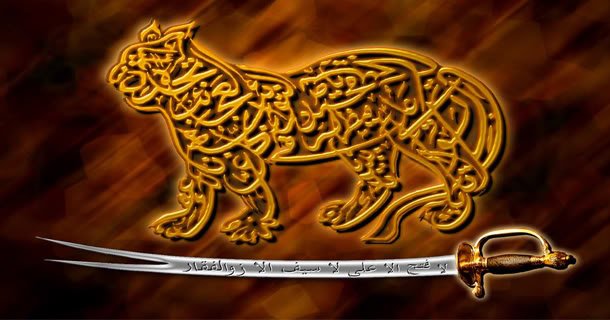
Al Hafiz Muhammad Ahmed Al Siddique Al Ghumari (Died 1380).

Al Hafiz Muhammad Ahmed Al Siddique Al Ghumari (Died 1380).

Moroco Ke Ala Hazrat.

Aap Ka silsile Nasab : Walid Aur Walida Dono Taraf Se Imam Hasan علیہ السلام  Se Jaa Milta Hai.


Aap RA Rafzi Hazraat Ka Saqt Radd Farmate The.

Aap Apni Kitab ” Al Jawab Ul Mofidu Li Saa’il Mostafid”    Ke Page 59 Par Maula Ali علیہ السلام  Ki Shaan Mein Wo Ahadis Jo Darjahe Sahih Wo Motawair Hai Bayan Karte Hain.

1. Aye Ali Tujh se Siwaye Munafiq Ke Koi Nafrat Nahin Karta Aur Siwaye Momin Ke Koi Muhabbat Nahin Karta . ( Sahih Muslim).
2. Jis Ne Ali علیہ السلام  Ko Gali Di, Usne Mujhe (ﷺ) Ko Gali Di, Aur Jisne Mujhe Gali Di Usne Allah Ko Gali Di. Aur Jisne Allah Ko Gali Di Wo Kafir Hogaya.
3. Jis Ka Main ﷺ Maula, Uska Ali علیہ السلام  Maula. Aye Allah Tu Usko Dost Rakh Jo Ali علیہ السلام  Ko Apna Dost Rakhe, aur Tu Usko Apna Dushman Rakh Jo Ali علیہ السلام Se Dushmani Rakhe.


Phir Aage Likhte Hain Ke Ye  Baat Bhi Motawatir Se Sabit Hain Ke Muawiya Mimbaron Mai Maula Ali علیہ السلام Par Lanat Karta, Galiya Deta Tha, Ye Riwaaj Omer ibne Abdullah Aziz RH ke Daur Tak Chali, Isse Waze Hai Ke Wo Munafiq Wo Kafir Tha.

Nasibi Hazraat Kahete Hain Ke Muawiya Ka Maula Ali علیہ السلام  Par Lanat Karna Ijtehaad Tha, Bhala Ye Kaise Hosakta Hai Ke Jab Ke RasoolAllah ﷺNe Khud Faramaya Ke Momin Ko Gali Dena Qatl Karne Jaisa Hai.

Agar Lanat Aur Kabeer Gunah Karne Ko Ijtehaad Kaha Jaye Tou Chor, Sharabi, Zaani Aur Qatil Bhi Mujtahid Howey. Phir Is Duniya Mein Is Ki Koi Na Hadd( Punishment) Hai Aur Na Aqiraat Mein Koi Azab Hoga.”

ALI Alahissalam LITERARY ACHIEVEMENTS 7

Ali’s Letter to his brother Aqil

It was on “I sent a large army against the enemy. its arrival that the enemy fled, but our soldiers gave pursuit and overtook them on the way. It was the time of sunset and in a single encounter the enemy was defeated and routed.

Let the tribe of the Quraish, in sheer ignorance, retain its enmity towards us and try to develop discord (between us). Do not take any notice of their arrogance and false pride. They, (the Quraish) with one accord, have resolved to oppose me in the same way as they previously unanimously resisted the Holy Prophet. God will wreak vengeance on the Quraish. They have. tried to cut my’ relationship and have usurped the kingdom of the son of my mother.

You have asked my opinion about the war. I have come to the conclusion that we should fight against the ignorant until I give up my ghost to God. I am neither encouraged by the numerical strength of the people that surround me (my followers) nor do I feel dejected if they desert me. Beware! Should all the people of the world abandon me, you would not find your brother a coward. Under all circumstances you will never find him one who is preturbed by fear or one who will debase himself

1. Ali’s mother. Fatima bint As’d had brought up the Holy Prophet. Muhammad, after the death of his own mother and the Prophet used to say. ‘After my real mother’s death I recognise Fatima as my mother, who showered motherly affection on me, when I became an orphan. Hence Ali looked upon Muhammad as the son of his mother.by accepting a position of dependence. He will never give the reins (of government) into another’s hands but he is one about whom a poet of the tribe of Banu Salim has said:

O thou Beloved! You ask me; How do I fare? Then listen, Well do I resist; The afflictions with might and dare. I dare not show; My wrinkled and worried face; To sadden my friends; And cheer the foe in waste.”

Ali’s Letter to Malik Ashtar

Ali, in his written “Firman” gave the following

instructions to his general, Malik Ashtar, when he appointed him the governor of Egypt: “O Malik”. Let it be known to you that you have been appointed to the governorship of Egypt. All of your actions will be open to criticism by the people. You should do good deeds. Keep your passions under control. Your dealing with your subjects should be just and fair. Treat them affectionately and love them. There are two kinds of subjects (that you have to govern). 1. They are either your brethren in Islam. 2. Or those (Non-Muslims) who are human beings like you. Intentionally, or unintentionally, they will commit mistakes. It will behove you to excuse them as you expect that God will forgive your sins, because you are their chief.

Never be ashamed if you pardon them. Never feel pleasure in punishing them. Do not be short-tempered. Never say that you are governor over them, for it breeds a feeling of inferiority in them. Should you ever take pride in your exalted position, then think of the power and grandeur of God, for it is the only means to check your arrogance. Remember God hates the cruel and the arrogant. that

Be fair and just for, if you fail in it, you are a tyrant and a tyrant is an enemy of God. God hearkens to the weak and afflicted. Follow the path of moderation in

your dealings and try to please your subjects. It is the common masses that are a great power in the hands of the enemies of Islam. Freely mix with the masses and refrain from the company of backbiters and the wicked. Be broad-minded, overlook the faults of others and forgive them. Do not bear malice against any one and do not do anything which is beneath your dignity. The wicked and the backbiters are very cunning; never lend an ear to what they say. Do not seek the advice of a coward who will make you fainthearted. Do not take the greedy as your advisers, for they will make you cruel. Above all, bear in mind that miserliness, cowardice and greed ruin a person.

In the selection of ministers see that you appoint those who speak the truth, however unpalatable it may be. Do not seek the advice of those who may flatter you to your face, for flattery breeds arrogance. Do not give an equal status to a bad and a good person. Treat a good person kindly and a bad person curtly. Remember that it is better to rule over the people by love than by fear. Always try to satisfy and please your subjects.

Try to maintain the traditions of those earlier Mus- lims who brought amity and love amongst the Believers in Faith and tried to reform. In no way should you depart from these traditions. Should you try to introduce innovations you will come to grief. Always seek advice from the learned and wise concerning the reformation of the people. Your subjects are divided into different classes; some of them are soldiers, who fight for God; some are writers; some are Qadis (Judges); some are non-Muslims who pay “Jizya” (poll tax); some of them are business-men, some are craftsmen and artisans, while a few are beggars. Remember that God has fixed a share for each of them.

The soldiers serve as a fort for the subjects. Theyare the ornament of the rulers, protecting religion and maintaining peace and order. Take good care of them, as you take care of your children. Love them and treat them kindly.

When appointing Qadis, select holy and pious persons for the post. They should neither be greedy nor make errors in their judgments. In no way should they deviate from truth deliberately. They should not become arrogant when flattered. But, alas, such sons are few. per- Supervise your officials, who should be appointed on merit and merit alone. Appoint these officials from those families who accepted Islam the earliest for those are the people who attach more importance to the next world than to this. Give them handsome pay so that they may not be beguiled into monetary temptations. Have a good system of spies to observe their activities. And should any of these officials be found guilty of bribery, misappropriation of government funds or any similar offence, punish him immediately. They should be suspended, disgraced and dismissed.

In the imposition of taxes you should see that the people are taxed according to their capacity. Try to populate those towns and places which are thinly populated. In case of famine, failure of crops or the incidence of any other such calamity to the people, you should remit taxes. Remission of taxes at such junctures mitigates the sufferings of the people and betters their lot. Such philanthropic measures will endear you to the people, who will stand by you through thick and thin. Should the condition of farmers be poor, the cultivation of the land is bound to deteriorate. Should the ruler be greedy, the farmers are bound to be reduced to poverty.

Strictly supervise the work of your record-keepers, who should be appointed from amongst those who are scrupulously honest and are humble. In no should they be negligent in the discharge of their duty case and they must carry out your orders implicitly.

Enjoin the business-men and the industrialists to be honest and kind. They are the men who increase the wealth of a nation. Of a peaceful nature, they are great benefactors of man. Extend your protection to them and encourage them to develop trade and commerce. The prices must be reasonable and they must not be allowed to make exorbitant profits. Their weight must be correct and the balance (in their ledgers) must not be false. Defaulters who set these orders at naught should be punished.

your other Be kind towards the poor and the destitute. Fear God and help them. They need your attention and you should not neglect them because of official duties and activities. Show mercy to the aged and the orphans, who have no means of subsistence. Show them your generosity. Above all be humble and benevolent. When you give anything to them, give it cheerfully with a smiling face. Address them kindly and do not put off till tomorrow what you can do today. Fear God and observe prayers which should be perfect and not defective in any way.

Do not be isolated from your subjects and do not stay away from them for a long time, for if you do so, your officials will oppress the subjects.

Sometimes an officer may adopt unscrupulous and crooked means (for self-aggrandisement) Avoid such men and do not show any favours to them. Do not show any nepotism to your relatives, and do not bestow any land on them.

Be just in your dealings with everyone. If any relation of yours commits any offence, you should punish him according to the laws of God. Under no circumstances should you spare him and show him any mercy.

Should your subjects rebel against you because of your strict disciplinary measures, you should explain to them fully the critical situation which has necessitated your adopting such measures and try to win them over. You should always try to make peace with your enemies,
for peace brings happiness and prosperity. Even after the conclusion of peace, be watchful of your enemie for they sometimes try to deceive you. You must keep your promise to your enemy at any cost. Never violat the terms of a treaty.

Neither break your promise with your enemy no try to deceive him. Avoid bloodshed. Never kil any one without sufficient cause. Verily God wil punish, on the Day of Judgment, those who have shed the blood of others unnecessarily. Never consolidat your position by putting men to the sword unnecessarily and unlawfully, for it is bound to weaken the kingdom. Never take pride in your high rank. Treat the subjects kindly and you must act according to whatever promises you have made. Do the right thing at the right time in the right way. Should the people be unanimous about a particular course of action, never thrust your opinion on them.

Never lose your temper and try to keep your passions under control. Always remember God and try to follow in the footsteps of the Holy Prophet Muhammad (may peace be upon him). Follow these instructions faithfully and sincerely.”

Letter to Abu Musa

Ali, after the battle of Siffin, was forced to appoint Abu Musa Ash’ari as arbitrator. Abu Musa was duped by Mu’awiya’s arbitrator, Amr bin As, and after the fatal pronouncement of the Arbitration he wrote a letter to Alf to which the latter replied as under:

“Verily many persons will be deprived of their rewards in the next world. They fall an easy prey to the temptations of this world. I am in a queer fix as regards the problem of the Caliphate. A man, stiff-necked in his conceit, is at logger-heads with me. Surely, there is no one more anxious than myself to keep the solidarity of Muslims, because I strongly hope that God will reward me for these selfless services of mine in the cause
of the unification of the Muslims. Soon I will fulfil my promise. You turned against the side of the Right and deserted me. Surely there is none more unfortunate than you, because you were deprived of your wisdom and experience. I hate those. who tell lies. Now I advise you to renounce and denounce all those orders for wicked and vicious people will attribute them to you.” 33

Letter to Sahal bin Hanif Ansari

Ali wrote the following letter to Sahal bin Hanif Ansari, the governor of Medina, regarding some of the Medinites who had deserted to Mu’awiya and joined his army.

“After the praise of God and prayer for the Holy Prophet, let it be known to you that I am informed that some Medinites have joined the army of Mu’awiya. Do not feel sorry for their desertion. It is good that they have gone, for you are quite free from their mischief. They are worldly people and therefore they have gone after that which they liked much, although they had found the truth. They have been attracted by the temptations of this world and are driven towards punishment. By God! they have changed sides as a measure of expediency for worldly gain. We pray to God to remove our difficulties and make them easy for us.

The combination of dignity, forcefulness, regret and vigour exhibited in the letter quoted above gives the reader considerable insight into the qualities of Ali’s mind and heart which led to his being considered far above other men in virtue, insight and understanding.

Abdus Salam, a titan of particle physics!

🎈 🎉 It’s the birthday of Abdus Salam, a titan of particle physics!

🇮🇳 🇵🇰 Born in the Punjab Province of British India (now Pakistan) in 1926, Abdus Salam became one of the most prominent scientists in the field of theoretical physics, particularly known for his work in unifying fundamental forces.

🧲 ⚡️ Salam’s most notable work was in the field of particle physics, where he played a key role in developing the electroweak theory. This theory is a fundamental piece of the Standard Model of particle physics. It combines two of the four basic forces of nature: electromagnetism (which includes the forces behind electricity and magnetism) and the weak nuclear force (which is responsible for certain types of nuclear decay processes in atoms).

⚛️ ✨ In the 1960s, along with physicists Steven Weinberg and Sheldon Glashow, Salam developed a mathematical framework that showed how these two forces could be united into a single force at high energy levels. This work was groundbreaking because it helped scientists understand how different forces in the universe are related and can be described in a unified way.

🏆 🏅 For this monumental achievement, Abdus Salam, together with Weinberg and Glashow, was awarded the Nobel Prize in Physics in 1979. This made him the first Pakistani to receive a Nobel Prize in the sciences.

🇮🇹 🧪 Salam’s contributions went beyond his scientific achievements. He was deeply committed to promoting science in developing countries. He founded the International Centre for Theoretical Physics (ICTP) in Trieste, Italy, in 1964. The center provides scientists from developing countries with the resources, training, and facilities needed to advance their research.

🙏🏻 👌🏻 Salam’s legacy lives on through his scientific contributions and his efforts to bridge the gap between developed and developing countries in the field of scientific research.

Happy Birthday, Abdus!

चौदह सितारे हज़रत इमाम अबु जाफ़र हज़रत इमाम मोहम्मद तक़ी(अ.स) पार्ट- 8

हज़रत इमाम मोहम्मद तक़ी (अ.स.) के हिदायात व इरशादात

यह एक मुसल्लेमा हक़ीक़त है कि बहुत से बुज़ुर्ग मरतबा उलेमा ने आपसे उलूमे अहले बैत की तालीम हासिल की। आपके ऐसे मुख़्तसिर हाकिमाना मक़ूलों का भी एक ज़ख़ीरा है। जैसे आपके जद्दे बुज़ुर्गवार हज़रत अमीरल मोमेनीन इमाम अली बिन अबी तालिब (अ.स.) के कसरत से पाए जाते हैं। जनाबे अमीर (अ.स.) के बाद इमाम मोहम्मद तक़ी (अ.स.) के मक़ूलों को एक ख़ास दर्जा हासिल है। बाज़ उलमा ने आपके मक़ूलों की तादाद कई हज़ार बताई है। अल्लामा शिबलन्जी ब हवाला ए फ़सूलुलप मोहिमा तहरीर फ़रमाते हैं कि इमाम मोहम्मद तक़ी (अ.स.) का इरशाद है कि 1. ख़ुदा वन्दे आलम जिसे जो नेमत देता है ब इरादा दवाम देता है लेकिन उस से वह उस वक़्त ज़ाएल हो जाती है जब वह लोगों यानी मुस्तहक़ीन का देना बन्द कर देता है।

2. हर नेमते ख़ुदा वन्दी में मख़लूक़ का हिस्सा है। जब ख़ुदा किसी को अज़ीम नेमतें देता है तो लोगों की हाजतें भी कसीर हो जाती हैं। इस मौके़ पर अगर साहेबे नेअमत (मालदार) ओहदे बरआ हो सका तो ख़ैर ने नेअमत का ज़वाल लाज़मी है।

3. जो किसी को बड़ा समझता है उस से डरता है।

4. जिसकी ख़्वाहिशात ज़्यादा होंगी उसका जिस्म मोटा होगा।

5. सहीफ़ा ए हयाते मुस्लिम का सर नामा हुस्ने ख़ल्क़ है।

6. जो ख़ुदा के भरोसे पर लोगों से बेनियाज़ हो जायेगा लोग उसके मोहताज होंगे।

7. जो ख़ुदा से डरेगा लोग उसे दोस्त रखेगें।

8. इन्सान की तमाम ख़ुबीयों का मरकज़ ज़बान है।

9. इन्सान के कमालात का दारो मदार अक़ल के कमाल पर है।

10. इन्सान के लिये फ़ख़्र की ज़ीनत इफ़्फ़त है। ख़ुदाई इम्तेहान की ज़ीनत शुक्र है। हसब की ज़ीनत तवाज़ो और फ़रोतनी है। कलाम की ज़ीनत फ़साहत है। रवायत की ज़ीनत हाफ़ेज़ा है। इल्म की ज़ीनत इन्केसार है। वरा और तक़वा की ज़ीनत हुस्ने अदब है। क़नात की ज़ीनत ख़न्दा पेशानी है। वरा व परेहज़गारी की ज़ीनत तमाम मामेलात से कनारा कशी है।

11. ज़ालिम और ज़ालिम के मद्दगार और ज़ालिम के फे़ल को सराहने वाले एक ही ज़ुमरे में हैं यानी सब का दर्जा बराबर है।

12. जो ज़िन्दा रहना चाहता है उसे चाहिये कि बर्दाश्त करने के लिये अपने दिल को सब्र अज़मा बना ले।

13. ख़ुदा की रज़ा हासिल करने के लिये तीन चीज़ें होनी चाहियें , अव्वल अस्तग़फ़ार , दोम , नरमी और फ़रोतनी , सौम , कसरते सदक़ा।

14. जो जल्द बाज़ी से परहेज़ करेगा , लोगों से मशविरा लेगा , अल्लाह पर भरोसा रखेगा वह कभी शर्मिन्दा नहीं होगा।

15. अगर जाहिल ज़बान बन्द रखे तो इख़्तेलाफ़ात न हों।

16. तीन बातों से दिल मोह लिये जाते हैं , क. माशरे में इंसाफ़ , ख. मुसीबत में हमदर्दी , ग. परेशान ख़ातरी में तसल्ली।

17. जो किसी बुरी बात को अच्छी निगाह से देखेगा वह उसमें शरीक समझा जायेगा।

18. कुफ़राने नेअमत करने वाला ख़ुदा की नाराज़गी को दावत देता है।

19. जो तुम्हारे किसी अतिए पर शुक्रिया अदा करे गोया उसने तुम्हें उससे ज़्यादा दे दिया।

20. जो अपने भाई को पोशीदा तौर पर नसीहत करे वह उसका मोहसिन है और जो एलानिया नसीहत करे गोया उसके साथ बुराई की।

21. अक़लमन्दी और हिमाक़त जवानी के क़रीब तक एक दूसरे पर ग़लबा करते रहते हैं और जब अठ्ठारा साल पूरे हो जाते हैं तो इस्तक़लाल पैदा हो जाता है और राह मोअय्यन हो जाती है।

22. जब किसी बन्दे पर नेअमत का नुज़ूल हो वह इस नेअमत से मुताअस्सिर हो कर यह समझे कि यह ख़ुदा की इनायत और मेहरबानी है तो ख़ुदा वन्दे आलम शुक्र करने से पहले उसका नाम शाकिरों में लिख लेता है और जब कोई गुनाह करने के बाद यह महसूस करे कि मैं ख़ुदा के हाथ में हूँ वह जब और जिस तरह चाहे अज़ाब कर सकता है तो ख़ुदा वन्दे आलम उसे अस्तग़फ़ार से क़ब्ल बख़्श देता है।

23. शरीफ़ वह है जो आलिम है और अक़्लमन्द वह है जो मुत्तक़ी है।

24. जल्द बाज़ी कर के किसी अम्र को शोहरत न दो जब तक तकमील न हो जाए। 25. अपनी ख़्वाहिशात को इतना न बढ़ाओ कि दिल तंग हो जाओ।

26. अपने ज़ईफ़ों पर रहम करो और उन पर रहम के ज़रिए से अपने लिये रहम की ख़ुदा से दरख़्वास्त करो।

27. आम मौत से बूरी मौत वह है जो गुनाह के ज़रिए से हो , और आम ज़िन्दगी से ख़ैरो बरकत के साथ वाली ज़िन्दगी बेहतर है।

28. जो ख़ुदा के लिये अपने किसी भाई को फ़ाएदा पहुँचाए वह ऐसा है जैसे उसने अपने लिये जन्नत में घर बना लिया।

29. जो ख़ुदा पर एतमाद रखे और उस पर तवक़्कु़ल और भरोसा करे खु़दा उसे हर बुराई से बचाता है और उसकी हर क़िस्म के दुश्मन से हिफ़ाज़त करता है।

30. दीन इज़्ज़त है , इल्म ख़ज़ाना है और ख़ामोशी नूर है।

31. ज़ोहद कि इन्तेहा वरा और तक़वा है।

32. दीन को तबाह कर देने वाली चीज़ बिदअत है।

33. इन्सान को बादबाद करने वाली चीज़ लालच है।

34. हाकिम की सलाहियत पर रेआया की ख़ुशहाली का दारो मदार है।

35. दुआ के ज़रिए हर बला टल सकती है।

36. जो सब्रो ज़ब्त के साथ मैदान में आ जाए वह कामयाब होगा।

37. जो दुनियां में तक़वा का बीज बोएगा आख़ेरत में दिली मुरादों का फल पाएगा।

(नूरूल अबसार पृष्ठ 148 प्रकाशित मिस्र)