
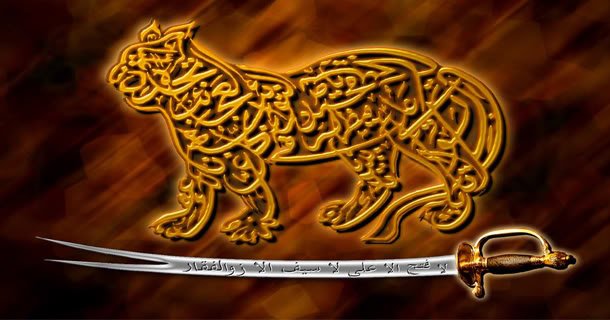


अमीरल मोमेनीन हज़रत अली (अ.स.)
नुसरते दीं है, अली का काम सोते जागते
ख़्वाबो बेदारी है यकसां यह हैं ऐने किरदिगार
इसकी बेदारी की अज़मत को सने हिजरी से पूछ
जिसका सोना बन गया, तारिखे दीं की यादगार (साबिर थरयानी, कराची)
मौलूदे काबा हज़रत अली (अ.स.) अबुल ईमान हज़रत अबू तालिब व जनाबे फ़ात्मा बिन्ते असद के बेटे पैग़म्बरे इस्लाम हज़रत मोहम्मद मुस्तफ़ा स. सहीमे नूर, दामाद, भाई, जानशीन और फ़ात्मा स. के शौहर हज़रत इमामे हसन (अ.स.), इमामे हुसैन (अ. स.) ज़ैनबो उम्मे कुलसूम के पदरे बुजुर्गवार थे। आप जिस तरह पैग़म्बरे इस्लाम के नूर में शरीक थे, उसी तरह कारे रिसालत में भी शरीक थे। यौमे विलादत से ले कर पूरी जिन्दगी पेग़म्बरे इस्लाम के साथ उनकी मदद करने में गुज़ारी । उमूरे मम्लेकत हो या मैदाने जंग आप हर मौक़े पर ताज दारे दो आलम के पेश पेश रहे। अहदे रिसालत स. के सही फ़तूहात का सेहरा आप ही के सर रहा। इस्लाम की पहली मंजिल दावते जुल अशीरा से ले कर ता विसाले रसूल स. आपने वह कार हाय नुमायां किये जो किसी सूरत में भूलाये नहीं जा सकतेऔर क्यों न हो जब कि आपका गोश्त पोस्त रसूल स. का गोश्त पोस्त था और अली (अ.स.) पैदा ही किये गये थे इस्लाम और पैग़म्बरे इस्लाम के लिये ।
आपकी विलादत आपकी नूरी तख़्लीक़, खिल्क़ते सरवरे कायनात के साथ साथ पैदाईशे आलम व आदम (अ. स.) से बहुत पहले हो चुकी थी लेकिन इन्सानी शक्लो सूरत में आपका ज़ुहूर व नमूद 13 रजब 30 आमूल फ़ील, मुताबिक़ 600 ई0 जुमे के दिन बमुक़ामे ख़ानाए काबा हुआ। आपकी मां फ़ात्मा बिन्ते असद और बाप अबू तालिब थे। आप दोनों तरफ़ से हाशमी थे। इतिहासकारों ने आपके ख़ाना ए काबा में पैदा होने के मुताअल्लिक़ कभी कोई इख़्तेलाफ़ जाहिर न किया बल्कि बिल इत्तेफ़ाक़ कहते हैं कि लम यूलद किबलहा वला बादह मौलूद फ़ी बैतुल हराम आप से पहले कोई न ख़ाना ए काबा में पैदा हुआ है न होगा। इसके बारे में उलेमा ने तवातुर का दावा भी किया है। (मुस्तदरिक इमामे हाकिम जिल्द 3 पृष्ठ 483) तवारिखे इस्लाम में वाकियाए विलादत यूं बयान किया गया है कि फ़ात्मा बिन्ते असद को जब दर्दे ज़ेह की तकलीफ़ महसूस हुई तो आप रसूल करीम के मशवरे के मुताबिक़ ख़ाना ए काबा के क़रीब गईं और उसका तवाफ़ करने के बाद दीवार से टेक लगा कर खड़ी हो गईं और बारगाहे ख़ुदा की तरफ़ मुतावज्जे हो कर अर्ज़ करने लगीं, ख़ुदाया मैं मोमेना हूं तुझे इब्राहीम बानी ए काबा और इस मौलूद का वास्ता जो मेरे पेट में है, मेरी मुशकिल दूर कर दे। अभी दुआ के जुमले ख़त्म न होने पाए थे कि दीवारे काबा शक (टूटना ) हो गई और फ़ात्मा बिन्ते असद काबे में दाखिल हो
गईं और दीवार ज्यों की त्यों हो गई। ( मनाकिब पृष्ठ 132, वसीलतुन नजात पृष्ठ 60) विलादत काबा के अन्दर हुईं। अली (अ.स.) पैदा तो हुए लेकिन उन्होने आंख नहीं खोली। मां समझी की शायद बच्चा बे नूर है, मगर जब तीसरे दिन सरवरे कायनात स. तशरीफ़ लाए और अपनी आग़ोशे मुबारक में लिया तो हज़रत अली (अ. स.) ने आंखे खोल दीं और जमाले रिसालत पर पहली नज़र डाली। सलाम कर के तिलावते सहीफ़ाए आसमानी शुरू कर दी। भाई ने गले लगाया और यह कह कर कि ऐ अली (अ.स.) जब तुम हमारे हो तो मैं तुम्हारा हूं, फ़ौरत मूंह मे ज़बान दे दी। अल्लामा अरबली लिखते हैं वअज़ ज़बाने मुबारक दवाज़दह चश्मा कशूदा शुद ज़बाने रिसालत स. से दहने इमामत में बारह चशमे जारी हो गये और अली (अ.स.) अच्छी तरह सेराब हो गये। इसी लिए इस दिन को यौमुल तरविया कहते हैं क्योंकि तरविया के माने सेराबी के हैं। (कशफ़ुल ग़म्मा पृष्ठ 132)
अल ग़रज़ हज़रत अली (अ.स.) ख़ाना ए काबा से चौथे रोज़ बाहर लाए गये और उसके दरवाज़े पर अली (अ.स.) के नाम का बोर्ड लगा दिया गया। जो हश्शाम इब्ने अब्दुल मलिक के ज़माने तक लगा रहा। आप पाको पाकीज़ा, तय्यबो ताहिर और मख़्तून (ख़तना शुदा) पैदा हुए। आपने कभी बुत परस्ती नहीं की और आपकी पेशानी कभी बुत के सामने नहीं झुकी इसी लिए आपके नाम के साथ करम अल्लाह वजहा कहा जाता है । ( नूरूल अब्सार, पृष्ठ 76, सवाएके मोहर्रेका पृष्ठ 72)
आपके नामे नामी मोर्रेख़ीन का बयान है कि आपका नाम जनाबे अबू तालिब ने अपने जदे आला जामए क़बाएले अरब क़सी के नाम पर ज़ैद और मां फ़ात्मा बिन्ते असद ने अपने बाप के नाम पर असद और सरवरे काएनात स. ने ख़ुदा के नाम पर अली रखा। नाम रखने के बाद अबू तालिब और बिन्ते असद ने कहा हुज़ूर हमने हातिफ़े ग़ैबी से यही नाम सुना था । ( रौज़ातुल शोहदा और किफ़ायत अल तालिब)
आपका एक मशहूर नाम हैदर भी है जो आपकी मां का रखा हुआ है। जिसकी तस्दीक़ इस रजज़ से होती है जो आपने मरहब के मुक़ाबले में पढ़ा था। जिसका पहला मिसरा यह है अना अल लज़ी समतनी अमी हैदरा इस नाम के मुताअल्लिक रवायतों में है कि जब आप झूले में थे एक दिन मां कही गई हुई थीं झूले पर एक सांप जा चढ़ा, आपने हाथ बढ़ा कर उसके मुँह को पकड़ लिया और कल्ले को चीर फेंका, माँ ने वापस हो कर यह माजरा देखा तो बे साख़्ता कह उठीं, यह मेरा बच्चा हैदर है।
कुन्नीयत व अल्क़ाब आपकी कुन्नीयत व अल्क़ाब बे शुमार हैं। कुन्नीयत में अबुल हसन और अबू तुराब और अल्क़ाब में अमीरुल मोमेनीन, अल मुर्तजा, असद उल्लाह, यदुल्लाह, नफ़्सुल्लाह, हैदरे करार, नफ़्से रसूल और साकिये कौसर ज़्यादा मशहूर हैं।


 Aal-e-Qutub Aal-e-Syed Abdullah Shah Ghazi