

Day: March 25, 2024

The Best of Creation part 23

Ibrāhīm, the son of Allah’s messengerﷺ from Mariyah the Copt, passed away at one and half years of age.
‘Adi ibn Hatim came to the Prophet ﷺ and accepted Islam and remained true to his declaration.
Musaylimah the Impostor claimed Prophethood and sent a letter to the Messenger of Allah, ﷺ saying therein that he is the Prophet’s partner in his role as a messenger, so he responded, rejecting him and declaring him a liar.
The Farewell Pilgrimage, also called the Pilgrimage of Conveyance (balāgh) and the Pilgrimage of Islam, happened this year. It was called the Farewell Pilgrimage because he ﷺ the people farewell in it. It was named the Pilgrimage of Islam because it was the only pilgrimage he ﷺ undertook from Medina, even though he ﷺ performed the pilgrimage on numerous occasions whilst in Mecca. Furthermore, it was called the Pilgrimage of Conveyance because he ﷺ conveyed to the people Allah’s laws on how to perform the hajj, both verbally and practically, and nothing of the pillars of Islam and its foundations remained except that of Stard and its to it thatom he had clarified them. When he ﷺ demonstrated to them how to legally perform the pilgrimage (hajj), and explained and clarified it, Allah, the Mighty and Majestic, revealed to him as he stood in ‘Arafah, ‘Today, I have perfected for you your religion and have completed My favour upon you and I am pleased for Islam to be your religion’ [Qur’an 5: 3].
He ﷺ left Medina on Saturday, five days before the end of the month of Dhu al-Qa’dah; all of his wives were with him on this pilgrimage, and he ﷺ entered the iḥrām from Dhu al-Hulayfah. They [the scholars] have differed over his iḥrām [i.e. what type of hajj did he intend to perform]; the predominant opinion is that he eventually performed it as a Qārin [one who performs umrah and hajj simultaneously].When they arrived at Dhū al-Ḥulayfah, Asma’ bint ‘Umays Muḥammad ibn Abi Bakr gave birth to a child,
so he ordered her to have a bath and then tie something around her waist and place a wide piece of cloth over the place of bleeding and initiate the iḥrām.
He ﷺ entered from the top of Mecca during the day on Sunday the fourth of Dhu al-Hijjah, and stayed there until the eighth day. During the period of his stay, he would perform the prayers at the house where he had alighted with the Muslims in the outer part of Mecca, shortening the prayers [as he was a traveller] on Sunday, Monday, Tuesday and Wednesday. When it was Thursday, late morning, he proceeded, together with the rest of the Muslims, towards Minā and spent Friday night there. He ﷺ stood in ‘Arafah on Friday and delivered a splendid sermon wherein he consolidated the foundations of Islam and destroyed the foundations of polytheism and the Era of Ignorance. He [also] established therein the prohibition of those unlawful matters which are unanimously unlawful according to all the religions: the sanctity of blood, wealth and honour, and placed all the practices of the Era of Ignorance under his feet and abolished them; and he enjoined the good treatment of women, and mentioned the rights that they have and those that they are charged with, and that husbands are obliged to kindly provide them with food and clothing, but he did not stipulate a certain amount, and he permitted husbands to strike them if they allowed to enter their homes anyone they disliked; and he enjoined the Nation (ummah) to adhere strictly to the Book of Allah [Qur’an] and told them that they shall not deviate as long as they adhere to it, and he then told them that they will be held responsible for that; and he asked them what they will say and what they will testify, so they said, ‘We testify that you have conveyed [the message], discharged [the trust] and given sincere counsel,’ so he raised his finger towards the sky and three times sought Allah to be a witness over them and ordered that those present convey to those who were absent.

Ali AlaihisSalam the Super man part 11 Ali AlaihisSalam and The Ghazawats
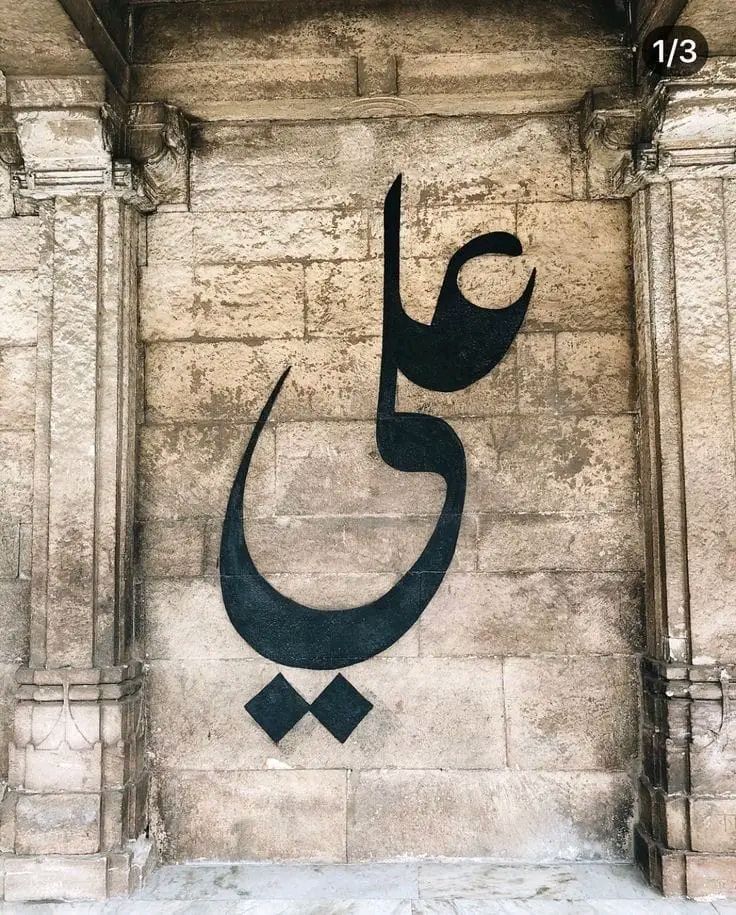
Ali’s participation in all the “Ghazawats
Ali AlaihisSalam is said to have participated in all the “Ghazawats” (the holy wars fought by the Holy Prophet), except the Tabuk Expedition, when he was left as Governor of Medina to look after domestic affairs. His dauntless courage, fortitude and unflinching loyalty made him the main hero of all these campaigns and the carnage of his sword “Dhulfakar” established such awe and terror in the ranks of the enemy that it led to the saying “None of the weapons slaughtered more than the ‘Dhulfakar’. It was the valour of Ali and the strength of his arms that turned the tables at critical juncture on the battlefield, and it was the victories won by him over the Meccans that ensured the triumph of Islam over polytheism.
The Battle of Uhud
In January 625 A.D. Abu Sufyan, the leader of the Meccans mustered an army of 3000 strong and marched on Medina to avenge the scandal of the defeat at Badr. Muhammad ﷺ (may peace be upon him) collected with great difficulty a force of 700 ill-equipped Muslims and 300 Jews. The Muslim army was no match for the Meccan army which was superior in arms, equipment and numbers and in the conference that Muhammad ﷺ (may peace be upon him) held with his companions he suggested that the best way to tackle such a formidable able force was to wait behind the walls of the city. The younger men, clated with the victory at Badr, clamoured to take the open field, a foolhardy course to which the Prophet ﷺ gave way only with the greatest reluctance. He led his forces out of the city to Mount Uhud.
Uhud was a great pile of barren rock rising out of the desert without any growth of vegetation. In the glare of the desert it burnt like an oven, desolate of shade. The Muslim warriors were ordered to take up their position on the rising ground, which could be an advantage in defence, and the archers were ordered to take up positions on an adjoining mound behind the main position. They were given special instructions not to leave their places for any reason whatever, with- out definite orders from Muhammad ﷺ himself.
The Meccan pagans, assisted by their womenfolk took up their stand on the plain below the hill, and so the two armies faced each other. Before the battle began the three hundred Jews, who had made common cause with the Muslims, deserted Muhammad, ﷺ which greatly elated the Meccans who had already been superior in numbers. Further, encouraged by the songs of their women, they now challenged the Muslim champions to single combats. Talha, the hereditary standard bearer of the Qurishites came out and threw down the first challenge which was accepted by Ali who stepped out from the Muslim force and crossed swords with him. Thus without any preliminary the duel began, and as Ali’s sword flashed in the sun, the head of Talha jumped from his shoulders and fell on the sand. underneath. At this Talha’s brother and other near relatives came out to fight duels, and each time Ali’s sword succeeded in chopping off their heads. When the general battle followed Ali’s sword “Dhulfakar”. wrought such a tremendous havoc in the enemy ranks. that the pagans began to take to their heels. Ali and Humza had broken through the enemy line and a Muslim victory seemed certain. The Muslim forces drove a wedge through the Meccan ranks but the Mus-lim archers posted on the adjoining mound rashly left their places to join them in the pursuit of plunder, leav- ing a critical gap in Nabi Pakﷺ defences and the Meccan general Khalid bin Walid, who had been wait- ing for just such an opportunity, wheeled his squadron round to occupy the place vacated by the Muslim archers. This changed the entire picture of the battle, the next phase of which went completely against the Muslims. The Holy Prophet’s uncle Humza was martyred as was the Muslim standard bearer Musab bin Omeir, who so much resembled the Holy Prophet in appearance. These tragic events turned the tables completely and now the Muslims began to flee before Khalid’s lancers.
Ali’s Heroism in the Battle
At this point, when defeat for the Muslims looked like turning into a rout, when their Standard-Bearer was dead and there seemed no hope of rallying them, Ali AlaihisSalam hurled himself into the Fray, there encountering Sa’d bin Abi Talha, the standard bearer of the Meccans. One stroke of Ali’s sword and Abu Sa’d fell on the ground, naked and defenceless. Pitying his sad plight, Ali left him unkilled, moving on to attack still more of the enemy with unflinching zeal. legends tell us that he killed several hundreds of them on that single his day, and that the more he fought, the greater strength became. When in one of these struggles Ali’s sword was broken Muhammad (may peace be upon gave him his own sword, which Ali kept all his life. heroism caused the angels to sing in heaven “La Fata Illa Ali La Saif Illa”Dhufakar” (there is no better youth than Ali and no better sword than Dhulfakar).

चौदह सितारे पार्ट 14

हिजरते मदीना
14 बेअसत मुबाबिक़ 622 ई0 में हुक्मे रसूल (स.अ.व.व.) के मुताबिक़ मुसलमान चोरी छिपे मदीने की तरफ़ जाने लगे और वहां पहुँच कर उन्होंने अच्छा स्थान प्राप्त कर लिया। कुरैश को जब मालूम हुआ कि मदीने में इस्लाम ज़ोर पकड़ रहा है तो ( दारूल नदवा) में जमा हो कर यह सोचने लगे कि अब क्या करना चाहिये। किसी ने कहा मोहम्मद को यहीं क़त्ल कर दिया जाये ताकि उनका दीन ही ख़त्म हो जाये। किसी ने कहा जिला वतन कर दिया जाये। अबू जहल ने राय दी कि विभिन्न क़बीलों के लोग जमा हो कर एक साथ उन पर हमला कर के उन्हें क़त्ल कर दें ताकि कुरैश खूं बहा न ले सकें। इसी राय पर बात ठहर गई और सब ने मिल कर आं हज़रत ( स.अ.व.व.) के मकान का घेराव कर लिया। परवरदिगार की हिदायत के अनुसार जो हज़रत जिब्राईल के ज़रिये पहुँची आपने अपने बिस्तर पर हज़रत अली (अ.स.) के लिटा दिया और एक मुठी धूल ले कर घर से बाहर निकले और उनकी आंखों में झोंकते हुए इस तरह निकल गये जैसे कुफ से ईमान निकल जाये। अल्लामा शिब्ली लिखते हैं कि यह सख़्त ख़तरे का मौक़ा था। जनाबे अमीर को मालूम हो चुका था कि क़ुरैश आपके क़त्ल का इरादा कर चुके हैं और आज रसूल अल्लाह (स.अ.व.व.) का बिस्तरे ख़्वाब क़त्लगाह की ज़मीन है लेकिन फ़ातेहे ख़ैबर के लिये क़त्लगाह फ़र्शे गुल था। (सीरतुन नबी व मोहसिने आज़म सन् 165 ) सुबह होते होते दुश्मन दरवाज़ा तोड़ कर घर में घुसे तो
अली को सोता हुआ पाया। पूछा मोहम्मद कहां हैं? जवाब दिया जहां हैं ख़ुदा की अमान में हैं। तबरी में है कि अली (अ.स.) तलवार सूत कर खड़े हो गये और सब घर से निकल भागे। अहयाअल उलूम ग़ज़ाली में है कि अली की हिफ़ाज़त के लिये ख़ुदा ने जिब्राईल और मीकाईल को भेज दिया था, यह दोनों सारी रात अली की ख़्वाबगाह का पहरा देते रहे। हज़रत अली (अ.स.) का फ़रमान है कि मुझे बे हिजरत जैसी नीन्द आई सारी उम्र न आई थी। तफ़सीरों में है कि इस मौके के लिये आयत व मिन्न नासे मन यशरी नाज़िल है। अल ग़रज आं हज़रत (स.अ.व.व.) के रवाना होते ही हज़रत अबू बकर ने उनका पीछा किया आपने रात के अन्धेरे में यह समझ कर कि कोई दुश्मन आ रहा है अपने क़दम तेज़ कर दिये । पांव में ठोकर लगी ख़ून बहने लगा, फिर आपने महसूस किया कि इब्ने अबी क़हाफ़ा आ रहे हैं। आप खड़े हो गये। (सही बुख़ारी जिल्द 1 भाग 3 पृष्ठ 69) में है कि रसूले ख़ुदा (स.अ.व.व.) ने अबू बकर बिन क़हाफ़ा से एक ऊँट ख़रीदा और मदारिजुल नबूवत में है कि हज़रत अबू बकर ने दो सौ दिरहम में ख़रीदी ऊँटनी आं हज़रत के हाथ 900 नौ सौ दिरहम की बेची इसके बाद यह दोनों गारे सौर तक पहुँचे, यह ग़ार मदीने की तरफ़ मक्के से एक घण्टे की राह पर ढ़ाई या तीन मील दक्षिण की तरफ़ स्थित है। इस पहाड़ की चोटी तक़रीबन एक मील ऊँची है समुन्द्र वहां से दिखाई देता है।
(तलख़ीस सीरतुन नबी पृष्ठ 169 व ज़रक़ानी)
यह हज़रात ग़ार में दाखिल हो गये ख़ुदा ने ऐसा किया कि ग़ार के मुँह पर बबूल का पेड़ उगा दिया। मकड़ी ने जाला तना, कबूतर ने अन्डे दे दिये और ग़ार में जाने का शक न रहा। जब दुश्मन इस ग़ार पर पहुँचे तो वह यही सब कुछ देख कर वापस हो गये। अजायब अल क़सस पृष्ठ 257 में है कि इसी मौक़े पर हज़रत ने कबूतर को ख़ाना काबा पर आकर बसने की इजाज़त दी। इससे पहले और परिन्दों की तरह कबूतर भी ऊपर से गुज़र नहीं सकता था। मुख़्तसर यह कि 1 रबीउल अव्वल सन् 14 बेअसत (जुमेरात) के दिन शाम के वक़्त क़ुरैश ने हज़रत के घर का घेराव किया था। सुबह से कुछ पहले 2 रबीउल अव्वल जुमे के दिन को ग़ारे सौर में पहुँचे। इतवार के दिन 4 रबीउल अव्वल तक ग़ार में रहे। हज़रत अली (अ.स.) आप लोगों के लिये रात में खाना पहुँचाते रहे। चौथे रोज पांच रबीउल अव्वल दोशम्बे के रोज़ अब्दुल्लाह इब्ने अरीक़त और आमिर बिन फ़हीरा भी आ पहुँचे और यह चारों शख़्स मामूली रास्ता छोड़ कर बहरे कुलजुम के किनारे मदीने की तरफ़ रवाना हुए। कुफ़्फ़ारे मदीना ने ईनाम मुक़र्रर कर दिया कि जो शख़्स उनको ज़िन्दा पकड़ कर लायेगा या उनका सर काट कर लाऐगा तो 100 ऊँट ईनाम में दिये जाऐंगे। इस पर सराक़ा इब्ने मालिक आपकी खोज लगाता हुआ गार तक पहुँचा उसे देख कर हज़रत अबू बकर रोने लगे तो हज़रत ने फ़रमाया रोते क्यों हो ख़ुदा हमारे साथ है सराक़ा क़रीब पहुँचा ही था कि उसका घोड़ा उसके जानू तक ज़मीन में धंस गया। उस वक़्त हज़रत रवानगी के लिये बाहर आ चुके थे।
उसने माफ़ी मांगी, हज़रत ने माफ़ी दे दी। घोड़ा ज़मीन से निकल आया। वह जान बचा कर भागा और काफ़िरों से कह दिया कि मैंने बहुत तलाश किया मगर मोहम्मद (स.व.व.अ.) का पता नहीं मिलता। अब दो ही सूरतें हैं या ज़मीन में समा गये या आसमान पर उड़ गये। (1)
हज़रत का क़बा के स्थान पर पहुँचना 12 रबीउल अव्वल दो शम्बा दो पहर के समय आप क़बा के स्थान पर पहुँचे जो मदीने से दो मील के फ़ासले पर एक पहाड़ी है। आपका ऊँट उस जगह ख़ुद ही रूक गया और आगे न बढ़ा। आप उतर पड़े। वहां के रहने वालों ने ख़ुशी के मारे नारा ए तकबीर बुलन्द किया। आपने यहां एक मस्जिद की बुनियाद डाली ।
इसी मक़ाम पर हज़रत अली (अ.स.) भी मक्के से अमानतों की अदायगी से सुबुक दोशी हासिल करने के बाद आ पहुँचे। आपके साथ औरतें और बच्चे थे। औरतें और बच्चे ऊँटों पर सवार थे और हज़रत अली (अ.स.) पैदल थे। इसी वजह से आपके पैरों पर वरम था और बक़ौल इब्ने खल्दून आपके पैरों से ख़ून जारी था । आं हज़रत (स.व.व.अ.) की नज़र जब अली (अ.स.) के पैरों पर पड़ी तो आप रोने लगे और लोआबे दहन ( थूक ) लगा कर अच्छा कर दिया।
मदीने में दाखिला मक़ामें क़बा में चार दिन रुकने के बाद आप मदीने की तरफ़ रवाना हुए और 16 रबीउल अव्वल जुमे के दिन मदीने में दाखिल हो गये। महल्ले बनी सालिम में नमाज़ का वक़्त आ गया आपने नमाज़े जुमा यहीं अदा फ़रमाई ।
यह इस्लाम में सब से पहली नमाज़े जुमा थी । यह वही जगह है जहां अब मस्जिदे नबवी है।
मस्जिदे नबवी की तामीर मदीने में दाखिले के बाद आपने सब से पहले एक मस्जिद की बुनियाद डाली जो बहुत सादगी के साथ तैयार की गई । उसकी ज़मीन अबू अय्यूब अंसारी ने ख़रीदी और उसमें मज़दूरों की हैसियत से दूसरे असहाब के साथ आं हज़रत (स.व.व.अ.) भी काम करते रहे। मस्जिद के साथ साथ हुजरे भी तैयार किये गये और एक चबूतरा जिसे सुफ़्फ़ा कहते थे, यही वह जगह थी जहां नये मुसलमान ठहराये जाते थे। उन्हीं लोगों को अस्हाबे सुफ़्फ़ा कहा जाता था और उनकी परवरिश सदके वग़ैरा से की जाती थी ।
नमाज़ व ज़कात का हुक्म मस्जिदे नबवी की तामीर के बाद नमाज़ की रकअतों को भी तय कर दिया गया यानी पहले मग़रिब के अलावा सब नमाज़ें दो रकअती थीं फिर 17 रकअतें मुअय्यन कर दी गईं और उनके औकाद बता दिये गये। इब्ने खल्दून के अनुसार इसी साल ज़कात भी फ़र्ज़ की गई।
 Aal-e-Qutub Aal-e-Syed Abdullah Shah Ghazi