The Deputation of the Beasts of Prey Volume 1, Parts II.74.102 Muhammad Ibn ‘Umar said: Shu’ayb lbn ‘Ubadah related to me on the authority of al-Muttalib Ibn ‘Abd Allah lbn Hantab; he said: While the Apostle of Allah, may Allah bless him, was sitting amidst his Companions at al-Madinah, a wolf came in and stood before the Apostle of Allah, may Allah bless him. Then he howled before him. Thereupon the Apostle of Allah, may Allah bless him, said: This is a member of the deputation of the beasts of prey to you. If you like, you can allot a share for him and he will not go beyond it. And if you like, you may let him go and be cautious against him; then whatever he seizes will be his provision. They said: O Apostle of Allah! we shall not agree to it. Thereupon the Prophet, may Allah bless him, signalled him with his fingers to return, on this he turned his back and (he was seen) running.
In Safar 4 H one chief of Abu Bara came from Najd to Madina. The Prophet (s.a.) invited him to embrace Islam. He said that he would have no objection to embracing the Faith, but he would prefer if the Prophet (s.a.) sent with him a delegation of Muslims to Najd to extend the invitation to the people there. The Prophet (s.a.) expressed his doubt that some persons in Najd might harm the delegates. Abu Bara said that the men will go in his personal protection. The Prophet (s.a.) selected seventy companions who were pious, and well informed, and sent them with a letter from himself to the people of Najd. On reaching the region, the delegation halted at Bar Maoona and gave the Prophet (s.a.)’s letter to Haram ibne Malhaan to take it to Aamir ibne Tofail, the nephew of Abu Bara. That enemy of Allah refused to read or even take the letter. Haram ibne Malhaan, sensing the situation said that if he had his pardon, he would say something. Before he could say anything further, at a hint from Aamir, one of his men pierced a spear in the back of the courier. He fell down dead.
After this heartless murder, Aamir sent his men to Bar Maouna to attack the Muslims. But they refused to act because they were aware of the protection that Bara had promised them. With the help of some other tribes, Aamir surrounded the Muslims and killed all of them excepting two of the group. Of these two, one was Kaab ibne Zaid whom they thought dead and left him. The other was Umro ibne Umayya who was taken prisoner but later on released as a thanksgiving offer of Aamir’s mother for a boon that she had received! When Umro reached Qurrat al Kadr, on the way to Madina, he noticed two companions of Aamir and quietly shadowed them. While the two were sleeping under a tree he murdered them as a Qasas for the killing of the delegates by Aamir. When he reached Madina he learnt that both the persons had been given a written amnesty by the Prophet (s.a.). When the Prophet (s.a.) was informed of this event, he said that whatever had happened was because of lack of information and misunderstanding and that blood money shall be paid to both the families.
The Prophet (s.a.) was having an agreement of cooperation with the Jewish Tribes of Bani Qaniqa, Bani Qariza and Bani Nazeer. He thought of borrowing some money from Bani Nazeer for paying to the families of the two deceased persons as a settlement. They responded by saying that he was their guest and they would comply with what he has asked for. The Prophet (s.a.), along with his Companions, went to the locality of Bani Nazeer which was in the neighborhood of Madina. He sat there with his back to the wall of their fortress. Bani Nazeer were not having any good intentions. They sent a person, Umro ibne Hajash, to climb the wall of the fortress and throw a big stone on the Prophet (s.a.) to kill him. The Prophet (s.a.) got a vision that he should immediately rise and return to Madina. He sent a word through Mohammed ibne Maslima that the Bani Nazeer were behaving treacherously and were attempting to kill him contrary to the terms of their agreement. He served them a notice that with all their belongings they should go away within ten days. When Bani Nazeer got this notice, they prepared to leave Madina. But Abd Allah bin Ubai, who was their cohort, asked them to keep staying in their homes and not to shift to any other place. He assured them that he would help them with a 2,000 strong contingent. He also told them that in the event of a conflict even Bani Qariza, Bani Ghatfan and their allies too will help them. When Bani Nazeer received offers of help, they decided to stay put.and sent word to the Prophet (s.a.) that they wouldn’t evacuate their homes and he might do whatever he wished to! In a manner it was an invitation to fight, leaving no choice for the Prophet (s.a.). The Prophet (s.a.) got together a small contingent and marched towards the fortress. Tabari writes:
“On that day
the Standard of the Prophet (s.a.) was in the hand of Ali ibne Abi Talib (a.s.). ” Ref: Tareeq e Tabari, Vol 2, Page 226
When Bani Nazeer saw the Islamic contingent coming, they locked themselves inside the fortress. The Muslims established a siege of the fortress. When they saw that they were surrounded from all sides, the Bani Nazeer started flinging stones and arrows from the ramparts of the fortress but didn’t succeed in disturbing the siege. One night some Jews came out of the fortress and sent a barrage of arrows on the Muslims to force them lift the siege. One of them took aim of the Prophet (s.a.)’s tent and shot an arrow. The Prophet (s.a.) ordered his tent to be pitched at the base of the hill away from the open, exposed place. The Prophet (s.a.) ordered the shifting, and Hazrat Ali (a.s.) stood up and watched to identify the bowman. When the Companions missed Ali (a.s.) they asked the Prophet (s.a.) of his whereabouts. He said that he must have gone for some work. A short while after that they found Ali (a.s.) coming with the head of a Jew in his hand. He went near the Prophet (s.a.) and put the head near his feet. He said, “This is the head of the famous Jewish bowman, Galool, who had sent the arrow towards your tent! He and nine of his fellow bowmen have been creeping around our camps. If I can lay my hands on more of them, I shall bring them dead or alive!” The Prophet (s.a.) sent Abu Dajana, Sahl ibne Hanif and a few more persons with Hazrat Ali (a.s). He came out with his men. They must have gone a little distance when they surrounded the Jews before they could get inside the fortress and lock themselves in. All the nine Jews were killed outside the gate of their fortress.
When Bani Nazeer saw that their men got killed and Bani Ghatfan and Bani Qariza didn’t turn up to help nor was any sign of the two thousand men promised by Abd Allah ibne Ubai, they capitulated to the Prophet (s.a.) and requested for amnesty that they would ultimately evacuate the fortress and leave the place. The Prophet (s.a) agreed to their request but prohibited them from taking the arms with them. Whatever else was in their possession, they were free to take away. Therefore the Jews demolished their dwellings with their own hands and they carried away the doors, windows and other merchandise on camels and went singing and playing musical instruments! Some of them went towards Syria and one group in which there was Salam ibne Abil Haqeeq, Kanana ibne Rubiahand Hai ibne Akhtab went to the west of Madina and settled down in Khaibar.
The lands of Bani Nazeer and the gardens were treated as Fai (the Evacuee Property) were termed as theproperty of the Prophet (s.a.). Therefore Hazrat Omer says: “The property of Bani Nazeer that Allah had given to His Prophet (s.a.) was a special property because the Muslims neither ran their horses nor the camels.” Fatooh al Baladan, Page 26 This event took place in Rabi al Awwal 4 H and six months after the Battle of Ohod.
Praises of some Scholars on a group of Sahabah from Ahl Al-Bait
The uncle of the Messenger of Allâh AlAbbas bin Abdul Muttalib
Adh-Dhahabi in his book Siyar A’alam AnNubala’ (Vol.2, page: 79-80) said: “He was among the tallest men and the best among them in appearance and the most noticeable, with a nice and clear voice, great patience and honor…”
Az-Zubair bin Bakkar said: “Al-Abbas had a special clothe for the naked among the Banu Hashim, a bowl of food for the hungry and a Minzarah for the ignorant ones; he used to protect the neighbour, spend money (for the needy) and help at times of disasters”.
His statement: Minzarah in Tahdhib Ta’rikh Ibn Asakir (is written as) Miqtarah and it is what is used to tie the offender and evil doer with (See Ha’shiyat As-Siyar).
The uncle of the Messenger of Allâh Hamza bin Abdul Muttalib
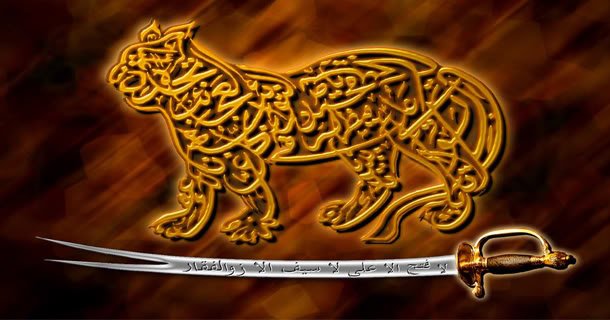
Ibn Abdul Bar in his book Al-Isti’aab (Vol. 1 page: 270 Hashiyatul Isabah) said: “Hamza bin Abdul Muttalib bin Hashim, the uncle of the Prophet; he was called the lion of Allâh and the lion of the Messenger of Allâh . He was nicknamed Abu Omarah and also Abu Ya’ala”.
And Adh-Dhahabi (in describing him) said: “The Imam, the hero, the Lion of Allâh, Abu Omarah and Abu Ya’ala, the Quraishian, the Hashemite, the Meccan and the Madinian, the Badri (i.e. He fought the Battle of Badr), the Martyr, the uncle of the Messenger of Allâh and his breastfed brother”. As-siyar (Vol.1, page: 172).
Amir Al-Mu’minin Ali bin Abi Talib
Muslim narrating in his Sahih (276) with his Isnad attributed to Shuraih bin Hani’e said: “I came to Aisha and asked her about wiping over the scuff and she said: ‘go to Ibn Abi Talib and ask him, for he used to travel with the Messenger of Allâh’. We asked him and he said: The Messenger of Allâh gave three days and their nights to the traveler (to wipe over his scuff during ablution), and a day and its night for the resident”.
And in another version of the Hadith, she said: “Go to Ali for surely he knows about it better than me”. I came to Ali, and he mentioned from the Prophet the same thing.
Ibn Abdul Bar (Rahimahullah) in his book Al-Isti’aab (Vol.3 page: 51 Hashiyatul Isabah) said: “Ahmad bin Hanbal and Ismael bin Ishaq Al-Qadi said: it has not been narrated in (showing) the virtues of any of the companions with authentic chain of narration like what has been narrated (in showing) the virtues of Ali bin Abi Talib; a similar statement has also been reported from Ahmad bin Shuaib bin Ali AnNasa’e (Rahimahullah)”.
He also said (Vol.3 page: 47): “Al-Hassan bin Abi Al-Hassan Al-Basri was asked about Ali bin Abi Talib and he said: By Allâh! Ali was indeed the perfect arrow which Allâh has thrown on His enemies, the Rabbaniyy of this Ummah (i.e. the learned man of religion who practices what he knows and preaches to others). He owned virtues in the community. He was among its foremost members and had kinship with the Messenger of Allah. He has never napped on the command of Allâh neither has he been blamed in the religion of Allâh nor has he been a thief of the wealth of Allâh. He gave the Qur’an all his determination and gained therein the purified and beautiful gardens. That was Ali bin Abi Talib, O slave of Allâh!”
He also said (Vol.3 page: 52): “Al-Asam narrated from Al-Abbas Ad-Dawri that Yahya bin Ma’een said: The best of this Ummah after our Prophet are Abubakr and Omar, then Othman and then Ali: this is our belief and the statement of our Imams”.
He also said (Vol. 3 page: 65): “And Abu Ahmad Az-Zubairi and others narrated from Malik bin Migwal who was quoting Ukail that Ash-Sha’abi said: ‘Alqamah said to me: ‘Do you know the parable of Ali in this Ummah?’ I said: ‘and what is his parable?’ He said: the parable of Issa (Jesus) the son of Mariam (Mary): people loved him till they perished in their love for him, and others hated him till they perished in their hatred for him”.
In other words, Alqamah compares the Khawarij and Rafidah to the Jew and the Christians, respectively.¹
He also said (Vol.3 page 33): “They unanimously agreed that he (i.e. Ali) prayed towards the two Qiblas (Bait Al-Maqdis [Jerusalem] and then the Ka’aba) migrated (to Medina), took part in the Battle of Badr, that of Al-Hudaibiyat and all confrontations. He excelled himself greatly in the Battles of Badr, Uhud, Al-Khandaq and Khaibar. He fought courageously in those confrontations, and stood in them an honorable position. He was the holder of the flag of Allâh’s
¹The Khawarij who hated Ali after the trial of “Sifin” till they perished; the Rafidah claimed to love Ali and exceeded the limit of love for mankind which perished them. Messenger in many places: he held it on the day of Badr (there is a dispute on that among the scholars) and when Mus’ab bin Umair was killed on the day of Uhud, the Messenger of Allâh transferred the flag to his hands.
Ibn Taimiyah in his book Minhaj AsSunnah (Vol.1, page: 178) said: “Abubakr and Omar have always been kind to Ali in every manner: they always considered him and the rest of the Banu Hashim before others in donations; they considered him in rank, sanctity, love, loyalty, praises and respect as they did with his counterparts; they granted him the merit, which Allâh has blessed him with besides others of his type. They were never known to have uttered any ill statement against Ali, neither against any of the Banu Hashim […] As well as Ali, it has been confirmed from him his love for both of them (Abubakr and Omar), his loyalty, respect and his consideration for them more than for all others in this Ummah; and he has never been known to have said any ill word against them, nor to have said that he was the worthier of the leadership (after the death of the Prophet) than Abubakr and Omar. And this is well known by those among specialists and profanes who know authentic reports from the companions by people of authority.
He also said: “As for Ali, the people of the Sunnah love and befriend him, and they testify that he is one of the Orthodox Caliphs and rightly guided Imams”.
Ibn Hajar (Rahimahullah) in his book AtTaqreeb said: “Ali bin Abi Talib bin Abdul Muttalib bin Hashim, the Hashemite, Hidarat, Abu Turab, and the father of the two Hassans (Hassan and Hussein), son of the uncle of Allâh’s Messenger, and husband of his daughter, he was among the first to accept Islam. In fact the majority considered him to be the first, and he is the preceding Arab, one of the ten (mentioned by the Prophet to enter Paradise). He died in Ramadan in the 40th year of Hegira. The people of Sunnah have unanimously agreed that by then he was the best son of Adam among the living on the earth. He had 63 years according to the predominant opinion. He had 15 sons and 18 daughters. That has been mentioned by Al-A’miriy in his book Ar-Riyad Al-Mustatabah among the Sahabah who narrated in Sahihain (page: 180). He then mentioned them by their names, mentioned their mothers and then said: “and the progeny of Ali is from the children of Al-Hassan, Al-Hussein, Muhammad, Omar and Al-Abbas”.
The grandson of the Messenger of Allâh Al-Hassan bin Ali bin Abi Talib
Ibn Abdul Bar in Isti’aab (Vol.1, page: 369 Hashiyatul Isabah) said: “It has been confirmed by many authentic narrations that the Prophet said about Al-Hassan bin Ali: This son of mine is a Saiyid (i.e. chief), perhaps Allâh will keep him alive until He brings reconciliation between two great groups of the Muslims through him”. (Narrated by a group of Sahabah) And in the Hadith reported by Abubakr (he added): ‘He is my sweet scented plant (rayhanah) in this world’. There is no chief greater than the one whom the Messenger of Allah has called a chief. He was very patient, pious and virtuous. His piety and virtue urged him to give up the power and this world, longing for that which is in the hands of Allâh, and he said: ‘By Allâh I have never loved ever since I realized what benefits and harms me- to take up the affairs of the Ummah of Muhammad as far as that is requiring bloodshed, even in a small proportion. He was among the first set of people who hastened to help Othman and among his defenders”.
Adh-Dhahabi said about him in AsSiyar (Vol.3 pages: 245-246): “The Imam, the honorable, the sweet scented plant (Rayhanah) of the Messenger of Allâh, his grandson, and the leader of the youths of Paradise, Abu Muhammad the Quraishian, the Hashemite, the Medinian, the martyr”.
He also said (Vol. 3 page: 253): “This Imam was indeed honorable, good-looking, handsome, rational, calm, generous, praised, charitable, religious, pious, modest, and great”.
And Ibn Kathir said about him in AlBidayah wan-Nihayah (Vol.11 pages 192193): “As-Siddiq used to respect him and honor him and served him devotedly, and also Omar bin Al- Khattab […] Likewise, Othman bin Affan used to honor Al-Hassan and Al-Hussein and love them, and on the day when the house of Othman was besieged, Al-Hassan was there with his sword defending him, but Othman swore to Allâh urging him to return in fear for him to be harmed and in order to please Ali. May Allâh be pleased with all of them”!
The grandson of the Messenger of Allâh Al-Hussein bin Ali bin Abi Talib
Ibn Abdul Bar said in Al-Isti’aab (Vol. 1 page: 377 Hashiyatul Isabah): “Al-Hussein was virtuous, religious, full of fasting, prayer and Hajj”.
Ibn Taimiyah said as it is in Majmu alFatawa (Vol. 4 page: 511): “And Al-Hussein was honored by Allâh the highest with martyrdom on this day (i.e. the day of A’shura), and by that, He humiliated those who killed him, assisted in killing him, or were pleased with his death. And he had a good example in those who preceded him in the martyrdom; in reality, he and his brother are the leaders of the youths of Paradise. They were brought up in the esteem of Islam, they did not encounter what the other members of their family encountered (from the constraints) of Hegira (migration to Medina), Jihad and the patience upon the disturbance in the cause of Allâh. Allâh blessed them both with martyrdom in order to perfect their honor, and raise their position.
His killing was a great misfortune; and Allâh has ordained these words to be said during misfortune: (But give glad tidings to As-Sâbirûn (the patient), who when afflicted with calamity say: ‘Truly! To Allâh we belong and truly, to Him we shall return’. They are those on whom are the salawat (i.e. who are blessed and will be forgiven) from their Lord, and (they are those who) receive His mercy, and it is they who are the guided ones) ¹.
Surah Al-Baqara Ayaats: 155-157.
Adh-Dhahabi (Rahimahullah) said about him in As-Siyar (Vol. 3 page 280): “The noble and complete Imam, the grandson of the Messenger of Allâh and his sweet scented plant (Rayhanah) from the world, his beloved one, Abu Abdullah Al-Hussein bin (the son of) Amir AlMu’minin (Prince of the Believers) Abu AlHassan Ali bin Abi Talib bin Abdul Muttalib bin Hashim ibn Abdu Manaf bin Qusai, the Quraishian and the Hashemite”.
And Ibn Kathir said in Al-Bidayah wanNihayah (Vol.11, page: 476): “The point here is that Al-Hussein witnessed the Messenger of Allah and accompanied him till he died pleased with him. But he was a little boy then, and As-Siddiq used to honor and respect him, so did Omar and Othman. He also accompanied his father and narrated from him. He was with him in all his battles; in Al-Jamal and Sifin, and he was greatly honored and respected”.
Abdullah bin Al-Abbas Allâh’s Messenger cousin of
Al Bukhari narrated in his Sahih (4970) that Ibn Al-Abbas said: “Omar used to make me sit with the elderly men who fought in the Battle of Badr. Apparently, some of them did not like that and said to Omar: why do you bring in this boy to sit with us while we have sons like him? Omar replied: ‘Because of what you know of his position (i.e. his religious knowledge)’.
One day Omar called me and made me sit together with those people and I think he called me just to show them (my religious knowledge). He said to them: what do you say about the interpretation of this statement of Allah : When there comes the Help of Allâh (to you O Muhammad against your enemies) and the conquest (of Makkah)¹. Some of them said: “we have been ordained to praise Allâh and seek His forgiveness when Allâh helps us and when He gives us the Victory’. Some others kept quiet and did not say anything, on that he said to me: is that what you ay, O the son
Surah An-Nasr Ayah: 1. of Al-Abbas?’ I replied: ‘no’. He said: ‘what do you say then’? I replied: ‘that is the sign of the death of the Messenger of Allâh*, which Allâh has made known to him’. He said: When there comes the Help of Allâh (to you O Muhammad against your enemies) and the conquest (of Makkah) > and that is the sign of the moment of your death (So glorify the praises of your Lord, and ask His forgiveness. Verily He is the One Who accepts the repentance and Who forgives. Omar said: I don’t know about it another meaning except what you have said.
And in At-Tabaqaat of Ibn Sa’ad (2/369), (it is narrated from Sa’ad bin Abi Waqaas that he said: “I have never seen a sensible, sober minded, knowledgeable, and widely forbearing (person) like Ibn Al-Abbas. I have seen Omar bin Al-Khattab calling him (to solve) difficult and problematic matters”.
And in this book also (Vol.2, page: 370), it is narrated from Jabir bin Abdullah “Ibn Al-Abbas has been blessed with
Surah An-Nasr 1-3. understanding, intelligence, and knowledge. I have never seen Omar bin Alkhattab precede anyone before him”.
And in this same volume and page it is narrated from Jabir bin Abdullah that when he heard about the death of Ibn AlAbbas, he clapped one of his hands on the other and said: “The most learned and most forbearing person has died and this is a great misfortune to this Ummah”.
And in it is also narrated that Abubakr bin Muhammad bin Amr bin Hazm said: “When Ibn Al-Abbas died, Raafi’e bin Khadij said: “the one whose knowledge was needed by those between the east and the west has died today”.
And in Isti’aab of Ibn Abdul Bar (Vol. 2, pages: 344-345) it is narrated that Mujahid said: “I have not listened to a fatwa (Islamic advisory opinion) better than the fatwa of Ibn Al-Abbas, except when someone was saying (directly): ‘the Messenger of Allâh has said’. A similar statement has been narrated by Al-Qa’sim bin Muhammad”.
And Ibn Kathir (Rahimahullah) said in Al-Bidayah wan-Nihayah (Vol. 12, page 88): “It is confirmed from Omar bin Al-Khattab that he used to let Ibn Al-Abbas sit with the elderly men from the Sahabah, and he would say: ‘Blessed is the interpreter of the Qur’an Abdullah bin AlAbbas, and whenever he appears, Omar would say: ‘the youth of the elderly has arrived, the owner of the enquiring tongue and sensible mind”.
Ja’afar bin Abi Talib, cousin of Allâh’s Messenger
In Sahih Al Bukhari (3708) it is said from the Hadith reported by Abu Hurairah about Ja’afar: “The most charitable person towards the needy is Ja’afar: he used to take us to his home and offer us what was available therein; he would even offer us an empty container which he would split for us to lick whatever was in it”.
Al Hafiz Ibn Hajar said in his explanation (Al-Fath Vol.7, page: 76): “and it is according to this precision that must be understood the generality which is narrated by Ikrimah from Abu Hurairah, he said: ‘none has worn slippers and rode a camel, after the Messenger of Allâh, better than Ja’afar bin Abi Talib. This is recorded by At-Tirmidhi and Al-Hakim with an authentic Isnad”.
And Adh-Dhahabi said about him in AsSiyar (Vol.1, page: 206): “The honorable, the martyr, the great, the star of the Mujahidin, Abu Abdullah, the son of the uncle of the Messenger of Allâh, Hashim bin Abdu Manaf bin Qusai, the Hashemite, the brother of Ali bin Abi Talib; he was 10 years older than Ali. He made the two Hegiras, he migrated from Abyssinia to Medina, he joined the Muslims in Khaibar after they have conquered it, and stayed in Medina for months, and then the Messenger of Allâh appointed him as Commander of the army prepared for the Battle of Mu’uta towards Al-Karak, he was martyred there. The Messenger of Allâh was very happy for his coming (to Medina) and-by Allâh- he was so grieved on his death”. And in At-Taqreeb of Ibn Hajar, he said: “Ja’afar bin Abi Talib, the Hashemite, the father of the needy, the owner of the two wings, the honorable Sahabi and the cousin of the Messenger of Allah, martyred during the Battle of Mu’uta in the 8th year of Hegira. He is mentioned in Sahihain but nothing has been narrated from him”.
He is called the owner of the two wings because he was compensated for the loss of his both hands, when they were cut off during the Battle of Mu’uta, with two wings with which he flew together with the Angels. It is reported in Sahih Al Bukhari (3709) with its Isnad attributed to AshSha’abi “That Ibn Omar, whenever he greeted the son of Ja’afar, he used to say: ‘Assalamu ‘alaika’ (may peace be upon you), O you the son of the owner of the two wings”.
Al-Hafiz Ibn Hajar said in his explanation: “It is as if he was referring to the Hadith of Abdullah bin Ja’afar in which he said: the Messenger of Allâh said to me: ‘Congratulations, your father is flying with the Angels in heaven’; recorded by AtTabarani with a good Isnad”.
He then mentioned other routes of this Hadith from Abu Hurairah, Ali and Ibn AlAbbas, and he said in the route of Ibn AlAbbas: “Verily Ja’afar is flying with Jibril and Mi’ka’eel: he has two wings with which Allâh compensated him for his hands”. He said: “The Isnad of this (Hadith) is good”.
The grandson of the uncle of the Messenger of Allâh, Abdullah bin Ja’afar
In Sahih Muslim (2428) it is narrated from Abdullah bin Ja’afar: “Whenever the Messenger of Allah returns from a journey, he is received by the youths of his household. Once he returned from a journey, I was preceded to him; he put me before him. Then one of Fatima’s sons was brought (on the scene), he placed him behind him; he (Abdullah bin Ja’afar) said: ‘we entered Medina, -the three of us together on the mount”.
Adh-Dhahabi (Rahimahullah) said about him in As-Siyar (Vol.3, page: 456): The master, the scholar, Abu Ja’afar the Quraishian, the Hashemite, the Abyssinian born, the Medinian settler, the hospitable, the generous, the son of the generous, and son of the owner of the two wings, he was blessed with the companionship of the Prophet and narrated Hadiths. He is considered among the junior Sahabah. His father was martyred on the day of the Battle of Mu’uta, the Prophet took up his responsibility, and he was brought up in his house.
He also said: “He was great, generous, and fit for leadership”.
And in Riyad Al-Mustatabat of Al-A’miriy (page: 205) “Abban bin Othman prayed on his corpse. He was by then the governor of Medina, he raised his stretcher while his tears were flowing down and he said: ‘By Allâh you were good, there is no evil in you, and you were by Allâh respectable, virtuous, and righteous”. And among the companions of the Messenger of Allâh who belong to his household are
Abu Sufyan, Nawfal, Rabee’ah and Ubaidah who are the sons of Al-Harith bin Abdul Muttalib.
Abdul Muttalib bin Rabee’ah bin AlHarith bin Abdul Muttalib.
Al-Harith and Al-Mugirah the sons of Nawfal bin Al-Harith bin Abdul Muttalib.
Ja’afar and Abdullah the sons of Abu Sufyan bin Al-Harith bin Abdul Muttalib Mu’atib and Utbah the sons of Abu
Lahab Abdul Uzza bin Abdul Muttalib.
Al-Fadl and Ubaidullah the sons of AlAbbas bin Abdul Muttalib.
आपके बेमिसाल सरापा के भाँति ही आपके बात करने का ढंग भी निराला था। आपके कथन में मनमोहकता और मिठास भरी होती थी। एक बार आपकी बातें सुनकर बहुत दिनों तक हृदय चटखारा लेता रहता था। चुप-चाप रहने की आदत थी। सदैव दृष्टि नीची होती थी। आपके वाक्य छोटे होते थे। बातें धीरे-धीरे और जल्दी होती थी । शब्दों को दोहराने की आदत थी। आपकी जुबान में कुछ कम्पन थी। आपकी बातें अबोध बालकों जैसी सीधी-सीधी होती थीं। वाक्य अत्यन्त संक्षिप्त होते थे। जो चाहने वालों को व्याकुल कर देते थे। आप बातों-बातों में कठिन से कठिन गुत्थियाँ सुलझा देते थे। आपके मीठे और मधुर वचन दुखी दिलों का दुःख दूर कर देते थे। आपके खामोश रहने में भी एक प्रत्यक्ष शान दिखाई देती थी । लोग इच्छुक रहते थे कि आप कुछ कहें और लोग लाभान्वित हॉवें। प्रत्येक दिलों की दशा आप जानते रहते थे। जब आवश्यकता होती या समझते तब. बोलते थे। कभी ठहाका मार कर नहीं हंसते। यह जरूर था कि मुस्कुराते हुए जान पड़ते थे। किसी से बात को हुजूर लम्बा करना नहीं चाहते, जहाँ तक होता बातें जल्द ही समाप्त कर देते थे। आप अधिकांश चुप रहा करते थे। आपके बात करने की अनोखी शान थी। जिससे आप बात करते वह रोमान्वित हो उठता, अपना होश खो देता था तथा मुहब्बत में मस्त हो जाता था।
। श्री मिर्जा मुहम्मद इब्राहीम बेग शैदा वारसी (जो हुज़ूर वारिस पाक के निकट रहने वालों में विशेष स्थान रखते हैं) लिखतें है:- दरभंगा में नबाब सादिक अली खाँ के मकान पर आप विद्यमान थे। चार से छ: बजे शाम के बीच एक अरब निवासी आप की सेवा में उपस्थित हुए। आपने केवल इतना ही कहा ‘मदनी साहब कल आपकी खातिर हो जायेगी।’ दूसरे दिन आपके चेलों और आप पर विश्वास करने वालों की एक अच्छी भीड़ नवाब सादिक अली साहब के द्वार पर लगी थी आप नवाब साहव के मकान से बाहर आये। अरबी साहब भी हाजिर थे। आपने उनको ‘एहराम’ पीले वस्त्र का एक टुकड़ा प्रदान किया जो नीले रंग का मलीना था और कहा ‘लो यह तुम्हारा हिस्सा है।’ अरबी महोदय ने वह टुकड़ा लेकर दर्दनाक आह की तथा व्याकुल होकर अपने वस्त्र फाड़ डाले और तड़पने लगे। सभी उपस्थित गण भी एक विशेष अवस्था में आ गये पर हुजूर मुस्कुराते हुए कहते थे ‘मदनी साहब को यह क्या हो गया?’ अंततः जब आप बिस्तर पर आकर बैठे तो अरबी महोदय को उसी दशा में बुलाकर फकीरी वस्त्र प्रदान किया। उनका नाम अरबशाह रखा और आदेश दिया सादिक अली खाँ के बंगला में रहा करो। यह भी कहा:-‘यदि दिल घबराये तो मदीना शरीफ चले जाना, जुमा के दिन हम से भेंट हुआ करेगी।’ वास्तव में इस वाक्य का ‘लो यह तुम्हारा हिस्सा है’ का अर्थ था जिसने अरबी महाशय को दर्द से भर दिया।
मौलवी सैय्यद शर्फुद्दीन साहब (आनरेबुल मेम्बर एक्जीकेटिव कौन्सिल बिहार) कहते हैं कि एक बार हुजूर वारिस पाक पटना पधारे और मुझे आदेशित किया ‘तुम मेरे साथ देवा चलो।’ मैं अपने मन में सोचने लगा ख़ुदा ने मुझे दो बच्चे दिया एक बेटा और एक बेटी और दोनों को चेचक निकल आई है आखिर इनको किस पर औरकैसे छोड़ कर जाऊँ। अंततः मैं सरकार की सेवा में हाजिर हुआ। हुजूर ने अपने आप एक किस्सा कहना आरम्भ किया जिसका अर्थ यह था कि मुहब्बत में माता-पिता, माल-दौलत, धर्म-संसार सब छूट जाता है। यह कह कर मुझे आदेश दिया ‘वालिस्टर मेरे साथ चलो।’ मैंने हाँ कहा और हुज़ूर के साथ हो लिया। पुनः हमने कहा कि हुजूर हकीम मुबारक हुसेन साहब सफर करना पसन्द करते है। आपने उनकी ओर मुँह करके कहा ‘हकीम जी जितना गाँव जवान और बनफशा को याद रखते हो उसी कदर मुझे भी याद रखा करो ।’ मैं नहीं कह सकता कि यह वाक्य कितना प्रभावकारी था और किस विशेष अदा में कहा गया था कि हकीम जी भी प्रेम रोग के रोगी बन गये। वह भी हुजूर के साथ चलने को तैयार हो गये।
खान बहादुर मौलवी बाकर खाँ साहब वारसी पेनशिनीज डिप्टी कलक्टर राय बरेली जो एक शरीयत (इस्लाम धर्म के कानून) पर चलने वाले बुजुर्ग हैं। ब्यान करते हैं कि एक बार वारसी दरगाह में मैं हाजिर था। एक हिन्दू साध परिक्रमा करते हुए एक विशेष दूरी चलकर हुजूर के सामने उपस्थित हो अपने ढंग से दण्डवत कर चरण चूमे तथा चुपचाप खड़े हो गये। देखने से जान पड़ता था कि इनका कोई विशेष उद्देश्य था। इस समय किसी सेवक ने एक व्यक्ति से संके किया कि इनको सीधा दिला दो। तत्काल साधु ने कहा ‘मैं सीधा लेने हेतु इतन कष्ट झेलकर नहीं आया हूँ। मेरी गरज पूरी होनी चाहिये।’ हुजूर ने उसकी ओ देखकर केवल दो शब्द कहा ‘अच्छा जाओ।’ साधु महाराज प्रसन्नता से जोश मे आ गये और आनंदित हा उछलते कूदते चले गये। मानो उनकी मनोकामना पूरी ह गयी। सुनने वालों के समझ में तो कुछ हाथ न लगा किन्तु साधु अपनी कामना के पूरी होने का निरीक्षण करते हुए चला गया। श्रोतागण हुजूर के कथन का कुछ अर्थ समझने से असमर्थ होते किन्तु जिसके प्रति कहा जाता वह अपनी उद्देश्य पूर्ति को देखकर प्रसन्न हो उठता था।
मौलवी सैय्यद ग़नी हैदर शाह का कथन है कि मौलवी सैय्यद मुहम्मद करीम साहब रज़ा चिश्ती नजामी, आरंभ में हदीस की शिक्षा देते थे। जाहिरी शरीयत में सुदृढ़ थे किन्तु आन्तरिक ज्ञान से सहमत न थे। हदीस पढ़ाना आपने छोड़ दिया और कुछ दिन अपने घर पर ही पड़े रहे। फिर मौलवी साहब ने बरेली जाने का इरादा किया। संयोग से उसी समय हम लोग देवा शरीफ जा रहे थे। स्टेशन पर मौलवी साहब से मुलाकात हो गई। हम लोगों की दिलजोई के लिए मौलवी साहब भी बाराबंकी स्टेशन पर साथ ही उतर गये और देवा शरीफ भी गये। दूसरे या तीसरे दिन संध्या पश्चात् मौलवी साहब ने कहा ‘हम भी मिलना चाहते है।’ हम अपने साथ लेकर हुजूर की खिदमत में हाजिर हुए। हुजूर उस समय लेटे हुए थे। मैंने हुजूर के हाथों को चूम कर कहा कि मौलवी साहब आपके दर्शन के लिए आये हैं। हुजूर उठकर बैठ गये। मौलवी की ओर देखते हुए कहा ‘मौलवी साहब! मौलवी साहब! हम तो किताबें भूल-भूलाये गये। ग़नी हैदर साहब का कथन है कि मैंने हुजूर से कहा मौलवी साहब भी भूल रहे हैं। फिर मौलवी साहब की ओर हुजूर ने देखते हुए कहा ‘अल कलेमतो लफजुन वजेअ ले मजी मुफरदिन, आपने पढ़ा है तो भी भूल-भूलाये गये ।’ पुनः आपने कहा ‘मौलवी साहब । इन्नल्लाहा खलका आदमा अला सूरतेही, है न, बस देखा करो।” हम लोग मौलवी साहब को लेकर ठहरने की जगह पहुंचे और पूछा फिर मौलवी साहब ने कुछ बताया मेरी याद के मुताबिक यह है- हम छात्रों को हदीस पढ़ाते थे तो एक छात्र के पाठ में ये हदीस आई (इन्नल्लाहा ख़लका आदमा अला सूरतेही अर्थात् बेशक अल्लाह ने आदम को अपनी सूरत पर पैदा किया है। उसने प्रश्न किया कि ख़ुदा की तो कोई सूरत नहीं फिर यहां सूरत का क्या अर्थ है ? मैं जो बराबर पढ़ाता था वही बताया किन्तु उसके मन को विश्वास नहीं होता था। वह छात्र प्रत्येक दिन मुझसे पूछता था। चूंकि अपने अर्थ पर मुझे भी विश्वास नहीं था। अतः मैं उसके चक्कर में पड़ गया। बहुत दिनों तक किताबें उलटता-पलटता रहा किन्तु वास्तविक अर्थ नहीं मिला। मेरी तबियत पढ़ने-पढ़ाने से उदास हो गई। यही सोचा करता था कि सूरत कैसी है और सूरत का क्या अर्थ है ? इस उलझन को आज हाजी साहब ने खोल दिया। उक्त मौलवी साहब घूम फिर कर दिल्ली में निवासित हुए और आज़ाद फ़कीर के नाम से मशहूर हैं। जो
से हुजूर की बातें वास्तविकता पर निर्भर होती थी। आप समस्याओं पर बहस नहीं करते थे। एक बार की बात है। शाह अब्दुर्रहमान दहलवी हज़रत हाजी साहब मुलाकात करने गये। बातचीत के सिलसिले में अद्वैत्यवाद का मसला पूछा । आपने कहा ‘जिस पर अद्वैत्यवाद खुलता है, वही जानता है। ज़बान से इसका भेद कहना कठिन है।’ इससे यह विदित है कि आप मसले को समझते थे । उसका संक्षिप्त उत्तर दे देते थे। मौलाना हकीम सैय्यद अली नक़ी शाह जो नक़्शबन्द के ख़लीफ़ा थे लिखते हैं कि एक बार हज़रत भिसवाँ फतेहपुर में ठहरे थे। न्यज़ अहमद साहब जुमा के दिन मस्जिद में आपके प्रति कठोर वचन प्रयोग कर रहे थे। अचानक आप मस्जिद में आ गये और केवल इतना सा कहा ‘मौलवी साहब आप अपनी बना चुके। मैं तो अपने दुख दर्द में फंसा हूँ।’ इतना कहना था कि मौलाना चीख़ मार कर रोने लगे। मस्जिद के सभी लोग रोते-रोते बेहोश हो गये। आपके साधारण वाक्य बिजली की तरह प्रभावकारी थे। मध्यम पुरुष तथा अन्य उपस्थितगण पर तत्कालिक प्रभाव छा जाता था।
के हाजी अवघट शाह वारसी जब अपने पूज्य पिता के उर्स की आज्ञा लेने आये तो आपने तीन चादरें देकर कहा ‘लो ये चढ़ा देना।’ हाजी अवघट शाह कहते हैं कि मेरे पिता का मज़ार और एक फ़कीर सोहराब शाह का, दो मज़ार मस्जिद में थ किन्तु तीसरी चादर की बात समझ में न आती थी। अतः दो चादरें चढ़ा दी और तीसरी रख लिया। स्वप्न में हुजूर कहते हैं कि इस मस्जिद में अमुक स्थान पर एक और मज़ार है। सुबह उठकर उस जगह को खोदवाया और वहाँ एक मज़ार मिला जिस पर चादर चढ़ा दिया। इसके पूर्व किसी को इस मज़ार का ज्ञान नहीं था। इसी प्रकार की एक घटना फजीहत शाह साहब वारसी की बीती है। जिसको मौलवी पूज्य अब्दुल ग़नी वारसी लिखते हैं। जब हुजूर बिहार प्रदेश के मौज़ा बेलछी शरीफ में पधारे थे। फ़जीहत शाह भी हाज़िर थे। उस समय एहराम न मिलने के कारण उनका पैतृक नाम जहूर अली था। फ़जीहत शाह हुजूर से अपने दादा पीर के उर्स में सम्मिलित होने के लिए आज्ञा लेने गये। आपने कहा ‘अच्छा जाओ और एक काम और भी करते जाओ।’ जब फ़जीहत शाह उर्स से लौटे तो मालूम हुआ कि उनके पीरज़ादा ग्यासुद्दीन साहब के एक मुरीद की ऐसी हालत है कि बेरोक टोक पोर, पैग़म्बर, औलिया, अम्बिया सबको गाली देते हैं। फ़जीहत शाह ने हुजूर की पाक रूहानियत से उसकी इस हालत को दूर कर दिया। उस समय से समझ में आया कि काम यह था।
सैय्यद हामिद अली शाह चिश्ती क़ादिरी लिखते है कि मुझ से मिर्जा, मुनियम शाह वारसी ब्यान करते हैं कि एक बार मैं तीन सौ रुपये का कर्जदार था। ऋण चुकाने की कोई सूरत नहीं बनती थी। एक दिन मैं सरकार वारिस पाक की सेवा में हाज़िर हुआ। आपने मुझे सम्बोधित कर कहा ‘किस्सा चार दरवेश कर अदा करने के लिए अच्छा है।’ इतना कहकर आप चुप हो गये। मैं मकान पर आकर किस्सा चार दरवेश तीसरी बार ख़त्म किया था कि मुझको ताअल्लुकदार,साहब कोहबरा ने बुलाकर तीन सौ रुपये प्रदान किया और कहा कर्ज दे दो। मौलाना शायक वारसी साहब ‘तोहफ्तुल असफिया’ में लिखते हैं कि देवा शरीफ के कुछ सम्मानित लोग आपके पास आए और कहा कि हमारे कुछ अज़ीज फौजदारी के मुकदमें में फंस गये हैं। हुजूर पाक ने कहा ‘हम क्या करेंगे?’ अगन्तुक निराश हो चलने को तैयार हुए ही थे कि आपने उनकी ओर देखकर कहा
‘दोसता रा कुजा कुनी महरूम तू किवा दुशमनाँ नजर दारी’ अर्थ- जब तू दुश्मनों की सुरक्षा करता है फिर दोस्तों को कैसे निराश करेगा।
हुजूर सरकार वारिस पाक के कथन, उप-कथन में संकेत अधिक होते थे जैसे :- ख़ुदा मालिक है। ख़ुदा में सब क़ुदरत है। ला तकनतू मिर्रहमतल्लाह । इसी प्रकार सांकेतिक बातें आपके मुख से निकलती थीं जिनसे दीन दुखियों को अपनी सफलता का विश्वास हो जाता था। आप भविष्य की बातें इस प्रकार ब्यान करते जैसे कोई प्रश्न किया जाता है अर्थात् कोई पूछता है। जिसकी मिसाल हेतु अब्दुल ग़नी साहब वारसी, बिहारी की एक घटना काफी है । बेलछी में आपने कहा ‘अब्दुल ग़नी तुम्हारी तरक्की हो गई।’ मौलाना अब्दुल ग़नी साहब चूंकि आपकी कथन शैली के जानकार नहीं थे। अतः आपने सादगी से कहा ‘नहीं हुजूर ।’ हज़रत ख़ामोश हो गये। उक्त मौलाना का कहना है कि मुरीद बनने के पश्चात् सन् १८९१ ई० में जब मैं हैदराबाद पहुँचा तो मेरा वेतन दो सौ रुपये से बढ़कर सवा तीन सौ रुपया मासिक हो गया। यही वेतन दस-बारह वर्ष तक मिलता रहा । मुझे शंका बनी रहती थी कि मेरा विभाग अस्थाई है। इसके टूटने पर मुझे किसी अन्य विभाग में नौकरी मिले या न मिले। उसी समय मैंने अपनी जन्म भूमि को जाने का इरादा किया तथा अवकाश लेकर वापस हुआ, सोचा सरकार वारिस पाक का चरण स्पर्श करता चलूं। मैं आपकी चौखट पर पहुंचा। जब हुजूर के समक्ष हाज़िरी हुई तो आपने फ़रमाया ‘अब्दुल ग़नी तुम नौकर हो ना।’ अब चूंकि मैं हुजूर की वाक्य शैली का ज्ञान रखता था इसलिये अर्ज़ किया ‘हाँ हुजूर, नौकर हूँ।’ अपने घर से जब छुट्टी पूरी करके वापस गया तो मैं दूसरे मुहकमे में चला गया और क्रमश: मेरी तनख्वाह ३०० रु० से ५०० रु० हो गयी। यह सब हुजूर वारिस पाक का सदक़ा था। आपकी शान अत्यन्त निराली थी। आपके सामने पहुंचकर अपनी आवश्यकता कहने की ज़रुरत नहीं होती थी। पहुंचते ही सब कठिनाईयां दूर हो जाती थीं।
हुजूर सल्लल्लाहु अलैहि वसल्लम जब ग़ज़वा-ए-तबूक से वापस तशरीफ लाये और सहाबाए किराम समेत मदीना मुनव्वरा में दाखिल हुए तो मदीना वालों में खुशी की एक लहर दौड़ गयी। हुजूर के इस्तिक़बाल के लिये सब आगे बढ़े उस वक्त हज़रत अब्बास रज़ियल्लाहु तआला अन्हु ने आगे बढ़कर अर्ज़ किया या रसूलल्लाह ! मेरी ख़्वाहिश है कि मैं हुजूर सल्लल्लाहु अलैहि वसल्लम के मुतअल्लिक् कुछ नातिया अशआर अर्ज करूं । या रसूलुल्लाह! मुझे नअत-ख़्वानी की इजाजत दीजिये । हुजूर सल्लल्लाहु अलैहि वसल्लम ने फ़रमायाः
“कहो जो कहना है। अल्लाह तुम्हारे मुंह को सलामत रखे ।” हज़रत अब्बास रज़ियल्लाहु तआला अन्हु ने बारगाहे नब्बी से इजाज़त पाकर शुरू में नअत-ख़्वानी की। हुजूर सल्लल्लाहु अलैहि वसल्लम को मुखातिब करके इन ख़्यालात आलिया ( बेहतरीन ख़्यालात) का इज़हार फ़रमाया: या रसूलल्लाह! आप क़ब्ले पैदाइश भी पाक व साफ़ थे और नूर थे। हज़रत नूह अलैहिस्सलाम की किश्ती पर भी आप रौनक अफ़रोज़ थे। हज़रत इब्राहीम अलैहिस्सलाम की पुश्त में भी आपका नूर जल्वागर था । जब वह आग में डाले गये थे। जब आप पैदा हुए तो आपके नूर से ज़मीन व आसमान मुनव्वर हो गये। आपकी अज़मत व बुजुर्गी बड़े बड़े आली नसब वालों पर हावी है। हुजूर हम आप ही के नूर और आप ही की रौशनी में हैं। आप ही के नूर की बदौलत हम हिदायत में तरक्की कर रहे हैं।
हुजूर सल्लल्लाहु अलैहि वसल्लम हज़रत अब्बास रज़ियल्लाहु तआला अन्हु की इस नअत-ख़्वानी से बड़े खुश हुए। (मवाहिब जिल्द १ सफा १७५)






 Aal-e-Qutub Aal-e-Syed Abdullah Shah Ghazi